How to water container plants while on vacation (no smart devices)

Returning from a refreshing vacation only to find your beloved container plants wilting or worse, completely dried out, is a common and disheartening experience for many gardeners. Successfully keeping your potted plants hydrated for days or even weeks without relying on smart home technology or asking a neighbor is entirely achievable through several effective, low-tech methods. These strategies focus on reducing water loss and providing a slow, steady supply of moisture to ensure your plants remain healthy until your return.
Key Takeaways
- Assess your trip length: Short trips (1-3 days) might only require thorough pre-watering, while longer absences (4+ days) demand more robust self-watering systems.
- Choose drought-tolerant plants: Opt for species like succulents, cacti, or lavender that naturally require less frequent watering.
- DIY watering systems are effective: Capillary mats, water wicks, and plastic bottle drip feeders are reliable, inexpensive solutions.
- Optimize plant environment: Grouping plants, moving them to shadier spots, and increasing humidity helps conserve moisture.
- Soil choice matters: Incorporating water-retentive amendments like coco coir or vermiculite improves moisture retention.
- Proper preparation is crucial: Pruning, mulching, and thorough watering before you leave significantly extend the time plants can go without water.
- Post-vacation assessment: Check soil moisture and plant health upon return, rehydrating slowly if plants show signs of stress.
How Long Can Potted Plants Survive Without Water?
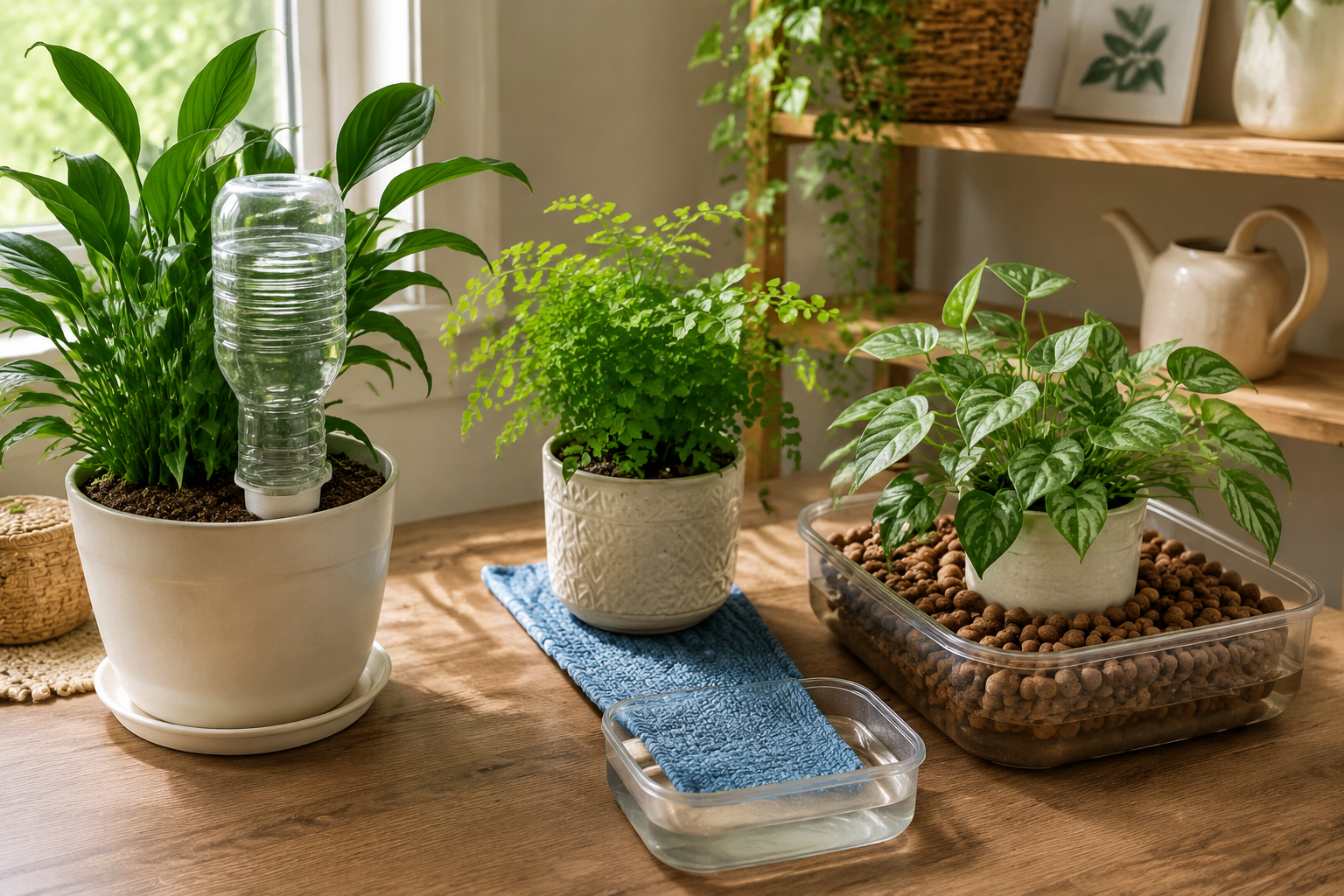
The survival time for potted plants without water varies significantly based on several factors, including plant type, pot size, soil composition, ambient temperature, humidity, and light exposure. Generally, most common container plants can survive for 2-5 days without water under typical indoor conditions, while drought-tolerant species might last a week or more. Larger pots with more soil retain moisture longer than small pots, and plants in hot, sunny, or windy environments will dry out much faster than those in cool, shady, humid spots.
Factors Influencing Plant Survival
- Plant Type: Succulents and cacti, for instance, are adapted to arid conditions and can survive weeks without water. Tropical plants or those with large leaves, like ferns or impatiens, will wilt quickly. For ideas, consult our guide on drought-resistant plants.
- Pot Size and Material: Larger pots hold more soil and thus more water. Terracotta pots are porous and allow water to evaporate faster than plastic or glazed ceramic pots.
- Soil Mix: Well-draining soil prevents root rot but can dry out quickly. Soil amended with water-retaining materials will extend survival time. You can learn more about choosing the right soil with our “Best Soil Mix For Container Gardening (Complete Guide).”
- Environmental Conditions: High temperatures, low humidity, and direct sunlight accelerate water evaporation. Moving plants indoors or to a shadier location before vacation is highly beneficial.
Cheap Ways to Keep Plants Watered When I’m Away
Keeping your plants watered cheaply while you are away can be achieved through several resourceful, low-cost methods that utilize common household items to create effective self-watering systems. These non-smart solutions are ideal for budget-conscious gardeners and rely on passive water delivery to sustain your container plants.
Effective Low-Cost Watering Methods
- Wick Systems: This method uses a piece of cotton rope or fabric strip (the “wick”) to draw water from a reservoir into the plant’s soil.
- Setup: Place one end of the wick into a container of water (a bucket or bottle) positioned slightly below the plant, and bury the other end 2-3 inches deep into the plant’s soil. Ensure good contact with the roots.
- Materials: Old cotton t-shirts, mops, or thick yarn make excellent wicks.
- Plastic Bottle Drip System: Repurposing plastic bottles can create simple, slow-drip irrigators.
- Setup: Fill a plastic bottle with water, cap it, and poke a very small hole in the cap. Invert the bottle and push the cap end into the soil near the plant’s base. The water will slowly drip out, providing consistent moisture.
- Tip: Experiment with hole size before you leave to ensure the drip rate is appropriate for your plant and the length of your trip. A larger bottle will last longer.
- Humidity Trays/Group Watering: For smaller indoor plants, creating a humid microclimate can reduce water loss through transpiration.
- Setup: Place plants (still in their pots) in a shallow tray filled with a layer of pebbles and some water. The water should not touch the bottom of the pots, but evaporate to increase humidity around the plants.
- Benefit: Grouping plants together also increases ambient humidity, benefiting all involved.
- Bathing Tub Reservoir: For a short-term solution, a bathtub or sink can act as a large communal watering tray.
- Setup: Place a towel at the bottom of a clean tub or sink, then arrange potted plants on top. Fill the tub with a few inches of water, ensuring the water level is below the pots’ drainage holes to prevent waterlogging. The towel will absorb water and slowly release humidity. This is best for a few days’ absence.
DIY Plant Watering Methods for Vacation
Creating your own self-watering systems before you leave for vacation provides a reliable, non-electronic way to ensure your container plants receive consistent moisture. These DIY methods are typically inexpensive, easy to set up, and can be tailored to the specific needs of your plants and the duration of your absence.
Step-by-Step DIY Solutions
- Capillary Matting System:
- Materials: A large, absorbent piece of fabric (like an old blanket, towel, or specific capillary matting material), a large tray or basin, and a water reservoir (e.g., a bucket or large bottle).
- Instructions:
- Place the absorbent fabric in the bottom of your tray.
- Ensure one end of the fabric dips into your water reservoir, which should be placed slightly below the tray.
- Water your plants thoroughly, then place them directly on the damp capillary matting. The mat will wick water from the reservoir and transfer it to the pots’ drainage holes.
- Water Wicking from an Elevated Reservoir:
- Materials: Cotton rope or thick yarn, a large bucket or container for water.
- Instructions:
- Thoroughly water your container plants.
- Fill a bucket with water and place it on a stable surface higher than your plants.
- Cut pieces of cotton rope long enough to reach from the bottom of the water bucket to 2-3 inches deep into the soil of each plant.
- Submerge one end of each rope in the bucket and the other end into a plant pot. Gravity and capillary action will draw water down to the plants. This works best with thirsty plants that can quickly absorb the water.
- Plastic Bottle Inverted Drip System (Detailed):
- Materials: Clean plastic bottles (1-liter or 2-liter), a nail or small drill bit, water.
- Instructions:
- Before you leave, water your plants well.
- Fill the plastic bottle with water.
- Use a nail or small drill bit to make 1-3 tiny holes in the bottle cap. The number and size of holes will determine the drip rate. A single pinhole is often sufficient for a slow drip.
- Dig a small hole in the soil near the plant’s base, avoiding major roots.
- Invert the filled bottle and quickly push the capped end firmly into the soil, ensuring the holes are buried. The vacuum created will regulate the drip.
- Test the system for a day or two before you leave to ensure the drip rate is appropriate.

Which Plants Are Most Drought Tolerant for Travel?
When planning to be away, selecting drought-tolerant plants is one of the most effective strategies to ensure your container garden thrives with minimal watering. These plants are naturally adapted to survive periods of dryness, making them ideal candidates for vacation-proofing your home.
Top Drought-Tolerant Container Plants
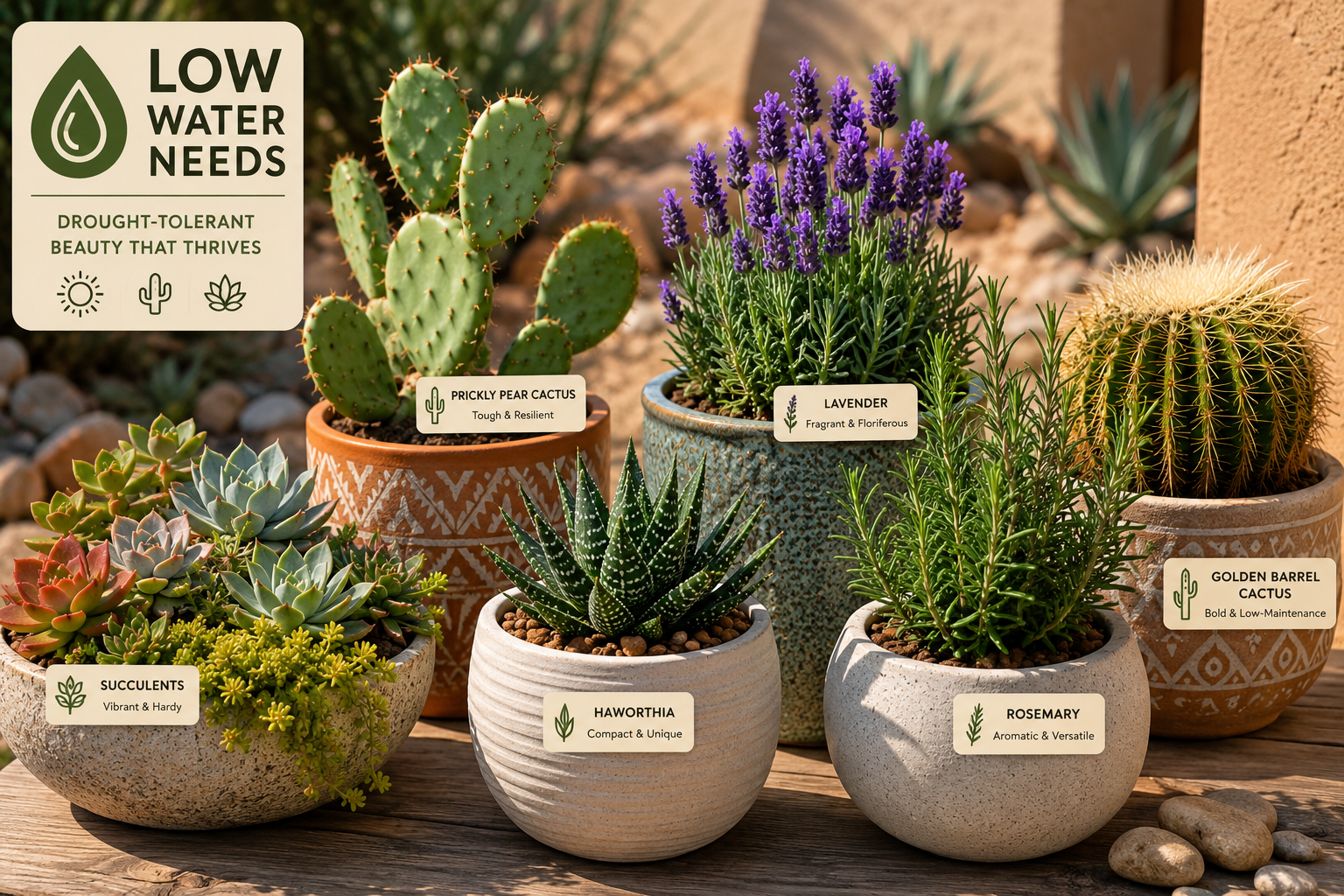
- Succulents and Cacti: These are champions of drought tolerance. Their fleshy leaves or stems store water, allowing them to go for extended periods without irrigation. Examples include Echeveria, Sedum, Aloe Vera, and various Cacti species.
- Herbs: Many Mediterranean herbs are incredibly resilient to dry conditions.
- Examples: Lavender, Rosemary, Thyme, Oregano, and Sage. These not only survive but often thrive with less frequent watering.
- Perennials with Silvery or Fuzzy Leaves: Plants with these characteristics often have adaptations to reduce water loss.
- Examples: Lamb’s Ear (Stachys byzantina) and Artemisia varieties.
- Ornamental Grasses: Many ornamental grasses are very forgiving when it comes to water.
- Examples: Blue Fescue, Fountain Grass.
- Geraniums (Pelargoniums): While they appreciate regular water, mature geraniums can tolerate short periods of dryness better than many flowering plants.
- Portulaca (Moss Rose): A vibrant annual that thrives in hot, dry conditions and stores water in its succulent-like leaves.
For a broader understanding of plants that require less water, you might find our article on “Drought Resistant Plants: 2026 Guide To Water-Wise Gardening” helpful.
How to Make a Self-Watering System with Household Items
Creating a self-watering system from household items is a straightforward and economical approach to plant care during your absence, eliminating the need for complex smart devices. These systems leverage basic physics, primarily capillary action and gravity, to deliver water consistently to your container plants.
Steps for Building Simple Systems
- Wick System using a Water Bottle:
- Prepare the bottle: Take an empty plastic water bottle (e.g., 2-liter soda bottle) and clean it thoroughly.
- Create the wick: Cut a strip of old cotton cloth (like a t-shirt or towel) about 1-2 inches wide and long enough to reach from the bottom of your water reservoir to the base of your plant’s pot.
- Setup: Poke a hole in the bottle cap, or remove the cap entirely if a steady drip is needed. Thread one end of the cotton strip through the bottle opening, allowing it to reach the bottom of the bottle when inverted. Ensure the other end of the strip is firmly planted 2-3 inches deep into the plant’s soil, touching the root ball.
- Fill and position: Fill the bottle with water, then quickly invert it and bury the neck with the cotton wick into the soil. The cotton will draw water into the soil as needed.
- Bathtub or Sink Reservoir:
- Clean and protect: Clean your bathtub or sink thoroughly. Lay down an old towel or a thick layer of newspapers to protect the surface and help absorb extra moisture.
- Add water: Fill the tub or sink with 1-2 inches of water.
- Place plants: Arrange your potted plants directly on the towel. Ensure their drainage holes are above the water level to prevent root rot, but the evaporating water will increase humidity around the foliage. This method is best for short trips or plants that appreciate high humidity.
- Plastic Bag Greenhouse Method:
- Water thoroughly: Give your plant a very good soak just before leaving.
- Create humidity: Place the potted plant inside a clear plastic bag (a garbage bag works for larger plants, a grocery bag for smaller ones). Inflate the bag slightly by blowing into it, then seal it tightly, ensuring the leaves do not touch the plastic.
- Location: Place the bagged plant in a cool spot away from direct sunlight. The bag will create a humid microclimate, reducing transpiration and recycling moisture. This method is best for very short trips (2-3 days) as prolonged high humidity can lead to fungal issues.
What Happens if I Don’t Water My Plants for a Week?
If you don’t water your container plants for a week, the outcome depends heavily on the plant species, environmental conditions, and the size of the pot. Many common garden and house plants will show significant signs of stress, such as wilting, yellowing leaves, and stunted growth, while sensitive plants may die. Drought-tolerant species, however, may still appear relatively healthy.
Common Outcomes of Neglect
- Wilting: This is often the first visible sign of water deprivation. Plants lose turgor pressure in their cells, causing leaves and stems to droop.
- Yellowing and Browning Leaves: As water becomes scarce, plants may shed older leaves to conserve moisture for newer growth, leading to yellowing or browning, particularly at the edges or tips.
- Stunted Growth: Lack of water inhibits nutrient uptake and photosynthesis, severely slowing or stopping growth.
- Flower Drop and Fruit Abortions: Flowering or fruiting plants will often drop their blooms or immature fruits to conserve resources.
- Root Damage: Prolonged dryness can damage fine root hairs, making it harder for the plant to absorb water even when it becomes available again.
- Death: Severely dehydrated plants, especially those with high water requirements in small pots, can die within a week, particularly in hot, dry conditions.
Moving plants to a cooler, shadier location and ensuring they are thoroughly watered before you leave can mitigate these effects for a typical week-long absence.
Best Water Holding Soil for Container Plants
The best soil for container plants that need to retain water, particularly when you’re on vacation and cannot water them frequently, is a mix that balances drainage with excellent moisture retention. This usually involves amending standard potting mix with materials known for their water-holding capabilities.
Key Soil Amendments for Water Retention
- Coco Coir: Made from coconut husk fibers, coco coir is an excellent sustainable amendment. It holds a significant amount of water while still providing good aeration, preventing soil compaction. It can retain up to 8-9 times its weight in water.
- Vermiculite: This lightweight, sterile mineral expands when wet, absorbing and holding water within its layers, then slowly releasing it to plant roots. It also improves aeration and nutrient retention.
- Peat Moss: A traditional choice, peat moss is highly acidic and has superb water retention properties. However, its use is debated due to environmental concerns related to harvesting. If using, mix it well with other components to avoid compaction.
- Perlite (in moderation): While primarily used for aeration and drainage, perlite does have some capacity to hold water on its porous surfaces. It should be used in conjunction with other, more absorbent amendments.
- Compost: Well-rotted compost not only provides nutrients but also significantly improves the soil’s water-holding capacity and overall structure.
Creating a Water-Retentive Potting Mix
A good general-purpose mix for container plants needing extra moisture retention could be:
- 2 parts high-quality potting mix
- 1 part coco coir or peat moss
- 1 part vermiculite
For more insights into soil composition, consider reading our “Best Soil Mix For Container Gardening (Complete Guide).” Additionally, choosing the right pot size can influence how long soil retains moisture; larger pots dry out slower. For guidance, see our guide on “Choose Pot Size For Container Plants: 2026 Expert Guide.”

How Do Professional Gardeners Water Plants During Vacation?
Professional gardeners employ a combination of sophisticated and simple strategies to ensure plants thrive during extended absences, often without relying exclusively on smart devices for container plants. Their approach emphasizes preparation, environmental control, and efficient passive watering systems tailored to specific plant needs.
Professional Strategies
- Strategic Plant Placement: Professionals move moisture-loving plants to shadier, cooler spots, often grouping them tightly to create a microclimate of increased humidity. They might even move outdoor containers indoors to protect them from harsh sun and wind.
- Deep Pre-Vacation Watering: Before leaving, plants receive a thorough, slow watering that ensures the entire root ball is saturated. This often involves watering in stages or using bottom-watering techniques.
- Mulching: A layer of organic mulch (like wood chips, straw, or coco coir) on top of the soil surface significantly reduces water evaporation from the soil.
- Wicking Systems and Capillary Mats: These are standard, reliable tools. Professional setups might involve larger capillary mats connected to substantial water reservoirs for multiple plants.
- Drip Emitters (Manual/Gravity-Fed): While some commercial systems are electronic, many basic drip systems can be gravity-fed from an elevated water source, providing consistent, slow irrigation to individual pots.
- Self-Watering Planters: Many gardeners invest in self-watering pots that have a built-in reservoir and wicking system, which are designed for longer periods between watering.
- Greenhouse or Cold Frame Environment: For very sensitive or high-value plants, a closed environment like a small greenhouse or cold frame can maintain humidity and reduce water stress.
- Minimalist Pruning: Removing excess foliage or flowers just before leaving reduces the plant’s overall water demand.
Mistakes People Make When Leaving Plants Unattended
Leaving plants unattended for a vacation often leads to predictable problems, many of which can be avoided with proper foresight and preparation. Common mistakes revolve around underestimating plant needs, neglecting environmental factors, and failing to implement effective, low-tech watering solutions.
Avoid These Common Errors
- Overwatering Before Leaving: While thorough watering is essential, drowning plants just before you go can lead to root rot, especially if the pot lacks adequate drainage. The goal is saturation, not waterlogging.
- Ignoring Pot Size and Material: Small pots dry out much faster than large ones. Terracotta pots, while aesthetically pleasing, are porous and lose water quickly. Not accounting for these factors is a common oversight.
- Leaving Plants in Direct Sun: Exposing plants to intense sunlight or heat while you’re away will dramatically increase water loss through transpiration, quickly leading to dehydration.
- Forgetting to Prune: Removing dead or excess foliage reduces the overall water demand of the plant, but many people skip this step.
- Not Testing DIY Systems: Relying on a homemade watering system without testing it for at least 24-48 hours before departure is a gamble. Drip rates can vary, and wicks might not function as expected.
- Assuming All Plants Have the Same Needs: Grouping thirsty tropicals with drought-tolerant succulents under the same watering strategy is a recipe for disaster.
- Neglecting Humidity: Dry air drastically increases water evaporation from soil and leaves. Failing to create a humid microclimate (e.g., by grouping plants or using a humidity tray) is a significant error.
- Placing Plants Near Drafts or Vents: Air conditioning or heating vents, or open windows, can create drying drafts that accelerate water loss.
How Much Water Do Different Types of Plants Need?
The amount of water different types of plants need is highly variable and depends on their natural habitat, leaf structure, growth rate, and current environmental conditions. Understanding these differences is crucial for effective vacation watering strategies.
General Watering Guidelines by Plant Type
- High Water Needs (Moisture-Loving Plants): These plants prefer consistently moist soil, though not waterlogged. They often have large, thin leaves and come from humid environments.
- Examples: Ferns, impatiens, fuchsias, coleus, many tropical foliage plants, and young vegetable plants.
- Vacation Strategy: Best suited for wicking systems, capillary mats, or bathtub reservoirs for longer absences. Moving them to cooler, shadier locations is vital.
- Moderate Water Needs: The majority of common container plants fall into this category. They prefer the top inch or two of soil to dry out slightly between waterings.
- Examples: Geraniums, petunias, most herbs (like basil, parsley), mature vegetables (tomatoes, peppers), and many indoor houseplants (e.g., peace lily, pothos).
- Vacation Strategy: Can often benefit from plastic bottle drip systems or larger wick systems. Grouping and mulching are also effective.
- Low Water Needs (Drought-Tolerant Plants): These plants are adapted to arid conditions and can tolerate significant dry periods. They often have thick, fleshy leaves, waxy coatings, or fine, hairy foliage.
- Examples: Succulents, cacti, lavender, rosemary, ZZ plant, snake plant.
- Vacation Strategy: A thorough watering before leaving, combined with moving to a shadier spot, might be sufficient for a week or two. For longer trips, a very slow drip system or minimal wicking might be used sparingly.
Understanding these needs is fundamental for preparing your container garden for your absence. For instance, plants from the tropics will struggle if not kept moist, a common concern discussed in “Best Practices For Watering Houseplants 2026: The Ultimate Guide.”
Can I Ask a Neighbor to Water My Plants?
Yes, asking a neighbor, friend, or trusted family member to water your plants is often the simplest and most reliable solution for vacation plant care, especially for longer trips or valuable collections. It removes the stress of DIY system failures and allows for adjustments based on changing weather conditions.
Tips for Asking a Neighbor
- Ask in Advance: Give them plenty of notice so they can plan accordingly.
- Provide Clear Instructions: Write down specific instructions for each plant or group of plants.
- Which plants need water (and which don’t).
- How much water to give each (e.g., “water until it drains from the bottom,” “1 cup per plant”).
- How often to water (e.g., “every other day,” “twice a week”).
- Any special instructions (e.g., “don’t water the succulents,” “misting leaves”).
- Show Them Around: Walk them through your plant collection, pointing out specific needs and demonstrating the watering routine.
- Leave Supplies Ready: Make sure watering cans, hoses, and any special plant food are easily accessible.
- Offer a Token of Appreciation: A small gift, a souvenir from your trip, or an offer to return the favor can go a long way in showing gratitude.
- Consider a Backup Plan: Even with a helpful neighbor, having a few DIY systems in place for your most sensitive plants can provide extra peace of mind.
Emergency Plant Care if I Forget to Water Before Leaving
Forgetting to water your container plants before leaving for vacation can be a panicked realization, but quick action can often mitigate the damage, especially if you catch it shortly after departure. The key is to act swiftly to rehydrate and stabilize the plants.
Last-Minute Emergency Steps
- If you haven’t left yet:
- Deep Soak: Immediately give all plants a thorough watering. If possible, bottom-water them by placing pots in a tray of water for 30 minutes to an hour, allowing them to absorb water from the drainage holes.
- Humidity Tent: For sensitive plants, cover them loosely with a clear plastic bag or create a mini-greenhouse effect if you have time.
- Relocate: Move all plants to the coolest, shadiest spot available, ideally indoors, to reduce water loss.
- Implement Quick DIY: Even a simple inverted plastic bottle drip system can be set up in minutes for critical plants.
- If you’re already gone (and can contact someone):
- Call a Friend/Neighbor: This is the most effective solution. Provide clear, concise instructions over the phone, perhaps even texting photos of which plants need attention and how.
- Remote Smart System (if applicable, but this article focuses on no smart devices): If you happen to have any remote systems already installed for other purposes, like a smart camera, you might be able to guide someone remotely.
- If no immediate action is possible:
- Focus on rehydration and recovery upon your return.
- The survival of your plants will heavily depend on their inherent drought tolerance, the temperature, and the duration of your absence.
How to Tell if My Plants Need More Water After Vacation
Upon returning from vacation, assessing your plants’ hydration status and responding appropriately is crucial for their recovery. Even with preventive measures, some plants may show signs of stress.
Signs Your Plants Need Water (and How to Respond)
- Soil Check:
- Sign: The most direct indicator. Insert your finger 2-3 inches into the soil. If it feels completely dry, your plant needs water.
- Response: Water thoroughly until water drains from the bottom. For severely dry soil that has pulled away from the pot edges, water in small increments to allow the soil to rehydrate evenly, or bottom-water by placing the pot in a saucer of water for 30-60 minutes.
- Wilting or Drooping Leaves:
- Sign: Leaves and stems appear limp and lack their usual rigidity.
- Response: This is a classic sign of dehydration. Water immediately and deeply. Most plants will perk up within a few hours, though some damage (like crispy leaf edges) may be permanent.
- Yellowing or Browning Leaves (especially lower leaves):
- Sign: Leaves turning yellow or crispy brown. This can indicate either underwatering or overwatering, but after vacation, it’s more likely underwatering if no system was in place.
- Response: Water and monitor. Remove any completely dead or crispy brown leaves. If the plant doesn’t recover after a day or two, consider if it was exposed to too much heat or light.
- Dry, Brittle Stems:
- Sign: Stems snap easily and feel dry.
- Response: This indicates severe dehydration. Water immediately. Unfortunately, recovery from this stage can be difficult for many plants, especially herbaceous ones.
- Lightweight Pot:
- Sign: The pot feels unusually light when lifted, indicating a lack of moisture in the soil.
- Response: Water thoroughly. This is a good habit to incorporate into your regular watering routine.
After rehydration, place stressed plants in a less intense environment for a few days – perhaps a shadier spot away from direct sun – to aid recovery. Avoid immediate fertilization, as this can further stress weakened roots.
Conclusion
Ensuring your container plants remain vibrant and healthy while you’re away on vacation, without relying on smart devices, is entirely achievable through careful planning and the implementation of simple, effective strategies. By understanding your plants’ individual needs, optimizing their environment, and utilizing resourceful DIY watering systems, you can enjoy your time off with the peace of mind that your green companions will be thriving upon your return. Remember that preparation is key, from selecting drought-tolerant species to thoroughly watering and setting up passive irrigation. With these methods, your plants can flourish, proving that reliable care doesn’t always require high-tech solutions.
Related Reading
- Water Container Plants With No Outdoor Faucet: 2026 Guide
- Drought Resistant Plants: 2026 Guide To Water-Wise Gardening
- Best Practices For Watering Houseplants 2026: The Ultimate Guide
- Choose Pot Size For Container Plants: 2026 Expert Guide
- Best Soil Mix For Container Gardening (Complete Guide)
FAQ
What is the simplest no-tech way to water plants for a weekend trip?
For a weekend trip (2-3 days), the simplest no-tech method is to thoroughly water your plants before you leave, then move them to a cooler, shadier spot indoors or grouped together to reduce water evaporation.
Can I use ice cubes to water plants while away?
While ice cubes provide a slow drip, they are not ideal for extended absences as they only offer a small, concentrated amount of cold water which can shock roots. A wick system or inverted bottle drip system is more effective for vacation care.
How do I prepare my plants for a two-week vacation without smart devices?
For a two-week vacation, combine methods: thoroughly water, use a capillary mat or a robust wick system with a large water reservoir, group plants in a shady spot, and consider moving sensitive plants to a humid bathroom or using a plastic bag greenhouse method for individual plants.
Are self-watering pots considered “smart devices”?
No, traditional self-watering pots, which feature a built-in water reservoir and a wicking system to deliver water passively to the soil, are not considered “smart devices” as they don’t involve electronics, sensors, or app control.
How can I keep hanging baskets watered during vacation without tech?
Hanging baskets dry out quickly. For vacation, bring them down, thoroughly water them, then place them on a capillary mat or use a large inverted plastic bottle drip system per basket, positioned in a shady, sheltered area.
What’s the biggest mistake when preparing plants for vacation?
The biggest mistake is overwatering just before leaving, which can lead to root rot, or conversely, not watering enough and failing to implement an effective passive watering system suitable for the length of your absence.
Can I leave my plants in the shower or bathtub for a week?
Yes, for a short period (up to a week for many plants), you can place potted plants in a cleaned shower or bathtub with a few inches of water (not touching drainage holes). The evaporating water creates humidity, and some plants may absorb moisture from the bottom if placed directly on a wet towel.
Should I fertilize my plants before vacation?
It is generally not recommended to fertilize plants right before vacation, especially if you won’t be there to monitor them. Fertilizing can stimulate growth, increasing water demand, which could lead to stress if your watering system fails or is inadequate.
What types of wicking materials work best for DIY systems?
Natural, absorbent materials like cotton rope, felt strips, or old cotton t-shirt fabric work best as wicking materials because they absorb and transfer water effectively through capillary action. Synthetic materials may not work as well.
How much light do plants need when I’m away?
When you’re away, it’s best to move most container plants to a location with indirect or lower light. Less light generally means less active photosynthesis and less water loss through transpiration, helping plants conserve moisture.
Can I leave my indoor plants outside if I usually keep them indoors?
It depends on the plant and outdoor conditions. If your indoor plants are sensitive to direct sun, wind, or extreme temperature fluctuations, leaving them outdoors while unattended is risky. It’s generally safer to keep them indoors in a sheltered, shadier spot.
How do I check if my DIY watering system is working correctly before I leave?
Test your DIY watering system for at least 24-48 hours before your actual departure. Observe the water level in your reservoir and check the soil moisture in your pots to ensure a consistent, appropriate drip or wicking rate. Adjust as needed.