Growing basil indoors from seed vs seedling — which gives better results
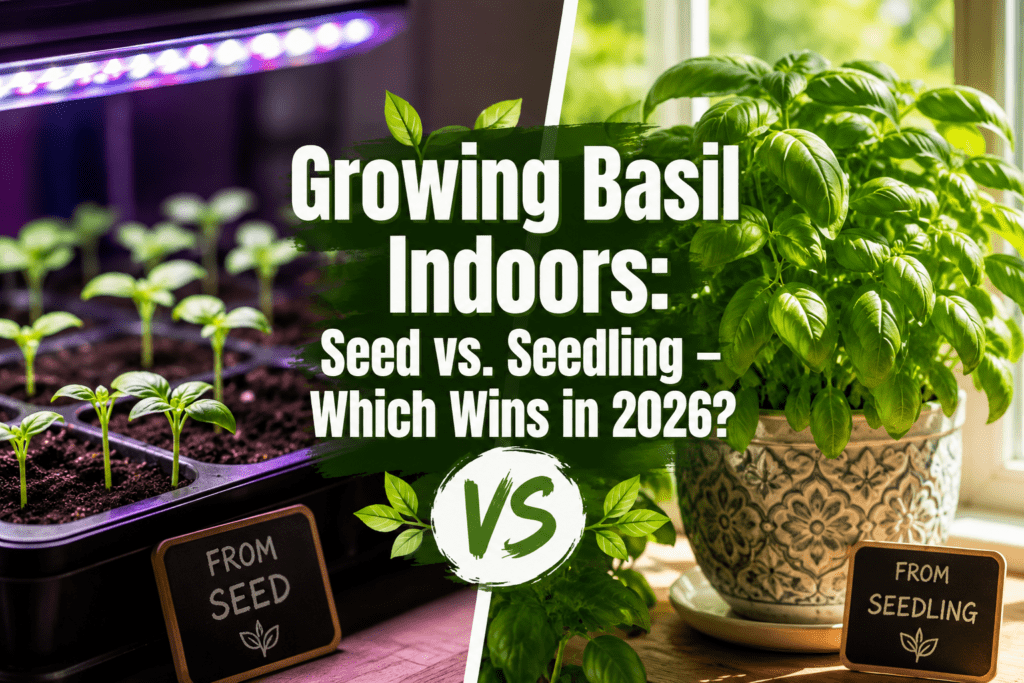
Quick Answer: For most indoor gardeners in 2026, starting basil from seedlings generally yields quicker and more reliable results, especially for beginners or those seeking an immediate harvest. While seeds offer a cost-effective solution and a broader selection of varieties, they require more patience, precise environmental control during germination, and a longer overall time to maturity.
Key Takeaways
- Seedlings offer speed and ease: They bypass the crucial germination phase, providing a head start and higher success rates for indoor growing.
- Seeds are cost-effective: Basil seeds are significantly cheaper per plant and offer access to a wider range of basil varieties not always found as seedlings.
- Time to harvest differs: Seedlings can be ready for light harvesting in 2-3 weeks, while seeds take 6-8 weeks from sowing to reach a similar stage.
- Environmental control is key for seeds: Successful germination from seed indoors requires consistent warmth, humidity, and adequate light, which can be challenging without proper setup.
- Patience is rewarded with seeds: Growing from seed provides a deeper understanding of plant development and the satisfaction of nurturing a plant from its very beginning.
- Consider your goals: If immediate gratification and minimal fuss are priorities, go with seedlings. If budget, variety, and the full gardening experience are important, choose seeds.
Growing Basil Indoors from Seed vs Seedling: The Core Differences
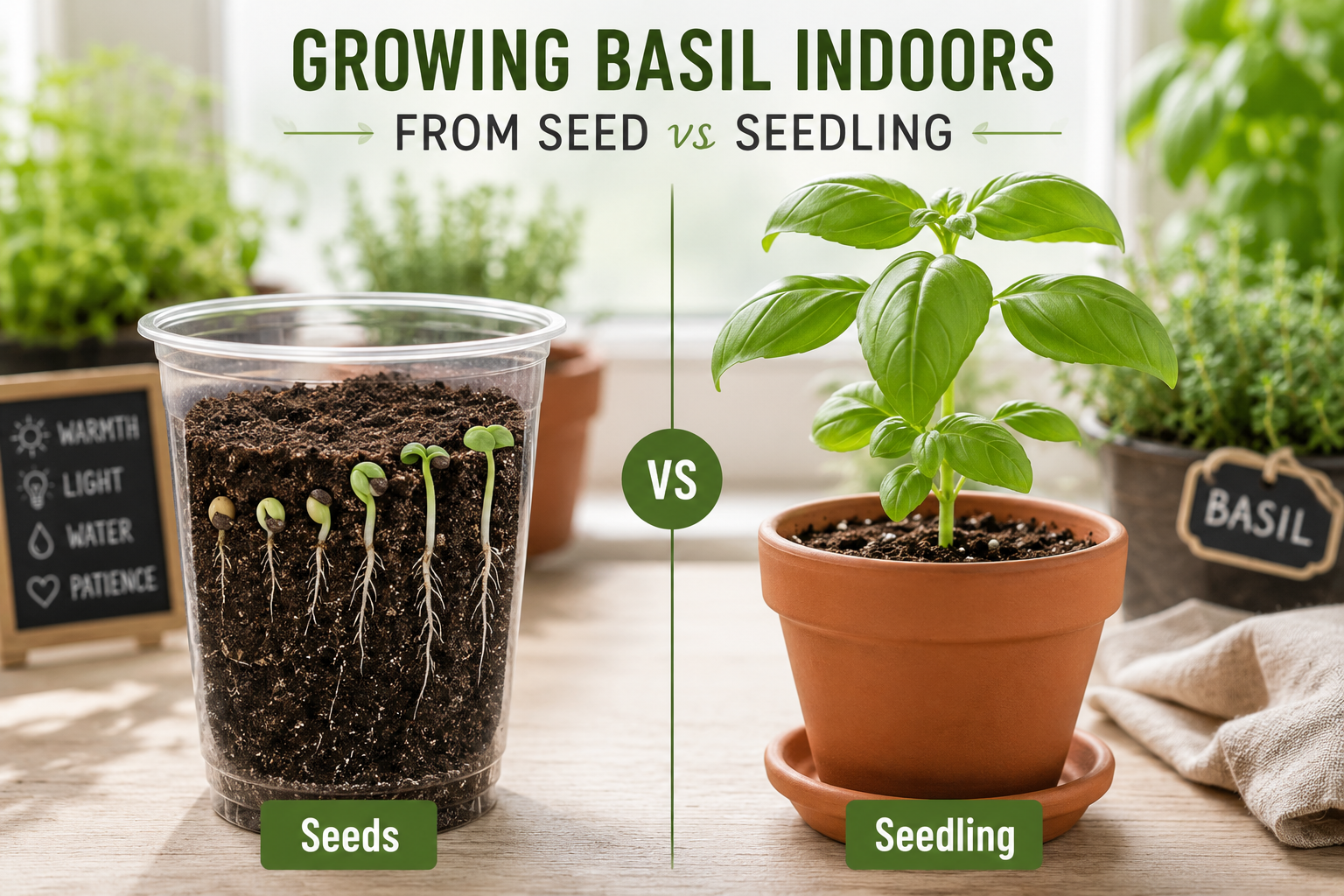
When deciding whether to start basil indoors from seed or a seedling, the primary difference lies in the initial effort, time commitment, and upfront cost. Seedlings provide an instant start, bypassing the delicate germination and early growth phases, making them ideal for gardeners prioritizing speed and convenience. Conversely, seeds offer a more economical path and access to a greater diversity of basil varieties, albeit with a longer lead time and a greater demand for environmental management during the initial weeks.
Choosing between seeds and seedlings often comes down to individual gardening goals, available time, and experience level. For those with a busy schedule or limited experience, seedlings provide a nearly foolproof method to ensure a thriving basil plant. However, for the dedicated indoor gardener looking to experiment with unique basil types or cultivate a larger quantity of plants on a budget, seeds are the undisputed champion.
How Long Does It Take to Grow Basil from Seed at Home?
Growing basil from seed at home generally takes about 6 to 8 weeks before it’s ready for its first light harvest, with germination occurring within 5 to 10 days. This timeframe can vary slightly based on the specific basil variety, environmental conditions, and the quality of the seeds. The initial two weeks are critical for germination and the development of the first true leaves, after which the seedlings will begin to grow more vigorously, steadily progressing towards maturity.
To maximize germination success and speed up growth, maintaining optimal conditions is crucial. This includes keeping soil consistently moist but not waterlogged, providing warmth (around 70-75°F or 21-24°C), and ensuring plenty of light as soon as sprouts emerge. For detailed guidance on starting seeds indoors, refer to our article on How To Start Seeds Indoors In Small Spaces (2026 Guide).
Is It Cheaper to Start Basil from Seed or Buy Seedlings?
It is significantly cheaper to start basil from seed than to buy seedlings, especially if you plan to grow multiple plants or replenish your supply regularly. A packet of basil seeds, which typically contains dozens to hundreds of seeds, costs only a few dollars and can produce many plants for the equivalent price of one or two individual seedlings. While a single basil seedling might cost $3-$5, a packet of seeds can yield numerous plants for a fraction of that price.
This cost-effectiveness makes seeds an attractive option for budget-conscious gardeners or those looking to cultivate a continuous supply of fresh basil throughout 2026. The initial investment in seeds is minimal, and with proper care, you can enjoy a bountiful harvest without breaking the bank. For tips on cost-effective indoor gardening, check out our guide on Indoor Gardening On A Budget: Grow More, Spend Less In 2026.

What are the Common Mistakes People Make Growing Basil Indoors?
Common mistakes when growing basil indoors include insufficient light, improper watering, using the wrong soil, and neglecting to pinch back the plant. Basil is a sun-loving plant, and without adequate light, it becomes leggy and weak. Overwatering or underwatering can also lead to wilting or root rot, while poor-draining soil suffocates roots. Failing to pinch off flower buds results in the plant putting energy into seed production rather than leaf growth, diminishing flavor and yield.
To avoid these pitfalls:
- Provide ample light: Basil needs at least 6-8 hours of direct light daily. If natural light is limited, supplement with grow lights.
- Water correctly: Feel the top inch of soil; water when it feels dry. Ensure good drainage.
- Use appropriate soil: A well-draining potting mix is essential.
- Pinch regularly: Pinch off the top sets of leaves and any emerging flower stalks to encourage bushier growth.
- Avoid overcrowding: Give basil plants enough space to grow without competing for resources.
For more insights into preventing gardening mishaps, read about Common Vegetable Growing Mistakes: Avoid Them In 2026.
Do Store-Bought Basil Seedlings Survive Better Than Home-Grown Seeds?
Store-bought basil seedlings generally have a higher immediate survival rate than basil started from home-grown seeds, primarily because they have already passed the most fragile stages of germination and early development. These seedlings have established root systems and several true leaves, making them more robust and resilient to minor environmental fluctuations once brought home. However, their long-term survival and health heavily depend on proper acclimation and ongoing care.
Home-grown seedlings, while initially more delicate, can often thrive just as well, if not better, in the long run, especially if they are carefully hardened off and transplanted. The key is to provide consistent optimal conditions from germination onward. The transition period for any seedling, whether store-bought or home-grown, is crucial. For information on what can cause issues during this phase, consult our guide on Why Are My Vegetable Seedlings Dying After Transplanting?.
How Much Light Do Indoor Basil Plants Really Need?
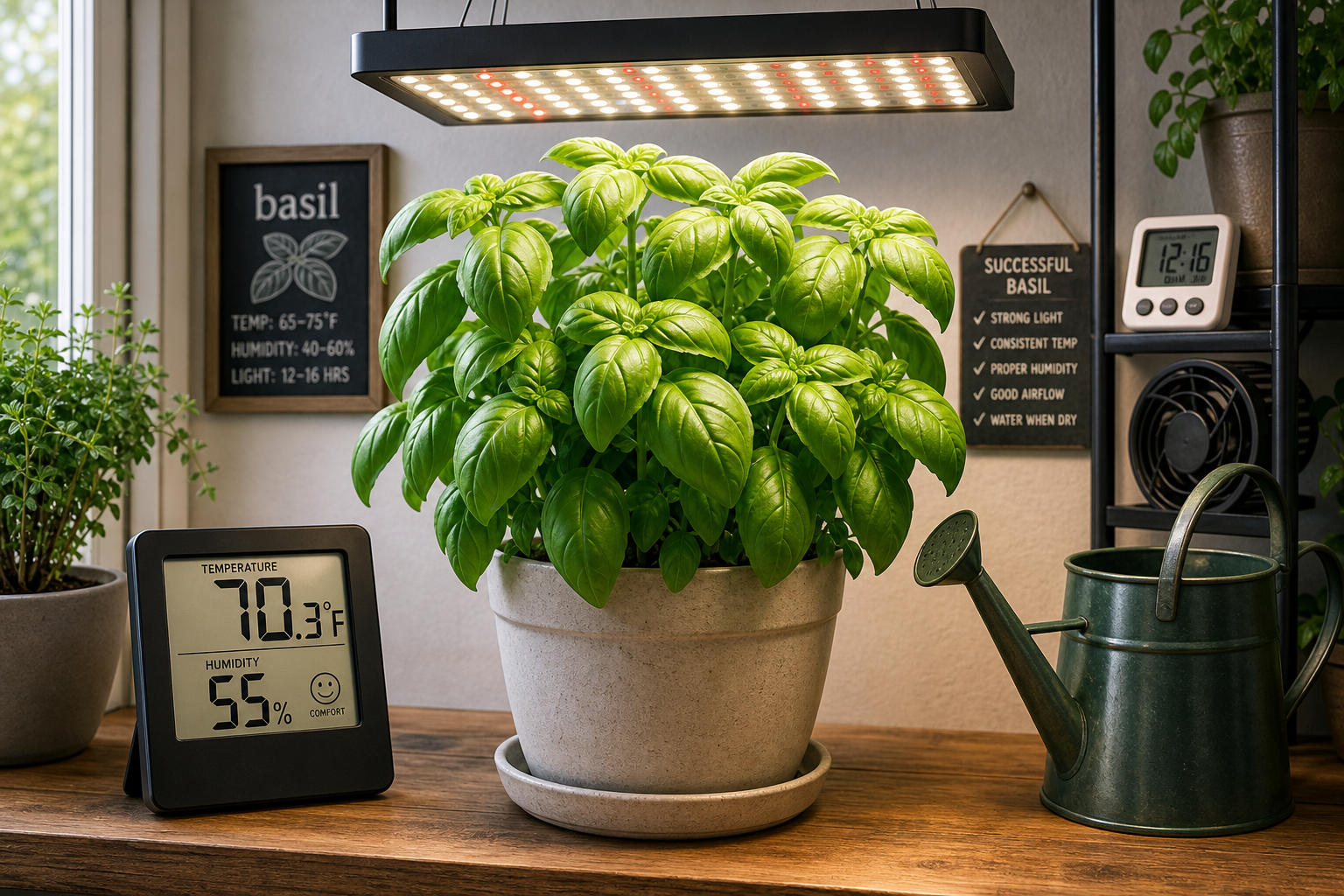
Indoor basil plants truly need at least 6 to 8 hours of direct, bright light every day to thrive and produce flavorful leaves. Without sufficient light, basil will become leggy, pale, and produce fewer, less aromatic leaves. A south-facing window is often ideal, but in many indoor environments, supplemental lighting from a dedicated grow light is essential to meet basil’s high light requirements, especially during shorter daylight hours in fall and winter.
When using grow lights, aim for full-spectrum LED lights positioned about 6-12 inches above the plant for 10-14 hours daily. The intensity and duration of light directly impact the plant’s growth habit and essential oil production, which gives basil its characteristic flavor. To learn more about selecting the right lighting, see our article on Best Grow Lights For Indoor Plants In Small Spaces 2026.

Can I Grow Basil in a Small Apartment Without a Garden?
Yes, you can absolutely grow basil in a small apartment without a traditional garden, as it is one of the most popular and rewarding herbs for indoor cultivation. Basil adapts well to containers and can thrive on a sunny windowsill, a kitchen counter with a grow light, or as part of a vertical garden setup. The key is to provide sufficient light, proper drainage, and consistent care, regardless of the overall space available.
Many apartment dwellers successfully grow basil year-round by utilizing vertical space, hanging planters, or compact self-watering systems. With the right setup, even the smallest living spaces can yield a steady supply of fresh basil. Our guide to Indoor Herb Garden Setup: Grow Fresh Herbs Year-Round In 2026 offers practical tips for maximizing small spaces.
What Soil and Containers Work Best for Indoor Basil?
For indoor basil, a high-quality, well-draining potting mix is best, and containers should have adequate drainage holes. A good potting mix will provide sufficient aeration for roots, retain moisture without becoming waterlogged, and supply necessary nutrients. Look for mixes that are light, airy, and peat- or coir-based. Plastic, terracotta, or ceramic pots work well, but terracotta pots may require more frequent watering due to their porosity.
Choose a container that is at least 6-8 inches in diameter for a single mature basil plant, as this provides enough room for root development and stability. Smaller pots can be used for seedlings but will require repotting as the plant grows. Ensure there are multiple drainage holes at the bottom of the pot to prevent root rot.
Why Are My Basil Seedlings Dying After Germination?
Basil seedlings dying after germination are most often due to “damping-off disease,” a fungal infection caused by overly wet conditions, poor air circulation, or unsterilized growing mediums. Other common causes include insufficient light leading to leggy, weak stems; rapid temperature fluctuations; or improper watering, such as allowing the delicate roots to dry out completely or sit in standing water.
To prevent seedling death:
- Ensure good drainage: Use sterilized potting mix and containers with drainage holes.
- Water from below: This helps keep the soil surface drier, reducing fungal growth.
- Provide air circulation: A small fan can help strengthen stems and deter fungi.
- Give adequate light immediately: As soon as seedlings emerge, provide bright light to prevent them from becoming leggy.
- Maintain consistent conditions: Avoid drastic changes in temperature or humidity.
How Do Professional Chefs Recommend Growing Basil at Home?
Professional chefs often recommend growing basil at home through a continuous harvest method, focusing on quantity, quality, and flavor, usually achieved by having multiple plants in staggered growth stages. They emphasize frequent pinching to encourage lush, bushy growth and prevent bolting, which can make basil bitter. Many chefs prefer growing specific varieties like ‘Genovese’ for its classic flavor profile and large leaves, and they prioritize consistent moisture and ample light to maximize the production of aromatic oils.
A key tip from chefs is to harvest basil correctly by pinching off stems just above a leaf node, rather than individual leaves, to promote new growth. They often suggest starting new plants every few weeks from seed or seedling to ensure a fresh, continuous supply, highlighting the benefits of both approaches depending on immediate needs.

What’s the Difference Between Growing Sweet Basil Versus Thai Basil Indoors?
The primary difference between growing Sweet Basil and Thai Basil indoors lies in their flavor profile, appearance, and slight variations in care. Sweet Basil (e.g., Genovese) has large, bright green, cup-shaped leaves with a classic sweet, peppery, anise-like flavor, making it ideal for pesto and Italian dishes. Thai Basil, on the other hand, features narrower, darker green leaves with purple stems and a distinct, stronger licorice or anise flavor, making it essential for Asian cuisine.
From a growing perspective, both require similar conditions: ample light, consistent moisture, and good drainage. However, Thai Basil can sometimes be slightly more tolerant of warmer temperatures and may have a slightly bushier growth habit, though Sweet Basil is generally considered very adaptable to indoor environments. Both benefit from regular pinching to encourage leaf production.
Are There Any Basil Varieties That Are Easier to Grow from Seed?
Yes, several basil varieties are notably easier to grow from seed, particularly the common culinary types like ‘Genovese’ (Sweet Basil), ‘Large Leaf Italian,’ and ‘Lemon Basil’. These varieties tend to have higher germination rates and more vigorous seedling growth, making them forgiving for novice indoor gardeners. Their seeds are also widely available and less expensive.
For a consistent and reliable indoor harvest, starting with these popular varieties from seed can provide a great success rate. Other specialty basils, like ‘Purple Ruffles’ or ‘Cinnamon Basil,’ might have slightly different germination requirements or growth habits but are still generally straightforward for an experienced seed starter.
How Often Should I Water Indoor Basil Plants?
You should water indoor basil plants when the top inch of soil feels dry to the touch, which typically translates to every 2-4 days depending on environmental factors like humidity, temperature, and pot size. Basil prefers consistently moist soil but absolutely dislikes being waterlogged, which can quickly lead to root rot. It’s better to slightly underwater and check frequently than to overwater.
A good watering technique involves watering thoroughly until water drains from the bottom of the pot, then allowing the excess to drain completely. During hotter periods or in very dry indoor climates, you might need to water more frequently. In cooler, more humid conditions, less frequent watering is necessary. For maintaining healthy plants in dry indoor conditions, consider solutions from our article on Indoor Plants That Tolerate Dry Winter Air From Heating Radiators.
What Temperature Range Keeps Indoor Basil Healthy?
Indoor basil plants thrive in a consistent temperature range of 65-75°F (18-24°C) and are sensitive to cold drafts. This range mimics the warm, stable conditions basil enjoys in its native Mediterranean climate. Temperatures below 50°F (10°C) can cause basil to yellow, wilt, or suffer stunted growth, while extreme heat above 80°F (27°C) without adequate humidity can also stress the plant.
Maintaining a stable environment away from cold windows or heating vents is crucial for vigorous growth. If your home’s temperature fluctuates significantly, consider placing basil in a more stable location or using a seedling heat mat during germination if starting from seed.

Troubleshooting Indoor Basil Growth Issues
Even with the best intentions, indoor basil can sometimes present challenges. Here’s a quick troubleshooting guide:
- Leggy, spindly growth: This almost always indicates insufficient light. Move your plant to a brighter location or add a grow light.
- Yellowing leaves: Can be due to overwatering (root rot), underwatering, or nutrient deficiency. Check soil moisture and ensure good drainage. Consider a diluted liquid fertilizer if no improvement after adjusting water.
- Wilting: Usually a sign of either severe underwatering or root rot from overwatering. Feel the soil; if dry, water. If soggy, improve drainage and let dry out.
- Small, dull leaves: Often a symptom of inadequate light or insufficient nutrients. Boost light and consider fertilizing.
- Pests (aphids, spider mites): Inspect regularly. Treat with neem oil or insecticidal soap if infestations occur. Good air circulation can help prevent many pests.
- Bolting (flowering): This means the plant is trying to produce seeds and its leaves will become bitter. Pinch off flower stalks immediately to extend the harvest period. Ensure it’s not too hot or stressed.
Conclusion
Ultimately, the choice between growing basil indoors from seed vs seedling — which gives better results — hinges on your priorities. For immediate gratification, higher initial success rates, and less hands-on care, purchasing seedlings is the clear winner. You get a head start, often with a harvest possible within weeks. However, if cost-efficiency, the joy of nurturing a plant from its earliest stage, and access to a wider array of unique basil varieties are paramount, then starting from seed is the more rewarding path.
Regardless of your chosen starting point, providing adequate light (6-8 hours daily, often supplemented by grow lights), consistent watering (when the top inch of soil is dry), well-draining potting mix, and regular pinching are the foundational elements for success in 2026. Both methods can lead to a thriving indoor basil plant, providing you with fresh, aromatic leaves year-round. Experiment with both to discover which method best suits your gardening style and apartment environment.

FAQ
Is it hard to grow basil from seed indoors?
Growing basil from seed indoors is not inherently difficult, but it requires consistent attention to light, warmth, and moisture during the germination and seedling stages. It is more challenging than growing from a seedling due to the increased risk of damping-off and the need for a precise environment.
How long do indoor basil plants last?
With proper care and consistent harvesting (pinching back), an indoor basil plant can last for 4-6 months, sometimes longer, before it starts to decline in productivity or flavor. Regular pruning prevents it from flowering and going to seed, which extends its lifespan.
Can basil grow in just water indoors?
While basil can be propagated from cuttings in water, growing a full plant long-term in just water (hydroponically) requires a nutrient solution and specific setup. It’s not typically recommended for beginners trying to grow a plant from seed or seedling without a specialized system.
How many basil plants can I grow in one pot?
For optimal growth of mature plants, it’s best to grow 1-2 basil plants per 6-8 inch diameter pot. Overcrowding leads to competition for resources and stunted growth.
Do basil plants need a lot of sun indoors?
Yes, basil plants need a lot of sun indoors, ideally 6-8 hours of direct, bright light daily. Without sufficient light, they will become leggy and produce fewer, less flavorful leaves. Supplemental grow lights are often necessary.
How often should I fertilize indoor basil?
Once basil seedlings are established (about 3-4 weeks old) or if you start with seedlings, you can fertilize indoor basil every 2-4 weeks with a balanced liquid fertilizer diluted to half strength. Avoid over-fertilizing, which can burn roots. For more on this, see How Often To Fertilize Indoor Plants: 2026 Beginner Schedule.
Why is my basil not growing big leaves?
Small basil leaves are often a sign of insufficient light, lack of nutrients, or not pinching the plant regularly. Ensure it receives enough light, fertilize appropriately, and consistently pinch off the top sets of leaves to encourage larger, bushier growth.
Can basil grow back after cutting?
Yes, basil is a cut-and-come-again herb. If you cut it correctly (above a leaf node), it will branch out and grow back, providing multiple harvests from the same plant.
References
- University of Maryland Extension. (n.d.). Growing Herbs Indoors. Retrieved from https://extension.umd.edu/resource/growing-herbs-indoors
- Clemson Cooperative Extension. (n.d.). Basil. Retrieved from https://hgic.clemson.edu/factsheet/basil/