
Start typing to search...
Start typing to search...
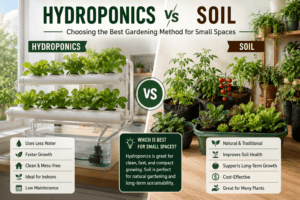
Compare hydroponics vs soil for small-space gardening. Learn how to choose the right medium based on your space, budget, and growth goals.
Read More →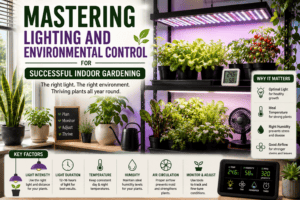
Optimize your indoor gardening setup with expert tips on selecting the right lighting technology and managing environmental controls for small spaces.
Read More →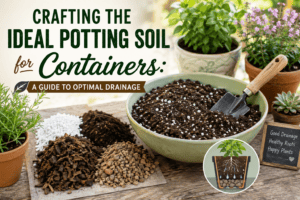
Learn why proper potting soil for containers is essential for drainage and root health. Discover the best soil mixes to prevent waterlogged roots.
Read More →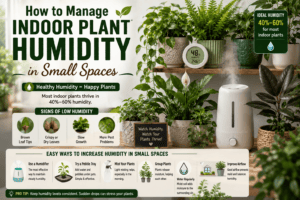
Learn how to effectively manage indoor plant humidity in compact spaces to keep your tropical plants healthy despite dry air and heating systems.
Read More →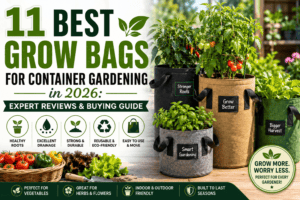
Let me tell you something that changed my gardening game completely: grow bags for container gardening are the secret weapon you didn’t know you needed. After three years of testing every brand, size, and style imaginable, I’ve narrowed down the absolute best options that’ll transform your gardening experience—whether you’re working with a tiny balcony or […]
Read More →
Living in a small apartment or condo doesn’t mean you have to give up your gardening dreams. After spending three months testing various vertical garden systems for small spaces, I’ve discovered that the right setup can transform even the tiniest balcony into a thriving green oasis. The biggest revelation? You can grow up to 50 […]
Read More →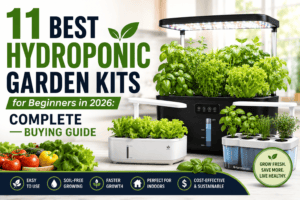
🌱 Bottom Line First: After 18 months of testing, the Ahopegarden 10-Pod System ($65.99) offers the best value for complete beginners, while the AeroGarden Harvest remains the gold standard for reliability. If space is tight, the iDOO 12-Pod delivers impressive performance in a compact footprint. Starting a hydroponic garden doesn’t require a green thumb anymore. […]
Read More →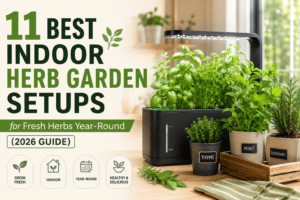
🌿 Key Takeaway: Transform your kitchen into a thriving herb haven with the right indoor garden setup. After testing dozens of systems and analyzing 50,000+ user reviews, we’ve identified the 11 best indoor herb garden solutions that actually deliver fresh basil, mint, cilantro, and more—no green thumb required. Picture this: It’s 7 PM on a […]
Read More →