
Start typing to search...
Start typing to search...
Grow fresh, organic vegetables at home—even in small spaces. Discover easy-to-grow veggies, planting guides, and tips for maximizing your harvest year-round.
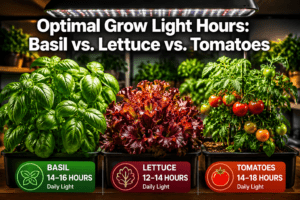
Quick Answer: Basil generally needs 12-14 hours of grow light per day, lettuce thrives on 10-14 hours, while tomatoes, being heavy feeders of light, require a longer duration of 14-18 hours daily. The specific light duration depends on the plant’s growth stage, light intensity, and the desired outcome, ensuring a crucial balance between photosynthesis and […]
Read More →
Quick Answer: Seed saving for apartment gardeners means collecting, drying, and storing seeds from plants you grow indoors or on a balcony, so you can replant them next season without buying new packets. It works best with open-pollinated or heirloom varieties, requires minimal space, and can cut your annual seed spending significantly. Most beginners can […]
Read More →
Quick Answer: Regenerative gardening for small spaces applies soil-building, biodiversity-focused techniques — like no-dig layering, composting, and companion planting — to compact areas such as balconies, patios, and tiny backyards. It goes beyond growing food by actively restoring soil health and supporting local ecosystems. Even a 4×4-foot raised bed or a cluster of containers can […]
Read More →
Quick Answer: Container vegetables need feeding every 1–2 weeks with a balanced liquid fertilizer once they’re established (about 2 weeks after transplanting), plus a slow-release granular fertilizer worked into the potting mix at planting. Because containers drain nutrients with every watering, a consistent schedule matters far more than it does in ground beds. Key Takeaways […]
Read More →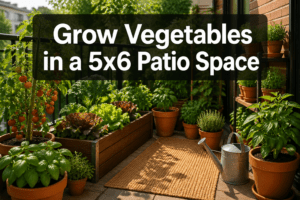
Quick Answer: Yes, you can grow vegetables successfully in a 5×6 foot patio space. Thirty square feet is enough to produce a meaningful harvest of tomatoes, greens, herbs, and more — as long as you choose compact varieties, use vertical space, and match plants to your light conditions. The key is strategic planning, not square […]
Read More →
For many gardeners, the thought of replacing all their garden soil annually feels daunting, both in effort and expense. The good news is, you absolutely can reuse vegetable garden soil year after year, particularly with proper management and replenishment of nutrients. This practice is not only environmentally friendly but also cost-effective, turning a potentially wasteful […]
Read More →