What to plant on a south-facing balcony in summer
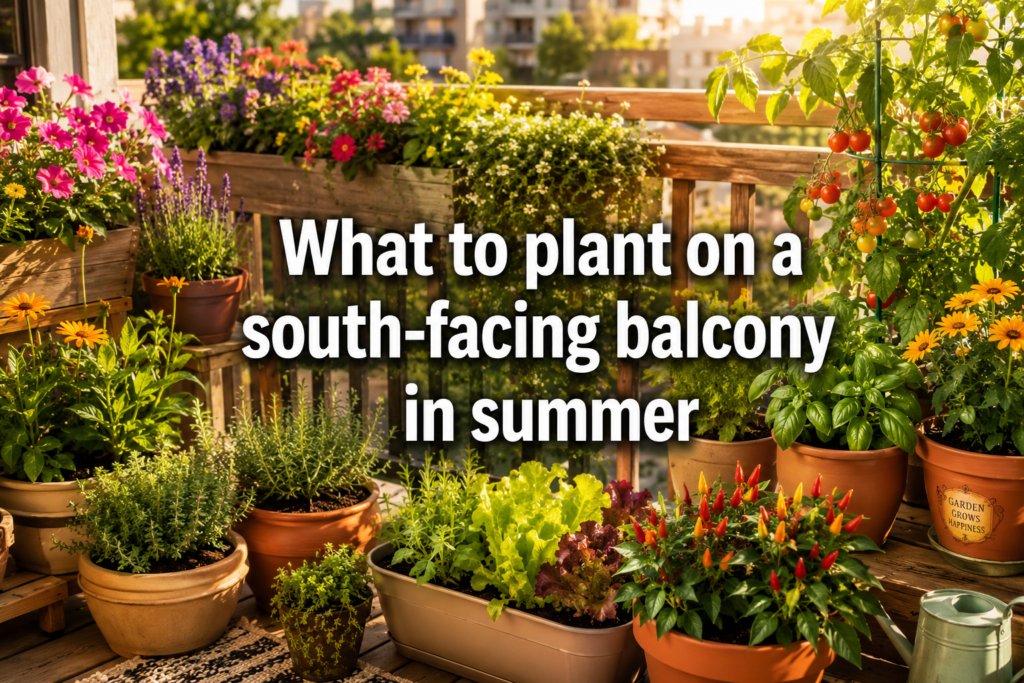
A south-facing balcony, while often presenting challenges with intense, prolonged sunlight and high temperatures, is an excellent location for a wide array of heat-loving plants, including many edibles, herbs, and vibrant flowers. Successfully transforming such a space requires selecting drought-tolerant, sun-worshipping varieties and implementing smart watering and protective strategies to ensure they thrive throughout the summer months of 2026.
Key Takeaways
- Embrace Sun-Loving Varieties: Prioritize plants known for thriving in full sun and heat, such as many Mediterranean herbs, peppers, tomatoes, and certain flowering annuals.
- Container Choice Matters: Opt for light-colored, larger, and insulated containers to mitigate soil overheating and moisture loss.
- Consistent Watering is Crucial: South-facing balconies demand frequent watering, often daily or even twice daily during peak heat, especially for thirsty plants.
- Protection from Extreme Heat: Implement shading solutions like shade cloths or temporary awnings during the hottest parts of the day to prevent plant stress.
- Mulch for Moisture Retention: Apply a layer of mulch to the top of your containers to help retain soil moisture and keep roots cooler.
- Succulents and Cacti Excel: These plants are naturally adapted to arid, sunny conditions and are excellent, low-maintenance choices for scorching balconies.
- Nutrient Management: Container plants in full sun dry out faster and may require more frequent fertilization due to leaching.
- Consider Edible Powerhouses: Many popular vegetables and herbs, like tomatoes, peppers, basil, and rosemary, are ideal candidates for south-facing balconies.
What Vegetables Grow Best in Full Sun on a Balcony?
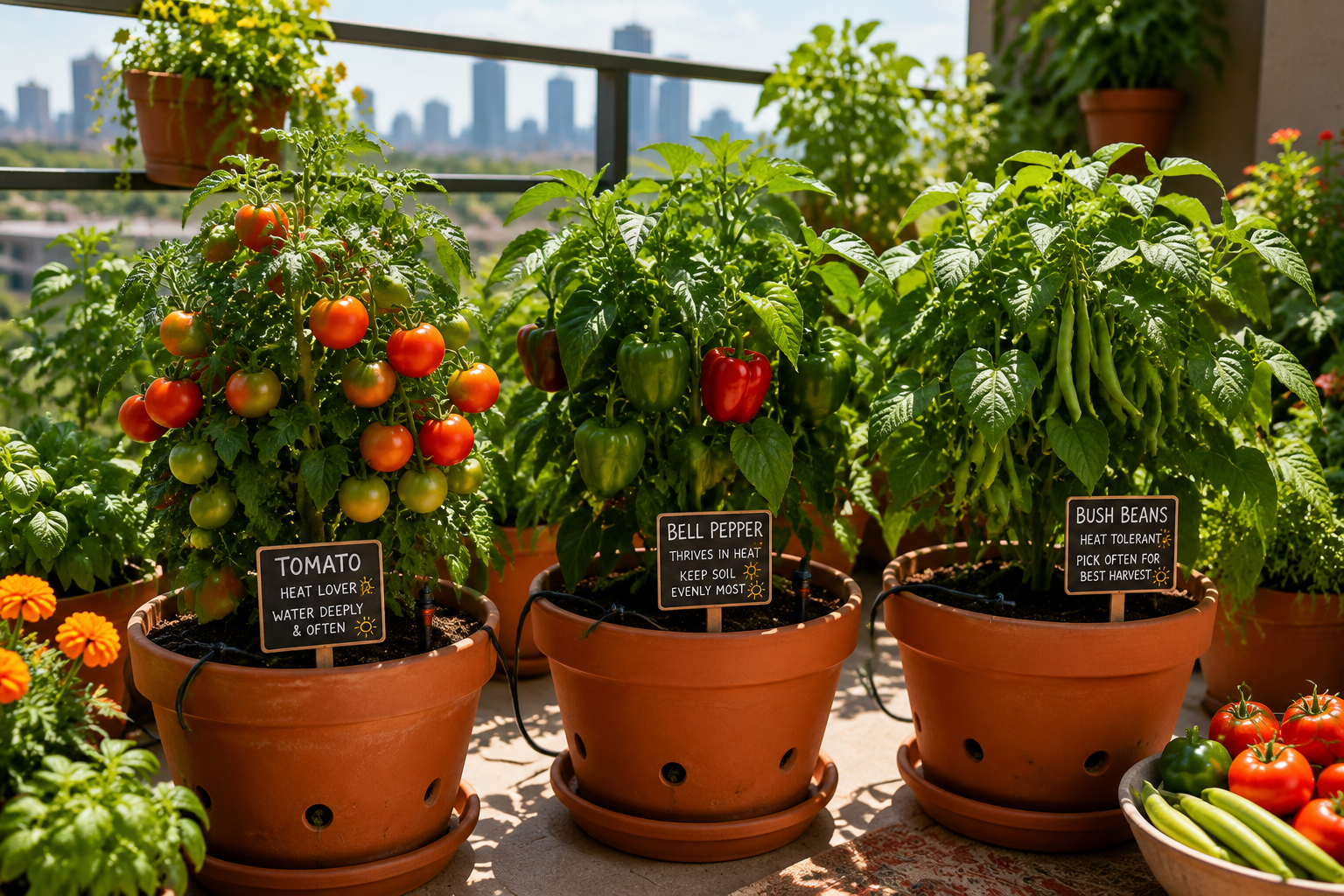
Many vegetables thrive in full sun on a south-facing balcony, provided they receive consistent moisture and are planted in appropriate containers. Heat-loving crops like tomatoes, peppers, eggplants, and various types of beans are particularly well-suited to these conditions.
For success with vegetables on a south-facing balcony, choose compact or determinate varieties where possible, as they are often better suited for container growth. These plants require at least 6-8 hours of direct sunlight daily to produce well. Consider using larger pots (at least 5-gallon capacity for tomatoes and peppers) to provide ample root space and moisture retention. Regular feeding with a balanced liquid fertilizer is also essential, as nutrients can leach out quickly in frequently watered containers. For further guidance on optimizing your growing space, explore our balcony vegetable garden guide.
Recommended Vegetables:
- Tomatoes: Bush or patio varieties, cherry tomatoes.
- Peppers: Bell peppers, chili peppers (jalapeños, serranos).
- Eggplant: Small, compact varieties.
- Bush Beans: Pole beans can also work with vertical support.
- Cucumbers: Bush varieties or vining types trained on a trellis.
- Squash: Summer squash like zucchini (bush types).
- Sweet Potatoes: Grown for their edible tubers and ornamental foliage.
Which Herbs Thrive in Direct Summer Sunlight?
Mediterranean herbs are generally excellent choices for direct summer sunlight, as they are naturally adapted to hot, dry conditions. These herbs typically prefer well-draining soil and can tolerate intense sun better than many other plant types.
Herbs like rosemary, lavender, thyme, and oregano will flourish with ample sunlight, often developing more intense flavors. While they appreciate the sun, ensure they are in pots with good drainage to prevent root rot, especially during periods of heavy watering. Basil, while loving sun, is a thirstier plant and may need more frequent watering than its Mediterranean counterparts. Consider grouping herbs with similar water needs together to simplify care.
Sun-Loving Herbs:
- Rosemary: Extremely drought-tolerant once established.
- Thyme: Low-growing, fragrant, and heat-resistant.
- Oregano: Spreading habit, perfect for containers.
- Lavender: Requires excellent drainage, produces beautiful flowers.
- Sage: Aromatic leaves, good for culinary use.
- Basil: Needs consistent moisture despite loving sun; plant compact varieties.
- Mint: Very vigorous, best grown in its own container to prevent spreading.
What Flowers Look Good and Survive Intense Summer Heat?
Many vibrant flowers not only tolerate but thrive in intense summer heat and full sun, making them ideal for a south-facing balcony. These plants often bloom continuously throughout the summer, adding significant color and beauty to your space.
When selecting flowers, look for those labeled “full sun” or “heat tolerant.” Many of these species originate from hot, arid regions and have evolved mechanisms to cope with scorching conditions. Regular deadheading (removing spent blooms) will encourage more flowers and keep your display looking fresh. Pairing these flowers with heat-resistant plants ensures a resilient and beautiful balcony all season long.
Heat-Tolerant Flowers:
- Petunia: Many varieties are bred for heat tolerance, producing cascades of color.
- Geranium (Pelargonium): Classic balcony plants, very resilient to sun and heat.
- Portulaca (Moss Rose): Succulent-like foliage, vibrant blooms that open in the sun.
- Vinca (Periwinkle): Extremely tough, drought-tolerant, and long-blooming.
- Lantana: Produces clusters of multi-colored flowers, attracts pollinators.
- Marigolds: Cheerful, easy to grow, and deter some pests.
- Zinnia: Bright, showy flowers, attractive to butterflies.
- Calibrachoa (Million Bells): Similar to petunias but with smaller flowers, excellent for hanging baskets.
- Bougainvillea: A showstopper in warm climates, thrives in full sun and dry conditions.
- Canna Lilies: Large, tropical-looking leaves and bold flowers.
How Hot is Too Hot for Balcony Plants in Summer?
Temperatures consistently exceeding 90°F (32°C) for several days, especially with high humidity, can be too hot for many balcony plants, leading to heat stress, wilting, and reduced productivity. However, heat tolerance varies significantly by plant species and even by cultivar.
Even sun-loving plants can suffer from extreme heat, particularly when combined with direct sun exposure for 8+ hours and inadequate watering. Signs of heat stress include wilting despite moist soil, yellowing or browning leaves (sunburn), stunted growth, and flower or fruit drop. Providing afternoon shade and ensuring ample water are critical mitigating strategies during heatwaves. For tips on general care, consult our balcony garden maintenance guide.
Can Succulents and Cacti Handle a Super Hot Balcony?
Yes, succulents and cacti are exceptionally well-suited to super hot, south-facing balconies, thriving in conditions that would cause many other plants to wilt. Their natural adaptations to arid environments make them ideal for intense sun and high temperatures.
Succulents and cacti store water in their leaves, stems, or roots, enabling them to endure prolonged periods without water and withstand scorching sun. They generally require minimal care, making them excellent low-maintenance plants for busy gardeners. Ensure they are planted in fast-draining succulent-specific potting mix and in pots with excellent drainage holes to prevent root rot. While they love sun, extremely prolonged exposure to direct, intense afternoon sun in peak summer can still cause some varieties to show signs of stress like slight discoloration, so observe your plants.
Top Choices for Hot Balconies:
- Echeveria: Beautiful rosettes, wide variety of colors.
- Sedum (Stonecrop): Many groundcover and upright varieties, very hardy.
- Aloe Vera: Medicinal properties, architectural form.
- Sempervivum (Hens and Chicks): Very cold and heat tolerant.
- Cactus varieties: Opt for smaller, non-sprawling types suitable for containers.
- Agave: Architectural and striking, though some varieties grow large.
How Often Should I Water Plants in Direct Summer Sun?
Plants on a south-facing balcony in direct summer sun will typically need watering daily, and sometimes even twice a day during extreme heatwaves. The exact frequency depends on the plant type, pot size, and ambient conditions.
To determine if watering is needed, check the soil moisture. Stick your finger about an inch or two into the soil; if it feels dry, it’s time to water. Smaller pots and thirsty plants (like tomatoes and basil) will dry out much faster than larger pots or drought-tolerant plants (like succulents and rosemary). Always water deeply until water drains from the bottom of the pot. Early morning watering is generally best as it allows the plants to hydrate before the day’s heat sets in and reduces water loss due to evaporation. Consider installing a drip irrigation system or using self-watering planters to manage the demand efficiently. For broader advice, see our guide on watering houseplants.
What Containers Work Best for South-Facing Balcony Gardening?
For south-facing balcony gardening, the best containers are large, light-colored, and made from materials that insulate roots and retain moisture. Materials like terracotta, ceramic, wood, and thick plastic are generally superior to thin, dark plastic or metal.
- Terracotta pots are excellent for drainage and allow roots to breathe, but they dry out quickly. Glazed ceramic pots offer better moisture retention.
- Plastic pots, especially lighter colors, can be cost-effective and retain moisture well, but ensure they are UV-resistant to prevent degradation.
- Fabric grow bags promote air pruning of roots and keep soil cooler.
- Wooden planters offer good insulation and a rustic look.
- Self-watering planters are highly recommended as they significantly reduce the frequency of manual watering, making them ideal for thirsty plants in hot, sunny conditions.
- Larger pots are always better than smaller ones because they hold more soil, which means more moisture and a more stable root temperature.
Avoid dark-colored containers made of thin materials, as these can absorb excessive heat, effectively “baking” the roots of your plants. For more ideas on efficient container use, check out our insights on what is container gardening.
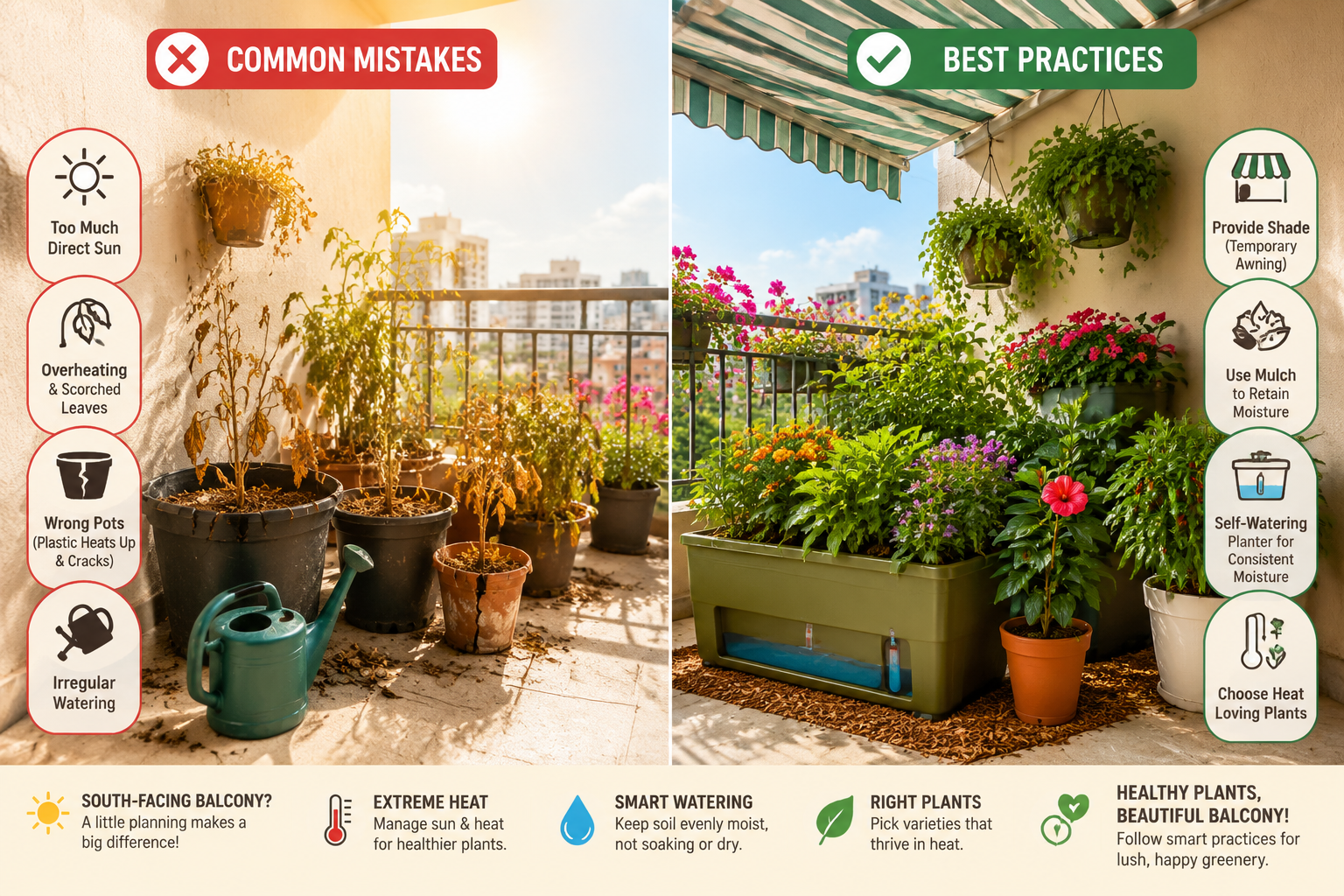
How to Protect Balcony Plants from Getting Burned in Summer
Protecting balcony plants from summer sunburn and heat stress involves a combination of strategic placement, shading, and proper hydration. Direct, intense afternoon sun is often the most damaging.
Protection Strategies:
- Shade Cloths: Install temporary shade cloths or netting, especially during the peak afternoon hours (1 PM to 4 PM). These can reduce sunlight intensity by 30-50% while still allowing light through.
- Movable Plants: If possible, move sensitive plants to a slightly shadier spot during the hottest part of the day.
- Taller Plants for Shade: Position taller, more heat-tolerant plants to cast natural shade on smaller, more vulnerable ones.
- Balcony Awnings or Umbrellas: A small umbrella or retractable awning can provide essential relief for a section of your balcony.
- Vertical Gardens: Utilize vertical gardening structures to create layers of plants, with some providing shade for others. Learn more about vertical balcony gardening.
- Light-Colored Surfaces: The surface of your balcony (flooring, walls) can reflect heat. Consider covering dark surfaces with lighter-colored mats or materials to reduce ambient heat.
- Mulch: A layer of organic mulch (like straw, wood chips, or shredded leaves) on top of the soil helps to keep roots cool and conserve moisture, preventing soil from overheating.
Common Mistakes People Make Growing Plants on Sunny Balconies
Several common mistakes can lead to struggling plants on sunny balconies, often stemming from underestimating the intensity of the environment. Avoiding these pitfalls is key to a thriving garden.
Common Mistakes and How to Avoid Them:
- Under-watering:
- Mistake: Assuming plants need water only every few days, as in a garden bed.
- Solution: Check soil moisture daily. Container plants in full sun dry out significantly faster. Water deeply until drainage occurs. Consider self-watering planters.
- Using Small or Dark Containers:
- Mistake: Pots that are too small restrict root growth and dry out rapidly; dark colors absorb more heat.
- Solution: Use larger (5-gallon minimum for most vegetables), light-colored, or insulated containers. Terracotta, fabric grow bags, and thick plastic are good options.
- Lack of Afternoon Shade:
- Mistake: Believing “full sun” means plants can handle intense, all-day scorching sun without protection.
- Solution: Provide partial shade during the hottest afternoon hours (1 PM – 4 PM) using shade cloths, umbrellas, or by strategically placing taller plants.
- Inadequate Drainage:
- Mistake: Planting in pots without drainage holes or with blocked holes.
- Solution: Always ensure pots have sufficient drainage holes. Use well-draining potting mix, especially for succulents and herbs.
- Neglecting Nutrients:
- Mistake: Forgetting that frequent watering in containers washes away nutrients.
- Solution: Fertilize regularly with a balanced liquid feed according to package directions, typically every 2-4 weeks, especially for fruiting vegetables.
- Not Acclimating Plants:
- Mistake: Moving plants directly from a nursery (often shaded) to a scorching balcony.
- Solution: Gradually expose new plants to full sun over a week or two, starting with a few hours of morning sun and increasing exposure daily. This process is called “hardening off.”
Best Low Maintenance Plants for a Scorching South-Facing Balcony
For those seeking beauty without constant fuss, several low-maintenance plants excel on scorching south-facing balconies, enduring intense heat and requiring less frequent watering. These plants are often drought-tolerant and resilient.
Succulents, cacti, and many Mediterranean herbs are prime examples, as are certain flowering annuals known for their toughness. The key to low maintenance in these challenging conditions is selecting plants whose natural habitat mirrors a hot, sunny environment. This reduces the need for constant intervention like shading or daily watering.
Top Low-Maintenance Picks:
- Succulents & Cacti: As mentioned, these are naturally adapted to arid conditions.
- Lantana: Very forgiving, thrives on neglect, and blooms profusely.
- Vinca (Periwinkle): Extremely drought-tolerant once established, continuous bloomer.
- Portulaca (Moss Rose): Low-growing, succulent foliage, bright flowers that love sun.
- Rosemary: A hardy herb that prefers drier conditions.
- Lavender: Requires minimal water once established and loves full sun.
- Geraniums (Pelargonium): Exceptionally tough, tolerating heat and dry spells.
- Purslane: Edible, succulent leaves and small, cheerful flowers; thrives in heat.
Are There Any Edible Plants That Love Extreme Sunlight?
Yes, many popular edible plants not only tolerate but actively thrive in extreme sunlight and high temperatures, making them perfect candidates for a south-facing balcony. These are often fruits and vegetables native to warmer climates.
These plants typically require a minimum of 6-8 hours of direct sun to fruit and flower optimally. Ensure they have adequate water and nutrients to support their growth in such intense conditions. Growing these edibles on your balcony means you can enjoy fresh produce right at your doorstep. For more information on growing food in containers, refer to our guide on small space vegetable gardening.
Edible Plants for Extreme Sunlight:
- Tomatoes: Especially cherry and paste varieties.
- Peppers: Both sweet (bell) and hot varieties.
- Eggplant: Small, compact types do well.
- Basil: While it likes water, it needs full sun for best flavor and growth.
- Rosemary, Thyme, Oregano: Mediterranean herbs that prefer full sun.
- Okra: A warm-season vegetable that loves heat.
- Melons: Compact varieties of watermelon and cantaloupe can be grown in large containers with support.
- Fig Trees (Dwarf Varieties): Can thrive in large pots on sunny balconies.
- Hot Peppers: Such as habaneros and ghost peppers, which truly love intense heat.
- Sweet Potatoes: The vines are ornamental, and tubers grow well in hot sun.
Cheap Plants That Can Survive Intense Afternoon Sunlight
Several cost-effective plant options are remarkably resilient to intense afternoon sunlight, making them perfect for budget-conscious gardeners with south-facing balconies. These are often annuals or easy-to-propagate perennials.
Many of these plants are readily available as seeds or small starter plants at low prices. Their inherent toughness means less money spent on replacements due to heat stress. Opt for varieties that are known to be drought-tolerant and require minimal special care to keep costs down in the long run.
Budget-Friendly, Sun-Tolerant Plants:
- Marigolds: Easy to grow from seed, cheerful, and pest-deterring.
- Zinnias: Another great option from seed, providing continuous blooms.
- Portulaca (Moss Rose): Inexpensive starter plants or seeds, extremely tough.
- Vinca (Periwinkle): Often sold in flats for a low price, very resilient.
- Morning Glory: Can be grown from seed and provides beautiful vining foliage and flowers. Note: can be invasive in some regions, research local guidelines.
- Sunflower (Dwarf Varieties): Easy and fun to grow from seed, tolerates intense sun.
- Purslane: Can grow from seed, both edible and ornamental, very heat tolerant.
- Basil: Readily available as seeds or small starts, thrives in sun.
- Sedum (Stonecrop): Many varieties are quite affordable and can be propagated from cuttings easily.
Conclusion
Transforming a south-facing balcony into a thriving green oasis in 2026 is entirely achievable by understanding its unique microclimate and selecting the right plant species. Embrace the sun by choosing heat-loving vegetables, herbs, and flowers, and pair them with appropriate containers and diligent watering practices. Implementing smart strategies like temporary shading, mulching, and selecting drought-tolerant varieties will ensure your plants not only survive but flourish, bringing beauty and bounty to your urban space. Don’t be deterred by the intense sun; instead, see it as an opportunity to cultivate a vibrant, resilient garden that can withstand the summer heat.
FAQ
What are the best watering practices for balcony plants in extreme summer heat?
Water deeply in the early morning daily, checking soil moisture first. Thirsty plants or those in smaller pots may need watering twice daily during peak heat. Self-watering planters and drip irrigation can significantly help.
Can I grow vegetables like lettuce or spinach on a south-facing balcony in summer?
Leafy greens like lettuce and spinach tend to bolt (go to seed) quickly in intense summer heat and full sun, making them difficult to grow on a south-facing balcony during peak summer. It’s better to grow these in spring or fall, or provide significant afternoon shade. For more info, see our guide on preventing lettuce bolting.
Do I need special soil for hot balcony plants?
Use a high-quality, well-draining potting mix. For succulents and cacti, use a specialized succulent/cactus mix. Adding compost or coco coir can improve moisture retention while maintaining drainage for other plants.
How can I make my balcony garden more low-maintenance in intense sun?
Choose naturally drought-tolerant and heat-loving plants (succulents, cacti, many Mediterranean herbs, Vinca), use larger self-watering pots, apply mulch to retain moisture, and consider a simple drip irrigation system.
What are good plants for vertical gardens on a south-facing balcony?
Many sun-loving herbs, trailing petunias, portulaca, and even compact strawberry varieties can thrive in vertical garden setups on a south-facing balcony, maximizing space and potentially offering some self-shading. See our guide to balcony vertical gardening.
Are there any fruits that can grow on a super sunny balcony?
Yes, compact varieties of tomatoes, peppers (botanically fruits), strawberries, bush beans, and even dwarf fig trees can thrive and produce fruit on a super sunny balcony. Melons (bush varieties) can also be grown in very large containers with strong support.
How do I know if my plant is getting too much sun?
Signs include scorched or crispy leaves, white or yellow patches (sunburn), wilting that doesn’t improve after watering, and stunted growth. Flowers or fruit may also drop prematurely.
Can herbs like mint and cilantro handle full south-facing sun?
Mint generally tolerates full sun but requires much more water than Mediterranean herbs and can quickly dry out. Cilantro tends to bolt rapidly in hot, full sun; it prefers partial shade and cooler temperatures.
Sources
- Royal Horticultural Society. (2026). Gardening in Containers.
- University of California Agriculture and Natural Resources. (2026). Container Vegetable Gardening.