Balcony Vertical Gardening
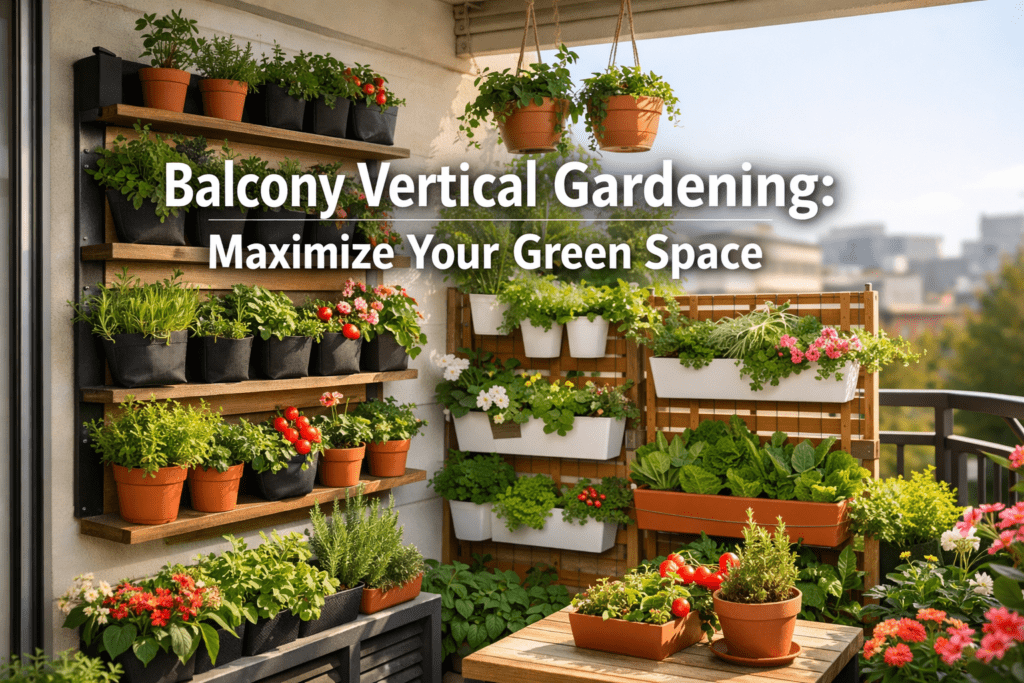
Quick Answer: Balcony vertical gardening involves cultivating plants upward on a balcony, transforming limited horizontal space into a thriving green oasis by utilizing walls, railings, or stacked structures. This method allows urban dwellers to grow a wide variety of plants—from herbs and vegetables to flowers and small fruits—efficiently, even with minimal square footage.
Vertical growing is just one piece of the puzzle — if you want a full setup guide including containers, plant picks, and care routines, see our roundup of vertical balcony garden ideas and beginner tips.
Key Takeaways:
- Balcony vertical gardening maximizes growing potential in small urban spaces.
- It improves air quality, offers privacy, and enhances aesthetic appeal.
- Various systems exist, including wall-mounted planters, stacking pots, and DIY options.
- Careful plant selection based on sunlight and space is crucial for success.
- Proper watering, nutrient management, and pest control are essential for healthy growth.
- Even renters can implement vertical gardens with portable or temporary solutions.
- Starting with easy-to-grow plants and a simple system is recommended for beginners.
What is Balcony Vertical Gardening and Why is it Popular?
Balcony vertical gardening is the practice of growing plants in an upward direction, rather than horizontally, on a balcony or patio, using structures like shelves, wall-mounted planters, or tiered containers. This gardening method is increasingly popular in 2026 due to its ability to significantly increase planting density in urban environments where outdoor space is at a premium. It offers a practical solution for those living in apartments or small homes who wish to engage in gardening without needing a traditional yard.
The popularity of Balcony Vertical Gardening stems from several key benefits it offers:
- Space Optimization: Vertical systems make the most of limited square footage, allowing you to grow more plants than a conventional horizontal layout. This is particularly valuable for small balconies.
- Aesthetic Enhancement: A lush vertical garden can transform a bare balcony wall into a vibrant, living work of art, boosting curb appeal and providing a calming green view. For ideas on styling, see our guide on Balcony Garden Decor Ideas 2026.
- Improved Air Quality: Plants naturally filter pollutants and produce oxygen, contributing to fresher air in and around your living space.
- Increased Privacy: Taller vertical gardens can create a natural screen, offering a sense of seclusion from neighbors or busy streets. Balcony Privacy with Plants offers specific solutions.
- Accessibility: Growing plants at different heights can make gardening more accessible for individuals with mobility challenges, reducing the need for bending or kneeling.
- Reduced Pests and Diseases: Elevating plants can sometimes help deter ground-dwelling pests and improve air circulation, which reduces the risk of fungal diseases. However, monitoring remains crucial for overall Balcony Garden Maintenance Tips 2026.
For instance, if you have a balcony that receives at least 4-6 hours of sunlight daily, a vertical system can enable you to grow a substantial amount of herbs and leafy greens, turning an otherwise unused wall into a productive garden. Choosing a system that suits your balcony’s structure and your gardening goals is the first step in unlocking this potential.
What Are the Best Vertical Gardening Systems for Balconies?
The best vertical gardening systems for balconies are those that efficiently use space, are structurally sound, and match your aesthetic preferences and plant choices. These systems vary from simple DIY setups to advanced modular units, each offering unique advantages for urban gardeners.
Here are some popular and effective vertical gardening systems for balconies:
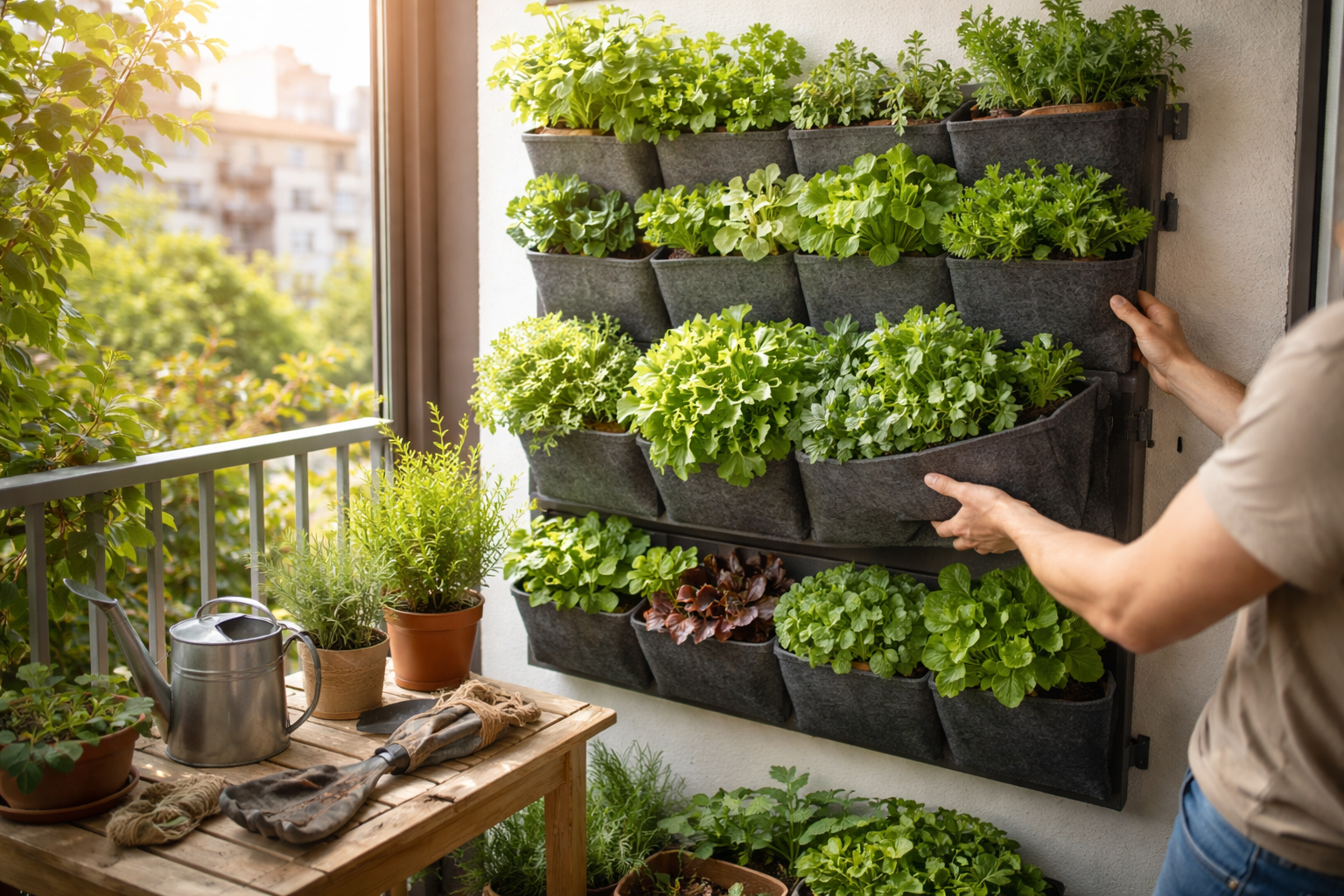
Wall-Mounted Planters/Pockets:
- Description: These systems involve attaching individual pots, fabric pockets, or modular panels directly to a balcony wall or railing. They are excellent for creating a green wall effect.
- Pros: Highly space-efficient, customizable, and can be very visually appealing. Good for herbs, small flowers, and leafy greens.
- Cons: Requires drilling or secure attachment points; drainage needs careful consideration to protect the wall.
- Consideration: If you are a renter, ensure your landlord permits wall attachments. Otherwise, opt for systems that hang over railings or use a standalone frame.
Stacking Planters/Towers:
- Description: These are sets of pots designed to stack directly on top of each other, forming a compact vertical tower. They often have individual planting pockets on each tier.
- Pros: Easy to assemble, portable, and self-contained. Excellent for strawberries, herbs, and small vegetables like lettuce or spinach.
- Cons: Can be heavy when filled with soil and plants; requires even watering to reach all tiers.
- Decision Rule: Choose stacking planters if you need portability or want to cultivate a variety of smaller plants with similar light and water needs in one compact unit.
Trellises and Arbors:
- Description: While not strictly “vertical planters,” trellises and arbors allow climbing plants to grow vertically, maximizing space.
- Pros: Natural and beautiful, excellent for vining vegetables (cucumbers, beans) and flowering vines (clematis, jasmine).
- Cons: Requires plants with climbing habits; less suitable for non-climbing herbs or root vegetables.
- Edge Case: If your balcony has ample sun and you desire edible vining plants, a sturdy trellis integrated into your Balcony Garden Setup Step-by-Step can be highly productive.
Pallet Gardens (DIY):
- Description: Repurposed wooden pallets can be modified into vertical planters by securing fabric liners or small pots within their slats.
- Pros: Cost-effective, sustainable, and customizable. Adds a rustic charm.
- Cons: Can be heavy, requires treatment for outdoor use (to prevent rot and splinters), and might not be as aesthetically polished as commercial systems.
- Mistake to Avoid: Ensure the pallet is heat-treated (HT stamp) and not chemically treated (MB stamp) if you plan to grow edibles, as chemically treated wood can leach harmful substances.
When choosing, consider the total weight of the system filled with soil and wet plants. Balconies have weight limits, and overloading can be a significant hazard. Always consult building guidelines or a professional if unsure about structural capacity. For more diverse ideas, check out Vertical Gardening Guide for Small Spaces.
Which Plants Thrive in Balcony Vertical Gardens?
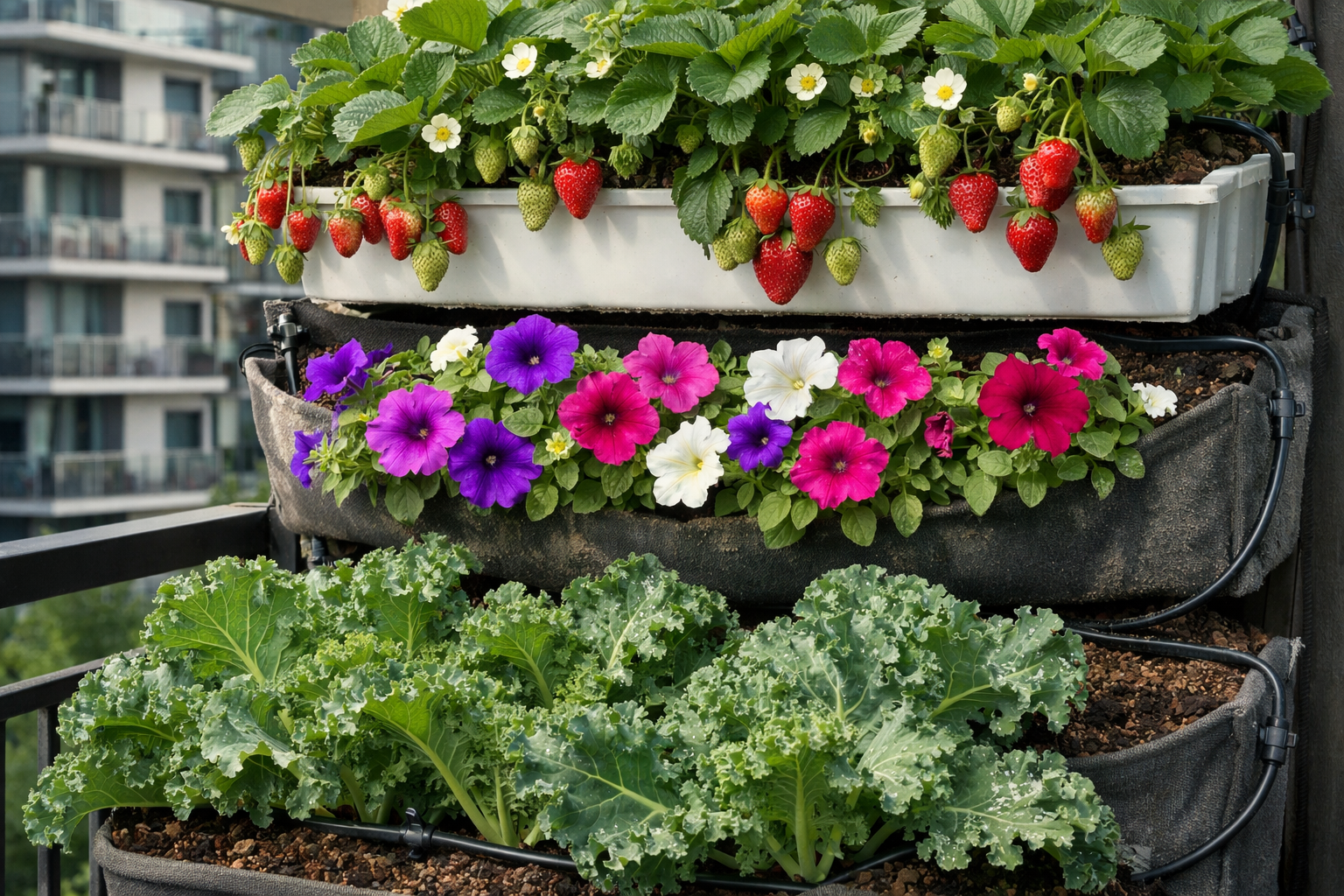
Plants that thrive in balcony vertical gardens are typically those with compact growth habits, shallow root systems, and a good tolerance for container life, requiring sunlight exposure appropriate for your balcony’s orientation. Selecting the right plants is crucial for a successful and productive vertical garden in 2026.
Here’s a breakdown of excellent plant choices for different types of vertical balcony gardens:
Herbs: Most herbs are perfect for vertical setups due to their relatively small size and consistent harvest needs.
- Examples: Basil, mint, chives, parsley, thyme, oregano, rosemary.
- Tip: Mint tends to spread aggressively, so consider planting it in its own isolated pocket or pot to prevent it from taking over. For specific growing tips, consult our Balcony Herb Garden Guide 2026.
Leafy Greens: These vegetables grow quickly and are well-suited for successive harvesting, making them ideal for small, vertical spaces.
- Examples: Lettuce varieties (romaine, butterhead), spinach, kale, arugula, Swiss chard.
- Consideration: Many leafy greens prefer partial shade during the hottest parts of the day, especially in warmer climates. If your balcony gets intense afternoon sun, position them accordingly or choose heat-tolerant varieties.
Strawberries: Their cascading nature makes them a perfect fit for vertical planters, especially stacking towers or wall pockets where their fruit can hang freely.
- Examples: Alpine strawberries, ever-bearing varieties.
- Tip: Ensure good drainage and consistent watering for abundant fruit production.
Flowers: Adding flowers can enhance the beauty of your vertical garden and attract pollinators.
- Examples: Petunias, nasturtiums (edible flowers!), pansies, violas, impatiens (for shade), marigolds.
- Decision Rule: Choose flowers with compact or trailing habits that complement the growth pattern of your chosen vertical system. Best Flowers for Balcony Gardens 2026 offers more choices.
Small Vegetables (Vining/Bush Varieties): Some smaller vegetables can be grown vertically with the right support.
- Examples: Cherry tomatoes (bush varieties or determinate types), bush beans, cucumbers (miniature or pickling varieties with support), radishes.
- Mistake to Avoid: Do not plant full-sized indeterminate tomatoes or large squash varieties without substantial, sturdy support and very large containers, as they can quickly outgrow a typical vertical system and become top-heavy.
When selecting plants, always consider your balcony’s light conditions. A south-facing balcony will receive full sun, suitable for most herbs and fruiting plants. A north-facing balcony, conversely, may require Balcony Gardening Without Sunlight: Shade Plants & Tips 2026.
How Do You Maintain a Thriving Balcony Vertical Garden?
Maintaining a thriving balcony vertical garden involves consistent watering, appropriate nutrient management, regular pest monitoring, and seasonal adjustments to ensure plants remain healthy and productive. Because vertical gardens often involve smaller soil volumes and increased exposure to elements, they require more attentive care than traditional in-ground gardens.
Here are the key aspects of maintaining a healthy vertical balcony garden:
Watering:
- Frequency: Vertical gardens, especially those with fabric pockets or small containers, tend to dry out faster than larger pots or in-ground beds. Check soil moisture daily by sticking your finger about an inch deep. Water when the top inch feels dry.
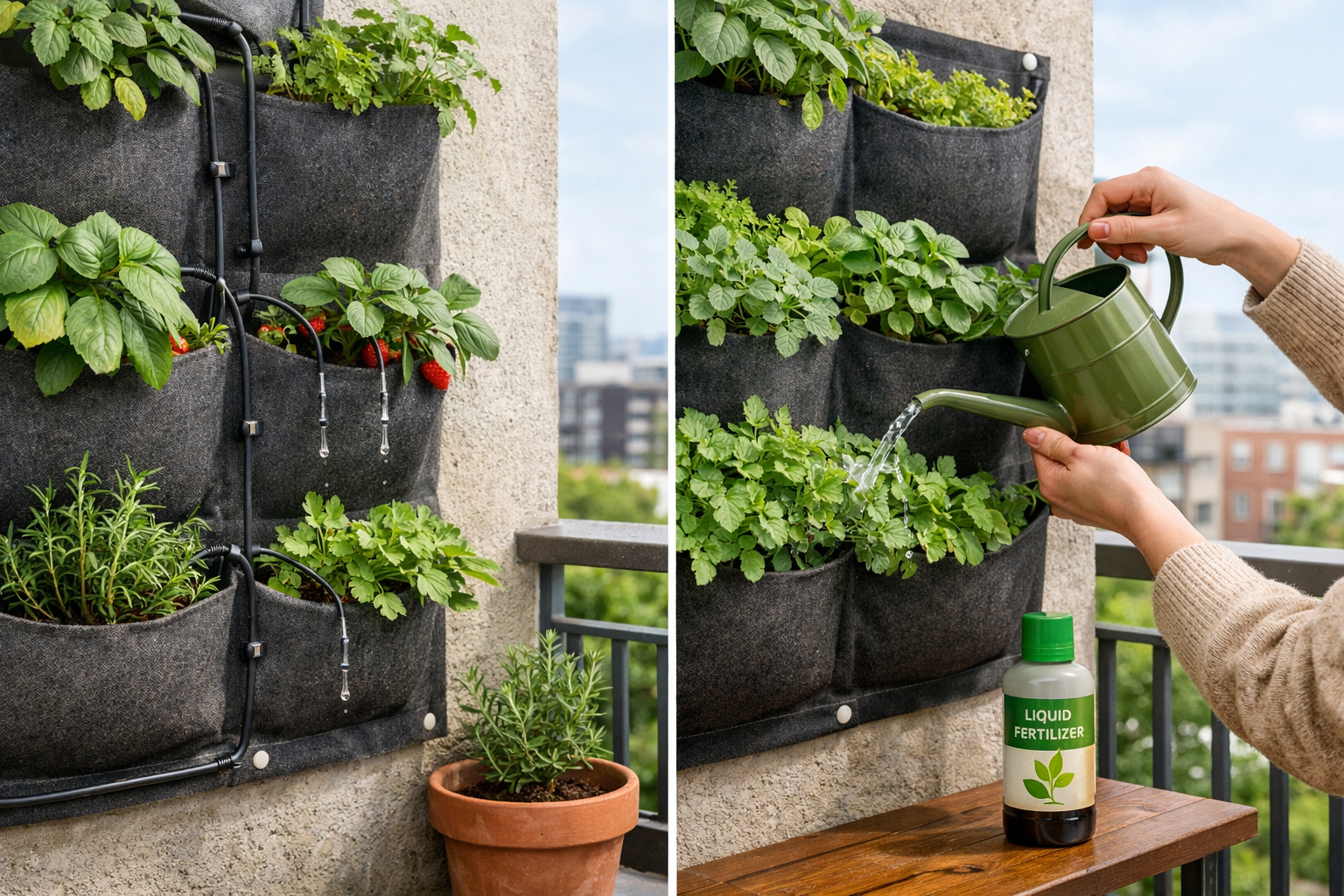
- Method: Use a watering can with a fine rose or consider a drip irrigation system for efficiency, especially for larger setups. Water slowly and deeply until water drains from the bottom of each pocket or pot.
- Common Mistake: Overwatering can lead to root rot, while underwatering causes wilting and stunted growth. Adjust based on weather, plant type, and container material.
Nutrient Management:
- Soil: Start with a high-quality potting mix specifically designed for containers, as it provides good drainage and initial nutrients. Avoid heavy garden soil which compacts easily. For details, see Soil Basics for Container Gardening: 2026 Expert Guide.
- Fertilizing: Plants in containers quickly deplete soil nutrients. Begin feeding liquid fertilizer every 2-4 weeks, or use slow-release granular fertilizers mixed into the soil at planting. Follow product instructions carefully.
- Recommendation: Use an organic liquid feed for edible plants to ensure you’re not introducing unwanted chemicals.
Pest and Disease Control:
- Regular Inspection: Inspect your plants regularly (at least weekly) for signs of pests (aphids, spider mites) or diseases (powdery mildew). Early detection is key.
- Organic Solutions: For minor infestations, use organic pest control methods like neem oil spray, insecticidal soap, or simply a strong jet of water to dislodge pests. Encourage beneficial insects if possible.
- Prevention: Ensure good air circulation, avoid overwatering, and remove any diseased or dead plant material promptly.
Pruning and Harvesting:
- Pruning: Trim back leggy growth to encourage bushier plants and remove spent flowers to promote new blooms (deadheading).
- Harvesting: Regular harvesting of herbs and leafy greens encourages more production. Pick outer leaves first for continuous yield.
Sunlight and Rotation:
- Monitor Light: Observe how sunlight hits your vertical garden throughout the day and year. You may need to rotate individual pots or adjust the placement of your vertical system to ensure all plants receive adequate light.
- Shade Management: If some plants are getting too much intense afternoon sun, provide temporary shade with a screen or move them if the system is portable.
For a comprehensive approach to gardening care, our Balcony Garden Maintenance Tips 2026: Ultimate Guide can provide additional insights.
Troubleshooting Common Balcony Vertical Gardening Issues
Even with careful planning, balcony vertical gardens can encounter challenges. Understanding how to troubleshoot common issues like inadequate drainage, uneven watering, and pest problems is essential for maintaining plant health and productivity in 2026. Proactive identification and swift action can prevent minor setbacks from becoming significant gardening failures.
Here’s how to address frequent problems in vertical balcony gardening:
Problem: Uneven Watering (Top plants dry, bottom plants wet)
- Cause: Water flows downwards, often leaving upper plants parched while lower plants become waterlogged due to poor absorption or runoff from above.
- Solution:
- Manual Adjustment: Water each tier or pocket individually. Take more time to ensure water is absorbed by the soil at the top before it runs down.
- Drip Irrigation: Install a micro-drip irrigation system that delivers water directly to each plant, ensuring even distribution.
- Improve Soil: Use a high-quality, well-draining potting mix that retains moisture evenly. Adding perlite or vermiculite can improve soil structure.
Problem: Plants Wilting or Stunted Growth
- Cause: This often indicates underwatering, nutrient deficiency, or insufficient sunlight.
- Solution:
- Check Moisture: Feel the soil. If dry, water thoroughly. If consistently drying out too quickly, consider increasing watering frequency or using larger containers if possible.
- Fertilize: Apply a balanced liquid fertilizer according to package directions, especially since vertical garden plants in smaller soil volumes exhaust nutrients faster.
- Assess Light: Observe your balcony’s sun exposure throughout the day. Move sun-loving plants to brighter spots and shade-tolerant plants to shadier areas. Refer to Balcony Gardening Mistakes: Avoid These 2026 Pitfalls for light-related errors.
Problem: Pests (e.g., Aphids, Spider Mites)
- Cause: Pests are attracted to stressed plants or those in dense, poorly circulated environments.
- Solution:
- Physical Removal: For small infestations, spray plants with a strong stream of water or wipe pests off with a damp cloth.
- Organic Sprays: Use insecticidal soap or neem oil, which are effective against many soft-bodied pests and are safe for edibles. Apply in the early morning or late evening.
- Isolation: If one plant is heavily infested, isolate it from the rest of your garden to prevent spreading.
Problem: Poor Drainage or Root Rot
- Cause: Lack of drainage holes, heavy potting mix, or persistent overwatering.
- Solution:
- Ensure Drainage: Verify that all planters have adequate drainage holes. If not, drill some.
- Lighten Soil: Repot with a lighter, well-draining potting mix. Add perlite or coarse sand if your mix feels too dense.
- Adjust Watering: Reduce watering frequency and ensure the soil has a chance to dry out slightly between waterings.
Problem: Wind Damage
- Cause: Balconies can be windy, leading to broken stems, dislodged plants, or rapid drying of soil.
- Solution:
- Wind-Resistant Plants: Choose sturdy, flexible plants. Our Wind-Resistant Balcony Plants: Ultimate 2026 Guide & Tips provides specific recommendations.
- Secure Systems: Ensure your vertical garden system is securely anchored to a wall or railing.
- Windbreak: Consider installing a temporary windbreak, such as a sturdy screen or strategically placed larger, wind-tolerant plants.
By proactively monitoring your plants and quickly addressing these issues, you can ensure your balcony vertical garden remains a vibrant and productive part of your urban home.
Conclusion
Balcony vertical gardening offers an accessible and highly rewarding way to cultivate a diverse range of plants in limited urban spaces. By understanding the various systems available, selecting appropriate plants for your light conditions, and committing to consistent maintenance, you can transform a neglected balcony into a flourishing green haven. This method not only maximizes your growing potential but also enhances the aesthetics of your living environment, improves air quality, and provides the fresh satisfaction of growing your own produce and flowers.
Actionable Next Steps:
- Assess Your Balcony: Determine sunlight exposure (hours and intensity) and measure available vertical and horizontal space.
- Choose Your System: Select a vertical gardening system that fits your space, budget, and landlord’s rules, considering wall-mounted, stacking, or trellis options.
- Plan Your Plants: Research plants that thrive in your balcony’s specific light conditions and your chosen vertical system. Start with easy-to-grow herbs and leafy greens.
- Gather Supplies: Purchase high-quality potting mix, appropriate fertilizers, and basic gardening tools.
- Start Planting: Follow a reliable Balcony Garden Setup Step-by-Step 2026 guide to set up your garden.
- Implement a Care Routine: Establish a consistent watering, fertilizing, and pest monitoring schedule to ensure long-term success.
FAQ
Q: Can I grow vegetables in a balcony vertical garden?
A: Yes, many vegetables with compact growth habits or shallow roots, like leafy greens, herbs, strawberries, and some bush varieties of tomatoes and beans, thrive in vertical balcony gardens.
Q: How much sun does a vertical balcony garden need?
A: Most plants for vertical gardens need at least 4-6 hours of direct sunlight per day, though some leafy greens and shade-tolerant flowers can do well with less.
Q: Are vertical gardens heavy for balconies?
A: Vertical gardens filled with soil and wet plants can be heavy. Always consider your balcony’s weight capacity and choose systems made from lighter materials or those that distribute weight evenly.
Q: What are the best plants for a shady balcony vertical garden?
A: For shady balconies, opt for plants like spinach, lettuce, kale, mint, parsley, impatiens, and hostas, which tolerate lower light conditions.
Q: How often should I water my vertical balcony garden?
A: Vertical gardens often require more frequent watering than traditional gardens due to smaller soil volumes and increased exposure; check soil moisture daily and water when the top inch is dry.
Q: Can renters install vertical gardens on their balconies?
A: Yes, renters can use freestanding stacking planters, rail-hanging systems, or tension rod setups that don’t require drilling, to comply with lease agreements.
Q: What type of soil is best for vertical balcony gardening?
A: A high-quality, lightweight potting mix designed for containers is ideal, as it provides good drainage and aeration while retaining moisture.
Q: How do I prevent pests in my vertical balcony garden?
A: Regularly inspect plants, maintain good air circulation, and use organic pest control methods like neem oil or insecticidal soap at the first sign of infestation.
Q: Is balcony vertical gardening expensive to start?
A: The cost varies. You can start affordably with DIY solutions like repurposed pallets or budget-friendly fabric pockets, or invest in more advanced modular systems.
Related Reading
- Vertical Gardening Basics: Your 2026 Guide to Small Space Gardens
- Balcony Vegetable Garden Guide 2026: Grow Fresh Produce at Home
- Complete Balcony Gardening Guide for Small Apartments 2026
- Small Balcony Garden Ideas 2026: Design Your Oasis
- Best Pots for Balcony Garden 2026: Ultimate Guide to Small
SEO Meta Title: Balcony Vertical Gardening: Maximize Green Space in 2026
SEO Meta Description: Transform your urban balcony with vertical gardening in 2026! Learn systems, plant choices, maintenance, and troubleshooting for a thriving green oasis.