Best Low Maintenance Plants
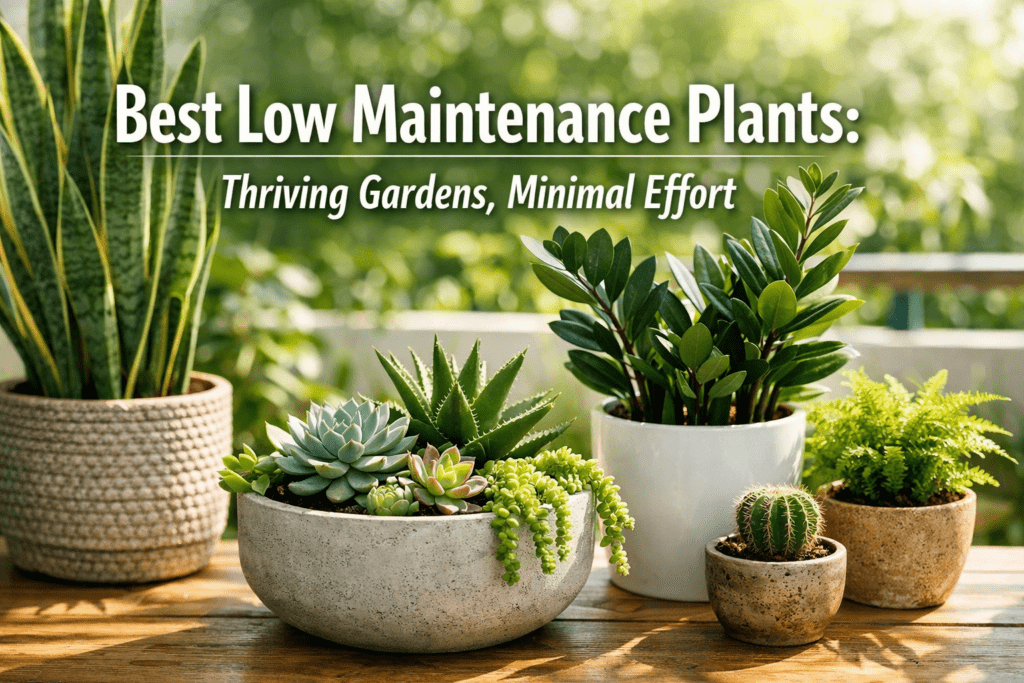
Quick Answer: The best low maintenance plants for 2026 are resilient species that thrive with minimal attention, making them ideal for busy individuals or novice gardeners. These include succulents like Snake Plants and ZZ Plants, popular houseplants such as Pothos and Spider Plants, and hardy outdoor options like Lavender and Sedum, all of which tolerate varying conditions and infrequent watering. Choosing the right low maintenance plants ensures you can enjoy the aesthetic and health benefits of greenery without the burden of extensive care.
Key Takeaways
- Minimal Effort, Maximum Reward: Low maintenance plants offer significant aesthetic and well-being benefits with little time commitment.
- Diverse Options: A wide range of plants, from succulents to flowering shrubs, qualify as low maintenance for both indoor and outdoor settings.
- Key Factors: Success hinges on selecting plants that match your specific environment’s light, temperature, and humidity conditions.
- Smart Watering: Infrequent but thorough watering is often key; avoid overwatering, which is a common killer.
- Drought Tolerance: Many top low maintenance picks excel due to their ability to withstand dry periods.
- Pest Resistance: Several varieties are naturally more resistant to common pests, further reducing care needs.
- Beginner-Friendly: These plants are perfect for those new to gardening, fostering confidence and a green thumb.
- Small Space Solutions: Many low maintenance plants are compact or can be easily managed in containers, ideal for small homes or balconies.
- Long-Term Enjoyment: With proper initial placement, these plants can thrive for years, becoming lasting features in your space.
Why Choose Best Low Maintenance Plants in 2026?
Choosing the best low maintenance plants in 2026 is a smart decision for anyone seeking to add natural beauty to their home or garden without dedicating extensive time or effort to plant care. These resilient botanical companions offer significant benefits, from improving air quality and boosting mood to simply enhancing aesthetics, all while forgiving occasional neglect. They are particularly beneficial for busy individuals, frequent travelers, or those new to gardening who might feel overwhelmed by high-maintenance alternatives.
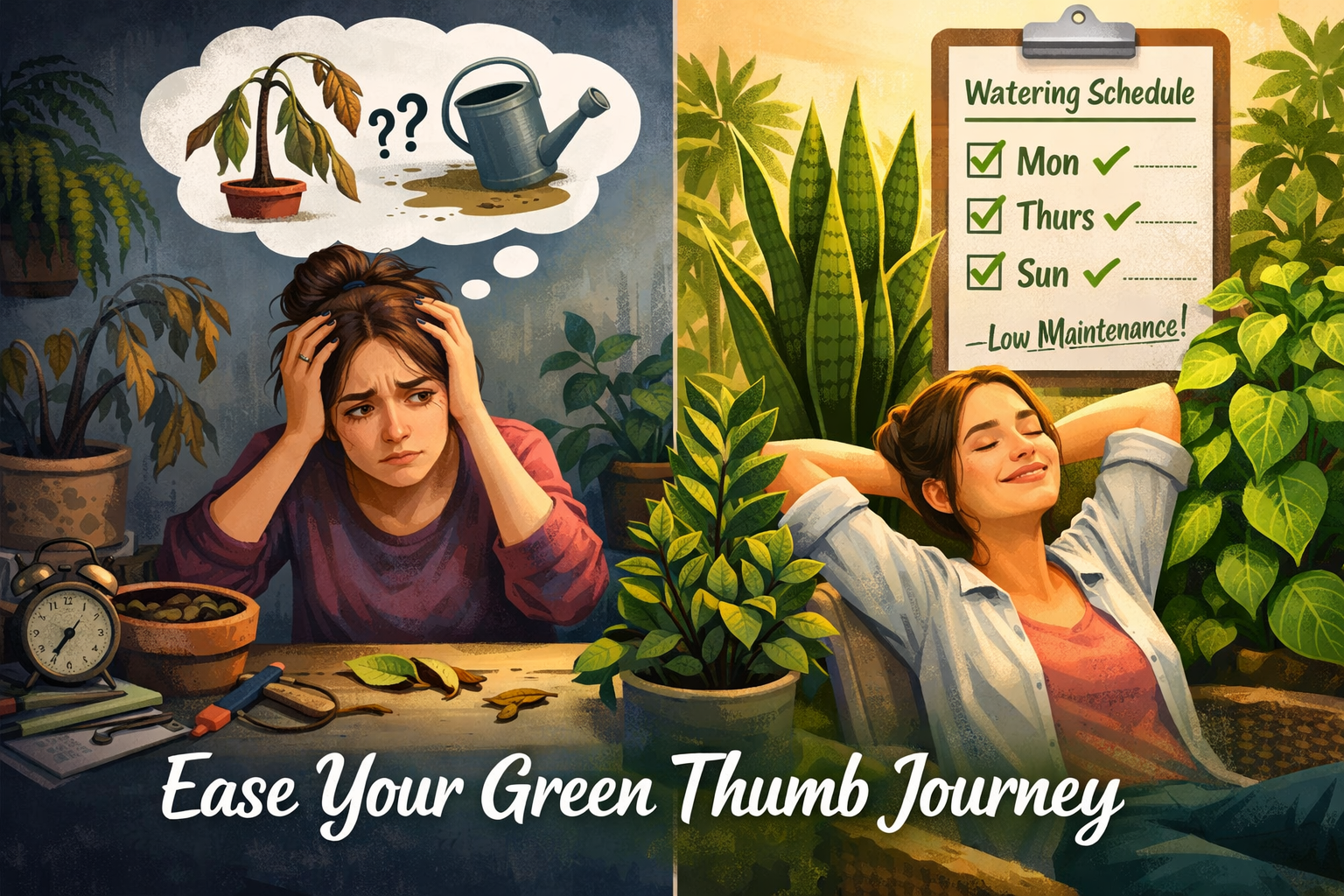
For instance, if you have a demanding work schedule or travel frequently, a Snake Plant (Sansevieria) can survive weeks without water, making it a perfect choice. Opting for species known for their hardiness minimizes the risk of plant failure and the frustration that often accompanies it. This approach allows you to enjoy the calming presence of greenery and the satisfaction of a thriving garden, even if your green thumb is still developing or your schedule is packed. They are an excellent starting point for cultivating a lasting gardening hobby, as you can easily succeed without specialized knowledge.
Benefits of Low Maintenance Gardening
- Time-Saving: Requires less frequent watering, pruning, and fertilizing.
- Stress Reduction: Less worry about plant health and survival.
- Beginner-Friendly: High success rate for those new to gardening.
- Cost-Effective: Often requires fewer specialized products or replacements due to plant failure.
- Environmental Resilience: Many low maintenance plants are drought-tolerant, conserving water.
- Enhanced Aesthetics: Provides natural beauty and improved air quality without demanding constant attention.
Choosing low maintenance varieties helps you avoid common balcony gardening mistakes that often stem from insufficient care or misunderstanding a plant’s needs.
What Are Some of the Best Low Maintenance Indoor Plants?
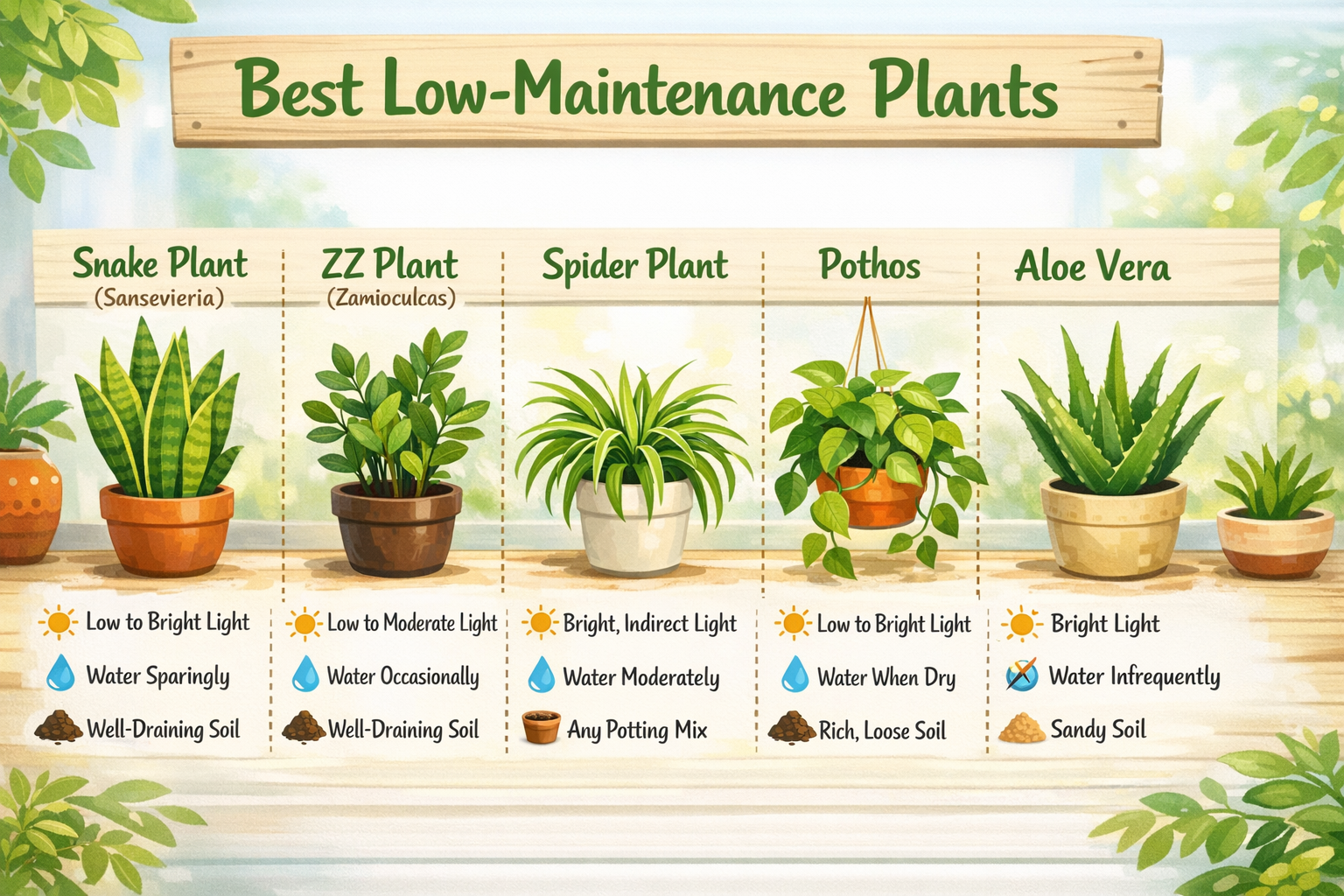
Some of the best low maintenance indoor plants in 2026 include the Snake Plant, ZZ Plant, Pothos, and Spider Plant, as these varieties are remarkably tolerant of varying light conditions and irregular watering, making them ideal for indoor environments. These plants are excellent for adding greenery to your home or office, even if you have a busy schedule or are just starting your plant journey. Their resilience ensures they can thrive in less-than-perfect conditions, providing consistent beauty with minimal intervention.
For example, the ZZ Plant (Zamioculcas zamiifolia) can handle very low light and can go for weeks, even months, without water, thanks to its rhizomes that store moisture. This makes it an almost indestructible option for those who tend to forget about watering. Similarly, a Pothos (Epipremnum aureum) is incredibly versatile, thriving in bright indirect light down to low light, and only needs watering when its topsoil is dry, often showing visible signs of thirst (slight wilting) before major damage occurs. If you’re looking for more inspiration, explore our guide on the best indoor plants for small homes 2026.
Top Picks for Low Maintenance Indoor Plants
| Plant Name | Ideal Light | Watering Needs | Special Features |
|---|---|---|---|
| Snake Plant | Low to Bright | Infrequent (Drought Tolerant) | Air purifier, vertical growth, various patterns |
| ZZ Plant | Low to Medium | Very Infrequent | Extremely drought-tolerant, glossy leaves |
| Pothos | Low to Bright Indirect | When soil is dry | Trailing vines, easy to propagate |
| Spider Plant | Bright Indirect | Moderate | Produces “spiderettes,” air purifier |
| Aloe Vera | Bright Indirect | Infrequent (Drought Tolerant) | Medicinal properties, succulent |
| Cast Iron Plant | Low Light | Moderate | Extremely hardy, dark green foliage |
| Peace Lily | Low to Medium | When soil starts to dry | Blooms white flowers, tells you when it’s thirsty |
| Haworthia | Bright Indirect | Infrequent | Small, succulent, architectural form |
When selecting these plants, consider the average humidity in your home. While most are forgiving, consistently high or low humidity might affect some species more than others. Generally, these plants prefer well-draining soil and pots with drainage holes to prevent root rot, a common issue for indoor plants.
What Are the Best Low Maintenance Outdoor Plants for Gardens and Balconies?
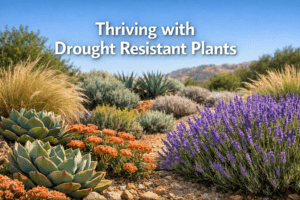
The best low maintenance outdoor plants for gardens and balconies in 2026 typically include drought-tolerant perennials, robust shrubs, and resilient annuals such as Lavender, Sedum, Coneflower, and Rosemary, all of which thrive with minimal watering and pruning. These plants are excellent choices for adding continuous color and texture to any outdoor space without requiring constant attention, making them perfect for busy gardeners or those with small urban gardens. Their natural hardiness allows them to withstand various weather conditions, from sun to occasional dry spells.
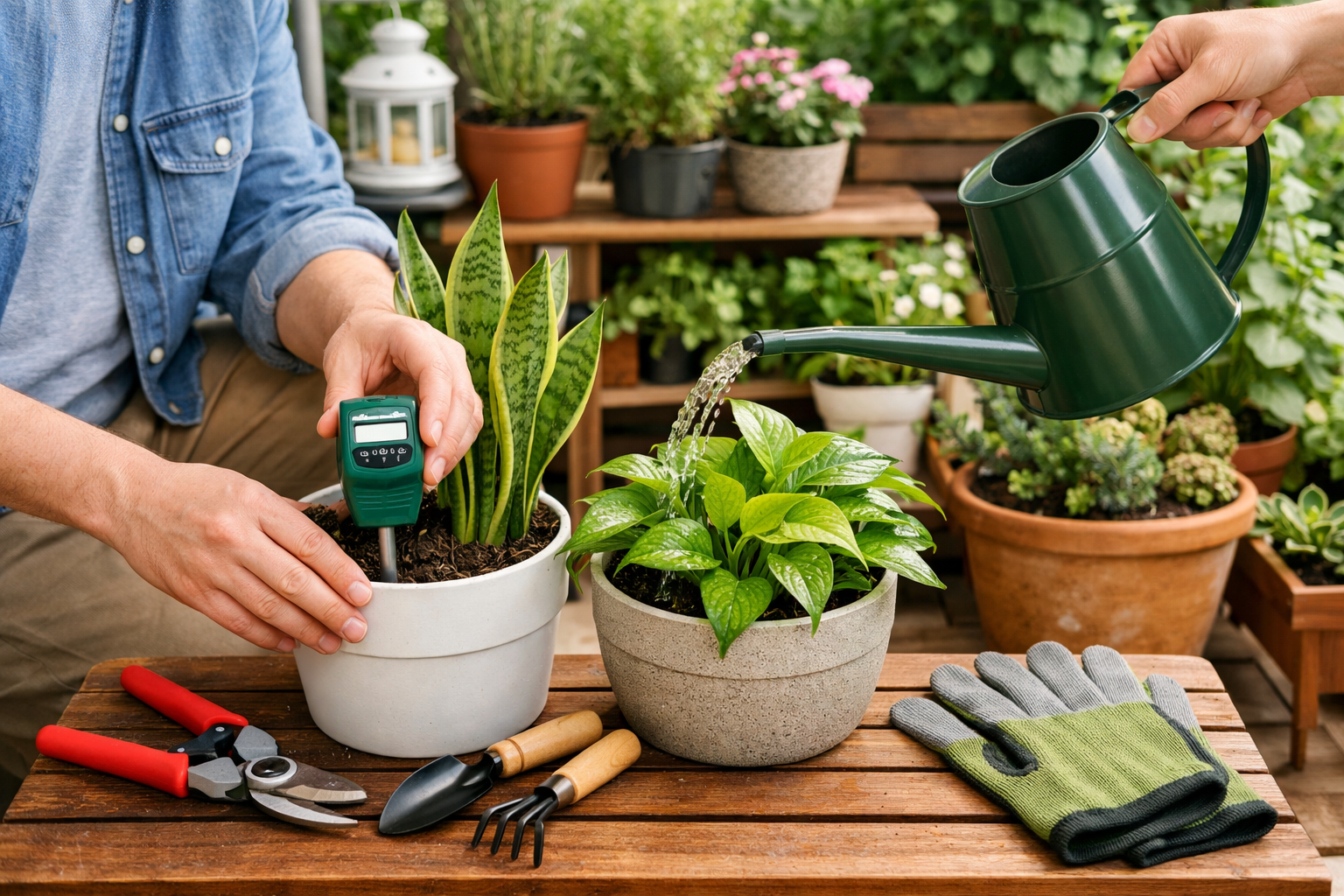
For example, Lavender (Lavandula) not only boasts beautiful purple flowers and a fragrant aroma but also thrives in full sun and poor to medium soil with excellent drainage, requiring minimal water once established. Sedum (Stonecrop) is another superb option, known for its succulent-like leaves and late-season blooms, requiring almost no care beyond initial planting. These varieties are perfect for balcony gardens and small plots where space might be limited, but visual impact is desired.
Top Picks for Low Maintenance Outdoor Plants
- Lavender (Lavandula): Full sun, well-draining soil, drought-tolerant, fragrant.
- Sedum (Stonecrop): Full sun, well-draining soil, highly drought-tolerant, attractive foliage and flowers.
- Coneflower (Echinacea): Full sun, tolerates poor soil, attracts pollinators, hardy.
- Rosemary (Rosmarinus officinalis): Full sun, well-draining soil, drought-tolerant, aromatic herb.
- Hostas: Shade to partial shade, moist soil, attractive foliage, deer-resistant varieties available.
- Daylilies (Hemerocallis): Full sun to partial shade, adaptable to various soils, long blooming period.
- Peonies (Paeonia): Full sun, well-draining soil, long-lived, large fragrant blooms, requires little care once established.
- Hydrangeas: Partial shade, moist well-draining soil, large showy flowers, some varieties are quite hardy.
- Geraniums (Pelargonium): Full sun to partial shade, well-draining soil, continuous blooms, good for containers.
- Portulaca (Moss Rose): Full sun, thrives in hot and dry conditions, vibrant blooms, excellent for ground cover or hanging baskets.
When planning an outdoor space, consider your USDA hardiness zone to ensure the plants chosen can survive your local climate’s winters and summers. Many of these plants are also suitable for container gardening, which can be an excellent solution for renters or those with limited ground space. For specific container choices, consider our guide on the best pots for balcony garden 2026.
How to Care for Your Best Low Maintenance Plants Effectively?
Effectively caring for your best low maintenance plants involves understanding their basic needs, primarily focusing on appropriate watering techniques, ensuring adequate light, and providing suitable soil, rather than constant intervention. The key is to avoid common pitfalls like overwatering and incorrect light exposure, which can quickly harm even the most resilient plants. By meeting their fundamental requirements, you enable these plants to thrive independently, living up to their “low maintenance” promise.
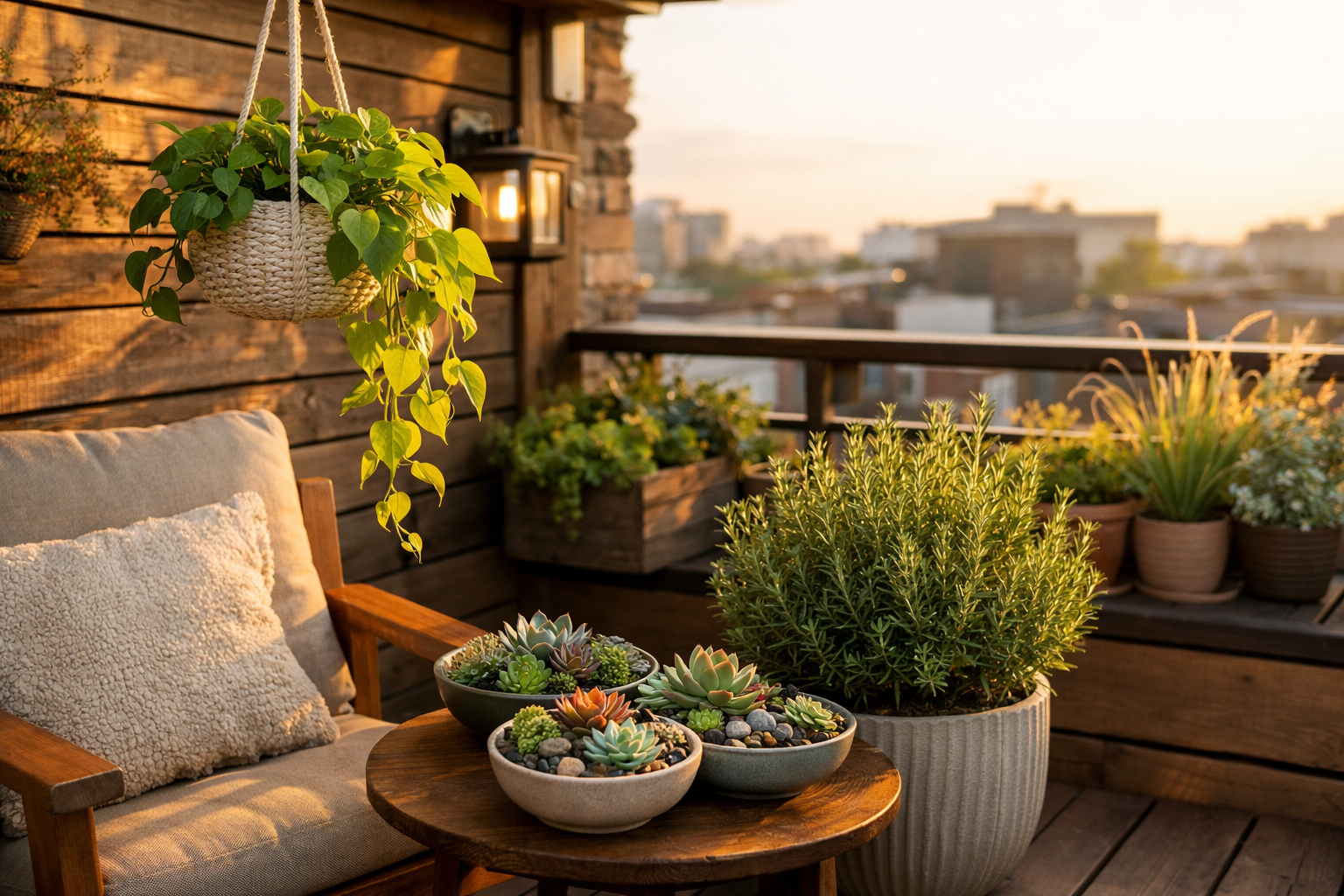
For instance, most low maintenance succulents and cacti prefer a “soak and dry” method: water thoroughly until it drains from the bottom, then allow the soil to dry out completely before watering again. This mimics their natural desert environment and prevents root rot. Similarly, while a ZZ Plant tolerates low light, it will grow faster and healthier in medium, indirect light. A general rule for many low maintenance plants is to check the soil moisture with your finger before watering – if the top inch or two is dry, it’s likely time to water. For a comprehensive overview, refer to our beginner’s guide to plant care 2026.
Essential Low Maintenance Plant Care Tips
- Water Wisely:
- “Soak and Dry” Method: Water thoroughly until it drains, then let the soil completely dry out before the next watering.
- Check Soil Moisture: Use your finger or a moisture meter to assess soil dryness, especially for indoor plants.
- Avoid Overwatering: This is the most common killer of low maintenance plants. Signs include yellowing leaves or mushy stems.
- Seasonal Adjustment: Reduce watering frequency in cooler months when plants are less active. You can find more specific guidance on how often to water plants.
- Provide Proper Light:
- Know Your Plant’s Needs: While tolerant, each plant has an optimal light range. Match the plant to your available light (e.g., south-facing window for high light, north-facing for low light).
- Indirect Bright Light: Many indoor low maintenance plants thrive here, avoiding direct, harsh sun which can scorch leaves.
- Use Suitable Soil and Drainage:
- Well-Draining Potting Mix: Essential for preventing waterlogged roots. Cactus and succulent mixes are excellent for many low water plants.
- Pots with Drainage Holes: Non-negotiable for almost all plants to allow excess water to escape.
- Minimal Fertilization:
- Less is More: Low maintenance plants often require very little fertilizer. A diluted balanced liquid fertilizer once or twice during the growing season (spring/summer) is usually sufficient.
- Avoid Winter Fertilization: Plants are dormant in winter and don’t need extra nutrients. For specific outdoor needs, check out best fertilizers for small gardens 2026.
- Occasional Pruning:
- Remove Dead or Damaged Leaves: This helps the plant redirect energy to healthy growth and improves appearance.
- Shape as Needed: For trailing plants like Pothos, occasional trimming can encourage bushier growth.
- Pest Watch:
- Inspect Periodically: While many are pest-resistant, a quick check during watering can catch issues early.
- Simple Solutions: Minor infestations can often be treated with neem oil or insecticidal soap.
Remember that even the best low maintenance plants appreciate occasional attention. A quick check-in every week or two can make a big difference in their long-term health. Consider plants that are naturally wind-resistant balcony plants if you have an exposed outdoor space.
Conclusion
Embracing the best low maintenance plants in 2026 offers a refreshing approach to gardening, allowing individuals with demanding schedules or burgeoning green thumbs to cultivate thriving, beautiful spaces both indoors and out. By prioritizing resilience, drought tolerance, and adaptability, you can enjoy the myriad benefits of greenery—from enhanced aesthetics and improved air quality to a heightened sense of well-being—without the constant worry or significant time commitment often associated with plant care. Whether you choose a stoic Snake Plant for your living room or vibrant Sedum for your balcony, these forgiving botanical companions are designed to flourish with minimal intervention, making them the ultimate choice for a stress-free and rewarding gardening experience.
Actionable Next Steps:
- Assess Your Environment: Identify the light conditions (low, medium, bright indirect, full sun) and space available in your home or garden.
- Select Your Plants: Choose 3-5 low maintenance plants from our recommended lists that match your environmental conditions and aesthetic preferences.
- Acquire Supplies: Purchase well-draining pots, appropriate potting mix (e.g., succulent mix for cacti/succulents), and a basic watering can.
- Establish a Simple Routine: Develop a watering schedule based on checking soil dryness rather than a fixed calendar, especially during the first few months.
- Monitor and Adjust: Observe your plants for signs of thriving or distress (e.g., yellowing leaves, wilting) and adjust your care slightly as needed. Remember, consistent neglect is different from strategic low maintenance!
FAQ
Q: What makes a plant “low maintenance”?
A: A low maintenance plant typically requires infrequent watering, tolerates a range of light conditions, resists common pests and diseases, and doesn’t demand frequent pruning or fertilization.
Q: Can I still kill a low maintenance plant?
A: Yes, the most common way to kill a low maintenance plant is through overwatering, which leads to root rot. Incorrect light exposure (too much direct sun or too little light for its specific needs) can also cause issues.
Q: Are succulents considered low maintenance?
A: Absolutely. Most succulents are highly drought-tolerant and thrive on neglect, requiring minimal water and bright indirect light, making them prime examples of low maintenance plants.
Q: Do low maintenance plants need fertilizer?
A: Generally, they need very little. A diluted, balanced liquid fertilizer applied once or twice during their active growing season (spring and summer) is usually sufficient, or none at all if they are in fresh potting mix.
Q: What are the best low maintenance plants for beginners?
A: Snake Plants, ZZ Plants, Pothos, Spider Plants, and Aloe Vera are excellent choices for beginners due to their extreme hardiness and forgiving nature.
Q: Can low maintenance plants improve air quality?
A: Yes, many low maintenance plants, such as Snake Plants, Pothos, and Spider Plants, are known for their ability to filter common indoor air toxins, contributing to healthier indoor environments.
Q: How often should I water low maintenance plants?
A: The frequency depends on the plant, light, and environment, but a good rule of thumb is to let the soil dry out completely between waterings. For many, this could be every 2-4 weeks indoors.
Q: Are there any low maintenance flowering plants?
A: Yes, plants like Peace Lilies, Begonias, and some varieties of Hydrangeas or Daylilies offer beautiful blooms with relatively low care demands once established.
Q: Do low maintenance plants need special soil?
A: Most prefer well-draining soil. For succulents and cacti, a specialized gritty mix is best. For others, a standard good quality potting mix with perlite added for extra drainage works well.
Q: What if my low maintenance plant starts to look unhealthy?
A: First, check your watering routine (most likely culprit is overwatering). Next, assess its light exposure. Pests are less common but possible, so inspect leaves and stems.
Q: Can I put indoor low maintenance plants outdoors in summer?
A: Many can benefit from a summer outdoors, but introduce them gradually to brighter light and protect them from direct, scorching sun. Bring them back indoors before temperatures drop.
Q: Where can I find more resources for small space gardening?
A: For more tips and plant ideas for compact areas, check out our ultimate guide to small space gardening for beginners 2026 and our easy plants to grow in small spaces (2026 guide).