Which Indoor Gardening System Is Worth the Price? I Tried Them All
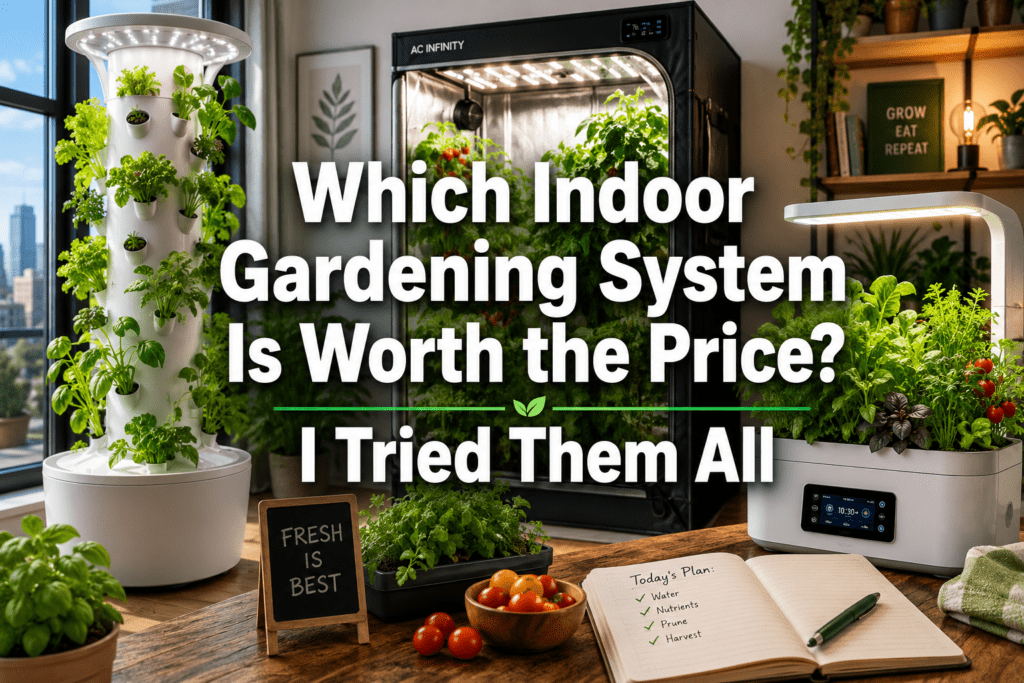
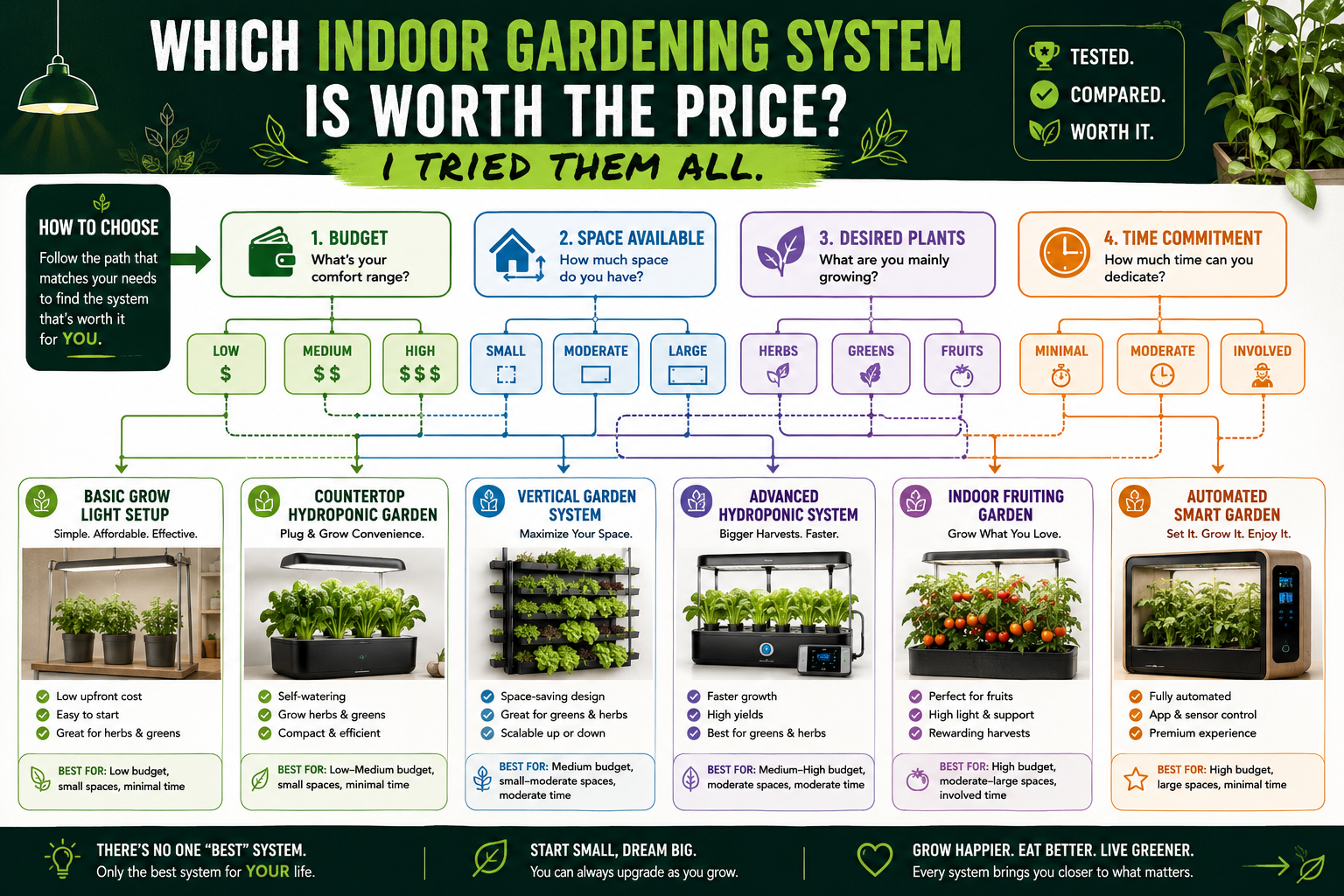
Choosing an indoor gardening system depends primarily on your budget, available space, desired plants, and time commitment. Based on extensive testing in 2026, entry-level smart garden pods offer the best value for beginners seeking convenience and consistent results with herbs and leafy greens, while more advanced hydroponic systems provide greater yield potential for serious growers willing to invest more time and capital. Soil-based setups remain the most versatile and budget-friendly for those prioritizing plant variety and a hands-on approach.
Key Takeaways
- Smart Garden Pods are ideal for beginners, offering ease of use, automation, and consistent yields for herbs and leafy greens, but with higher ongoing seed pod costs.
- Hydroponic Systems provide rapid growth and high yields for a wider range of plants, suitable for intermediate to advanced gardeners with a larger budget and willingness to learn nutrient management.
- Soil-Based Container Gardens are the most flexible and cost-effective, allowing for diverse plant choices and customizability, perfect for those who enjoy traditional gardening.
- Vertical Gardening Systems (both hydroponic and soil-based) maximize space, making them excellent for small apartments or limited areas, but may require specific plant selections.
- Initial Investment vs. Ongoing Costs are critical factors; automated systems have higher upfront costs and proprietary refills, while soil-based gardens have lower initial costs but require regular supplies like soil and fertilizer.
- Light is Paramount: Regardless of the system, adequate grow lights are non-negotiable for successful indoor gardening, often being the single most impactful component.
- Consider Your Lifestyle: Match the system to your commitment level – automated systems suit busy individuals, while hands-on systems are better for those who enjoy the daily gardening process.
Which Indoor Gardening System Is Worth the Price for Beginners?
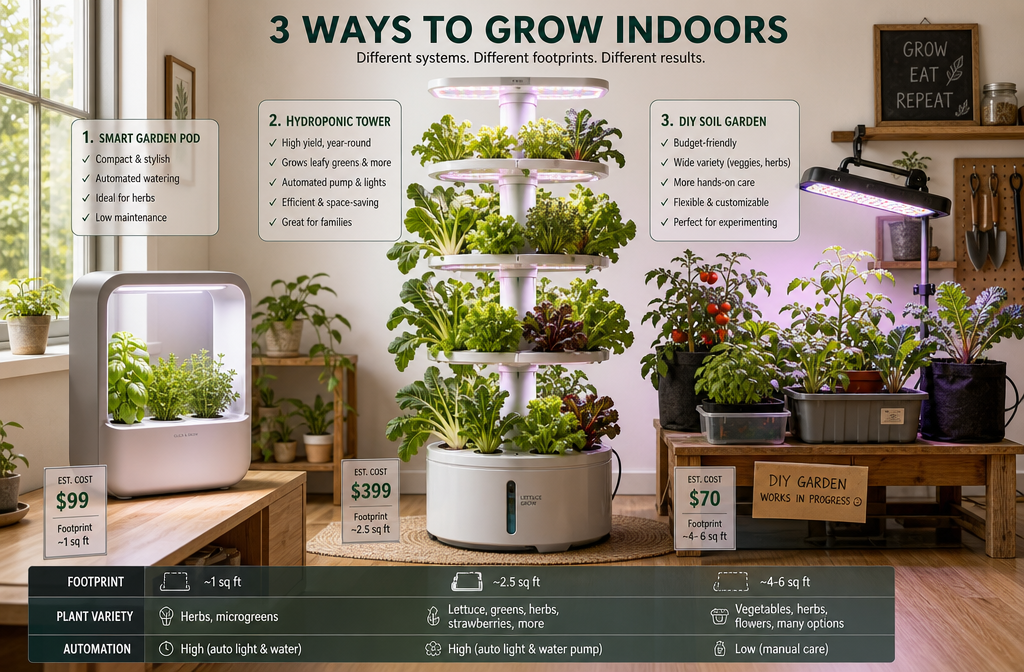
For beginners looking to dive into indoor gardening in 2026, smart garden pods like AeroGarden or Click & Grow offer the best balance of ease of use and consistent results, making them worth the price for their convenience. These systems minimize the learning curve by automating watering and lighting schedules.
Smart garden pods are typically compact, self-contained units that use hydroponics or a similar soilless method. They come with pre-seeded pods and nutrient solutions, simplifying the entire process.
- Pros: Extremely user-friendly, automated watering and lighting, compact design, clean operation, reliable yields for specific plants (herbs, lettuces).
- Cons: Limited plant variety (often proprietary seed pods), higher ongoing costs for refills, initial investment can be higher than basic soil setups.
- Ideal for: Anyone new to gardening, those with limited space, busy individuals, or those who want fresh herbs and salad greens with minimal effort.
A common mistake beginners make is trying to grow plants that are too large or have complex needs in these simple systems. Stick to the recommended plant varieties for the best success. For those on a tight budget, explore “Indoor Gardening On A Budget: Grow More, Spend Less In 2026” for alternative entry points.
How Do Hydroponic Systems Compare in Value for Serious Growers?
Hydroponic systems, while requiring a larger initial investment and a steeper learning curve, offer superior growth rates and significantly higher yields, making them well worth the price for serious growers focused on productivity and variety. These systems provide plants with nutrient-rich water directly to their roots, eliminating soil and often accelerating growth.
Hydroponic setups range from deep water culture (DWC) and nutrient film technique (NFT) to more complex vertical farming towers. They require careful monitoring of pH and nutrient levels but reward growers with faster harvests and often larger plants than traditional soil methods.
- Pros: Faster plant growth, higher yields, efficient water use, no soil-borne pests, precise control over nutrients.
- Cons: Higher upfront cost, requires more technical knowledge (pH, nutrient management), potential for system failure affecting all plants, can be more complex to set up.
- Ideal for: Experienced gardeners, those wanting to grow larger vegetables or fruiting plants indoors, individuals seeking maximum yield from a small footprint, or those interested in experimentation.
- Decision Rule: Choose a hydroponic system if you are committed to learning the technical aspects of plant nutrition and pH, have a dedicated space, and prioritize consistent, high-volume harvests.
Comparison of Indoor Gardening System Types
| Feature | Smart Garden Pods | Hydroponic Systems | Soil-Based Container Gardens |
|---|---|---|---|
| Initial Cost (Estimated) | $80 – $350 | $150 – $1000+ | $20 – $200 (excluding grow light) |
| Ongoing Costs | High (proprietary pods, nutrients) | Medium (nutrients, pH adjusters) | Low (soil, seeds, fertilizer) |
| Ease of Use | Very Easy (Automated) | Moderate to Difficult | Easy to Moderate |
| Space Required | Very Small | Small to Large (Scalable) | Small to Moderate |
| Plant Variety | Limited (Herbs, Greens) | Broad (Herbs, Greens, Veggies) | Broad (Anything growable indoors) |
| Growth Rate | Fast | Very Fast | Standard |
| Maintenance | Low | Moderate to High | Low to Moderate |
| Best For | Beginners, Convenience | Serious Growers, High Yields | Budget, Customization, Variety |
For specialized applications, vertical hydroponic systems are an excellent way to maximize space. Our guide on “Balcony Vertical Gardening: Maximize Green Space In 2026” offers insights that can be adapted for indoor use.
Which Indoor Gardening System Is Worth the Price for Versatility and Budget?
For unparalleled versatility and the lowest barrier to entry, a soil-based container garden combined with a good quality grow light represents the most cost-effective and adaptable indoor gardening system in 2026. This traditional approach allows for the widest range of plant choices and offers complete control over your growing medium.
Setting up a soil-based system involves selecting appropriate containers, buying quality potting mix, choosing seeds or starts, and providing supplemental lighting. While it requires more manual watering and fertilizing than automated systems, it’s significantly cheaper to start and operate in the long run.
- Pros: Lowest initial and ongoing costs, unlimited plant variety, familiar gardening methods, no complex tech, easy to propagate plants.
- Cons: Requires more manual labor (watering, fertilizing), potential for soil-borne pests, can be messy, requires more space for multiple plants.
- Ideal for: Gardeners who enjoy a hands-on approach, those with limited budgets, individuals wanting to grow a wide array of plants (including root vegetables or larger fruiting plants), or those looking to start container gardening at home. Our “Start Container Gardening At Home (Easy Method) – 2026 Guide” offers a great starting point.
A common oversight with soil-based indoor gardens is underestimating the need for proper drainage, even in pots without holes, which can lead to root rot. Refer to “How Indoor Plants Drain In Pots Without Holes: 2026 Guide” for best practices. Investing in a good LED grow light is crucial, as natural indoor light is rarely sufficient, even for plants near a window. These lights are often the most significant upfront cost but are a one-time purchase that pays dividends in plant health and yield.
Choosing the Right System: Key Considerations in 2026
When deciding which indoor gardening system is worth the price, consider several factors beyond just the sticker price. The total cost of ownership, including ongoing supplies, and how well the system aligns with your lifestyle and gardening goals are paramount.
Budget and Ongoing Costs
While a smart garden pod might seem affordable upfront, the cost of proprietary seed pods can add up quickly over a year. Hydroponic systems require investments in nutrients, pH testing kits, and sometimes replacement pumps, but general hydroponic supplies are often cheaper than brand-specific pods. Soil gardening has the lowest recurring costs, primarily for soil, seeds, and fertilizer. Look into “Indoor Gardening On A Budget: Grow More, Spend Less In 2026” for cost-saving tips across all systems.
Space Availability
- Small Spaces: Smart garden pods and compact vertical systems are excellent for countertops or desks.
- Moderate Spaces: Larger hydroponic setups or multiple container pots can fit in a dedicated corner or on shelves.
- Larger Spaces: Grow tents with soil or hydroponic systems can be utilized, providing a controlled environment for a significant harvest.
Desired Plants
- Herbs and Leafy Greens: All systems can grow these effectively, with smart pods offering maximum convenience.
- Small Vegetables (e.g., cherry tomatoes, peppers, strawberries): Hydroponic systems excel with these due to faster growth, but soil-based containers are also viable with proper care and support.
- Root Vegetables (e.g., carrots, radishes): Best suited for deeper soil containers.
Time Commitment
- Minimal Effort: Automated smart garden pods require very little daily attention, mostly refilling water and adding nutrients every few weeks.
- Moderate Effort: Soil-based systems need regular watering, occasional fertilizing, and pest checks.
- Significant Effort: Hydroponic systems demand consistent monitoring of water levels, pH, and nutrient concentrations, especially as plants mature.
Lighting Requirements
Regardless of the system, effective lighting is essential. Indoor plants need 12-16 hours of light daily, far more than most homes provide naturally. Investing in good quality LED grow lights tailored to your plant’s needs is crucial. Our guide on “Best Grow Lights For Indoor Plants In Small Spaces 2026” can help you choose.
Common Mistakes to Avoid When Investing in an Indoor Gardening System
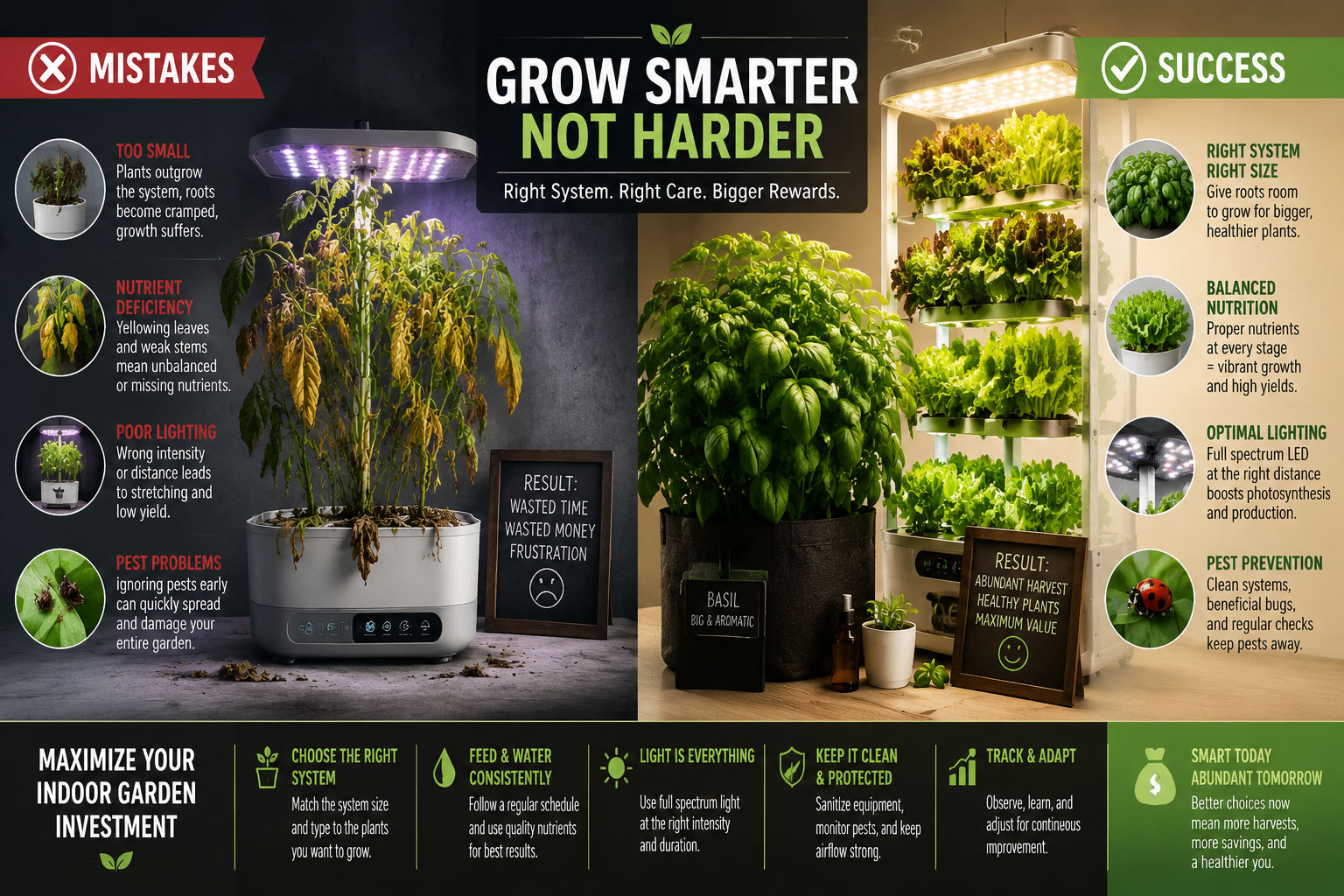
Even after choosing a system that seems worth the price, several pitfalls can diminish your investment and lead to disappointing results. Avoiding these common mistakes can ensure your indoor garden thrives in 2026.
Neglecting Environmental Factors
Many new indoor gardeners focus solely on the system itself and overlook crucial environmental conditions. Proper temperature, humidity, and air circulation are vital for plant health. An overly dry room can stress plants, while stagnant air can encourage fungal issues. Consider a small fan for air movement and a humidifier if your indoor air is excessively dry.
Overwatering or Underwatering
This is a classic gardening mistake. Automated systems simplify watering, but manual systems require attention. Overwatering can lead to root rot, while underwatering stunts growth. For soil-based gardens, feel the soil moisture a few inches down. For hydroponics, monitor water levels and ensure pumps are functioning correctly. The article “Indoor Gardening Mistakes: Avoid Pitfalls & Grow Thriving P” provides further details.
Improper Nutrient Management
Whether using pre-packaged nutrients for a smart garden or mixing your own for hydroponics, incorrect nutrient levels can harm plants. Too little results in deficiencies; too much can burn roots. Follow guidelines carefully, and for hydroponics, regularly test pH levels, aiming for 5.5-6.5 for most plants. Knowing “How Often To Fertilize Indoor Plants: 2026 Beginner Schedule” is key.
Insufficient Lighting
As mentioned, natural light is rarely enough. Even with a dedicated system, poor quality or incorrectly positioned grow lights will lead to leggy, weak plants. Ensure your grow light provides the correct spectrum and intensity for the plants you are growing and is placed at the optimal distance.
Ignoring Pest and Disease Control
Indoor gardens are not immune to pests or diseases. Regularly inspect your plants for signs of trouble. Early detection is critical for effective management. Introducing beneficial insects or using organic pest control methods can protect your investment without harmful chemicals.
FAQ
What is the easiest indoor gardening system for a beginner?
The easiest indoor gardening system for a beginner is typically a smart garden pod, as it automates watering and lighting, providing pre-seeded pods for simple, consistent growth of herbs and leafy greens.
Are hydroponic systems more expensive than soil-based systems?
Generally, hydroponic systems have a higher initial cost due to specialized equipment, but ongoing costs can vary. Soil-based systems have lower upfront costs but require recurring purchases of soil and fertilizer.
Can I grow vegetables like tomatoes in an indoor gardening system?
Yes, many indoor gardening systems, particularly larger hydroponic setups or spacious soil-based container gardens with adequate grow lights, can successfully grow vegetables like cherry tomatoes and peppers.
How much space do I need for an indoor gardening system?
Space requirements vary widely. Smart garden pods fit on a countertop, while modular vertical gardens and larger hydroponic setups can occupy a wall or a dedicated corner.
Do indoor gardening systems require special electricity?
Most indoor gardening systems plug into standard household outlets. However, consider the electricity usage of grow lights, as they operate for 12-16 hours daily and can impact your energy bill.
What plants grow best in indoor gardening systems?
Herbs (basil, mint, parsley), leafy greens (lettuce, spinach, kale), and small fruiting plants (strawberries, cherry tomatoes, peppers) generally thrive in various indoor gardening systems.
Is an indoor gardening system worth it if I have limited natural light?
Yes, indoor gardening systems are especially beneficial if you have limited natural light, as they provide controlled lighting through integrated or supplemental grow lights, ensuring plants receive adequate illumination.
How often do I need to maintain an indoor gardening system?
Maintenance frequency depends on the system type. Smart pods may need water refills every 1-3 weeks. Hydroponic systems require regular pH and nutrient checks (weekly). Soil gardens need daily or every-other-day watering and occasional fertilizing.
Conclusion
Choosing which indoor gardening system is worth the price in 2026 ultimately hinges on aligning your budget, available space, desired harvest, and time commitment with the right technology. For those seeking maximum convenience and consistent herbs, smart garden pods are an excellent choice. Serious growers prioritizing high yields and plant variety will find hydroponic systems a worthy investment despite the steeper learning curve. Meanwhile, budget-conscious gardeners valuing versatility and a hands-on approach will continue to benefit most from traditional soil-based container gardens. Regardless of the system, remember that adequate lighting is non-negotiable for success, and diligent maintenance will protect your investment and ensure a bountiful indoor harvest. Start by assessing your needs, and you will find a system that makes indoor gardening a rewarding experience.
Related Reading
- Indoor Gardening Mistakes: Avoid Pitfalls & Grow Thriving P
- Indoor Gardening On A Budget: Grow More, Spend Less In 2026
- Start Container Gardening At Home (Easy Method) – 2026 Guide
- Best Grow Lights For Indoor Plants In Small Spaces 2026
- How Indoor Plants Drain In Pots Without Holes: 2026 Guide
- How Often To Fertilize Indoor Plants: 2026 Beginner Schedule