Balcony gardening in winter — what to do with containers when it freezes
When winter descends and temperatures plummet below freezing, the primary concern for balcony gardeners is protecting their container plants from irreversible damage. The best approach involves assessing plant hardiness, insulating containers, and, for many tender plants, moving them indoors to ensure their survival through the coldest months.
Key Takeaways
- Assess Plant Hardiness: Determine if your plants are suitable for your specific winter zone or if they require protection.
- Container Insulation is Key: Materials like bubble wrap, burlap, and straw can significantly protect roots from freezing.
- Terracotta Pots Need Care: Terracotta is porous and prone to cracking when its absorbed moisture freezes; move these indoors or protect them thoroughly.
- Choose Winter-Resistant Plants: Opt for cold-hardy herbs, vegetables, and ornamentals for year-round balcony interest.
- Prevent Soil Freezing: Mulch heavily, group pots, and use larger, insulated containers to stabilize soil temperatures.
- Move Tender Plants Indoors: For non-hardy species, indoor relocation is the most reliable strategy to avoid frost damage.
- Strategic Watering: Water dormant plants sparingly on mild days to prevent root desiccation without encouraging rot.
- Avoid Common Mistakes: Don’t overwater, forget insulation, or assume all plants can withstand freezing temperatures without help.
How Cold Is Too Cold for Container Plants?
Container plants are particularly vulnerable to freezing temperatures because their roots lack the insulation provided by surrounding earth in a traditional garden bed. Generally, temperatures consistently below 28-32°F (-2 to 0°C) are considered too cold for most non-hardy container plants, as this range can cause the soil to freeze solid, leading to root damage or death. The exact threshold depends heavily on the plant’s specific cold hardiness zone and the container material.
For hardy perennials and shrubs, they may tolerate temperatures well below freezing, but even they can suffer in containers if the cold is prolonged and the container is uninsulated. The issue isn’t just the air temperature, but the soil temperature. Roots are generally less cold-tolerant than the above-ground parts of the plant. A plant that is “hardy to Zone 5” might survive in the ground in Zone 5, but struggle in a container in the same zone due to increased root exposure to cold. This means you need to treat plants in containers as if they are in a zone or two colder than your actual hardiness zone.
How Do I Protect My Container Plants from Freezing Temperatures?
Protecting container plants from freezing temperatures primarily involves insulating their roots, reducing exposure to harsh winds, and potentially moving them to a more sheltered location. Effective protection strategies can significantly increase a plant’s chances of survival.
Here’s how to protect your container plants:
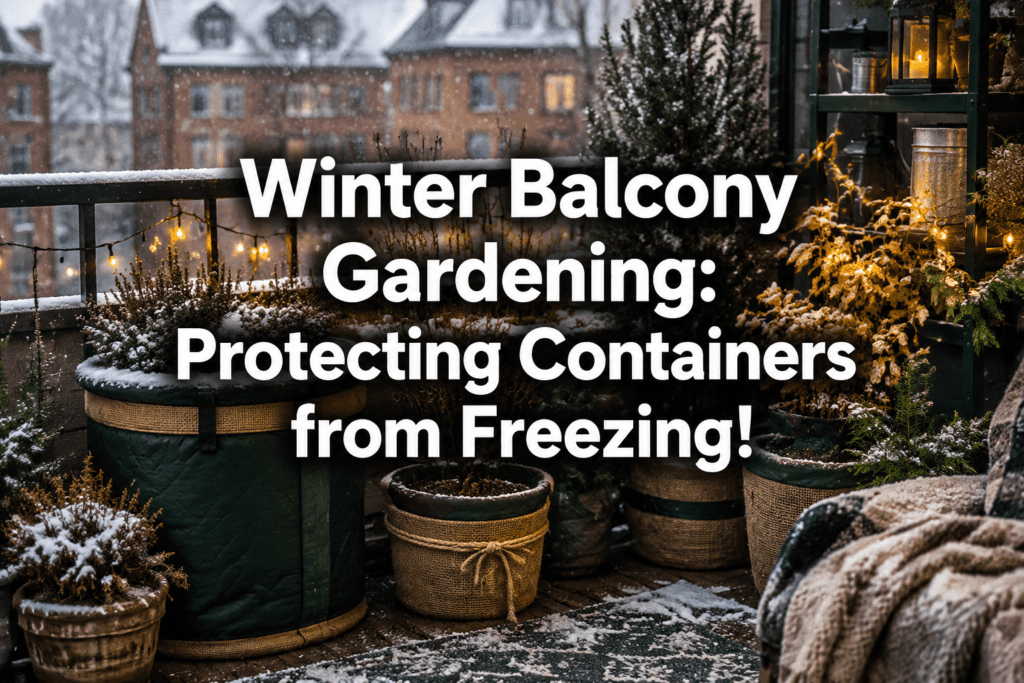
- Insulate Containers: Wrap pots with layers of bubble wrap, burlap, or old blankets. You can also stuff straw or shredded leaves between the pot and an outer decorative container. This creates an insulating air pocket.
- Group Pots Together: Clustered pots offer mutual protection, reducing the surface area exposed to cold air and wind.
- Elevate Pots (Carefully): While elevating can improve drainage, ensure pots aren’t sitting directly on frozen concrete or metal, which conducts cold. Use pot feet or wood blocks.
- Move to Sheltered Locations: Position containers against a warm wall of your building, under an overhang, or in a protected corner of the balcony to block cold winds.
- Apply a Thick Layer of Mulch: A 2-4 inch layer of straw, wood chips, or shredded leaves on top of the soil helps insulate the roots from fluctuating temperatures. This also helps with moisture retention.
- Water Adequately (on mild days): Ensure plants are well-watered before a freeze (if the soil isn’t already waterlogged). Moist soil retains heat better than dry soil. However, avoid overwatering, which can lead to root rot.
- Consider Temporary Covers: On exceptionally cold nights, cover plants with frost cloths, old sheets, or even overturned cardboard boxes. Remove these covers during the day to allow for light and air circulation.
Should I Move My Potted Plants Inside During Winter?
Yes, you should move your potted plants inside during winter if they are not cold-hardy or if your climate experiences prolonged periods of freezing temperatures, especially for plants you wish to keep alive for multiple seasons. This is the most effective way to ensure the survival of tender perennials, annuals, and many herbs.
Considerations for moving plants indoors:
- Plant Hardiness: If your plant’s hardiness zone is warmer than your local climate, bringing it indoors is essential. For instance, tropical plants like hibiscus, citrus, or many succulents cannot survive freezing temperatures.
- Available Indoor Space: Assess if you have a suitable indoor location with adequate light, temperature, and humidity for your plants. A sunny window, a grow light setup, or a cooler, dormant space like a garage can work depending on the plant’s needs.
- Pest Inspection: Before bringing plants inside, thoroughly inspect them for pests (e.g., aphids, spider mites, mealybugs) and treat them to prevent infestations in your home. A good rinse with a strong stream of water or an insecticidal soap can be effective.
- Acclimatization: Gradually acclimate plants to indoor conditions by bringing them inside for a few hours daily over a week or two before the first hard freeze. This reduces shock.
- Reduced Watering: Most plants require less water indoors during winter dormancy. Check soil moisture before watering.
- Dormancy vs. Active Growth: Some plants, like many deciduous shrubs or fruit trees, enter a dormant phase and require a cool, dark environment rather than a warm, bright one.
- **Balcony Vegetable Garden Guide 2026: Grow Fresh Produce At Home](https://minispacegarden.com/balcony-vegetable-garden-guide/)” offers more tips on specific plant needs.
Can I Leave My Terracotta Pots Outside During Winter?
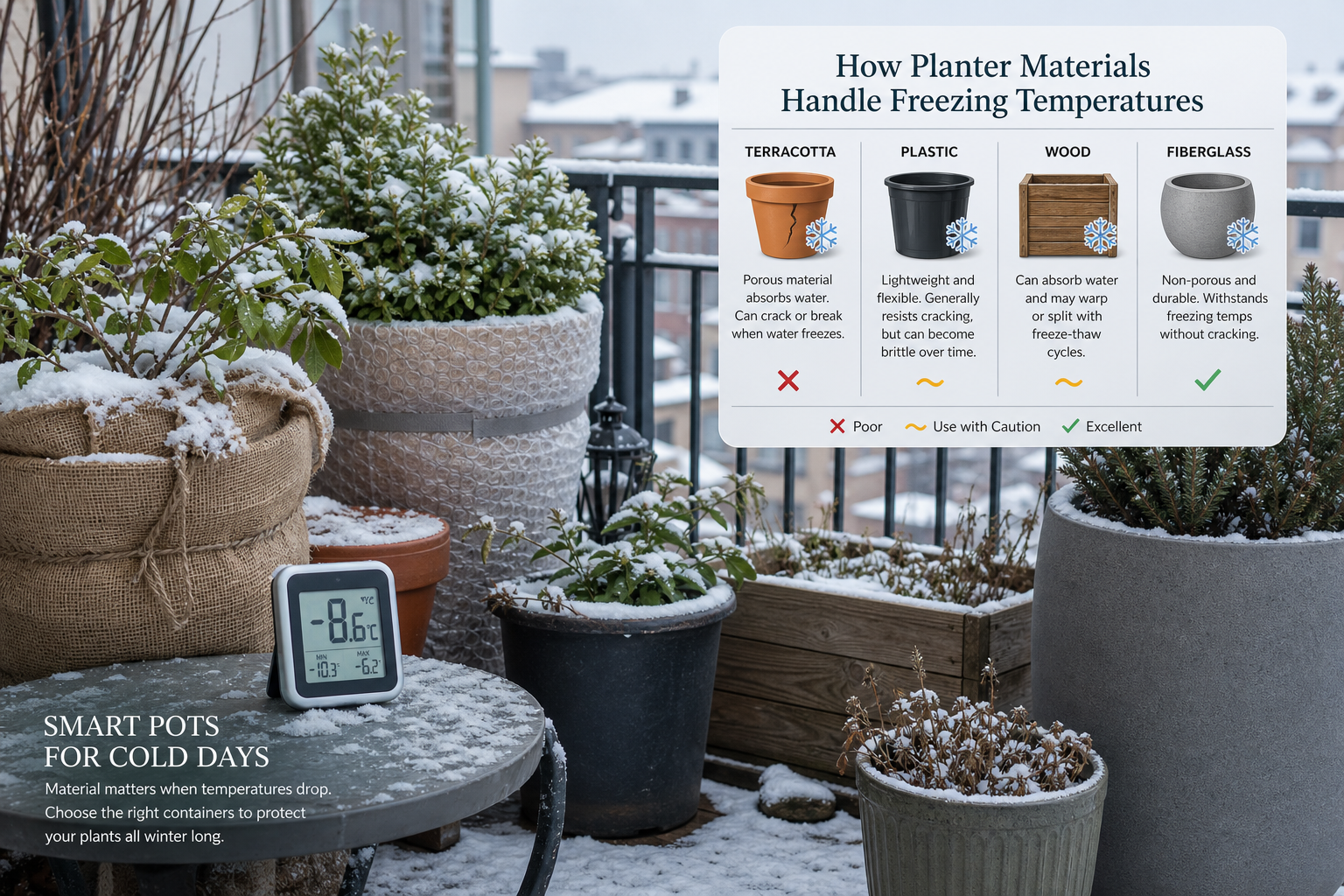
No, you generally should not leave unglazed terracotta pots outside during winter in regions where temperatures drop below freezing, as the porous material absorbs moisture, which then freezes, expands, and causes the pots to crack or shatter. While glazed terracotta is more resistant, unglazed varieties are particularly vulnerable to freeze-thaw cycles.
If you must leave terracotta pots outside, take these precautions:
- Empty and Store: The safest option is to empty the pots, clean them, and store them in a garage, shed, or indoors for the winter.
- Elevate for Drainage: Ensure pots are elevated on pot feet or blocks so they don’t sit in standing water.
- Insulate Thoroughly: If a plant inside is cold-hardy and must remain outside, insulate the terracotta pot heavily with bubble wrap, burlap, or a layer of leaves or straw packed into a larger, non-porous outer container.
- Ensure Excellent Drainage: The soil in the pot must drain exceptionally well to prevent waterlogging, which exacerbates freezing damage.
- Consider Resin or Fiberglass: For winter containers, choose materials less prone to freeze-thaw damage. Our section on “What Materials Are Best for Winter Balcony Planters” provides more details.
What Plants Survive Winter on a Balcony in Containers?
The plants that survive winter on a balcony in containers are typically those that are native to or bred for cold hardiness that is at least one to two zones colder than your actual climate zone, considering the reduced insulation containers provide. Examples include certain evergreens, specific herbs, and winter-blooming annuals.
Here’s a list of reliable options:
- Evergreen Shrubs & Conifers: Dwarf conifers (e.g., dwarf Alberta spruce, juniper), boxwood, and certain dwarf rhododendrons can survive in containers if their hardiness is appropriate and they receive some root protection.
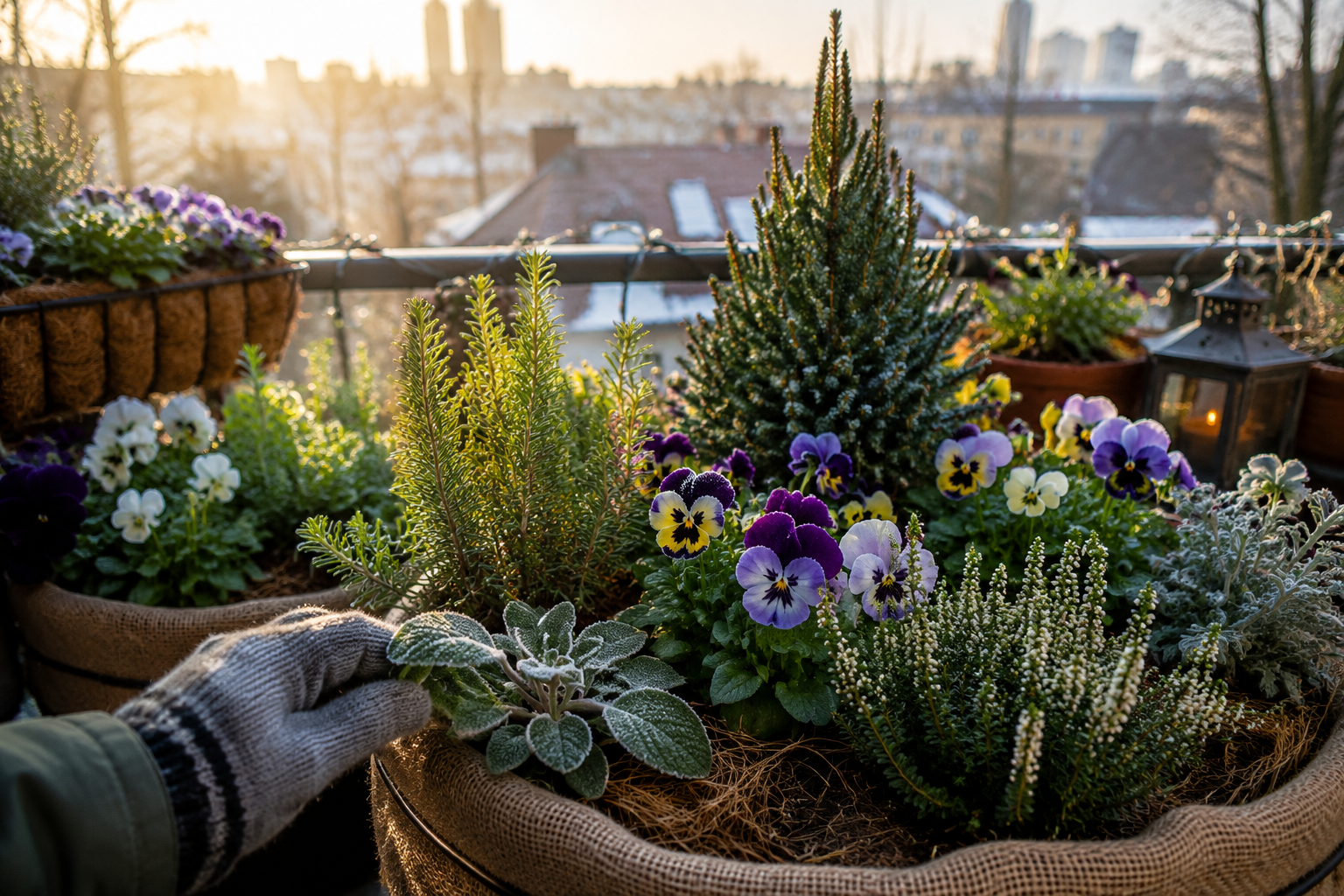
- Winter-Blooming Annuals/Biennials: Pansies and violas often brave mild freezes and can provide color in sheltered spots.
- Heuchera (Coral Bells): Many varieties are hardy and retain their attractive foliage through winter.
- Hellebore (Christmas Rose/Lenten Rose): These bloom in late winter/early spring and are very cold-tolerant.
- Grasses: Many ornamental grasses, like Blue Fescue or Mondo Grass, are quite tough and provide structural interest.
- Hardy Herbs: Rosemary (some varieties), Thyme, Sage, and Lavender can often survive. See “Best Winter-Resistant Herbs for Balcony Gardening” for more.
- Winter Vegetables: Certain cool-season vegetables can tolerate light frosts. Refer to “Which Vegetables Can Grow in Winter Balcony Containers” for options.
It’s crucial to check the specific hardiness zone for each plant and provide adequate container insulation for best results. For even more robust options, consider Zone 4a Winter Vertical Garden: Plants That Survive.
Best Winter-Resistant Herbs for Balcony Gardening
The best winter-resistant herbs for balcony gardening are typically Mediterranean varieties that are naturally adapted to cooler temperatures and well-drained conditions, such as thyme, sage, rosemary, and chives. These herbs can often withstand light to moderate freezes, especially with proper container care and protection.
Top choices for winter-resistant herbs:
- Thyme: Many varieties are incredibly hardy, surviving well into cold snaps. Keep the soil on the drier side.
- Sage: Most common garden sage (Salvia officinalis) can tolerate cold, especially if mulched and in a sheltered spot.
- Rosemary: “Arp” and “Madeline Hill” are among the most cold-hardy rosemary varieties. Provide ample protection in colder zones.
- Chives: These perennial herbs will often die back to the ground but reliably return in spring, even after deep freezes.
- Mint: While mint often dies back, its robust root system usually ensures it returns in spring. It can be quite invasive, so container growing is ideal.
- Parsley (Flat-leaf or Curly): As a biennial, parsley can often overwinter in containers, especially if protected from the harshest winds. It may bolt (go to seed) in its second year.
To maximize their chances, ensure these herbs are in well-draining soil, receive adequate winter sunlight, and have their containers insulated or moved to a more sheltered spot on freezing nights.
What Materials Are Best for Winter Balcony Planters?
The best materials for winter balcony planters are those that are durable, insulated, and resistant to cracking from freeze-thaw cycles, such as fiberglass, heavy-duty plastic, wood, and composite materials. These materials help protect plant roots and the integrity of the planter itself.
Ideal materials include:
- Fiberglass: Lightweight, extremely durable, and excellent insulators. They don’t absorb water, so they won’t crack in freezing temperatures.
- Heavy-Duty Plastic (Polyethylene, Resin): Modern plastics are UV-resistant, lightweight, and won’t crack from frost. Look for double-walled options for added insulation.
- Wood: Wooden planters, especially those made from cedar or redwood, offer good insulation and are less prone to cracking than terracotta. Treat the wood to prevent rot.
- Stone or Concrete (Thick-Walled): While heavy, thick-walled stone or concrete planters can offer significant thermal mass and insulation. Ensure they have excellent drainage to prevent water accumulation.
- Metal (Insulated): Metal pots conduct cold very well, so if using them, ensure they are double-walled or heavily insulated internally with foam or another material.
- Self-Watering Planters: Some designs can offer better insulation through their double-wall construction, though their watering system might need modification in winter.
Avoid thin-walled plastics and unglazed terracotta for essential winter planters, unless you plan on significant insulation or indoor storage. For more on selecting containers, see our guide on “Choose Pot Size For Container Plants: 2026 Expert Guide“.
How to Prevent Soil from Freezing in Outdoor Containers
To prevent soil from freezing solid in outdoor containers, focus on insulation, strategic placement, and proper watering to create a stable thermal environment for the roots. A frozen soil block can damage or kill roots by preventing water uptake and causing cellular damage.
Key strategies to prevent soil freezing:
- Mulch Heavily: Apply a 2-4 inch layer of organic mulch (straw, wood chips, shredded leaves, pine needles) on top of the soil. This acts as an insulating blanket, slowing heat loss and protecting against rapid temperature fluctuations.
- Insulate Container Sides: Wrap the sides of your pots with bubble wrap, burlap, foam board, or old blankets. This creates an air gap that insulates the pot from ambient cold.
- Use Larger Containers: Larger soil volume means more thermal mass, which holds heat longer and freezes slower than small containers.
- Group Pots Together: Clustering containers closely on your balcony minimizes the exposed surface area of each pot, and the collective mass helps retain warmth.
- Elevate Pots (Carefully): Place pots on pot feet or wooden blocks to prevent them from sitting directly on cold concrete or metal, which can draw heat away from the soil.
- Sheltered Location: Move containers to the most sheltered part of your balcony, ideally against the building wall, which retains some warmth.
- Water Sparingly on Mild Days: Ensure the soil is moist (not waterlogged) before a hard freeze, as moist soil holds heat better than dry soil. However, avoid overwatering during winter to prevent root rot. Only water when the top few inches of soil are dry and on days when temperatures are above freezing.
- Consider a Winter Container Garden: For plants truly meant for winter, check out our insights on “Winter Garden Beds: Essential Prep & Care For 2026 Success” for additional context on preparing plants for cold.
Cheap Ways to Insulate Balcony Plant Containers
Insulating balcony plant containers doesn’t require expensive specialized products; many effective and cheap methods utilize repurposed household items or inexpensive garden supplies. These DIY solutions aim to create a thermal barrier around the pot.
Cost-effective insulation methods:
- Bubble Wrap: A few layers of bubble wrap secured around the outside of the pot with tape or twine provides excellent insulation for very little cost.
- Burlap Sacks or Old Blankets: Wrap pots in several layers of burlap, old towels, or blankets. You can also stuff these materials between pots if you’re grouping them.
- Straw or Shredded Leaves: Pack straw or shredded fall leaves around and between clustered pots. This is a very effective and often free insulating material.
- Newspaper or Cardboard: Several layers of newspaper or cardboard can be wrapped around pots or placed inside a larger decorative container, with the pot nestled within.
- Styrofoam or Polystyrene: Salvaged pieces of Styrofoam from packaging can be cut to line the inside of a larger pot or used as a base.
- Plastic Bottles/Jugs: Fill empty plastic bottles with air, seal them, and place them around the inside perimeter of a larger pot before inserting your plant’s main container. The air acts as an insulator.
- Thick Cardboard Boxes: Place smaller pots inside larger cardboard boxes and fill the gaps with straw, leaves, or crumpled newspaper.
The key is to create an air gap or a dense layer of material that prevents heat from escaping the soil and cold from penetrating the container.
Which Vegetables Can Grow in Winter Balcony Containers?
Several cool-season vegetables can grow in winter balcony containers, especially in milder climates or with adequate protection, providing a fresh harvest even when temperatures drop. These hardy varieties are typically tolerant of light frosts and shorter daylight hours.
Winter-tolerant vegetables for balconies:
- Leafy Greens:
- Spinach: Very cold hardy, often thriving through light frosts. Growing Spinach In Containers: 2026 Expert Guide provides more specific tips.
- Kale: Can become sweeter after a frost.
- Swiss Chard: Similar to kale, it tolerates cold well.
- Lettuce (hardy varieties like ‘Winter Density’ or ‘Arctic King’): With protection, these can continue producing.
- Root Vegetables:
- Radishes: Quick-growing and can tolerate cooler temperatures.
- Carrots: Small, fast-growing varieties can be grown. Frost often makes them sweeter.
- Beets: Can be grown for both their roots and greens.
- Brassicas:
- Collards: Exceptionally cold hardy.
- Mustard Greens: Quick to mature and tolerant of cold.
- Herbs (culinary use): As mentioned in “Best Winter-Resistant Herbs for Balcony Gardening,” several herbs like parsley and chives can be considered for winter harvest.
For successful winter vegetable gardening, ensure excellent drainage, use larger containers for better insulation, apply mulch, and consider using row covers or cold frames for added protection during severe freezes. Also, note that growth will be slower in winter due to shorter daylight hours. Our Small Balcony Vegetable Gardening: Your 2026 Urban Guide has more general tips.
Common Mistakes People Make with Balcony Gardening in Cold Weather
Balcony gardeners often make several common mistakes in cold weather that can lead to plant loss or poor performance, primarily related to watering, insulation, and plant selection. Understanding these pitfalls can significantly improve winter gardening success.
Here are common mistakes to avoid:
- Overwatering: Cold, dormant plants use significantly less water. Overwatering leads to saturated soil, which encourages root rot and makes the soil more prone to freezing solid. Only water when the top few inches of soil are dry, and on mild, above-freezing days.
- Forgetting Container Insulation: Assuming plants in pots will fare the same as those in the ground is a critical error. Container roots are exposed to cold air from all sides and need protection.
- Ignoring Plant Hardiness Zones: Planting species not suited for your local climate’s winter temperatures, even with insulation, often results in plant death. Always check hardiness zones.
- Lack of Drainage: Poor drainage, especially in winter, can lead to waterlogged soil and subsequent root rot or severe freeze damage. Ensure all pots have drainage holes and aren’t sitting in standing water.
- Fertilizing in Winter: Most plants are dormant or semi-dormant in winter and do not need fertilizer. Adding nutrients can force tender new growth that is highly susceptible to frost.
- Not Protecting from Wind: Cold, drying winds can desiccate plants, especially evergreens, even if temperatures aren’t extremely low. Position plants in sheltered spots.
- Moving Plants Too Abruptly: Bringing plants indoors from freezing temperatures without a period of acclimatization can shock them, leading to leaf drop or stress.
- Ignoring Pests: Pests can overwinter on plants brought indoors and rapidly multiply in the warmer, drier indoor environment. Always inspect and treat plants before moving them inside. Check our guide on “Balcony Gardening Mistakes: Avoid These 2026 Pitfalls” for more general advice.
Recommended Winter Gardening Supplies for Balconies
Equipping your balcony with the right winter gardening supplies is essential for protecting plants and containers from freezing temperatures and ensuring their survival. These supplies focus on insulation, protection, and maintenance.
Essential winter gardening supplies for balconies:
- Container Insulation Materials:
- Bubble wrap: Rolls of large-bubble insulation.
- Burlap fabric: Available in rolls or sacks.
- Straw or shredded leaves: For mulch and packing around pots.
- Old blankets, towels, or tarps: For temporary covers or wrapping.
- Frost Protection:
- Floating row covers/frost cloth: Lightweight fabric to drape over plants on cold nights.
- Cloches or mini cold frames: Small, clear covers for individual plants or small groupings.
- Heavy-Duty, Frost-Proof Containers:
- Fiberglass, thick plastic, or wooden planters specifically designed for outdoor winter use.
- Pot Elevators/Feet: To lift pots off cold surfaces and improve drainage.
- Pruning Shears: For removing dead or damaged foliage in late winter or early spring.
- Small Shovel/Trowel: For applying mulch or managing soil.
- Watering Can: For precise, infrequent watering on mild days.
- Thermometer: An outdoor thermometer can help you monitor temperatures and plan protection accordingly.
- Grow Lights (if moving plants indoors): For tender plants that need supplemental light to thrive indoors. Read “Indoor Gardening Without Sunlight: Grow Plants Year-Round” for setup tips.
Investing in these supplies can turn your winter balcony into a resilient and thriving space, even when the temperatures drop.
Conclusion
Successfully navigating balcony gardening in winter, particularly when temperatures drop below freezing, centers on proactive protection and careful plant selection. By understanding the vulnerabilities of container plants to cold, implementing robust insulation strategies, choosing cold-hardy varieties, and knowing when to bring tender plants indoors, you can ensure your balcony garden remains vibrant or safely dormant through the coldest months of 2026. Prioritize root insulation, mindful watering, and shelter from harsh winds to safeguard your green investment.
Next Steps:
- Inventory Your Plants: Identify which of your current balcony plants are cold-hardy versus tender.
- Gather Supplies: Collect insulation materials like bubble wrap, burlap, or straw, and consider investing in frost-proof containers.
- Implement Protection: On the next mild day, insulate your outdoor containers and move tender plants indoors after a thorough pest check.
- Monitor Conditions: Keep an eye on weather forecasts and adjust your protective measures as needed throughout the winter.
Related Reading
- What Is Container Gardening? A Beginner’s 2026 Guide
- Container Gardening For Beginners: Step-by-Step Guide 2026
- DIY Container Gardening Ideas For Small Spaces: 2026 Guide
FAQ
How do you protect plants in pots from winter?
To protect plants in pots from winter, insulate the containers with materials like bubble wrap or burlap, apply a thick layer of mulch to the soil surface, group pots together for mutual warmth, and move tender plants indoors or to a sheltered location.
Will containers crack if left outside in winter?
Unglazed terracotta containers are highly prone to cracking if left outside in winter due to absorbed moisture freezing and expanding. Glazed ceramic, plastic, fiberglass, and wooden containers are generally more resistant, especially if they have good drainage and are not waterlogged.
What plants can stay outside in pots in winter?
Cold-hardy plants that can typically stay outside in pots during winter include many evergreen shrubs (e.g., boxwood, dwarf conifers), perennial herbs (e.g., thyme, sage, some rosemary), and winter-blooming annuals like pansies, provided their containers are adequately insulated.
How do I protect my balcony plants from frost?
To protect balcony plants from frost, cover them with frost cloths or old sheets on cold nights, move them to a sheltered spot against the building, insulate their containers, and ensure the soil is slightly moist before a freeze.
How do you winterize a container garden?
To winterize a container garden, assess each plant’s hardiness, empty and store vulnerable pots, insulate containers of hardy plants with mulch and wrapping, move tender plants indoors, and reduce winter watering for all plants.
What should I do with empty containers in winter?
Empty containers should be cleaned, dried, and stored indoors (garage, shed, or basement) during winter to prevent damage, especially unglazed terracotta or ceramic pots, which can crack from freezing moisture.
Can I leave plastic pots outside in winter?
Yes, most modern heavy-duty plastic or resin pots can be left outside in winter as they are designed to withstand freeze-thaw cycles without cracking. However, thin, flimsy plastic pots may become brittle and should be stored indoors.
How much insulation do container plants need?
Container plants generally need insulation equivalent to adding one to two hardiness zones to their natural resilience. This means wrapping pots with several layers of insulating material and mulching the soil.
Should I water my outdoor containers in winter?
Water outdoor containers sparingly in winter, only when the top few inches of soil are dry and on mild days when temperatures are above freezing. Avoid overwatering, which can lead to root rot and make soil more prone to freezing.
Can I use bubble wrap to insulate plant pots?
Yes, bubble wrap is an excellent and cost-effective material for insulating plant pots. Wrap several layers around the sides of the pot and secure it with tape or twine to create an effective thermal barrier.
Do larger pots freeze less than smaller ones?
Yes, larger pots typically freeze less readily than smaller ones because they contain a greater volume of soil, which acts as a thermal mass, retaining heat longer and taking more time to freeze solid.
How do I prevent wind damage to balcony plants in winter?
Prevent wind damage to balcony plants in winter by moving them to sheltered corners, against a solid wall, or behind a windbreak. Grouping pots together also helps reduce individual plant exposure to harsh winds.
What about light for indoor winter plants?
For tender plants moved indoors, provide adequate light. Place them near a sunny window or supplement with grow lights, especially for plants that need to remain actively growing through winter. Dormant plants may require less light.