Growing cilantro in an apartment — why it keeps dying and how to fix it
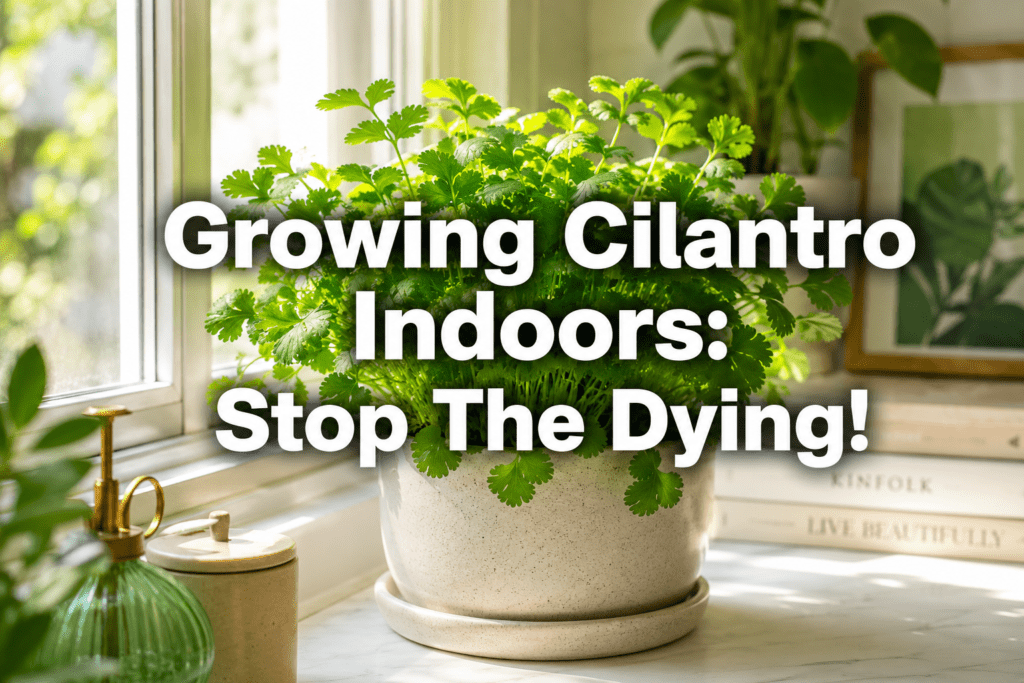
Quick Answer: Most apartment-grown cilantro dies quickly due to a combination of inadequate light, improper watering, incorrect soil, and sensitivity to temperature fluctuations and bolting. Rectifying these issues with consistent, focused care can lead to a thriving herb supply.
Key Takeaways:
- Cilantro needs at least 4-6 hours of direct sunlight daily or supplemental grow lights indoors.
- Use well-draining, loose potting mix, not dense garden soil, to prevent root rot.
- Water cilantro when the top inch of soil feels dry, ensuring proper drainage.
- Maintain a cool room temperature (65-75°F or 18-24°C) to prevent premature bolting.
- Plant in pots with drainage holes, at least 6-8 inches deep and wide.
- Harvest regularly by snipping outer leaves to encourage bushier growth and delay bolting.
- Consider succession planting to ensure a continuous supply, as cilantro has a short lifespan.
- Hydroponics can be a more controlled and successful method for growing cilantro indoors.
Why Does My Cilantro Always Die So Fast When Growing Cilantro in an Apartment?
Your cilantro likely dies fast in an apartment because it’s highly susceptible to stress from environmental factors such as insufficient light, overwatering, poor drainage, and high temperatures, which often lead to premature bolting (flowering and going to seed) or root rot. Cilantro is a short-lived herb by nature, but improper care accelerates its decline.
Cilantro, botanically known as Coriandrum sativum, has a relatively short life cycle compared to other herbs. When grown indoors, its environment is entirely reliant on your management, making it crucial to mimic its preferred outdoor conditions. Key stressors that cause rapid decline include:
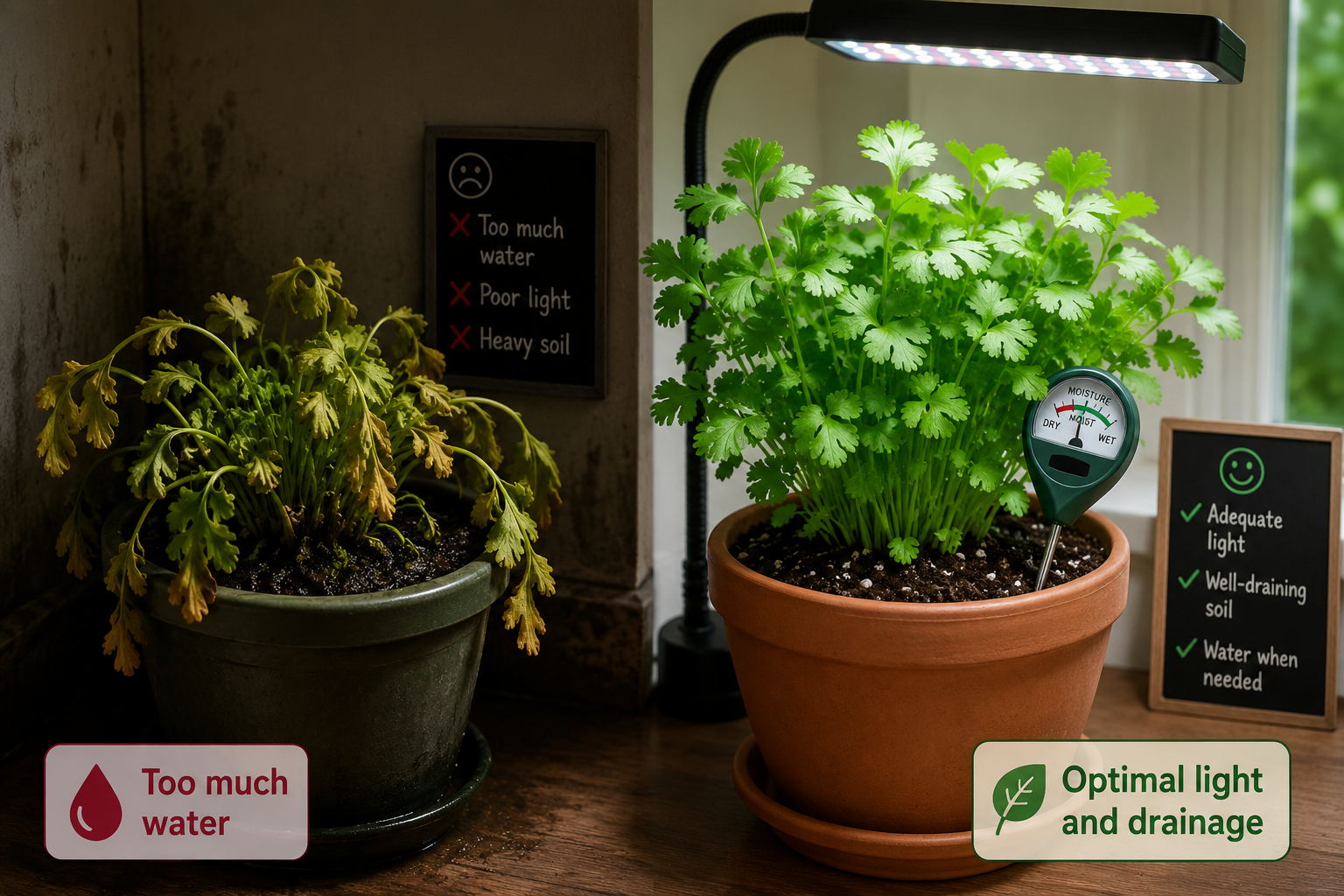
- Insufficient Light: Cilantro needs bright light to photosynthesize effectively. Dim indoor conditions weaken the plant.
- Overwatering or Poor Drainage: Its roots are prone to rot in soggy soil, which suffocates them and leads to rapid wilting and death.
- High Temperatures: Warm temperatures, especially above 75°F (24°C), signal to the plant that its growing season is ending, prompting it to bolt quickly.
- Nutrient Deficiencies or Excesses: Improper fertilization can stress the plant.
- Pest Infestations: While less common indoors, pests can quickly decimate a plant.
Understanding these sensitivities is the first step toward successful indoor cultivation.

How Much Sunlight Does Cilantro Need in an Apartment?
Cilantro requires a minimum of 4-6 hours of direct sunlight per day when grown indoors to thrive and prevent legginess or premature death. Ideally, positioning your cilantro in a south-facing window in the Northern Hemisphere (or north-facing in the Southern Hemisphere) will provide the most natural light exposure.
If natural light is scarce, supplementary lighting is essential. A full-spectrum LED grow light can compensate for inadequate window light, ensuring your cilantro gets the necessary intensity and duration. Without sufficient light, cilantro plants become weak, pale, and often “stretch” towards the nearest light source, making them more vulnerable to disease and bolting. This is a common pitfall in indoor gardening mistakes.
Can You Grow Cilantro in a Small Pot or Container?
Yes, you can absolutely grow cilantro in small pots or containers, provided they offer adequate depth and drainage. Cilantro has a taproot, meaning it prefers pots that are at least 6-8 inches (15-20 cm) deep to allow for healthy root development, even if the plant itself doesn’t grow very tall.
For successful growth, choose pots that also have sufficient width (at least 6 inches in diameter) to accommodate multiple plants or give a single plant room to spread. Terracotta pots are often preferred because their porous nature allows for better aeration and helps prevent overwatering. Always ensure the container has drainage holes at the bottom; without them, water accumulates, leading to root rot. For guidance on selecting optimal containers, see our guide on best planters for small apartments.
What Temperature is Too Hot or Cold for Cilantro?
Cilantro thrives in cool to moderate temperatures, ideally between 65-75°F (18-24°C), and will struggle significantly if temperatures fall outside this range for extended periods. Temperatures consistently above 75°F (24°C) are considered too hot and are a primary trigger for premature bolting, where the plant produces flowers and seeds instead of lush leaves.
Conversely, while cilantro can tolerate light frost outdoors, indoor temperatures consistently below 50°F (10°C) will slow its growth, potentially causing stunted development and reduced flavor. For optimal leaf production and to delay bolting, aim to keep your apartment’s ambient temperature within the ideal range, especially during the day. Avoid placing cilantro pots near heating vents or drafty windows.
How Often Should I Water Cilantro Without Killing It?
To properly water cilantro without killing it, you should aim to keep the soil consistently moist but never soggy. The best practice is to check the soil moisture daily by sticking your finger about an inch into the potting mix; if it feels dry at that depth, it’s time to water.
Water thoroughly until you see water draining from the bottom of the pot, then discard any excess water in the saucer to prevent the roots from sitting in standing water. Overwatering is a leading cause of cilantro death in apartments, causing root rot. Underwatering, leading to completely dry soil, will also stress the plant and cause wilting. Consistency is key for watering houseplants.
What are Common Mistakes People Make Growing Cilantro Inside?
Many common mistakes lead to frustration when growing cilantro indoors, often stemming from misunderstanding its specific needs for light, water, temperature, and space. These include using the wrong soil, insufficient light, improper watering, inadequate pot size, and not harvesting correctly.
Here’s a breakdown of frequent missteps:
- Dense, Poorly Draining Soil: Using garden soil or heavy potting mixes that retain too much moisture suffocates roots.
- Lack of Adequate Light: Placing cilantro in a dimly lit corner without supplemental grow lights results in weak, leggy plants that quickly decline.
- Overwatering or Underwatering: Both extremes are detrimental. Overwatering causes root rot, while underwatering stresses the plant.
- Small Pots Without Drainage: Confined roots and waterlogged conditions are a death sentence for cilantro.
- High Room Temperatures: Warm indoor environments accelerate bolting, causing the plant to prioritize seed production over leaf growth.
- Incorrect Harvesting: Waiting too long to harvest or cutting too much at once can stress the plant and shorten its lifespan.
- Neglecting Pests: Though less common indoors, ignoring early signs of pests like aphids or spider mites can quickly lead to an infestation.
- No Succession Planting: Since cilantro has a short life, not staggering plantings means you’ll have periods without fresh herbs.
Addressing these common errors can significantly improve your success rate. For a broader perspective on gardening pitfalls, consider our article on common vegetable growing mistakes.
Is It Harder to Grow Cilantro Than Other Herbs?
Compared to some other popular herbs like mint or basil, cilantro can indeed be considered slightly harder to grow indoors due to its particular sensitivity to temperature and its tendency to bolt quickly. Many other herbs are more forgiving of fluctuating conditions or have longer productive lifespans.
Cilantro’s main challenges include:
- Bolting Sensitivity: It’s quick to go to seed when stressed by heat or lack of consistent moisture.
- Root System: Its taproot needs adequate depth, and it dislikes being transplanted.
- Short Lifespan: Even under ideal conditions, a single cilantro plant might only provide fresh leaves for a few weeks to a couple of months before bolting.
Herbs like chives, parsley, or even some types of basil are often more tolerant of indoor conditions and can produce for longer periods, making cilantro a bit more of a high-maintenance, short-term commitment.
Can I Grow Cilantro Year Round in an Apartment?
Yes, you can grow cilantro year-round in an apartment, but it requires diligent management of its growing conditions, particularly light and temperature, to succeed. The key is to create a consistent, cool environment and use succession planting.
To maintain a continuous supply:
- Succession Planting: Sow new seeds every 2-3 weeks. Since cilantro bolts quickly, you’ll need new plants regularly.
- Controlled Environment: Ensure stable temperatures (65-75°F / 18-24°C) and consistent light (4-6 hours of direct sun or grow lights).
- Regular Harvesting: Harvest outer leaves often to delay bolting and encourage new growth.
Without these practices, you’ll find your plants quickly go to seed, leaving you without fresh leaves for extended periods.
Do I Need Special Grow Lights for Indoor Cilantro?
While not strictly “special,” high-quality grow lights are often necessary for indoor cilantro cultivation, especially if your apartment lacks abundant natural sunlight. Cilantro requires 4-6 hours of direct light daily, which many indoor spaces simply cannot provide.
A full-spectrum LED grow light is highly recommended. These lights emit the entire visible spectrum of light, mimicking natural sunlight, and are energy-efficient. They ensure your cilantro gets the intensity and duration of light needed for robust leaf growth, preventing the weak, leggy stems that result from insufficient light. For specific recommendations, check out our guide on best grow lights for indoor plants in small spaces 2026.
How to Prevent Cilantro From Bolting Too Quickly?
Preventing cilantro from bolting too quickly involves maintaining specific environmental conditions and employing strategic harvesting methods to extend its vegetative growth phase. The primary triggers for bolting are high temperatures and stress from insufficient water or nutrients.
Key strategies include:
- Maintain Cool Temperatures: Keep the ambient temperature between 65-75°F (18-24°C). If your apartment gets warmer, consider misting the plants (which also boosts humidity) or placing them in the coolest room.
- Consistent Moisture: Ensure the soil is consistently moist but never waterlogged. Drought stress can trigger bolting.
- Adequate Light: Provide sufficient light (4-6 hours direct or grow lights) to keep the plant vigorous and less prone to stress.
- Regular Harvesting: Snip the outer leaves regularly, starting when the plant is about 6 inches tall. This encourages bushier growth and delays the plant’s instinct to reproduce. Avoid removing more than one-third of the plant at once.
- Avoid Over-Fertilizing: Too much nitrogen can sometimes trigger bolting, so use a balanced, mild fertilizer sparingly if needed.
- Succession Planting: Plan to sow new seeds every 2-3 weeks. Even with perfect care, cilantro will eventually bolt, so a continuous cycle ensures a fresh supply.

What Pests Attack Indoor Cilantro Plants?
Indoor cilantro plants, while generally less prone to severe infestations than outdoor plants, can still be attacked by common houseplant pests such as aphids, spider mites, and whiteflies. These pests feed on plant sap, weakening the plant and causing yellowing, stunted growth, or even death if left unchecked.
- Aphids: Small, pear-shaped insects often found on new growth, causing leaves to curl and distort.
- Spider Mites: Tiny arachnids that create fine webbing, usually on the undersides of leaves, leading to stippling or bronzing.
- Whiteflies: Small, white, winged insects that fly up when disturbed, causing leaves to yellow and drop.
Regular inspection of your cilantro plants is crucial for early detection. If pests are found, isolate the plant and treat with insecticidal soap or neem oil, following product instructions carefully. For a broader approach to protecting your plants, refer to pest control for small gardens.
Is Hydroponics Better for Growing Cilantro at Home?
Hydroponics can indeed be a superior method for growing cilantro at home, especially in an apartment setting, as it offers greater control over environmental factors that are crucial for this herb’s success. This soilless cultivation method provides plants with precisely measured nutrients and water, often leading to faster growth and higher yields while minimizing pest issues.
Benefits of Hydroponics for Cilantro:
- Controlled Environment: Easier to manage nutrient delivery, pH levels, and moisture.
- Faster Growth: Plants often grow more rapidly due to direct access to nutrients.
- Reduced Pests: Soil-borne pests are eliminated, and general pest incidence is lower.
- Water Efficiency: Uses less water than traditional soil gardening due to recirculation.
- No Bolting Trigger: By providing consistent, optimal conditions, it can help delay premature bolting compared to the fluctuations often experienced in soil.
While requiring an initial investment in equipment, hydroponic systems can make year-round indoor cilantro cultivation more consistent and productive for apartment dwellers.
Conclusion
Successfully growing cilantro in an apartment, though challenging, is entirely achievable by addressing its specific needs for light, water, temperature, and soil. The key takeaway is that cilantro is a sensitive herb prone to bolting under stress, but with consistent attention to its environment, you can enjoy a fresh supply.
To keep your cilantro thriving in 2026, ensure it receives 4-6 hours of direct sunlight or is supplemented with a grow light, plant it in well-draining potting mix, and water consistently when the top inch of soil is dry. Maintain cool room temperatures between 65-75°F (18-24°C) and harvest regularly to encourage new growth and delay bolting. If traditional methods prove difficult, consider a hydroponic setup for greater control. With these adjustments, your indoor cilantro plants will flourish, providing fresh, flavorful leaves for your culinary adventures.
FAQ
Q: How do I know if I’m overwatering my indoor cilantro?
A: Signs of overwatering include yellowing leaves, wilting despite moist soil, and a musty smell from the soil. The soil will also feel consistently soggy.
Q: Can I grow cilantro from store-bought seeds?
A: Yes, you can grow cilantro from store-bought seeds. For better germination, crush the whole seed pods gently to split them in half before planting.
Q: Why are my cilantro leaves turning yellow?
A: Yellowing leaves typically indicate overwatering, insufficient light, or a nutrient deficiency. Check soil moisture first, then assess light levels.
Q: Should I fertilize my apartment cilantro?
A: Cilantro doesn’t require heavy fertilization. A light, balanced liquid fertilizer diluted to half strength once a month can be beneficial, but too much can cause issues.
Q: How often should I harvest cilantro?
A: Harvest cilantro regularly, by snipping the outer stems and leaves once the plant is 6 inches tall, usually every 1-2 weeks, to encourage continued growth.
Q: Can cilantro recover after it bolts?
A: Once cilantro bolts and produces flowers, its energy shifts to seed production, and the leaves become bitter. It rarely recovers to produce flavorful leaves again.
Q: What type of soil is best for growing cilantro indoors?
A: The best soil is a loose, well-draining potting mix specifically formulated for containers, ideally with some organic matter. Avoid heavy garden soil.
Q: Do I need to prune cilantro?
A: Regular harvesting of the outer leaves acts as pruning, encouraging the plant to produce more foliage and delaying bolting.
Q: How long does cilantro take to grow from seed?
A: Cilantro typically germinates in 7-10 days and is ready for its first harvest in about 3-4 weeks.
Q: Is it better to grow cilantro from seed or a starter plant?
A: Growing from seed is generally preferred for cilantro as it dislikes transplanting due to its delicate taproot.
Q: What if my apartment is too warm for cilantro?
A: Try placing the pot in the coolest part of your apartment, misting leaves, or using a small fan to circulate air. Consider hydroponics for better temperature control.
References
- Oregon State University Extension Service. (n.d.). Growing Herbs Indoors.
- University of Maryland Extension. (2020). Growing Herbs in Containers.
- Cornell University Home Gardening. (n.d.). Cilantro/Coriander.