I Tested 5 Hydroponic Systems in My Studio Apartment. Only One Survived.
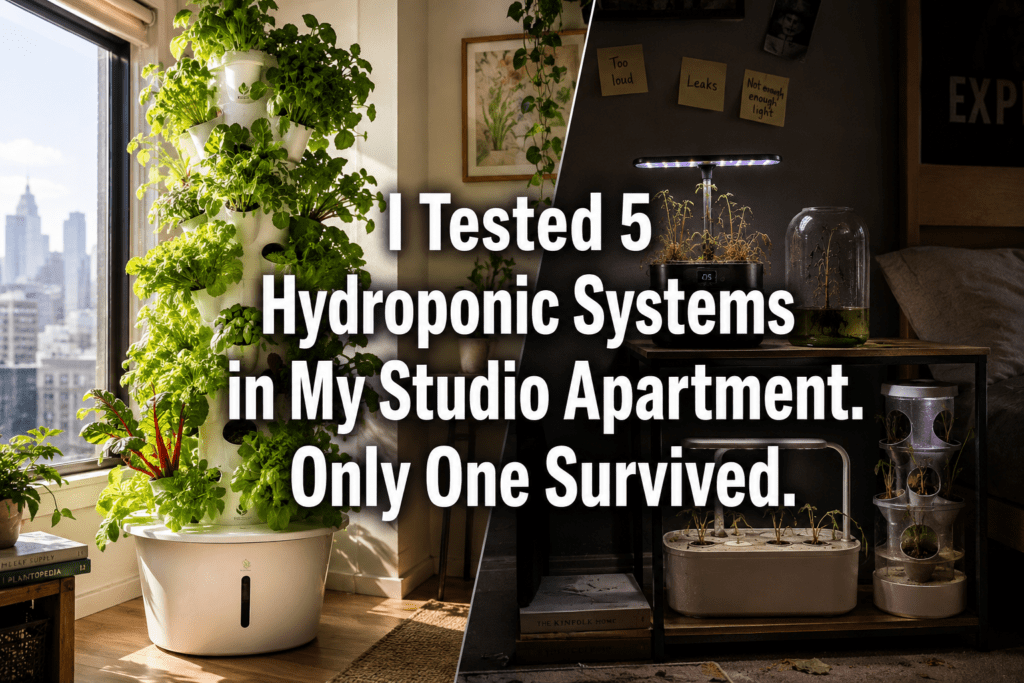
Quick Answer: Out of five popular hydroponic systems tested in a compact studio apartment, only the Kratky method consistently delivered successful plant growth without overwhelming the limited space, budget, or my beginner-level expertise. The Deep Water Culture (DWC), Nutrient Film Technique (NFT), Aeroponics, and Wick systems faced significant challenges related to maintenance, noise, cost, or space constraints in a small urban living environment.
Key Takeaways
- The Kratky method proved most suitable for a studio apartment due to its simplicity, low cost, and minimal maintenance.
- Other systems like DWC, NFT, and Aeroponics often require more space, active components (pumps, air stones), and precise monitoring, making them challenging for small apartments.
- Initial costs for hydroponic setups can range from under $50 for DIY Kratky systems to over $500 for advanced commercial units.
- Common failures in small apartment hydroponics include inadequate lighting, nutrient imbalances, root rot, and ignoring system-specific maintenance needs.
- Leafy greens, herbs, and small fruiting plants like strawberries are ideal for beginner hydroponic gardeners in limited spaces.
- Hydroponics can be a rewarding venture for beginners, provided they choose the right system and manage expectations.
- Electricity consumption varies significantly, with passive systems using almost none and active systems requiring continuous power for pumps and lights.
What is Hydroponic Gardening and How Does It Work?

Hydroponic gardening is a method of growing plants without soil, using mineral nutrient solutions dissolved in water to deliver essential elements directly to the roots. This technique allows for highly controlled environments, often leading to faster growth rates and increased yields compared to traditional soil-based gardening. Plants are typically supported by an inert medium like rockwool, coco coir, or clay pebbles, and their roots are either submerged in or regularly exposed to the nutrient-rich water.
The core principle involves providing plants with everything they need—water, nutrients, oxygen, and light—in precise quantities. This eliminates many variables found in soil, such as pests, soil-borne diseases, and nutrient depletion. Common hydroponic methods include Deep Water Culture (DWC), Nutrient Film Technique (NFT), Wick systems, Aeroponics, and the Kratky method, each with unique operational requirements and suitability for different growing scales.
Which Hydroponic System is Best for Small Apartments?
For small apartments, the Kratky method or a compact Wick system is generally the best choice due as they require minimal space, electricity, and daily intervention. These passive systems are ideal because they don’t rely on pumps, air stones, or complex timers, meaning less noise, fewer components, and a simpler setup that fits well into tight living quarters.
While other systems like DWC can be adapted for small spaces, they typically involve air pumps for oxygenation, which adds noise and electricity consumption. Nutrient Film Technique (NFT) and Aeroponics are often too large, complex, and expensive for most studio apartment dwellers, demanding more intricate plumbing and power. When choosing, prioritize systems that require minimal vertical and horizontal footprint, are easy to monitor, and don’t create significant humidity or noise. Consider vertical gardening options like tower gardens as well, but assess their overall footprint carefully. For more ideas on maximizing vertical space, see our guide to balcony vertical gardening.
How Much Do Home Hydroponic Systems Actually Cost?
The cost of home hydroponic systems varies widely, from under $50 for a DIY passive setup to over $500 for advanced commercial kits, depending on the system type, size, and included features. Starter kits for simple systems like the Kratky method can be assembled cheaply using household containers, nutrient solutions, and seeds.
Cost Breakdown:
- DIY Kratky/Wick System:
- Initial: $20 – $50 (containers, net pots, growing medium, nutrient solution, seeds).
- Ongoing: $10 – $20/month (nutrient refills, seeds, occasional medium replacement).
- Basic DWC/NFT System:
- Initial: $100 – $300 (reservoir, air pump, air stone, plumbing, grow lights, nutrient solution, net pots, medium, seeds).
- Ongoing: $20 – $40/month (nutrient refills, electricity for pump/lights, seeds).
- Advanced Aeroponics/Vertical Towers:
- Initial: $400 – $1000+ (integrated system, high-quality grow lights, programmable timers, advanced nutrient formulations, specific mediums).
- Ongoing: $30 – $70+/month (nutrient refills, higher electricity for multiple components, specific replacement parts).
Many systems don’t include grow lights, which can add another $30-$150 to the initial cost depending on their power and spectrum. Factor in the long-term cost of nutrient solutions, which are consumed based on the number and type of plants. Investing in quality nutrients initially can prevent problems later.
Why Did 4 of the Hydroponic Systems Fail in a Studio Space?
Four of the five hydroponic systems (Deep Water Culture, NFT, Aeroponics, and Wick) failed or performed poorly in my studio apartment due to a combination of space constraints, noise, maintenance complexity, and humidity issues. Studio apartments present unique environmental challenges that often clash with the requirements of more active hydroponic methods.
Specific Reasons for Failure:
- Deep Water Culture (DWC): While relatively simple, the continuous bubbling from the air pump was a constant, irritating noise in a small living space where the bed was only a few feet away. Furthermore, managing the nutrient reservoir size was a challenge; a smaller reservoir required more frequent top-ups and pH adjustments, while a larger one took up too much precious floor space. Root rot also became an issue due to insufficient dissolved oxygen despite the air stone, likely from warm apartment temperatures.
- Nutrient Film Technique (NFT): This system required a specific tilt for the nutrient film to flow correctly, which was difficult to achieve on uneven apartment surfaces. The pumps were also noisy, and the system’s horizontal footprint was much larger than anticipated, making it impractical for a single room. Clogging of the nutrient film was also a recurring problem, halting nutrient delivery and stressing plants.
- Aeroponics: This system was the most expensive and technically demanding. The fine mist nozzles frequently clogged, leading to nutrient delivery interruptions. Humidity levels surged significantly, causing concern for mold growth in the enclosed space. The cost of specialized components and the precise monitoring required made it unsustainable for a casual home grower in a small apartment.
- Wick System: Although passive and quiet, the wick system struggled with delivering enough water and nutrients to larger plants. I found it prone to salt buildup in the growing medium, which inhibited nutrient absorption over time. It was better suited for very small, low-demand plants, but failed to sustain most of the vegetables I attempted to grow. The primary failure point was inadequate water wicking for plants with higher demands, leading to stunted growth.
These systems, while effective in larger, dedicated grow spaces, proved incompatible with the practical realities of studio apartment living, highlighting the importance of system choice for specific environments.
What Plants Grow Easiest in Hydroponic Setups?
The easiest plants to grow in hydroponic setups, especially for beginners in small spaces, are leafy greens, herbs, and some small fruiting plants that have shallow root systems and fast growth cycles. These plants generally require less intense light and are more forgiving of minor fluctuations in nutrient levels.
Top Easy-to-Grow Hydroponic Plants:
- Leafy Greens: Lettuce (various types like romaine, butterhead), spinach, kale, arugula. These are fast-growing and provide continuous harvests.
- Herbs: Basil, mint, chives, parsley, cilantro. Many herbs thrive in hydroponics and can be harvested regularly.
- Microgreens: While technically not a “system” in the same way, growing microgreens hydroponically (on mats with nutrient solution) is incredibly simple and fast. Learn more about microgreens vs sprouts.
- Strawberries: These can do well in vertical hydroponic systems or compact setups.
- Bush Beans: Some dwarf varieties can be managed in larger passive systems.
Avoid large, root-intensive plants like corn, potatoes, or melons, which require significant space, powerful lighting, and complex nutrient schedules. Starting with easy-to-grow varieties builds confidence and provides a steady supply of fresh produce. For general tips on growing vegetables in small spaces, consider our container gardening for beginners guide.
Are Hydroponic Gardens Worth It for Beginners?
Yes, hydroponic gardens can be incredibly worth it for beginners, especially those interested in consistent fresh produce with controlled growing conditions, provided they choose a simple, appropriate system. The key is to start with an uncomplicated method like the Kratky system or a basic Wick setup to minimize initial investment and learning curve.
Benefits for Beginners:
- Faster Growth: Plants often grow quicker in hydroponics, offering more rapid gratification.
- Less Mess: No soil means no dirt spills, reducing cleaning and potential pest issues common with traditional gardening.
- Water Efficiency: Hydroponic systems use significantly less water than soil gardening.
- Year-Round Growing: Indoor setups allow for cultivation regardless of external weather.
- Controlled Environment: Beginners can learn about plant nutrition and environmental factors directly.
However, beginners should be prepared for some initial learning regarding nutrient solutions, pH balance, and monitoring plant health. Starting small and focusing on one or two plant types can help prevent overwhelm. Avoid complex, expensive systems as a first venture.
Common Mistakes People Make with Indoor Hydroponics
Many indoor hydroponics failures stem from common mistakes related to nutrient management, lighting, system choice, and overlooking basic maintenance. These errors are amplified in small spaces where environmental control is often less precise.
Key Mistakes to Avoid:
- Wrong System for the Space: Choosing a large, noisy, or complex system for a small apartment, leading to frustration and failure (as I experienced!).
- Ignoring pH Levels: Plants can’t absorb nutrients if the pH is too high or too low. Regular pH testing and adjustment are crucial.
- Incorrect Nutrient Dosage: Too much or too little nutrient solution can stunt growth or burn roots. Always follow manufacturer instructions and observe plants for deficiencies or toxicities.
- Insufficient Lighting: Many indoor growers underestimate the light requirements of plants. Standard room lighting is almost never enough. Dedicated grow lights are essential, and their intensity and duration must match the plant’s needs. Remember, “Can Plants Survive With ONLY Ceiling Fluorescent Lights?” The answer is generally no.
- Lack of Aeration (in active systems): For DWC, insufficient oxygen in the water leads to root rot. Air pumps and air stones are vital.
- Overwatering/Underwatering (in passive systems): While hydroponics uses water, wick systems can still suffer if the wick isn’t working or the reservoir runs dry too often.
- Poor Sanitation: Algae and harmful bacteria can thrive in stagnant water or dirty systems, leading to disease. Regular cleaning and nutrient changes are critical.
- Ignoring Temperature and Humidity: High humidity in a small, enclosed apartment can lead to mold and mildew issues for both plants and the living space. Monitor these factors.
Avoiding these common pitfalls will significantly increase the chances of success for an indoor hydroponic garden. Many of these relate to general indoor gardening mistakes.
How Much Space Do I Really Need for a Hydroponic Garden?
You can start a hydroponic garden with as little as 1 square foot of horizontal space and some vertical clearance, making it highly adaptable for studio apartments. The actual space needed depends entirely on the system type and the number/size of plants you intend to grow.
Space Requirements by System (Approximate):
- Kratky/Small Wick System: Can fit on a windowsill or a small shelf (1 sq ft per plant or a small tray for several herbs). A single unit can be as small as a shoebox.
- Small DWC System: A compact reservoir might take up 1-2 sq ft, plus vertical space for lights and plant growth.
- Small NFT/Aeroponics: Even small kits typically require a minimum of 2-4 sq ft of floor space due to pumps, reservoirs, and channel layouts, plus significant vertical height.
- Vertical Towers: While vertical, they still need a base footprint (often 1-2 sq ft) and substantial vertical clearance (3-6 feet).
The goal in a studio apartment is often to maximize vertical growth rather than horizontal spread. Look for systems designed for compact footprints and consider how much light can reach them without casting large shadows or requiring excessive supplemental lighting.
Can I Make Money Selling Hydroponic Vegetables?

Making a significant income from selling hydroponic vegetables from a studio apartment is generally unrealistic due to scale limitations, high overhead for small operations, and competition. While possible to sell small quantities of specialty herbs or microgreens, profitability usually requires commercial-scale setups.
For a home grower, the primary benefit of hydroponics is fresh, homegrown produce for personal consumption, potentially saving money on groceries. The output from a few small systems in an apartment is typically not enough to generate substantial profit. To successfully sell produce, you’d need:
- Consistent High Yields: Challenging in limited space.
- Business Licensing: Often required for selling food.
- Marketing and Sales Channels: Farmers’ markets, local restaurants, or online sales.
- Competitive Pricing: Against larger commercial farms.
- Labor and Packaging Costs: Often underestimated.
While a few unique products might find a niche, focus on the personal benefits of fresh produce before considering commercial ventures from a studio apartment setup.
What Are the Pros and Cons of Different Hydroponic Methods?
Each hydroponic method offers distinct advantages and disadvantages, making system selection crucial for the specific environment and gardener’s experience level. Understanding these trade-offs is essential for success, especially in a studio apartment.
| System Type | Pros | Cons | Ideal For |
|---|---|---|---|
| Kratky Method | Simplest, no electricity/pumps, very low cost, quiet, beginner-friendly. | Roots can struggle for oxygen if reservoir isn’t managed; best for leafy greens, one-time harvest. | Beginners, small spaces, low-cost setup, leafy greens. |
| Wick System | Passive, quiet, low cost, simple to set up. | Inefficient wicking for large plants, salt buildup in medium, root rot possible if waterlogged. | Small herbs, decorative plants, very small spaces. |
| DWC (Deep Water Culture) | Fast growth, simple design, good for larger plants. | Requires air pump (noise/electricity), pH/nutrient monitoring, root rot risk, reservoir size. | Enthusiasts, medium-sized plants, dedicated grow spaces. |
| NFT (Nutrient Film Technique) | Excellent aeration, water-efficient, good for commercial scale. | Requires constant pump (noise/electricity), precise slope, prone to clogs, complex setup, large footprint. | Commercial growers, long-term consistent crop production. |
| Aeroponics | Very fast growth, high yields, uses less water. | High cost, complex maintenance, sensitive to clogs, high humidity, requires precise environment. | Advanced growers, high-value crops, experimental setups. |
For my studio apartment, the “Cons” column was particularly impactful, highlighting why I Tested 5 Hydroponic Systems in My Studio Apartment. Only One Survived. Noise, complexity, and space were consistent deal-breakers.
Which Hydroponic System Survived and Why?
The Kratky method was the only hydroponic system that truly survived and thrived in my studio apartment, primarily due to its elegant simplicity, quiet operation, and minimal space requirements. This passive system eliminated the complexities and disruptions that caused other systems to fail.
The Kratky method works by suspending plant roots in a nutrient solution reservoir, allowing a portion of the roots to be submerged while another portion is exposed to air. As the plant consumes the water, the water level drops, naturally creating an air gap for the roots to breathe.
Reasons for its Success:
- No Electricity Needed: Absolutely no pumps, air stones, or timers, meaning zero noise and no added electricity costs, a huge advantage in a living space.
- Minimal Space: Individual plants could be set up in small containers (e.g., repurposed food containers) and placed on windowsills or small shelves, taking up negligible space.
- Low Maintenance: Once set up, the system required only occasional nutrient top-ups (every 1-2 weeks for leafy greens) and pH checks. There were no pumps to clean or clogs to fix.
- Cost-Effective: The initial investment was minimal, using readily available containers and basic nutrient solutions.
- Quiet Operation: This was paramount in a studio. No humming, bubbling, or trickling sounds disturbed my peace.
While it is best suited for non-fruiting plants and “cut-and-come-again” leafy greens, the Kratky method consistently produced fresh lettuce, spinach, and basil without any major issues, proving that a simple approach is often the most effective for urban apartment gardening.
How Much Electricity Do Hydroponic Systems Use?
The electricity consumption of hydroponic systems varies dramatically based on whether they are passive or active, and the type and quantity of supplemental equipment like grow lights. Passive systems, like Kratky, use virtually no electricity, while active systems can add significantly to your utility bill.
Estimated Electricity Consumption:
- Kratky Method: Nearly 0 watts. Uses no pumps or active components.
- Wick System: Nearly 0 watts. Uses no pumps or active components.
- DWC/NFT Systems:
- Air Pump (DWC) / Water Pump (NFT): Typically 5-30 watts, running 24/7.
- Grow Lights: This is the biggest draw. A small LED grow light for a single plant or small tray might use 15-50 watts. Larger, more powerful lights can consume 100-300+ watts, running 12-18 hours a day.
- Aeroponics:
- High-Pressure Pump: 50-100+ watts, running intermittently but frequently.
- Grow Lights: Similar to DWC/NFT, potentially higher wattage for larger yields.
For a small DWC system with a 20W air pump and a 30W LED grow light running 16 hours/day, you’re looking at about (20W * 24h) + (30W * 16h) = 480Wh + 480Wh = 960Wh (or 0.96 kWh) per day. At an average electricity cost of $0.15/kWh, this is roughly $4.32 per month. This adds up, especially with multiple systems or more powerful lights. For apartment dwellers, minimizing electricity is often a priority.
Are Hydroponic Gardens Good for People with No Gardening Experience?
Hydroponic gardens can be an excellent entry point for people with no prior gardening experience, particularly if they start with simple, passive systems and easy-to-grow plants. The controlled environment and lack of soil remove many common variables that can intimidate new gardeners.
Why Hydroponics is Beginner-Friendly (with the right approach):
- Simplified Nutrition: Nutrient solutions take the guesswork out of soil amendments and fertilization.
- Fewer Pests: Without soil, many common soil-borne pests are eliminated, reducing pest management challenges.
- Consistent Results: When conditions are met, growth is often faster and more predictable.
- Less Mess: No muddy hands or spilled soil to clean up.
The key for beginners is to manage expectations and not jump into complex, high-maintenance systems. Starting with a basic Kratky setup and growing lettuce or basil provides a low-risk, high-reward introduction to the world of growing fresh food. It allows beginners to focus on the fundamental principles of plant growth without the added complexities of soil structure, watering schedules, and outdoor weather variations. Choosing the right system is crucial; otherwise, it can quickly become frustrating, as I learned first-hand with the more advanced setups.

Conclusion
My journey through testing five hydroponic systems in a studio apartment confirmed that urban gardening requires a highly selective approach, emphasizing simplicity, minimal footprint, and low maintenance. While the allure of advanced systems like Aeroponics or NFT is strong, their practical application in a compact living space often falls short due to noise, cost, complexity, and space demands. The Kratky method emerged as the clear winner, offering a quiet, cost-effective, and remarkably productive solution for fresh greens and herbs without compromising precious apartment real estate or sanity.
For anyone looking to embark on an indoor hydroponic adventure in a small apartment, I strongly recommend starting with the Kratky method. It’s the most forgiving, least intrusive, and most budget-friendly option, allowing you to enjoy the benefits of homegrown produce without the headaches. From there, you can gradually explore other methods if your space and experience allow.
Actionable Next Steps:
- Start with Kratky: Gather basic supplies (plastic containers, net pots, growing medium, nutrient solution, seeds for leafy greens).
- Choose Easy Plants: Begin with lettuce, spinach, or basil to build confidence.
- Invest in a Good Grow Light: Even simple systems benefit greatly from adequate lighting.
- Monitor pH: Purchase an inexpensive pH testing kit and understand how to adjust nutrient solution pH.
- Clean Regularly: Prevent algae and root issues by routinely cleaning reservoirs and changing nutrient solutions.
FAQ
Q: Can I use tap water for hydroponics?
A: Yes, but it’s best to let it sit for 24 hours to dechlorinate, and you’ll need to monitor its pH and EC (electrical conductivity) as tap water quality varies.
Q: How often do I change the nutrient solution in a Kratky system?
A: For leafy greens, the nutrient solution typically lasts until the reservoir is almost empty, often 1-3 weeks, after which you replenish or harvest.
Q: Do hydroponic plants taste different from soil-grown plants?
A: Some people report a slightly different texture or a cleaner taste, but the flavor profile is largely determined by the specific plant variety and nutrient balance.
Q: How much light do hydroponic plants need in an apartment?
A: Most leafy greens need 12-16 hours of light per day. Standard room lighting is insufficient; a dedicated LED grow light is almost always necessary.
Q: Can I grow tomatoes or peppers in a small apartment hydroponic setup?
A: While possible, fruiting plants like tomatoes and peppers generally require more light, larger systems, and more precise nutrient management, making them challenging for beginners in tiny spaces.
Q: What is root rot and how do I prevent it?
A: Root rot is a fungal or bacterial infection that causes roots to turn brown and mushy. Prevent it by ensuring proper aeration (for active systems), maintaining correct water temperatures, and keeping systems clean.
Q: Are hydroponic systems noisy?
A: Passive systems like Kratky are silent. Active systems with air pumps (DWC) or water pumps (NFT, Aeroponics) can produce noticeable humming or bubbling sounds.
Q: Do hydroponic systems attract pests?
A: Less than soil gardens, but pests can still appear, especially if plants or seeds are brought in from outside. Good air circulation and cleanliness help deter them.
Sources
- Resh, H. M. (2012). Hydroponic Food Production: A Definitive Guidebook for the Advanced Home Gardener and the Commercial Hydroponic Grower. CRC Press.
- Jones, J. B., Jr. (2016). Hydroponics: A Practical Guide for the Soilless Grower. CRC Press.