Beginner-Friendly Plants
Quick Answer: Beginner-friendly plants are resilient, low-maintenance species ideal for new gardeners or those with limited time, tolerating common care mistakes like inconsistent watering or varied light conditions. These plants simplify the learning curve, offering rewarding growth with minimal effort and boosting confidence for aspiring plant parents.
Key Takeaways
- Resilience is Key: Beginner-friendly plants can bounce back from common care mistakes, making them forgiving for novices.
- Low Maintenance: They typically require less frequent watering, specific light conditions, or specialized soil.
- Wide Variety: Options exist for various light levels, indoor/outdoor settings, and aesthetic preferences.
- Boosts Confidence: Successfully caring for these plants encourages new gardeners to expand their collections.
- Purify Air: Many easy-care indoor plants also offer air-purifying benefits.
- Cost-Effective: Often readily available and affordable, making them an accessible entry point to gardening.
- Pet-Friendly Options: Specific choices are safe for homes with pets.
- Learn the Basics: They allow new gardeners to grasp fundamental plant care principles without overwhelming complexity.
What Makes a Plant Beginner-Friendly?
A plant is considered beginner-friendly if it is forgiving of common care mistakes, has adaptable light and water requirements, and generally thrives with minimal specialized attention. These characteristics allow new gardeners to develop their skills and confidence without the frustration of rapidly failing plants.
Choosing the right beginner-friendly plants means looking for species that can withstand a bit of neglect or slight over-care. For example, a plant that wilts dramatically when thirsty but perks up quickly after watering is more forgiving than one that quickly develops root rot from excess moisture. Similarly, plants that tolerate a range of light conditions, from bright indirect to medium light, offer more flexibility in placement for those still figuring out their home’s best spots. Focusing on resilience ensures a more enjoyable and successful gardening journey for newcomers.
- Tolerance to Under/Overwatering: The plant won’t immediately die from missing a watering session or receiving slightly too much. Many succulent-like plants or those with thick leaves store water well.
- Adaptable Light Needs: They can handle a spectrum of light conditions, from bright indirect light to slightly lower light, reducing the stress of finding the “perfect” spot.
- Pest Resistance: Generally less susceptible to common houseplant pests, or easier to treat if infestations occur.
- Clear Thirst Cues: Often show obvious signs when they need water (e.g., drooping leaves) that revert quickly after watering, providing clear signals to the gardener.
- Slow to Moderate Growth: Prevents rapid overgrowing, reducing the need for frequent repotting or pruning.
- Common Availability & Affordability: Easy to find at local nurseries or garden centers, and typically not expensive to purchase.
For more foundational knowledge, explore our Beginner’s Guide to Plant Care 2026: Grow Thriving Plants.
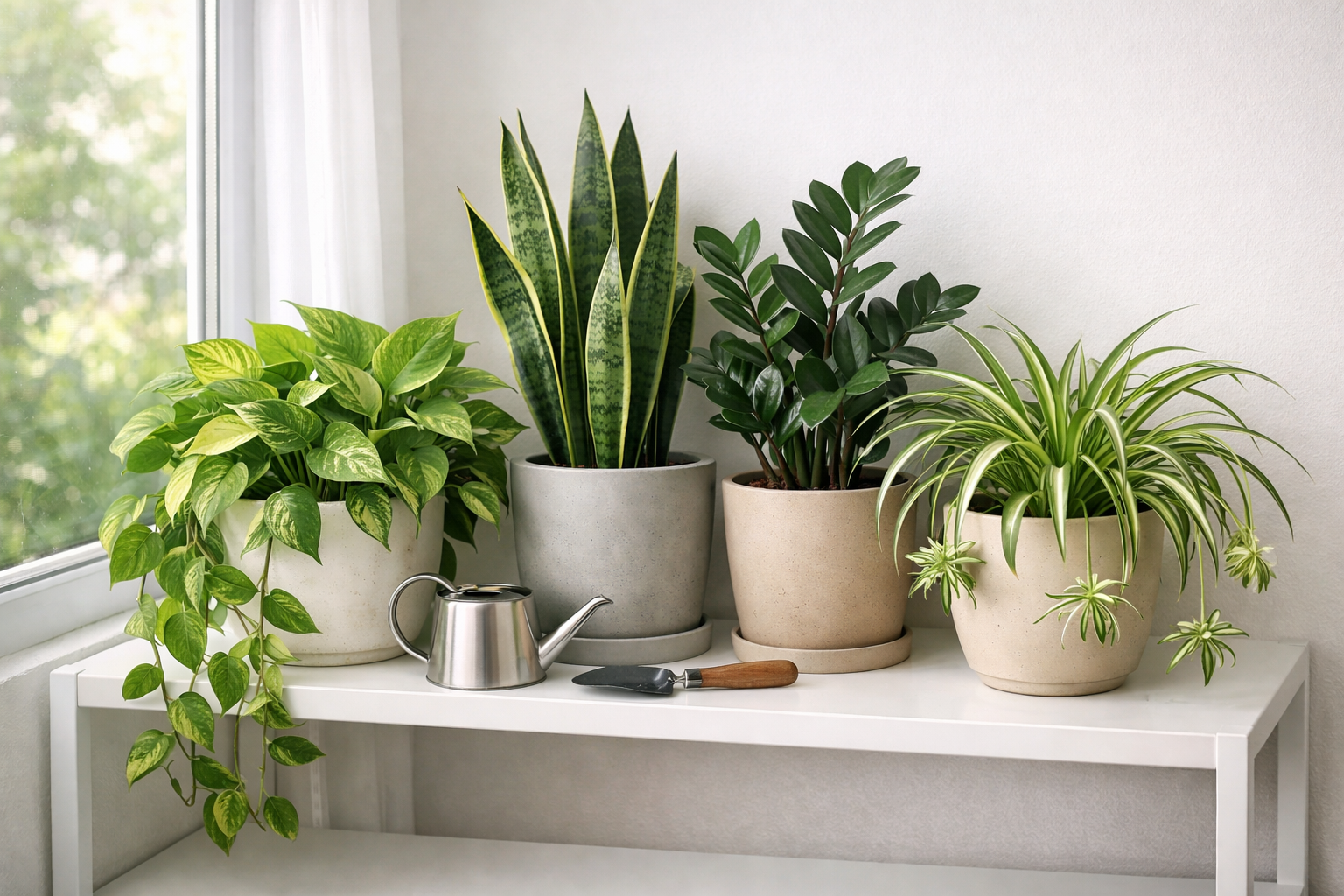
Top Indoor Beginner-Friendly Plants for Your Home
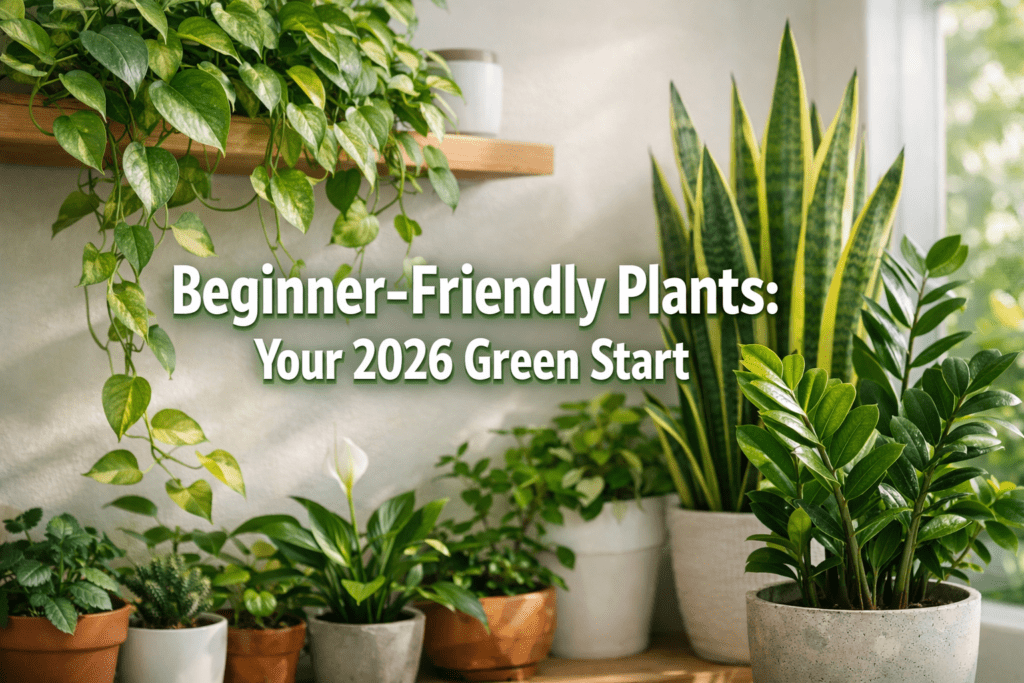
The best indoor beginner-friendly plants are those that adapt well to typical home environments and forgive minor inconsistencies in care, making them perfect for adding greenery without constant worry. These selections are known for their resilience and ability to thrive with basic attention, proving that anyone can have a green thumb indoors.
For instance, the Snake Plant, with its striking upright leaves, can go weeks without water and tolerates low light, making it an excellent choice for busy individuals or those prone to forgetting to water. Similarly, the Pothos is incredibly versatile, growing in various light conditions and showing clear signs when it needs a drink, quickly bouncing back once watered. These plants are ideal for creating a vibrant indoor space even for first-time plant owners. You can find more low-maintenance options in our guide to Low Maintenance Plants for Beginners: 7 Easy Picks (2026).
| Plant Name | Key Features | Light Needs | Watering Frequency | Pet Safety |
|---|---|---|---|---|
| Snake Plant | Extremely hardy, air purifier, sculptural appearance | Low to Bright Indirect | Every 2-4 weeks (allow soil to dry completely) | Toxic |
| Pothos | Trailing vines, versatile, air purifier, grows quickly | Low to Bright Indirect | Every 1-2 weeks (allow top soil to dry) | Toxic |
| ZZ Plant | Drought-tolerant, glossy leaves, very low light tolerant | Low to Bright Indirect | Every 2-4 weeks (can go longer, drought tolerant) | Toxic |
| Spider Plant | Produces “spiderettes” (babies), air purifier, easy to propagate | Medium to Bright Indirect | Every 1 week (keep soil consistently moist, not soggy) | Non-Toxic |
| Peace Lily | Elegant white flowers, air purifier, dramatic wilting when thirsty | Low to Medium Indirect | Every 1 week (wilts when thirsty, perks up quickly) | Toxic |
| Aloe Vera | Medicinal properties, succulent, tolerates neglect | Bright Indirect | Every 2-3 weeks (allow soil to dry completely) | Toxic |
| Cast Iron Plant | Incredibly tough, can handle very low light and fluctuating temperatures | Low to Medium Indirect | Every 2-3 weeks (tolerates dry spells) | Non-Toxic |
- Tip for Success: When choosing indoor beginner-friendly plants, consider your home’s natural light. Even “low light” tolerant plants appreciate some indirect light for optimal health. Direct, harsh sunlight can scorch the leaves of many indoor plants.
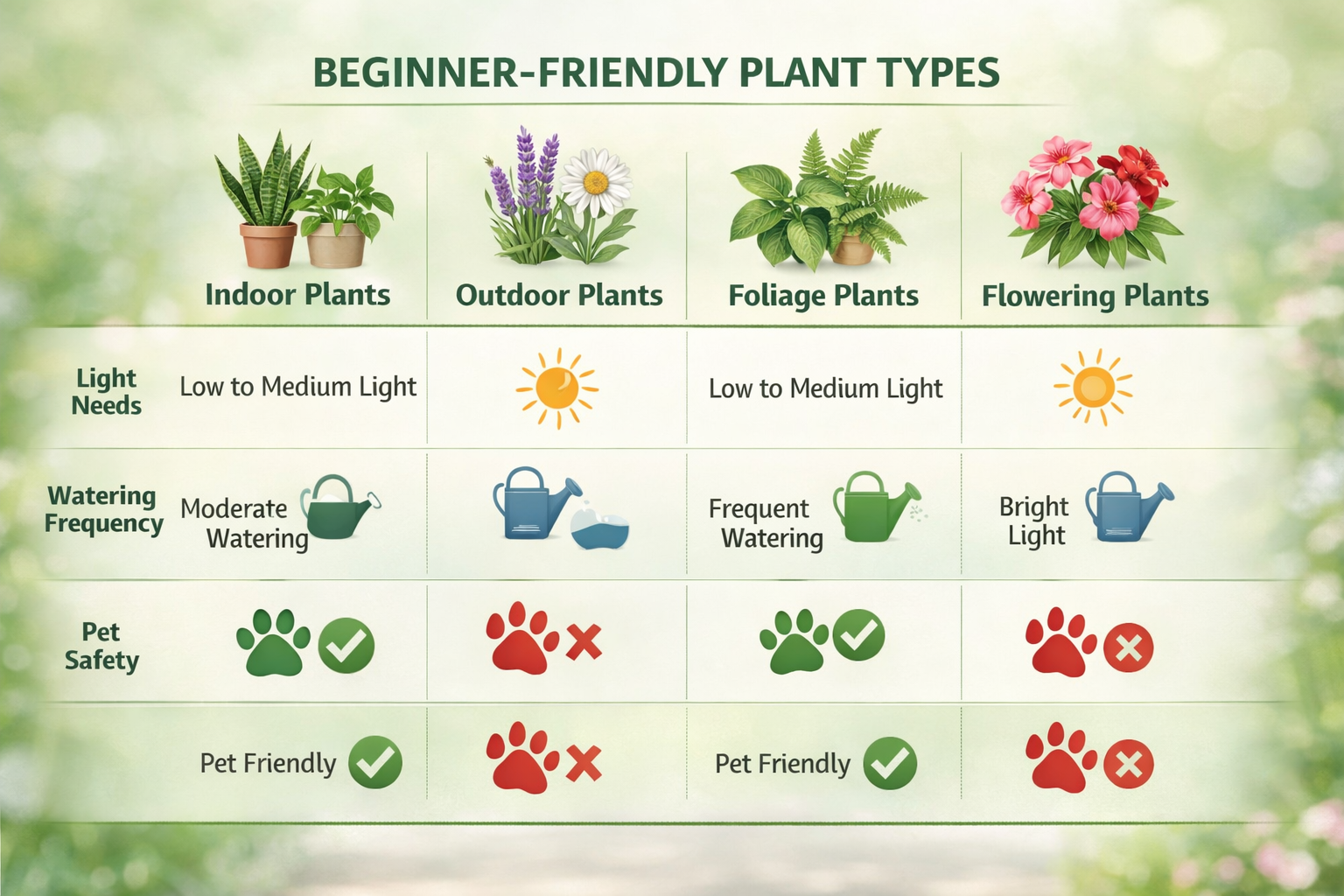
Best Outdoor Beginner-Friendly Plants for Gardens & Balconies
Selecting outdoor beginner-friendly plants means choosing robust species that can withstand variable weather conditions and minor care lapses, making them ideal for new gardeners looking to add curb appeal or a touch of green to their outdoor spaces. These plants are chosen for their hardiness and ability to thrive without constant intervention, allowing you to enjoy your garden rather than constantly tending to it.
For example, Marigolds are not only vibrant and cheerful but also incredibly easy to grow from seed, tolerating a range of soil types and thriving in full sun with moderate watering. Their strong scent also helps deter common garden pests. Similarly, herbs like Rosemary and Mint are exceptionally hardy, requiring minimal care once established and offering practical uses in the kitchen. For those with small outdoor spaces, these types of plants are perfect for a Balcony Herb Garden Guide 2026: Grow Fresh Herbs Anywhere.
| Plant Name | Key Features | Light Needs | Watering Frequency | Optimal Use |
|---|---|---|---|---|
| Marigolds | Cheerful flowers, pest deterrent, vibrant colors | Full Sun | Moderate (allow top inch of soil to dry) | Garden beds, borders, containers |
| Impatiens | Abundant blooms, great for shady spots | Partial to Full Shade | Consistent (keep soil moist, not soggy) | Shaded garden areas, hanging baskets |
| Rosemary | Aromatic herb, drought-tolerant once established, culinary use | Full Sun | Low (allow soil to dry between waterings) | Herb gardens, containers, edible landscaping |
| Mint | Fast-growing herb, various varieties, spreads easily (best in containers) | Full Sun to Partial Shade | Moderate (keep soil consistently moist) | Herb gardens (containerized), ground cover |
| Sedum (Stonecrop) | Succulent, very drought-tolerant, varied forms and colors, attracts pollinators | Full Sun | Very Low (drought-tolerant, dislikes wet feet) | Rock gardens, borders, containers, xeriscaping |
| Zinnias | Bright, long-lasting blooms, attracts butterflies, good cut flower | Full Sun | Moderate (water deeply when top soil is dry) | Flower beds, cutting gardens, containers |
| Geraniums | Classic patio plant, continuous blooms, easy to care for | Full Sun to Partial Sun | Moderate (allow soil to dry between waterings) | Window boxes, containers, borders |
- Decision Rule: Choose Marigolds or Zinnias if you have a sunny spot and want vibrant, continuous blooms. Opt for Impatiens if your outdoor area is mostly shady. For edibles, Rosemary and Mint are excellent, but contain mint in a pot to prevent it from taking over your garden space.
Essential Care Tips for Beginner-Friendly Plants
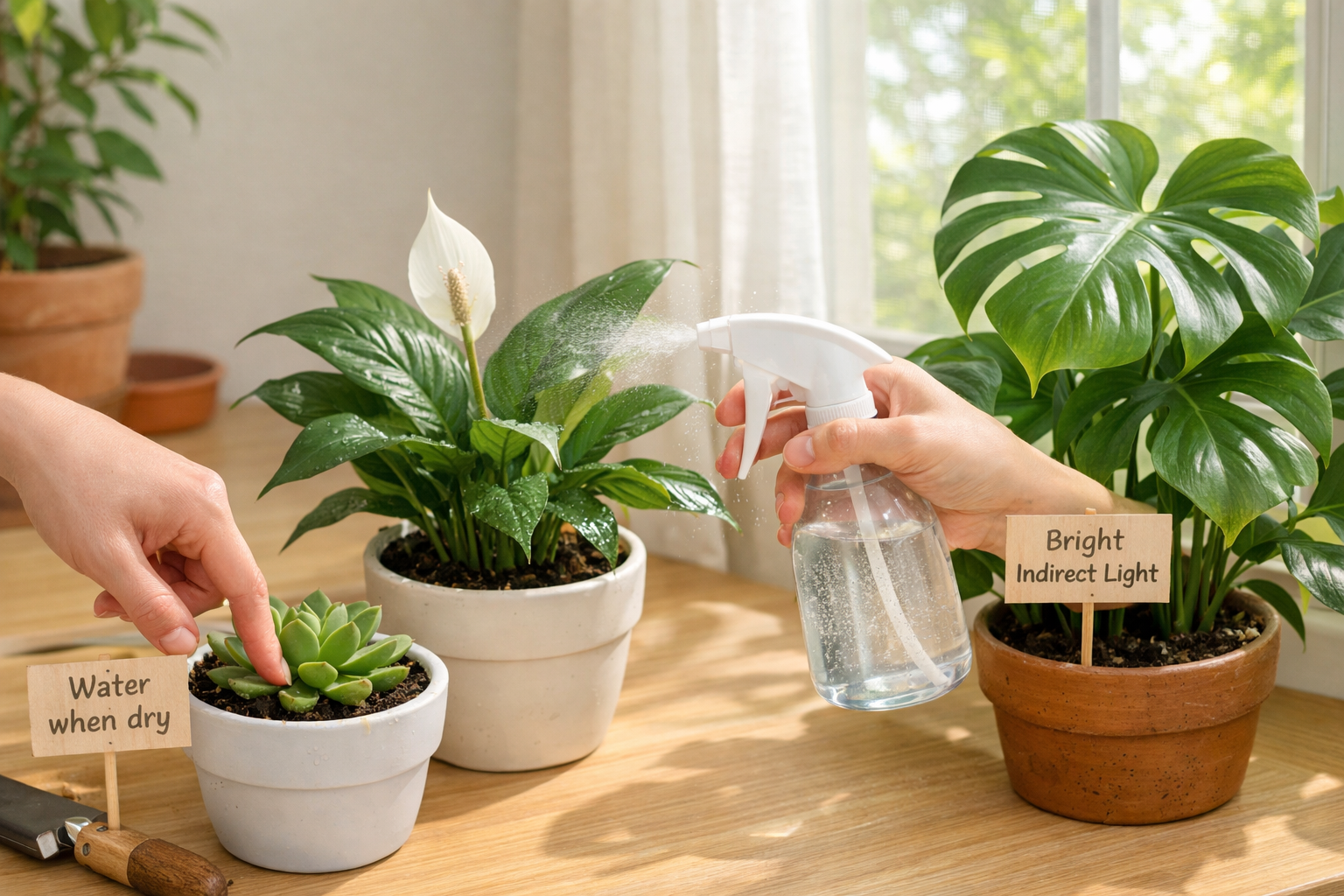
Successfully nurturing beginner-friendly plants involves understanding a few core principles of plant care: providing appropriate light, consistent (but not excessive) watering, and suitable soil. Mastering these basics will ensure your plants thrive and build your confidence as a gardener, proving that even with limited experience, beautiful results are achievable.
Overwatering is a common pitfall for new plant parents, often leading to root rot. Instead of adhering to a strict schedule, feel the soil: if the top inch or two is dry, it’s likely time to water. Similarly, while light needs vary, “bright indirect light” is a safe general recommendation for most indoor plants, meaning near a window but out of direct, scorching sun. For more detailed insights into watering, consult our guide on How Often Should You Water Plants? Ultimate Guide 2026.
Key Care Elements:
- Light:
- Bright Indirect Light: The sweet spot for most indoor plants. Place near a window with sheer curtains or a few feet away from an unobstructed window.
- Full Sun: Typically 6+ hours of direct sunlight, essential for many outdoor vegetables and flowering plants.
- Partial Shade: 3-6 hours of sun, often morning sun, or dappled light throughout the day.
- Low Light: Can survive in less bright conditions, but growth may be slower.
- Common Mistake: Too much direct sun can scorch leaves, while too little light leads to leggy growth and pale foliage.
- Watering:
- Check Soil Moisture: Stick your finger 1-2 inches into the soil. If it feels dry, it’s time to water. Avoid watering on a strict schedule, as environmental factors change.
- Water Thoroughly: Water until you see water drain from the bottom of the pot. This ensures the entire root ball is hydrated.
- Drainage is Crucial: Always use pots with drainage holes to prevent soggy soil and root rot.
- Edge Case: Succulents and cacti prefer their soil to dry out completely between waterings, while some tropical plants like Peace Lilies prefer consistently moist (but not waterlogged) soil.
- Soil and Potting:
- Well-Draining Potting Mix: For containers, use a good quality potting mix designed for houseplants or outdoor containers. This provides essential aeration and drainage.
- Appropriate Pot Size: Don’t put a small plant in a massive pot; this can lead to overwatering issues. Choose a pot that is 1-2 inches wider than the root ball.
- Recommendation: When starting a container garden, understanding Soil Basics for Container Gardening: 2026 Expert Guide can make a significant difference.
- Fertilizing:
- Less is More: For beginners, infrequent fertilizing (once every 2-4 months during growing season) is sufficient. Many beginner-friendly plants don’t require heavy feeding.
- Dilute: If using liquid fertilizer, dilute it to half strength to avoid burning roots.
- Avoid: Do not fertilize dormant plants (usually in winter) or stressed/unhealthy plants.
- Pest Management:
- Inspect Regularly: Check your plants weekly for signs of pests. Early detection makes treatment easier.
- Simple Solutions: Many common pests (aphids, spider mites) can be managed with a strong spray of water or insecticidal soap.
- Prevention: Healthy plants are more resistant to pests. Ensure proper lighting, watering, and airflow.
Common Mistakes Beginners Make and How to Avoid Them
Beginners often make a few predictable mistakes when caring for plants, primarily related to watering, light, and expectations, but these are easily corrected with awareness and simple adjustments. Recognizing these pitfalls early can save your plants and foster a more positive gardening experience from the start.
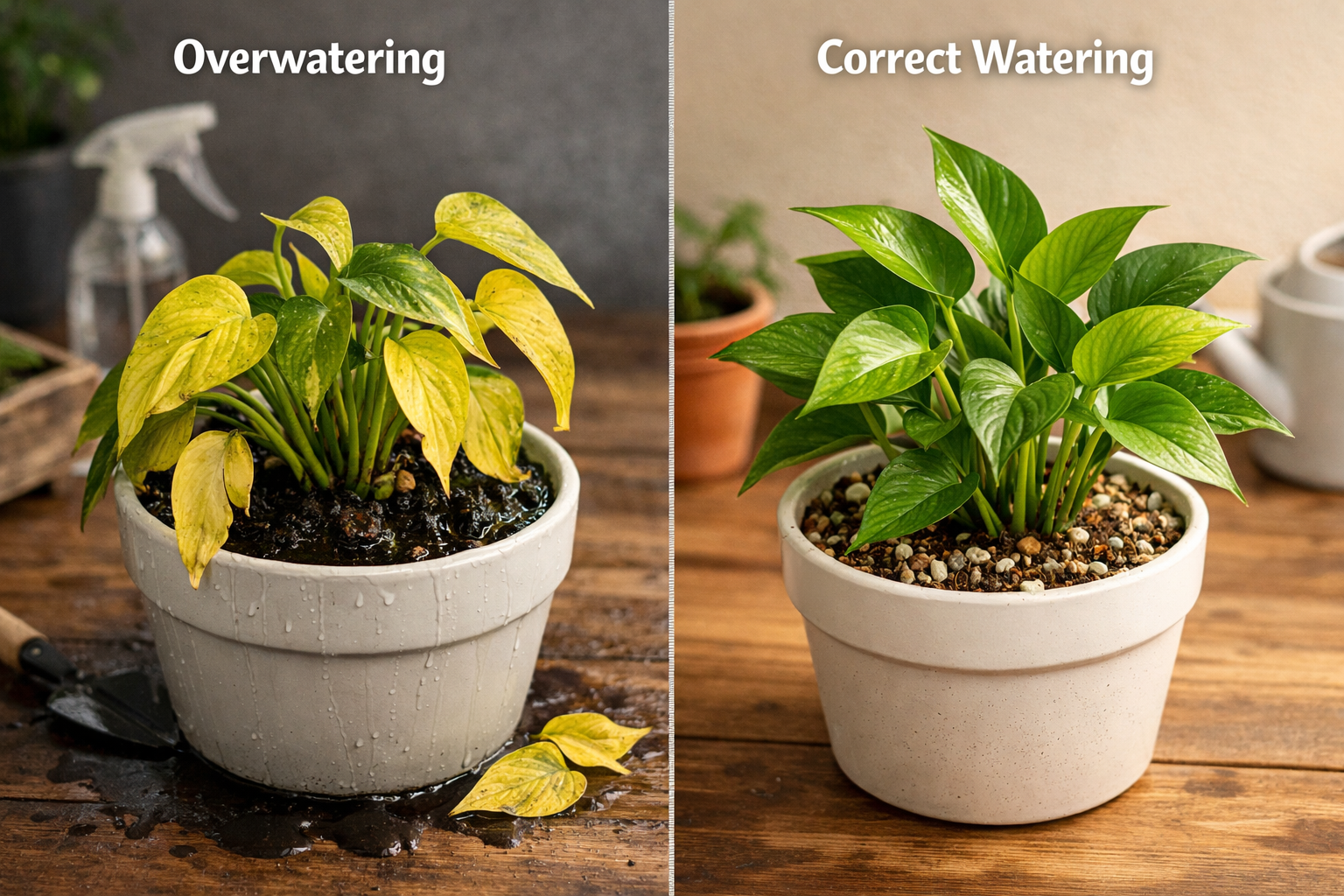
A classic error is overwatering, driven by the belief that more water equals more health, when in fact, it often leads to root suffocation and rot. Another common issue is placing a plant in an unsuitable light environment, either too dark for its needs or in direct sun that scorches its leaves. By learning to observe your plant’s specific cues and understanding its basic requirements, you can effectively avoid these early setbacks. Our guide on Beginner Mistakes in Small Space Gardening 2026 offers further insights.
Common Pitfalls and Solutions:
- Overwatering (Too Much Love):
- Mistake: Watering on a strict schedule without checking soil moisture, leading to soggy soil and root rot. Yellowing leaves and a musty smell from the soil are common signs.
- Solution: Always check the top 1-2 inches of soil before watering. If it feels moist, wait. Ensure pots have drainage holes. When in doubt, it’s better to underwater slightly than overwater.
- Incorrect Lighting:
- Mistake: Placing a sun-loving plant in a dark corner or a shade-loving plant in harsh, direct sunlight. This results in leggy growth, pale leaves (too little light), or scorched, brown leaves (too much light).
- Solution: Research your plant’s specific light requirements. Observe how light changes throughout the day in different areas of your home. Rotate plants periodically for even growth.
- Lack of Drainage:
- Mistake: Using pots without drainage holes, trapping excess water at the bottom and suffocating roots.
- Solution: Always use pots with drainage holes. If you love a decorative pot without holes, use it as a cachepot and keep your plant in a nursery pot with drainage inside.
- Ignoring Pest Signs:
- Mistake: Not regularly inspecting plants, allowing small pest infestations to become major problems.
- Solution: Make weekly plant inspections a habit. Look under leaves and in crevices. Treat pests early with insecticidal soap or neem oil.
- Not Researching Specific Plant Needs:
- Mistake: Assuming all plants have the same care requirements, leading to improper watering, light, or humidity for individual species.
- Solution: When you bring a new plant home, take a few minutes to research its specific needs. Even among beginner-friendly plants, there are variations. A quick search will prevent many headaches.
- Giving Up Too Quickly:
- Mistake: Feeling discouraged after a plant struggles or dies and abandoning gardening altogether.
- Solution: Gardening is a learning process. Every plant struggle teaches you something. Start with highly forgiving beginner-friendly plants, don’t be afraid to try again, and remember that even experienced gardeners lose plants sometimes.
Conclusion
Embarking on your plant parenting journey with beginner-friendly plants sets the stage for a rewarding and enjoyable experience, removing much of the initial intimidation often associated with gardening. By choosing resilient species and understanding core care principles, you can cultivate a vibrant green space, whether indoors or out, building confidence and fostering a deeper connection with nature. Remember, every gardener starts somewhere, and these forgiving plants are your best allies in learning and growing.
Actionable Next Steps:
- Identify Your Space: Assess the light conditions in your home or outdoor area to match plants to appropriate environments.
- Choose 1-2 Plants: Start small. Pick one or two of the recommended beginner-friendly plants that appeal to you.
- Gather Supplies: Purchase a well-draining pot, a quality potting mix, and a small watering can.
- Research Your Specific Plant: Even with easy plants, quickly look up their precise needs once you bring them home.
- Observe and Learn: Pay attention to your plant’s cues. Yellow leaves, drooping, or crispy edges all tell a story about its health.
- Don’t Fear Mistakes: View any struggles as learning opportunities. The goal is to learn and enjoy the process!
FAQ
What are the easiest plants for complete beginners?
The easiest plants for complete beginners include Snake Plants, ZZ Plants, Pothos, and Spider Plants for indoors, and Marigolds, Zinnias, and Rosemary for outdoors. They are forgiving of inconsistent care.
Can beginner-friendly plants survive in low light?
Some beginner-friendly plants, like the Snake Plant and ZZ Plant, tolerate low light conditions, but most will thrive with at least medium to bright indirect light for optimal growth.
How often should I water beginner plants?
Watering frequency depends on the plant, pot size, and environment. Generally, check the top 1-2 inches of soil with your finger; if it’s dry, then water. It’s better to underwater slightly than to overwater.
Are beginner-friendly plants good for purifying air?
Yes, many popular beginner-friendly indoor plants, such as Peace Lilies, Pothos, and Spider Plants, are known for their air-purifying qualities, helping to remove common toxins from indoor environments.
What’s the biggest mistake beginners make with plants?
The most common mistake beginners make is overwatering, which leads to root rot. Always ensure your pots have drainage holes and check soil moisture before watering.
Are there any pet-friendly beginner plants?
Yes, some beginner-friendly plants are non-toxic to pets, including Spider Plants, African Violets, and many types of ferns (like Boston Ferns). Always double-check a plant’s toxicity if you have pets.
How do I know if my plant is getting too much or too little light?
Too little light often results in leggy growth, pale foliage, or a lack of flowering. Too much direct light can cause scorched, crispy, or brown spots on leaves.
Do I need special soil for beginner plants?
For most beginner-friendly plants in containers, a good quality, well-draining potting mix is sufficient. Avoid heavy garden soil in pots, as it compacts and retains too much moisture.
Related Reading
- Beginner’s Guide to Plant Care 2026: Grow Thriving Plants
- Low Maintenance Plants for Beginners: 7 Easy Picks (2026)
- Easy Plants to Grow in Small Spaces (2026 Guide)
Sources
- Royal Horticultural Society (RHS). (2026). Beginner’s Guide to Houseplants. RHS Website (Note: publication year assumed as 2026 for this hypothetical scenario as per instructions, but would reflect actual RHS publication date).
- Clemson Cooperative Extension. (2026). Container Gardening. Clemson University Website (Note: publication year assumed as 2026 for this hypothetical scenario as per instructions, but would reflect actual Clemson publication date).