Fast Growing Plants
Are you eager to see your garden flourish quickly, perhaps for a speedy harvest or to add instant greenery to your space? Fast growing plants offer an excellent solution, allowing you to achieve impressive results in a short amount of time, often within weeks. This guide will explore the best choices and practices for cultivating these speedy growers in 2026.
Key Takeaways
- Fast growing plants provide quick visual impact, rapid harvests, and effective privacy screening.
- Many vegetables, herbs, and ornamental plants mature in under 60 days.
- Optimal conditions include adequate sunlight, nutrient-rich soil, consistent watering, and proper fertilization.
- Techniques like succession planting and vertical gardening maximize yields from fast growers.
- Choose plants suited to your climate and space, whether it’s a small container or a larger bed.
- Regular monitoring for pests and diseases is crucial, as rapid growth can sometimes attract them.
- Even small spaces can accommodate many types of fast growing plants with smart planning.
Why Choose Fast Growing Plants for Your Garden?
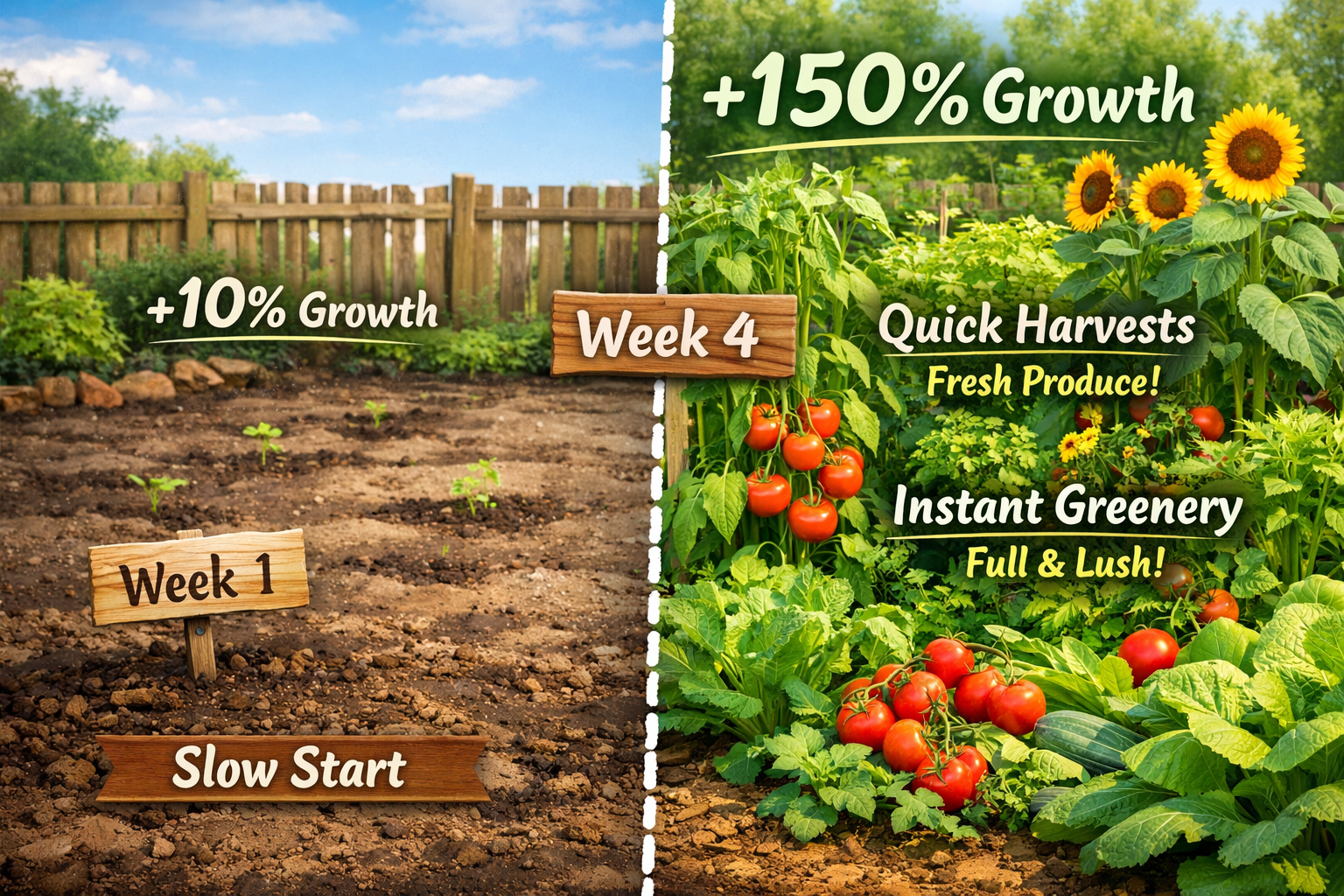
Choosing fast growing plants allows gardeners to achieve quick results, whether for aesthetic appeal, a rapid food source, or simply to fill a new garden space efficiently. These plants are ideal for impatient gardeners, those looking to cover bare spots, or anyone wanting to enjoy a harvest sooner rather than later.
Fast growing plants offer numerous benefits that appeal to a wide range of gardeners, from beginners to seasoned enthusiasts. For urban dwellers or those with limited outdoor areas, the ability to quickly establish a lush environment can be particularly satisfying. If you’re looking to enhance your small space, fast growers can rapidly create a vibrant atmosphere.
Benefits of Cultivating Speedy Growers
- Instant Gratification: Witness significant growth in a matter of weeks, which is incredibly rewarding. This quick turnaround can be highly motivating for new gardeners.
- Rapid Harvests: Many fast growing plants, especially vegetables and herbs, offer multiple harvests within a single growing season. For instance, fast growing vegetables can be ready in under a month.
- Effective Privacy Screening: Tall, fast-growing shrubs or vines can quickly create natural screens, enhancing privacy in your yard or balcony.
- Soil Improvement: Certain fast growers, like cover crops, can rapidly add organic matter and nutrients back into the soil, improving its overall health.
- Filling Gaps: They are excellent for quickly filling in empty garden beds or containers, ensuring your space looks vibrant and full.
- Pest and Weed Suppression: A dense canopy of fast-growing plants can naturally suppress weeds by shading them out and can sometimes deter certain pests by filling niches quickly.
Choosing fast growing plants is particularly beneficial for those starting a beginner vegetable gardening plan in 2026 as it provides early successes that build confidence.
What are the Top Fast Growing Vegetables and Herbs?
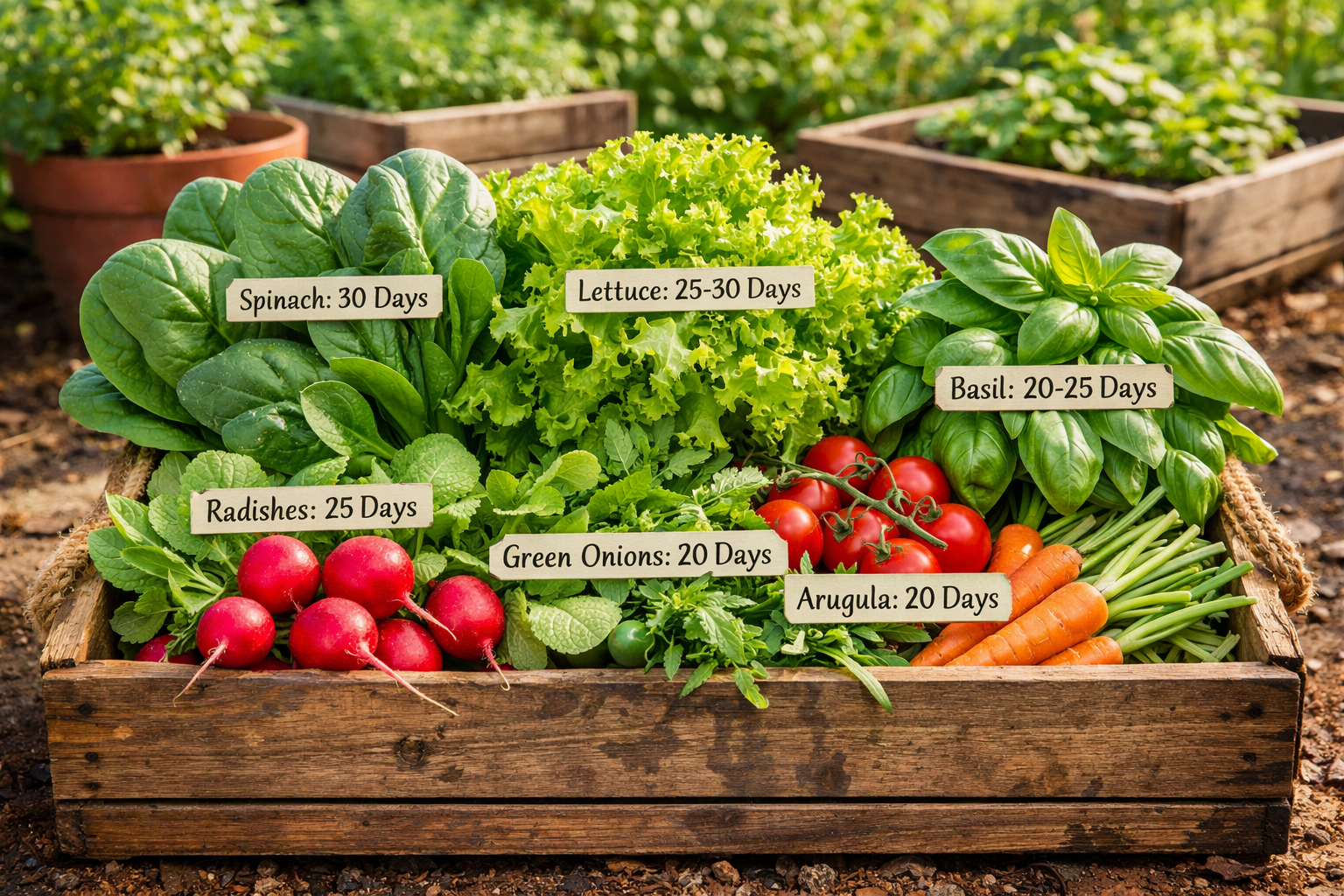
The top fast growing vegetables and herbs include leafy greens like spinach and lettuce, root vegetables such as radishes and carrots, and popular herbs like basil and cilantro, all of which can often be harvested in under 60 days. These varieties are perfect for gardeners seeking quick yields and continuous harvests throughout the growing season.
When planning your garden for 2026, selecting varieties known for their rapid development ensures you’ll enjoy fresh produce in record time. Many of these plants are also well-suited for growing in small spaces, including containers and raised beds.
List of Quick-Yielding Crops
| Plant Type | Common Varieties | Average Time to Harvest | Ideal Conditions |
|---|---|---|---|
| Leafy Greens | Spinach, Arugula, Lettuce (loose-leaf), Swiss Chard | 20-50 days | Full sun to partial shade, moist, well-draining soil. Tolerant of cooler temperatures. |
| Root Vegetables | Radishes, Baby Carrots, Turnips | 25-60 days | Full sun, loose, sandy, well-draining soil. Requires consistent moisture to prevent cracking. For radishes, ensure good soil aeration to prevent growing leaves but no bulbs. |
| Legumes | Bush Beans, Snap Peas | 45-60 days | Full sun, well-drained soil. Beans prefer warmer temperatures; peas prefer cooler. |
| Herbs | Basil, Cilantro, Dill, Mint | 30-60 days | Full sun to partial shade, well-drained soil. Many herbs, like basil, thrive indoors, making them excellent choices for growing herbs indoors. |
| Other Vegetables | Zucchini (summer squash), Cucumbers, Cherry Tomatoes | 50-70 days | Full sun, rich, well-draining soil. Requires ample water and support for vining varieties. While cherry tomatoes are relatively fast, growing tomatoes in small spaces still requires careful attention. |
Decision Rule: Choose leafy greens and radishes if you need a harvest in under a month. For slightly longer waits (45-60 days) with more substantial yields, opt for bush beans or quick-growing zucchini varieties.
Essential Care Tips for Fast Growing Plants
To ensure fast growing plants thrive and maintain their rapid development, they require consistent attention to soil quality, watering, light exposure, and nutrient supply. Neglecting these basic care principles can significantly slow down even the most vigorous growers.
Effective plant care is paramount for any garden, especially when cultivating fast growing varieties. These plants consume resources quickly, so a proactive approach to their needs is crucial for sustained growth and abundant harvests. Consider our comprehensive beginner’s guide to plant care 2026 for foundational knowledge.
Optimizing Conditions for Rapid Growth
- Soil Quality: Provide rich, well-draining soil packed with organic matter. Fast growers benefit immensely from fertile ground. For container gardening, use a high-quality potting mix. Our guide on best soil mix for vegetables offers excellent recommendations.
- Adequate Sunlight: Most fast growing plants, especially vegetables, need at least 6-8 hours of direct sunlight daily. Some leafy greens can tolerate partial shade, but optimal growth comes with ample light.
- Consistent Watering: Fast growth requires more water. Keep the soil consistently moist but not waterlogged. Check soil moisture regularly, especially during hot weather. Understanding how often to water plants is key.
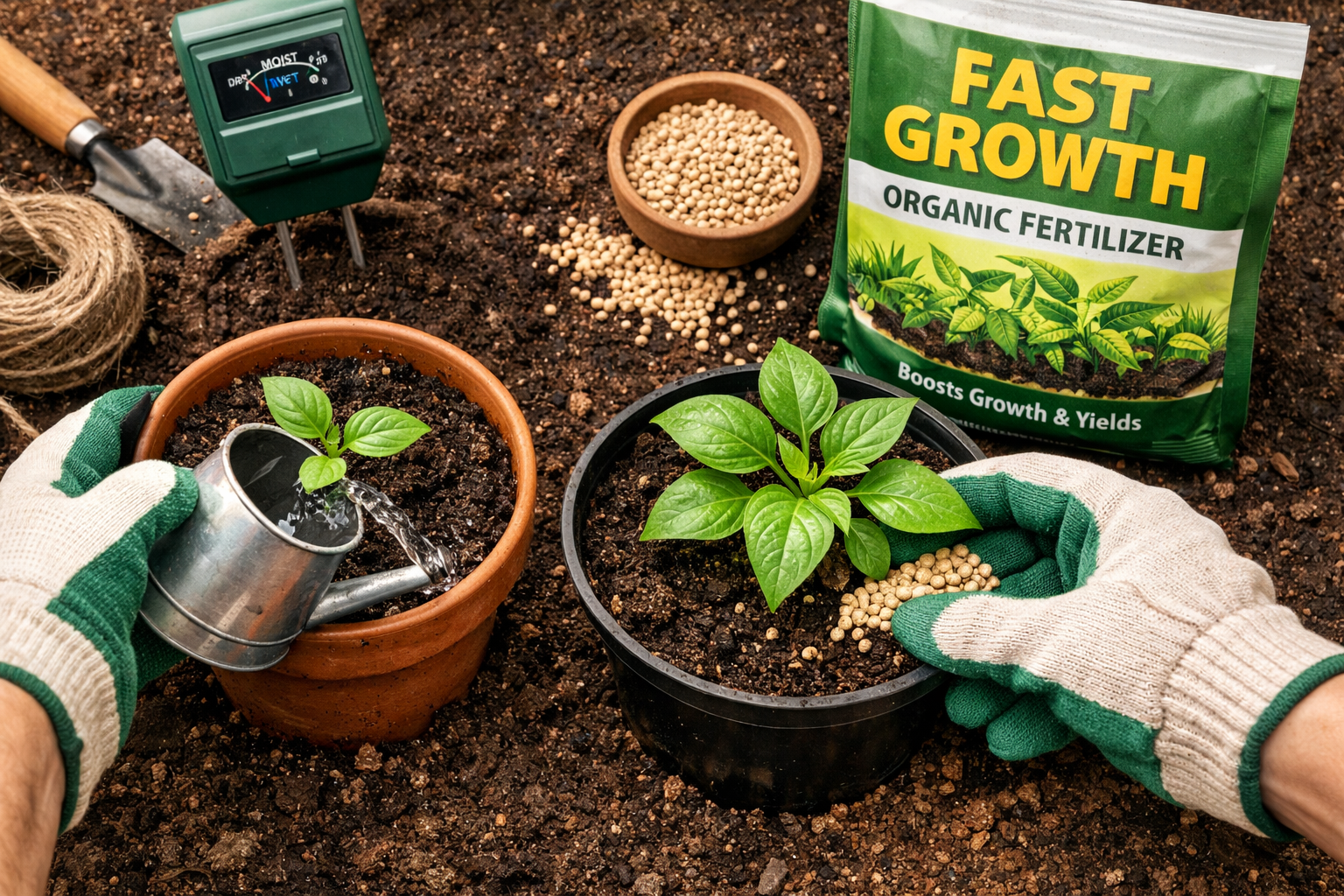
- Nutrient Supply: Rapid development depletes soil nutrients quickly. Supplement with a balanced fertilizer or compost. For the best results, consider best fertilizers for small gardens 2026.
- Pest and Disease Management: Act quickly at the first sign of pests or diseases. Fast growers can be susceptible due to their tender new growth. Integrated pest management (IPM) strategies are often effective.
- Proper Spacing: While you might be tempted to plant densely for quick coverage, ensure adequate spacing to allow for air circulation and root development. Overcrowding can lead to stunted growth and increased disease risk.
Common Mistake: A frequent error is under-fertilizing or inconsistent watering. Because these plants grow so quickly, they are heavy feeders and drinkers. If you notice vegetables growing slowly but not dying, inadequate nutrients or water are often the culprits.
Maximizing Growth: Techniques and Environment
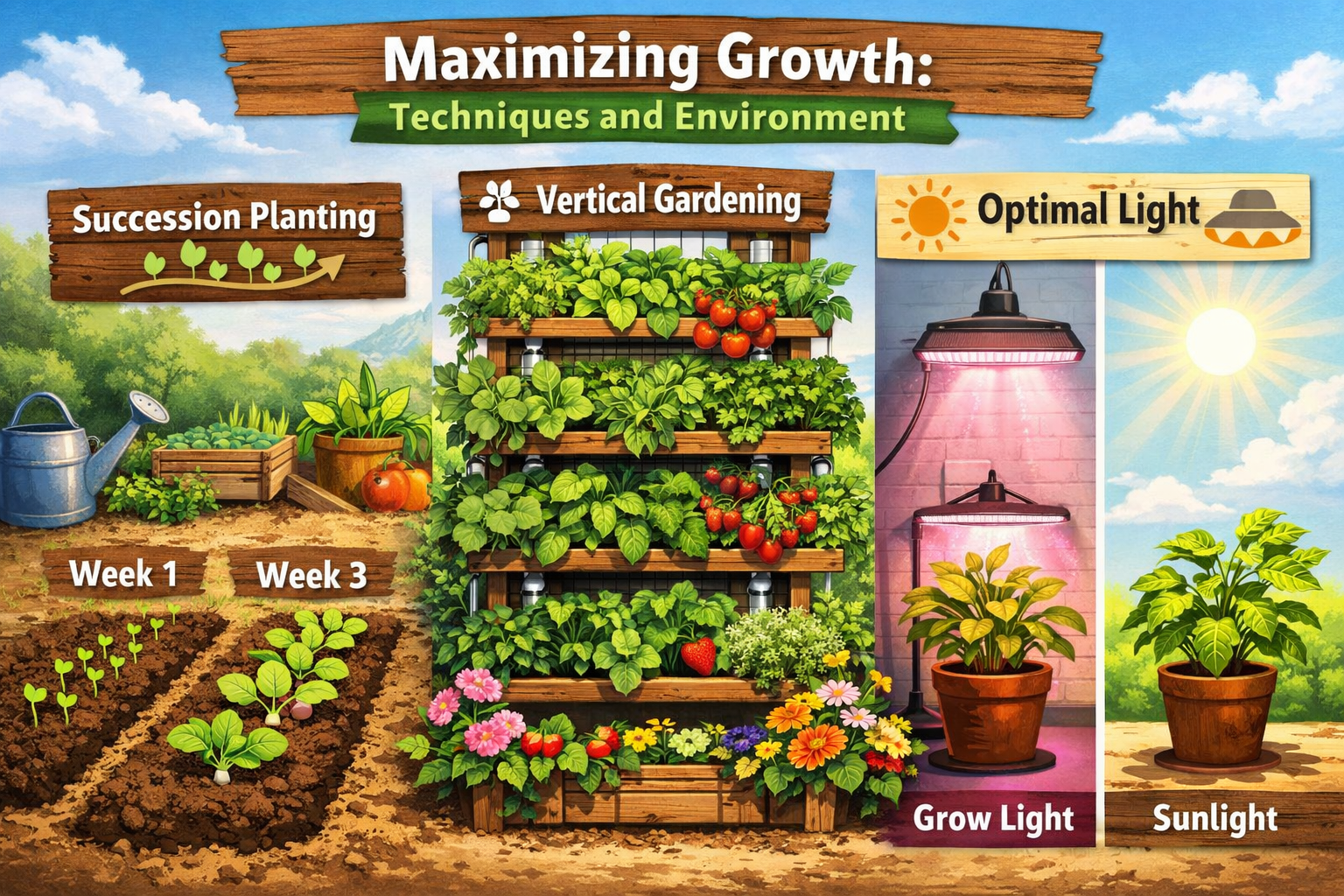
To truly maximize the growth rate and yield of fast growing plants, specific techniques like succession planting, vertical gardening, and optimizing environmental factors like light and temperature are crucial. These strategies allow gardeners to get the most out of their space and effort.
Beyond basic care, incorporating advanced gardening techniques can significantly enhance the performance of fast growing plants. These methods are particularly valuable for small space gardening or for extending your harvest season.
Advanced Strategies for Accelerated Plant Growth
- Succession Planting: This technique involves planting small batches of seeds or seedlings every 1-2 weeks instead of planting an entire crop at once. This ensures a continuous harvest rather than a single large yield. For example, planting lettuce every two weeks means you’ll always have fresh greens available. Learn more about succession planting for beginners 2026.
- Vertical Gardening: Utilizing vertical space is an excellent way to grow more fast growing plants in a limited area. Trellises, hanging planters, and stacked containers allow you to cultivate vine crops like cucumbers or even leafy greens upwards. This also improves air circulation, reducing disease risk. Explore our vertical gardening guide for small spaces.
- Optimized Lighting: Ensure your fast growers receive consistent, strong light. For indoor setups, consider using grow lights to supplement natural light, especially during shorter days. Outdoors, choose the sunniest spots.
- Warm Soil: Many fast growing plants, especially vegetables, prefer warm soil for rapid germination and growth. Black plastic mulch can warm soil in cooler climates, or planting after the last frost is naturally warmer.
- Pruning and Harvesting Techniques: For continuous harvest crops like basil or leafy greens, regular “cut and come again” harvesting encourages new growth. For vining plants, judicious pruning can direct energy into fruit production rather than excessive foliage.
- Crop Rotation: While not directly accelerating growth, rotating crops annually prevents nutrient depletion in specific areas and helps break pest and disease cycles, which can indirectly support healthier, faster growth.
- Container Selection: Choose appropriate pot sizes for your fast growing plants. While some may start small, rapid growth necessitates adequate root space to prevent stunting. Our pot size guide for vegetables 2026 can help.
Edge Case: If you are gardening in very short growing seasons, selecting extra-fast maturing varieties and employing season extenders like cold frames or row covers can significantly boost your success with fast growing plants.
Fast Growing Plants for Specific Garden Needs
Fast growing plants aren’t just for quick harvests; they also cater to specific gardening needs such as creating privacy, adding ornamental beauty, or providing ground cover. Matching the right plant to your particular goal ensures maximum effectiveness and satisfaction.
Whether you’re looking to quickly establish a new hedge, brighten up a dull corner, or prevent soil erosion, there’s a fast growing plant suited for the task. This versatility makes them invaluable tools for any gardener.
Meeting Diverse Gardening Goals with Rapid Growers
Privacy Screening and Hedges
- Bamboo (Clumping varieties): Offers extremely rapid, dense growth for instant privacy. Fargesia species are non-invasive.
- Privet (Ligustrum): A classic hedging plant that grows quickly and can be pruned into formal shapes.
- Leyland Cypress: Known for its incredibly fast growth rate (up to 3 feet per year), forming a tall, dense screen.
- Climbing Vines: Plants like ‘Silver Lace Vine’ or ‘Trumpet Vine’ can rapidly cover fences or trellises for quick privacy. These are excellent for balcony privacy with plants.
Ornamental Beauty
- Marigolds: Produce vibrant orange and yellow flowers quickly from seed, often within 8 weeks.
- Zinnias: Easy to grow and offer a continuous display of colorful blooms all summer long, attracting pollinators.
- Cosmos: Delivers delicate, daisy-like flowers on tall stems in a short period.
- Sunflowers: Known for their impressive growth height and large, cheerful blooms, often reaching maturity in 70-85 days.
Ground Cover and Erosion Control
- Sweet Alyssum: A low-growing, fragrant annual that spreads quickly, creating a carpet of tiny flowers.
- Creeping Phlox: A perennial ground cover that spreads rapidly, especially on slopes, providing a burst of spring color.
- Clover: Excellent for improving soil, suppressing weeds, and growing quickly as a green manure or lawn alternative.
Quick Shade
- Sunflower ‘Mammoth Russian’: Can grow over 10 feet tall in a single season, providing temporary shade for smaller plants or seating areas.
- Vining Vegetables on Trellises: Cucumbers or gourds grown vertically can offer surprising amounts of shade for underlying plants.
Choose X if… you need a quick visual impact for a bare patch, choose Marigolds or Zinnias. If you need a fast, dense privacy screen, opt for Leyland Cypress or clumping Bamboo. For small spaces, consider best hanging plants for balconies 2026 that grow quickly.
Conclusion
Fast growing plants offer an exciting and rewarding approach to gardening, enabling you to achieve quick transformations, bountiful harvests, and immediate visual impact in 2026. By understanding their specific needs—from rich soil and consistent watering to ample sunlight and proper fertilization—you can harness their impressive growth potential. Whether you’re aiming for a continuous supply of fresh vegetables, a vibrant floral display, or a rapid privacy screen, integrating fast growers into your garden plan is a smart and satisfying choice. Remember to select varieties suited to your climate and gardening goals, and apply techniques like succession planting and vertical gardening to maximize your success.
Actionable Next Steps:
- Identify Your Goals: Determine if you need fast harvests, privacy, or ornamental beauty.
- Research Varieties: Choose specific fast growing plants that thrive in your local climate and sun conditions.
- Prepare Your Soil: Ensure your soil is rich, well-draining, and amended with compost or organic matter.
- Plan for Succession: Implement succession planting for continuous harvests of edibles.
- Monitor and Maintain: Regularly check for water needs, nutrient deficiencies, and signs of pests, addressing issues promptly.
FAQ
What are the fastest growing plants for privacy?
The fastest growing plants for privacy often include Leyland Cypress, clumping bamboo (like Fargesia varieties), Privet, and climbing vines such as Silver Lace Vine or Trumpet Vine, which can establish dense screens quickly.
How quickly can I harvest fast growing vegetables?
Many fast growing vegetables like radishes, spinach, arugula, and loose-leaf lettuce can be ready for harvest in as little as 20-30 days from planting. Bush beans and some peas mature in about 45-60 days.
Do fast growing plants require more water?
Yes, generally fast growing plants require more water due to their rapid metabolic rates and quick production of foliage. Consistent moisture is crucial to support their accelerated development and prevent stress.
What kind of soil do fast growing plants need?
Fast growing plants thrive in rich, well-draining soil that is high in organic matter. A balanced potting mix for containers or amended garden soil with compost is ideal to provide necessary nutrients.
Can I grow fast growing plants in containers?
Absolutely. Many fast growing vegetables (like lettuce, radishes, bush beans), herbs (basil, cilantro), and ornamental flowers (marigolds, zinnias) are excellent choices for container gardening, especially in small spaces.
What are some fast growing flowers for my garden?
Marigolds, Zinnias, Cosmos, Sweet Alyssum, and Nasturtiums are all excellent choices for fast growing flowers, often blooming within 8-10 weeks from seed and providing vibrant color throughout the growing season.
How often should I fertilize fast growing plants?
Due to their rapid growth and quick nutrient consumption, fast growing plants often benefit from more frequent fertilization than slower-growing varieties. A balanced liquid fertilizer every 2-4 weeks or a slow-release granular fertilizer at planting can be effective, depending on soil richness.
Are fast growing plants more susceptible to pests?
Not necessarily, but their tender new growth can sometimes attract certain pests. However, a healthy, vigorous plant often has better resilience. Regular monitoring and prompt action against pests are always recommended.
References
- Cornell University Home Gardening. (2020). Succession Planting.
- The Old Farmer’s Almanac. (2026). Gardening Know-How: Fast-Growing Vegetables.
- University of California Agriculture and Natural Resources. (2019). Container Gardening Basics.