Best herbs to grow together in one pot — companion herb planting
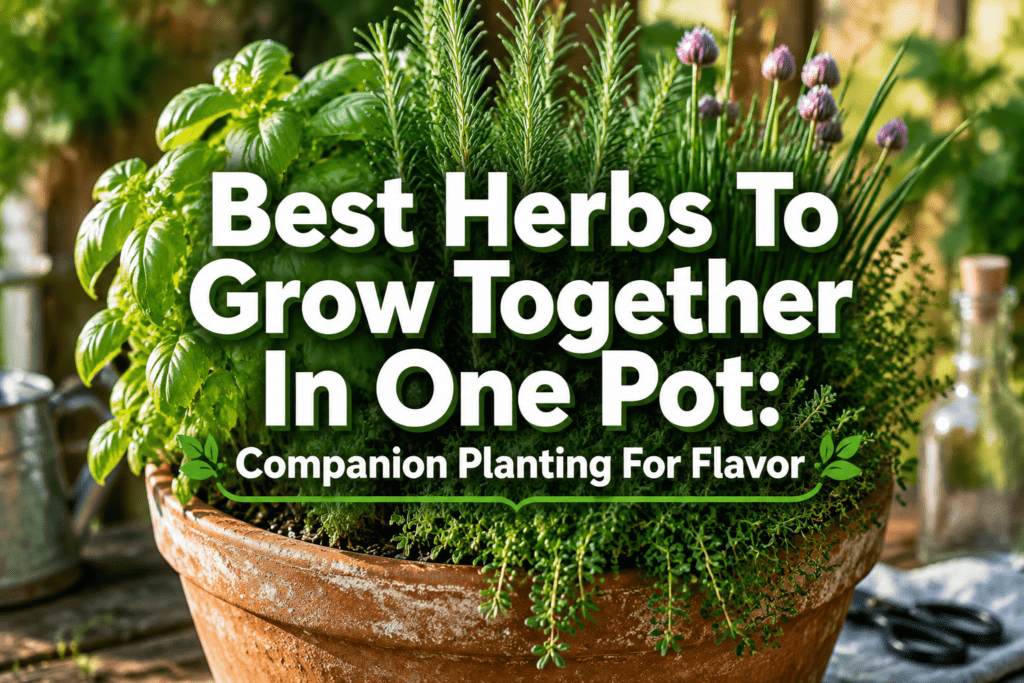
Successfully growing multiple herbs in a single pot often comes down to matching plants with similar needs for sunlight, water, and soil, creating a miniature ecosystem where they can thrive. The “Best herbs to grow together in one pot — companion herb planting” strategy focuses on pairing compatible species like rosemary, thyme, and oregano, which prefer drier conditions, or basil and parsley, which appreciate more moisture, to maximize growth and flavor. This approach not only saves space but can also enhance the vitality of your herb garden.
Key Takeaways
- Match Growth Habits: Group herbs with similar requirements for sunlight, water, and soil pH.
- Consider Root Systems: Pair shallow-rooted herbs with deeper-rooted ones to minimize competition.
- Avoid Aggressive Growers: Mint and lemon balm are best grown alone due to their spreading nature.
- Utilize Companion Benefits: Some herbs can deter pests or enhance the growth of neighbors.
- Ensure Adequate Space: Use larger pots for mixed plantings to provide enough room for roots.
- Monitor Watering: Water according to the needs of the thirstiest plant, but avoid overwatering drier-loving herbs.
- Provide Proper Drainage: Essential for all container herbs, preventing root rot.
- Fertilize Sparingly: Herbs generally prefer less fertilizer; over-fertilizing can reduce flavor.
- Prune Regularly: Encourage bushier growth and prevent any single herb from dominating.
- Start with Beginners: Easy-to-grow herbs like basil, parsley, and chives are good starting points.
What Herbs Grow Well Together in a Container Garden?
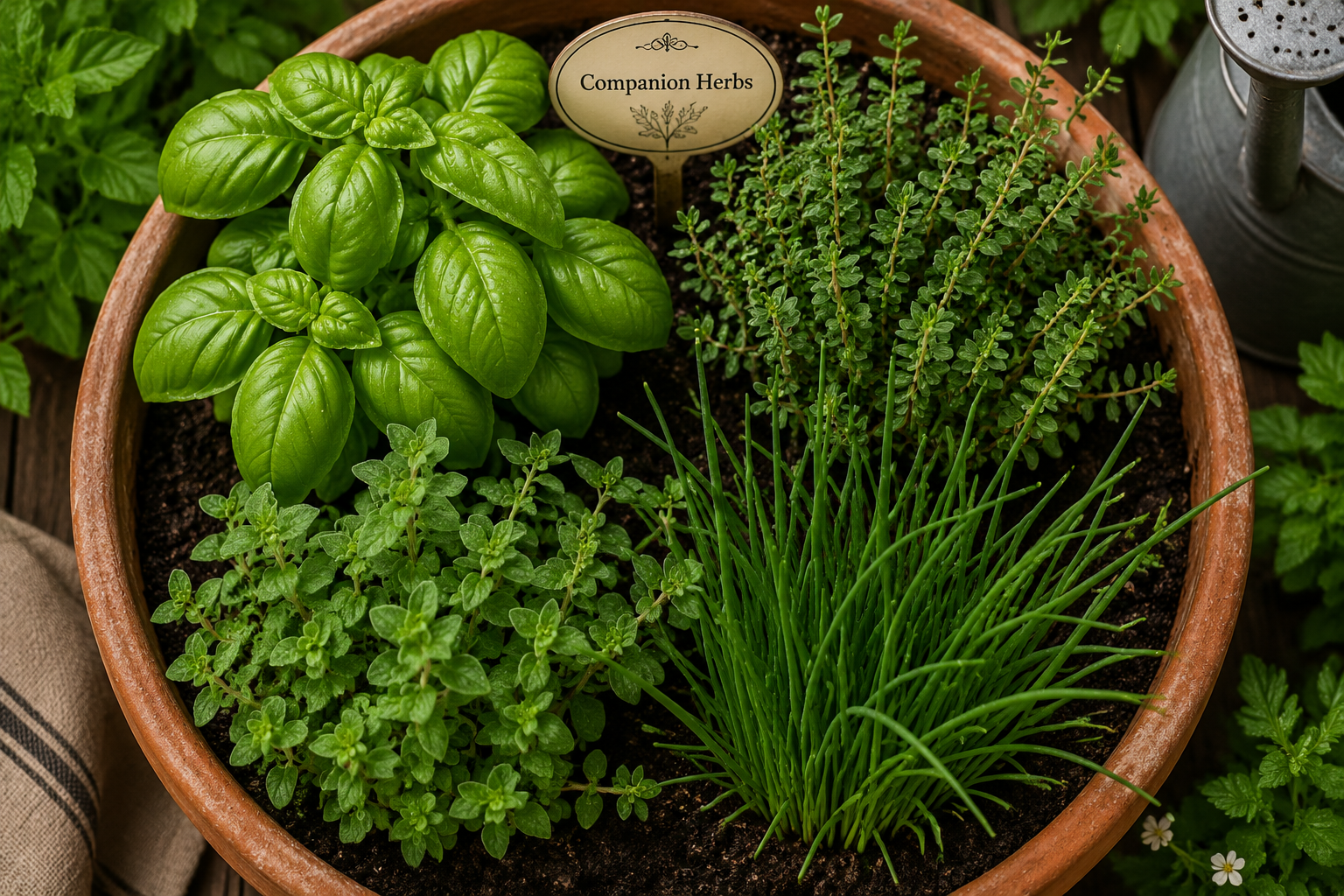
Herbs that share similar needs for light, water, and soil pH generally grow well together in a container garden. Ideal pairings often include Mediterranean herbs like rosemary, thyme, oregano, and sage, which all prefer full sun and well-draining, slightly drier soil.
For successful “Best herbs to grow together in one pot — companion herb planting,” consider the specific environmental demands of each herb. For example, a “Mediterranean mix” is a classic choice:
- Rosemary: Prefers full sun and dry conditions once established. Its woody stems are distinctive.
- Thyme: Also loves full sun and well-drained, somewhat sandy soil. It’s a low grower that can cascade over the pot’s edge.
- Oregano: Thrives in similar conditions to thyme and rosemary—full sun and drier soil.
- Sage: Another Mediterranean native, sage enjoys plenty of sun and doesn’t like soggy roots.
These herbs are excellent choices for a single pot because their care requirements align perfectly. For a different set of conditions, like a spot with more moisture or partial shade, herbs such as parsley and cilantro might be grouped, though cilantro tends to bolt in hot weather more quickly than parsley. When combining herbs, always verify their specific needs to ensure a harmonious environment. For guidance on suitable varieties for compact spaces, refer to our article on Best Herbs For Small Gardens 2026: Grow Fresh Flavor Easily.
Which Herbs Should I Avoid Planting Next to Each Other?
When considering the “Best herbs to grow together in one pot — companion herb planting,” it’s crucial to avoid pairing herbs with vastly different environmental needs or aggressive growth habits that can quickly overtake their neighbors. The most common herbs to keep separate are mint and lemon balm due to their vigorous, spreading root systems, and those with contrasting water or sun requirements.
Here are specific herbs and why they should generally be grown alone or with very careful separation:
- Mint: Mint varieties (peppermint, spearmint, chocolate mint) are notorious for their aggressive, sprawling root systems. They will quickly outcompete and choke out other herbs in a shared pot, even if they have similar water needs. It’s best to plant mint in its own container to manage its spread.
- Lemon Balm: Similar to mint, lemon balm is a vigorous grower that can quickly dominate a pot, especially when young. Its robust root system can starve other, more delicate herbs of nutrients and space.
- Fennel: While a beautiful herb, common fennel (not Florence fennel) can inhibit the growth of many other plants, including cilantro and dill, due to allelopathic compounds it releases.
- Chamomile: Some gardeners report that chamomile can stunt the growth of other herbs when planted in close proximity, though evidence is anecdotal. It’s often safer to give it its own space.
- Differing Water Needs: Avoid planting a drought-tolerant herb (like rosemary or lavender) with a moisture-loving herb (like basil or parsley). One will inevitably suffer from over or underwatering if they share a pot. For instance, putting basil (which likes consistent moisture) with rosemary (which prefers dry soil) is a recipe for disaster.
To mitigate issues when combining herbs, choose a very large container if you must pair a fast-growing herb with a slower one, and consider using root barriers or separate inner pots to contain aggressive species.
How Much Sunlight Do Companion Herbs Need?
Most companion herbs, especially those commonly grouped for “Best herbs to grow together in one pot — companion herb planting,” require at least 6-8 hours of direct sunlight per day to thrive. This is particularly true for Mediterranean herbs, which are known for their sun-loving nature.
However, specific light requirements vary among herbs:
- Full Sun Herbs (6+ hours): This category includes the majority of popular culinary herbs such as rosemary, thyme, oregano, sage, basil, lavender, and chives. These herbs will develop the strongest flavor and most robust growth under ample sunlight. If growing indoors, consider using Best Grow Lights For Indoor Plants In Small Spaces 2026 to supplement natural light.
- Partial Sun/Shade Herbs (4-6 hours): Some herbs, like parsley, cilantro, mint, and lemon balm, can tolerate or even prefer a bit of afternoon shade, especially in hotter climates, to prevent bolting or scorching. While they still need a good amount of light, intense midday sun can be too much.
- Shade Tolerant Herbs (2-4 hours): Very few culinary herbs truly thrive in deep shade, but some, like mint (which is also aggressive), can survive with less sun, though their growth may be less vigorous and flavor less intense.
When planning your mixed herb pot, group herbs with similar light needs. Placing sun-lovers with shade-tolerators in the same pot will lead to either the sun-lover stretching for light or the shade-tolerator scorching. Always position your pot where it receives the appropriate amount of sun for the majority of its inhabitants.
Can I Grow Basil and Mint in the Same Pot?
No, you should generally not grow basil and mint in the same pot due to their significantly different growth habits and needs, even if they both appreciate consistent moisture. While basil is an annual that prefers full sun and well-drained, consistently moist soil, mint is a highly aggressive perennial with rampant underground runners that will quickly outcompete and choke out basil.
Here’s why this pairing is problematic:
- Aggressive Growth: Mint’s root system spreads rapidly and will quickly take over any shared container, starving the basil of nutrients, water, and space. Even if they start small, mint’s vigorous nature makes it an unsuitable companion in a shared pot.
- Moisture Needs: While both prefer consistent moisture, basil benefits from a slightly drier topsoil before re-watering, whereas mint can tolerate wetter conditions. Balancing this in a single pot is difficult.
- Nutrient Competition: Mint is a heavy feeder compared to basil, and its aggressive growth means it will absorb available nutrients at a faster rate, leaving little for the basil.
For the “Best herbs to grow together in one pot — companion herb planting,” it’s always recommended to grow mint in its own separate container to control its spread. This allows both your basil and mint to thrive independently according to their specific requirements. For more tips on container gardening, check out our Container Gardening For Beginners: Step-by-Step Guide 2026 article.
What Are the Benefits of Companion Herb Gardening?
Companion herb planting, a specific application of the broader practice of companion planting, offers several benefits including maximizing space, deterring pests, attracting beneficial insects, and potentially enhancing the growth and flavor of neighboring plants. When you strategically group the “Best herbs to grow together in one pot — companion herb planting,” you create a more resilient and productive micro-environment.
Key advantages include:
- Space Optimization: For gardeners with limited space, combining compatible herbs in one pot is an efficient way to grow a variety of fresh ingredients. This is especially true for small balconies or windowsills.
- Pest Deterrence: Many herbs release aromatic compounds that can naturally repel common garden pests. For example:
- Rosemary: Deters carrot rust fly and cabbage moths.
- Thyme: Repels cabbage worms.
- Basil: Can deter flies and mosquitoes, and is thought to protect tomatoes from hornworms when planted nearby.
- Chives: Repel aphids and carrot rust fly.
- Attracting Beneficial Insects: Certain herbs, particularly those that flower, can attract pollinators like bees and beneficial predators that feed on pests. Dill and cilantro (if allowed to flower) are examples.
- Improved Growth and Flavor: While scientific evidence for direct flavor enhancement is still emerging, many gardeners observe healthier growth in certain companion pairings. This could be due to improved soil health, reduced pest pressure, or nutrient cycling.
- Weed Suppression: Densely planted herbs can help suppress weeds by shading the soil and competing for resources, though in a pot, weeds are less of a concern than in a garden bed.
- Aesthetic Appeal: A well-arranged mixed herb pot can be a beautiful and fragrant addition to any patio, kitchen, or garden space.
These benefits highlight why thoughtful companion herb planting is a smart strategy for any gardener looking to grow fresh herbs efficiently. To understand the scientific basis of this practice, read more in Does Companion Planting Work Scientifically? The 2026 Guide.

How Do I Prevent Herbs from Competing for Nutrients?
To prevent herbs from competing for nutrients when practicing “Best herbs to grow together in one pot — companion herb planting,” it’s essential to use an appropriately sized pot, provide rich, well-draining soil, and fertilize judiciously. Adequate spacing between plants also ensures each herb has sufficient access to resources.
Here are practical steps to minimize nutrient competition:
- Choose a Larger Pot: The larger the pot, the more soil volume available, which translates to more nutrients and space for roots. For a mixed herb pot, opt for a container at least 12-18 inches in diameter and depth. This is a common tip for Pot Size Guide For Vegetables 2026: Optimal Growth & Harvest as well.
- Use Quality Potting Mix: Start with a high-quality potting mix specifically formulated for containers. This provides a good base of nutrients and ensures proper drainage. Avoid using heavy garden soil, which can compact and restrict root growth.
- Amend with Compost: Incorporate some well-rotted compost into your potting mix. Compost slowly releases nutrients, providing a steady food source for your herbs without the risk of over-fertilization.
- Strategic Planting:
- Match Growth Habits: As discussed, grouping herbs with similar needs is paramount.
- Consider Root Depth: Plant deeper-rooted herbs (like rosemary) with more shallow-rooted ones (like thyme) to utilize different layers of the soil profile, reducing direct competition for the same soil volume.
- Space Plants Adequately: Even in a mixed pot, ensure there’s enough room for each plant to grow without immediately crowding its neighbor. Refer to general spacing guidelines for individual herb plants.
- Regular, Light Fertilization: Herbs generally prefer less fertilizer than vegetables. Over-fertilizing can lead to lush green growth but diminished flavor. Use a balanced, diluted liquid fertilizer every 4-6 weeks during the growing season, or a slow-release granular fertilizer at the beginning of the season. Always follow product instructions.
- Pruning: Regular harvesting and pruning of your herbs not only provides fresh ingredients but also encourages bushier growth and prevents any one plant from becoming too dominant and hogging resources. Remove any yellowing or dead leaves promptly.
- Monitor Water: Consistent watering helps nutrient uptake. While overwatering can lead to nutrient leaching, underwatering prevents roots from absorbing what they need.
By following these strategies, you can create a balanced environment where multiple herbs can flourish without intense competition for vital nutrients.
What Are the Best Herb Combinations for Cooking?
The best herb combinations for cooking, when considering “Best herbs to grow together in one pot — companion herb planting,” are those that not only share similar growing needs but also complement each other culinarily. Pairing herbs with compatible flavors allows you to snip fresh ingredients for specific dishes right from a single pot.
Here are some top culinary herb combinations that grow well together:
- Mediterranean Medley:
- Herbs: Rosemary, Thyme, Oregano, Sage.
- Growing Needs: All prefer full sun, well-drained, slightly dry soil, and tolerate similar watering schedules.
- Culinary Uses: Excellent for roasting meats (chicken, lamb, pork), adding flavor to potatoes, stews, and savory breads. This combination is a staple in Italian, Greek, and French cuisine.
- Italian Essentials:
- Herbs: Basil, Parsley (flat-leaf), Chives.
- Growing Needs: Basil and parsley both like consistent moisture and full sun (basil can appreciate afternoon shade in hot climates). Chives are adaptable and grow well with these.
- Culinary Uses: Perfect for pasta sauces, pesto, salads, and fresh garnishes. The bright, fresh flavors are quintessential in Italian cooking.
- Poultry & Root Vegetable Blend:
- Herbs: Thyme, Sage, Marjoram.
- Growing Needs: Similar to the Mediterranean mix—full sun, good drainage, moderate water.
- Culinary Uses: Classic combination for poultry stuffings, roasted vegetables, and hearty soups. Marjoram offers a sweeter, milder flavor than oregano.
- Aromatic Garden:
- Herbs: Lemon Thyme, Rosemary, Lavender.
- Growing Needs: All require full sun and excellent drainage, preferring drier soil.
- Culinary Uses: While less common for everyday cooking, these impart beautiful aromas to baked goods, infused oils, and certain desserts. Lemon thyme is particularly versatile in fish or chicken dishes.
When selecting herbs, consider what dishes you prepare most often. Having these culinary combinations readily available in a single pot enhances both your gardening and cooking experience.

How Much Space Do I Need Between Different Herb Plants?
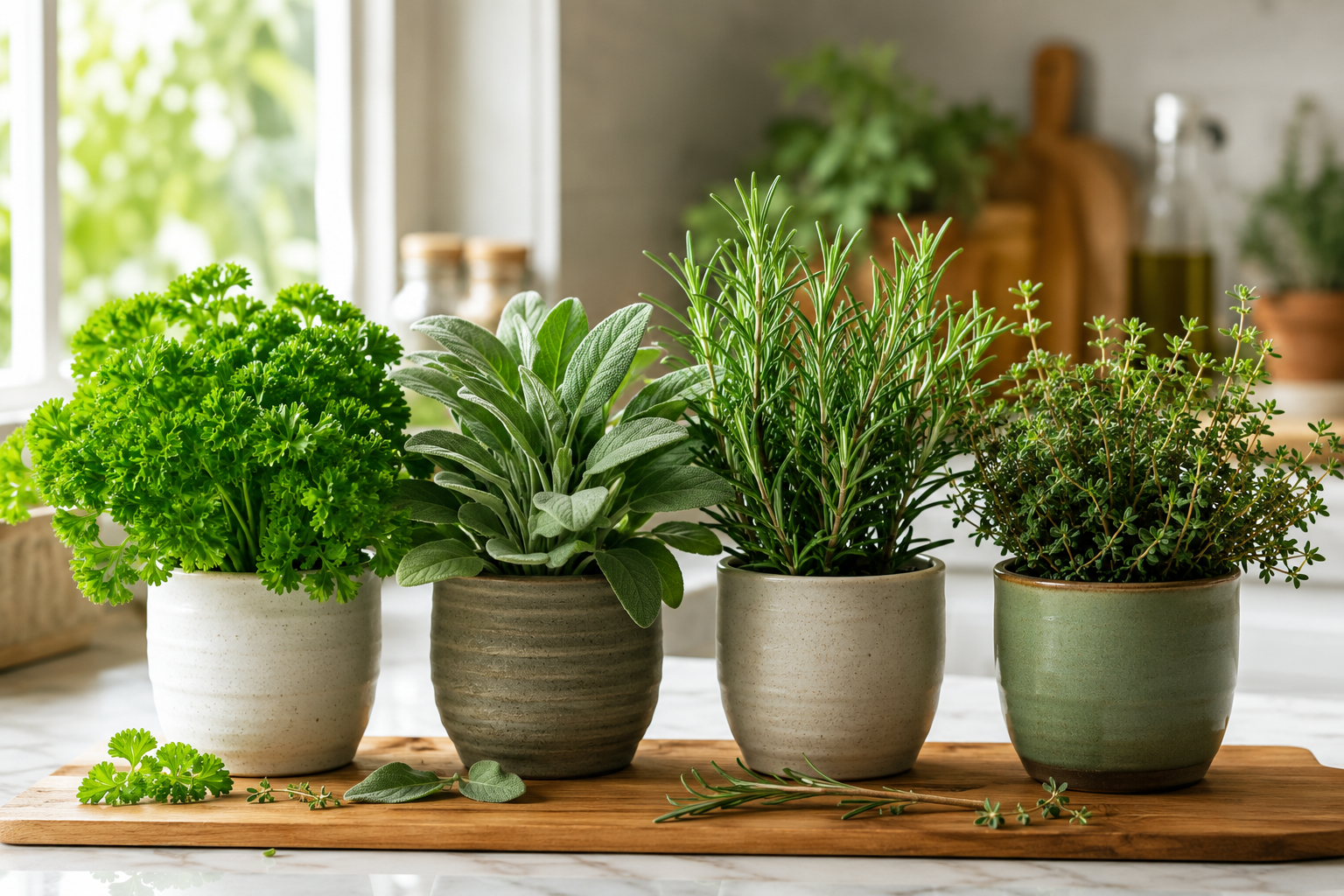
The amount of space you need between different herb plants in a shared pot depends largely on their mature size and growth habits, but generally, aim for at least 4-6 inches between the bases of individual plants for optimal “Best herbs to grow together in one pot — companion herb planting.” This allows for adequate air circulation, root development, and access to light and nutrients without immediate overcrowding.
Consider these factors for spacing:
- Mature Size: Visualize how large each herb will become. A tiny seedling of rosemary will eventually grow into a substantial shrub. Plant smaller, less vigorous herbs closer together, and give larger ones more room.
- Growth Habit:
- Upright Growers: Herbs like rosemary and sage grow vertically. They need space around their base to expand.
- Bushy Growers: Basil and parsley become bushy. Ensure enough room for their leaves to spread without shading out neighbors excessively.
- Sprawling/Cascading: Thyme and oregano can spread horizontally or trail over the pot’s edge. Plant them near the edge of the pot.
- Root Systems: Give more space to herbs with extensive root systems to prevent root entanglement and nutrient competition.
- Pot Size: The overall size of your container dictates how many herbs you can comfortably plant. A 12-inch diameter pot might accommodate 3-4 small-to-medium sized herbs, while a 18-inch pot could hold 5-7. Using larger containers, as explored in Best Plants For Small Spaces: 15 Top Picks For 2026, helps tremendously.
- Pruning: Regular harvesting and pruning can help manage growth and maintain spacing. If a plant starts to dominate, trim it back aggressively.
For instance, you might plant a central rosemary plant, then surround it with 2-3 thyme plants and an oregano plant, ensuring each has about 6 inches from the rosemary and 4-5 inches from each other. Adjust as plants grow, always prioritizing good air circulation to prevent fungal diseases.
Are There Herbs That Help Each Other Grow Better?
Yes, there are herbs that are thought to help each other grow better through various companion planting mechanisms, enhancing overall health and vigor. While scientific evidence can be varied, anecdotal and traditional gardening knowledge suggests certain pairings contribute positively to “Best herbs to grow together in one pot — companion herb planting.”
Here’s how some herbs mutually benefit each other:
- Pest Repellence: Many aromatic herbs release volatile compounds that confuse or repel common pests, thereby protecting their neighbors. For example:
- Rosemary is often planted near carrots to deter the carrot rust fly.
- Thyme can help deter cabbage worms and slugs.
- Chives are known to deter aphids from nearby plants.
- Basil is a classic companion for tomatoes, believed to repel tomato hornworms and flies, and some gardeners even claim it improves tomato flavor.
- Beneficial Insect Attraction: Flowering herbs can attract pollinators and predatory insects that feed on pests, indirectly benefiting nearby plants. Dill and cilantro, if allowed to flower, are good examples.
- Improved Growth (Synergy): Though specific mechanisms are not always fully understood, some pairings seem to result in more robust growth. For instance, parsley is sometimes said to benefit from being planted near chives.
- Soil Improvement: Deep-rooted herbs can help break up compacted soil, making it easier for shallow-rooted neighbors to access water and nutrients. While less impactful in a pot than in a garden bed, it still contributes to soil health.
These synergistic relationships underscore the value of thoughtful herb combinations, transforming a simple pot into a thriving miniature ecosystem.
What Common Mistakes Do Beginners Make with Herb Planting?
Beginners often make several common mistakes when attempting “Best herbs to grow together in one pot — companion herb planting,” which can lead to stunted growth or plant death. These include improper pot selection, mismatched watering needs, incorrect sun exposure, and insufficient drainage.
Here are the most frequent beginner errors:
- Using Too Small a Pot: Many beginners underestimate how much space herbs need to grow. A small pot restricts root development, quickly depleting nutrients and drying out too fast. For mixed herbs, a larger pot (at least 12-18 inches in diameter) is crucial. Learn about appropriate sizes in our Pot Size Guide For Vegetables 2026: Optimal Growth & Harvest.
- Lack of Drainage: Planting in a pot without drainage holes leads to waterlogged soil and root rot, which is fatal for almost all herbs. Always ensure your container has adequate drainage.
- Mismatched Water Needs: Grouping drought-loving herbs (rosemary, lavender) with moisture-loving ones (basil, parsley) is a common error. One plant will inevitably suffer from either over or under-watering.
- Ignoring Aggressive Growers: Planting highly vigorous herbs like mint or lemon balm directly with other, more delicate herbs results in the aggressive plant quickly taking over. These should almost always be grown separately.
- Insufficient Sunlight: Most culinary herbs require at least 6-8 hours of direct sun per day. Placing them in too much shade leads to leggy, weak growth and diminished flavor.
- Over-fertilizing: While some nutrients are needed, herbs generally prefer lean soil. Too much fertilizer can reduce the intensity of their essential oils, impacting flavor, and can also burn roots.
- Improper Soil: Using heavy garden soil instead of a light, well-draining potting mix. Garden soil compacts in pots, stifling roots and preventing good drainage. See Best Soil Mix For Container Gardening (Complete Guide) for better options.
- Infrequent or Inconsistent Harvesting: Regular harvesting encourages bushier growth and prevents herbs from “bolting” (going to seed), which can reduce leaf production and flavor.
- Overwatering: More herbs die from overwatering than underwatering. Consistently soggy soil leads to root rot. Allow the top inch or two of soil to dry out before watering again.
Avoiding these common pitfalls will significantly increase a beginner’s success with companion herb planting.
How Do I Care for Mixed Herb Containers?
Caring for mixed herb containers, particularly those optimized for “Best herbs to grow together in one pot — companion herb planting,” involves consistent attention to watering, light, pruning, and occasional feeding to ensure all plants thrive harmoniously. The key is to address the collective needs of the compatible herbs you’ve grouped.
Here’s a guide to effective care:
- Watering:
- Monitor Soil Moisture: Stick your finger about an inch or two into the soil. If it feels dry, it’s time to water. Water thoroughly until water drains from the bottom of the pot.
- Prioritize Thirstiest Plant: When grouping herbs, identify the one that needs water most frequently and try to meet its needs without overwatering the others. For Mediterranean mixes, allow the soil to dry out a bit more between waterings.
- Drainage is Crucial: Ensure your pot always has drainage holes to prevent root rot.
- Sunlight:
- Optimal Placement: Position your pot where it receives the appropriate amount of sunlight for the majority of its inhabitants (usually 6-8 hours of direct sun for most culinary herbs). Rotate the pot periodically to ensure all sides receive adequate light.
- Pruning and Harvesting:
- Regular Trimming: Harvest herbs frequently. This promotes bushier growth, prevents leggy stems, and encourages new foliage. Pinch back flower buds as they appear to redirect energy into leaf production.
- Shape Maintenance: If one herb starts to outgrow or shade its neighbors, prune it back proactively to maintain balance within the pot.
- Feeding:
- Light Hand: Herbs generally prefer leaner soil and too much fertilizer can diminish their flavor.
- Balanced Liquid Feed: If your herbs appear to be struggling (yellowing leaves, slow growth), apply a diluted, balanced liquid fertilizer (half strength) every 4-6 weeks during the active growing season (spring and summer). Avoid feeding in fall and winter when growth slows.
- Pest and Disease Management:
- Inspect Regularly: Check your herbs for signs of pests (aphids, spider mites) or diseases (powdery mildew).
- Natural Solutions: Address issues promptly with organic pest control methods like neem oil or insecticidal soap. Good air circulation through proper spacing and pruning helps prevent fungal issues.
- Repotting/Refreshment: Every 1-2 years, consider refreshing the soil or repotting your herbs into a slightly larger container. This replenishes nutrients and prevents root-bound conditions. For ongoing care advice, consult our Indoor Plant Care Guide 2026: Grow Thriving Houseplants.
By maintaining a consistent care routine tailored to your specific herb combination, your mixed container garden can thrive and provide fresh flavors for an extended period.
Which Herbs Are Good for Beginner Gardeners?
For beginner gardeners looking to try “Best herbs to grow together in one pot — companion herb planting,” selecting hardy, forgiving herbs with straightforward needs is crucial for early success. Many popular culinary herbs are also excellent choices for those new to gardening.
Here are some of the best herbs for beginners:
- Basil: Fast-growing, produces abundant leaves, and is very responsive to pruning. It loves sun and consistent moisture.
- Parsley (Flat-leaf or Curly): Relatively easy to grow, prefers consistent moisture, and tolerates partial shade. It’s a culinary staple.
- Chives: Extremely hardy and tolerant of various conditions. They’re perennials that will come back year after year and are easy to divide.
- Thyme: Very drought-tolerant once established, loves full sun, and doesn’t demand much. It’s resilient and beautiful.
- Oregano: Similar to thyme in its resilience and preferences for sun and drier soil. It spreads easily but is manageable in a pot.
- Rosemary: While it can get large, young rosemary plants are relatively easy to care for, requiring full sun and well-drained soil. It’s more forgiving of underwatering than overwatering.
- Cilantro: A popular herb, though it can “bolt” (go to seed) quickly in hot weather. It’s a good choice for beginners if planted in cooler months or given some afternoon shade.
These herbs are generally robust, have clear care requirements, and provide satisfying yields, making them ideal starting points for anyone venturing into growing their own fresh ingredients.
What Soil Mix Works Best for Multiple Herbs?
For the “Best herbs to grow together in one pot — companion herb planting,” a high-quality, well-draining potting mix is essential, as it provides the right balance of aeration, moisture retention, and nutrients that container-grown herbs need. This differs significantly from garden soil, which can become compacted in a pot.
Here’s a breakdown of an ideal soil mix for multiple herbs:
- Base: Start with a premium all-purpose potting mix (not garden soil). These mixes are typically peat-based or coir-based, light, and designed for container growth.
- Drainage Enhancement: Herbs, especially Mediterranean varieties, hate soggy feet. Amend your potting mix with perlite or vermiculite (about 1 part perlite/vermiculite to 3-4 parts potting mix) to improve drainage and aeration. Perlite is particularly good for creating air pockets, while vermiculite also helps retain some moisture and nutrients.
- Nutrient Boost (Optional but Recommended): Incorporate a small amount of well-rotted compost (e.g., 1 part compost to 5-6 parts potting mix). Compost provides a slow-release source of organic nutrients and beneficial microbes without being overwhelming for herbs, which prefer leaner conditions.
- pH Considerations: Most herbs prefer a slightly acidic to neutral pH (6.0-7.0). Standard potting mixes usually fall within this range. If you have specific herbs with distinct pH preferences, you might need to adjust, but for general mixed herb pots, a good quality all-purpose mix is sufficient.
Avoid:
- Garden Soil: It’s too heavy and compacts easily in pots, leading to poor drainage and aeration.
- Potting Soil (generic term): Ensure it’s specifically “potting mix” or “container mix” which is lighter.
- Excessive Fertilizer: Initial potting mixes often contain some slow-release fertilizer, so additional feeding right after planting is usually unnecessary and can harm young herbs or diminish their flavor.
By using a light, airy, and well-draining soil mix, you create an optimal environment for the roots of your companion herbs to thrive in one pot. This aligns with advice in our article on Best Soil Mix For Container Gardening (Complete Guide).
Conclusion
Mastering the art of “Best herbs to grow together in one pot — companion herb planting” allows gardeners of all levels to cultivate a vibrant, productive, and space-efficient herb garden. The fundamental principle lies in thoughtfully pairing herbs with compatible needs for sunlight, water, and soil, while avoiding aggressive growers or those with conflicting requirements. By selecting the right companions, providing adequate space, and maintaining consistent care, you can create a thriving miniature ecosystem that continuously supplies fresh, flavorful ingredients for your kitchen.
To ensure success in 2026 and beyond, remember to always prioritize drainage, use a quality potting mix, and prune regularly. Experiment with different culinary combinations to discover which pairings best suit your cooking style and growing conditions. With these strategies, your single herb pot can become a dynamic source of aromatic beauty and culinary delight.
Related Reading
- Best Herbs For Small Gardens 2026: Grow Fresh Flavor Easily
- Indoor Herb Garden Setup: Grow Fresh Herbs Year-Round In 20
- Does Companion Planting Work Scientifically? The 2026 Guide
- Companion Planting Guide 2026: Boost Your Garden Naturally
- Container Gardening For Beginners: Step-by-Step Guide 2026
FAQ
Can I grow different types of basil in the same pot?
Yes, different varieties of basil (e.g., sweet basil, lemon basil, purple basil) can generally be grown together in the same pot, as they share similar light, water, and soil requirements.
How often should I water a mixed herb pot?
Water a mixed herb pot when the top 1-2 inches of soil feel dry to the touch, adjusting frequency based on the thirstiest herb and environmental factors like heat and humidity. Always ensure the pot has drainage holes.
Is it okay to plant annual and perennial herbs together?
Yes, you can plant annuals (like basil, cilantro) and perennials (like rosemary, thyme) together, but be mindful that annuals will need to be replaced each year, which might disturb the perennial roots. Consider planting them in sections or rotating annuals more easily.
What are some good beginner-friendly herb combinations for one pot?
Good beginner combinations include: Rosemary, Thyme, and Oregano (Mediterranean mix); or Basil, Parsley, and Chives (Italian mix). These have similar care needs and are relatively forgiving.
How big should a pot be for growing multiple herbs?
For growing multiple herbs, a pot should ideally be at least 12-18 inches in diameter and depth to provide adequate space for root growth and nutrient availability.
Do companion herbs require special fertilizer?
No, companion herbs generally do not require special fertilizer. Most prefer lean soil; a diluted, balanced liquid fertilizer applied sparingly every 4-6 weeks during the growing season is usually sufficient if needed.
Can I grow herbs that attract pollinators with herbs that repel pests?
Yes, you can. Herbs that attract pollinators (like dill or lavender) and herbs that repel pests (like rosemary or basil) can coexist. The beneficial insects attracted can help with pollination and natural pest control for all plants.
What are signs that my herbs are competing for resources?
Signs of competition include stunted growth, yellowing or discolored leaves, wilting despite adequate watering, or one herb significantly outgrowing and overshadowing others.
Is it possible to grow herbs indoors in a mixed pot?
Yes, it is entirely possible to grow herbs indoors in a mixed pot, provided they receive sufficient light (natural or supplemental via grow lights), consistent temperature, and appropriate watering.
How can I make a mixed herb pot aesthetically pleasing?
To make a mixed herb pot aesthetically pleasing, consider plant heights (tall in the center, trailing at the edges), leaf textures, and colors. Grouping herbs that are culinarily compatible also adds to the charm.
What about herbs with different root depths?
Pairing herbs with different root depths can actually be beneficial, as they utilize different levels of the soil for nutrients and water, reducing direct competition. For example, a deeper-rooted rosemary with shallow-rooted thyme.
Should I prune flowers from my herb plants in a mixed pot?
Generally, yes. Pruning flowers from culinary herbs (like basil, oregano) redirects the plant’s energy into producing more flavorful leaves, rather than seeds. Some flowering herbs (like lavender) are grown for their blooms, but for most culinary use, remove flowers.
Can I put a root barrier for aggressive herbs in a mixed pot?
Yes, if you absolutely want to include an aggressive herb like mint in a mixed pot, planting it in a separate, smaller container or using a root barrier (e.g., a bottomless plastic pot) buried within the larger pot can help contain its spread.