Best Herbs for Small Gardens
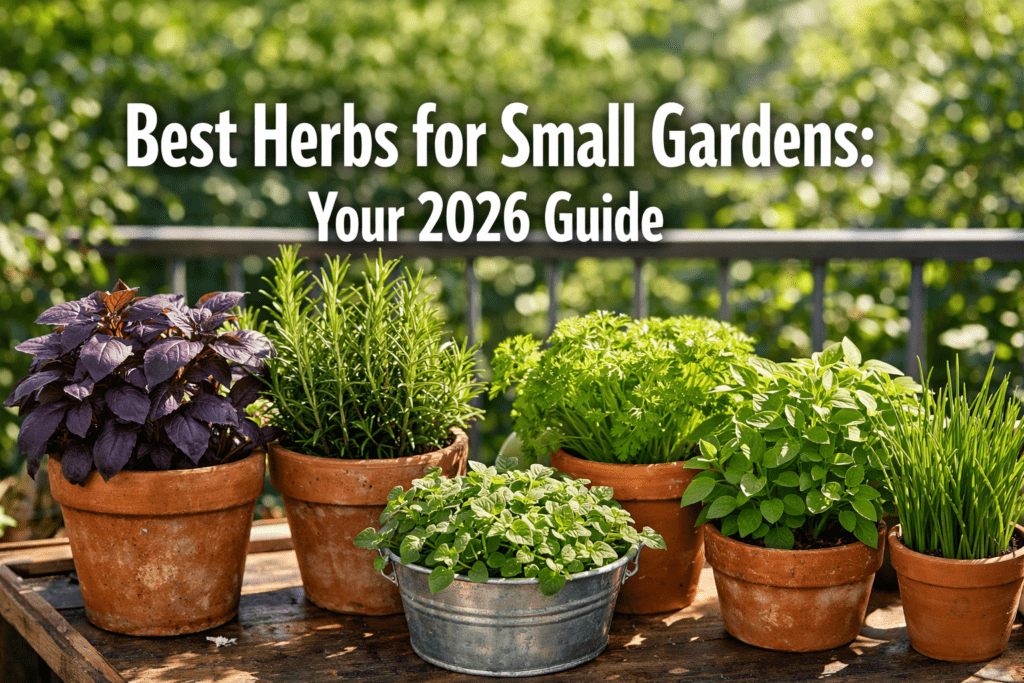
The best herbs for small gardens are compact, easy to grow, and offer a high yield in limited space, including basil, mint, chives, thyme, oregano, rosemary, parsley, and cilantro. These varieties thrive in containers, window boxes, or vertical garden systems, making them ideal for urban gardeners or anyone with limited outdoor space in 2026.
Key Takeaways
- Compact Growth: Choose herbs like chives, thyme, and mint that naturally stay small or can be easily pruned.
- Container Friendly: Most herbs thrive in pots; ensure adequate drainage and suitable pot sizes for root development.
- Sunlight is Key: Aim for at least 6 hours of direct sunlight daily for most culinary herbs.
- Watering Needs: Regular, consistent watering is crucial, especially for container-grown herbs, as they dry out faster.
- Soil Quality: Use a well-draining potting mix rich in organic matter to support healthy growth.
- Harvesting Encourages Growth: Regular harvesting promotes bushier growth and prevents herbs from bolting.
- Vertical & Balcony Gardening: Maximize tiny spaces with vertical planters and consider specific “Balcony Herb Garden Guide 2026” strategies for urban environments.
- Pest Management: Implement natural pest control methods tailored for small gardens to protect your bounty.
| Herb | Sunlight | Water Needs | Best Container Size | Difficulty | Best For | Key Tip |
|---|---|---|---|---|---|---|
| Basil | Full sun (6+ hrs) | High — moist daily | 10–12 inch | Medium | Cooking, pesto, salads | Pinch flower buds to stop bolting |
| Mint | Partial shade ok | High — consistently moist | 8–10 inch (alone) | Easy | Teas, drinks, desserts | Always pot alone — spreads aggressively |
| Chives | Partial shade ok | Medium — moist soil | 6–8 inch | Easy | Salads, eggs, garnish | Edible purple flowers — leave a few |
| Thyme | Full sun (6+ hrs) | Low — drought tolerant | 6–8 inch | Easy | Soups, stews, meats | Let soil dry between waterings |
| Oregano | Full sun (6+ hrs) | Low — prefers drier soil | 8–10 inch | Easy | Pizza, pasta, sauces | Prune often for bushy growth |
| Rosemary | Full sun (6+ hrs) | Low — drought tolerant | 10–12 inch | Medium | Roasts, bread, aromatics | Choose dwarf variety for small spaces |
| Parsley | Partial shade ok | Medium — moist, well-drained | 8–10 inch | Easy | Garnish, sauces, soups | Flat-leaf has stronger flavour than curly |
| Cilantro | Partial shade (hot climates) | Medium — consistently moist | 8–10 inch | Medium | Indian, Mexican, Asian cooking | Plant in succession every 2–3 weeks |
| Sage | Full sun (6+ hrs) | Low — tolerates dry soil | 8–10 inch | Easy | Poultry, stuffing, sausages | ‘Compacta’ variety best for small pots |
Why Are Herbs Ideal for Small Gardens in 2026?
Herbs are ideal for small gardens because they offer high yield in minimal space, often have compact growth habits, and can thrive in various containers or vertical systems. Their versatility and relatively low maintenance make them a perfect choice for urban dwellers, apartment balconies, or any gardener looking to maximize limited square footage in 2026. Many popular culinary herbs are naturally suited to growing in pots, meaning you don’t need extensive garden beds to enjoy fresh flavors.
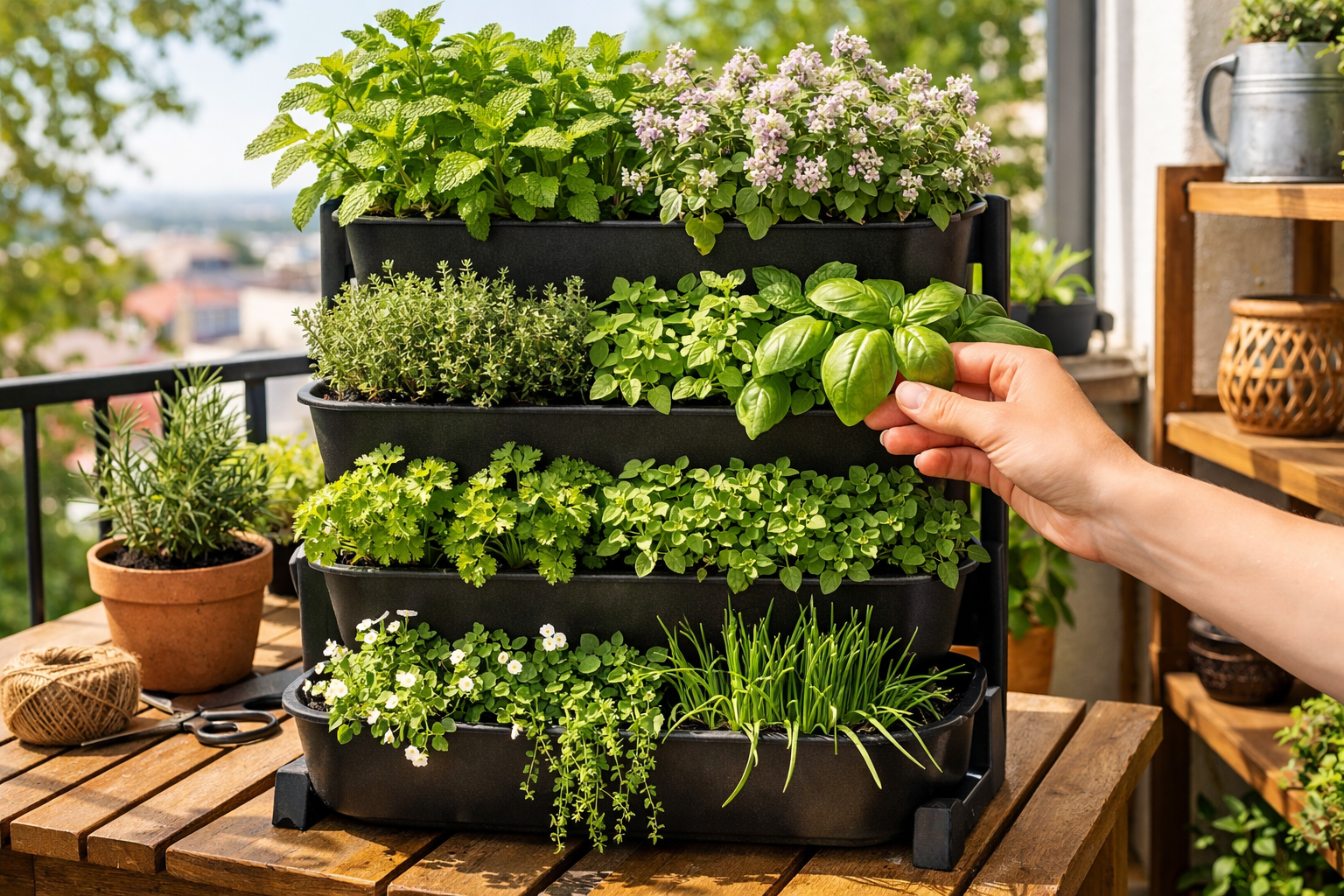
- Space Efficiency: Herbs like chives, thyme, and mint don’t require deep root systems or sprawling growth, making them perfect for pots, window boxes, or vertical gardens. This allows you to grow a diverse selection even on a small balcony or patio. For more ideas on maximizing your green space, explore our guide on Small Balcony Garden Ideas 2026.
- High Yield for Space: Even a single plant can provide a consistent harvest of leaves, flowers, or seeds for culinary use over several months. Basil, for example, can be continuously harvested by pinching back its top growth, encouraging it to produce more flavorful leaves.
- Aromatic Benefits: Beyond culinary use, herbs contribute to the sensory experience of a small garden, releasing delightful fragrances with a gentle brush. This can transform a compact space into a more inviting and pleasant area.
- Pest Repellence: Many herbs, such as rosemary and mint, act as natural pest deterrents, helping to protect other plants in your small garden. This is particularly beneficial in a confined space where pests can spread quickly. Consider integrating these herbs into your broader Pest Control for Small Gardens: 2026 Expert Guide strategy.
Choose X If… You should prioritize herbs for small gardens if you have limited outdoor or indoor space, desire fresh ingredients for cooking, or want to add aesthetic and aromatic value to a compact area without extensive horticultural demands.
What Are the Best Sun-Loving Herbs for Small Gardens?
The best sun-loving herbs for small gardens, requiring at least 6 hours of direct sunlight daily, include rosemary, thyme, oregano, basil, and sage. These varieties thrive in bright conditions, producing abundant, flavorful foliage essential for cooking. Positioning them in south-facing windows, sunny balconies, or exposed patios ensures optimal growth and potency in 2026.
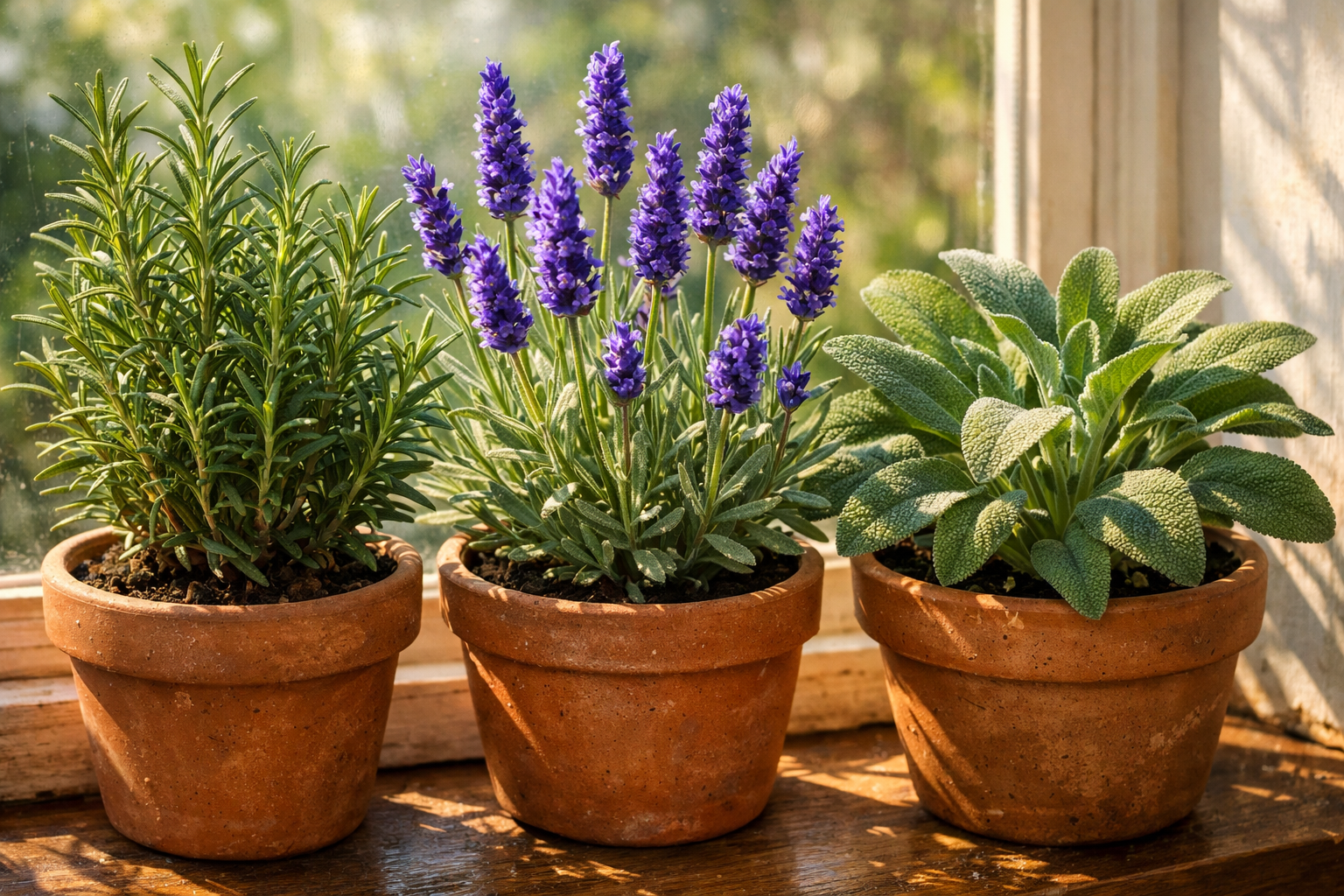
Rosemary ( Rosmarinus officinalis):
- Growth Habit: Can grow into a small shrub but is easily contained in a pot. Upright varieties are excellent for vertical gardens.
- Sun Needs: Loves full sun (6+ hours).
- Water Needs: Prefers well-drained soil and tolerates dry conditions once established. Overwatering is a common mistake.
- Uses: Roasts, grilled meats, bread, aromatherapy.
- Tip: Choose a dwarf variety or prune regularly to keep it compact.
Thyme ( Thymus vulgaris):
- Growth Habit: Low-growing, often spreading, but many varieties are compact and ideal for containers or edges of raised beds.
- Sun Needs: Full sun.
- Water Needs: Drought-tolerant once established; avoid soggy soil.
- Uses: Soups, stews, poultry, vegetables.
- Tip: Creeping thymes can spill attractively over pot edges.
Oregano ( Origanum vulgare):
- Growth Habit: Can spread, but container growth keeps it in check. Prune frequently for bushiness.
- Sun Needs: Full sun.
- Water Needs: Similar to thyme, prefers drier conditions.
- Uses: Italian and Greek cuisine, pizza, sauces.
- Tip: Regular harvesting enhances flavor and prevents legginess.
Basil ( Ocimum basilicum):
- Growth Habit: Bushy, annual herb. Pinch back flower stalks to prolong leaf production.
- Sun Needs: Full sun, but appreciates some afternoon shade in very hot climates.
- Water Needs: Prefers consistently moist soil; wilts quickly if dry.
- Uses: Pesto, salads, Italian dishes, Caprese.
- Tip: Grow several plants in succession for a continuous harvest throughout the growing season. For more about growing basil and other herbs indoors, check out our guide on “Growing Herbs Indoors: Your Essential 2026 Home Garden Guide“.
Sage ( Salvia officinalis):
- Growth Habit: Small shrub-like plant that grows well in containers.
- Sun Needs: Full sun.
- Water Needs: Tolerates dry soil; water when the top inch of soil feels dry.
- Uses: Stuffing, poultry, sausages.
- Tip: The ‘Compacta’ variety is especially suited for small spaces.
Common Mistake: A frequent error with sun-loving herbs is overwatering, especially in pots without adequate drainage. Ensure your containers have drainage holes, and allow the top layer of soil to dry out between waterings to prevent root rot.
Which Herbs Thrive in Shadier Small Garden Spots?
Certain herbs, including mint, parsley, chives, and cilantro, can thrive in shadier small garden spots, particularly those receiving partial shade or filtered sunlight for a significant portion of the day. While most herbs prefer full sun, these varieties tolerate less intense light, making them suitable for north-facing balconies, underneath taller plants, or areas with only a few hours of direct morning sun in 2026.
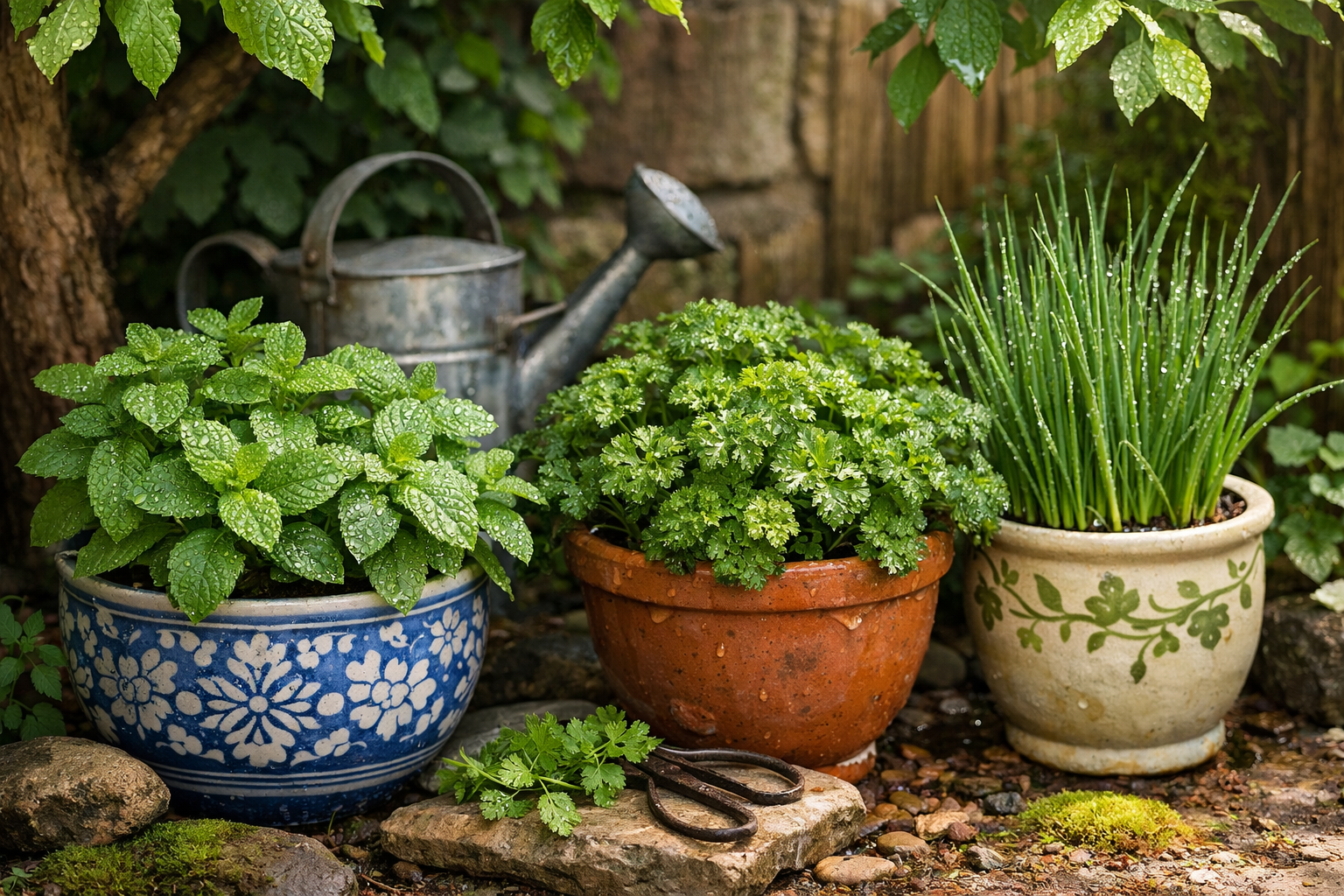
Mint ( Mentha spp.):
- Growth Habit: Vigorous spreader; best grown in its own container to prevent it from taking over the garden.
- Light Needs: Tolerates partial shade (3-6 hours of sun).
- Water Needs: Prefers consistently moist soil.
- Uses: Teas, mojitos, desserts, Middle Eastern dishes.
- Tip: There are many varieties (peppermint, spearmint, chocolate mint), each offering unique flavors. Keep mint in a dedicated pot, even if placing it within a larger garden bed, to manage its spread.
Parsley ( Petroselinum crispum):
- Growth Habit: Biennial, but often grown as an annual. Bushy growth, available in flat-leaf and curly varieties.
- Light Needs: Partial sun to partial shade (3-6 hours).
- Water Needs: Prefers consistently moist, well-drained soil.
- Uses: Garnish, sauces, soups, salads.
- Tip: Flat-leaf parsley generally has a stronger flavor than curly varieties.
Chives ( Allium schoenoprasum):
- Growth Habit: Clumping perennial, producing slender, onion-like leaves.
- Light Needs: Partial sun to full sun, but performs well in partial shade.
- Water Needs: Keep soil consistently moist.
- Uses: Salads, eggs, baked potatoes, garnish.
- Tip: The edible purple flowers are a delightful addition to salads. Chives are also one of the Beginner-Friendly Herbs to Grow: Easy Guide 2026.
Cilantro/Coriander ( Coriandrum sativum):
- Growth Habit: Annual. Leaves are cilantro, seeds are coriander. Tends to bolt in hot weather.
- Light Needs: Prefers partial shade, especially in warmer climates, to prevent premature bolting.
- Water Needs: Consistently moist soil.
- Uses: Mexican, Asian, and Indian cuisine.
- Tip: Plant in succession every few weeks for a continuous harvest. Choosing a bolt-resistant variety can also extend your harvest.
Decision Rule: Choose shade-tolerant herbs if your small garden receives less than six hours of direct sunlight, experiences intense afternoon heat, or if you plan to tuck herbs into a less illuminated corner of your balcony or yard. These herbs are also excellent for indoor growing if natural light is limited.
How to Maximize Space and Care for Best Herbs for Small Gardens?
To maximize space and care for the best herbs for small gardens, focus on container selection, proper soil, strategic watering, and regular harvesting. Utilizing vertical gardening, choosing appropriate pot sizes, providing adequate drainage, and using a quality potting mix are crucial for ensuring these herbs thrive in confined spaces in 2026. Consistent attention to these details will lead to a productive and healthy herb garden.
Maximizing Space
- Vertical Gardening: This is a game-changer for small spaces. Use vertical planters, wall-mounted pockets, or tiered shelves to grow multiple herbs upwards. This method dramatically increases planting area without expanding your footprint. Learn more in our Vertical Gardening Basics: Your 2026 Guide to Small Space Gardens.
- Container Grouping: Place herbs with similar light and water needs together. For instance, sun-loving herbs like rosemary and thyme can share a larger container, provided there’s enough space for their roots. Ensure each plant has sufficient room to grow without being overcrowded.
- Window Boxes and Rail Planters: Utilize existing structures like windowsills and balcony railings. These are perfect for shallow-rooted herbs like chives or basil, adding greenery without taking up floor space. Our guide on Best Pots for Balcony Garden 2026 offers excellent suggestions.
- Interplanting: While many herbs prefer their own space, some can be planted alongside vegetables as companion plants. For example, basil can deter pests from tomatoes, and marigolds (though not herbs) can protect many plants.
Essential Care Tips
- Potting Medium: Always use a high-quality, well-draining potting mix specifically formulated for containers. Avoid dense garden soil, which can compact and impede drainage in pots. For more on soil, see our guide on Best Soil Mix for Vegetables: 2026 Guide to Thriving Garden.
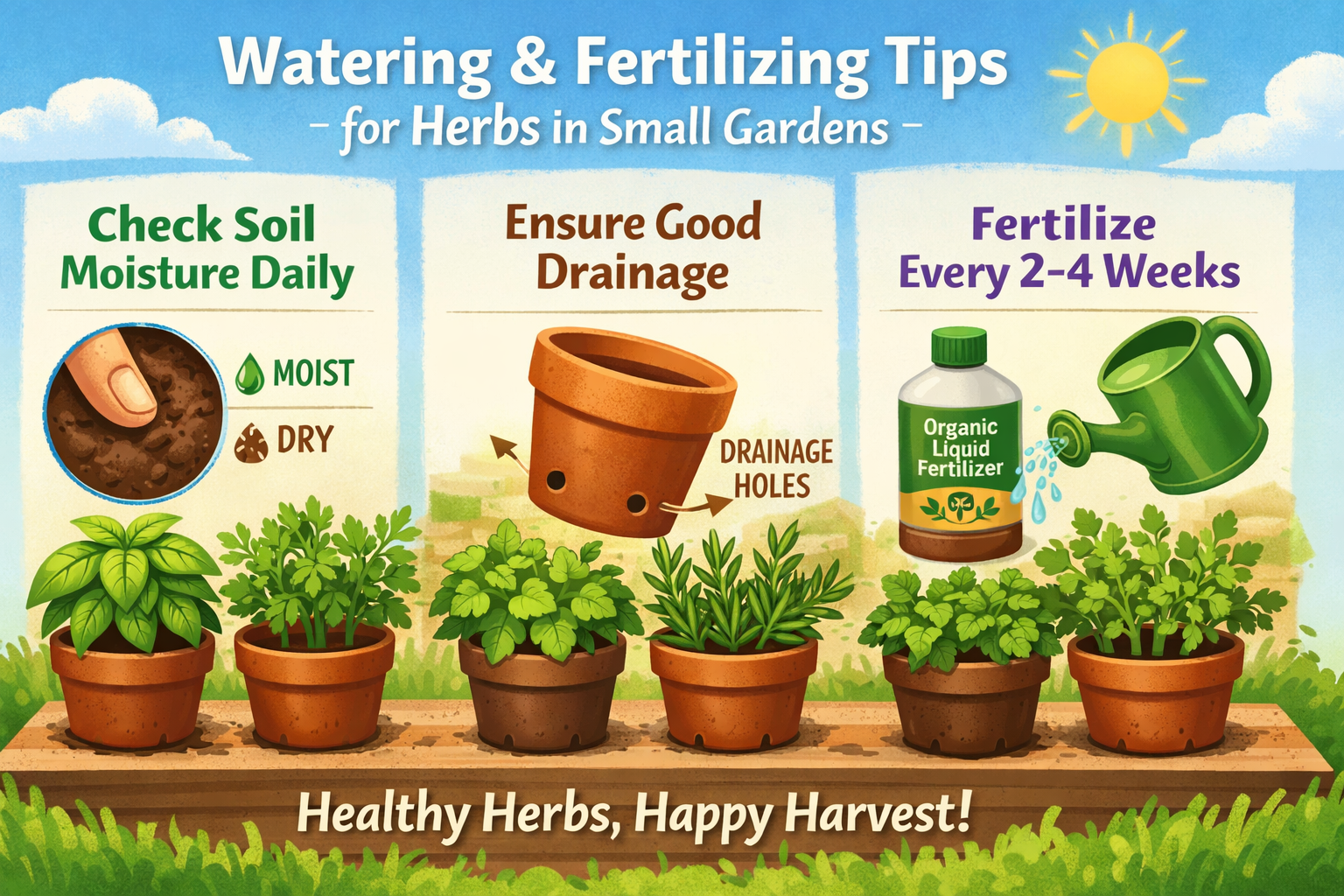
- Watering: Container herbs dry out faster than in-ground plants. Check soil moisture daily. Water thoroughly until water drains from the bottom of the pot. Overwatering can be as detrimental as underwatering, leading to root rot.
- Fertilization: While herbs don’t typically need heavy feeding, a light application of a balanced liquid organic fertilizer every 2-4 weeks during the growing season can boost growth. Alternatively, incorporate a slow-release organic fertilizer at planting.
- Pruning and Harvesting: Regularly pinch back or snip off leaves and stems to encourage bushier growth and prevent flowering (bolting), which can change the flavor of the leaves. For instance, basil should be harvested frequently from the top.
- Sunlight Rotation: If your garden has varying light conditions, consider rotating your potted herbs every few days to ensure all sides receive adequate sun, especially for plants placed against a wall.
- Pest and Disease Monitoring: Inspect your herbs regularly for signs of pests or diseases. Early detection allows for easier, more natural interventions like neem oil sprays or manual removal. For comprehensive advice, consult our Pest Control for Small Gardens: 2026 Expert Guide.
Edge Case: If you’re growing herbs indoors, supplement natural light with grow lights, especially during winter months or if natural light is insufficient. This can significantly improve plant health and yield, ensuring your herbs remain vibrant year-round.
Conclusion
Creating a thriving herb garden in a small space in 2026 is an achievable and rewarding endeavor. By selecting the best herbs for small gardens like basil, mint, chives, thyme, oregano, rosemary, parsley, and cilantro, you can transform even the most limited areas—balconies, windowsills, or compact patios—into a productive source of fresh, flavorful ingredients. The key lies in strategic planning: choosing the right containers, understanding each herb’s light and water preferences, utilizing vertical growing methods, and committing to consistent care and regular harvesting.
My experience has shown that gardeners often underestimate the potential of small spaces. With thoughtful selection and proper techniques, a tiny corner can yield an abundance of herbs that not only enhance your cooking but also bring a touch of natural beauty and fragrance to your home. Don’t be deterred by square footage; embrace the vertical dimension, get creative with container choices, and enjoy the journey of growing your own fresh herbs.
Actionable Next Steps:
- Assess Your Space: Determine how much direct sunlight your chosen area receives daily to match herbs with appropriate light needs.
- Select Your Herbs: Choose 3-5 of the recommended herbs that fit your culinary preferences and growing conditions.
- Choose Containers Wisely: Invest in pots with good drainage. Consider vertical planters or window boxes to maximize space.
- Get Quality Soil: Purchase a high-quality potting mix designed for container gardening.
- Start Planting: Follow specific planting instructions for your chosen herbs, ensuring proper spacing and watering.
- Establish a Routine: Develop a daily routine for checking soil moisture and a weekly routine for monitoring growth and potential pests.
- Harvest Regularly: Begin harvesting once plants are established to encourage continuous, vigorous growth.
FAQ
What is the easiest herb to grow in a small garden?
Mint and chives are generally considered the easiest herbs to grow in a small garden due to their resilience, relatively low maintenance needs, and ability to thrive in various conditions, including partial shade.
Can all herbs be grown in pots?
Most culinary herbs can be grown successfully in pots, provided they have adequate drainage, sufficient sunlight, and appropriate pot sizes for their root systems. Some, like mint, are even best grown in pots to control their spread.
How much sunlight do herbs need in a small garden?
Most culinary herbs require at least 6 hours of direct sunlight per day to thrive and develop their best flavor. However, some, like mint and parsley, can tolerate partial shade (3-6 hours).
How often should I water herbs in containers?
Herbs in containers typically need to be watered more frequently than those in the ground, often daily or every other day, especially during warm weather. Always check the top inch of soil; if it feels dry, it’s time to water.
What size pot is best for herbs?
A pot size of 6-8 inches in diameter is suitable for individual compact herbs like chives or thyme. Larger herbs like rosemary or basil may benefit from 10-12 inch pots, or even larger if growing multiple plants together.
Do herbs need special soil for small gardens?
Yes, herbs in small gardens, especially containers, benefit from a well-draining, high-quality potting mix rich in organic matter. Avoid heavy garden soil, which can compact and hinder drainage in pots.
How do I prevent herbs from bolting in a small garden?
To prevent bolting (flowering), regularly harvest your herbs by pinching off the top growth and flower buds. Providing some afternoon shade in very hot climates can also help, particularly for cilantro and basil.
Can I grow different herbs in the same pot?
Yes, you can grow different herbs in the same pot, but it’s best to group those with similar light, water, and soil requirements. For example, rosemary, thyme, and oregano (all sun-lovers) can often thrive together. Mint should generally be potted alone due to its aggressive spreading habit.
What are good companion herbs for a small garden?
Basil and tomatoes are a classic pairing. Chives can deter aphids from nearby plants, and rosemary is known to repel some garden pests. Mint, while beneficial, should be contained to prevent it from outcompeting other herbs.
When should I fertilize my potted herbs?
Fertilize potted herbs lightly every 2-4 weeks during their active growing season using a balanced, diluted liquid organic fertilizer. Avoid over-fertilizing, which can reduce flavor and encourage leafy growth over essential oils.
Related Reading
- Best Plants for Small Gardens 2026: The Complete List
- Best Pots for Small Space Gardening in 2026 – Maximize Your
- Balcony Herb Garden Guide 2026: Grow Fresh Herbs Anywhere
- Small Space Gardening – Mini Space Garden | Small Space Gardening Ideas
- Beginner-Friendly Herbs to Grow: Easy Guide 2026
References
- University of Illinois Extension. (n.d.). Herbs in the Home Garden. Retrieved from https://web.extension.illinois.edu/herbs/
- The National Gardening Association. (n.d.). Container Gardening Herbs. Retrieved from https://garden.org/learn/articles/view/319/