What to Plant in Small Spaces: Your 2026 Expert Guide
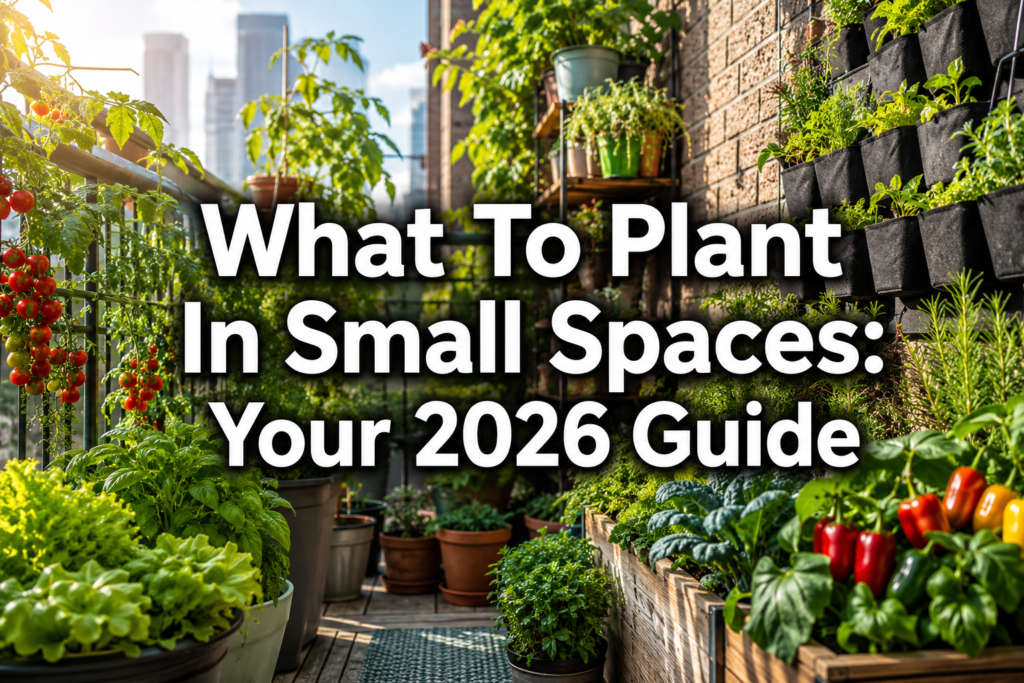
Despite the common misconception that successful gardening requires sprawling acreage, countless urban gardeners are proving otherwise. The truth is, many plants, from robust vegetables to aromatic herbs and vibrant flowers, thrive remarkably well in confined environments, offering bountiful harvests and aesthetic pleasure with careful planning and smart selections. Embracing compact varieties and ingenious growing methods is key to mastering what to plant in small spaces.
Key Takeaways
- Container Gardening is Key: Most small-space success hinges on selecting appropriate containers and dwarf or compact plant varieties.
- Sunlight is Crucial: Even small gardens need 6-8 hours of direct sunlight daily for most fruiting vegetables and herbs.
- Verticality Maximizes Space: Utilize walls, fences, and shelving to grow upwards, especially for climbing plants or stacked herbs.
- Smart Plant Choices: Focus on high-yield, compact plants like cherry tomatoes, bush beans, radishes, and leafy greens.
- Specialized Soil: Use high-quality potting mix specifically designed for containers to ensure proper drainage and nutrients.
- Watering and Fertilizing: Small spaces and containers dry out faster and require more frequent watering and consistent feeding.
- Common Mistakes to Avoid: Overcrowding, inadequate drainage, and insufficient light are frequent beginner errors.
- Balconies & Patios are Prime: These outdoor areas are ideal for transforming into productive edible gardens.
- Cost-Effective Start: Beginning a small garden can be surprisingly affordable, often utilizing repurposed materials.
What Are The Best Vegetables to Grow in Containers?
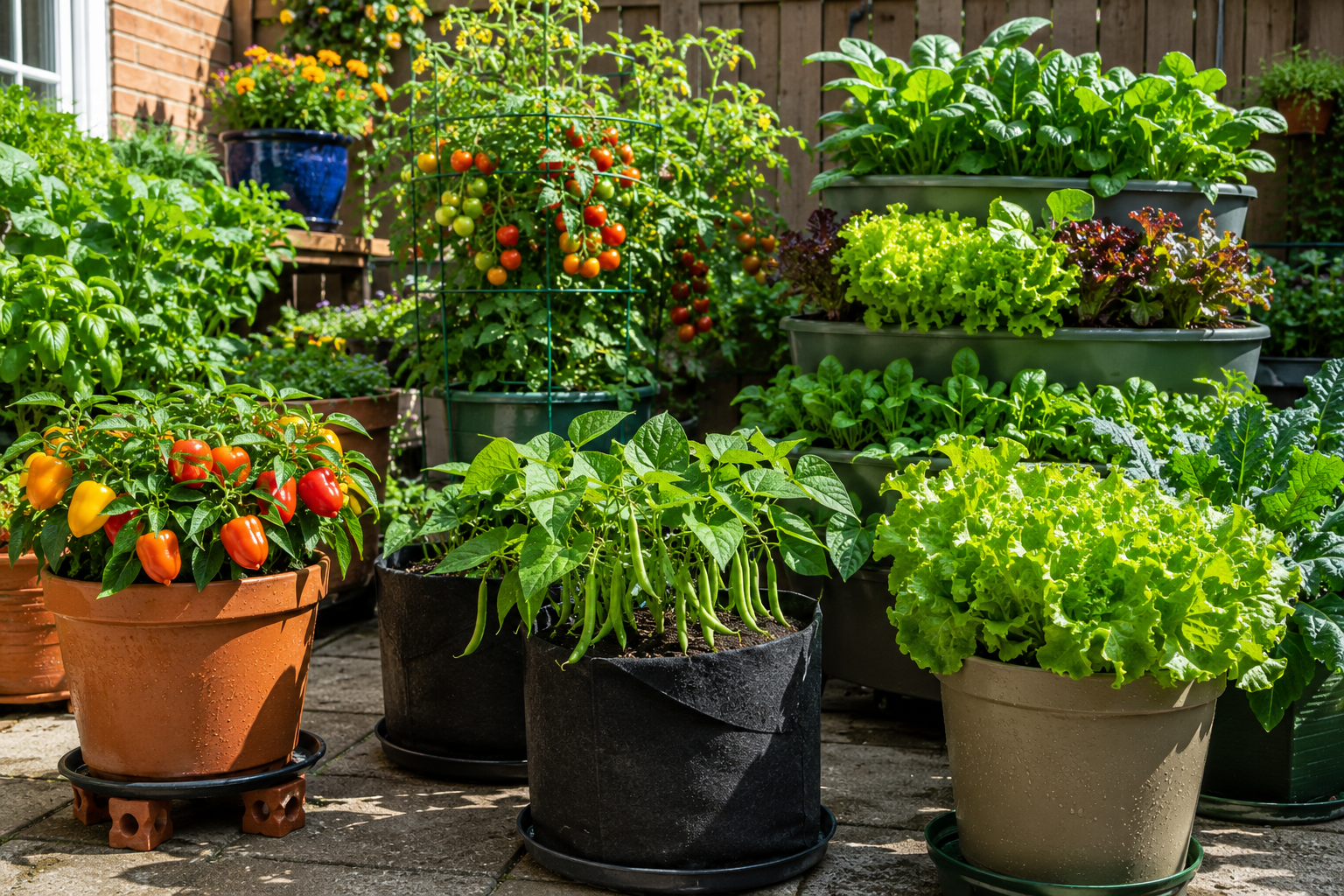
The best vegetables for containers are those with compact growth habits, shallow root systems, or varieties specifically bred for small spaces. These include most leafy greens, bush beans, radishes, carrots, cherry tomatoes, and bell peppers. For a comprehensive list of ideal choices, consider our guide on the Best Plants For Small Spaces: 15 Top Picks For 2026.
- Leafy Greens: Lettuce, spinach, arugula, and Swiss chard are excellent as they grow quickly, tolerate partial shade, and can be harvested repeatedly. Choose larger containers (at least 6-8 inches deep) for continuous harvesting.
- Root Vegetables: Radishes, carrots (especially ‘Paris Market’ or ‘Danvers Half Long’ varieties), and small beets do well in deeper pots or raised beds, provided the soil is loose and free of obstructions. Ensure pots are at least 12 inches deep for most root crops.
- Bush Beans: Unlike pole beans, bush varieties don’t require trellising and offer a concentrated harvest. A 5-gallon container can support several bush bean plants.
- Cherry Tomatoes: While larger tomatoes need substantial space, many cherry tomato varieties thrive in 5-gallon buckets or larger. Look for determinate or dwarf varieties like ‘Tiny Tim’ or ‘Patio’. For an in-depth look, consult our Growing Tomatoes In Small Spaces: 2026 Expert Guide.
- Bell Peppers: Compact pepper plants are well-suited for containers, especially when provided with adequate sun and warmth. A 3-5 gallon pot is generally sufficient for one plant.
- Eggplant: Dwarf eggplant varieties like ‘Patio Baby’ perform well in large containers, producing abundant small fruits.
- Cucumbers: Bush varieties like ‘Spacemaster’ or ‘Bush Champion’ are excellent choices. They can also be trained vertically up a small trellis in a container.
- Herbs: Almost all herbs are fantastic for small spaces. See the dedicated section below for more details.
When selecting vegetables for containers, always check the plant tag or seed packet for information on mature size and whether it’s suitable for container growing.
What Plants Take Up The Least Room?
Plants that take up the least room are typically those with compact, upright growth habits, or those that can be grown vertically. These include most herbs, radishes, leafy greens, strawberries, and dwarf varieties of common vegetables. Focus on varieties explicitly labeled as “bush,” “dwarf,” “patio,” or “compact.”
- Herbs: Basil, cilantro, chives, mint, oregano, thyme, and rosemary are ideal. They grow relatively slowly and can be pruned regularly to maintain their size. Many thrive in small pots or even vertical planters.
- Radishes: These are fast-growing and require minimal space, maturing in as little as 3-4 weeks. They can be planted intensively, meaning many can grow in a small area.
- Leafy Greens: Spinach, lettuce, and arugula are shallow-rooted and can be grown in wide, shallow containers or even window boxes. They are also excellent for cut-and-come-again harvesting, maximizing yield per square foot.
- Strawberries: Alpine or compact strawberry varieties are perfect for hanging baskets or tiered planters, producing sweet fruit in a small footprint.
- Dwarf Vegetables: Look for specific varieties like ‘Tiny Tim’ tomatoes, ‘Patio Baby’ eggplant, or ‘Spacemaster’ cucumbers. These are bred to produce standard-sized fruits on smaller plants.
- Microgreens: These tiny, nutrient-dense seedlings can be grown indoors on a windowsill in very shallow trays, offering a continuous harvest with minimal space.
Can I Grow Food on a Balcony or Patio?
Yes, absolutely, you can grow a significant amount of food on a balcony or patio, transforming these outdoor spaces into productive urban gardens. Success depends on maximizing available light, selecting appropriate plants and containers, and utilizing vertical space.
- Assess Sunlight: Before planning, observe your balcony or patio for a full day to determine how many hours of direct sunlight it receives. Most fruiting vegetables need at least 6-8 hours, while leafy greens and herbs can tolerate 4-6 hours. If sunlight is limited, explore plants that grow without sunlight.
- Choose the Right Containers: A variety of containers can be used, from traditional terracotta pots and plastic containers to fabric grow bags, window boxes, and self-watering planters. Ensure all containers have drainage holes. Our guide on the Best Planters For Small Apartments: Your Ultimate Buyer’s Guide offers excellent options.
- Vertical Gardening: This is a game-changer for balconies and patios. Utilize wall-mounted planters, tiered shelves, or trellises for climbing plants like cucumbers or pole beans. This multiplies your growing area without taking up precious floor space. Explore DIY Vertical Garden Ideas: Build Your Green Oasis In 2026 for inspiration.
- Plant Selection: Focus on the compact vegetables and herbs mentioned earlier. Consider the weight of containers, especially on elevated balconies.
- Watering Strategy: Containers dry out faster than in-ground gardens. Implement a consistent watering schedule, possibly using self-watering pots or drip irrigation for convenience.
- Wind Protection: Balconies can be windy. Group plants together, use heavier pots, or incorporate windbreaks to protect delicate plants. For more insights, check out Wind-Resistant Balcony Plants: Ultimate 2026 Guide & Tips.
How Much Sunlight Do Small Space Gardens Need?
Most small-space gardens, especially those growing fruiting vegetables, require a minimum of 6-8 hours of direct sunlight per day. Plants like tomatoes, peppers, cucumbers, and beans depend on ample sun for flowering and fruit production.
- Full Sun (6-8+ hours): Essential for most vegetables (tomatoes, peppers, eggplant, squash, beans, corn, cucumbers) and many herbs (basil, rosemary, thyme, oregano).
- Partial Sun/Partial Shade (4-6 hours): Suitable for leafy greens (lettuce, spinach, kale, arugula), radishes, carrots, peas, and many herbs (cilantro, mint, parsley). Morning sun with afternoon shade is often ideal to prevent scorching in hot climates.
- Shade (less than 4 hours): While challenging for most edibles, some greens like Swiss chard and spinach can tolerate more shade, though yields will be lower. Consider growing shade loving plants in these spots.
- Assessing Your Space: Track the sun’s path across your growing area at different times of the day. A simple observation over a few days can give you an accurate idea of how much light your small space receives. If natural light is insufficient, supplemental grow lights for indoor plants can make a significant difference for indoor setups.
Which Herbs Grow Easily in Small Spaces?
Most herbs are exceptionally well-suited for growing in small spaces, thriving in containers, window boxes, or vertical gardens. They are generally compact, don’t require deep roots, and can be harvested frequently, providing a continuous supply of fresh flavor. Our guide on the Best Herbs For Small Gardens 2026: Grow Fresh Flavor Easily offers more insights.
- Basil: A sun-lover, basil needs good drainage and warmth. Pinch off flowers to encourage bushier growth and extend its lifespan.
- Mint: Extremely vigorous, mint is best grown in its own container to prevent it from spreading and overtaking other plants.
- Chives: These onion-flavored herbs grow in neat clumps and are perennial, returning year after year.
- Parsley: Both flat-leaf and curly parsley varieties do well in pots and benefit from consistent moisture.
- Cilantro: A fast-growing herb, cilantro prefers cooler temperatures and can bolt (go to seed) quickly in heat. Plant successions every few weeks for a continuous supply.
- Oregano & Thyme: These Mediterranean herbs love full sun and well-drained soil, making them ideal for sunny windowsills or balcony edges.
- Rosemary: A woody perennial, rosemary can be grown in containers and thrives in sunny, dry conditions. It can grow quite large over time but tolerates pruning.
- Dill: Another fast-grower that prefers cooler weather. Its feathery leaves and seeds are both edible.
- Sage: A beautiful and fragrant herb that grows well in containers, preferring full sun and good drainage.
How Expensive Is Starting a Tiny Garden?
Starting a tiny garden can be surprisingly affordable, with initial costs ranging from very low (under $50) to moderate ($100-$300), depending on your ambition and willingness to repurpose materials. The beauty of what to plant in small spaces is the ability to scale up gradually.
- Low-Cost Start (Under $50):
- Containers: Utilize repurposed items like old buckets (drill drainage holes), laundry baskets, milk jugs, or large food-grade plastic containers. Terracotta pots can be found cheaply at garage sales.
- Seeds: Seed packets are inexpensive, often costing $2-$4 each, providing many plants.
- Soil: Buy a small bag of good quality potting mix (around $10-$20).
- Tools: Basic hand trowel and pruning shears are often all you need, possibly found second-hand.
- Moderate Investment ($100-$300):
- New Containers: Investing in dedicated planters, fabric grow bags, or aesthetically pleasing pots.
- Vertical Garden System: A simple wall-mounted system or tiered planter can add to the cost but greatly increase growing space.
- Organic Potting Mix & Fertilizer: Higher quality soil and initial organic fertilizers.
- Starter Plants: Buying young plants from a nursery can save time compared to starting from seed, though it costs more per plant.
- Basic Drip Irrigation: A simple system can save time and water.
Tip: Focus on durable, reusable items. While initial costs might seem negligible, consistent expenses will be for soil amendments, seeds/starts, and occasionally fertilizers. For composting in small spaces, reducing waste, check out How To Compost In A Small Space Or Apartment (2026).
What Mistakes Do Beginners Make with Small Space Gardening?
Beginners in small space gardening often make errors related to plant selection, container size, watering, and light, which can hinder plant growth and yield. The most common mistakes include overcrowding plants, using inadequate container sizes, and not providing enough sunlight or proper drainage.
- Overcrowding: While tempting to maximize every inch, plants need room to breathe and grow. Overcrowding leads to competition for nutrients, light, and water, resulting in stunted growth and lower yields. Follow recommended spacing for container guidelines.
- Insufficient Drainage: Lack of drainage holes leads to waterlogged soil, suffocating roots and causing rot. Always ensure containers have adequate drainage. Even indoor plants need good drainage, as detailed in How Indoor Plants Drain In Pots Without Holes: 2026 Guide.
- Wrong Pot Size: Small pots restrict root growth, leading to nutrient deficiencies and plants drying out too quickly. Consult guides like Pot Size Guide For Vegetables 2026: Optimal Growth & Harvest to match plants to appropriate container sizes.
- Inadequate Sunlight: Most vegetables and herbs need ample sunlight. Placing sun-loving plants in shady spots will result in leggy growth, poor flowering, and minimal fruit.
- Inconsistent Watering: Container gardens dry out faster than in-ground beds. Erratic watering (too much or too little) stresses plants. Consistent moisture is crucial.
- Poor Soil Choice: Using garden soil in containers compacts easily and doesn’t drain well. Always use a high-quality potting mix designed for containers, as it offers better aeration and drainage. Learn more from our Best Soil Mix For Container Gardening (Complete Guide).
- Neglecting Fertilization: Nutrients in potting mix deplete faster. Regular feeding (every 2-4 weeks) with a balanced liquid fertilizer is essential for container plants.
Are Vertical Gardens Actually Effective?
Yes, vertical gardens are highly effective for small spaces, dramatically increasing planting capacity by utilizing vertical dimensions rather than precious ground area. They are particularly beneficial for growing herbs, leafy greens, and shallow-rooted vegetables.
- Space Maximization: Vertical gardens allow you to grow dozens of plants in the footprint of just one or two traditional pots. This is invaluable for balconies, patios, and small yards.
- Accessibility: Growing vertically can make gardening easier for individuals with mobility issues, as it reduces bending and kneeling.
- Aesthetics: A well-designed vertical garden can be a stunning focal point, adding greenery and life to bland walls or fences.
- Improved Airflow & Reduced Pests: Elevated plants often benefit from better air circulation, which can help prevent fungal diseases. Keeping plants off the ground can also deter some pests.
- Plant Suitability: While not ideal for all plants (e.g., large root vegetables or sprawling squashes), vertical systems excel for herbs, leafy greens, strawberries, and smaller flowering plants. Consider our guide on the Best Plants For Vertical Gardens: Your 2026 Guide To Thriving Walls for specific recommendations.
- Watering Considerations: Vertical gardens can dry out quickly, especially upper tiers. Some systems incorporate built-in irrigation or wicking systems to manage water efficiently.
- Construction: Vertical gardens can range from simple DIY pallet gardens to elaborate modular systems or fabric pockets.
What Vegetables Produce The Most Food in Small Areas?
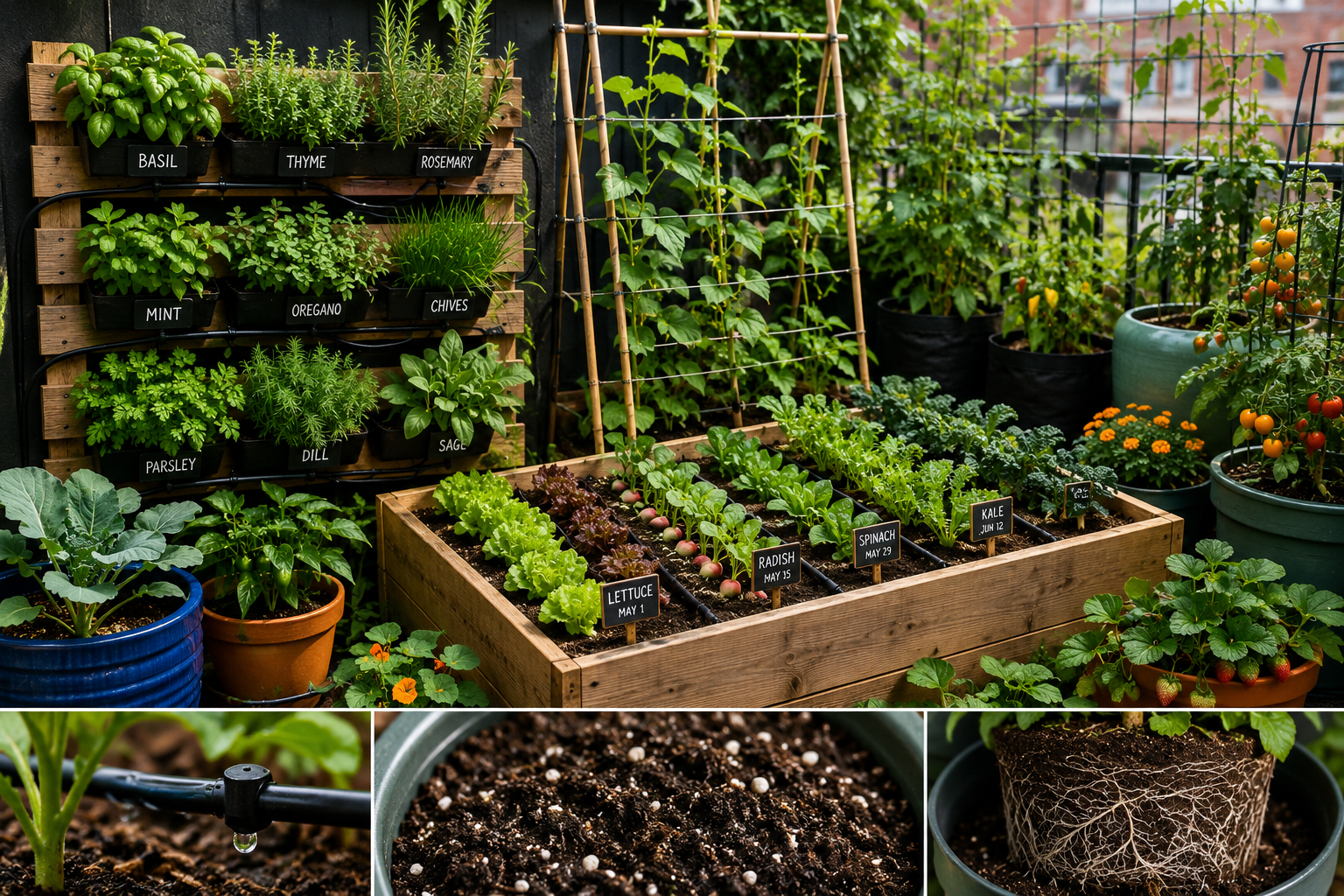
When space is limited, maximizing yield per square foot is crucial. Vegetables that produce the most food in small areas are often those that offer continuous harvests, grow quickly, or yield multiple fruits per plant. These include leafy greens, bush beans, radishes, cherry tomatoes, and many herbs.
- Leafy Greens (Lettuce, Spinach, Arugula, Kale): These are perhaps the highest yield-per-space crops because you can harvest outer leaves repeatedly (cut-and-come-again method) over many weeks, rather than harvesting the entire plant at once. They grow quickly and can be replanted in succession.
- Bush Beans: They produce a concentrated harvest over a shorter period compared to pole beans, allowing for quicker rotation and subsequent plantings. You can plant them densely in a container.
- Radishes: Exceptionally fast-growing (20-30 days to maturity) and require minimal space. You can sow them every week or two for a continuous supply.
- Cherry Tomatoes: While a single plant takes up a decent container size, it can produce dozens, if not hundreds, of small fruits over a season, offering a very high yield by weight.
- Peppers (Bell & Chili): Similar to tomatoes, a single pepper plant can yield many fruits, often continuously over the growing season, especially in warm climates.
- Herbs: Most herbs offer continuous harvesting of leaves, providing fresh flavor for months from a small footprint.
- Strawberries: Especially alpine varieties, these provide continuous small fruit production over the season and are excellent for hanging baskets.
To further maximize yields, consider techniques like succession planting for beginners and space-saving gardening techniques.
Do I Need Special Soil for Container Gardening?
Yes, you absolutely need special soil for container gardening; regular garden soil or topsoil is not suitable. Container plants require a specific growing medium known as potting mix or potting soil, which is designed to provide excellent drainage, aeration, and moisture retention while remaining lightweight.
- Why Garden Soil Fails in Containers: Garden soil is dense and heavy. In a confined container, it quickly compacts, leading to poor drainage and lack of oxygen for roots. It can also harbor weed seeds, pests, and diseases.
- Characteristics of Potting Mix:
- Lightweight: Made from ingredients like peat moss, coco coir, vermiculite, and perlite.
- Good Drainage: Allows excess water to flow out freely, preventing root rot.
- Aeration: Provides air pockets essential for healthy root respiration.
- Moisture Retention: Holds enough moisture to keep plants hydrated between waterings.
- Sterile: Generally free of weed seeds, pests, and diseases.
- Amending Potting Mix: While good potting mix is sufficient, you can enhance it by adding perlite for extra drainage, vermiculite for moisture retention, or a slow-release granular fertilizer for sustained feeding.
- Organic Options: Many organic potting mixes are available, often containing compost, worm castings, and other natural amendments.
- Reusing Potting Mix: While some nutrients are depleted, potting mix can be reused for non-edible plants or refreshed by adding fresh compost and amendments.
What Plants Work Best for Apartment Dwellers?
For apartment dwellers, the best plants are those that thrive in containers, can tolerate varying light conditions (or adapt to grow lights), and have a compact growth habit. Ideal choices include many herbs, leafy greens, small fruiting vegetables, and certain decorative plants.
- Herbs: Basil, mint, chives, parsley, oregano, and thyme are perfect for windowsills or small balconies. They provide fresh ingredients and pleasant aromas.
- Leafy Greens: Lettuce, spinach, and arugula grow quickly in shallow trays or pots and can be continuously harvested. They often tolerate less direct sunlight than fruiting vegetables.
- Cherry Tomatoes (Dwarf Varieties): If you have a sunny balcony or a south-facing window, dwarf determinate varieties can produce abundantly in a 5-gallon container.
- Small Peppers: Compact bell or chili pepper plants can thrive indoors or on a sunny balcony.
- Strawberries (Alpine/Compact): Excellent for hanging baskets or small pots, producing small, sweet fruits.
- Microgreens: These can be grown year-round on a windowsill with minimal effort and space.
- Dwarf Citrus Trees: If you have exceptionally bright light or a south-facing window, a dwarf lemon or lime tree can be a rewarding, though higher-maintenance, indoor plant.
- Houseplants: Beyond edibles, many decorative houseplants (e.g., Pothos, Snake Plant, ZZ Plant) are ideal for apartments due to their low-light tolerance and air-purifying qualities. For more options, explore indoor plant care guide 2026: Grow Thriving Houseplants.
How Do Raised Beds Compare to Container Gardening?
Raised beds and container gardening are both excellent methods for growing what to plant in small spaces, but they differ in scale, soil volume, and flexibility. Raised beds offer more space and better soil consistency, while container gardening provides ultimate flexibility and portability.
| Feature | Raised Beds | Container Gardening |
|---|---|---|
| Space Required | Small to medium outdoor areas (yards, patios) | Any small space (balconies, windowsills, indoors) |
| Portability | Generally permanent once established | Highly portable; containers can be moved easily |
| Soil Volume | Larger, deeper volume of soil | Limited, smaller volume per plant |
| Watering | Retains moisture better than pots, less frequent | Dries out faster, requires more frequent watering |
| Temperature | Soil warms faster in spring, drains well | More susceptible to temperature fluctuations (hot/cold) |
| Plant Capacity | Can grow larger plants and more variety | Best for compact plants, single plants per pot |
| Pest Control | Can reduce ground-level pests | Easier to isolate and treat individual pest issues |
| Cost | Higher initial cost for bed construction & soil | Lower initial cost, especially with repurposed items |
| Soil Management | Easier to maintain consistent soil quality | Soil needs refreshing/replacing more often |
Decision Rule: Choose raised beds if you have a slightly larger outdoor area, plan for a semi-permanent installation, and want to grow a wider variety of plants with less frequent watering. Choose container gardening if portability, extreme space constraints, or rental living are key considerations.
What Won’t Grow Well in Limited Space?
In general, plants with extensive root systems, sprawling growth habits, or those requiring large amounts of nutrients and water for a single harvest will not thrive in limited spaces like containers or small raised beds.
- Large Vining Plants (without vertical support): While pole beans and certain cucumbers can be trellised, sprawling varieties of pumpkins, winter squash, and large melons will quickly outgrow small containers and overwhelm limited spaces without significant vertical infrastructure.
- Corn: Requires cross-pollination to produce full ears, meaning you need to plant many stalks close together. This makes it unsuitable for typical small-space setups.
- Potatoes: While “potato towers” exist, they require significant soil volume to produce a decent harvest, making them less efficient than other crops in truly confined spaces. Sweet potatoes, with their spreading vines, also present a challenge.
- Heavy Feeders with Single Harvest: Crops like large head cabbage or broccoli, while possible, dedicate a lot of energy to one large harvest. In a small space, you might get more continuous yield from cut-and-come-again greens.
- Large Root Vegetables: While some carrots and beets do well, very large varieties of parsnips or standard potatoes typically need more unobstructed, deep soil than most containers or small raised beds can provide.
- Full-Size Sunflowers: These need deep root systems and can grow very tall and wide, casting significant shade on other plants in a small area. Dwarf varieties are an option.
The key is to match the plant’s mature size and growth requirements to the space you have available, always opting for compact or dwarf varieties when possible.
FAQ
Q: Can I grow herbs indoors in a small apartment without direct sunlight?
A: Many herbs can tolerate lower light conditions, but for best growth, at least 4-6 hours of bright indirect light is recommended. If direct sunlight is unavailable, supplemental grow lights are highly effective.
Q: How often should I water container plants?
A: Container plants generally need to be watered more frequently than in-ground plants, often daily in hot, dry weather. Check the soil moisture by sticking your finger about an inch deep; if it feels dry, it’s time to water.
Q: What’s the best way to fertilize plants in small spaces?
A: Use a balanced liquid fertilizer every 2-4 weeks, as nutrients in potting mix deplete quickly. Follow the product’s dilution instructions carefully. Slow-release granular fertilizers can also be incorporated into the potting mix.
Q: Can I use self-watering pots for all my small space plants?
A: Self-watering pots work well for many plants, especially those needing consistent moisture like leafy greens and some herbs. However, plants that prefer drier conditions, like rosemary or succulents, might not thrive in them.
Q: How can I protect my small garden from pests?
A: Integrate companion planting, use physical barriers like row covers, and regularly inspect plants for early signs of pests. If necessary, use organic pest control methods like neem oil or insecticidal soap. For more information, see our guide on Pest Control For Small Gardens: 2026 Expert Guide.
Q: What is succession planting, and how does it help small spaces?
A: Succession planting involves staggering plantings every few weeks to ensure a continuous harvest rather than one large crop all at once. This maximizes yield from limited space over the growing season.
Q: Do I need to rotate crops in a small container garden?
A: While less critical than in large in-ground gardens, rotating crops (planting different plant families in the same pot each season) can help prevent disease buildup and nutrient depletion, especially if reusing potting mix.
Q: Can I grow fruit trees in small spaces?
A: Dwarf fruit trees or columnar varieties can be grown in very large containers (e.g., half whiskey barrels). Choose varieties specifically bred for container growth and ensure they get ample sunlight.
Conclusion
Transforming a small space into a thriving garden is entirely achievable in 2026, regardless of whether you have a balcony, patio, or just a sunny windowsill. The key lies in strategic plant selection, smart use of vertical dimensions, and consistent care. By opting for compact varieties, utilizing containers and vertical systems, and understanding the fundamental needs of your chosen plants, you can cultivate an abundant and beautiful green oasis. Don’t be deterred by limited square footage; instead, view it as an opportunity for creative and efficient gardening. Start small, learn as you grow, and enjoy the immense satisfaction of harvesting fresh produce right from your own urban patch.
Related Reading:
- Best Plants For Small Gardens 2026: The Complete List
- DIY Container Gardening Ideas For Small Spaces: 2026 Guide
- Small Balcony Vegetable Gardening: Your 2026 Urban Guide
References
- University of Maryland Extension. (2020). Container Vegetable Gardening.
- Oregon State University Extension. (2021). Growing Vegetables in Containers.
- Cornell Cooperative Extension. (2019). Small Space Vegetable Gardening.