Maximize Yields: Essential Space Saving Gardening Techniques 2026
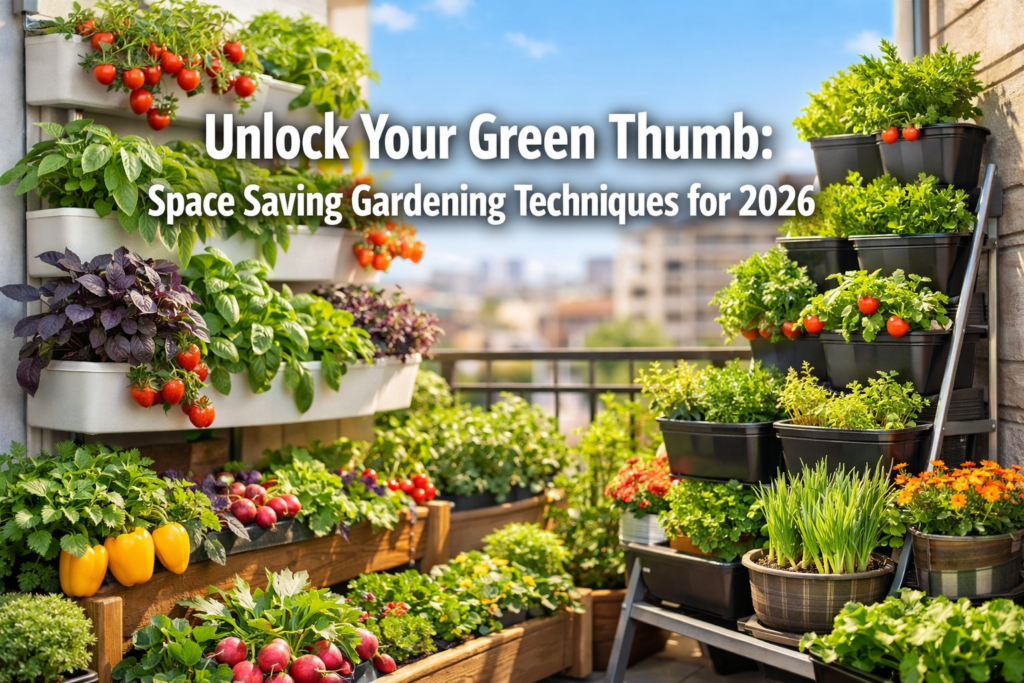
The average American garden plot size has shrunk by approximately 20% over the last decade, reflecting a broader trend of urbanization and smaller living spaces. This contraction, however, doesn’t diminish the desire for fresh produce or a vibrant green oasis. Instead, it necessitates a smart, strategic approach to cultivation. Mastering space saving gardening techniques allows enthusiasts, urban dwellers, and homeowners with limited areas to achieve bountiful harvests and stunning botanical displays, transforming constrained spaces into productive and beautiful environments in 2026.
Quick Answer: Space saving gardening techniques are innovative methods that maximize plant production and aesthetic appeal within limited areas, such as balconies, small yards, or indoor spaces. These techniques primarily involve vertical growth, intelligent container use, and strategic plant selection, enabling gardeners to cultivate a surprising variety of plants where traditional gardening would be impossible.
Key Takeaways
- Vertical Gardening is Paramount: Utilizing vertical space through stacking, wall-mounted systems, or trellises dramatically increases growing area.
- Container Versatility: Choosing the right pots and planters, including self-watering or fabric options, is crucial for portable and adaptable gardens.
- Smart Plant Selection: Opt for compact, dwarf, or vining varieties that are naturally suited for small spaces.
- Companion Planting Benefits: Strategic pairing of plants can improve growth, deter pests, and optimize resource use in limited beds.
- Succession Planting & Intensive Cropping: These methods ensure continuous harvests by maximizing the use of available square footage over time.
- Hydroponics & Aeroponics: Advanced, soil-less systems offer high yields with minimal physical space and often faster growth rates.
- Water & Nutrient Efficiency: Small gardens require precise watering and feeding strategies to thrive, especially in containers.
- Integrated Pest Management: Compact spaces make pest monitoring and control easier and often more effective with natural methods.
- DIY Potential: Many space saving solutions can be created from repurposed materials, reducing costs and promoting sustainability.
What Are the Core Principles of Space Saving Gardening Techniques?
The core principles of space saving gardening techniques revolve around maximizing every dimension of a limited growing area, focusing on verticality, efficiency, and thoughtful plant management. By understanding these principles, gardeners can cultivate a diverse range of plants in small footprints.
Space saving gardening is not merely about cramming plants together; it’s a systematic approach to optimizing limited real estate for maximum botanical output. This means prioritizing methods that utilize overhead space, make plants grow upwards rather than outwards, and ensure every plant has optimal conditions without encroaching on its neighbors. For instance, a small balcony can become a thriving food source through careful application of these principles, as detailed in our guide on “2026 Space Saving Garden Ideas: Maximize Your Small Space”.
Principles for Effective Small Space Gardening:
- Verticalization: Grow upwards instead of outwards. This is the single most impactful principle for increasing square footage in a small garden. Techniques include trellising, stacking planters, and wall-mounted systems.
- Intensive Planting: Plant crops closer together than traditional spacing guidelines suggest, ensuring each plant has just enough room to thrive without waste. This requires rich soil and consistent feeding.
- Container Gardening Mastery: Utilize various containers for portability, aesthetic appeal, and specialized growing conditions. Understanding pot size and material is key for different plant needs.
- Strategic Plant Selection: Choose plants that are naturally compact, dwarf varieties, or those that can be easily trellised or pruned to fit a small space.
- Succession Planting: Harvest one crop and immediately replace it with another, ensuring continuous production throughout the growing season. This maximizes the yield from a single plot over time.
- Companion Planting: Strategically place different plant species near each other to mutual benefit, such as pest deterrence, improved growth, or better nutrient utilization.
- Edible Landscaping: Integrate food-producing plants into ornamental displays, blurring the lines between functional garden and aesthetic landscape.
Choose vertical gardening if your primary constraint is horizontal ground space, such as on a balcony or patio. Avoid intensive planting if you prefer a hands-off approach, as it requires more diligent watering and fertilization.
How Can Vertical Gardening Maximize Limited Space?
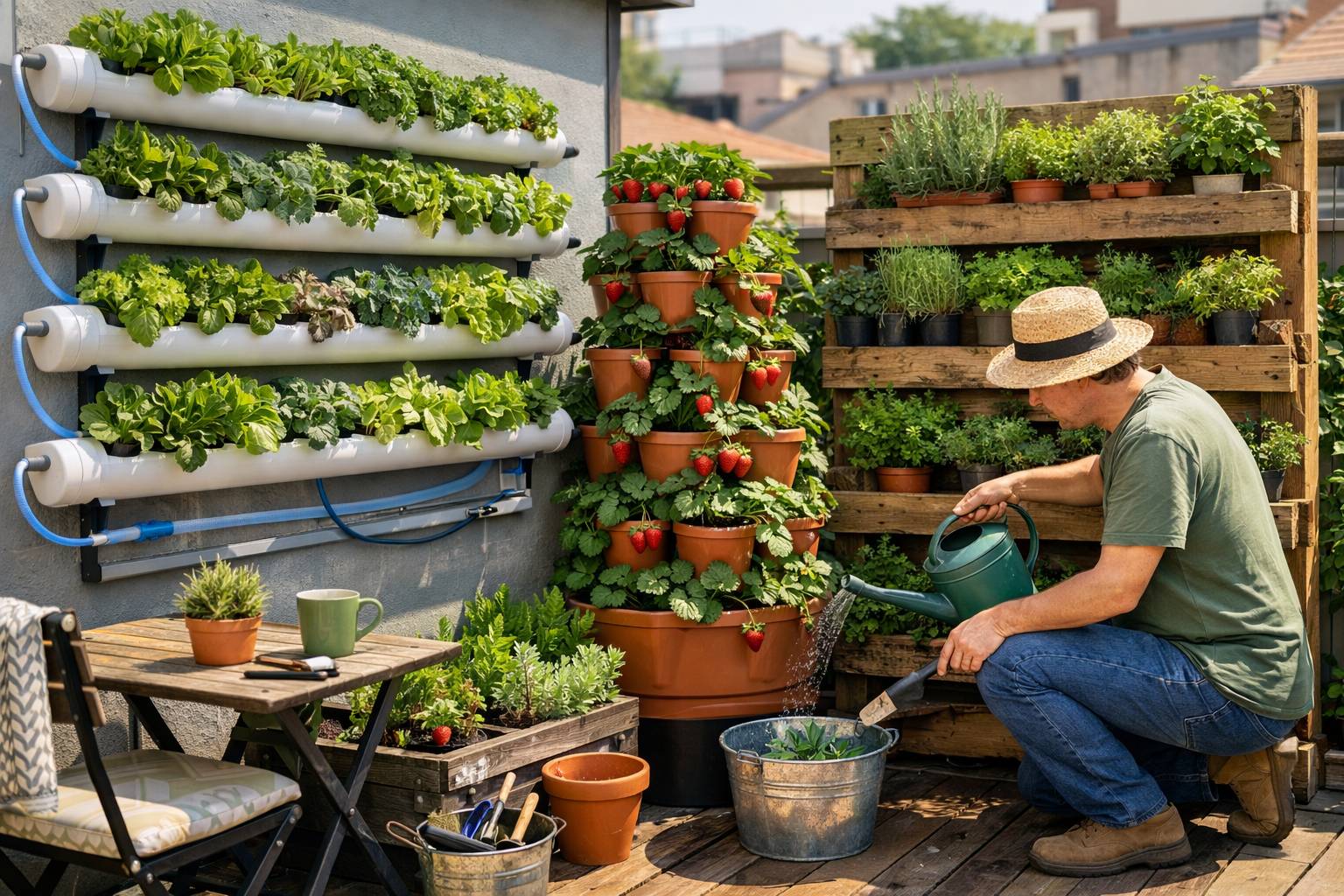
Vertical gardening dramatically expands growing potential by utilizing vertical planes, transforming walls, fences, and railings into productive garden areas. This method is exceptionally effective for urban gardeners and those with small plots, allowing for a surprising volume of produce or decorative plants in a minimal footprint.
Instead of spreading out, vertical gardening encourages plants to grow up, leveraging gravity-defying structures to create multi-tiered or wall-mounted displays. This not only saves ground space but also enhances accessibility for planting, watering, and harvesting. From simple trellises to sophisticated hydroponic walls, the options for vertical growth are diverse. Explore specific ideas in our guide on “Vertical Balcony Garden Ideas: Maximize Your Green Space In Balcony”.
Popular Vertical Gardening Techniques & Systems:
- Trellises and Stakes:
- Description: Supports for vining plants like tomatoes, cucumbers, peas, and pole beans. They train plants to grow upwards, preventing sprawl.
- Best for: Vining vegetables, climbing flowers (e.g., morning glories).
- Tip: Choose sturdy materials like metal, bamboo, or strong netting. For tomatoes, specific cages or spiral stakes work well.
- Stacked Planters (Tiered Gardens):
- Description: Multiple planters stacked atop each other, often forming a pyramid shape. Each tier holds several plants.
- Best for: Herbs, strawberries, leafy greens, small annual flowers.
- Tip: Ensure adequate drainage for each tier and consider a self-watering design to simplify maintenance.
- Wall-Mounted Planters/Pockets:
- Description: Fabric pockets, individual pots, or modular systems attached directly to a wall or fence.
- Best for: Succulents, herbs, small leafy greens, edible flowers.
- Tip: Consider the weight and water retention of the system. Ensure the wall can support the saturated weight and consider a waterproof backing if planting directly on a house wall.
- Pallet Gardens:
- Description: Repurposed wooden pallets stood upright, with fabric or wood planks creating pockets for plants.
- Best for: Herbs, small annuals, shallow-rooted vegetables.
- Tip: Use heat-treated (HT) pallets, not chemically treated (MB) ones, to avoid soil contamination. Line compartments with landscaping fabric to retain soil.
- Hydroponic & Aeroponic Towers:
- Description: Advanced, soil-less systems where plants grow in nutrient-rich water. Towers stack plants vertically, often using pumps to circulate water.
- Best for: Leafy greens, herbs, strawberries, some smaller fruiting plants.
- Tip: While requiring an initial investment, these systems offer faster growth and significant water savings. Good for year-round indoor gardening.
- Rain Gutter Gardens:
- Description: Repurposed rain gutters mounted horizontally in tiers, filled with soil.
- Best for: Shallow-rooted plants like lettuce, spinach, radishes, and herbs.
- Tip: Drill drainage holes in the bottom of the gutters. Space tiers to allow adequate light penetration to lower plants.
Common mistake: Overwatering plants in vertical systems without proper drainage leads to root rot. Always ensure drainage and adjust watering frequency based on sun exposure and plant needs. For insights into common pitfalls, consult “Avoid Vertical Gardening Mistakes For A Thriving 2026 Garden”.
What Are the Best Space Saving Gardening Techniques for Containers?
Container gardening is a foundational space saving technique, offering unparalleled flexibility to grow plants on patios, balconies, or indoors. The best techniques focus on maximizing plant health and yield within the confines of a pot, using smart selection and care strategies.
The adaptability of container gardening makes it ideal for urban dwellers or those with limited outdoor space. You can move plants to optimize sunlight, protect them from harsh weather, or rearrange them for aesthetic appeal. Key to success is choosing the right containers and soil, and understanding how to manage water and nutrients in a confined environment. Our “DIY Container Gardening Ideas For Small Spaces: 2026 Guide” provides excellent starting points.
Essential Container Gardening Techniques:
- Choosing the Right Containers:
- Material Matters: Terracotta pots breathe well but dry out quickly. Plastic retains moisture but can overheat roots. Fabric grow bags offer excellent aeration and drainage, preventing root circling. Consider self-watering planters for reduced maintenance.
- Size & Depth: Match pot size to the mature plant’s root system. Shallow-rooted plants (lettuce, radishes) need less depth, while tomatoes or squash require larger, deeper containers. For specific recommendations, see “Best Pots For Balcony Garden 2026: Ultimate Guide To Small”.
- Drainage: Every container must have drainage holes to prevent waterlogging and root rot.
- Optimizing Soil & Nutrients:
- Potting Mix, Not Garden Soil: Use a high-quality potting mix designed for containers. It’s lighter, drains better, and is sterile. Garden soil compacts too much in pots.
- Fertilization: Container plants rely entirely on you for nutrients. Use a balanced slow-release fertilizer or liquid feed regularly, as nutrients leach out with watering. Refer to our “Fertilizers For Vegetables: 2026 Expert Guide For Optimal Gardening”.
- Watering Strategies:
- Consistency is Key: Containers dry out faster than in-ground gardens. Check soil moisture daily (stick your finger 1-2 inches deep).
- Deep Watering: Water until it runs out the bottom drainage holes, ensuring the entire root ball is moistened.
- Avoid Overwatering: Don’t let pots sit in standing water.
- Strategic Plant Grouping:
- Companion Planting in Pots: Group plants that benefit each other. For example, basil (repels flies) near tomatoes, or marigolds (nematode control) with vegetables. Ensure grouped plants have similar light and water needs.
- Vertical Elements: Incorporate small trellises or stakes directly into large containers to support vining plants.
- Plant Selection for Containers:
- Compact Varieties: Look for “dwarf,” “bush,” or “patio” varieties of vegetables and fruits.
- Yield-per-Space: Choose plants that offer a high yield relative to their size, like bush beans, determinate tomatoes, peppers, eggplants, and various herbs. Our guide on “Best Vegetables For Small Space Gardening In 2026” offers excellent suggestions.
- Pruning and Training:
- Regular Pruning: Pinch back herbs and leafy greens to encourage bushier growth and prevent legginess.
- Training: Guide vining plants up supports to maximize vertical growth and air circulation.
Choose fabric grow bags if you prioritize root health and aeration. Avoid using only small pots if you plan to grow large vegetables like tomatoes, as they will quickly become root-bound and stressed.
How Can Intensive Planting and Succession Planting Boost Small Garden Yields?
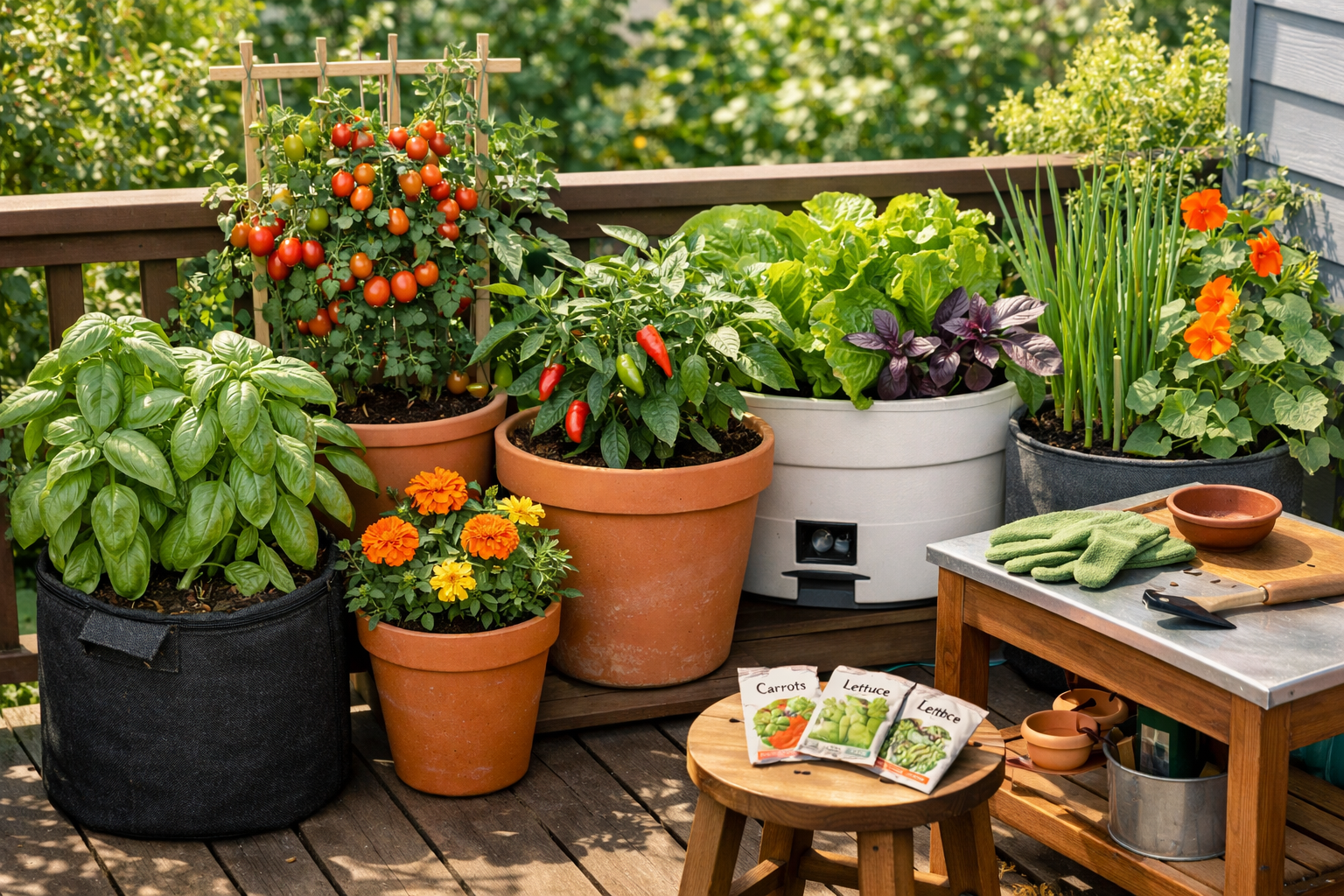
Intensive planting and succession planting are powerful space saving gardening techniques that dramatically increase yields in small areas by maximizing the use of every square inch, both horizontally and temporally. Intensive planting refers to arranging plants closer together than traditional methods, while succession planting involves staggered planting to ensure continuous harvests.
These two techniques work hand-in-hand to transform a small plot into a highly productive food source. Intensive planting focuses on density at a single point in time, while succession planting focuses on density over the entire growing season. Together, they ensure that soil is always working, producing food, and minimizing bare ground where weeds could thrive.
Strategies for Intensive and Succession Planting:
Intensive Planting (Square Foot Gardening Principles):
- Closer Spacing: Instead of rows, plant in blocks or grids. For example, lettuce can be planted 4-9 plants per square foot, versus one plant every 12 inches in a row.
- Triangular Patterns: Stagger plants in a triangular pattern rather than straight rows to give each plant slightly more room and better access to light.
- Deep Bed Preparation: Intensive planting requires rich, well-draining soil, often raised beds, with plenty of compost to support the higher density of plants.
- Intercropping: Plant fast-growing, shallow-rooted crops (like radishes or lettuce) between slower-growing, larger plants (like cabbage or broccoli). Harvest the quick crop before the larger one needs the space.
- Benefits: Higher yields per square foot, weed suppression (plants shade out weeds), and reduced water evaporation from the soil.
- Consideration: Requires more diligent monitoring of soil fertility and moisture, as plants compete for resources.
Succession Planting:
- Staggered Planting: Instead of planting all of one crop at once, plant smaller batches every 2-3 weeks. This ensures a continuous supply rather than a single, overwhelming harvest.
- Example: Plant lettuce seeds every two weeks for a steady supply of greens throughout spring and early summer.
- Successional Crop Rotation: After harvesting an early-season crop (e.g., peas or spinach), immediately plant a different, warm-season crop (e.g., bush beans or peppers) in the same space.
- Example: Once spring radishes are pulled, replace them with carrots or bush beans.
- Cut-and-Come-Again: For leafy greens like lettuce and spinach, harvest outer leaves or cut the plant a few inches above the soil line, allowing it to regrow for multiple harvests from a single planting.
- Quick Turnaround Crops: Prioritize crops with short maturity times (e.g., radishes, lettuce, spinach, cilantro, bush beans) to maximize the number of harvests per season.
- Benefits: Extends the harvest season, prevents gluts of produce, and maximizes the use of limited garden space throughout the year.
- Staggered Planting: Instead of planting all of one crop at once, plant smaller batches every 2-3 weeks. This ensures a continuous supply rather than a single, overwhelming harvest.
Decision Rule: Use intensive planting if your goal is the highest possible yield from a fixed area at any given time. Use succession planting if your goal is continuous harvesting over a longer period.
What are the Benefits and Challenges of Space Saving Gardening Techniques?
Space saving gardening techniques offer significant benefits, primarily enabling food production and green spaces in urban environments or homes with limited land. However, they also come with specific challenges that require careful management.
Understanding both the advantages and potential drawbacks allows gardeners to make informed decisions and prepare adequately for the unique demands of compact cultivation. These methods can transform an unused corner into a productive oasis but require a tailored approach compared to traditional in-ground gardening.
Benefits of Space Saving Gardening:
- Maximizes Limited Space: Allows gardening on balconies, patios, rooftops, small yards, or indoors, making fresh produce and beautiful plants accessible to more people.
- Increased Accessibility: Vertical gardens can be at eye level, making them easier for individuals with mobility challenges or those who prefer not to bend over.
- Portability: Container gardens can be moved to optimize sunlight exposure, protect from adverse weather, or rearrange for aesthetic purposes.
- Water Efficiency: Many systems, especially vertical and self-watering containers, can reduce water waste by minimizing evaporation and directing water precisely to roots.
- Pest & Disease Control: Plants in containers or raised beds often have fewer soil-borne pest and disease issues. Isolating plants in pots can also help contain outbreaks.
- Extended Growing Season: Indoor or movable container gardens can be brought inside during colder months, extending the harvest.
- Reduced Weeding: Less exposed soil in intensive beds and containers significantly cuts down on weeding time.
- Aesthetic Appeal: Well-designed vertical and container gardens can be stunning decorative features, enhancing the beauty of a small space. For ideas, check out “Balcony Garden Decor Ideas 2026: Transform Your Small Space”.
- Educational Opportunities: Provides an excellent hands-on learning experience for children and adults about sustainable living and food production.
Challenges of Space Saving Gardening:
- Frequent Watering: Containers and closely spaced plants dry out faster than in-ground gardens, requiring daily or even twice-daily watering, especially in hot weather.
- Nutrient Depletion: Soil in containers has limited volume, and nutrients leach out quickly with watering, necessitating more frequent fertilization.
- Temperature Fluctuations: Pots, especially dark-colored ones, can heat up rapidly in direct sun, stressing roots. Small soil volumes offer less insulation against cold.
- Initial Setup Cost: Specialized vertical systems, quality containers, and potting mixes can have a higher upfront cost than preparing an in-ground bed.
- Limited Root Space: Plants can become root-bound if containers are too small, stunting growth and reducing yields.
- Wind Exposure: Elevated or vertical gardens can be more exposed to drying winds, increasing water needs and potentially damaging plants.
- Pest Identification: While often reduced, pests can still be an issue. Close quarters mean an infestation can spread quickly if not addressed.
- Structural Considerations: For heavy vertical systems or multiple large containers on balconies, weight limits and structural integrity must be considered.
- Sunlight Constraints: Small spaces, particularly urban ones, may have limited or inconsistent sunlight, requiring careful plant selection and placement.
Edge Case: For renters, space saving gardening offers unique advantages by being largely portable and non-permanent. However, it requires choosing systems that won’t damage property, as discussed in “Balcony Gardening For Renters: 2026 Ultimate Guide”.
What are the Best Plants for Space Saving Gardening?
The best plants for space saving gardening are those that offer high yields relative to their size, have compact growth habits, or can be easily trained to grow vertically. Selecting the right varieties is crucial for success in limited spaces.
Prioritizing plant types and specific cultivars that are naturally suited to small footprints ensures a healthier, more productive garden without overcrowding. This often means looking for “bush” or “dwarf” varieties, or those known for their “cut-and-come-again” harvesting style.
Top Plant Choices for Small Space Gardening:
- Herbs:
- Why they work: Most herbs are compact, thrive in containers, and can be grown indoors or vertically. Many are “cut-and-come-again.”
- Examples: Basil, mint, parsley, cilantro, chives, oregano, thyme, rosemary.
- Tip: Mint can be invasive in shared containers; best grown in its own pot.
- Leafy Greens:
- Why they work: Quick-growing, many are “cut-and-come-again,” and tolerate partial shade. Ideal for succession planting.
- Examples: Lettuce (loose-leaf varieties), spinach, arugula, Swiss chard, kale.
- Tip: Grow in shallow, wide containers or wall-mounted pockets.
- Bush Beans & Pole Beans:
- Why they work: Bush varieties are compact and don’t need support. Pole beans are vining, making them perfect for trellises and vertical structures.
- Examples: ‘Contender’ bush bean, ‘Kentucky Wonder’ pole bean.
- Tip: Pole beans offer a higher yield per square foot due to vertical growth.
- Compact Cucumbers:
- Why they work: Choose bush or “patio” varieties, or vining types that can be trellised.
- Examples: ‘Bush Crop,’ ‘Spacemaster,’ ‘Marketmore 76’ (trellis).
- Tip: Ensure sturdy support for vining types, as the fruits can be heavy.
- Peppers (Bell & Chili):
- Why they work: Generally compact, productive, and well-suited to containers.
- Examples: ‘California Wonder’ (bell), ‘Jalapeño,’ ‘Thai Chili.’
- Tip: Provide consistent watering and support for heavier fruiting plants.
- Determinate Tomatoes:
- Why they work: Grow to a specific size, produce fruit over a shorter period, and are ideal for containers. Look for “bush” or “patio” varieties.
- Examples: ‘Celebrity,’ ‘Roma,’ ‘Bush Goliath,’ ‘Patio.’
- Tip: Still benefit from staking or a small cage for support. For more on this, see “Growing Tomatoes In Small Spaces: 2026 Expert Guide”.
- Radishes & Carrots:
- Why they work: Quick-growing root vegetables. Radishes mature very fast, perfect for intercropping and succession. Choose ‘Danvers Half Long’ or ‘Paris Market’ carrots for containers.
- Tip: Grow in deep containers with loose, well-draining soil to prevent stunted roots.
- Strawberries:
- Why they work: Excellent for hanging baskets, stacked planters, and vertical towers.
- Examples: Everbearing or day-neutral varieties (‘Albion,’ ‘Seascape’) produce fruit throughout the season.
- Tip: Keep runners pruned or redirect them into new pots to propagate.
- Eggplant:
- Why they work: Many varieties are compact and thrive in large containers.
- Examples: ‘Patio Baby,’ ‘Fairy Tale.’
- Tip: Provide a stake for support once fruit begins to set.
- Flowers for Small Spaces:
- Why they work: Add beauty and often attract pollinators or deter pests.
- Examples: Marigolds, nasturtiums (edible), petunias, pansies, compact zinnias.
- Tip: Nasturtiums are great for “spill” in hanging baskets and are edible.
Avoid planting sprawling indeterminate tomatoes, large squash varieties, or corn directly in small containers or limited ground space unless you have robust vertical support and very large containers. They typically require too much space and resources to be efficient in a small footprint.
Practical Tips for Maintaining a Space Saving Garden in 2026
Maintaining a space saving garden effectively in 2026 involves consistent care, smart resource management, and proactive problem-solving to ensure plants thrive in their confined environments. Without diligent attention, the benefits of compact gardening can quickly diminish.
A healthy small garden is a productive one. Because space saving gardens often involve higher plant density and containers, they have specific needs regarding watering, feeding, and pest control that differ from traditional gardens. Establishing a routine and knowing what to look for will lead to success.
Essential Maintenance Tips:
- Consistent Watering:
- Frequency: Container and vertical gardens dry out faster. Check soil moisture daily. Water when the top inch of soil feels dry.
- Method: Water deeply until it drains from the bottom. Consider drip irrigation or self-watering containers for efficiency, especially for balcony gardens.
- Tip: Morning watering is generally best, allowing plants to absorb water before the heat of the day and foliage to dry before nightfall, reducing fungal issues. Refer to “Common Watering Mistakes In Container Gardening: Expert Guide 2026” for common pitfalls.
- Regular Fertilization:
- Nutrient Depletion: Nutrients leach out of containers with watering. Feed plants regularly, typically every 2-4 weeks with a balanced liquid fertilizer, or use a slow-release granular fertilizer at planting.
- Organic Options: Compost tea or worm castings can provide gentle, continuous nourishment.
- Sign of Need: Yellowing leaves or stunted growth often indicate nutrient deficiencies.
- Pruning and Training:
- Encourage Bushiness: Pinch back herbs and leafy greens to promote denser, bushier growth.
- Vertical Guidance: Train vining plants up trellises or stakes regularly to maximize vertical space and improve air circulation.
- Remove Spent Growth: Deadhead flowers and remove any yellowing or diseased leaves promptly to redirect plant energy to new growth and prevent disease spread.
- Pest and Disease Monitoring:
- Daily Checks: Inspect plants daily for signs of pests (aphids, spider mites) or diseases. Early detection is key in small spaces.
- Organic Control: Use insecticidal soap, neem oil, or manual removal (e.g., squishing aphids) for pest control. Encourage beneficial insects by planting companion flowers.
- Air Circulation: Ensure good airflow around plants, especially in vertical systems, to prevent fungal diseases.
- Cleanliness: Remove fallen leaves and debris to eliminate hiding spots for pests and pathogens. See our guide on “Pest Control For Small Gardens: 2026 Expert Guide” for more.
- Sunlight Management:
- Observe & Adjust: Monitor how sunlight hits your garden throughout the day and season. Move containers as needed to optimize sun exposure for specific plants.
- Rotate Plants: If some plants are not getting enough light, rotate them to sunnier spots periodically.
- Shade Solutions: For heat-sensitive plants during scorching summers, consider temporary shade cloth or moving them to a shadier spot during peak sun hours.
- Succession Planting & Harvesting:
- Harvest Regularly: Don’t wait for all fruits to ripen. Regular harvesting encourages more production.
- Replant: As soon as one crop is finished, amend the soil with compost and plant the next crop to maximize continuous yield from the space.
- Extend Season: For indoor setups, use grow lights to continue growing herbs and greens year-round.
Common mistake: Neglecting daily checks. In a small, intensive garden, problems like pests, disease, or dehydration can escalate rapidly, making daily observation crucial.
Conclusion
Mastering space saving gardening techniques is more relevant than ever in 2026, offering innovative solutions for urban dwellers, apartment residents, and anyone with limited outdoor space. By strategically embracing vertical growth, intelligent container use, and smart plant selection, gardeners can transform even the smallest corners into vibrant, productive green spaces. These methods not only yield fresh produce and beautiful blooms but also foster a deeper connection with nature, proving that a lack of sprawling acreage doesn’t equate to a lack of gardening potential.
The principles discussed—from vertical systems and intensive planting to careful maintenance and wise plant choices—collectively empower gardeners to overcome spatial constraints. While challenges such as diligent watering and nutrient management exist, the benefits of fresh, homegrown food and a personalized green oasis far outweigh them. Embrace these techniques, and you’ll discover the immense joy and satisfaction of a flourishing garden, regardless of its size.
Actionable Next Steps:
- Assess Your Space: Identify the sunniest spots, available wall space, and any unused vertical areas on your balcony, patio, or indoors.
- Choose Your Method: Decide if vertical gardening (trellises, wall planters), container gardening, or a combination best suits your space and desired plants.
- Select Your Plants: Research compact, dwarf, or vining varieties suitable for your chosen method and local climate. Start with easy-to-grow herbs and leafy greens.
- Gather Supplies: Invest in appropriate containers, quality potting mix, a good watering can or system, and any necessary vertical structures. Consider DIY options to save costs.
- Start Small: Begin with a few plants and expand as you gain confidence and experience. Learn from each season and adjust your approach.
FAQ
Q: What is the most effective space saving gardening technique for a tiny balcony?
A: Vertical gardening, specifically using wall-mounted planters or stacked planters, is the most effective technique for a tiny balcony, as it utilizes overhead space without taking up valuable floor area.
Q: Can I grow vegetables in a vertical garden?
A: Yes, many vegetables thrive in vertical gardens, particularly leafy greens (lettuce, spinach), herbs, strawberries, and some compact vining plants like small cucumbers or cherry tomatoes with proper support.
Q: How often do container plants need watering in a space saving garden?
A: Container plants typically need watering daily, and sometimes twice daily during hot, dry weather, as they dry out faster than plants in the ground. Always check the soil moisture before watering.
Q: What kind of soil should I use for space saving container gardening?
A: Use a high-quality, lightweight potting mix specifically designed for containers. Avoid heavy garden soil, which can compact and hinder drainage in pots.
Q: What is succession planting in space saving gardening?
A: Succession planting involves staggering plantings of the same crop every few weeks or replacing harvested crops with new ones to ensure a continuous yield over the growing season rather than a single large harvest.
Q: Are hydroponics considered a space saving gardening technique?
A: Yes, hydroponics are an excellent space saving technique, especially vertical hydroponic systems, as they grow plants in nutrient-rich water without soil, often requiring less physical space and water than traditional methods.
Q: How do I prevent pests in a small space saving garden?
A: Regularly inspect plants for pests, practice good garden hygiene by removing debris, encourage beneficial insects, and use organic pest control methods like insecticidal soap or neem oil at the first sign of an infestation.
Q: Can space saving gardening techniques be used indoors?
A: Absolutely. Indoor vertical gardens, container setups, and hydroponic systems are perfect for growing herbs, leafy greens, and some small vegetables year-round, especially with the aid of grow lights.
Q: Is companion planting beneficial in a small garden?
A: Yes, companion planting is highly beneficial in small gardens. It can deter pests, attract beneficial insects, improve soil health, and enhance plant growth by strategically placing compatible plants together.
Q: What are “bush” or “dwarf” varieties in space saving gardening?
A: “Bush” or “dwarf” varieties are plant cultivars bred to have a more compact growth habit, making them ideal for containers and small garden spaces where sprawling plants would be impractical.
Sources
- Pest Control for Small Gardens: 2026 Expert Guide (2026)
- Common Watering Mistakes In Container Gardening: Expert Guide 2026 (2026)
- Fertilizers For Vegetables: 2026 Expert Guide For Optimal Gardening (2026)
- Growing Tomatoes In Small Spaces: 2026 Expert Guide (2026)
- Balcony Gardening For Renters: 2026 Ultimate Guide (2026)