How to Garden in Small Spaces: Your 2026 Ultimate Guide
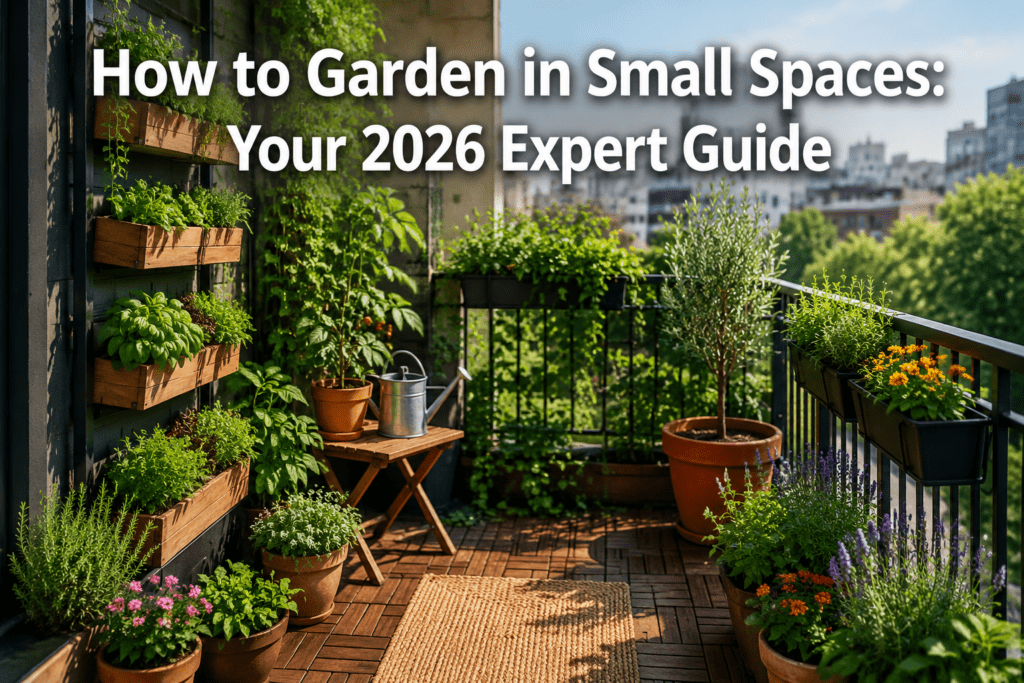
Even with limited square footage, cultivating a thriving garden is entirely achievable through smart planning, creative planting techniques, and efficient use of vertical and container spaces. This guide provides actionable strategies for transforming compact areas like balconies, patios, and windowsills into productive green oases, enabling you to grow fresh produce, herbs, and flowers right at home in 2026.
Key Takeaways
- Maximize Space with Verticals: Utilize walls and railings for climbing plants and stacked planters to expand growing area upwards.
- Choose Compact Varieties: Select dwarf or bush varieties of vegetables and herbs that are specifically bred for small spaces.
- Embrace Container Gardening: Nearly any plant can be grown in pots, allowing for flexibility and mobility.
- Optimize Sunlight: Understand your available light and choose plants accordingly, ensuring they receive 6+ hours for most edibles.
- Practice Companion Planting: Strategically pair plants that benefit each other to deter pests and improve growth in tight quarters.
- Start Simple with Easy Plants: Begin with resilient, low-maintenance options like leafy greens, radishes, and herbs to build confidence.
- Budget-Friendly Containers: Repurpose household items or seek out inexpensive options like fabric grow bags for cost-effective setups.
- Consistent Watering & Feeding: Small containers dry out quickly and require regular nutrients; self-watering pots can be a useful investment.
What Are the Best Vegetables to Grow in Small Spaces?
The best vegetables to grow in small spaces are typically compact, high-yielding varieties that don’t require extensive root systems or sprawling growth habits. Focus on “bush” or “dwarf” varieties, as these are bred to stay smaller while still producing a good harvest.
Prioritizing efficiency means choosing vegetables that offer a good return on the space invested. Here’s a list of top performers for small gardens:
- Leafy Greens: Lettuce, spinach, arugula, and Swiss chard are excellent as they grow quickly, can be harvested repeatedly (cut-and-come-again), and tolerate some shade.
- Radishes: These mature incredibly fast, often in under a month, making them perfect for quick harvests and succession planting.
- Bush Beans: Unlike pole beans, bush varieties grow as compact shrubs and don’t need trellising, though a small support can still be beneficial.
- Carrots: Look for “short and stout” varieties or round types designed for containers, as they don’t need deep soil.
- Herbs: Almost all herbs (basil, mint, chives, parsley, thyme, oregano) thrive in pots and are essential for culinary use. For more options, see our guide on the Best Herbs For Small Gardens 2026.
- Cherry Tomatoes: While larger tomatoes can be tricky, determinate cherry tomato varieties or those labeled “patio” or “bush” are well-suited for containers and vertical systems. Refer to our Growing Tomatoes In Small Spaces: 2026 Expert Guide for detailed advice.
- Peppers: Bell peppers and chili peppers are productive in containers, especially if you choose compact varieties and provide sturdy support as they fruit.
- Strawberries: These are ideal for hanging baskets or vertical planters, offering delicious fruit without taking up much ground space.
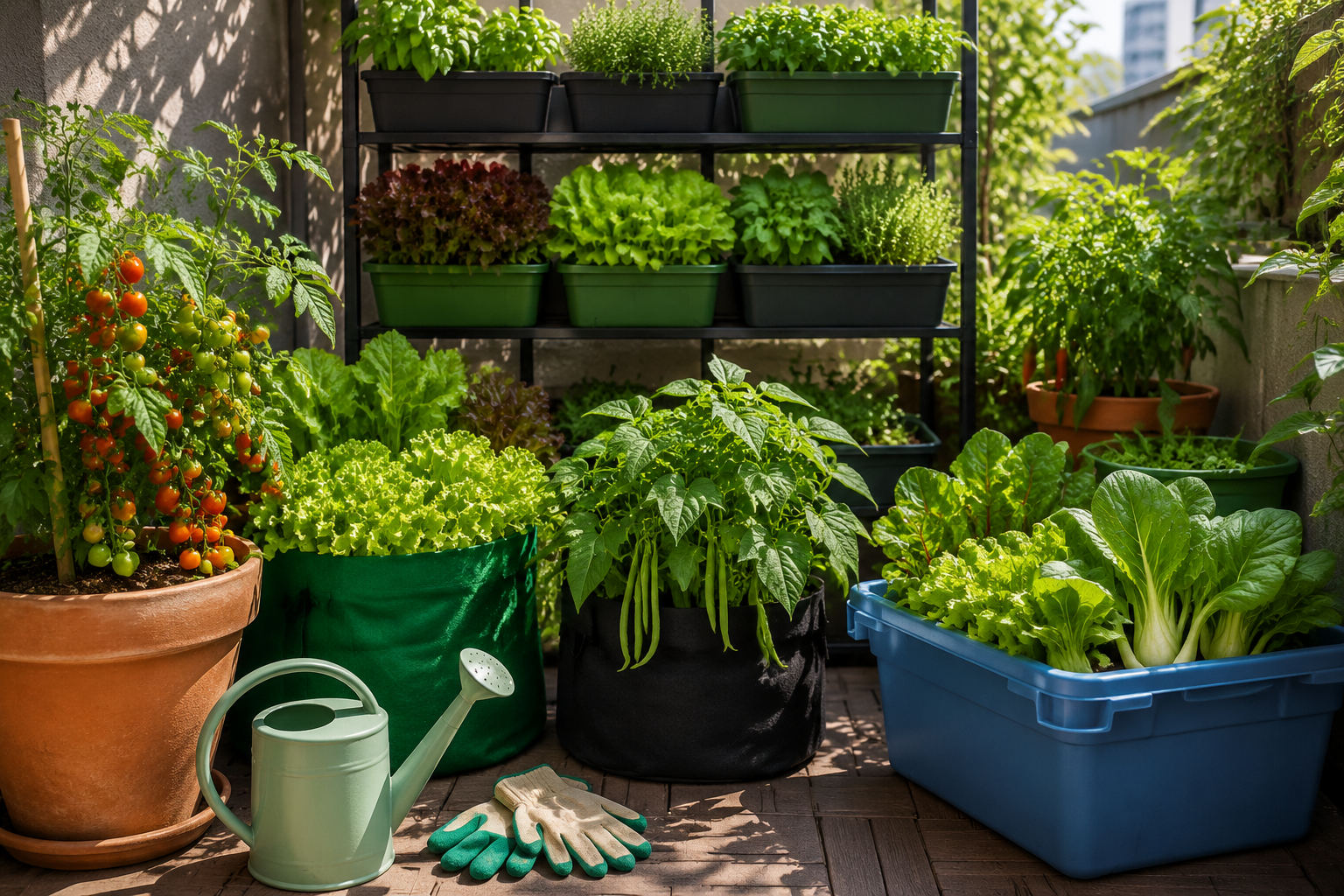
Decision Rule: Choose plants that are “determinate” (for tomatoes), “bush” (for beans/cucumbers), or have a naturally compact growth habit. Avoid vining plants unless you have dedicated vertical support.
How Much Sunlight Do Container Gardens Need?
Most container vegetable gardens require at least 6-8 hours of direct sunlight per day to thrive and produce a good harvest. Without adequate sunlight, plants may become leggy, produce fewer fruits, or struggle with overall growth.
While 6-8 hours is ideal for fruiting vegetables like tomatoes and peppers, many leafy greens and herbs can tolerate 4-6 hours of direct sun or even partial shade. It’s crucial to observe your space throughout the day to determine how much sun different areas receive.
Here’s a breakdown:
- Full Sun (6-8+ hours): Essential for tomatoes, peppers, squash, cucumbers, corn, and most fruiting vegetables.
- Partial Sun (4-6 hours): Suitable for most herbs, leafy greens (lettuce, spinach, kale), radishes, and some root vegetables.
- Partial Shade (2-4 hours): Only a few edibles will tolerate this, primarily certain varieties of leafy greens in hot climates, as well as some shade-loving herbs like mint.
Common Mistake: Many new gardeners overestimate the amount of direct sun their space receives, especially in urban areas where buildings can cast significant shadows. Track the sun’s path with an hour-by-hour observation over a full day or use a sun calculator app for accuracy.
Can I Grow a Garden on My Apartment Balcony?
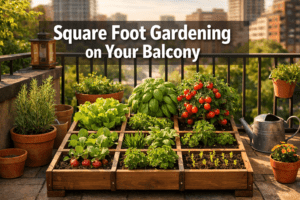
Yes, absolutely, you can grow a thriving garden on an apartment balcony by leveraging container gardening, vertical planting, and careful plant selection. Balconies offer excellent opportunities for gardening, provided you consider sunlight exposure, weight limits, and water drainage.
Balcony gardening is one of the most popular ways to maximize green space in urban environments. Consider the following:
- Sunlight Assessment: As discussed, identify how many hours of direct sunlight your balcony receives. This will dictate which plants you can successfully grow.
- Weight Limits: Be mindful of your balcony’s structural limits. Distribute heavy pots evenly, and avoid excessively large or numerous ceramic pots if unsure. Lighter fabric grow bags or plastic containers are excellent alternatives.
- Drainage: Ensure all containers have drainage holes to prevent root rot. Place saucers or trays beneath pots to catch excess water and protect your balcony floor (and your downstairs neighbors).
- Vertical Solutions: Utilize vertical planters, trellises, and hanging baskets to maximize your growing area without taking up precious floor space. Explore ideas in our Vertical Balcony Garden Ideas: Maximize Your Green Space In Balcony article.
- Wind Protection: Balconies, especially on higher floors, can be windy. Choose sturdy containers, use windbreaks like privacy screens, or select wind-tolerant plants.
- Watering: Containers dry out faster than in-ground gardens. Consider self-watering pots or drip irrigation systems for consistent moisture. Learn more about Self-Watering Pots: Do They Work For Small Gardens?
- Plant Selection: Focus on compact vegetables, herbs, and flowers that are well-suited for containers and your specific sun conditions. Our guide on Small Balcony Vegetable Gardening: Your 2026 Urban Guide offers more specific plant recommendations.
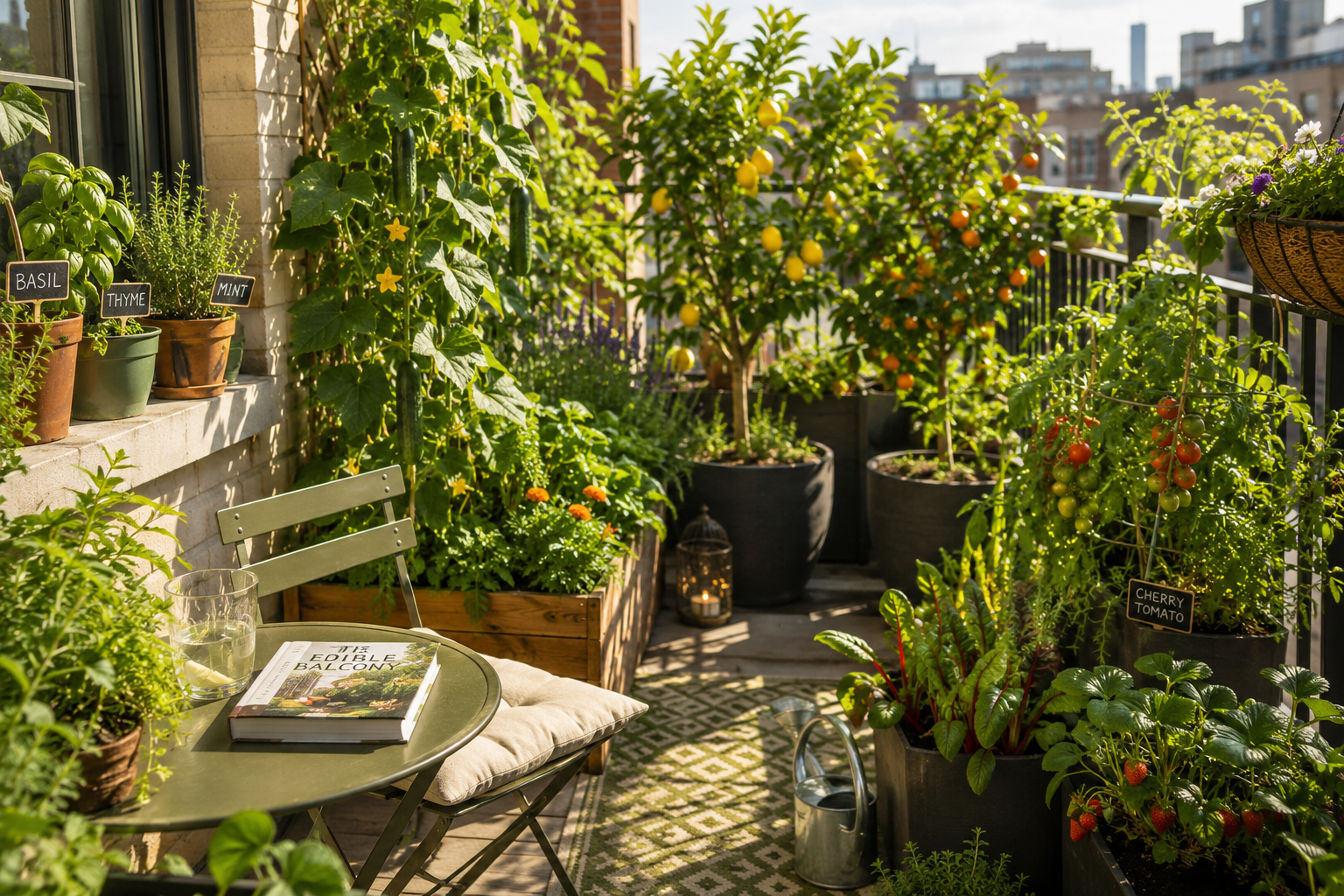
Edge Case: If your balcony receives very little direct sunlight, consider growing shade-tolerant plants like hostas, ferns, or leafy greens, or invest in grow lights for indoor seed starting or herb cultivation.
What Are the Cheapest Containers for Urban Gardening?
The cheapest containers for urban gardening are often repurposed household items or inexpensive fabric grow bags, which allow you to start a garden without significant upfront investment. Cost-effective solutions prioritize functionality and availability.
You don’t need fancy pots to grow a successful garden. Many common items can be repurposed:
- Recycled Plastic Containers: Large yogurt tubs, laundry detergent bottles (cleaned thoroughly), 5-gallon buckets, and even sturdy plastic grocery bags can be used. Just ensure adequate drainage holes are added.
- Fabric Grow Bags: These are incredibly affordable, lightweight, and promote excellent root aeration. They come in various sizes and are often more forgiving than plastic pots for beginner gardeners.
- Old Tires: Cleaned and painted tires can make robust, large planters, especially for potatoes or larger vegetables.
- Wooden Crates/Pallets: With a little DIY effort, old wooden crates or disassembled pallets can be transformed into raised beds or vertical planters. Line them with landscaping fabric to prevent soil loss.
- Tins and Cans: Larger tin cans (e.g., from institutional foods) can be used for herbs or small flowers, but consider rust over time. Punch drainage holes.
- Plastic Storage Totes: Inexpensive storage bins from discount stores can be drilled with drainage holes and used as mini raised beds.
DIY Tip: When repurposing containers, always ensure they are clean, free of harmful chemicals, and have sufficient drainage holes (at least 3-5 holes of 1/4 to 1/2 inch diameter in the bottom).
How Do I Prevent Pests in a Small Garden?
Preventing pests in a small garden largely relies on proactive strategies like plant health, companion planting, regular inspection, and utilizing natural remedies. A healthy plant is naturally more resistant to pest infestations.
Because small gardens are often more manageable to observe closely, you have an advantage in early detection and intervention.
Here’s how to keep pests at bay:
- Healthy Plants: Provide proper watering, adequate sunlight, and nutrient-rich soil to ensure plants are strong. Stressed plants are more susceptible to pests. Use a quality best soil mix for container gardening.
- Companion Planting: Strategically plant pest-repelling herbs and flowers alongside your vegetables. For example, marigolds deter nematodes, while basil can help protect tomatoes.
- Examples:
- Marigolds: Repel nematodes, whiteflies, and other harmful insects.
- Nasturtiums: Act as a trap crop, drawing aphids away from other plants.
- Herbs (basil, mint, rosemary): Strong scents can confuse or repel various pests.
- Examples:
- Regular Inspection: Routinely check the undersides of leaves and stems for early signs of pests (eggs, larvae, small insects). Early detection allows for easy removal.
- Hand-Picking: For larger pests like slugs, snails, or caterpillars, simply pick them off and dispose of them.
- Water Sprays: A strong jet of water can dislodge aphids and spider mites from plants.
- Neem Oil Spray: An organic pesticide that disrupts the life cycle of many common garden pests. Apply according to package directions.
- Insecticidal Soap: Effective against soft-bodied insects like aphids, whiteflies, and mealybugs.
- Introduce Beneficial Insects: Attract ladybugs, lacewings, and parasitic wasps by planting flowers that provide nectar and pollen. These insects prey on common garden pests.
- Good Air Circulation: Space plants appropriately (even in small spaces) to allow air movement, which can reduce fungal issues that weaken plants and make them more vulnerable to pests.
- Crop Rotation: Even in containers, try to avoid planting the same crop in the same soil/container year after year, as this can build up pest populations. Our guide on When To Rotate Crops In Small Vegetable Gardens (2026 Guide) offers more insights.
Mistake to Avoid: Over-fertilizing with nitrogen can lead to lush, soft growth that is particularly attractive to sap-sucking pests like aphids. Balance your nutrient applications. Our article on Pest Control For Small Gardens: 2026 Expert Guide offers a deeper dive into pest management.
Which Plants Are Easiest for Beginners with Limited Space?
For beginners with limited space, the easiest plants to grow are those that are resilient, have compact growth habits, and yield quickly without demanding complex care. Starting with these plants helps build confidence and provides early successes.
Here are some top picks for new small-space gardeners:
- Lettuce and Salad Greens: Varieties like loose-leaf lettuce, spinach, and arugula are incredibly forgiving. They grow fast, tolerate some shade, and you can harvest outer leaves multiple times.
- Radishes: As mentioned earlier, radishes mature in just a few weeks, offering near-instant gratification.
- Bush Beans: These are robust, productive, and largely pest-resistant, making them a great choice for container growers.
- Herbs (Basil, Mint, Chives, Parsley): Most herbs are easy to care for, grow well in pots, and provide a constant supply for cooking. Mint, in particular, is very hardy but can be invasive, so keep it in its own container.
- Marigolds/Nasturtiums: While not edible (unless you mean edible nasturtium flowers!), these flowers are easy to grow, add beauty, and serve as excellent companion plants for pest control.
- Dwarf Cherry Tomatoes: Look for varieties specifically bred for containers, such as ‘Tiny Tim’ or ‘Patio Princess.’ They still need sun and consistent water but are more manageable than larger varieties.
Criteria for Easy Plants:
- Fast Growers: Provide quick results.
- Compact Size: Don’t sprawl or take over space.
- Low Maintenance: Tolerate minor neglect or fluctuating conditions.
- Disease/Pest Resistant: Less prone to common garden issues.
What Mistakes Do New Small-Space Gardeners Usually Make?
New small-space gardeners often make mistakes related to plant selection, inadequate watering, insufficient sunlight assessment, and neglecting soil quality, all of which can hinder plant growth and yield. Understanding these common pitfalls helps in establishing a more successful garden.
Here are frequent errors and how to avoid them:
- Choosing the Wrong Plants for the Space: Trying to grow large, sprawling plants like full-size pumpkins or vining cucumbers without proper vertical support is a common issue.
- Solution: Select compact, bush, or determinate varieties. Prioritize plants that suit your available light. Our list of Best Plants For Small Spaces: 15 Top Picks For 2026 can help.
- Underestimating Sunlight Needs: Placing sun-loving plants in shaded areas.
- Solution: Observe your space for a full day to accurately gauge sun exposure before planting. Most edibles need 6-8 hours.
- Inconsistent Watering: Containers dry out much faster than garden beds. Both overwatering and underwatering are detrimental.
- Solution: Check soil moisture daily by sticking your finger an inch or two deep. Water when the top inch feels dry. Consider self-watering pots for convenience.
- Using Poor Quality Soil: Garden soil is too dense for containers and can introduce pests or diseases. Cheap potting mix often lacks sufficient nutrients.
- Solution: Invest in a high-quality, lightweight potting mix designed for containers. It provides good drainage and aeration.
- Neglecting Drainage: Pots without drainage holes lead to waterlogged soil and root rot.
- Solution: Ensure all containers have adequate drainage holes. Use saucers to catch excess water.
- Overcrowding: Planting too many plants in one container or too close together limits growth and air circulation.
- Solution: Follow spacing recommendations for container gardening. It’s better to have fewer healthy plants than many struggling ones.
- Forgetting to Fertilize: Container plants deplete nutrients from their limited soil volume quickly.
- Solution: Start with potting mix containing slow-release fertilizer, then supplement with a liquid organic fertilizer every 2-4 weeks during the growing season.
- Ignoring Pest and Disease Signs: Small problems can quickly escalate in a confined space.
- Solution: Inspect plants regularly and address issues promptly with organic solutions like neem oil or insecticidal soap.
How Much Does It Cost to Start a Small Container Garden?
Starting a small container garden can cost anywhere from $50 to $200+ for a basic setup, depending primarily on whether you repurpose materials or purchase new specialized equipment. The main expenses typically include containers, potting mix, seeds or starter plants, and basic tools.
Here’s a breakdown of potential costs:
| Item | Budget-Friendly Estimate | Mid-Range Estimate |
|---|---|---|
| Containers (5-10) | $0 (repurposed) – $20 (fabric bags) | $50 – $100 (terracotta, self-watering) |
| Potting Mix (Large Bag) | $15 – $25 | $25 – $40 |
| Seeds/Starter Plants | $10 – $30 | $30 – $60 |
| Basic Tools | $15 – $30 (hand trowel, snips) | $30 – $50 (better quality set) |
| Fertilizer (Organic) | $10 – $20 | $20 – $30 |
| Total Estimated Cost | $50 – $125 | $155 – $280 |
Cost-Saving Tips:
- Repurpose: Use old buckets, laundry baskets, or plastic containers as pots.
- Start from Seed: Seeds are much cheaper than starter plants, though they require more time and care. Consider learning how to start seeds indoors in small spaces (2026 Guide).
- DIY Vertical Structures: Build trellises or vertical planters from reclaimed wood or PVC pipes.
- Compost: Make your own compost to enrich soil and reduce the need for bagged amendments. Our guide on How To Compost In A Small Space Or Apartment (2026) can help.
- Share Resources: Trade seeds or cuttings with friends and neighbors.
Are Vertical Gardens Worth the Investment?
Vertical gardens are absolutely worth the investment for small space gardeners, especially those looking to maximize plant count, improve aesthetics, and overcome limited ground-level growing area. While they can have a higher initial cost, their benefits in urban environments often outweigh this.
Vertical gardening systems, whether DIY or pre-fabricated, allow you to grow upwards, transforming unused wall space into a productive garden.
Pros of Vertical Gardens:
- Space Maximization: Dramatically increases your growing area in a compact footprint. This is the primary benefit for small spaces.
- Ergonomics: Reduces bending and kneeling, making gardening more accessible.
- Pest Control: Keeps plants off the ground, potentially reducing exposure to soil-borne pests and diseases.
- Aesthetics: Creates a visually stunning living wall, enhancing the beauty of your balcony, patio, or indoors. See our 2026 Wall Garden Ideas for inspiration.
- Improved Air Circulation: Plants are less crowded, leading to better airflow and reduced fungal issues.
- Portability (some systems): Certain modular systems can be moved or rearranged.
Cons of Vertical Gardens:
- Higher Initial Cost: Pre-made vertical systems can be more expensive than traditional pots.
- Increased Watering Needs: Many vertical systems, especially those with individual pockets, can dry out faster.
- Limited Root Space: Some systems may restrict root growth, so choose plants carefully.
- Maintenance: Can be more challenging to reach and prune plants in higher tiers.
Decision Rule: Invest in a vertical garden if your primary limitation is horizontal space, you desire a striking visual feature, and you’re willing to commit to more frequent watering or consider a built-in irrigation system.
What Plants Grow Well Together in Tight Spaces?
In tight spaces, certain plants grow exceptionally well together through a practice called companion planting, where they offer mutual benefits such as pest deterrence, improved growth, and better utilization of nutrients. This strategy is crucial for maximizing yields in how to garden in small spaces.
Effective companion planting helps to create a healthier, more productive micro-ecosystem within your containers or compact beds.
Here are some classic pairings that thrive together:
- Tomatoes and Basil: Basil is said to improve the flavor of tomatoes and repel tomato hornworms and flies. Plant them side-by-side in a large container.
- Carrots and Rosemary/Chives: Rosemary and chives can deter carrot rust flies.
- Lettuce and Tall Plants (e.g., Peppers, Bush Beans): Taller plants provide partial shade for heat-sensitive lettuce, preventing bolting (going to seed) in summer.
- Bush Beans and Marigolds: Marigolds repel nematodes and other harmful pests that affect beans.
- Radishes and Lettuce: They have different root depths and mature at different rates, utilizing the soil efficiently without competing. Radishes are harvested quickly, making room for lettuce.
- Spinach and Strawberries: These also have different growth habits and nutrient needs, making them good neighbors.
- Nasturtiums (Trap Crop): Planted near most vegetables, nasturtiums attract aphids, drawing them away from your desired crops.
Important Consideration: Avoid planting mint directly in containers with other plants unless it’s in a submerged pot, as it can be highly invasive and take over.
Can I Grow Food in My Windowsill?
Yes, you can absolutely grow food in your windowsill, provided it receives adequate sunlight (ideally 4-6+ hours of direct sun) and you select compact, appropriate plants. Windowsills are ideal for herbs, microgreens, and small, fast-growing vegetables, bringing fresh produce directly into your home.
Windowsill gardening is perhaps the most accessible way to start growing food in small spaces, even in apartments without a balcony.
- Sunlight is Key: South-facing windows generally offer the most light, followed by east- or west-facing. North-facing windows typically don’t provide enough light for most edibles unless supplemented with best grow lights for indoor plants in small spaces 2026.
- Choose the Right Plants:
- Herbs: Basil, chives, mint, parsley, oregano, thyme, and rosemary are perfect for sunny windowsills.
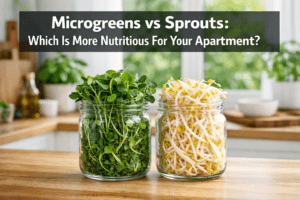
- Microgreens: These are incredibly fast-growing and nutrient-dense, harvested when young. They need very little space.
- Lettuce/Arugula: Dwarf varieties can be grown in shallow trays.
- Scallions/Green Onions: You can often regrow these from their root ends in a glass of water, then transfer to soil.
- Containers: Use small pots, repurposed cups, or dedicated windowsill planters with drainage.
- Watering: Monitor moisture closely, as windowsill plants can dry out quickly due to indoor heat.
- Rotation: Rotate plants regularly to ensure all sides receive even light exposure.
Quick Example: A single south-facing windowsill can comfortably hold 3-4 small pots of basil, chives, and a cut-and-come-again lettuce variety, providing fresh herbs and salad greens consistently.
How Much Time Does a Small Space Garden Really Take?
A small space garden generally takes 15-30 minutes of attention per day or every other day, with perhaps 1-2 hours of dedicated maintenance per week, once established. This time commitment can fluctuate based on the size of your garden, the types of plants, and your local climate.
The beauty of how to garden in small spaces is its manageability. It typically requires less time than a large in-ground garden.
Here’s a realistic breakdown:
- Daily (15-30 minutes):
- Watering: This is often the most frequent task, especially for container gardens which dry out quickly.
- Quick Check: Inspect plants for pests, diseases, or nutrient deficiencies.
- Harvesting: Pluck ripe produce or cut-and-come-again greens.
- Weekly (1-2 hours):
- Pest Control: More thorough inspection and treatment if needed.
- Fertilizing: Apply liquid fertilizer every 2-4 weeks during the growing season.
- Pruning/Deadheading: Remove spent flowers or unhealthy leaves to encourage new growth.
- Weeding: While less of an issue in containers, occasional weeding may be necessary.
- Trellising/Staking: Adjust supports for growing plants.
- Monthly/Seasonally (variable):
- Repotting: As plants grow, they may need larger containers.
- Succession Planting: Sow new seeds for continuous harvests.
- Soil Amendment: Replenish soil nutrients or refresh potting mix.
Key Factor: Automated watering systems (like self-watering pots or drip irrigation) can significantly reduce daily time commitments, allowing for more sporadic but longer maintenance sessions.
What Gardening Tools Do I Actually Need for a Tiny Garden?
For a tiny garden, you actually need only a few essential tools: a hand trowel, pruning shears or snips, gardening gloves, and a small watering can or spray bottle. These basic items cover the vast majority of tasks required for how to garden in small spaces efficiently.
Unlike large traditional gardens, complex machinery is unnecessary for container or balcony setups. Focus on tools that are compact and multi-functional.
Here’s a breakdown of the must-haves:
- Hand Trowel: Essential for digging small holes, transplanting seedlings, and working with potting mix. Choose one with a sturdy handle.
- Pruning Shears or Garden Snips: Crucial for harvesting herbs and vegetables, deadheading flowers, and light pruning. A small, sharp pair is perfect.
- Gardening Gloves: Protect your hands from dirt, thorns, and potential irritants.
- Small Watering Can or Spray Bottle: A small watering can allows for precise watering of individual pots, while a spray bottle is great for misting seedlings or applying organic pest deterrents.
- Optional, but Recommended:
- Hand Cultivator/Fork: Useful for aerating compacted soil in containers.
- Soil Scoop: For easily transferring potting mix without making a mess.
- Small Ruler/Measuring Tape: Helpful for proper seed spacing and pot sizing.
Decision Rule: Invest in quality tools made from durable materials like stainless steel, as they will last longer and perform better, even with basic use. Our comprehensive guide on Essential Tools For Small Space Gardening provides further details.
Conclusion
Gardening in small spaces is not merely a hobby; it’s a rewarding lifestyle choice that connects you with nature and provides fresh produce, even within the confines of urban living. By adopting smart strategies like vertical gardening, choosing compact plant varieties, optimizing sunlight, and practicing consistent care, anyone can cultivate a vibrant and productive garden. The key is to embrace creativity, adapt to your specific environment, and enjoy the process of watching your miniature oasis flourish.
To truly thrive in your small space garden in 2026, start by assessing your available light and space, then select plants that match those conditions. Invest in good quality potting mix and learn the basics of watering and feeding. Don’t be afraid to experiment with different container types and vertical solutions. With a little effort and attention, your small garden can bring immense joy and a continuous supply of homegrown goodness.
FAQ
What are the best compact plants for beginners?
The best compact plants for beginners include loose-leaf lettuce, spinach, radishes, bush beans, basil, and cherry tomatoes (dwarf varieties). These are relatively easy to grow, have compact habits, and yield quickly.
How often should I water container plants?
Container plants generally need watering daily, or even twice a day during hot, dry weather. Check the soil moisture by sticking your finger an inch or two deep; water if it feels dry.
Can I use regular garden soil in pots?
No, it’s not recommended to use regular garden soil in pots. Garden soil is too dense, can compact easily, and may contain pests or diseases. Always use a high-quality, lightweight potting mix designed for containers.
What is companion planting?
Companion planting is the practice of growing different plants together that benefit each other, such as deterring pests, attracting beneficial insects, or improving growth and flavor.
Are self-watering pots worth it for small gardens?
Yes, self-watering pots are often worth the investment for small gardens as they provide consistent moisture, reduce daily watering tasks, and help prevent both over and under-watering.
How do I maximize yields in a tiny garden?
Maximize yields by choosing high-producing, compact varieties, practicing succession planting, utilizing vertical space, optimizing sunlight, and ensuring consistent watering and feeding.
Can I grow fruit in a small space?
Yes, you can grow compact fruit varieties like dwarf citrus trees, strawberries (especially in hanging baskets), and certain bush berries in containers or vertical gardens.
What if my small space doesn’t get much sun?
If your space receives limited sun (less than 4 hours), focus on growing shade-tolerant plants like leafy greens (lettuce, spinach), certain herbs (mint, parsley), or consider investing in grow lights for indoor cultivation.
How do I fertilize plants in containers?
Start with a potting mix that contains slow-release fertilizer. Supplement with a liquid organic fertilizer every 2-4 weeks during the growing season, following product instructions carefully.
Sources
- Royal Horticultural Society. (2023). Container Gardening Advice.
- University of California Agriculture and Natural Resources. (2021). The California Garden Web: Container Gardening.