Start typing to search...
Start typing to search...
Smart gardening ideas for apartments, balconies, and compact homes. Learn how to grow plants efficiently in limited space using creative layouts, containers, and vertical solutions.

Quick Answer: To fix drainage problems in vertical planters on your balcony, start by checking for blocked drainage holes, compacted soil, and overwatering habits. The most effective fixes include drilling additional holes, replacing dense potting mix with a fast-draining blend (adding perlite or coarse sand), installing a catch-tray system, and adjusting your watering schedule. Most […]
Read More →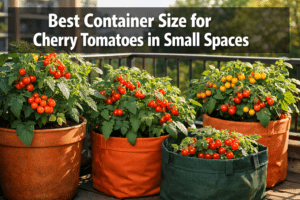
Quick Answer: For most cherry tomato varieties grown in small spaces, a 5-gallon container (roughly 12 inches wide and 12 inches deep) is the sweet spot. Compact or dwarf varieties like Tumbling Tom or Tiny Tim can manage in a 3-gallon pot, while larger indeterminate cherry tomatoes such as Sweet 100 perform best in 7 […]
Read More →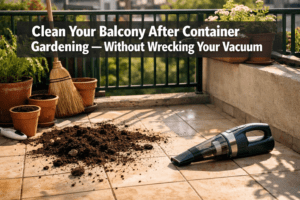
Quick Answer: After container gardening, clean your balcony by sweeping loose soil and debris with a stiff-bristle broom first, then letting any damp spots dry completely before using a vacuum. Most standard vacuums — including shop vacs — can clog or burn out their motors when they pull in wet soil, perlite, or fine potting […]
Read More →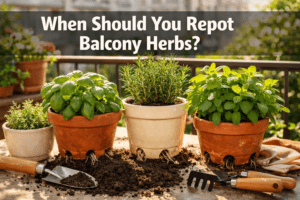
Quick Answer: Most balcony container herbs need repotting every 1 to 2 years. Fast-growing herbs like mint and basil may need a new pot every season, while slow growers like rosemary and thyme can stay comfortable for 2 to 3 years. The clearest signal is roots escaping from drainage holes or growth suddenly stalling despite […]
Read More →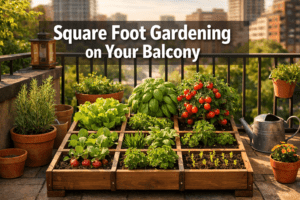
Quick Answer: Yes, you can absolutely adapt square foot gardening methods for a small balcony. The core principle — dividing growing space into 1-foot squares and assigning specific plant quantities to each — translates directly into container gardening on a balcony. The main adjustments involve using containers instead of raised beds, choosing compact plant varieties, […]
Read More →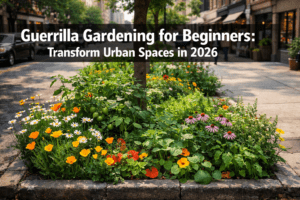
Quick Answer: Guerrilla gardening means planting in neglected public or private land without official permission, turning grey urban spaces into green ones. As a beginner, start small: pick a neglected spot near your home, use easy-to-grow native plants or seed bombs, and go out at dusk or dawn to minimize attention. You don’t need much […]
Read More →