
Start typing to search...
Start typing to search...
Smart gardening ideas for apartments, balconies, and compact homes. Learn how to grow plants efficiently in limited space using creative layouts, containers, and vertical solutions.
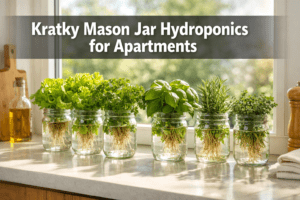
Quick Answer: To set up a Kratky hydroponics system in a mason jar for apartments, you need a wide-mouth mason jar, a net cup that fits the lid, a growing medium like clay pebbles, a seedling, and a hydroponic nutrient solution. Fill the jar so the nutrient water just touches the bottom of the net […]
Read More →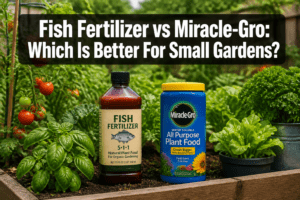
Quick Answer: Fish fertilizer is not universally better than Miracle-Gro for small gardens — it depends on your goals. Fish fertilizer builds long-term soil health and is safer for edible plants, while Miracle-Gro delivers faster, more predictable nutrient boosts. For most small food gardens, fish fertilizer wins on soil biology; for ornamentals or speed, Miracle-Gro […]
Read More →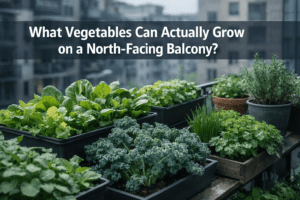
Quick Answer: North-facing balconies receive little to no direct sunlight, but a solid range of leafy greens, root vegetables, and herbs can still produce a real harvest there. The key is choosing crops that evolved in woodland or cool-climate conditions. Lettuce, spinach, kale, Swiss chard, arugula, mint, chives, and radishes are your most reliable options. […]
Read More →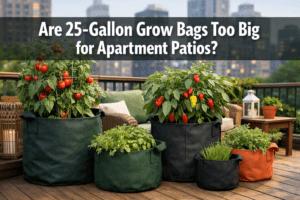
Quick Answer: For most apartment patios, 25-gallon grow bags are genuinely too large. A single 25-gallon bag measures roughly 20–22 inches in diameter and can weigh 100–150 pounds when filled with wet soil, which exceeds safe weight limits on many balconies and leaves little room for anything else. Smaller bags in the 5- to 15-gallon […]
Read More →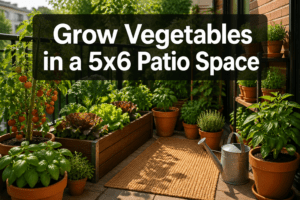
Quick Answer: Yes, you can grow vegetables successfully in a 5×6 foot patio space. Thirty square feet is enough to produce a meaningful harvest of tomatoes, greens, herbs, and more — as long as you choose compact varieties, use vertical space, and match plants to your light conditions. The key is strategic planning, not square […]
Read More →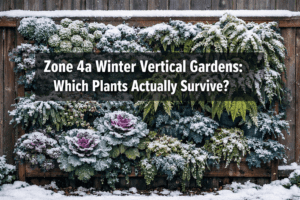
Quick Answer: Zone 4a winters drop to -30°F (-34°C), which eliminates most garden plants. But a focused selection of cold-hardy perennials, succulents, and native groundcovers can survive in a vertical garden in this zone — especially when the structure is positioned thoughtfully and given basic winter protection. Your best bets include sedums, hens-and-chicks (Sempervivum), creeping […]
Read More →