
Start typing to search...
Start typing to search...
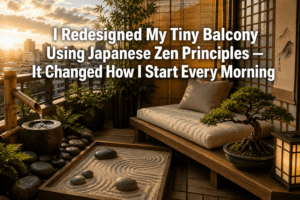
Quick Answer: Redesigning a small balcony using Japanese zen principles — including negative space, natural materials, and intentional plant placement — can transform even a 30-square-foot urban outdoor area into a calming morning ritual space. The process typically costs between $80 and $300, takes one weekend to set up, and requires minimal ongoing maintenance. The […]
Read More →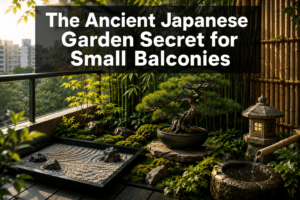
Quick Answer: The ancient Japanese garden secret that works perfectly for small apartment balconies is wabi-sabi tray gardening (also called “bon-kei” or miniature landscape gardening), a centuries-old practice of creating complete, intentional garden scenes in shallow containers. It requires as little as 2 square feet of space, costs under $60 to start, and needs only […]
Read More →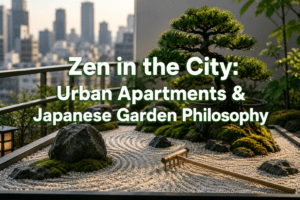
Quick Answer: Urban apartment dwellers are increasingly adopting Japanese garden philosophy in 2026 as a practical and profound solution to mitigate city stress and connect with nature within limited spaces. This ancient wisdom, emphasizing harmony, simplicity, and mindfulness, offers a powerful antidote to the fast-paced, often overwhelming reality of urban living, transforming small areas into […]
Read More →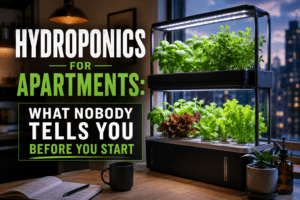
Quick Answer: Starting hydroponics in an apartment isn’t just about growing plants without soil; it’s about managing an indoor ecosystem that requires specific knowledge of nutrients, pH, lighting, and system maintenance. While often touted as low-maintenance, a successful apartment hydroponic setup demands consistent attention to detail to avoid common pitfalls like nutrient imbalances, algae growth, […]
Read More →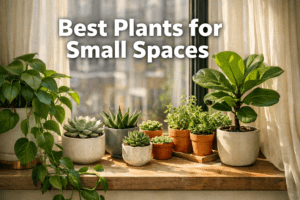
Quick Answer: The best plants for small spaces are those that stay compact, tolerate indoor conditions, and thrive in containers. Top choices include pothos, snake plants, ZZ plants, spider plants, peace lilies, and succulents. These plants deliver visual impact without taking over your floor plan, and most need minimal care. These compact plants are ideal […]
Read More →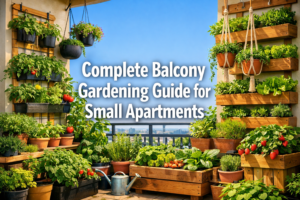
The dream of cultivating a green oasis often feels out of reach for those living in small apartments — but I’ve been growing food and flowers on a tiny city balcony for years, and I promise it’s more achievable than you think. This beginner’s guide covers everything: what to grow, what gear you actually need, […]
Read More →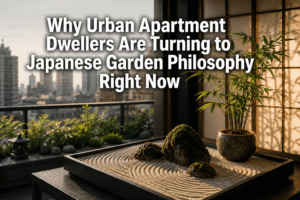
Quick Answer: Urban apartment dwellers are turning to Japanese garden philosophy because it offers a proven, low-cost framework for creating calm, intentional spaces inside cramped city homes. Rooted in principles like wabi-sabi (beauty in imperfection), ma (meaningful empty space), and mindful simplicity, this approach works in as little as a few square feet and costs […]
Read More →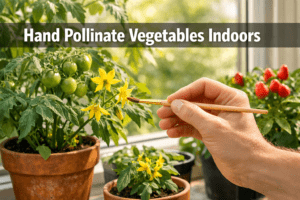
Quick Answer: Hand pollinate indoor vegetables by using a small paintbrush, cotton swab, or your fingertip to transfer pollen from a flower’s stamen (the pollen-producing part) to the stigma (the sticky center). Do this once per day when flowers are fully open, ideally in the morning. Most fruiting vegetables like tomatoes, peppers, and cucumbers need […]
Read More →