What plants can survive in a vertical garden during Zone 4a winters?
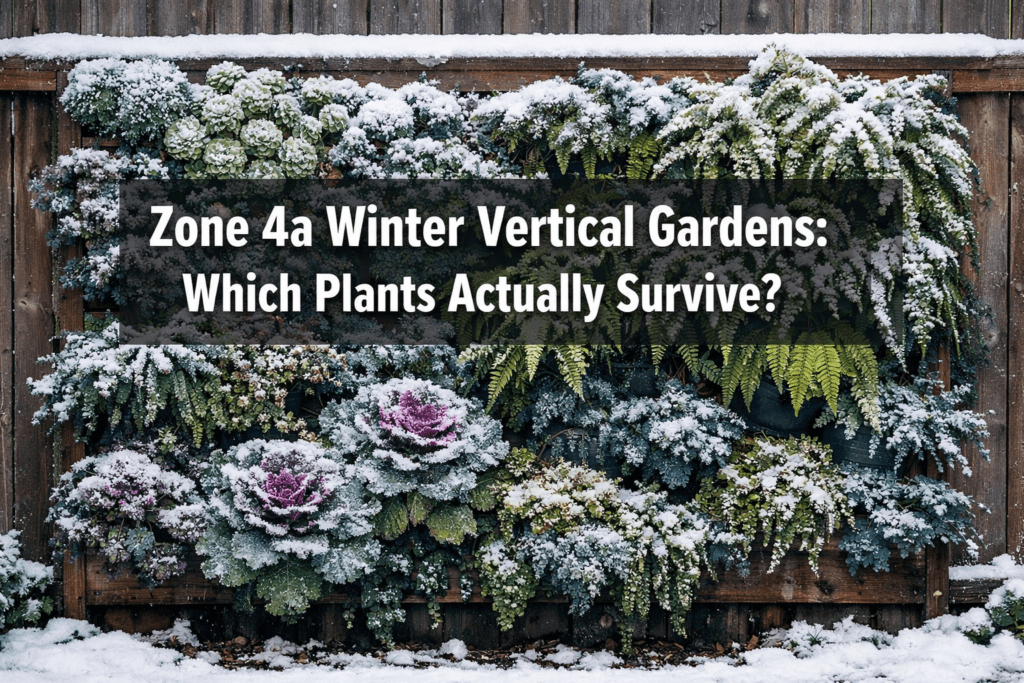
Quick Answer: Zone 4a winters drop to -30°F (-34°C), which eliminates most garden plants. But a focused selection of cold-hardy perennials, succulents, and native groundcovers can survive in a vertical garden in this zone — especially when the structure is positioned thoughtfully and given basic winter protection. Your best bets include sedums, hens-and-chicks (Sempervivum), creeping thyme, hardy ferns, and ornamental kale for outdoor setups, plus a wide range of herbs and tropicals if you move the system indoors.
Key Takeaways
- Zone 4a has a minimum winter temperature of -30°F to -25°F (-34°C to -32°C), according to the USDA Plant Hardiness Zone Map.
- Only plants rated Zone 4 or colder will survive outdoors year-round in a vertical garden in this zone.
- Vertical gardens dry out faster than ground beds, making root insulation critical in extreme cold.
- Sedums, Sempervivum, creeping thyme, and hardy native ferns are the most reliable outdoor survivors.
- South- or east-facing walls offer the most solar gain and wind protection in Zone 4a.
- Indoor vertical gardens dramatically expand your plant options during winter — herbs, tropicals, and leafy greens all thrive under grow lights.
- Felt pocket systems and exposed containers freeze faster than in-ground roots; use foam insulation or burlap wrapping.
- Stop fertilizing outdoor vertical garden plants by late August to harden them off before frost.
- Overwintering annuals indoors, then replanting in spring, is a practical strategy for Zone 4a gardeners.
What Plants Can Survive in a Vertical Garden During Zone 4a Winters? (Outdoor Options)
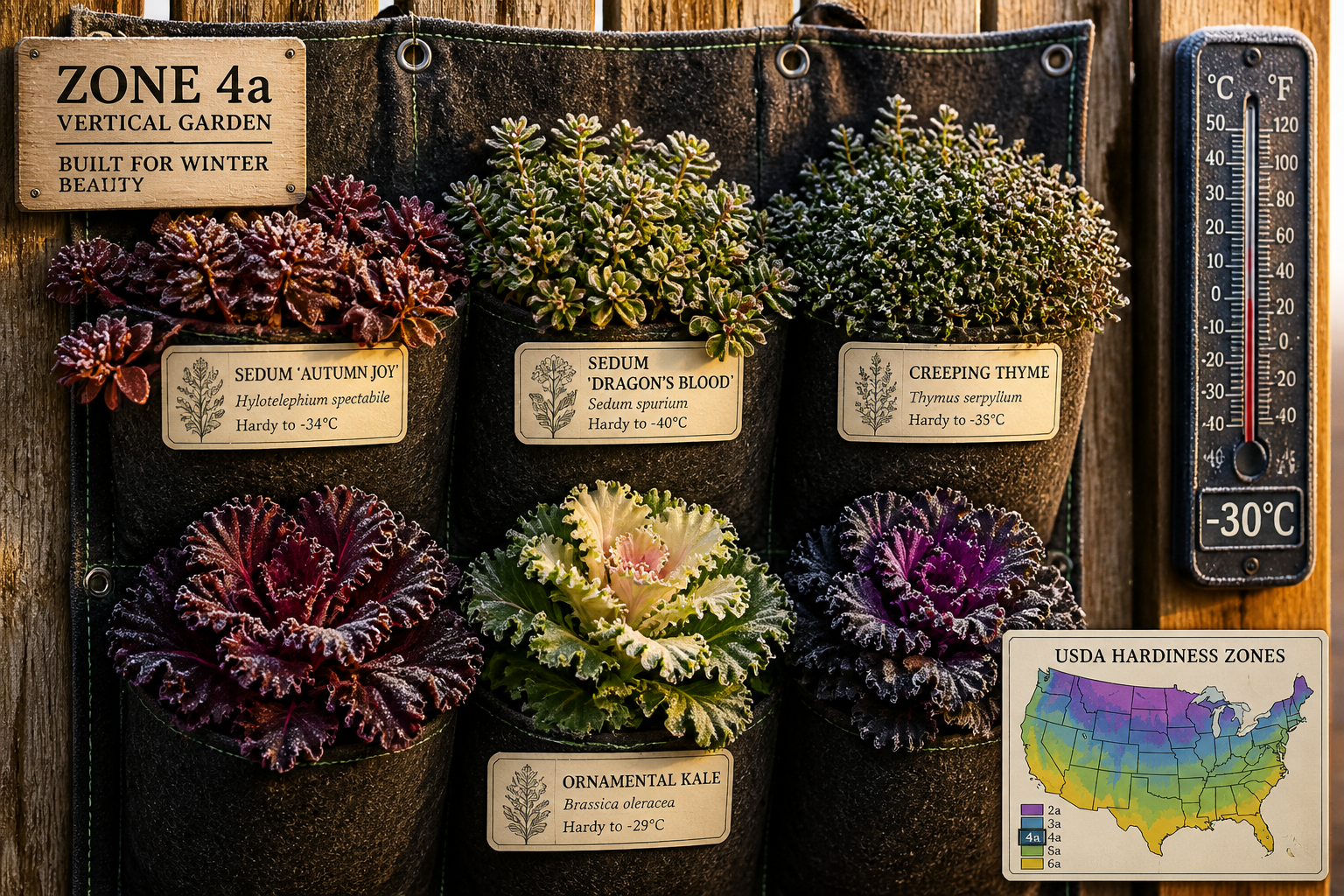
The short list of outdoor survivors for Zone 4a vertical gardens centers on plants that are native to or tested in northern climates. These plants tolerate freeze-thaw cycles, survive in limited soil volume, and don’t need protection beyond basic mulching or burlap wrapping.
Best Outdoor Plants for Zone 4a Vertical Gardens
| Plant | Zone Rating | Notes |
|---|---|---|
| Sedum (Stonecrop) | Zone 3–4 | Drought-tolerant, low-growing, excellent in pockets |
| Hens-and-Chicks (Sempervivum) | Zone 3–4 | Rosette form, spreads slowly, very cold-hardy |
| Creeping Thyme | Zone 4 | Aromatic, low-profile, handles shallow soil well |
| Wild Ginger (Asarum canadense) | Zone 3–4 | Native groundcover, thrives in shaded vertical spots |
| Hardy Ferns (e.g., Ostrich Fern) | Zone 3–4 | Good for shaded walls, goes dormant but returns |
| Ornamental Kale | Annual/Biennial | Survives light frost; treat as a late-season display plant |
| Chives | Zone 3–4 | Edible, perennial, comes back reliably each spring |
| Bergenia | Zone 3–4 | Leathery leaves, semi-evergreen in mild Zone 4 winters |
Choose sedums or Sempervivum if you want zero-fuss plants that need almost no care and look good even under snow. Choose creeping thyme if you want an edible-ornamental hybrid that smells great and pollinators love in summer.
⚠️ Common mistake: Planting Zone 5 or Zone 6 perennials (like lavender or rosemary) in a Zone 4a vertical garden and expecting them to return in spring. They won’t. Always check the hardiness rating before buying.
Why Zone 4a Is Especially Tough on Vertical Gardens
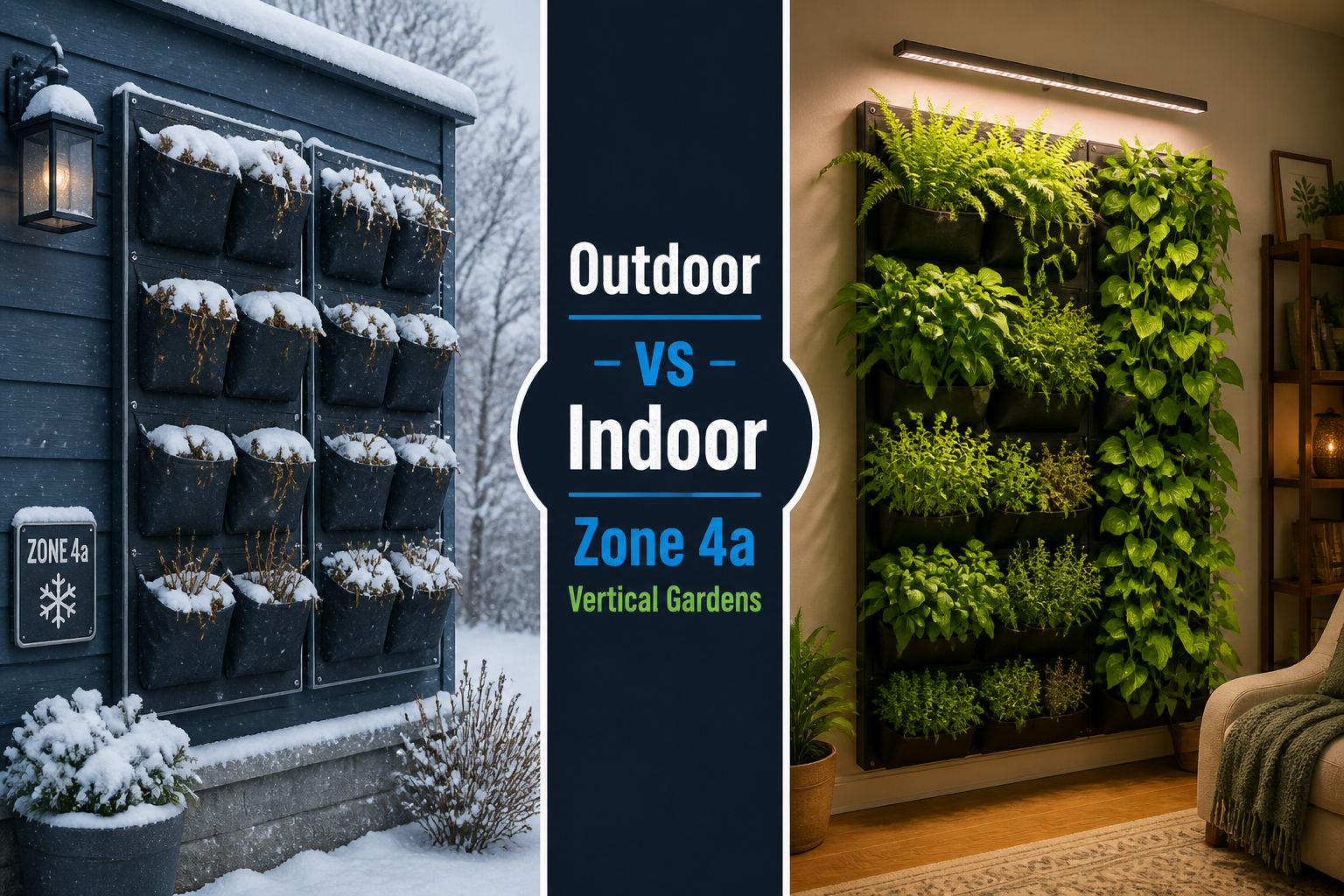
Zone 4a is harder on vertical gardens than on ground-level beds because exposed roots in pockets or panels freeze faster than soil in the ground. The ground acts as a thermal mass; a felt pocket on a fence does not.
Three specific challenges make Zone 4a vertical gardening difficult:
- Freeze-thaw cycles crack root systems and heave plants out of shallow pockets.
- Desiccating winter winds dry out evergreen foliage even when the ground is frozen.
- Limited soil volume in pocket panels means less insulation around roots.
How to reduce these risks:
- Mount your vertical garden on a south-facing or east-facing wall to maximize winter sun exposure.
- Wrap the back panel with closed-cell foam or rigid insulation board before the first hard freeze.
- Use burlap to wrap the front of the structure in November, removing it gradually in April.
- Choose panels with deeper pockets (at least 6 inches) to give roots more insulating soil mass.
For more on preparing garden structures for cold weather, see this guide to winter garden beds preparation and care.
What Plants Can Survive in a Vertical Garden During Zone 4a Winters Indoors?
Moving your vertical garden indoors for winter is the single biggest way to expand your plant options in Zone 4a. An indoor vertical wall can support herbs, leafy greens, tropical houseplants, and even small fruiting plants — none of which would survive a Zone 4a winter outside.
Top Indoor Vertical Garden Plants for Zone 4a Winters
- 🌿 Herbs: Basil, cilantro, parsley, mint, oregano — all thrive under grow lights
- 🥬 Leafy greens: Lettuce, spinach, arugula — fast-growing and ideal for shallow pockets
- 🪴 Trailing houseplants: Pothos, heartleaf philodendron, spider plant — low maintenance
- 🌱 Ferns: Boston fern, maidenhair fern — love humidity and indirect light
- 🌸 Compact flowering plants: Peace lily, African violet — add color through dark months
If your indoor space has limited natural light, grow lights make a real difference. See whether plants can survive with only ceiling fluorescent lights for a practical breakdown of what works.
One edge case to know: Indoor heating systems drop humidity dramatically in winter, which stresses many tropical plants. Check our guide to indoor plants that tolerate dry winter air from heating radiators for species that handle this well.
How to Set Up a Zone 4a Vertical Garden for Winter Survival
The structure and setup of your vertical garden matters as much as plant selection. Even the hardiest Zone 4 plant will die if its roots freeze solid in a thin felt pocket with no insulation.
Step-by-step setup for outdoor Zone 4a winter survival:
- Choose the right wall. South-facing walls receive the most winter sun. Avoid north-facing walls, which stay frozen longest.
- Use deep pockets. Aim for 6–8 inch depth minimum. Shallower pockets freeze through entirely.
- Fill with the right growing medium. A mix of perlite, compost, and loam holds moisture without compacting. See our best soil mix for container gardening for ratios.
- Insulate the back panel. Attach 1-inch foam board insulation to the back of the frame before mounting.
- Stop fertilizing in late August. Feeding plants into fall encourages soft new growth that’s vulnerable to frost.
- Wrap with burlap in November. Loosely wrap the front of the structure. Remove it in stages once nighttime temps stay above 20°F (-7°C).
- Water sparingly in fall. Wet soil freezes harder and faster than slightly dry soil.
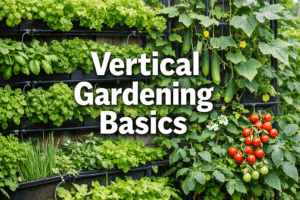
For a broader look at vertical garden structure and design, the vertical gardening basics guide covers frame types, mounting options, and growing media in detail.
Which Herbs Survive Zone 4a Winters in a Vertical Garden?
Most culinary herbs are not cold-hardy enough to survive Zone 4a winters outdoors, but a few perennial herbs come back reliably each spring. The key is treating tender herbs as annuals or overwintering them indoors.
Perennial herbs that survive Zone 4a outdoors:
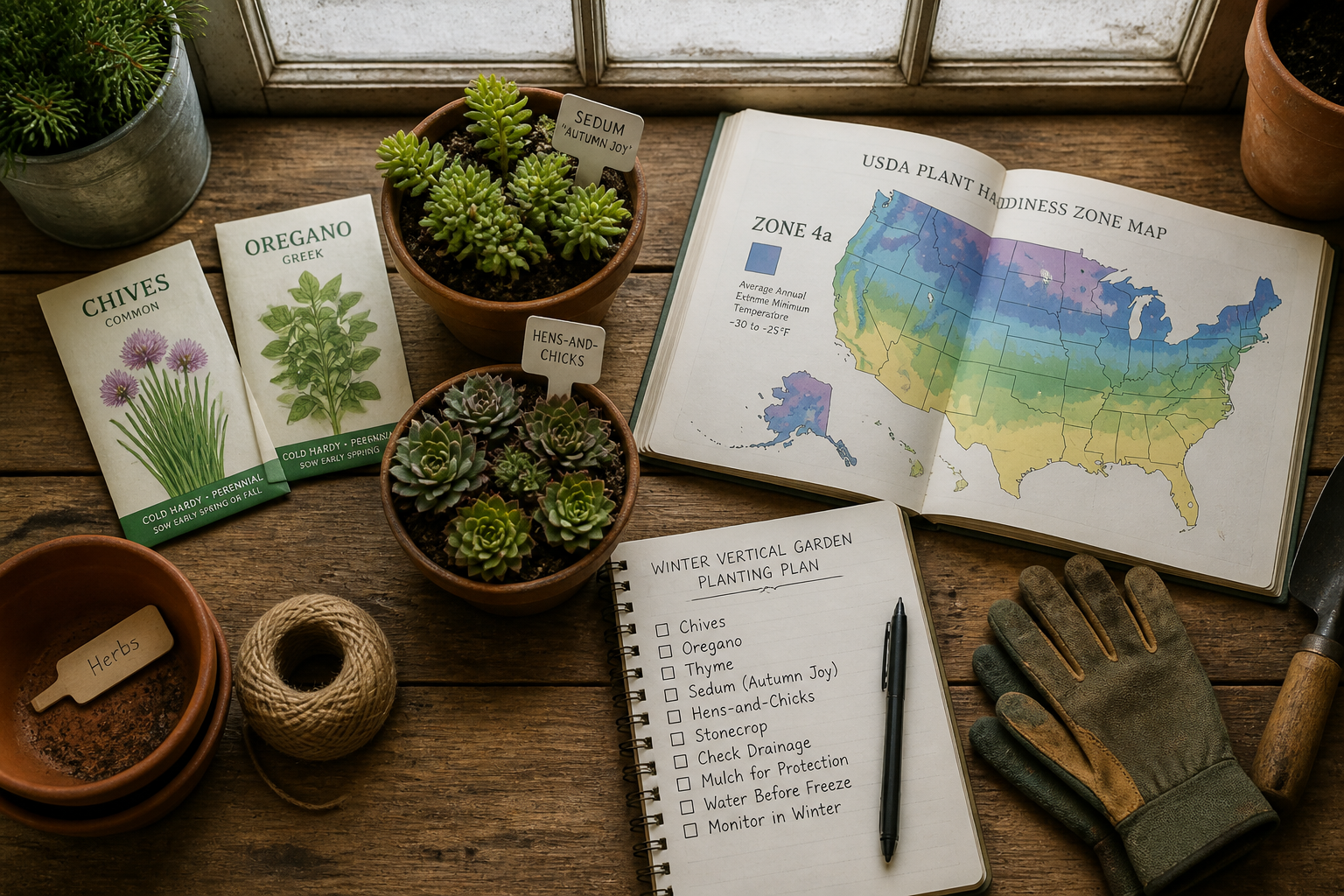
- Chives (Zone 3–4): Die back in winter, return strong in spring
- Oregano (Zone 4–5): Marginally hardy; mulch heavily and it often survives
- Mint (Zone 3–4): Spreads aggressively but is very cold-tolerant
- Lovage (Zone 3–4): Tall, celery-flavored, extremely cold-hardy
Herbs to bring indoors for winter:
- Basil, rosemary, thyme (borderline Zone 4), cilantro, parsley
For a complete rundown of which herbs work in small spaces, see best herbs for small gardens.
What Plants Can Survive in a Vertical Garden During Zone 4a Winters? Common Mistakes to Avoid
The most common mistake Zone 4a gardeners make is choosing plants based on appearance rather than hardiness rating. A plant that looks tough isn’t necessarily rated for -30°F.
Other frequent errors:
- Planting too late in fall. Plants need at least 6 weeks to establish roots before a hard freeze.
- Using containers with no drainage. Waterlogged pockets freeze into solid ice blocks that kill roots.
- Skipping insulation. Even Zone 3 plants can die in exposed vertical pockets without back insulation.
- Forgetting about wind. Winter wind in Zone 4a causes desiccation damage even on cold-hardy plants. A windbreak or burlap wrap helps significantly.
- Overwatering in fall. Reduce watering frequency as temperatures drop.
For a broader list of pitfalls, the guide on vertical gardening mistakes to avoid covers structural and plant-selection errors in detail.
FAQ: Zone 4a Vertical Garden Winter Survival
Q: Can succulents survive a Zone 4a winter in a vertical garden?
Yes, but only specific cold-hardy succulents. Sempervivum (hens-and-chicks) and many Sedum species are rated to Zone 3–4 and handle Zone 4a winters well, especially with back insulation on the panel.
Q: Can I leave a felt pocket vertical garden outside all winter in Zone 4a?
It’s risky. Felt pockets provide almost no insulation. If you use them outdoors, add foam insulation behind the panel and plant only Zone 3–4 species.
Q: What’s the easiest plant for a Zone 4a vertical garden beginner?
Sedum. It’s drought-tolerant, cold-hardy to Zone 3, looks attractive year-round, and thrives in shallow soil pockets.
Q: Should I water my outdoor vertical garden in winter in Zone 4a?
No. Once the ground freezes, outdoor vertical garden plants are dormant and don’t need water. Watering frozen soil can actually cause root damage.
Q: Can I grow vegetables in a Zone 4a vertical garden in winter?
Outdoors, no. Indoors under grow lights, yes — lettuce, spinach, and arugula are excellent choices for indoor vertical gardens during Zone 4a winters.
Q: How do I know if a plant is rated for Zone 4a?
Check the USDA hardiness zone label on the plant tag or seed packet. Look for “Zone 4” or lower (Zone 3, Zone 2). Zone 5 plants will not reliably survive Zone 4a winters.
Q: Does a south-facing wall really make a difference in Zone 4a?
Yes. South-facing walls can be 5–10°F warmer than north-facing walls in winter due to solar gain, which can mean the difference between plant survival and plant death at the margins of hardiness.
Q: Can I bring my vertical garden inside for winter and put it back out in spring?
Absolutely. This is one of the best strategies for Zone 4a gardeners. Modular vertical garden systems designed for indoor-outdoor use make this practical. See the indoor vertical gardening guide for setup tips.
Conclusion: Building a Zone 4a Vertical Garden That Lasts Through Winter
Zone 4a winters are genuinely challenging, but they don’t have to mean an empty vertical garden from November through April. The key is matching plant selection to reality: only Zone 3–4 rated plants belong outdoors, and everything else should come inside.
Your actionable next steps:
- Audit your current plant list. Cross-check every plant against the USDA hardiness zone rating. Remove anything rated Zone 5 or warmer from your outdoor plan.
- Insulate your outdoor structure now. Add foam board insulation to the back of your panel before the first hard freeze.
- Set up an indoor vertical garden for herbs and greens — it extends your growing season by 4–5 months and keeps you gardening through the coldest months.
- Plant cold-hardy perennials like sedum and Sempervivum as the backbone of your outdoor vertical garden.
- Stop fertilizing outdoor plants by late August each year to harden them off properly.
With the right plants and a little structural prep, a Zone 4a vertical garden can be both beautiful and productive — even in the depths of a northern winter.
References
- USDA Agricultural Research Service. USDA Plant Hardiness Zone Map. (2023). https://planthardiness.ars.usda.gov/
- University of Minnesota Extension. Protecting Plants in Winter. (2022). https://extension.umn.edu/planting-and-growing-guides/protecting-plants-winter
- North Dakota State University Extension. Hardy Succulents for the Northern Plains. (2021). https://www.ndsu.edu/agriculture/extension/publications/hardy-succulents-northern-plains