Balcony Gardening for Beginners: How to Grow a Thriving Apartment Balcony Garden (Even in a Tiny Space)
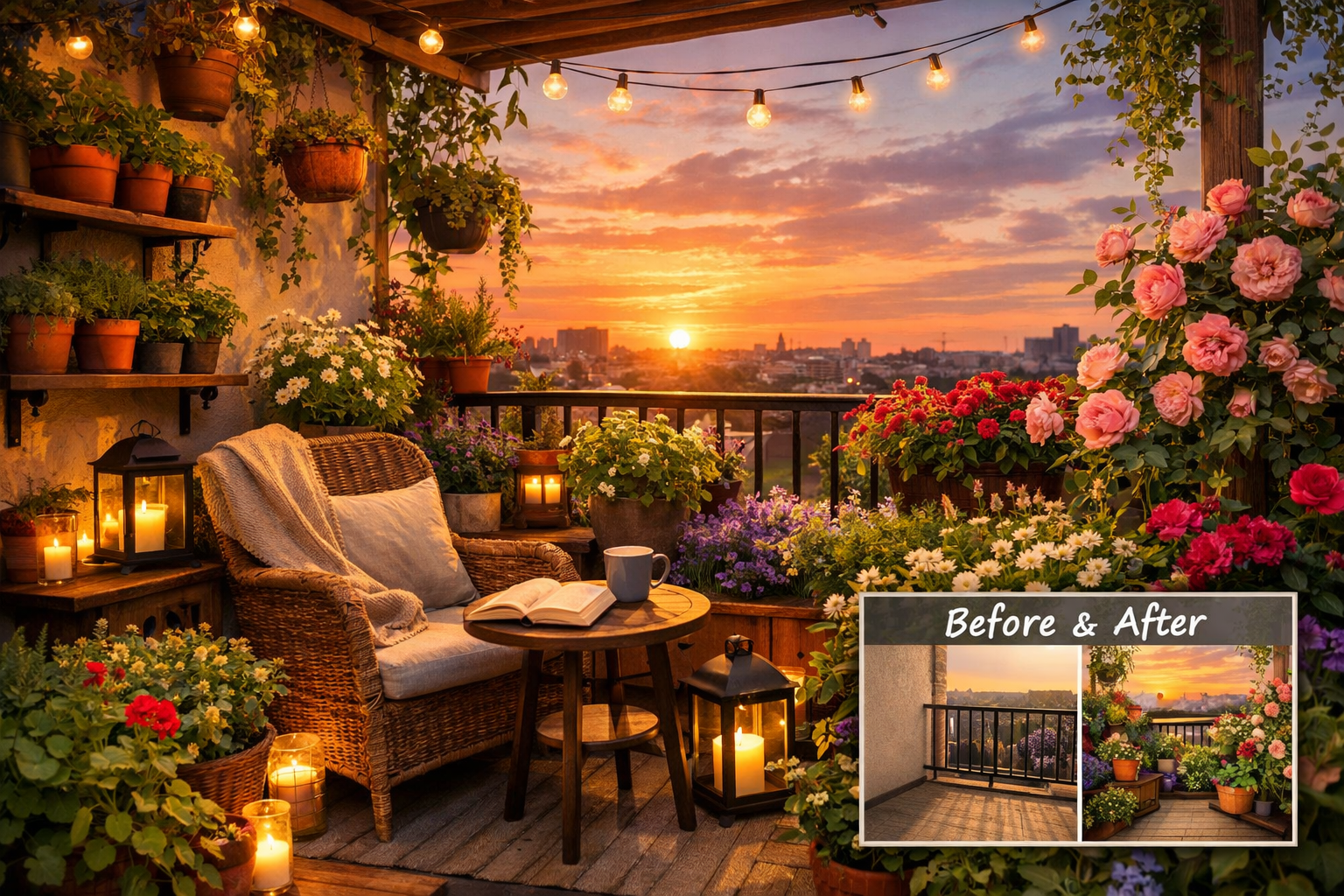
The dream of cultivating a green oasis often feels out of reach for those living in small apartments — but I’ve been growing food and flowers on a tiny city balcony for years, and I promise it’s more achievable than you think. This beginner’s guide covers everything: what to grow, what gear you actually need, balcony garden ideas that work in small spaces, and the mistakes I wish someone had warned me about.
Key Takeaways
- Prioritize Planning & Building Rules: Always begin by checking your building’s regulations regarding weight limits, pot types, and aesthetic guidelines to avoid future issues.
- Embrace Verticality: Utilize wall space, railings, and tiered planters to grow upwards, significantly increasing your planting area without expanding horizontally.
- Select Smart, Low-Maintenance Plants: Opt for compact herbs, leafy greens, and specific vegetables that thrive in containers and require manageable care.
- Choose the Right Tools & Soil: Lightweight potting mix with perlite is crucial for healthy plant growth and structural considerations on a balcony.
- Master Watering Techniques: Balcony gardens often dry out faster; consistent monitoring and efficient watering systems like self-watering pots are essential for plant health.
Balcony garden essentials: what you actually need to start
The 5 things every beginner needs
You don’t need much to get started. Here’s the honest short list:
- Lightweight potting mix (not garden soil — it’s too heavy and compacts in pots)
- 2–3 containers — fabric grow bags or plastic pots work well and won’t stress your floor’s weight limit
- A small watering can — essential for delicate seedlings
- A hand trowel — for transplanting and mixing soil
- A sunny spot or the right plants for your light — know your hours of direct sun before you buy anything
That’s genuinely it for a first season. Everything else is optional.
What you can skip (and save money on)
- Expensive ceramic pots (heavy, fragile, and your plants don’t care)
- A full set of gardening tools — you’ll use 2–3 things repeatedly
- Specialty fertilizers to start — a basic balanced liquid feed works fine
- Grow lights unless you have a truly dark balcony
Once you’ve had a successful first season, upgrade from there.
Getting Started: Essential Planning and Preparation for Your Balcony Garden
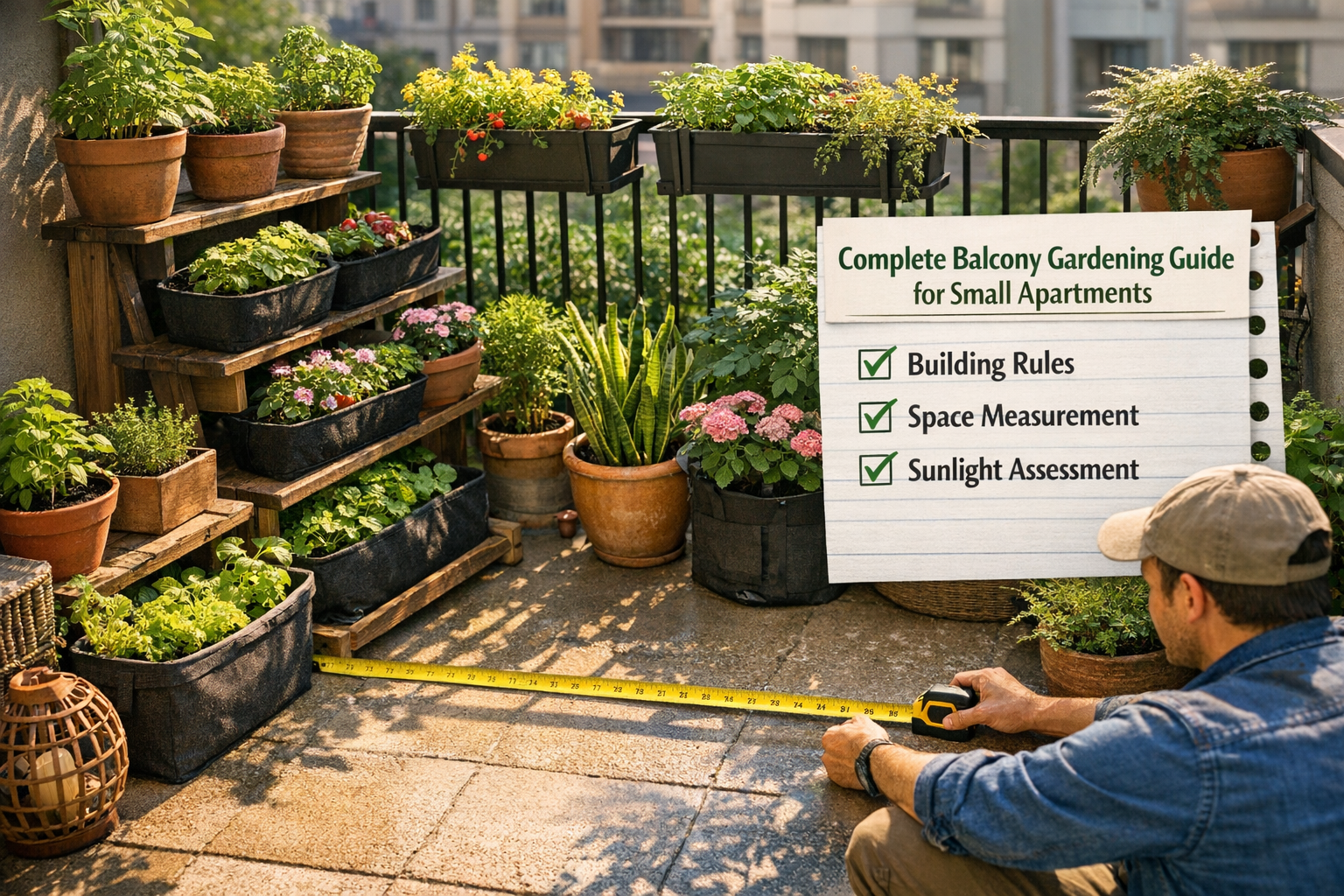
Starting a balcony garden requires careful planning to ensure success, focusing on understanding your space, local regulations, and environmental conditions. Before purchasing any plants or pots, measure your balcony dimensions, assess sunlight exposure throughout the day, and most importantly, review your building’s rules to prevent any issues with structural integrity or aesthetic requirements [1, 4].
Establishing a garden on a balcony, even a small one, is an exciting endeavor that demands a foundational understanding of the unique constraints and opportunities presented by apartment living. My personal experience has shown that skipping the planning stage almost always leads to wasted effort and resources.
Check Building Rules and Regulations
Before embarking on your gardening journey, it is critical to consult your building’s strata, landlord, or management office regarding any specific rules for balcony use. These guidelines often cover permissible pot aesthetics, structural weight limits for planters and soil, and general container restrictions [1]. Ignoring these rules could lead to fines, forced removal of your garden, or even safety hazards. For instance, some buildings may restrict heavy ceramic pots in favor of lighter alternatives like fabric grow bags or plastic containers. Always clarify before investing in materials.
Accurately Measure Your Space
Knowing the exact dimensions of your balcony is fundamental for effective design. Accurately document the length, width, and any unique features like railing width and depth [4]. Beyond basic measurements, consider the height available for vertical structures and the clearance needed for doors or windows. Taking photographs from different angles can also help visualize potential layouts and identify optimal spots for various planters. This detailed understanding allows you to maximize every inch and select appropriately sized planters, ensuring pathways remain clear and the space feels inviting, not cluttered.
Assess Sunlight and Environmental Conditions
Sunlight is the lifeblood of most plants, and its availability on your balcony will largely dictate what you can successfully grow. Observe your balcony’s sun exposure throughout the day, noting how many hours of direct sunlight it receives [4].
Sunlight Categories and Plant Suitability:
| Sunlight Category | Hours of Direct Sun | Examples of Suitable Plants |
|---|---|---|
| Full Sun | 6+ hours | Tomatoes, Peppers, Herbs (Basil, Rosemary), Strawberries, Sunflowers |
| Partial Sun/Shaded | 3-6 hours | Leafy Greens (Lettuce, Spinach), Mint, Cilantro, Pansies, Impatiens |
| Full Shade | Less than 3 hours | Ferns, Hostas, Begonias, Moss |
- Wind Exposure: Balconies, especially those on higher floors, can be very windy. Strong winds can dehydrate plants quickly and physically damage delicate foliage. Consider windbreaks like taller, sturdy plants or screens if your balcony is particularly exposed [3].
- Temperature Fluctuations: Potted plants are more susceptible to temperature swings than garden beds. Dark-colored pots absorb more heat, potentially overheating roots, while cold snaps can freeze soil. Choosing appropriate container materials and monitoring conditions is key.
For a full list of plants that hold up best in exposed spots, see our guide to wind-resistant balcony plants.
Mistake to Avoid: A common mistake is assuming uniform sunlight across the entire balcony. Shading from adjacent buildings or even your own apartment walls can create microclimates. Spend a day tracking sun patterns with hourly photos or notes.
Balcony garden ideas for small apartments
Vertical garden ideas for balconies
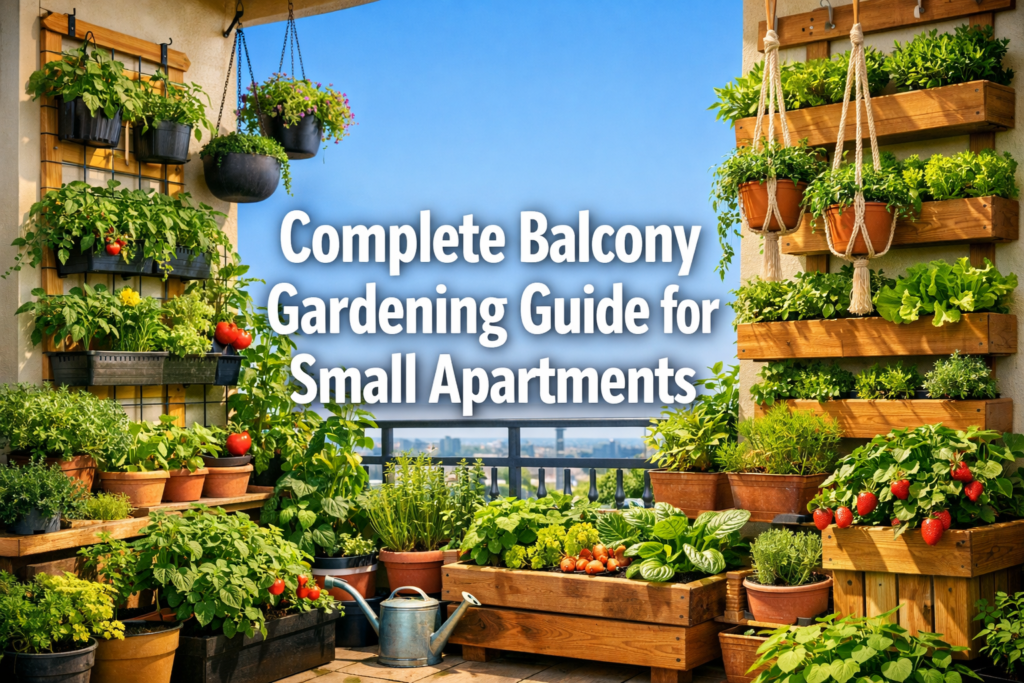
Vertical growing is the single biggest upgrade you can make on a small balcony. Ideas that actually work:
- Wall-mounted pocket planters — fill with herbs or trailing succulents, hang directly on a fence or wall
- Trellis + climbers — a simple bamboo trellis with peas, beans, or morning glories creates a living privacy screen
- Tiered plant stand — stack 3–4 levels of herbs or flowers in the footprint of one large pot
- Hanging baskets from brackets — strawberries, trailing petunias, or cherry tomatoes all cascade beautifully
Container and pot ideas for small balconies
- Railing planters — clip-on boxes that use the one space most balconies leave completely empty
- Fabric grow bags — flexible, lightweight, great for tomatoes and potatoes; fold flat and store in winter
- Window boxes along the floor edge — creates a garden “border” feeling even on a concrete slab
- Repurposed colanders, crates, or old tins — add drainage holes and they work perfectly for herbs
DIY balcony garden ideas on a budget
You don’t need to spend much. Some of my favourite low-cost setups:
- A pallet leaned against the wall with small pots slotted in — free if you find one on the street
- Dollar-store plastic pots with a bag of potting mix (total outlay: under £10/$12)
- Seed-starting in egg cartons, then transplanting into budget containers
- Growing from kitchen scraps: lettuce, green onions, and basil all regrow in water
Apartment patio garden ideas (ground floor and patios)
Got a ground-floor patio rather than an elevated balcony? The same principles apply — and you often have more weight allowance. A few patio-specific ideas:
- Use low-profile raised planters if you want to avoid bending (better ergonomics, great look)
- Add a small bistro table + chairs surrounded by container plants for a true outdoor room feel
- Climbing plants on a freestanding obelisk add height without wall fixtures — great for renters
Maximizing Space with Vertical and Smart Planter Solutions
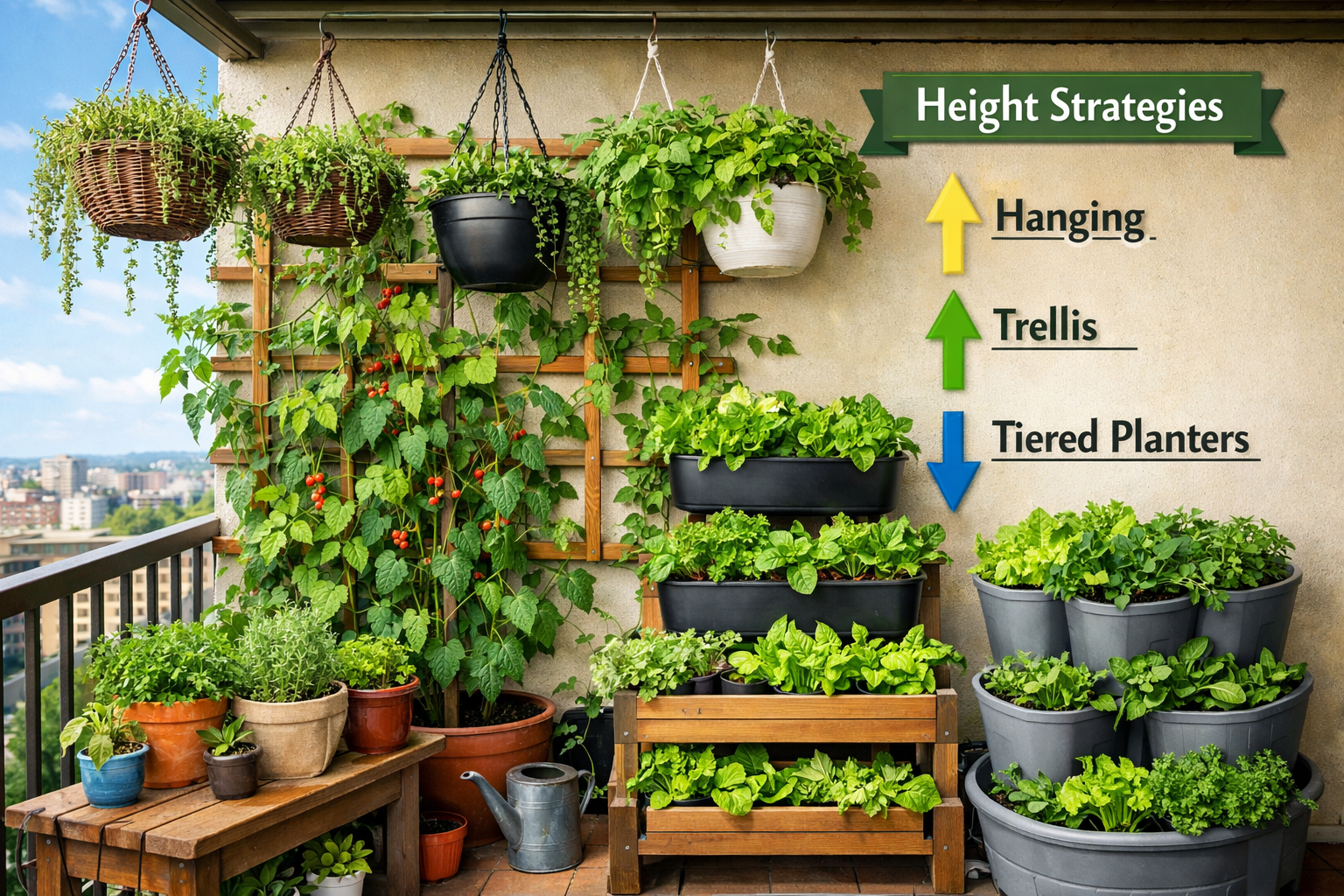
To create a flourishing garden on a small apartment balcony, embracing vertical growth and selecting multi-functional planters are crucial strategies. By utilizing wall space, railings, and tiered structures, you can dramatically increase your planting area without encroaching on valuable floor space, making every square inch count [1, 3, 5].
In the confined world of balcony gardening, I’ve found that thinking “up” rather than “out” is the ultimate game-changer. This approach allows for a surprisingly diverse array of plants, transforming a tiny patch into a green haven.
Essential Vertical Gardening Techniques
Vertical gardening is not just a trend; it’s a necessity for small balconies. These techniques allow plants to grow upwards, freeing up floor space and adding dynamic visual interest.
- Wall-Mounted Trellises and Planters: Install trellises against a bare wall to support climbing plants like cucumbers, peas, or morning glories [1]. Alternatively, attach wall-mounted planters or pockets directly to a sturdy wall for herbs, succulents, or leafy greens. Ensure the wall can support the weight of the planters when filled and watered.
- Hanging Baskets: These classic solutions are perfect for trailing plants like strawberries, cascading petunias, or ivies [5]. Hang them from the ceiling (if approved and secure) or from sturdy wall brackets, ensuring they don’t obstruct pathways or views. They add a beautiful, layered look.
- Tiered Planters and Shelving Units: Multi-tiered plant stands or baker racks provide multiple levels for pots in a compact footprint [1, 5]. This is excellent for organizing various plant types, from herbs on the top tier to larger pots on the bottom. IKEA, for example, offers various shelving units that can be repurposed for this [8].
- Railing Planters: These clever containers hook directly over your balcony railing, using otherwise unused space [5]. They are ideal for herbs, flowers, or small vegetables. Always check your building’s rules and ensure they are securely fastened and won’t fall off in high winds.
Diverse Container Options for Space Efficiency
Choosing the right containers is as important as choosing the right plants. Different containers offer unique benefits for small spaces.
- Fabric Grow Bags: These are lightweight, breathable, and excellent for root aeration. They come in various sizes and are easily moved or stored [5]. They are particularly good for root vegetables like potatoes or larger plants like tomatoes.
- Window Boxes: Similar to railing planters, window boxes can be mounted along the edge of your balcony or even outside a window, providing a linear planting space.
- Self-Watering Pots: These pots have a built-in reservoir that slowly releases water to the plants, reducing the frequency of manual watering – a significant advantage for busy gardeners or those with fast-drying balconies [3].
- Repurposed Containers: Budget-friendly and eco-conscious, items like old tires, plastic bottles, or wooden pallets can be repurposed into planters. Just ensure they have adequate drainage holes.
Decision Rule: Choose fabric grow bags if weight is a primary concern or you need flexibility in rearranging your garden. Opt for railing planters or window boxes to utilize perimeter space without sacrificing floor area.
Best plants for your apartment balcony
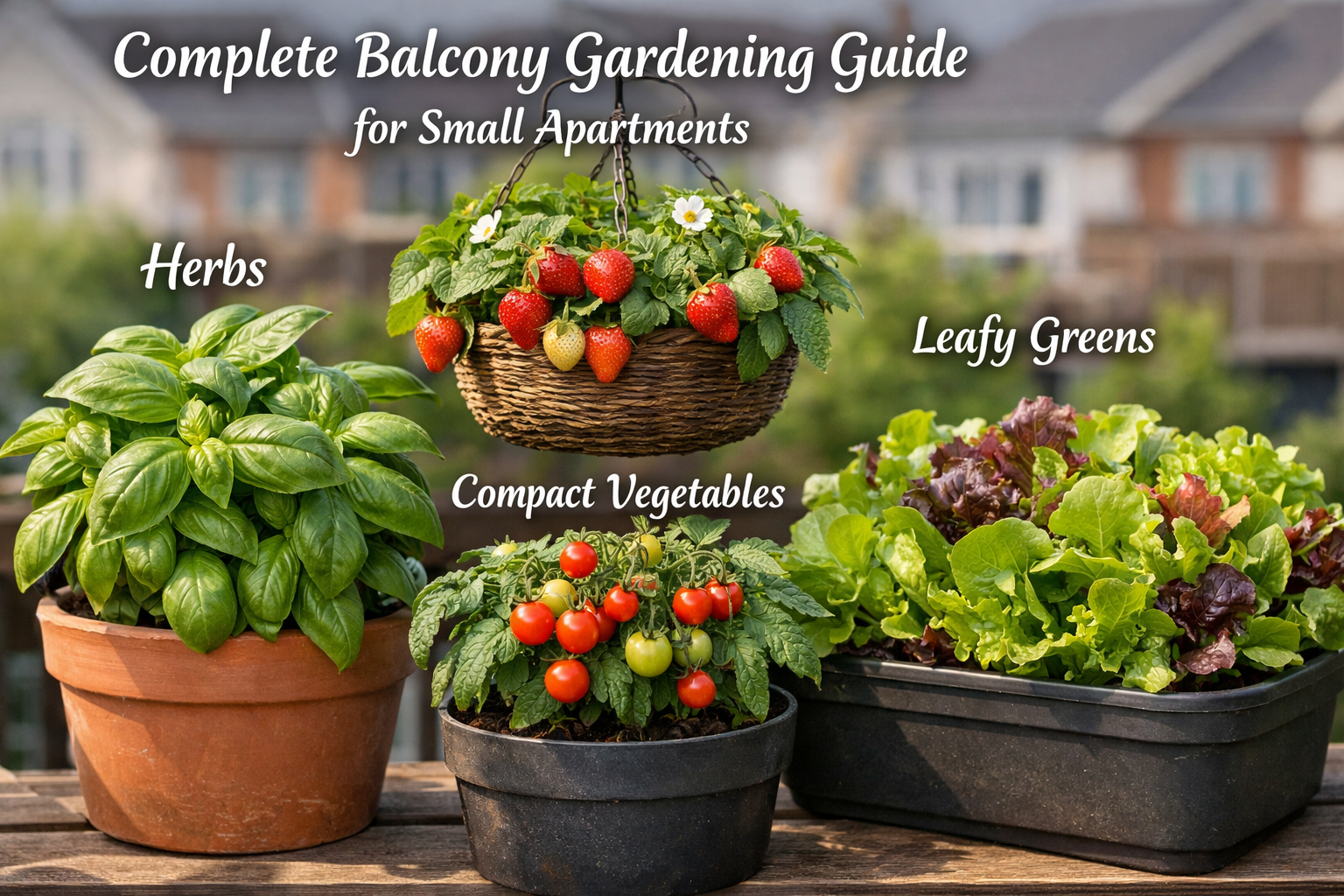
Selecting appropriate plants is fundamental to the success of your balcony garden, as space, sunlight, and maintenance capabilities are often limited. The best choices are typically compact varieties of herbs, leafy greens, and specific vegetables that thrive in containers and require manageable care [2].
Over the years, I’ve learned that a thriving balcony garden isn’t about growing everything, but about growing the right things that fit your space and lifestyle. This selective approach leads to much greater satisfaction and less frustration.
Best herbs for a small balcony garden
Herbs and leafy greens are often the unsung heroes of balcony gardens. They are relatively easy to grow, have a high yield-to-space ratio, and offer immediate culinary rewards.
- Herbs: Basil, mint, coriander (cilantro), thyme, oregano, and chives are excellent choices [2]. Most herbs prefer at least 4-6 hours of direct sunlight but can tolerate partial sun.
- Basil: Loves sun and warmth. Pinch off flowers to encourage bushier growth.
- Mint: Very hardy, but can spread aggressively. Best grown in its own container.
- Coriander/Cilantro: Prefers cooler temperatures; tends to “bolt” (go to seed) in intense heat.
- Thyme/Rosemary: Drought-tolerant once established, preferring full sun and well-draining soil.
- Leafy Greens: Lettuce, spinach, kale, Swiss chard, and fenugreek perform well, often tolerating partial sunlight [2]. Many leafy greens can be “cut and come again,” meaning you can harvest outer leaves and the plant will continue to produce.
- Lettuce/Spinach: Ideal for partial sun. Harvest outer leaves for continuous supply.
- Kale/Swiss Chard: More resilient to varying conditions and can provide harvests over a longer season.
Pro Tip: For herbs, consider a small herb garden kit specifically designed for balcony use, which often includes a variety of seeds and small pots.
Best vegetables to grow on a balcony
While space is limited, certain vegetables and fruits are surprisingly well-suited for container gardening on a balcony.
- Tomatoes: Look for “determinate” or “bush” varieties, which stay compact. Cherry tomatoes are particularly good choices. They need full sun and consistent watering.
- Peppers: Bell peppers and chili peppers thrive in pots with plenty of sun.
- Strawberries: Excellent for hanging baskets or railing planters, providing sweet treats with minimal effort. They need good drainage and ample sunlight.
- Radishes/Carrots (short varieties): These root vegetables can grow in deeper pots or grow bags. Ensure the soil is loose and free of obstructions.
- Bush Beans: Unlike pole beans, bush varieties do not require tall trellises, making them ideal for containers.
- Dwarf Fruit Trees: Citrus trees (lemons, limes) or fig trees can be grown in large containers, but they require significant sun and commitment.
Ornamental Plants for Aesthetics
Don’t forget the power of flowers and decorative plants to enhance the beauty and ambiance of your balcony.
- Petunias, Marigolds, Geraniums: These annuals provide continuous color and generally thrive in sunny conditions.
- Succulents and Cacti: If your balcony has very little sun or you prefer extremely low-maintenance options, these are perfect. They require minimal watering [3].
- Climbing Flowers: Clematis, jasmine, or morning glories can add vertical interest and fragrance when trained on a trellis.
Common Mistake: Overcrowding. Resist the urge to plant too many things in one container. Plants need space for their roots to grow and air circulation to prevent disease. If plants are struggling, consider if they have enough room.
Best plants for a sunny apartment balcony (6+ hours of sun)
Tomatoes, peppers, basil, rosemary, thyme, strawberries, and geraniums all thrive with 6+ hours of direct sun. Full-sun balconies give you the most plant options.
Best plants for a shady apartment balcony (under 4 hours of sun)
Don’t worry — shady balconies still grow plenty. Leafy greens (lettuce, spinach, kale), mint, coriander, ferns, hostas, and begonias all do well with limited sun.
Essential Tools, Soil, and Watering Strategies
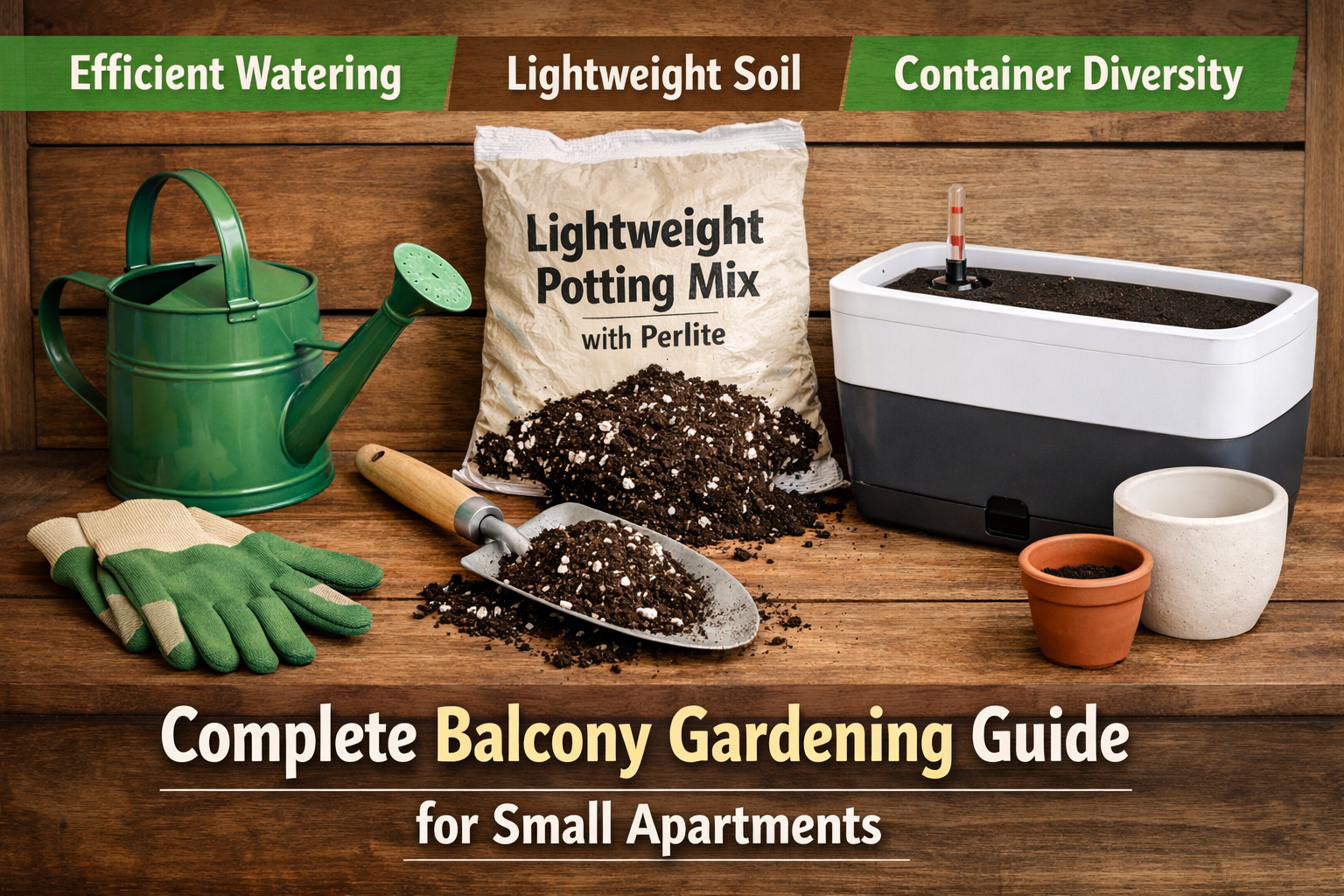
Equipping your balcony garden with the right tools, selecting appropriate soil, and implementing efficient watering strategies are critical for plant health and successful growth. Using lightweight potting mix and understanding the specific watering needs of balcony plants will save time and prevent common gardening challenges [3, 4].
My experience has shown that a few well-chosen tools and a solid understanding of watering are far more important than having a vast collection of gardening gadgets. It makes the daily routine enjoyable, not a chore.
Choosing the Right Potting Mix
The soil in a container garden is fundamentally different from garden bed soil. It needs to be light, well-draining, and retain moisture effectively without becoming waterlogged.
- Avoid Regular Garden Soil: Garden soil is too heavy, compacts easily in pots, and can introduce pests and diseases [4]. It also doesn’t drain well in containers, suffocating roots.
- Opt for Lightweight Potting Mix: Always choose a high-quality potting mix specifically formulated for containers. These mixes typically contain ingredients like peat moss, coir, vermiculite, and perlite.
- Perlite: This volcanic glass helps improve aeration and drainage, preventing soil compaction and ensuring roots get enough oxygen [4].
- Compost: Incorporating a small amount of finished compost can enrich your potting mix, providing nutrients and improving soil structure [2]. This can also be a cost-effective strategy using kitchen waste.
Tip: When filling containers, leave about an inch of space from the rim to prevent water and soil from overflowing during watering.
Essential Gardening Tools for Small Spaces
You don’t need a shed full of tools for a balcony garden. A few essential items will suffice:
- Hand Trowel: For digging small holes, transplanting, and mixing soil.
- Hand Pruners/Snips: For harvesting herbs, pruning dead leaves, or shaping plants.
- Small Watering Can: Essential for controlled watering, especially for delicate seedlings or small pots.
- Gardening Gloves: To protect your hands from soil, thorns, and potential irritants.
- Spray Bottle: Useful for misting humidity-loving plants or applying organic pest control solutions.
- Saucers/Trays: Place these under pots to catch excess water, preventing stains on your balcony floor and providing a small water reservoir for plants.
Effective Watering Strategies
Balcony plants often dry out faster than in-ground gardens due to increased exposure to sun and wind, and the limited volume of soil in containers [3]. Consistent and thoughtful watering is paramount.
- Check Soil Moisture Regularly: Stick your finger about an inch or two into the soil. If it feels dry, it’s time to water. Don’t just water on a schedule; water when the plants need it.
- Water Thoroughly Until Drainage: When you water, do so until water begins to drain out of the bottom of the pot. This ensures the entire root ball is moistened. Discard any standing water in saucers after about 30 minutes to prevent root rot.
- Water Frequency Varies: In hot, windy conditions, or during peak growing seasons, your plants might need watering once or even twice daily [3]. During cooler periods or for dormant plants, less frequent watering is needed.
- Consider Self-Watering Pots: These pots have a reservoir that wicks water up to the soil, significantly reducing the frequency of manual watering and ensuring consistent moisture [3]. They are a worthwhile investment for busy individuals.
- Watering Globes/Spikes: These devices slowly release water into the soil, acting as a small-scale irrigation system.
- Morning Watering: Watering in the morning allows plants to absorb water before the heat of the day, reducing evaporation. Watering at night can encourage fungal growth if the foliage stays wet.
- Low-Water Alternatives: If you struggle with consistent watering or your water source is inconvenient, consider growing succulents and cacti, which require minimal water [3].
Edge Case: If you’re going on vacation, implement a self-watering system or arrange for a friend to water your plants. A few days without water can be fatal for many container plants.
Maintaining a Thriving Balcony Garden Year-Round
Successful balcony gardening extends beyond initial planting; it involves consistent care, pest management, and seasonal adjustments to ensure your plants flourish throughout the year. Regular observation and proactive measures will keep your garden healthy and productive, transforming your balcony into a sustainable green space.
From personal experience, I’ve found that consistency is the secret sauce. A few minutes of daily attention can prevent small issues from becoming big problems, making gardening a joy rather than a chore.
Regular Feeding and Fertilizing
Container plants deplete soil nutrients faster than in-ground plants because they are watered more frequently, washing away nutrients.
- Liquid Fertilizers: A balanced liquid fertilizer (e.g., 5-5-5 or 10-10-10 NPK) applied every 2-4 weeks during the growing season is generally effective. Follow package directions carefully to avoid over-fertilizing, which can burn plant roots.
- Slow-Release Granules: These can be mixed into the potting soil at the beginning of the growing season, providing a steady supply of nutrients over several months.
- Organic Options: Compost tea or worm castings can provide a gentle, natural nutrient boost.
- Signs of Nutrient Deficiency: Yellowing leaves (nitrogen deficiency), stunted growth, or poor flowering can indicate a need for fertilizer.
Pruning and Deadheading
These practices promote healthier growth, increase yields, and keep your garden looking tidy.
- Pruning Herbs: Regularly snip off the top leaves of herbs like basil and mint to encourage bushier growth and prevent them from flowering too early (which can make leaves bitter).
- Deadheading Flowers: Removing spent flowers (deadheading) encourages plants to produce more blooms rather than putting energy into seed production.
- Removing Damaged/Diseased Leaves: Promptly remove any yellowed, spotted, or pest-infested leaves to prevent the spread of disease and improve air circulation.
Pest and Disease Management
Balcony gardens can still attract pests, but early detection and organic solutions can keep them at bay.
- Daily Inspection: Spend a few minutes each day looking for signs of pests (tiny insects, sticky residue, chewed leaves) or disease (spots, wilting).
- Organic Pest Control:
- Neem Oil: A natural insecticide that disrupts pest life cycles.
- Insecticidal Soap: Effective against soft-bodied insects like aphids and spider mites.
- Manual Removal: For larger pests like caterpillars, simply pick them off.
- Companion Planting: Certain plants can deter pests (e.g., marigolds deter nematodes, basil repels flies).
- Good Air Circulation: Space plants adequately to allow for air flow, which helps prevent fungal diseases.
- Quarantine New Plants: Before introducing new plants to your balcony, keep them separate for a week or two to ensure they aren’t bringing in pests or diseases.
Seasonal Adjustments and Winter Care
Your balcony garden will need different care as seasons change.
- Spring/Summer: This is the peak growing season. Increase watering and fertilizing. Provide shade during intense heatwaves if necessary.
- Autumn: Harvest remaining produce. For annuals, you can compost them. For perennials, prepare them for winter.
- Winter:
- Bring Indoors: For tender plants that cannot tolerate frost (e.g., citrus trees, tropical herbs), bring them inside if you have suitable indoor light.
- Winter Protection: For hardier perennials or cool-season vegetables, consider covering them with frost cloth or moving them against a sheltered wall during cold snaps.
- Reduced Watering: Plants are dormant or grow slowly in winter, so they need significantly less water.
- Clean Up: Remove dead plant material and debris to prevent pests and diseases from overwintering.
Decision Rule: If you plan to bring plants indoors for winter, choose smaller, more manageable pots and ensure you have a sunny window available. If not, stick to cold-hardy varieties or treat annuals as seasonal decorations.
Troubleshooting and Overcoming Common Balcony Gardening Challenges
Even with the best planning, every gardener encounters challenges. Knowing how to troubleshoot common issues like nutrient deficiencies, pest infestations, or structural concerns can save your plants and your peace of mind, ensuring your balcony garden remains a source of joy.
I’ve learned that gardening is a continuous learning process, and every problem is an opportunity to deepen my understanding. It’s about resilience, both for the plants and the gardener!
Addressing Plant Health Issues
Recognizing the signs of distress early can make all the difference.
- Yellowing Leaves:
- Cause: Often indicates overwatering (lack of oxygen to roots), nutrient deficiency (especially nitrogen), or sometimes underwatering.
- Solution: Check soil moisture – if soggy, reduce watering. Apply a balanced liquid fertilizer. Ensure proper drainage holes in pots.
- Wilting Plants:
- Cause: Most commonly due to underwatering, but can also be a sign of root rot from overwatering, or extreme heat stress.
- Solution: Check soil moisture. If dry, water deeply. If soggy, allow soil to dry out and improve drainage. Provide temporary shade during heatwaves.
- Stunted Growth/No Flowers:
- Cause: Insufficient sunlight, lack of nutrients, or too small a pot.
- Solution: Relocate plant to a sunnier spot, fertilize, or repot into a larger container.
Managing Pests and Diseases Effectively
Prevention is the best cure, but when pests strike, act quickly.
- Common Pests: Aphids, spider mites, whiteflies, and fungus gnats are frequent visitors to balcony gardens.
- Signs of Infestation: Sticky residue (honeydew), tiny webs, visible insects on leaves or stems, chewed holes.
- Solutions:
- Neem Oil/Insecticidal Soap: Spray thoroughly, targeting the undersides of leaves, usually in the evening. Repeat every 5-7 days until pests are gone.
- Strong Water Spray: A gentle jet of water can dislodge aphids from leaves.
- Physical Removal: Hand-pick larger insects like slugs or caterpillars.
- Fungus Gnats: Usually a sign of overly moist soil. Allow the top inch of soil to dry out between waterings. Yellow sticky traps can catch adults.
- Fungal Diseases (e.g., Powdery Mildew):
- Cause: High humidity, poor air circulation, and wet leaves.
- Solution: Improve air flow by spacing plants, water at the base of the plant (avoiding leaves), and consider a fungicide (organic options available like baking soda spray).
Overcoming Structural and Environmental Limitations
Balcony specific challenges require creative solutions.
- Wind Damage:
- Problem: Strong winds can break stems, dehydrate plants, and knock over pots.
- Solution: Use heavier pots or add weights to the bottom of pots. Group plants together for mutual protection. Install a windbreak using a screen, trellis with dense plants, or even a section of bamboo fencing [3]. Opt for more wind-resistant plants.
- Weight Restrictions:
- Problem: Exceeding your balcony’s weight limit is a serious safety concern.
- Solution: Use lightweight potting mixes (with perlite). Choose plastic, fabric, or fiberglass containers instead of heavy ceramic or concrete [4]. Distribute weight evenly. When in doubt, always err on the side of caution.
- Water Drainage:
- Problem: Water runoff can annoy neighbors below or damage your balcony surface.
- Solution: Always use saucers or trays under pots to catch excess water. Consider self-watering planters which minimize runoff [3]. Avoid overwatering.
- Limited Sunlight:
- Problem: Not enough direct sun for desired plants.
- Solution: Choose shade-tolerant plants (leafy greens, mint, hostas). Reflect light onto plants using light-colored walls or reflective surfaces, though this is a minor boost. Rotate plants regularly to ensure all sides get some light.
Quick Example: If your basil starts showing yellow lower leaves and seems droopy despite regular watering, first check the soil moisture. If it’s soggy, you’re likely overwatering, leading to root rot. If it’s dry, it needs water. If moisture is okay, consider adding a liquid fertilizer to address potential nitrogen deficiency.
Conclusion
Transforming a small apartment balcony into a vibrant garden is an achievable and incredibly rewarding endeavor. By meticulously planning your space, embracing verticality, choosing plants wisely, and adopting efficient watering and maintenance routines, you can cultivate a lush, productive oasis that brings joy and fresh produce right to your doorstep in 2026. This Complete Balcony Gardening Guide for Small Apartments has laid out the essential steps, from understanding building regulations to troubleshooting common issues, empowering you to create a thriving green space no matter how compact your living situation.
The journey of balcony gardening is one of continuous learning and adaptation, but the benefits—fresh herbs, beautiful blooms, and a personal connection to nature—are immeasurable. Start small, observe your plants, and enjoy the process of nurturing life in your urban sanctuary.
Key Takeaways
- Always start with thorough planning, including checking building rules and measuring your space [1, 4].
- Leverage vertical space with trellises, hanging baskets, and tiered planters to maximize your planting area [1, 3, 5].
- Select compact, low-maintenance plants like herbs (basil, mint) and leafy greens (lettuce, spinach) that thrive in containers [2].
- Use lightweight potting mix with perlite for optimal drainage and aeration, and invest in a few essential tools [4].
- Master watering techniques, checking soil moisture regularly and considering self-watering solutions to prevent over or underwatering [3].
- Implement a routine for feeding, pruning, and pest management to keep your garden healthy year-round.
- Be prepared to troubleshoot common issues like yellowing leaves or pest infestations with organic solutions.
- Enjoy the aesthetic, culinary, and therapeutic benefits of your very own thriving balcony garden.
FAQ
What are the best plants for a sunny balcony?
For a sunny balcony receiving 6+ hours of direct sun, tomatoes, peppers, basil, rosemary, and strawberries are excellent choices due to their sun-loving nature and productivity [2].
How do I deal with strong winds on my balcony?
To mitigate strong winds, use heavier pots or add weights, group plants for mutual protection, and consider installing a windbreak using a screen or a dense trellis [3].
What kind of soil should I use for balcony plants?
Always use a lightweight potting mix specifically designed for containers, preferably one containing perlite or vermiculite for good drainage and aeration. Avoid heavy garden soil [4].
How often should I water my balcony garden?
Watering frequency depends on heat, wind, and plant type. Check the soil moisture daily by sticking your finger an inch or two deep; water thoroughly when the soil feels dry [3].
Can I grow vegetables on a small apartment balcony?
Yes, many compact vegetables like cherry tomatoes, bush beans, radishes, and leafy greens are well-suited for container gardening on small apartment balconies [2].
Are there low-maintenance options for balcony gardening?
Absolutely. Herbs like mint and thyme, leafy greens such as lettuce and spinach, and succulents or cacti are all excellent low-maintenance choices for balcony gardens [2, 3].
How do I start a balcony garden as a complete beginner?
Start with three things: a bag of potting mix, two or three containers (plastic pots or fabric grow bags work well), and one easy plant — fresh herbs like basil or mint are ideal. Choose plants that match your sun exposure (check how many hours of direct sun your balcony gets), and resist the urge to buy too much at once. One successful pot of herbs builds more confidence than six struggling plants.
What are the best plants for an apartment balcony?
For a sunny balcony, cherry tomatoes, basil, chillies, and strawberries are hard to beat. For shadier spots, leafy greens (lettuce, spinach, kale) and mint thrive with just 3–4 hours of light. If you want colour with minimal effort, marigolds and petunias are forgiving and rewarding. See the full plant guide above for recommendations by sun exposure.
Can I have a garden on a small apartment patio?
Yes — everything in this guide applies to ground-floor patios too. In fact, patios often have more flexibility: fewer weight restrictions, easier access to water, and more room for larger containers or raised planters. The main difference is wind exposure (patios are often more sheltered) and the fact that you may have more floor space to work with.
Related Reading
- Ultimate Guide to Small Space Gardening for Beginners 2026
- Mini Space Garden | Small Space Gardening Ideas
References
[1] Balcony Gardening – https://www.sonnet.ca/blog/home/general/balcony-gardening
[2] Urban Balcony Gardening Tips And Questions Answered For Small Spaces India – https://www.urbanplant.in/a/blog/post/urban-balcony-gardening-tips-and-questions-answered-for-small-spaces-india
[3] Balcony Garden – https://www.gardendesign.com/small/balcony-garden.html
[4] Design Guide For A Small Apartment Balcony Garden – https://gingerwithroots.com/design-guide-for-a-small-apartment-balcony-garden/
[5] Creating A Lush Balcony Garden The Apartment Dwellers Guide To Gardening – https://naturehills.com/blogs/garden-blog/creating-a-lush-balcony-garden-the-apartment-dwellers-guide-to-gardening
[6] Balcony Gardening For Beginners – https://www.citycultivator.com/balcony-gardening-for-beginners/
[7] Apartment Balcony Garden Ideas – https://homegrown-garden.com/blogs/blog/apartment-balcony-garden-ideas
[8] Easy Garden Design Ideas For Your Apartment Balcony Pubd8671a70 – https://www.ikea.com/ca/en/rooms/outdoor/gallery/easy-garden-design-ideas-for-your-apartment-balcony-pubd8671a70/