Keep Container Flowers Thriving Through Summer Heat This June
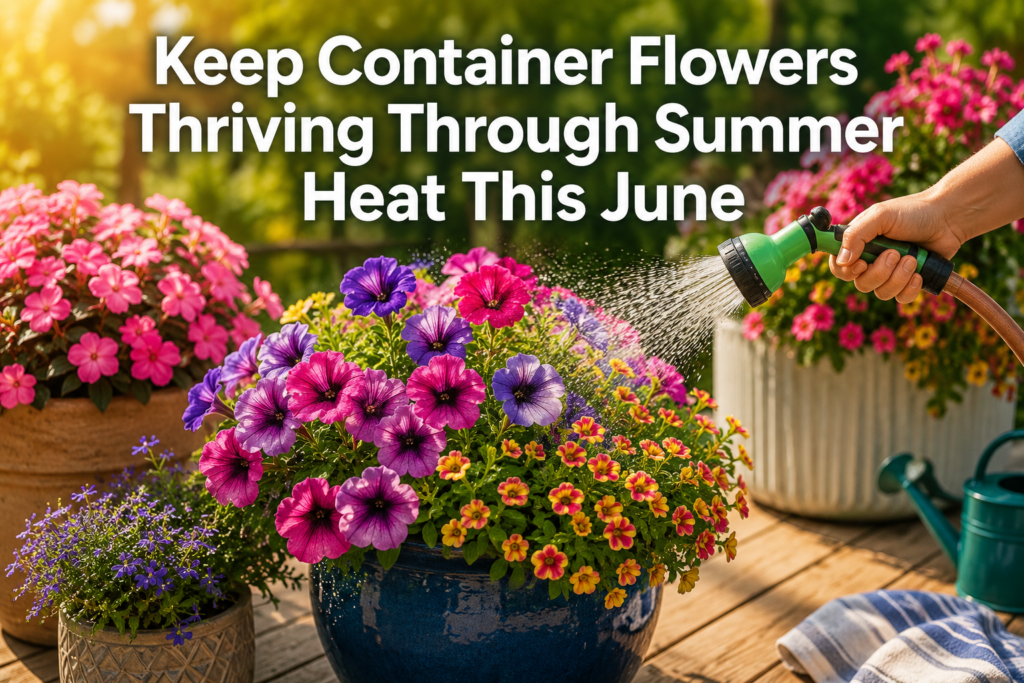
As summer temperatures rise, container gardens face unique challenges. Don’t let the scorching sun wilt your beautiful blooms – learn how to keep your potted flowers vibrant and healthy all season long. By implementing specific watering techniques, strategic container choices, and protective measures, you can successfully keep container flowers thriving through summer heat this June, ensuring a continuous display of color on your patio or balcony.
Key Takeaways
- Consistent Watering is Crucial: Water containers daily, often twice during peak heat, focusing on deep saturation.
- Mulch for Moisture Retention: Apply a layer of organic mulch to the soil surface to reduce evaporation and regulate soil temperature.
- Choose the Right Containers: Opt for light-colored, larger containers made from materials like ceramic or fabric to minimize heat absorption.
- Provide Shade During Peak Hours: Move pots or use shade cloths to protect plants from the most intense afternoon sun.
- Select Heat-Tolerant Varieties: Prioritize flowers known to withstand high temperatures for best results.
- Monitor for Stress Signs: Watch for wilting, leaf scorch, or stunted growth as indicators of heat stress.
- Fertilize Mindfully: Reduce or pause fertilization during extreme heat, as plants may be stressed and unable to absorb nutrients efficiently.
- Prune for Airflow: Remove spent blooms and dense foliage to improve air circulation and reduce fungal risks.
How to Protect Container Flowers from Scorching Sun
Protecting container flowers from scorching sun involves strategic placement, timely watering, and physical barriers to mitigate heat stress. High temperatures can quickly dry out potting mix and stress plants, making these measures essential for maintaining healthy, blooming containers.
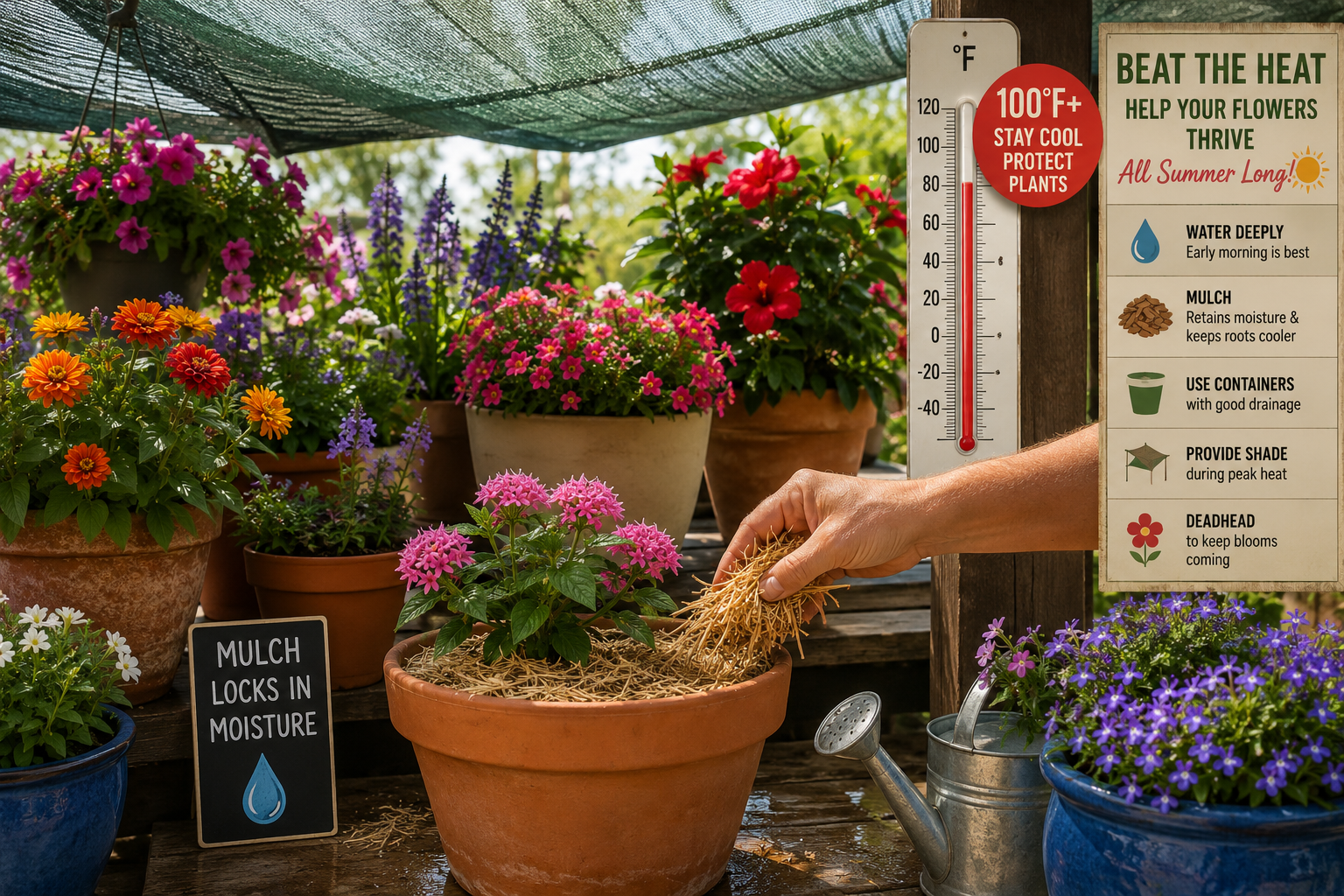
Moving containers to a shadier location during the hottest parts of the day, typically between noon and 4 PM, is one of the most effective methods. If moving is not feasible, creating temporary shade with shade cloths or positioning taller plants to cast shadows can provide significant relief. These actions help to reduce direct solar radiation, preventing leaf burn and excessive moisture loss from both the plant and the soil.
- Shade Cloths: Invest in a 30-50% shade cloth to drape over areas where containers are located. This filters intense sunlight without blocking too much light, providing a cooler environment.
- Strategic Placement: Arrange containers so that taller plants or existing structures, like a house wall or a fence, can provide natural afternoon shade. For those with limited space, consider DIY Container Gardening Ideas For Small Spaces: 2026 Guide to optimize placement.
- Mobile Solutions: Place smaller containers on wheeled caddies to easily move them in and out of direct sun as needed throughout the day.
- Watering Timing: Always water deeply in the early morning or late evening to minimize evaporation and ensure plants have moisture before the heat of the day. Watering during midday can lead to rapid evaporation and leaf scorch if water droplets magnify sunlight.
When choosing plants, consider varieties known to be heat-resistant. For example, Mandevilla, Portulaca, and Vinca thrive in full sun and high temperatures, making them excellent choices for summer containers.
Which Container Materials and Colors Help Keep Container Flowers Thriving Through Summer Heat This June?
Selecting the right container materials and colors is vital for mitigating heat absorption and maintaining consistent soil temperatures, directly helping to keep container flowers thriving through summer heat this June. Darker, denser materials tend to absorb and retain more heat, leading to faster soil drying and increased plant stress.
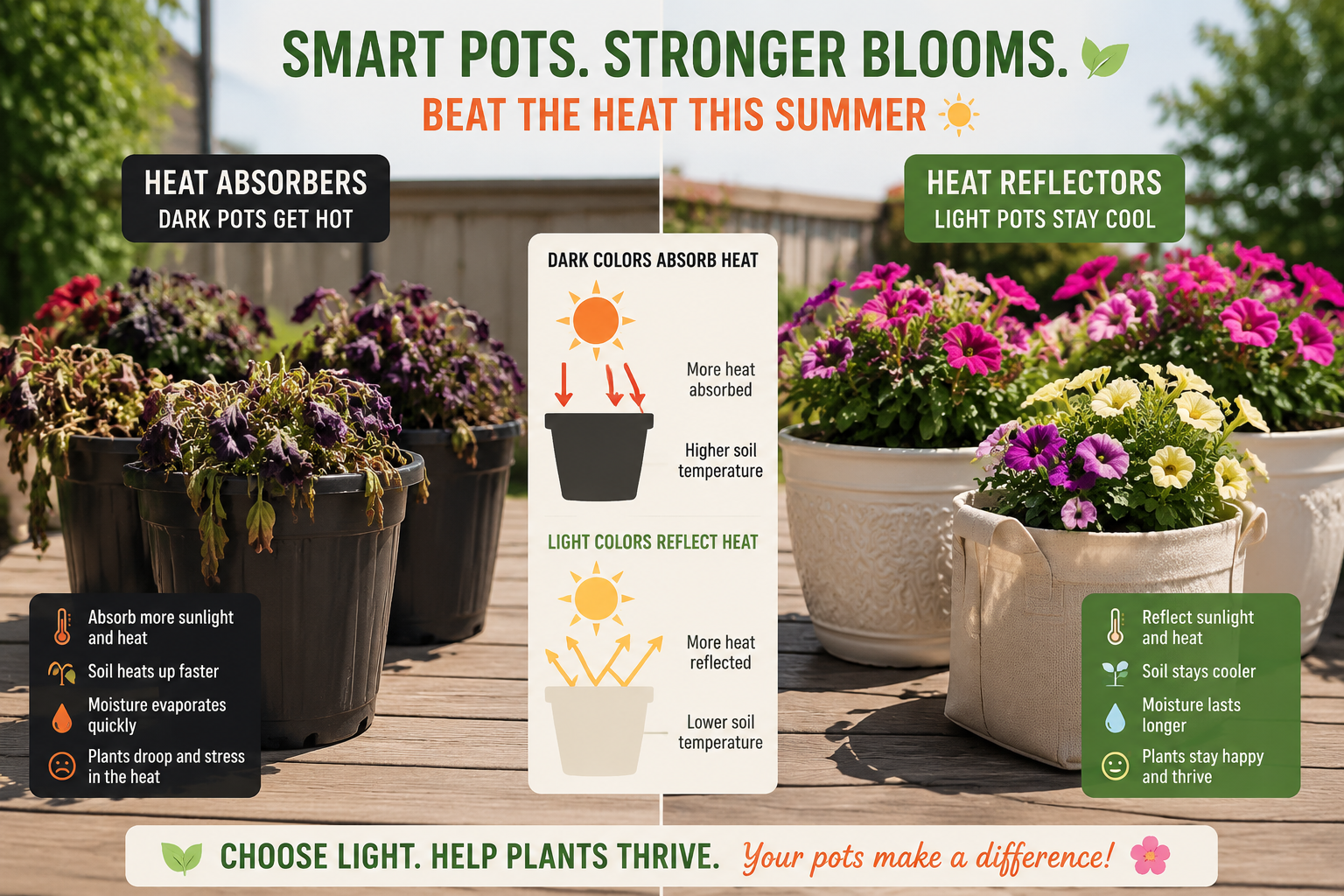
Light-colored pots and those made from porous materials are generally superior for summer heat. Light colors reflect sunlight rather than absorbing it, keeping the soil cooler. Porous materials like unglazed terracotta allow for some evaporative cooling, though they also require more frequent watering.
- Best Materials:
- Terracotta/Clay (Unglazed): These pots are porous, allowing air and moisture to pass through, which helps cool the soil through evaporation. However, their porosity also means they dry out faster, requiring more frequent watering.
- Fabric Grow Bags: Excellent for aeration and drainage, fabric bags prevent root girdling and allow heat to dissipate more readily than plastic. They also promote a healthy root structure.
- Light-Colored Ceramic/Glazed Pots: While glazed pots don’t offer evaporative cooling, their lighter colors reflect a significant amount of solar radiation.
- Plastic (Lighter Colors): Affordable and lightweight, lighter-colored plastic pots can be a good option. Avoid dark plastic, which heats up quickly.
- Worst Materials (for direct sun in summer):
- Dark-Colored Plastic: Absorbs and retains a substantial amount of heat, which can cook roots.
- Metal Containers: Heat up extremely quickly and can severely damage roots.
- Black Rubber: Similar to dark plastic, rubber pots can become excessively hot.
- Size Matters: Larger containers hold more soil, which insulates roots better and retains moisture longer than smaller pots. This provides a more stable environment for roots. For general guidance on planting in containers, refer to “What Is Container Gardening? A Beginner’s 2026 Guide” for foundational knowledge.
Consider double-potting: place a plastic nursery pot inside a larger, decorative light-colored container, filling the gap with insulating material like straw or newspaper. This acts as a buffer against extreme temperature fluctuations.
Optimizing Watering and Mulching to Keep Container Flowers Thriving Through Summer Heat This June
Optimizing watering and mulching practices is paramount for moisture retention and root health, making them critical components to keep container flowers thriving through summer heat this June. High temperatures accelerate water evaporation from both the soil surface and through plant transpiration, necessitating a proactive approach to hydration.
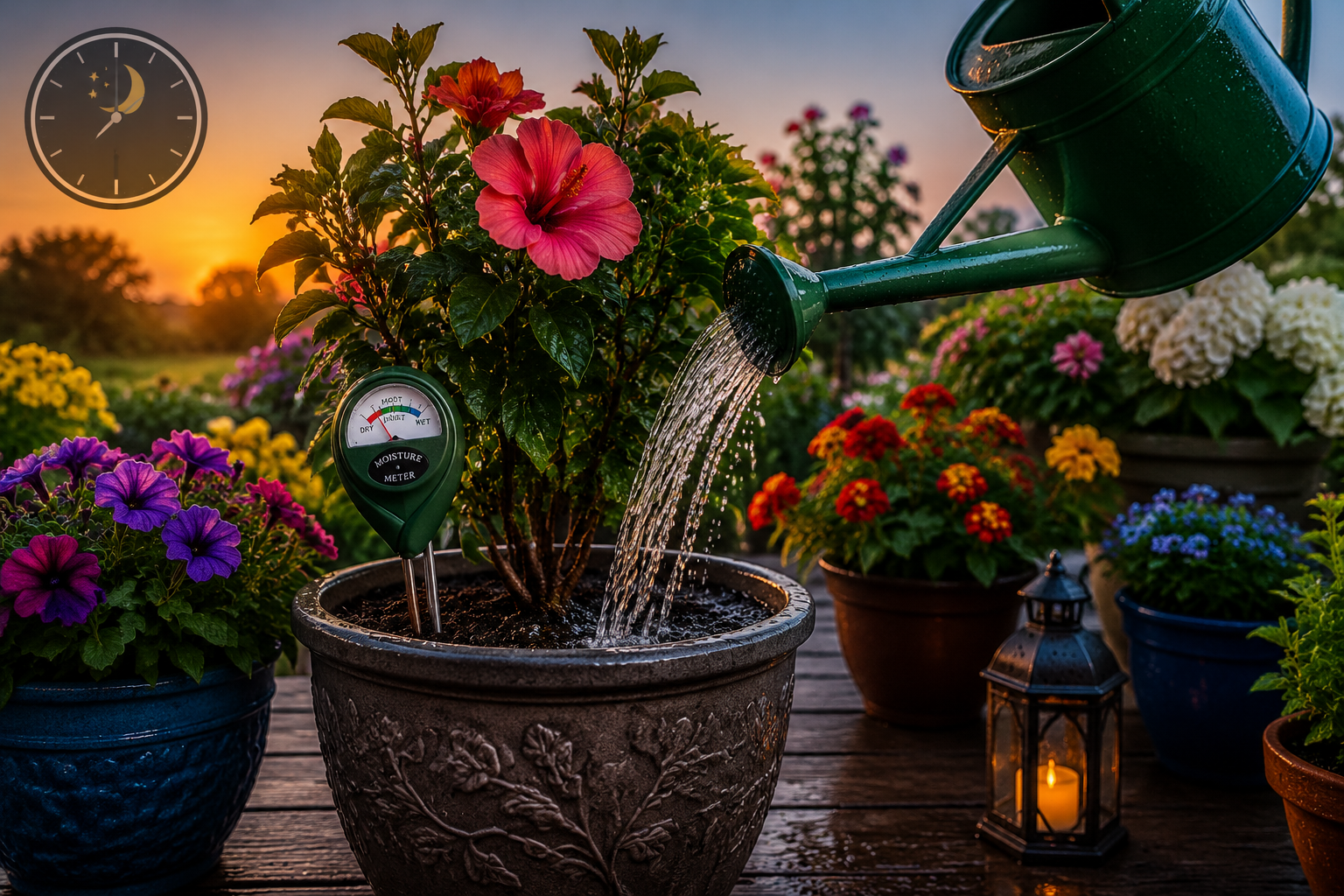
During periods of intense heat, container plants may require watering daily, and sometimes even twice a day, to prevent wilting and stress. Deep watering ensures that moisture reaches the entire root ball, encouraging stronger root development. Mulching the soil surface significantly reduces water loss by evaporation and helps moderate soil temperature, insulating roots from both heat and rapid cooling.
- Deep and Consistent Watering:
- Frequency: Check soil moisture daily. If the top inch feels dry, it’s time to water. During a heatwave, this could mean watering once in the early morning and again in the late afternoon or early evening.
- Method: Water until it drains from the bottom of the pot. This indicates the entire root zone has been saturated. Avoid just wetting the surface. For detailed watering techniques, our “Best Practices For Watering Houseplants 2026: The Ultimate Guide” offers relevant principles applicable to outdoor containers.
- Avoid Wet Foliage: Try to water the soil directly, not the leaves, especially when watering in the afternoon, to prevent fungal diseases and leaf scorch from water droplets acting as magnifying lenses.
- Effective Mulching:
- Material Choice: Organic mulches like shredded bark, wood chips, straw, or pine needles are excellent for containers. They decompose slowly, adding nutrients to the soil over time. Lightweight materials like perlite or vermiculite can also be mixed into the top layer of soil for added insulation and moisture retention.
- Application: Apply a 1-2 inch layer of mulch over the entire soil surface, ensuring it doesn’t touch the plant’s stem directly. This gap prevents stem rot.
- Benefits: Mulch significantly reduces water evaporation, keeps soil temperatures more stable, suppresses weeds that compete for moisture, and adds organic matter as it breaks down. For more on soil health, review our guide on the “Best Soil Mix For Container Gardening (Complete Guide)”.
- Self-Watering Pots: For busy gardeners or those looking for extra insurance, self-watering pots can be a game-changer. These containers have a reservoir that gradually wicks water up to the plants, reducing the frequency of manual watering. Our article “Self-Watering Pots: Do They Work For Small Gardens?” provides further insights.
Consider grouping containers together. This creates a microclimate where plants transpire, increasing humidity in the immediate vicinity and slightly lowering the ambient temperature for the group.
Choosing Heat-Tolerant Flowers to Keep Container Flowers Thriving Through Summer Heat This June
Selecting flowers specifically bred or known for their heat tolerance is a proactive strategy to keep container flowers thriving through summer heat this June, minimizing stress and ensuring continuous blooms. Not all flowers are created equal when it comes to enduring intense sun and high temperatures.
Opting for varieties that naturally perform well in hot conditions reduces the need for constant intervention and ensures a more vibrant display throughout the season. These plants often have adaptations such as thicker leaves, waxy coatings, or a growth habit that helps them conserve moisture.
Recommended Heat-Tolerant Container Flowers
| Flower Name | Key Characteristics | Sun Exposure | Watering Needs |
|---|---|---|---|
| Portulaca | Succulent-like foliage, vibrant single or double flowers, drought-tolerant, spreads easily. | Full Sun | Low to Moderate (tolerates dry spells) |
| Vinca | Glossy green leaves, prolific bloomers in white, pink, purple. Extremely heat and drought tolerant. | Full Sun | Moderate (prefers consistent moisture) |
| Lantana | Clusters of small, brightly colored flowers that change color as they mature. Attracts butterflies. | Full Sun | Moderate (drought tolerant once established) |
| Calibrachoa | “Million Bells,” small petunia-like flowers, trails beautifully, prefers well-drained soil. | Full Sun | Moderate to High (needs consistent moisture) |
| Mandevilla | Tropical vine with trumpet-shaped flowers in pink, red, white. Can be grown as a bush or climber in a pot. | Full Sun | Moderate to High (likes slightly moist soil) |
| Angelonia | “Summer Snapdragon,” spiky flower stalks in purple, pink, white. Tolerates heat and humidity. | Full Sun | Moderate (prefers consistent moisture) |
| Zinnia (dwarf) | Cheerful, daisy-like flowers in various colors. Attracts pollinators. Good for cutting. | Full Sun | Moderate (can tolerate short dry periods) |
| Pentas | “Egyptian Starcluster,” star-shaped flowers in large clusters. Attracts hummingbirds and butterflies. | Full Sun | Moderate (prefers consistent moisture) |
When choosing your plants, check their hardiness zone and read plant tags for specific sun and water requirements. Even heat-tolerant plants will benefit from the protective measures discussed above during extreme heatwaves. For more options, explore our guide on “Heat Resistant Plants: Thrive In Sun & Heat (2026 Guide)”.
Maintaining Soil Health and Fertility in Hot Conditions
Maintaining optimal soil health and fertility is essential to keep container flowers thriving through summer heat this June, as healthy soil acts as a buffer against environmental stress. High temperatures can accelerate the breakdown of organic matter, dry out beneficial microbes, and impact nutrient availability.
Ensuring your potting mix is rich in organic matter and has good drainage while retaining moisture is key. Regularly replenishing nutrients helps plants withstand stress and continue to bloom robustly.
- Premium Potting Mix: Start with a high-quality potting mix designed for containers. It should be lightweight, well-draining, and contain a blend of peat moss, perlite, and compost. Avoid using garden soil, which can compact and harbor pests. Our “Best Soil Mix For Container Gardening (Complete Guide)” provides detailed recommendations.
- Slow-Release Fertilizers: Incorporate a slow-release granular fertilizer into the potting mix at the beginning of the growing season. This provides a steady supply of nutrients, reducing the need for frequent liquid feeding, which can be challenging to manage in hot weather.
- Liquid Feed Sparingly: During extreme heat, plants may enter a dormancy or stress mode, and feeding can do more harm than good. If plants are actively growing and temperatures are moderate, a diluted liquid fertilizer can be applied every 2-4 weeks. Always water thoroughly before fertilizing to prevent root burn.
- Monitor pH Levels: Extreme heat can affect soil pH. While not always necessary for annuals, monitoring pH (especially if plants show nutrient deficiencies despite feeding) can be beneficial. Most flowering plants prefer slightly acidic to neutral soil (pH 6.0-7.0).
- Aeration: Over time, potting mix can compact. Gently aerating the soil with a thin stick or chopstick a few times during the summer can improve air circulation to the roots.
- Compost Tea: Applying compost tea can introduce beneficial microbes and provide a gentle nutrient boost, helping to improve overall soil resilience. For those with small spaces, learning “How To Compost In A Small Space Or Apartment (2026)” can be very useful.
If a plant appears severely stressed by heat, avoid fertilizing it. Instead, focus on providing adequate water and shade, allowing the plant to recover before introducing more nutrients.
Common Mistakes to Avoid When Gardening in Summer Heat
To successfully keep container flowers thriving through summer heat this June, it’s crucial to be aware of and avoid common gardening mistakes that can exacerbate heat stress. Even well-intentioned actions can have negative consequences if not adapted for high temperatures.
Ignoring these pitfalls can lead to stunted growth, burnt foliage, and ultimately, plant death, undoing all your hard work. Proactive prevention is always more effective than attempting to revive a severely stressed plant.
- Underwatering or Overwatering:
- Mistake: Providing insufficient water, or conversely, drowning plants in an attempt to combat heat.
- Correction: Develop a consistent watering schedule based on daily checks. Feel the soil. Ensure pots have drainage holes to prevent waterlogging.
- Watering at Midday:
- Mistake: Watering during the hottest part of the day, leading to rapid evaporation and potential leaf burn if water sits on foliage.
- Correction: Always water in the early morning or late evening when temperatures are cooler. This allows water to penetrate deeply before evaporating.
- Ignoring Container Material and Color:
- Mistake: Using dark-colored or metal pots that absorb and retain excessive heat.
- Correction: Choose light-colored, porous materials like terracotta, fabric, or light-colored plastic to reflect heat and keep roots cooler.
- Lack of Mulch:
- Mistake: Leaving the soil surface exposed, allowing rapid moisture loss and increased soil temperatures.
- Correction: Apply a 1-2 inch layer of organic mulch to conserve moisture and regulate soil temperature.
- Over-fertilizing:
- Mistake: Applying too much fertilizer during heat stress, which can burn roots or force growth when the plant is trying to conserve energy.
- Correction: Reduce or pause fertilization during peak heat. Use slow-release fertilizers or highly diluted liquid feeds when temperatures are moderate.
- Not Providing Shade:
- Mistake: Leaving sensitive plants in direct, full sun all day during extreme heat.
- Correction: Move containers to partial shade or create temporary shade using cloths or strategically placed taller plants. Consider Beginner-Friendly Plants: Your Easy Guide To Thriving Greenery In for varieties that might be more forgiving.
- Ignoring Pest and Disease Monitoring:
- Mistake: Heat-stressed plants are more susceptible to pests and diseases.
- Correction: Regularly inspect plants for signs of trouble. Address issues promptly to prevent further stress. Our “Pest Control For Small Gardens: 2026 Expert Guide” provides essential tips.
Conclusion
Keeping container flowers thriving through summer heat this June is achievable with a combination of informed practices and proactive care. By focusing on consistent and deep watering, utilizing appropriate container materials and colors, providing essential shade during peak sun hours, and mulching diligently, you can significantly mitigate the adverse effects of high temperatures. Choosing heat-tolerant flower varieties further strengthens your container garden’s resilience. Implementing these strategies will not only ensure a vibrant and continuous bloom display throughout the summer but also contribute to the overall health and longevity of your potted plants. Take these actionable steps to transform your container garden into a thriving oasis, regardless of how high the mercury climbs.
FAQ
How often should I water container flowers in June?
You should check container flowers daily in June, as they often require watering once, and sometimes twice, per day during peak summer heat to maintain consistent moisture.
What are the best containers to use for summer heat?
Light-colored, larger containers made from porous materials like unglazed terracotta or fabric grow bags are best, as they reflect sunlight and allow for evaporative cooling, keeping roots cooler.
Can I use mulch in my container plants?
Yes, applying a 1-2 inch layer of organic mulch (e.g., shredded bark, straw) to container plants helps retain soil moisture, reduce evaporation, and regulate soil temperature.
Should I fertilize my container flowers during a heatwave?
No, it is generally best to reduce or pause fertilization during a heatwave, as plants under heat stress may not effectively absorb nutrients and could suffer root burn.
What flowers thrive in containers during hot summers?
Heat-tolerant flowers such as Portulaca, Vinca, Lantana, Calibrachoa, Mandevilla, Angelonia, and dwarf Zinnias are excellent choices for thriving in hot summer containers.
How can I provide shade for my container plants?
You can provide shade by moving containers to a shadier location, using a 30-50% shade cloth, or strategically placing taller plants or structures to cast shadows during the hottest parts of the day.
Why are my container flowers wilting even after watering?
Wilting after watering can indicate overwatering (root rot), underwatering (not enough water reached the roots), or extreme heat stress that even sufficient water can’t immediately overcome. Check drainage and soil moisture depth.
Is it better to water in the morning or evening in hot weather?
Watering in the early morning is generally best because it allows plants to hydrate before the day’s heat, and foliage has time to dry, reducing fungal risks. Late evening is a secondary option.
Do larger containers help with heat stress?
Yes, larger containers hold more soil, which provides better insulation for roots and retains moisture longer, creating a more stable environment for plants during hot weather.
Can grouping containers help against summer heat?
Yes, grouping containers together can create a localized microclimate with increased humidity and slightly cooler ambient temperatures, helping plants cope better with heat stress.