The Ancient Japanese Garden Secret That Works Perfectly for Small Apartment Balconies
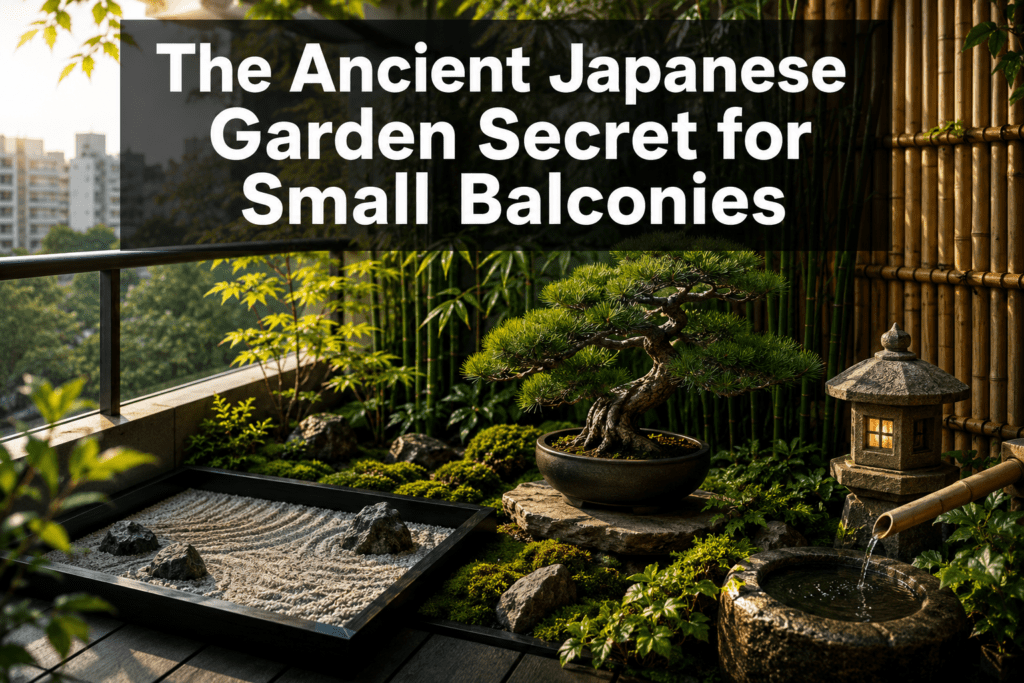
Quick Answer: The ancient Japanese garden secret that works perfectly for small apartment balconies is wabi-sabi tray gardening (also called “bon-kei” or miniature landscape gardening), a centuries-old practice of creating complete, intentional garden scenes in shallow containers. It requires as little as 2 square feet of space, costs under $60 to start, and needs only 10–15 minutes of care per week. It works for beginners, frequent travelers, and balconies with limited sunlight.
Key Takeaways
- Wabi-sabi tray gardening is the specific Japanese technique that adapts beautifully to apartment balconies of any size.
- You need as little as 2 square feet of flat surface — a small table, railing shelf, or floor corner works.
- Startup costs typically range from $30 to $80, depending on whether you source materials locally or online.
- The best plants for this method include moss, dwarf mondo grass, sedums, miniature ferns, and compact herbs.
- This style suits frequent travelers because many plants in the system are drought-tolerant and slow-growing.
- It outperforms conventional container gardening in visual impact per square foot and requires far less soil volume.
- Low-light balconies can still thrive using shade-tolerant moss, ferns, and peace lily varieties.
- Common beginner mistakes include overwatering, overcrowding the tray, and ignoring drainage.
- Self-watering trays and moisture-retaining gravel layers can reduce watering frequency significantly.
- The method works in most climates, though cold-climate gardeners need to bring trays indoors below 28°F (−2°C).
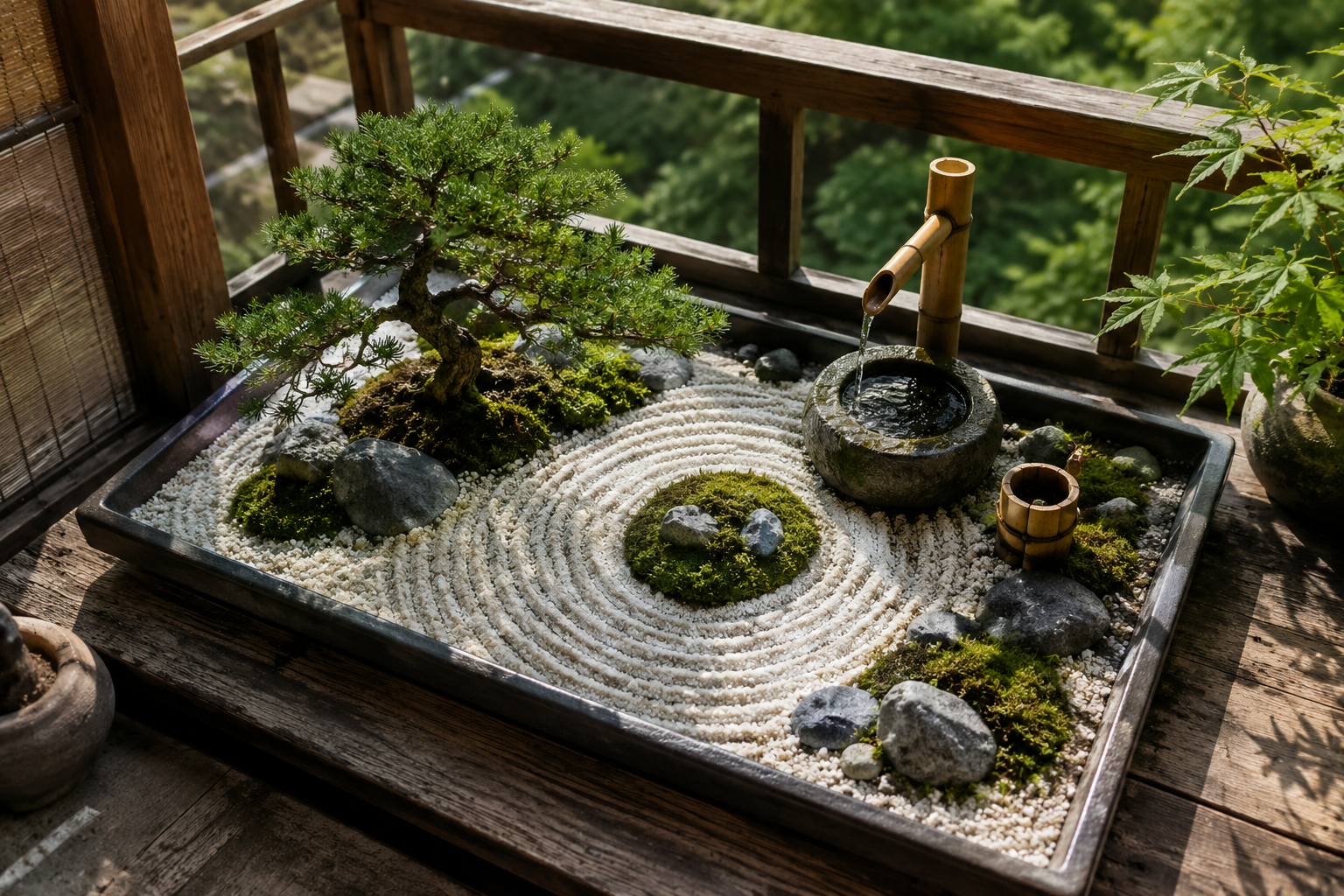
What Exactly Is This Japanese Garden Technique Called?
The technique is called wabi-sabi tray gardening, sometimes referred to as bon-kei (盆景) or bon-seki. Wabi-sabi is a Japanese philosophy centered on finding beauty in simplicity, imperfection, and the natural world. Applied to gardening, it means creating a small, intentional landscape that feels complete — not cluttered — using minimal elements like gravel, moss, stone, and one or two plants.
Bon-kei differs from bonsai (which focuses on a single trained tree) because it creates an entire miniature scene: a hillside, a riverbed, a forest floor. The ancient Japanese garden secret that works perfectly for small apartment balconies lies in this philosophy: less is deliberately more, and every element earns its place.
- Wabi-sabi: The aesthetic of imperfect, transient beauty
- Bon-kei: Miniature tray landscapes using soil, sand, gravel, and plants
- Bon-seki: A drier version using only sand, gravel, and stones (no live plants)
- Karesansui: The dry rock garden style (think Zen raked gravel) — a close cousin
“The goal isn’t to fill the space. It’s to make the space feel complete with as little as possible.” — Core wabi-sabi principle
How Much Space Do You Really Need to Create This Garden?
You need a minimum of about 2 square feet of flat surface — roughly the size of a large dinner tray. That’s genuinely it. The ancient Japanese garden secret that works perfectly for small apartment balconies was designed for constrained spaces long before apartment living existed; Japanese urban homes have historically had tiny courtyard gardens called tsubo-niwa, sometimes less than 3 square feet.
Practical space options on a small balcony:
- A railing-mounted shelf (12″ × 24″ is plenty)
- A small folding table or stool
- A floor corner with a waterproof mat underneath
- A window ledge with a shallow tray
Choose X if: You have under 10 sq ft total — use a single 16″×10″ rectangular tray on a railing shelf. You have 10–30 sq ft — you can arrange 2–3 trays at different heights for a layered effect. For more ideas on maximizing a tiny outdoor space, see our small balcony vegetable gardening guide.
Can You Do This With Zero Gardening Experience?
Yes, and this method is actually better suited to beginners than conventional container gardening. Because wabi-sabi tray gardens use slow-growing, low-demand plants in small volumes of soil, the consequences of beginner mistakes (overwatering, wrong soil, wrong light) are far less severe. There’s less to manage, so there’s less to get wrong.
If you’ve never gardened before, start with a moss and gravel tray — no plant care knowledge required. Moss is forgiving, grows slowly, and only needs occasional misting. Once you’re comfortable, add a dwarf plant or small succulent. Our container gardening for beginners guide walks through the foundational skills you’ll build on.
What Plants Work Best in a Tiny Balcony Using This Method?
The best plants for wabi-sabi tray gardening are slow-growing, compact, and visually interesting at small scale. Avoid fast-growing vegetables or large-rooted plants — they’ll overwhelm the tray within weeks.
| Plant | Light Needed | Water Needs | Why It Works |
|---|---|---|---|
| Sheet moss (Hypnum spp.) | Low–medium | Mist 2×/week | Covers ground, looks lush |
| Dwarf mondo grass | Low–medium | Weekly | Stays under 4 inches tall |
| Sedum (stonecrop) | Full sun | Minimal | Drought-tolerant, sculptural |
| Miniature fern | Low–medium | Mist regularly | Adds texture, shade-friendly |
| Dwarf juniper | Full sun | Weekly | Classic bonsai-style anchor |
| Compact thyme or mint | Full sun | Weekly | Edible + fragrant |
| Peace lily (small variety) | Low | Weekly | Blooms indoors or low-light balconies |
For a broader selection, our best plants for small gardens guide covers dozens of compact options with care details. If you want to add edible herbs to your tray, check out the best herbs for small gardens.
How Much Does It Cost to Set Up a Japanese Balcony Garden?
A basic wabi-sabi tray garden setup costs between $30 and $80 for most beginners. Higher-end versions with ceramic trays and specialty plants can reach $150, but that’s optional.
Typical starter budget breakdown:
- Shallow tray or pot (ceramic, plastic, or repurposed dish): $8–$25
- Decorative gravel or fine sand: $5–$10
- Bag of bonsai or well-draining potting mix: $8–$15
- Sheet moss or 2–3 small plants: $10–$25
- River stones or decorative rocks: $3–$8
- Total: ~$34–$83
💡 Budget tip: Dollar stores, thrift shops, and hardware stores often carry shallow trays, gravel, and small stones at a fraction of garden center prices. You can also repurpose a large ceramic serving dish or a plastic storage lid as your tray base.
Are There Specific Tools You Need to Buy?
No specialized tools are required. The ancient Japanese garden secret that works perfectly for small apartment balconies is partly so accessible because it demands almost nothing in terms of equipment.
What you actually need:
- A spray bottle (for misting moss)
- A small trowel or large spoon (for placing soil and gravel)
- A chopstick or small rake (for raking gravel patterns — optional but satisfying)
- Drainage mesh or a coffee filter (to line the tray bottom and prevent soil loss)
That’s genuinely the full list for a starter setup. You don’t need grow lights, power tools, or irrigation systems. If you later want to expand to self-watering options, our article on self-watering pots for small gardens explains which systems work best in compact setups.
What Are Common Mistakes Beginners Make With This Garden Style?
The three most common mistakes are overwatering, overcrowding, and skipping drainage.
- Overwatering: Shallow trays have little soil buffer. Water only when the top layer feels dry, or mist moss lightly instead of soaking the tray.
- Overcrowding: Wabi-sabi is about negative space. Adding too many plants destroys the aesthetic and causes root competition. Stick to 1–3 plants maximum per tray.
- No drainage layer: Without a gravel drainage layer at the tray bottom, roots sit in standing water and rot. Always add at least 1 inch of coarse gravel before soil.
- Choosing fast-growing plants: Mint, tomatoes, and most vegetables will outgrow a tray in weeks. Choose slow-growing or dwarf varieties.
- Ignoring wind: High-rise balconies get strong wind. Anchor lightweight trays or place them behind a railing screen.
For a deeper look at what goes wrong on balconies, our balcony gardening mistakes guide covers these and more.
Is This Technique Good for People Who Travel a Lot?
Yes — wabi-sabi tray gardening is one of the most travel-friendly garden styles available. Most plants used in this method (moss, sedums, dwarf grasses, small succulents) can survive 1–3 weeks without attention if set up correctly.
Tips for frequent travelers:
- Use a gravel mulch layer on top of soil to slow evaporation
- Choose drought-tolerant plants like sedums and dwarf mondo grass
- Place the tray in a slightly shadier spot before leaving (reduces water loss)
- Ask a neighbor to mist moss once a week if you’re gone longer than 2 weeks
A moss-only tray can often go 2–3 weeks without watering in mild weather. Compare that to a vegetable container garden, which may need daily watering in summer.
How Does This Compare to Regular Container Gardening?
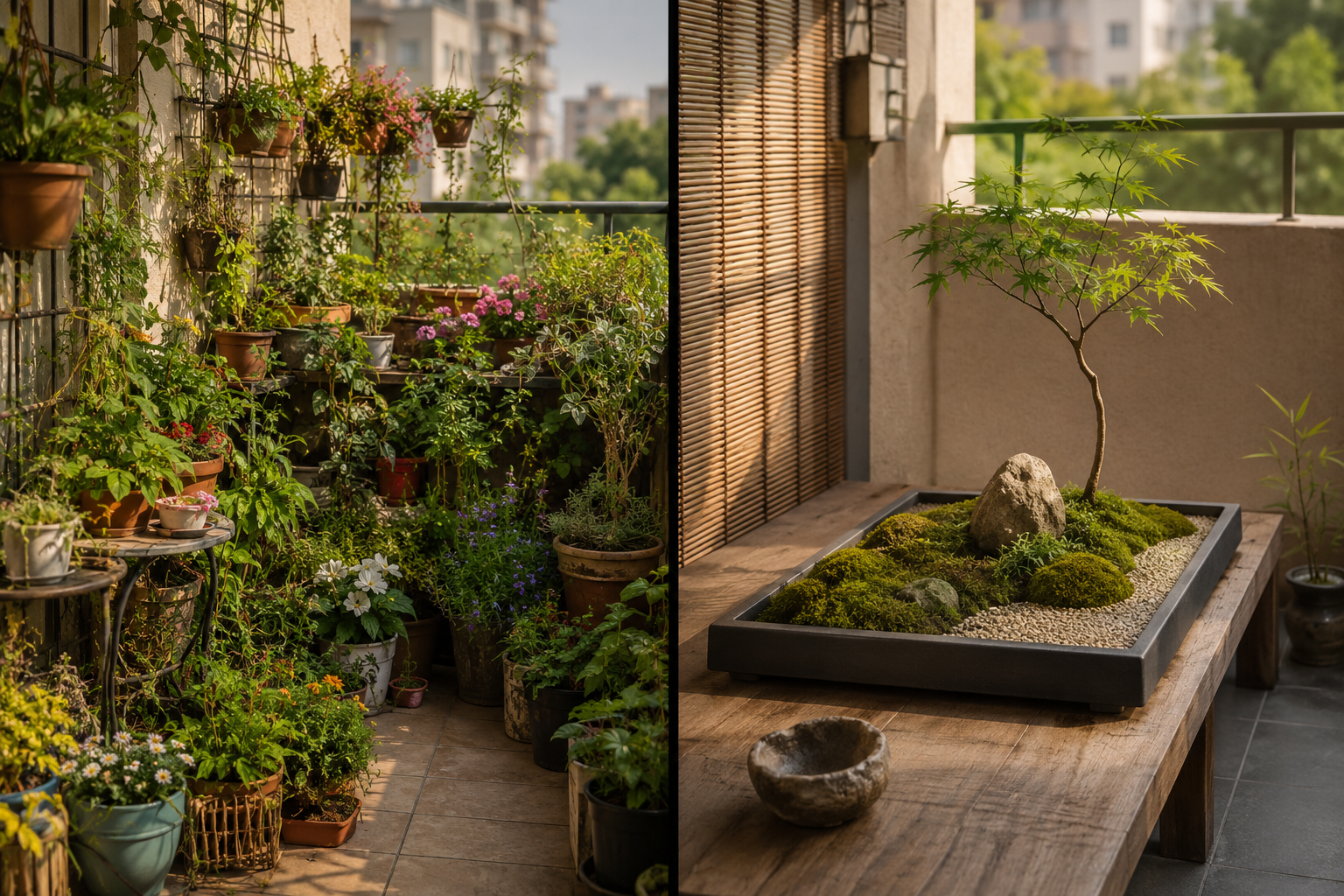
Wabi-sabi tray gardening and conventional container gardening serve different goals. Container gardening prioritizes yield and plant variety; wabi-sabi tray gardening prioritizes visual impact, calm, and low maintenance.
| Factor | Wabi-Sabi Tray Garden | Regular Container Garden |
|---|---|---|
| Space needed | 2+ sq ft | 4–10+ sq ft |
| Startup cost | $30–$80 | $50–$200+ |
| Weekly maintenance | 10–15 min | 30–60+ min |
| Watering frequency | Every 5–10 days | Daily in summer |
| Food production | Minimal (herbs only) | High potential |
| Visual appeal | Very high | Varies |
| Beginner-friendliness | High | Moderate |
Choose container gardening if your goal is growing food. Choose wabi-sabi tray gardening if your goal is creating a calming, beautiful outdoor space with minimal effort. Many balcony gardeners do both — a tray garden for aesthetics, one or two containers for herbs or tomatoes. For the food-growing side, our balcony vegetable garden guide is a solid starting point.
Can This Work in Really Hot or Really Cold Climates?
Yes, with some adjustments. The ancient Japanese garden secret that works perfectly for small apartment balconies was developed in Japan’s varied climate, which includes hot, humid summers and cold winters — so the technique is inherently adaptable.
Hot climates (above 90°F/32°C regularly):
- Choose heat-tolerant plants: sedums, dwarf ornamental grasses, small cacti
- Place the tray in morning sun only (afternoon shade reduces water loss)
- Mist moss in the evening, not midday
- Use a light-colored tray to reflect heat
Cold climates (below 28°F/−2°C):
- Bring ceramic trays indoors — they crack in hard freezes
- Switch to cold-hardy plants: certain mosses, compact sedums, and dwarf conifers survive light frost
- Use plastic or resin trays if leaving outdoors in shoulder seasons
For zone-specific plant survival guidance, our article on plants that survive zone 4a winters in vertical gardens has useful cold-climate plant lists.
What Kind of Maintenance Does This Garden Require?
Maintenance is minimal — roughly 10 to 15 minutes per week for a standard tray garden. This is one of the strongest arguments for this method on a busy urban schedule.
Weekly routine:
- Check soil moisture (finger test: water if dry 1 inch down)
- Mist moss lightly if it looks pale or dry
- Remove any dead leaves or debris
- Rake gravel if you use a pattern (optional, meditative)
Monthly tasks:
- Trim any plant that’s outgrowing its space
- Check for pests (rare, but mealybugs and fungus gnats can appear)
- Refresh gravel surface if it looks muddy
Seasonal tasks:
- Replenish soil nutrients with a light liquid fertilizer in spring and summer
- Bring trays indoors before first hard frost
For pest issues that do arise, our pest control guide for small gardens covers organic solutions that won’t disturb a delicate tray ecosystem.
What If I Have Almost No Direct Sunlight on My Balcony?
A shaded balcony is not a barrier to this garden style. Several of the best wabi-sabi plants actually prefer low light, and a moss-focused tray thrives in indirect or filtered light.
Best plants for low-light balconies:
- Sheet moss and cushion moss (thrive in shade)
- Miniature ferns (Asplenium, Adiantum varieties)
- Dwarf mondo grass (tolerates deep shade)
- Peace lily (small varieties)
- Pothos cuttings (can anchor one corner of a tray)
What to avoid in low light: Sedums, most succulents, dwarf conifers, and herbs all need at least 4–6 hours of direct sun. Placing them in deep shade leads to leggy, weak growth.
If your balcony gets under 2 hours of direct light, focus entirely on a moss and fern tray — it will look beautiful and require almost no intervention. For more shade-friendly options, see our guide to plants that grow without sunlight.
Are There YouTube Tutorials Showing How to Do This Step by Step?
Yes. Searching “bon-kei tutorial,” “wabi-sabi tray garden,” or “Japanese miniature balcony garden” on YouTube returns dozens of detailed walkthrough videos. Channels focused on bonsai and Japanese gardening often cover tray garden setup in 10–20 minute videos that show the full process from empty tray to finished scene.
What to look for in a good tutorial:
- Shows the drainage layer being added first
- Uses realistic plant combinations (not overstuffed)
- Explains the gravel-raking technique
- Covers watering frequency honestly
Supplement video tutorials with written guides for plant-specific care, since video creators often skip maintenance details.
FAQ
Q: Is wabi-sabi tray gardening the same as bonsai?
No. Bonsai focuses on training a single tree over years. Wabi-sabi tray gardening creates a complete miniature landscape scene using multiple elements — gravel, moss, stones, and small plants — in a shallow tray. Bonsai can be part of a tray garden, but the two are distinct practices.
Q: Can I grow food in a wabi-sabi tray garden?
In a limited way, yes. Compact herbs like thyme, creeping rosemary, and miniature basil fit the aesthetic and are edible. However, the shallow soil depth (typically 2–4 inches) rules out most vegetables. For food production, pair your tray garden with a separate container setup.
Q: How deep does the tray need to be?
A minimum of 2 inches of depth works for moss-only trays. For small plants with roots, aim for 3–5 inches of total depth (including the 1-inch drainage gravel layer at the bottom).
Q: Will my landlord object to this on the balcony?
Wabi-sabi tray gardens are non-invasive, lightweight, and fully portable — far less likely to cause landlord issues than large planters, soil bags, or structural installations. Always check your lease for weight restrictions on balconies.
Q: How often do I need to replace the plants?
Slow-growing plants like moss, dwarf mondo grass, and compact sedums can last years in the same tray with minimal intervention. You may refresh or rearrange elements seasonally, but full replacement is rarely needed.
Q: Can children or pets damage the tray garden?
The gravel and stones pose a choking hazard for very young children. Most plants used are non-toxic, but check specific varieties if you have pets. Elevating the tray on a railing shelf keeps it out of reach.
Q: What’s the best tray material — ceramic, plastic, or wood?
Ceramic looks best and retains moisture well, but cracks in hard freezes. Plastic is lightweight and freeze-resistant but less attractive. Sealed wood is a middle ground — warm aesthetic, reasonable durability. Choose based on your climate and how often you’ll move the tray.
Q: Can I combine this with vertical gardening?
Yes. A tray garden at railing level combined with a small vertical planter on the wall creates a layered, immersive effect in very little space. See our vertical balcony garden ideas for compatible layouts.
Conclusion
The ancient Japanese garden secret that works perfectly for small apartment balconies isn’t complicated, expensive, or reserved for gardening experts. Wabi-sabi tray gardening gives you a complete, calming outdoor space in as little as 2 square feet, for under $80, with about 10 minutes of weekly care.
Your next steps:
- Measure your available balcony surface — even a 12″×24″ railing shelf is enough to start.
- Pick your tray — a shallow ceramic dish, a repurposed serving tray, or an inexpensive plastic container all work.
- Choose your plants based on your light conditions (moss and ferns for shade; sedums and dwarf grasses for sun).
- Layer it correctly — gravel first, then bonsai mix soil, then plants and moss, then decorative gravel on top.
- Rake, arrange, and step back — resist the urge to add more. Negative space is the point.
The philosophy behind this method is as useful as the practice itself: a small space, thoughtfully arranged, can feel more complete than a large one that’s been filled without intention.