Best Vegetables for Small Space Gardening: Top Picks for 2026
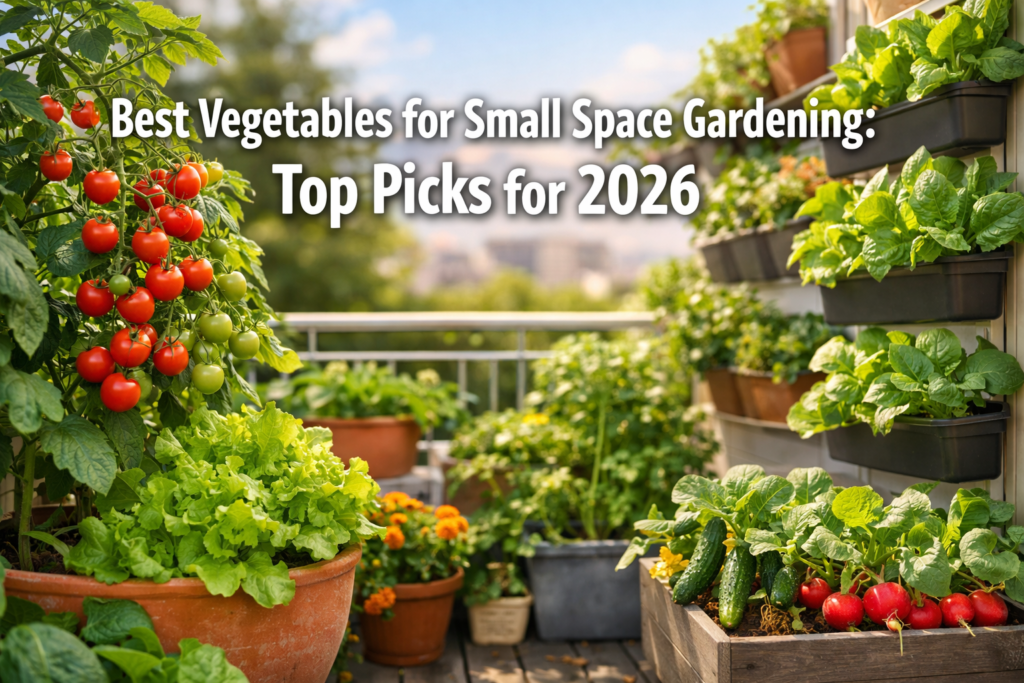
Gardening in a compact area does not mean sacrificing a bountiful harvest. In 2026, cultivating a thriving vegetable garden, even with limited space, is entirely achievable by selecting the Best Vegetables for Small Space Gardening and employing smart growing techniques. This comprehensive guide provides expert recommendations and practical advice for maximizing your yield, whether you have a small balcony, a patio, or just a few sunny windowsills.
Key Takeaways
- Choose compact or vining varieties of vegetables specifically bred for small spaces.
- Utilize vertical gardening methods like trellises and hanging baskets to maximize yield.
- Prioritize fast-maturing crops for quicker harvests and continuous production.
- Select disease-resistant and heat-tolerant varieties for a more resilient garden.
- Focus on nutrient-dense vegetables that offer multiple harvests from a single plant.
What Are the Most Productive Vegetables for Small Spaces?
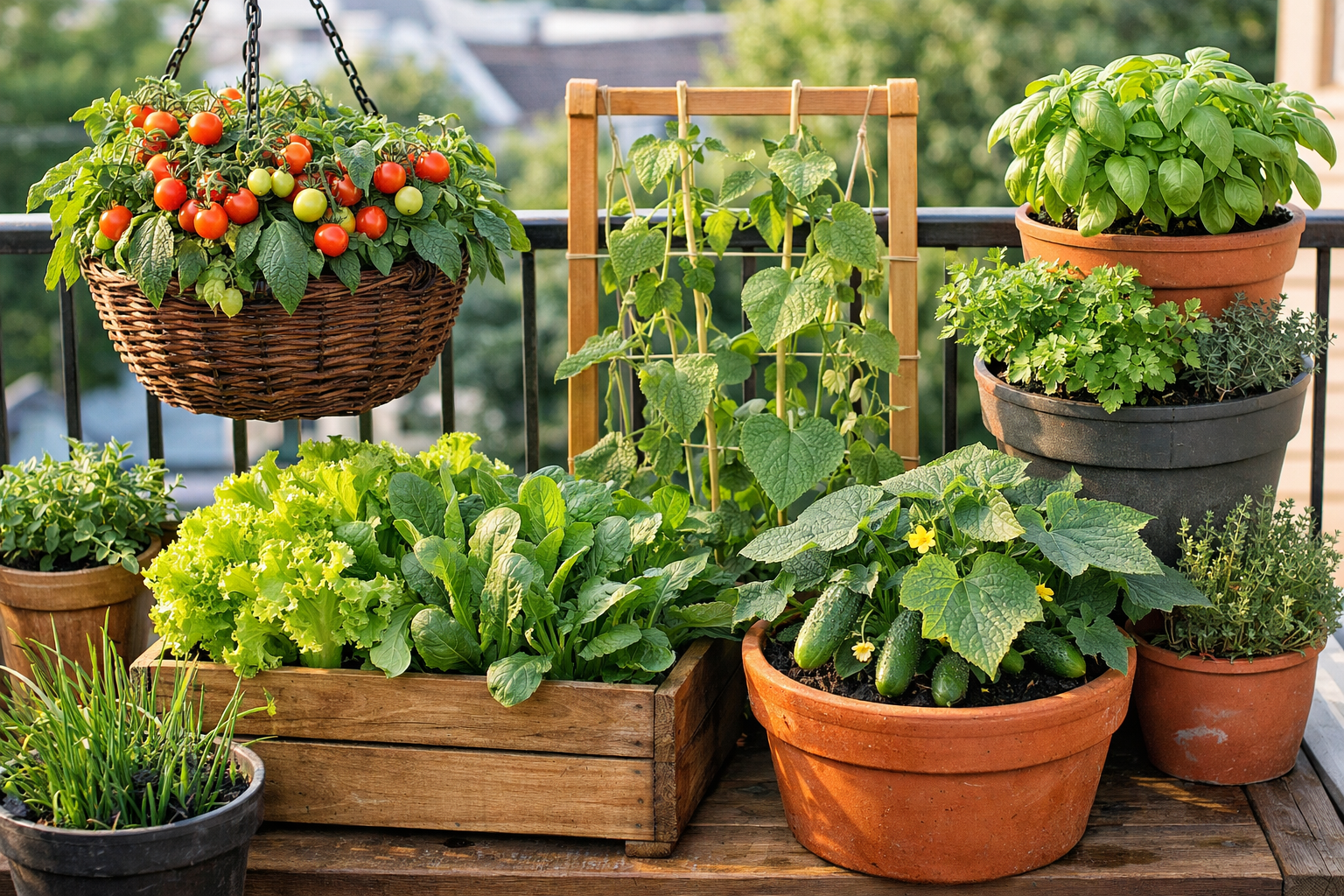
The most productive vegetables for small spaces are those that yield heavily in a compact form, offer multiple harvests, or can be grown vertically. Varieties like ‘Merlin’ cucumber, ‘Sanabria’ zucchini, and ‘Sungold’ cherry tomato are top performers due to their exceptional yields and disease resistance, making them ideal for container gardening and limited plots in 2026 [2, 5].
For gardeners aiming to maximize every inch, selecting the right varieties is crucial. The key is to look for cultivars labeled “bush,” “dwarf,” or “container-friendly,” as these are specifically bred to remain compact. Beyond size, productivity also hinges on the plant’s ability to resist common diseases and produce continuously throughout the growing season. For instance, ‘Merlin’ cucumber stands out for its exceptional productivity in isolated growing conditions, while ‘Sanabria’ zucchini is noted for its high yield and strong disease resistance, making both excellent choices for small-scale cultivation [2]. Other highly recommended options include ‘Brandy Boy’ tomatoes, ‘Red Impact’ sweet peppers, and ‘Garden Salsa’ hot peppers, all recognized for their significant output [2]. When planning your garden, consider the return on investment for each plant in terms of space and effort.
Which Compact Varieties Excel in Container Gardens?
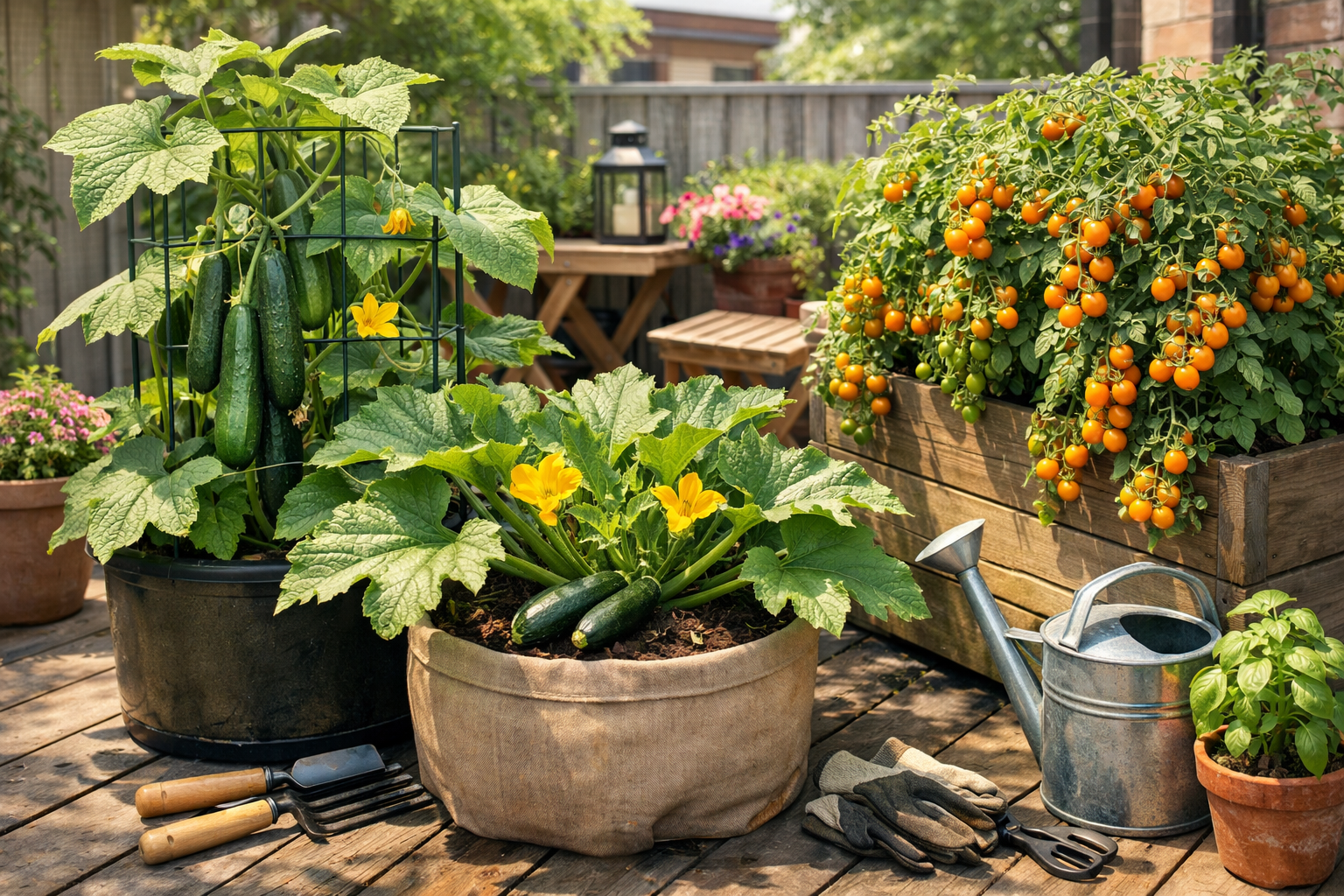
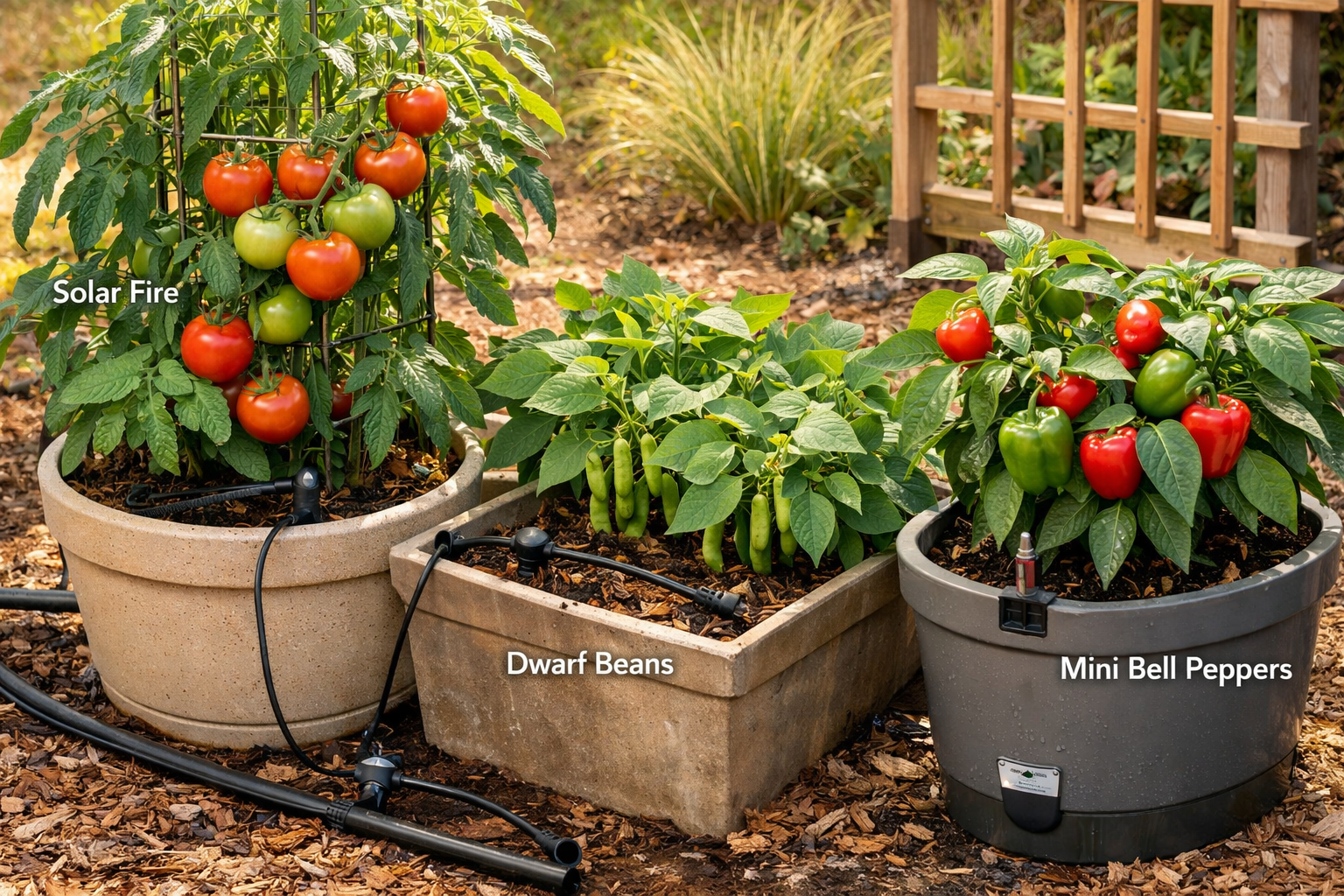
Compact varieties that excel in container gardens are typically those with a bush habit, shallow root systems, or a natural inclination to grow vertically with support. Dwarf beans, mini bell peppers, and bush cucumbers are particularly well-suited for containers, offering good yields without requiring extensive ground space, and they are easier to relocate during extreme weather conditions [4].
Container gardening is a popular method for small spaces, and selecting the right plant variety makes all the difference. When choosing vegetables for pots, look for those that do not spread excessively and have manageable root systems. For example, bush varieties of summer squash and cucumbers, such as ‘Bush Zucchini,’ ‘Early Prolific Squash,’ ‘Bush Champion,’ and ‘Spacemaster,’ are excellent candidates as they thrive in containers and produce well [1]. Similarly, dwarf beans, which have a more upright and contained growth habit than pole beans, fit perfectly into pots. Mini bell peppers offer continuous harvests of smaller, sweet fruits, ideal for snacking or adding to dishes. These compact options not only fit better physically but often require less soil volume, making them perfect for balconies, patios, and even windowsills. For an ultimate guide to maximizing space in containers, explore our Ultimate Guide to Small Space Gardening for Beginners 2026.
Table: Top Compact Varieties for Container Gardening
| Vegetable | Recommended Variety | Key Benefits for Small Spaces |
|---|---|---|
| Cucumber | Merlin, Bush Champion, Spacemaster | Exceptional productivity, compact bush form, container-friendly [1, 2] |
| Zucchini | Sanabria, Bush Zucchini | High yield, disease resistant, bush habit [1, 2] |
| Tomato | Sungold, Brandy Boy, Heatmaster, Solar Fire | Disease resistant, sweet, reliable yields, heat tolerant [2, 4, 5] |
| Pepper | Red Impact, Garden Salsa, Mini Bell | High productivity, compact growth, suitable for pots [2, 4] |
| Green Beans | Dwarf Beans | Bush habit, easier relocation during extreme weather [4] |
| Radishes | Icicle | Fast maturing (45 days), multiple harvests [1] |
| Chard | (Any standard variety) | Grows well in pots, multiple harvests, visually appealing [1] |
| Summer Squash | Early Prolific Squash | Fast maturing (45 days), bush variety [1] |
What Fast-Growing Vegetables Offer Quick and Continuous Harvests?
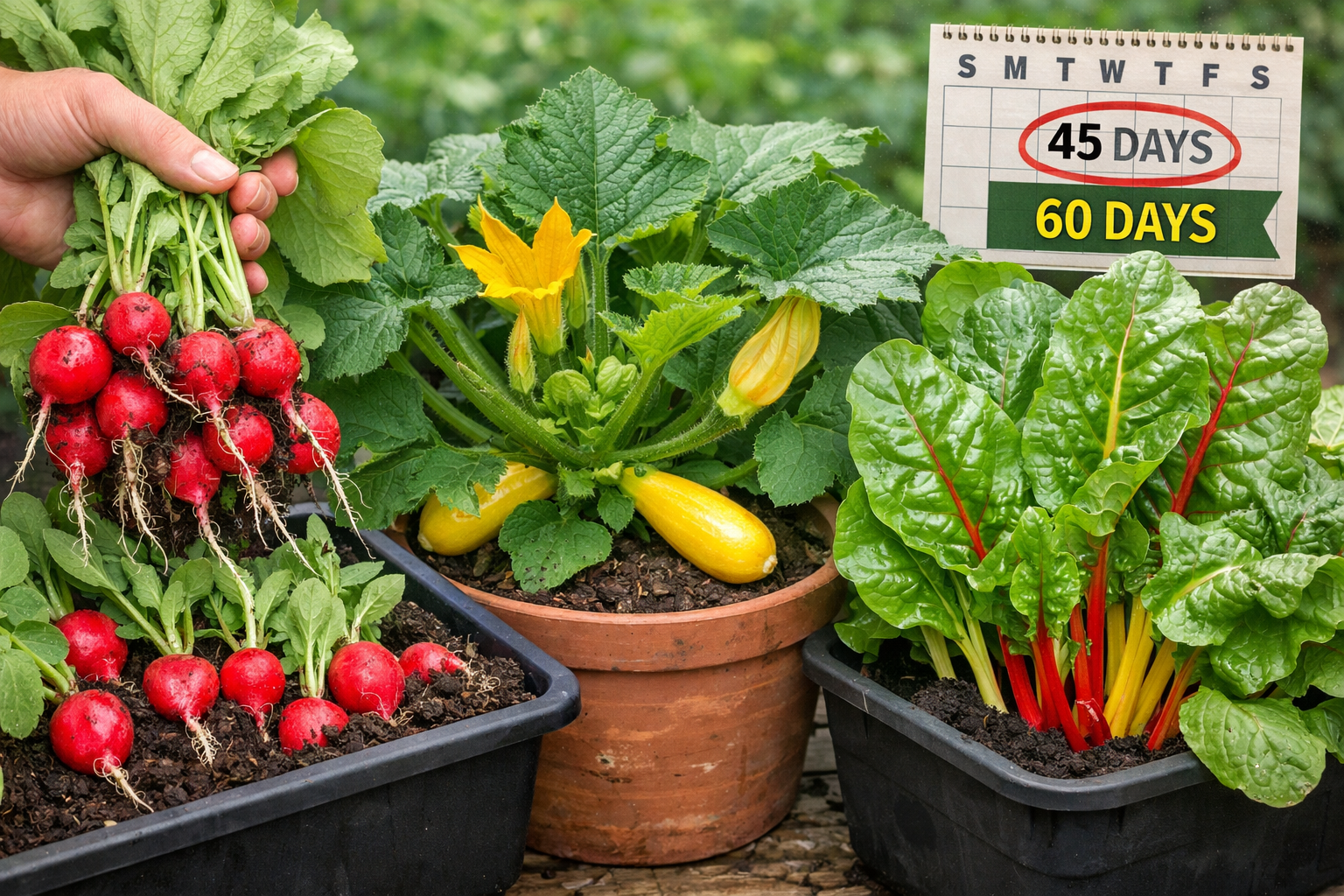
Fast-growing vegetables like radishes, summer squash, and chard offer quick and continuous harvests, making them excellent choices for gardeners who want to see rapid results and enjoy a steady supply of fresh produce from small spaces. Radishes can mature in as little as 45 days, while chard provides multiple harvests throughout the season [1].
Maximizing yield in small spaces often involves planting crops that mature quickly or can be harvested repeatedly. This approach allows gardeners to cycle through different vegetables or enjoy a consistent supply from the same plant.
- Radishes: These are perhaps one of the fastest vegetables to grow, often ready for harvest in just 45 days. Varieties like ‘Icicle’ are recommended for their extended harvest period [1]. Planting small batches every week or two ensures a continuous supply.
- Summer Squash: Bush varieties of summer squash, such as ‘Bush Zucchini’ and ‘Early Prolific Squash,’ mature in about 45 days and are well-suited for containers [1]. Their rapid growth means you can enjoy fresh squash throughout the warmer months.
- Chard: Requiring around 60 days to mature, chard is a resilient leafy green that performs exceptionally well in pots. Its leaves can be harvested multiple times throughout the season by simply picking the outer leaves, allowing the plant to continue producing [1]. This “cut-and-come-again” method is highly efficient for small space gardening.
- Green Beans: Pole varieties of green beans mature in approximately 64 days and are perfect for vertical gardening, allowing for abundant yields without taking up much ground space [1].
These fast-growing options are ideal for gardeners eager to see their efforts rewarded quickly and consistently.
How Can Vertical Growing Maximize Yield for Small Space Vegetables?
Vertical growing significantly maximizes yield for small space vegetables by utilizing upward dimensions, allowing more plants to be grown in a smaller footprint than traditional ground planting. Vining varieties like peas, beans, tomatoes, and squash can be trained on trellises, stakes, or A-frames, transforming limited horizontal areas into productive vertical farms [3].
For anyone with a small garden, balcony, or patio, vertical gardening is a game-changer. It reclaims otherwise unused space, channeling plants upwards instead of outwards. This method not only increases the number of plants you can grow but also improves air circulation around plants, potentially reducing disease issues.
Effective Vertical Gardening Techniques:
- Trellises and Stakes: Ideal for vining plants such as pole beans, cucumbers (‘Merlin’ is an excellent choice), and indeterminate tomatoes (‘Sungold’ or ‘Brandy Boy’). Pole beans mature in about 64 days and thrive when given vertical support [1].
- Cages: Excellent for supporting bushier plants like determinant tomatoes and some pepper varieties, keeping them upright and preventing fruit from touching the ground.
- A-frames: These structures are versatile and can support two rows of vining crops, maximizing space efficiency.
- Hanging Baskets: Perfect for cascading plants like cherry tomatoes, strawberries, and some compact peppers, adding a decorative element while being productive.
- Stacked Planters/Wall Planters: These systems allow you to grow multiple plants in a tiered setup, saving floor space. Leafy greens, herbs, and dwarf beans are excellent candidates for such systems.
By encouraging plants to grow upwards, gardeners can cultivate a much larger quantity of food than flat-bed gardening would permit, transforming even the smallest areas into highly productive edible landscapes. For more creative ideas, check out Mini Space Garden | Small Space Gardening Ideas.
What Vegetables Are Best Suited for Climate-Resilient Small Gardens in 2026?
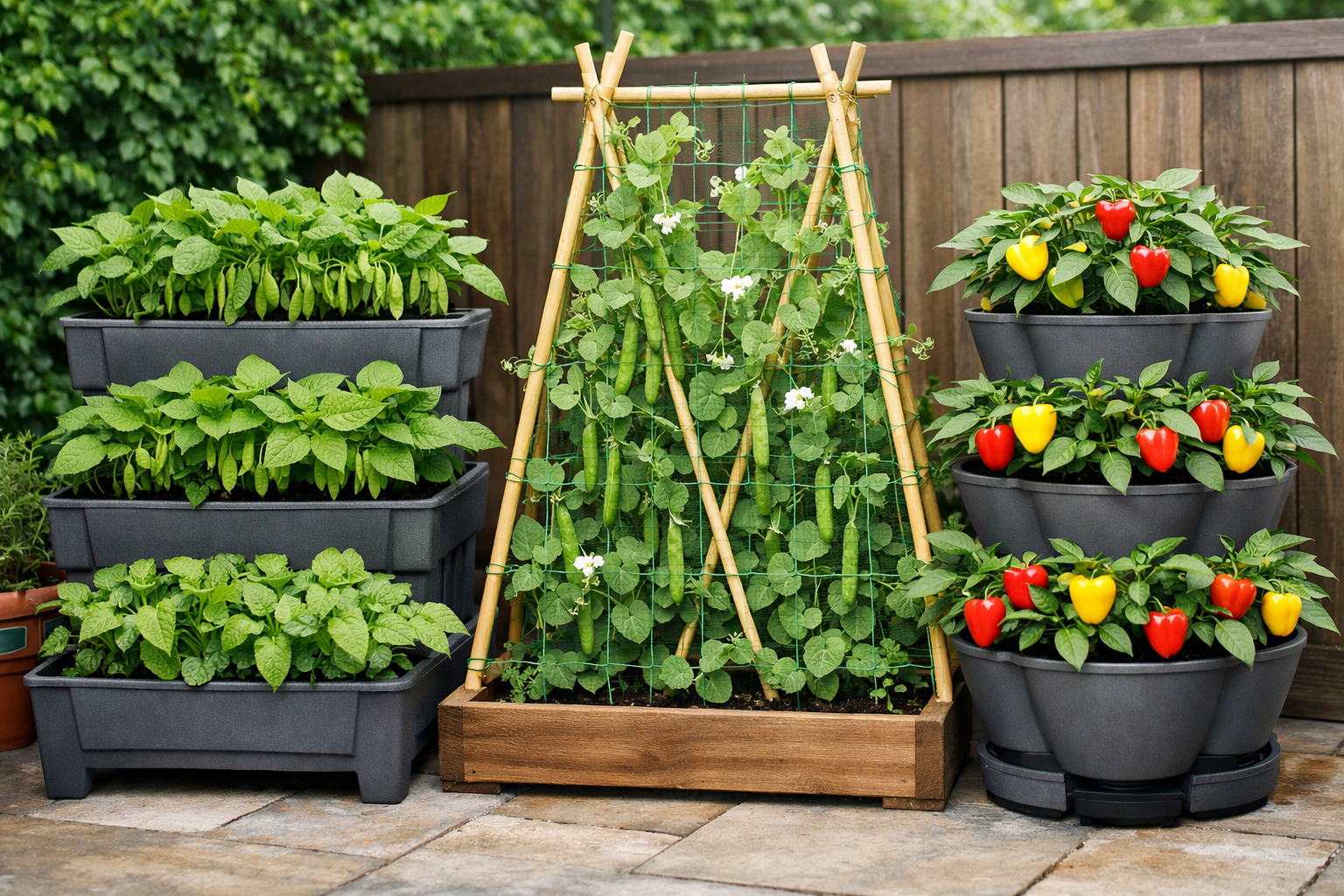
For climate-resilient small gardens in 2026, vegetables that demonstrate heat tolerance, disease resistance, and adaptability to changing weather conditions are paramount. Heat-tolerant tomato varieties like ‘Heatmaster’ and ‘Solar Fire,’ which can set fruit in temperatures above 32°C (90°F), along with dwarf beans, mini bell peppers, and bush cucumbers, are specifically recommended for their resilience and compact growth, making them easier to manage during extreme weather [4].
The climate in 2026 demands a strategic approach to gardening, especially in small spaces where plants might be more exposed to environmental fluctuations. Choosing varieties that can withstand common stressors like extreme heat, sudden downpours, or prolonged dry spells is essential for a successful harvest.
- Heat-Tolerant Tomatoes: With summers becoming warmer, selecting tomato varieties that continue to produce even when temperatures soar is crucial. ‘Heatmaster’ and ‘Solar Fire’ are notable for their ability to set fruit at high temperatures, ensuring a harvest when other varieties might fail [4].
- Disease-Resistant Varieties: Varieties with natural resistance to common diseases require less intervention and maintain healthier growth, which is particularly beneficial in small spaces where problems can spread quickly. ‘Sungold’ cherry tomatoes and ‘Sanabria’ zucchini are praised for their disease resistance [2, 5].
- Compact and Adaptable Plants: Dwarf beans, mini bell peppers, and bush cucumbers are not only suited for containers but their compact nature makes them easier to protect or move indoors during severe weather events, such as heatwaves or unexpected frosts [4]. This adaptability is a cornerstone of climate-resilient gardening.
- Water-Wise Choices: While not a plant variety, integrating water-efficient growing methods like self-watering containers or drip irrigation systems can significantly enhance the resilience of your small garden, ensuring plants receive adequate moisture without waste.
Designing a climate-resilient vegetable garden involves a combination of smart plant choices and thoughtful gardening practices, ensuring a productive space even in challenging conditions. For more on this topic, refer to the insights in “How To Design A Climate Resilient Vegetable Garden In 2026” [4].
FAQ
Q1: Can I grow tomatoes in a small apartment?
A1: Yes, many determinate or dwarf tomato varieties like ‘Sungold’ cherry tomatoes are excellent for small apartments, especially when grown in containers on a balcony or a sunny windowsill [5].
Q2: What’s the best way to water vegetables in small containers?
A2: Watering small containers efficiently involves checking soil moisture regularly and watering deeply until water drains from the bottom. Self-watering pots or drip irrigation systems can also be highly effective [4].
Q3: How do I prevent pests in a small space garden?
A3: Preventing pests in a small garden includes inspecting plants regularly, hand-picking pests, using organic pest control methods like neem oil, and encouraging beneficial insects by planting companion flowers.
Q4: Are there any vegetables that produce year-round in small spaces?
A4: While true year-round production depends on your climate, leafy greens like lettuce, spinach, and chard can provide continuous harvests over extended periods, especially with protection during colder months or partial shade in hotter months [1].
Q5: What soil is best for container vegetables?
A5: A high-quality potting mix specifically formulated for containers is best. It should be lightweight, well-draining, and rich in organic matter to provide essential nutrients and proper aeration for roots.
Q6: How much sunlight do small space vegetables need?
A6: Most fruiting vegetables (tomatoes, peppers, cucumbers, squash) require at least 6-8 hours of direct sunlight per day. Leafy greens can often tolerate partial shade (4-6 hours).
Q7: Can I grow root vegetables in containers?
A7: Yes, root vegetables like radishes and carrots (especially shorter varieties) can be grown in containers, provided the containers are deep enough to accommodate their root growth [1].
Q8: What’s the benefit of using trellises for small space gardening?
A8: Trellises allow vining plants to grow vertically, maximizing the use of limited space, improving air circulation, and keeping fruits off the ground, which can reduce disease and pest issues [3].
Key Takeaways
- Strategic Variety Selection: Prioritize “bush,” “dwarf,” or “container-friendly” varieties such as ‘Merlin’ cucumber, ‘Sanabria’ zucchini, and ‘Sungold’ cherry tomatoes for maximum yield in minimal space [2, 5].
- Vertical Gardening: Implement trellises, stakes, and hanging baskets to grow vining crops like pole beans, cucumbers, and indeterminate tomatoes upwards, significantly increasing your garden’s capacity [3].
- Fast-Maturing Crops: Incorporate quick-producing vegetables like radishes (45 days) and summer squash (45 days) to ensure continuous harvests and a steady supply of fresh produce [1].
- Continuous Harvesting: Opt for “cut-and-come-again” vegetables like chard, which allows for multiple harvests from the same plant throughout the season [1].
- Climate Resilience: Choose heat-tolerant and disease-resistant varieties such as ‘Heatmaster’ and ‘Solar Fire’ tomatoes, dwarf beans, and mini bell peppers to ensure success in changing climate conditions of 2026 [4].
- Container Suitability: Focus on plants that thrive in pots, like dwarf beans, mini bell peppers, and bush cucumbers, which are also easier to manage and relocate [4].
- Resource Optimization: Employ smart practices such as high-quality potting mix, regular moisture checks, and efficient watering systems to support healthy growth in confined spaces.
References
[1] Small Space Survival Garden Zbcz2004 – https://www.motherearthnews.com/organic-gardening/small-space-survival-garden-zbcz2004/ [2] Watch – https://www.youtube.com/watch?v=UQLlEKMTxw0 [3] Small Veg Garden Ideas – https://www.foodgardenlife.com/learn/small-veg-garden-ideas [4] How To Design A Climate Resilient Vegetable Garden In 2026 – https://vegplotter.com/blog/how-to-design-a-climate-resilient-vegetable-garden-in-2026 [5] Watch – https://www.youtube.com/watch?v=GmN4WzYHNWI