Best Indoor Plants for Small Homes in 2026: A Comprehensive Guide
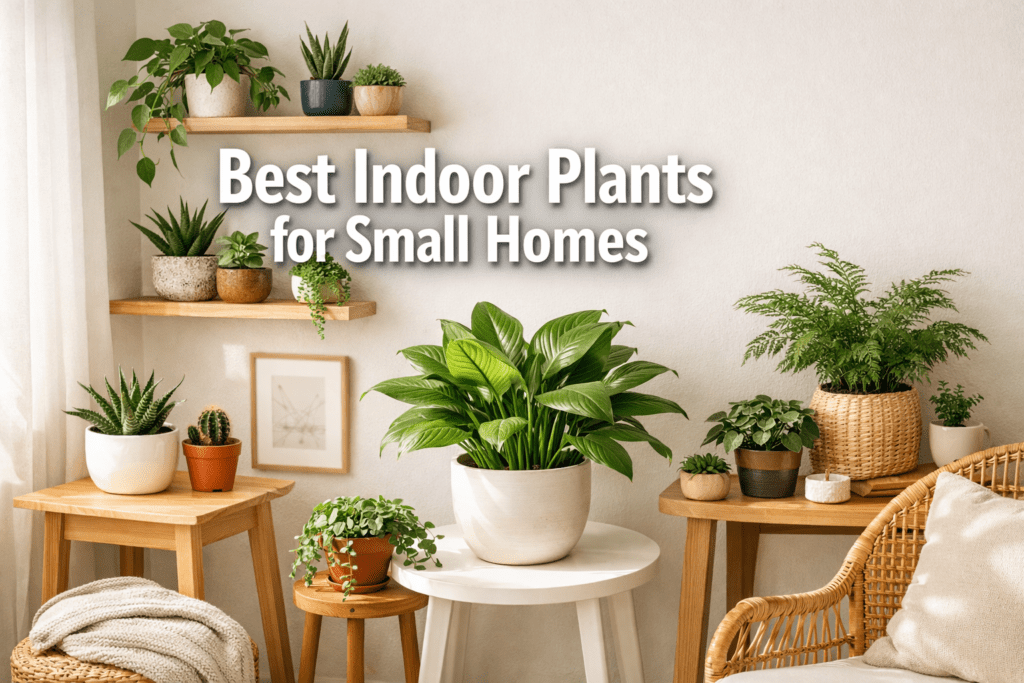
Selecting the best indoor plants for small homes in 2026 means prioritizing compact size, low maintenance, and adaptability to limited light and space conditions. Popular choices like the ZZ Plant, Pothos, and Spider Plant thrive with minimal care and can significantly enhance a small living environment without overwhelming it, aligning with the “taking it easy” trend in gardening [4, 7]. These plants not only add aesthetic appeal but can also contribute to improved air quality and a more serene atmosphere in compact dwellings .
TL;DR
- Choose compact, low-maintenance plants like ZZ Plants, Pothos, and Spider Plants for small spaces.
- Prioritize plants that tolerate varying light conditions, as small homes often have limited natural light.
- Utilize vertical space with hanging plants or shelves to maximize greenery without clutter.
- Select plants with air-purifying qualities to enhance indoor air quality in confined areas.
- Embrace current 2026 trends focusing on ease of care and enjoyment rather than high-maintenance varieties.
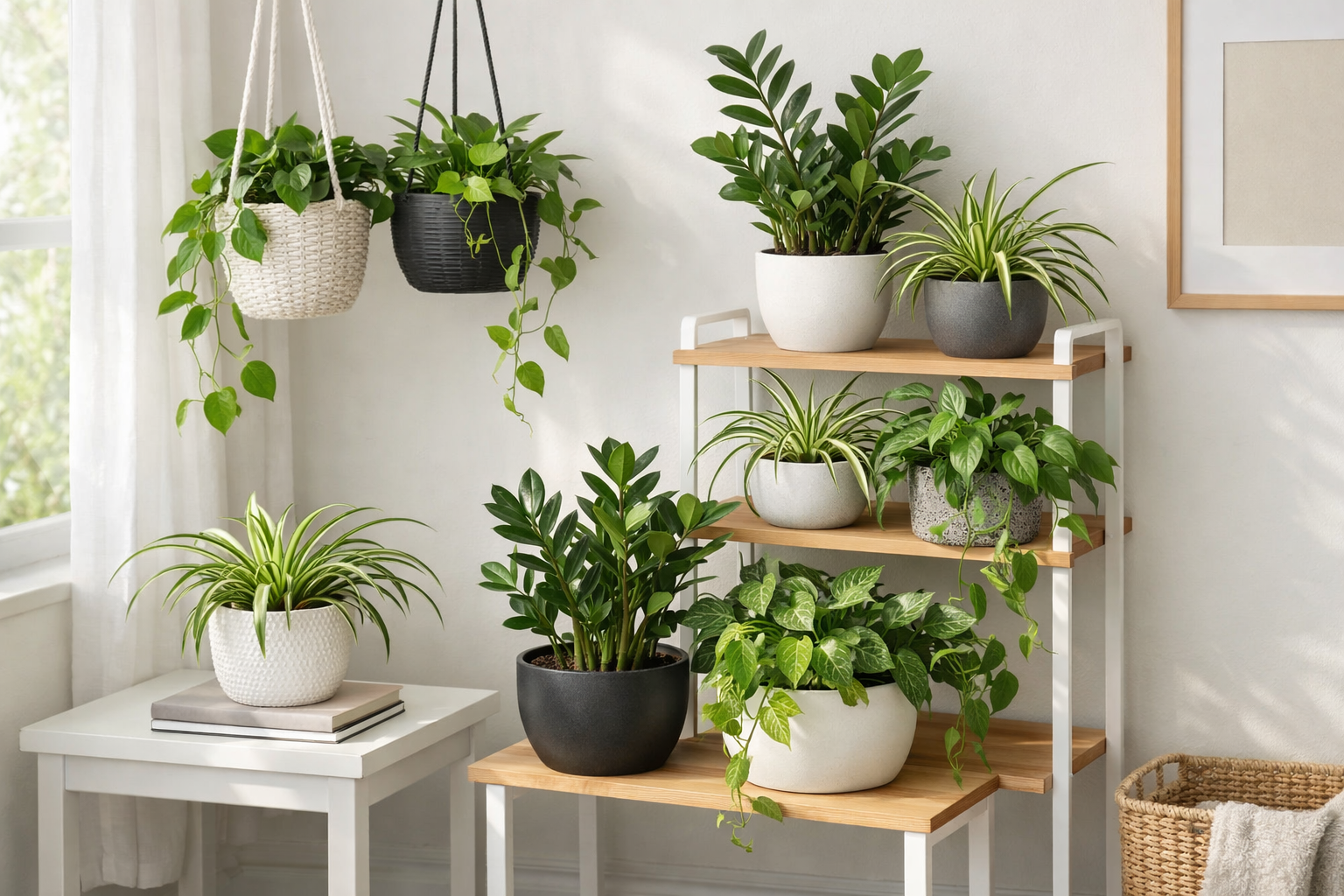
What Are the Best Indoor Plants for Small Homes in 2026?
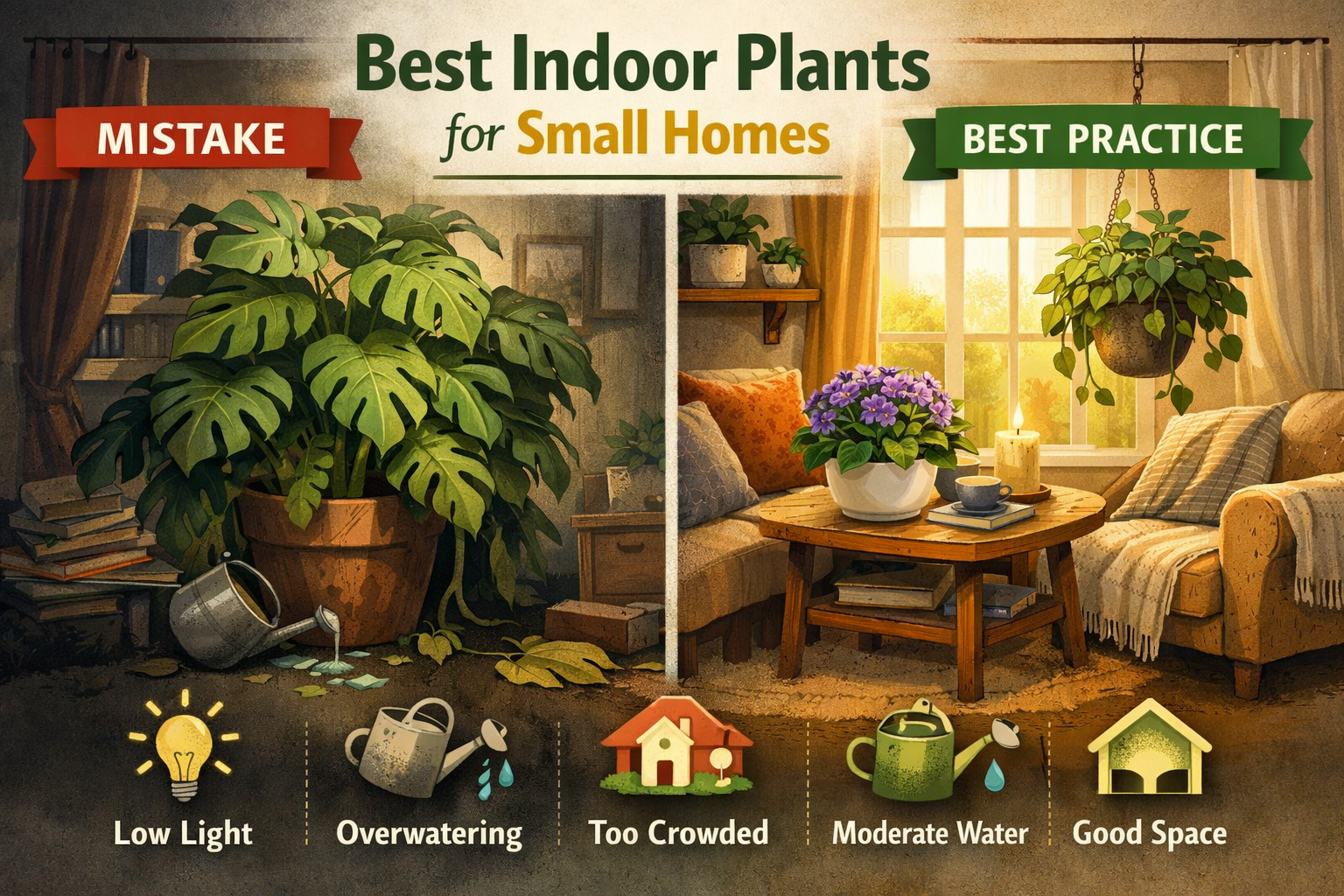
The best indoor plants for small homes in 2026 are those that are compact, forgiving of neglect, and adaptable to various light conditions, making them ideal companions for limited spaces and busy lifestyles. These selections prioritize ease of care and visual impact without demanding extensive room or constant attention.
For those living in apartments, tiny houses, or other compact dwellings, certain plants consistently rise to the top for their suitability. The ZZ Plant (Zamioculcas zamiifolia) is a low-light superstar, requiring watering only when the soil is completely dry and capable of surviving several months without care, making it nearly indestructible [1, 3]. Similarly, the Spider Plant (Chlorophytum comosum) thrives under low-light conditions and needs minimal watering, making it a perfect fit for tiny homes with limited natural light [1].
Another excellent choice is Pothos (Epipremnum aureum), widely recognized as one of the most popular indoor plants due to its rapid growth and tolerance for medium or low light. It typically needs watering only every week or two, and its vining nature can be leveraged for vertical display in hanging baskets or on shelves [3]. English Ivy (Hedera helix) is another hard-to-kill, low-maintenance vining option that is perfect for indoor cultivation in small spaces [4].
Hoyas, including varieties like ‘Bella’ and ‘Compacta’ (often called Hindu Rope Hoya), are also highly recommended. These low-maintenance houseplants are tolerant of varied light levels and have low water needs, making them a stylish and practical choice for small homes [2]. For those seeking flowering plants, African Violets are specifically recommended for small spaces, capable of blooming several times yearly with proper bottom-watering practices [1, 6]. Place pots in lukewarm water for about 20 minutes weekly to ensure adequate moisture without overwatering the leaves [1].
- Top Picks for Ease and Adaptability:
- ZZ Plant: Extremely drought-tolerant, low-light champion, very forgiving [1, 3].
- Spider Plant: Adaptable to low light, minimal watering needs, purifies air [1].
- Pothos: Fast-growing, tolerant of varied light, vining habit for display [3].
- Hoyas: Low-maintenance, diverse varieties, tolerant of varied light and low water [2].
- English Ivy: Hard-to-kill, low-maintenance, ideal for hanging or trailing [4].
When considering new plants, homeowners are increasingly moving away from high-maintenance options like Fiddle Leaf Figs towards more forgiving varieties, reflecting a 2026 trend focused on “taking it easy and having fun in your garden with no expectation of success” [4, 7]. This shift encourages choosing plants that thrive with minimal intervention, perfectly suiting the constraints of small homes. For additional insights on maximizing greenery in compact areas, consider exploring an Ultimate Guide to Small Space Gardening for Beginners 2026.
How Do I Choose the Right Plants for My Small Home’s Specific Conditions?
Choosing the right plants for a small home’s specific conditions involves evaluating available light, humidity, and space, then matching these factors with the needs of various plant species to ensure their long-term health and your success. This strategic approach prevents common issues like overwatering, insufficient light, or plant outgrowing its space.
Light Conditions
The amount of natural light your small home receives is the most critical factor.
- Low Light (North-facing windows, shaded areas): Opt for plants like the ZZ Plant, Spider Plant, Pothos, or Lucky Bamboo. These plants are remarkably resilient and can thrive without direct, intense sunlight [1, 3]. Lucky Bamboo, for instance, performs well in low-light areas and bathrooms, needing only moderate temperatures and clean water changed every 10 days [1].
- Medium Light (East or West-facing windows, indirect bright light): Most of the plants listed above will do well here, and you can also consider varieties like Hoyas and some Ferns. Fern varieties, such as Lemon Button, Maidenhair, Bird’s Nest, and Holly Fern, prefer bright light but require protection from direct sun exposure which can scorch their delicate fronds [1].
- Bright, Direct Light (South-facing windows): Plants that love full sun, like Aloe Vera, can flourish in these spots. Aloe Vera thrives in full sun and should be grown in heavy terra cotta pots to support its top-heavy growth [1]. Begonias, with their continuous blooms, also require consistent light but must be protected from drafts [1].
Space and Growth Habits
Consider how much vertical and horizontal space you have.
- Compact Growth: African Violets are perfect for small surfaces due to their miniature size and ability to bloom multiple times a year [1, 6].
- Vining/Trailing: Pothos, English Ivy, and Hoyas are excellent for hanging baskets or shelves, allowing their foliage to cascade downwards, utilizing vertical space without occupying precious floor area [3, 4].
- Upright Growth (within limits): While the Ginseng Ficus can grow quite large over time, it is noted as extremely tolerant of neglect and long-lasting, with one expert mentioning theirs reached 5 feet over nearly a decade with minimal care [4]. This suggests that even larger plants can be managed in small spaces if they are slow-growing and tolerant of pruning.
Humidity and Maintenance
Bathrooms and kitchens often offer higher humidity, which some plants appreciate.
- High Humidity Tolerant: Lucky Bamboo thrives in humid bathroom environments [1]. Ferns also generally appreciate higher humidity.
- Low Maintenance: For busy individuals, the 2026 trend favors plants that require minimal attention. ZZ Plants, Spider Plants, and Pothos are excellent examples, needing infrequent watering and basic care [1, 3].
| Plant Type | Light Requirement | Water Needs | Growth Habit | Special Feature |
|---|---|---|---|---|
| ZZ Plant | Low to Medium | Low | Upright | Extremely drought-tolerant |
| Spider Plant | Low to Medium | Medium-Low | Trailing/Bushy | Air purifier, produces ‘spiderettes’ |
| Pothos | Low to Medium | Medium | Vining | Fast-growing, easy to propagate |
| Aloe Vera | Bright, Direct | Low | Upright | Medicinal properties |
| African Violet | Medium, Indirect | Medium (bottom) | Compact | Blooms frequently |
| Lucky Bamboo | Low to Medium | High (water) | Upright | Grows in water, good for bathrooms |
| English Ivy | Medium | Medium | Vining | Air purifier, very low-maintenance |
A common mistake is choosing plants that are too large or grow too quickly for the available space, leading to a cluttered feel or needing frequent repotting. Always research a plant’s mature size and growth rate before purchasing. For more comprehensive insights into planning your green space, you can refer to “Mini Space Garden | Small Space Gardening Ideas” at minispacegarden.com.
What Are Some Creative Ways to Display Indoor Plants in Small Spaces?
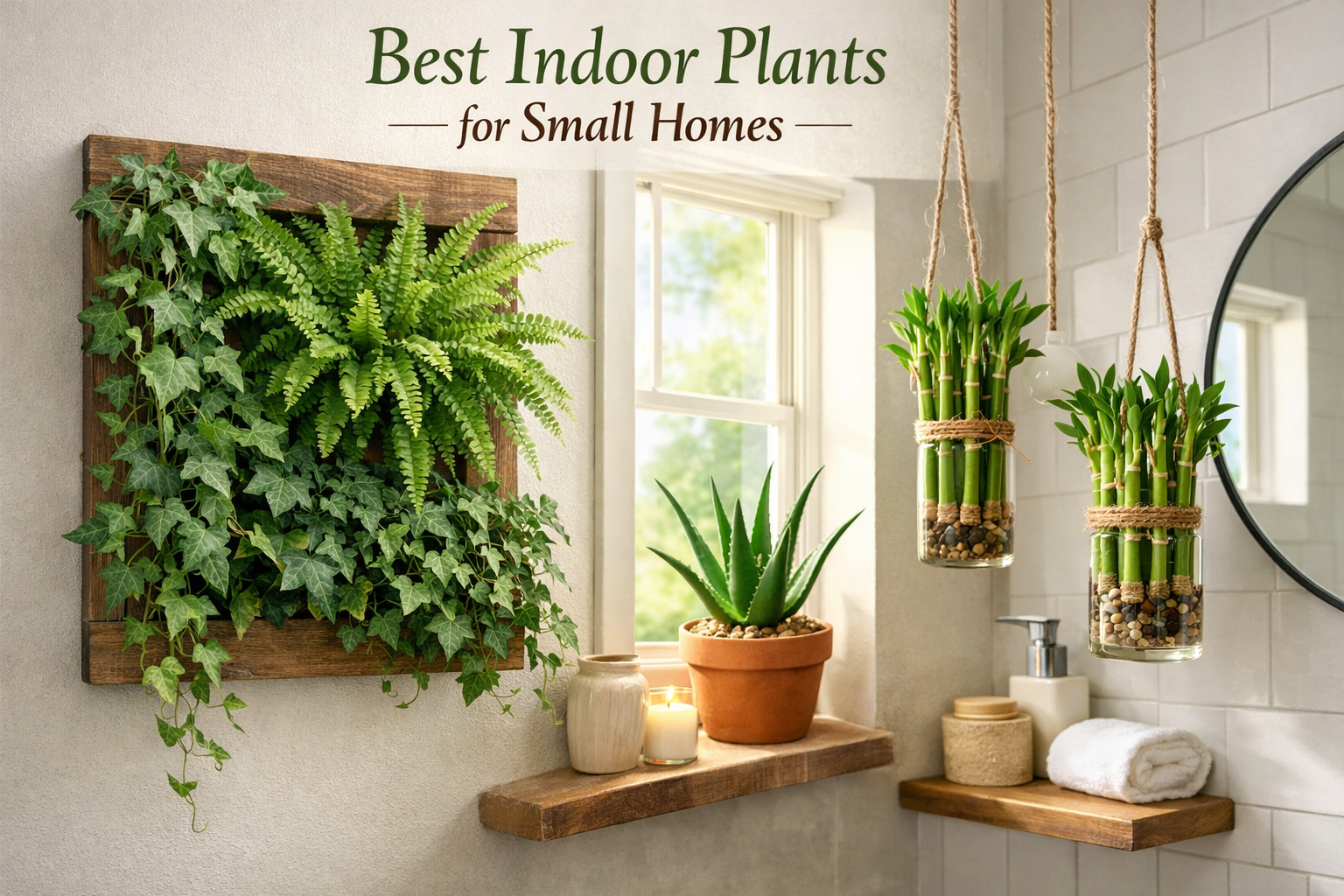
Creative display methods for Best Indoor Plants for Small Homes involve leveraging vertical space, utilizing multifunctional furniture, and choosing compact, aesthetically pleasing containers to maximize greenery without cluttering limited areas. These techniques transform plants from simple decor to integral design elements.
1. Vertical Gardening Solutions:
- Wall-Mounted Planters: Install shelves or specialized wall planters to showcase plants like English Ivy, Pothos, or Hoyas. This draws the eye upwards, making a room feel larger and providing greenery without taking up floor space [4]. Consider modular systems that can be expanded or rearranged.
- Hanging Baskets: Ideal for vining plants such as Spider Plants, Pothos, and English Ivy, hanging baskets free up surface area. Ensure they are securely mounted and placed where they won’t obstruct pathways [1, 3].
- Tiered Plant Stands: A tiered stand allows you to display multiple plants in a small footprint, creating a lush, layered look. This is perfect for a collection of small plants like African Violets or Lemon Button Ferns.
2. Integrating with Furniture:
- Floating Shelves: Install floating shelves above desks, beds, or in awkward corners to place small potted plants. This creates visual interest and uses otherwise neglected space.
- Windowsill Gardens: Utilize windowsills for plants that love bright, direct light, like Aloe Vera [1]. Ensure pots have drainage and consider a shallow tray underneath to catch excess water.
- Bookshelves or Cabinets: Integrate small plants among books and decor on open shelving units. This adds life and texture to your storage solutions.
- Plant-Integrated Furniture: Some modern furniture designs include built-in planters, such as coffee tables with terrarium sections or side tables with recessed pot holders.
3. Container Choices and Grouping:
- Terrariums: Create miniature ecosystems for small, humidity-loving plants. Terrariums are self-contained and visually appealing, perfect for a tabletop or shelf.
- Heavy Terra Cotta Pots: For top-heavy plants like mature Aloe Vera, heavy terra cotta pots offer stability and a classic look [1].
- Grouping: Arrange plants with varied heights and textures in small clusters. This creates a visually impactful “mini-jungle” effect on a single surface, such as a coffee table or dresser.
- Mini Planters: Choose small, decorative planters that fit the scale of your space. Consider ceramic, concrete, or even recycled materials for unique touches.
Example Display Ideas:
- Bathroom Oasis: Place a Lucky Bamboo in a decorative vase on the vanity and a Maidenhair Fern in a hanging basket near a window, utilizing the humid environment [1].
- Kitchen Herb Wall: Install a magnetic strip with small pots of herbs (which can also double as decorative plants) above a counter for easy access and a fresh look.
- Bedroom Greenery: A small African Violet on a bedside table and a Pothos cascading from a high shelf create a calming atmosphere without taking up much space [1, 3, 6].
By thinking creatively about how plants can be displayed, even the smallest homes can become vibrant, green sanctuaries. This approach aligns with the trend of making plants an accessible and enjoyable part of daily life in 2026 [4].
What Are the Low-Maintenance Indoor Plants That Thrive in Limited Light?
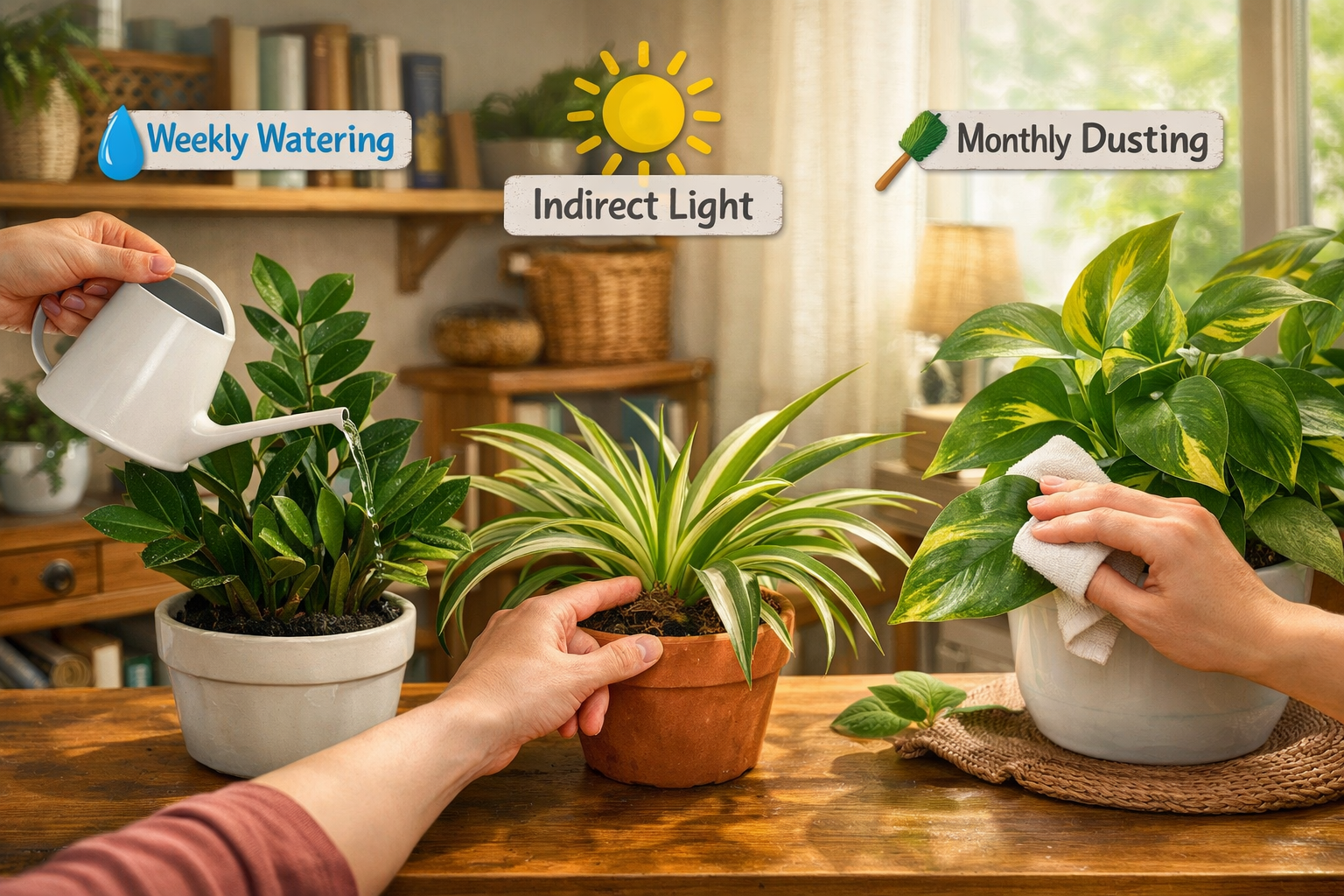
Low-maintenance indoor plants that thrive in limited light are species specifically adapted to subsist on indirect or subdued natural light, making them ideal for small homes, which often have fewer windows or darker corners. These plants typically require infrequent watering and minimal fuss, perfectly suiting a “hands-off” gardening approach.
Many popular houseplants are celebrated for their ability to tolerate less-than-ideal lighting conditions, reducing the stress on homeowners to find perfect sunny spots.
- ZZ Plant (Zamioculcas zamiifolia): This plant is a true low-light superstar, famous for its ability to survive extensive periods without water and in very low light. It’s an excellent choice for dimly lit apartments or corners [1, 3].
- Spider Plant (Chlorophytum comosum): Thriving in low light, the Spider Plant is also forgiving regarding watering and requires minimal care. It’s known for producing ‘spiderettes’ (small plantlets) that can be easily propagated, adding to its appeal [1].
- Pothos (Epipremnum aureum): Highly versatile, Pothos can adapt to various light levels, including medium and low light. Its vining nature makes it suitable for hanging baskets or trailing from shelves, adding greenery without taking up floor space [3].
- Lucky Bamboo (Dracaena sanderiana): This plant grows well in low-light areas and is particularly suited for bathrooms due to its preference for humidity. It can thrive simply in a vase of clean water, which should be changed every 10 days [1].
- Hoyas: Varieties like ‘Bella’ and ‘Compacta’ are known for their low maintenance requirements and tolerance of varied light levels, including shadier spots [2]. Their unique waxy leaves and often fragrant blooms add a touch of elegance.
- English Ivy (Hedera helix): This plant is remarkably hardy and very low-maintenance for indoor cultivation. It performs well in medium light and is excellent for trailing from shelves or mantels [4].
- Ginseng Ficus (Ficus microcarpa ‘Ginseng’): While it can grow large, the Ginseng Ficus is highlighted as extremely tolerant of neglect and long-lasting. One expert maintained theirs for nearly a decade with minimal care, even reaching 5 feet tall, demonstrating its adaptability to less-than-ideal conditions, including light [4].
Key Considerations for Low-Light Plants:
- Watering: Even low-light plants can be overwatered. Always check the soil moisture before watering. For ZZ Plants, allow the soil to dry out completely between waterings [1].
- Growth Rate: Plants in low light will generally grow slower than those in brighter conditions, which can be an advantage in small spaces as they won’t outgrow their containers as quickly.
- Leaf Dusting: In low-light environments, it’s even more crucial to keep leaves clean. Dust can block what little light the plant receives, hindering photosynthesis.
Choosing these resilient options ensures that your small home remains vibrant and green, even if natural light is a precious commodity. These plants align with the 2026 trend towards easy-care gardening, making plant ownership accessible and enjoyable [7].
What Are the Benefits of Having Indoor Plants in a Small Home?
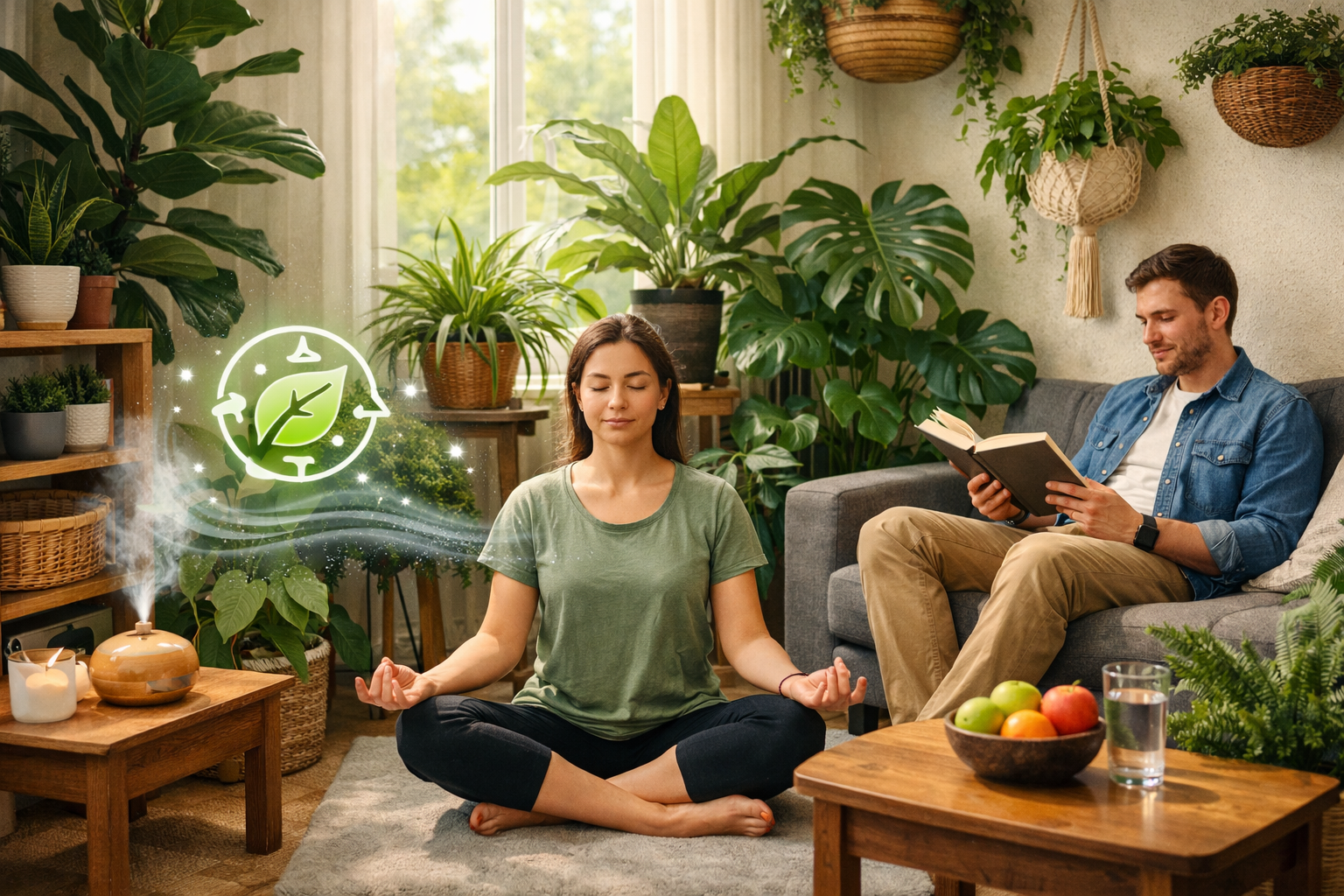
Beyond aesthetic appeal, having Best Indoor Plants for Small Homes offers significant benefits, including improved air quality, enhanced mental well-being, and a stronger connection to nature, all of which are particularly impactful in confined living environments. These advantages transform a small dwelling into a more healthful and harmonious space.
1. Improved Air Quality
Indoor plants act as natural air purifiers, a crucial benefit in smaller homes where air circulation can be limited. Plants absorb carbon dioxide and release oxygen during photosynthesis. Furthermore, some plants are adept at filtering out common indoor air pollutants such as formaldehyde, benzene, and trichloroethylene [5].
- Specific Air Purifiers: Spider Plants, Pothos, and English Ivy are known for their air-purifying capabilities, actively working to cleanse the air you breathe [1, 4]. This is especially beneficial in tightly sealed small homes where synthetic materials in furniture, carpets, and cleaning products can off-gas volatile organic compounds (VOCs).
2. Enhanced Mental Well-being
Interacting with plants has been shown to reduce stress, improve mood, and increase feelings of calm. In a small home, creating a green oasis can serve as a mental escape.
- Stress Reduction: The presence of greenery can lower blood pressure and heart rate, contributing to a more relaxed atmosphere. This biophilic design principle is increasingly important in urban, compact living [6].
- Increased Productivity and Focus: Studies suggest that plants in the workspace can improve concentration and creativity. Even a small plant on a desk in a tiny home office can make a difference.
- Connection to Nature: For those living in urban small spaces, plants provide a vital link to the natural world, combating the isolation often felt from being indoors. This connection can foster a sense of peace and belonging.
3. Aesthetic Appeal and Space Transformation
Plants add life, color, and texture to a small home, making it feel more inviting and less sterile.
- Adding Visual Interest: Plants can soften harsh lines, fill empty corners, and add a pop of color, making a small room feel more vibrant and thoughtfully designed.
- Creating Zones: In open-concept small homes, strategically placed plants can subtly define different areas without the need for walls, creating a sense of distinct function within the space.
- Personalization: Plant choices reflect personal style and can contribute to the overall ambiance of a home. The variety of leaf shapes, colors, and growth habits allows for endless customization [9].
4. Humidity Regulation
Some plants release moisture into the air through transpiration, which can naturally humidify a dry indoor environment. This is particularly useful during colder months when heating systems can strip moisture from the air.
Ultimately, integrating Best Indoor Plants for Small Homes is not just about decoration; it’s about creating a healthier, happier, and more engaging living environment. These benefits are amplified in smaller spaces, where every element has a greater impact on the overall feel and function of the home [8]. The 2026 trend of embracing easy-care plants further encourages everyone to enjoy these benefits without the burden of complex maintenance [7].
FAQ
Q1: Can I grow any plant in a small home?
A1: No, it’s best to choose plants that are compact, slow-growing, or have a vining habit suitable for hanging, as large or fast-growing plants can quickly outgrow a small space [1].
Q2: How often should I water indoor plants in a small home?
A2: Watering frequency depends on the plant type, light conditions, and humidity, but generally, check the soil moisture before watering and allow the top inch or two to dry out for most low-maintenance plants [3].
Q3: Are air-purifying plants effective in small spaces?
A3: Yes, air-purifying plants like Spider Plants and Pothos can be particularly effective in small, enclosed spaces by helping to filter common indoor air pollutants [1, 5].
Q4: What if my small home has very little natural light?
A4: Opt for low-light tolerant plants such as ZZ Plants, Spider Plants, Pothos, and Lucky Bamboo, which can thrive even in subdued lighting conditions [1, 3].
Q5: How can I display multiple plants without cluttering my small home?
A5: Utilize vertical space with wall-mounted shelves, hanging baskets, or tiered plant stands to display multiple plants efficiently without taking up floor space [1].
Q6: Do indoor plants help with humidity in a small home?
A6: Yes, plants release moisture into the air through transpiration, which can help increase humidity levels, particularly beneficial in dry indoor environments.
Q7: Are succulents good for small homes?
A7: Yes, many succulents are compact and require minimal watering, making them excellent choices for small homes with bright, direct light [1].
Q8: What are some beginner-friendly plants for small homes in 2026?
A8: ZZ Plants, Pothos, Spider Plants, and English Ivy are highly recommended for beginners due to their hardiness and low-maintenance nature, aligning with 2026 trends [4, 7].
Q9: Can I use artificial light for my indoor plants in a small home?
A9: Yes, supplemental LED grow lights can be very effective for plants in small homes with insufficient natural light, especially during darker months.
Q10: How do I choose the right pot size for a small indoor plant?
A10: Choose a pot that is only slightly larger than the plant’s root ball to prevent overwatering, ensuring it also has drainage holes [1].
Q11: Should I fertilize my small indoor plants?
A11: Most low-maintenance indoor plants require infrequent fertilization, typically once or twice during their growing season, if at all [4]. Over-fertilizing can harm plants.
Q12: How do I protect plants from drafts in a small home?
A12: Avoid placing plants near frequently opened doors, drafty windows, or air conditioning/heating vents, as sudden temperature changes can stress them [1].
Key Takeaways
- Prioritize Compact & Low-Maintenance: For small homes in 2026, select plants like ZZ Plants, Pothos, and Spider Plants that remain manageable in size and require minimal care [1, 3].
- Assess Light Conditions: Match plant choices to your home’s natural light, opting for low-light tolerant varieties in darker areas and sun-loving plants for bright spots [1].
- Maximize Vertical Space: Employ creative display solutions such as wall-mounted planters, hanging baskets, and tiered stands to add greenery without cluttering floors [1].
- Benefit from Air Purification: Choose plants known for improving indoor air quality, which is especially beneficial in confined living spaces [5].
- Embrace Current Trends: Align with the 2026 gardening trend of “taking it easy” by choosing forgiving plants that offer aesthetic and well-being benefits without high demands [4, 7].
- Consider Humidity Needs: Place humidity-loving plants like Lucky Bamboo in bathrooms, while protecting sensitive plants like Begonias from drafts [1].
- Mindful Watering: Always check soil moisture before watering to prevent overwatering, a common pitfall for indoor plants [3].
- Enhance Mental Well-being: Leverage the presence of plants to reduce stress, improve mood, and foster a stronger connection to nature in your small home [6].
- Strategic Container Choices: Select appropriate pot sizes and materials (e.g., heavy terra cotta for stability) to support plant health and aesthetic appeal [1].
References
[1] Best Indoor Plants Tiny Homes – https://truformtiny.com/best-indoor-plants-tiny-homes/ [2] 7 Best Houseplants 2026 – https://dennis7dees.com/7-best-houseplants-2026/ [3] Indoor Plants – https://wojtonsnursery.com/blog/indoor-plants [4] Best Houseplants To Buy In 2026 According To Experts – https://www.gardeningknowhow.com/houseplants/best-houseplants-to-buy-in-2026-according-to-experts [5] 20 Best Indoor Plants For Home 2026 – https://plantorbit.com/blogs/news/20-best-indoor-plants-for-home-2026 [6] 6 Houseplants Homeowners Are Adding In 2026 For A Better Living Space – https://www.realtor.com/advice/home-improvement/6-houseplants-homeowners-are-adding-in-2026-for-a-better-living-space/ [7] Hottest Houseplant Trends 2026 – https://www.lovethatleaf.co.nz/blogs/plant-care-guides/hottest-houseplant-trends-2026 [8] Choosing The Right Plants For 2026 Interior Trends – https://soltech.com/blogs/blog/choosing-the-right-plants-for-2026-interior-trends [9] The Most Beautiful Houseplants – https://plnts.com/en/blog/the-most-beautiful-houseplants [10] Watch – https://www.youtube.com/watch?v=9AEmQgOgr48