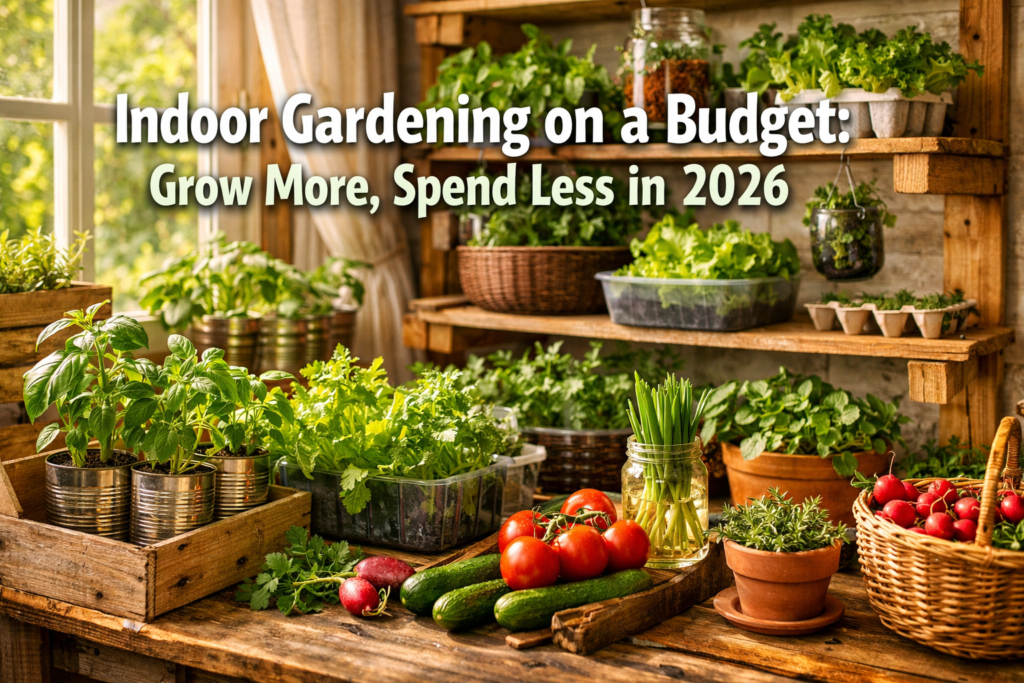
Indoor Gardening on a Budget: Grow More, Spend Less in 2026
Quick Answer: Indoor gardening on a budget in 2026 is entirely achievable by focusing on resourcefulness, repurposing household items, and prioritizing cost-effective methods for supplies like containers, lighting, and soil. You can grow fresh herbs, vegetables, and decorative plants without significant upfront investment or ongoing expense by making smart choices and utilizing DIY solutions.
Key Takeaways
- Start with seeds or cuttings to save money compared to purchasing mature plants.
- Repurpose common household items like plastic containers, milk jugs, and tin cans for planters.
- Utilize natural light from windows whenever possible to minimize electricity costs for grow lights.
- Create your own potting mix or enrich existing soil with composted kitchen scraps.
- Focus on easy-to-grow, high-yield plants like herbs, lettuce, and green onions.
- Embrace DIY solutions for everything from watering systems to pest control.
- Consider vertical gardening techniques to maximize space without buying expensive equipment.
- Share or swap seeds and cuttings with other gardeners to expand your plant collection cheaply.
- Regularly monitor your plants to prevent issues from escalating, saving on remedies.
- Learn basic plant propagation techniques to multiply your plants for free.
Why Start Indoor Gardening on a Budget in 2026?
Starting indoor gardening on a budget offers numerous benefits, from saving money on groceries to enjoying fresh produce year-round, regardless of your outdoor space or climate. It’s an accessible hobby that promotes well-being and allows you to control what goes into your food.
Indoor gardening provides a practical way to enjoy fresh herbs, leafy greens, and even some vegetables without needing a large yard or significant financial investment. In 2026, with a focus on sustainability and mindful consumption, growing your own food indoors aligns perfectly with a budget-conscious lifestyle. It reduces food waste, cuts down on trips to the grocery store, and offers a rewarding, hands-on experience. This approach is particularly suitable for individuals in apartments or homes with limited outdoor space, allowing them to cultivate a thriving green oasis economically. For more on maximizing small spaces, see our guide on Indoor Gardening for Small Homes & Apartments: 2026 Guide.
Essential Steps to Begin Your Budget Indoor Garden
To begin your budget indoor garden, focus on identifying suitable growing spaces, choosing the right plants, and gathering inexpensive materials. Prioritizing natural light and repurposed items will significantly cut down initial costs.
Starting an indoor garden doesn’t require a green thumb or a deep wallet; it simply requires a bit of planning and resourcefulness. The key is to think creatively about what you already have and what you can acquire cheaply.
Step-by-Step Budget Setup:
- Assess Your Space and Light: Identify windows that receive at least 4-6 hours of direct sunlight daily. South-facing windows are ideal, but east or west-facing windows can work for many plants. If natural light is insufficient, plan for supplemental lighting.
- Choose Your Plants Wisely: Select plants known for being easy to grow indoors and offering a good return on investment. Herbs like basil, mint, and chives, along with leafy greens such as lettuce and spinach, are excellent choices. Consider growing from seeds, which are far cheaper than purchasing mature plants. For ideas on what to grow, check out our article on Best Vegetables for Small Space Gardening in 2026.
- Gather Budget-Friendly Containers: Repurpose items like plastic milk jugs, soda bottles, tin cans, yogurt cups, or old colanders. Ensure they have drainage holes, which you can easily add with a drill or heated nail.
- Source or Create Potting Mix: While quality potting mix is important, you can reduce costs by buying in bulk or creating your own. A simple DIY mix can include garden soil (if available and sterilized), compost, and perlite or sand for drainage. Avoid using pure garden soil indoors as it can compact and harbor pests.
- Watering System: A simple watering can or a repurposed plastic bottle with holes poked in the lid works perfectly. Consider DIY self-watering systems using wicks for consistent moisture, especially if you’re often away.
- Pest Prevention: Start with clean soil and inspect new plants carefully. A spray bottle with a diluted soap solution is an effective, budget-friendly first line of defense against common pests.
Decision Rule: Choose plants that match your available light. If you have minimal direct sunlight, opt for shade-tolerant leafy greens or herbs. If you have abundant light, you can venture into fruiting plants.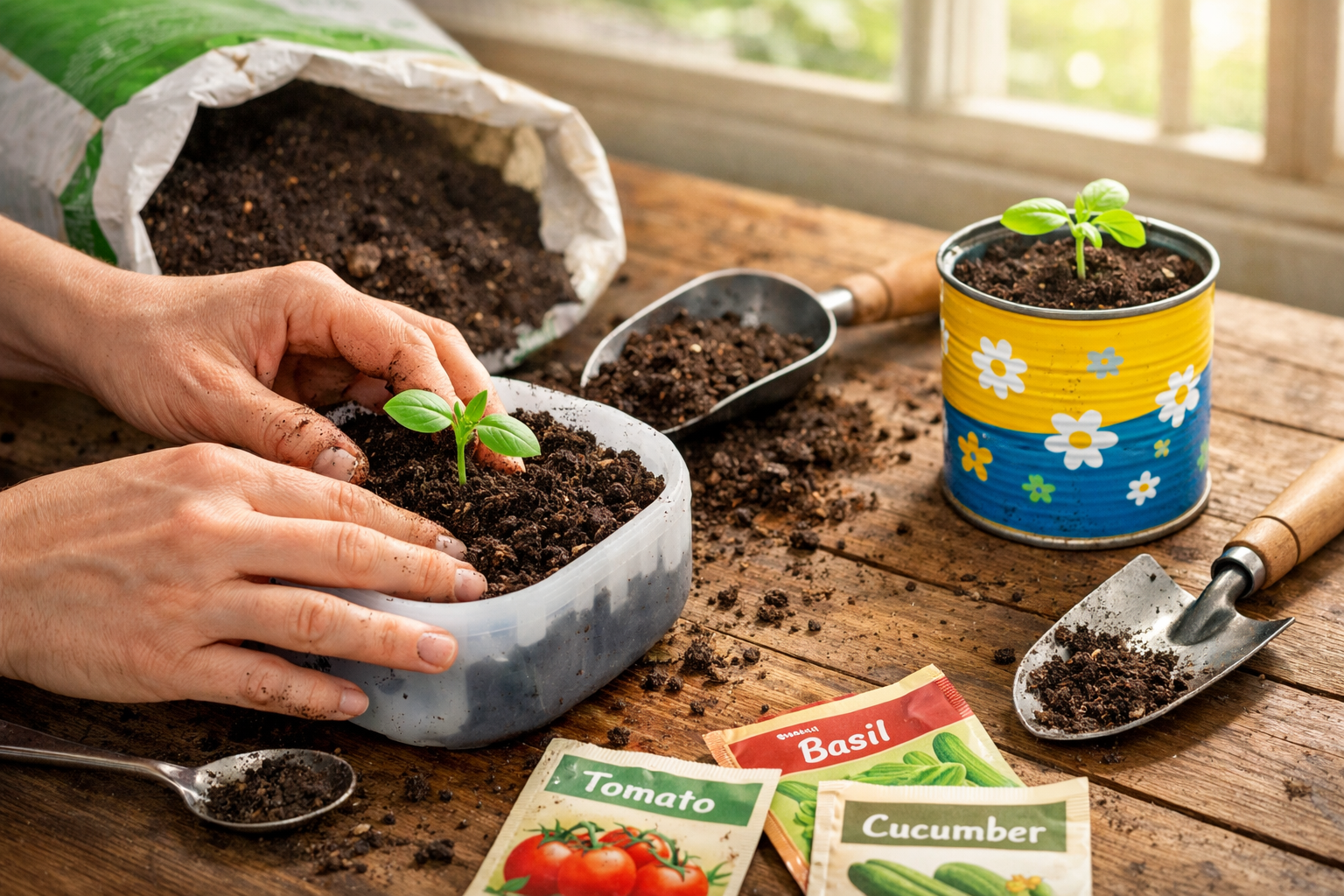
Cost-Effective Containers for Your Indoor Garden
Cost-effective containers for indoor gardening often involve repurposing everyday household items or using inexpensive materials that can be easily modified. The goal is to provide adequate space for roots and proper drainage without spending money on decorative pots.
You don’t need fancy ceramic pots to grow a thriving indoor garden. Many common household items can be transformed into functional and even attractive planters with a little creativity.
Smart Container Choices:
- Plastic Bottles and Jugs: Cut plastic soda bottles or milk jugs in half. The bottom can be a reservoir for self-watering systems, and the top (inverted) becomes the planter. Ensure you poke drainage holes if not using a self-watering setup.
- Tin Cans: After thoroughly cleaning, tin cans (from vegetables or fruit) can be painted or decorated to become appealing pots. Remember to add drainage holes to the bottom.
- Yogurt Cups and Dairy Containers: These are perfect for starting seeds or housing small herbs. Again, drainage is crucial.
- Plastic Takeout Containers: Many takeout containers come with lids that can be used as drip trays, while the container itself serves as a planter.
- Old Colanders or Laundry Baskets: For larger plants, a colander offers built-in drainage. Line it with landscape fabric or newspaper to prevent soil loss. Similarly, small laundry baskets can be lined and used.
- Wooden Crates or Pallets: If you’re handy, wooden crates or pallet wood can be used to build simple planter boxes. Just ensure the wood is untreated or treated with plant-safe methods.
- Fabric Grow Bags: While not “repurposed,” fabric grow bags are relatively inexpensive, promote air pruning of roots, and are durable. They’re a good budget option for slightly larger plants.
Common Mistake: Forgetting drainage holes in repurposed containers leads to root rot and plant death. Always ensure excess water can escape. If a container doesn’t have a drip tray, place it on an old plate or saucer to protect surfaces.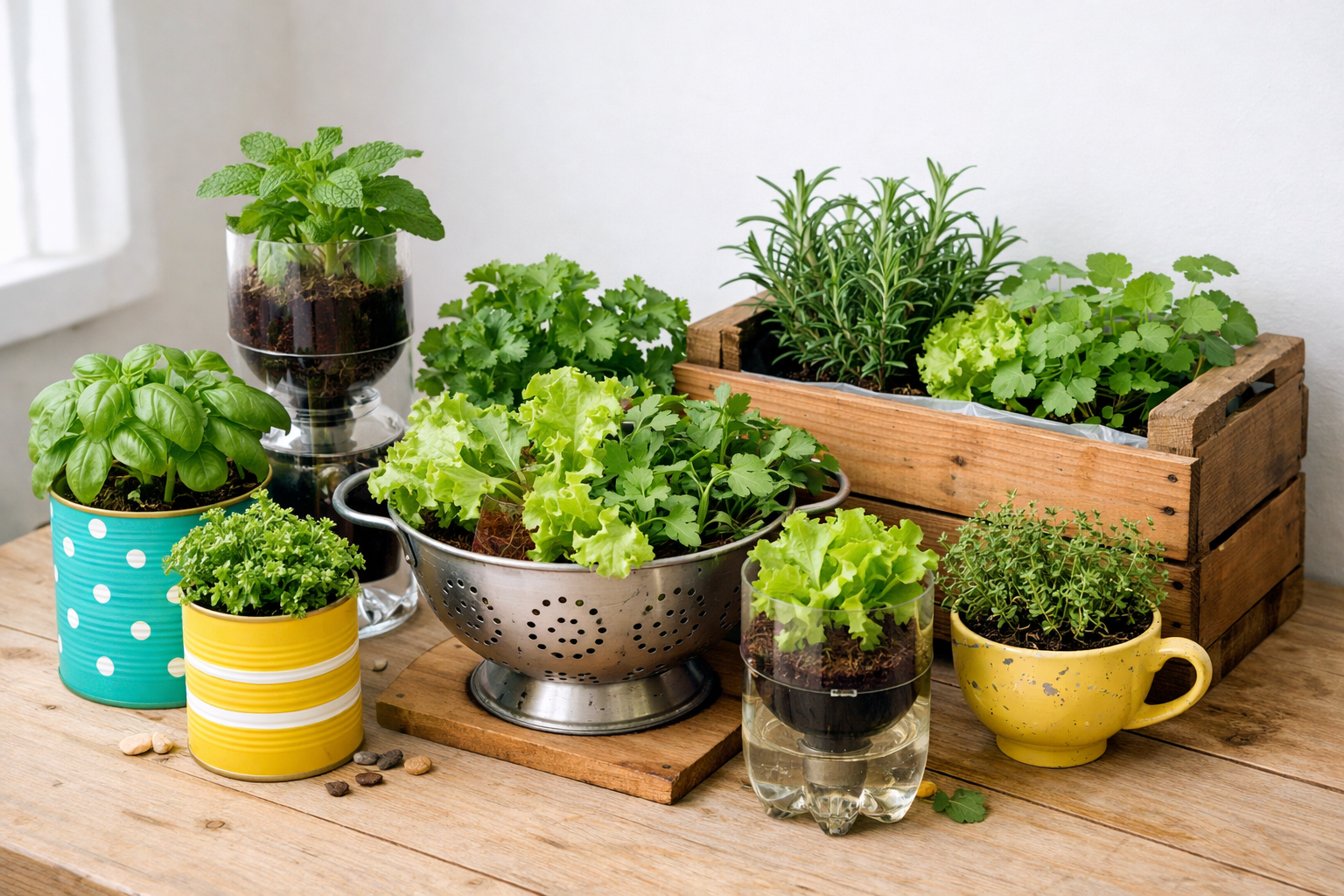
Maximizing Light Without Breaking the Bank
Maximizing light for an indoor garden on a budget primarily involves utilizing natural light sources efficiently and supplementing with affordable, energy-efficient artificial lighting when necessary. Strategic placement of plants and reflective surfaces can significantly enhance available light.
Light is one of the most critical factors for indoor plant growth, but expensive grow lights can quickly inflate your budget. Fortunately, there are many ways to provide adequate light without a hefty investment.
Budget-Friendly Lighting Strategies:
- Window Placement: Place plants as close to the brightest windows as possible. Rotate them regularly to ensure all sides receive adequate light.
- Reflective Surfaces: Use white or reflective surfaces around your plants to bounce light back onto them. Aluminum foil, mylar blankets, or even white poster board can be taped to walls or placed behind plants to increase light exposure without additional cost.
- DIY Light Stands: Build simple shelves or stands from repurposed wood or inexpensive utility shelving to position plants optimally near windows or under supplemental lights.
- Affordable LED Lights: Instead of specialized grow lights, consider using inexpensive LED shop lights or LED strip lights. Look for full-spectrum options (around 5000K-6500K color temperature) as they mimic natural sunlight and are very energy efficient. These can be purchased at hardware stores for a fraction of the cost of dedicated grow lights.
- Tip: Use S-hooks and chains or zip ties to hang these lights from shelves, allowing you to adjust the height as your plants grow.
- Timers: An inexpensive outlet timer can automate your lighting schedule, ensuring plants get consistent light exposure (typically 12-16 hours per day) and saving you the hassle of manually turning lights on and off. This also prevents energy waste.
Edge Case: If you have absolutely no natural light, you will need supplemental lighting. In this scenario, investing in a few full-spectrum LED bulbs or strip lights becomes essential, even on a budget. Prioritize plants that have lower light requirements to make the most of your setup.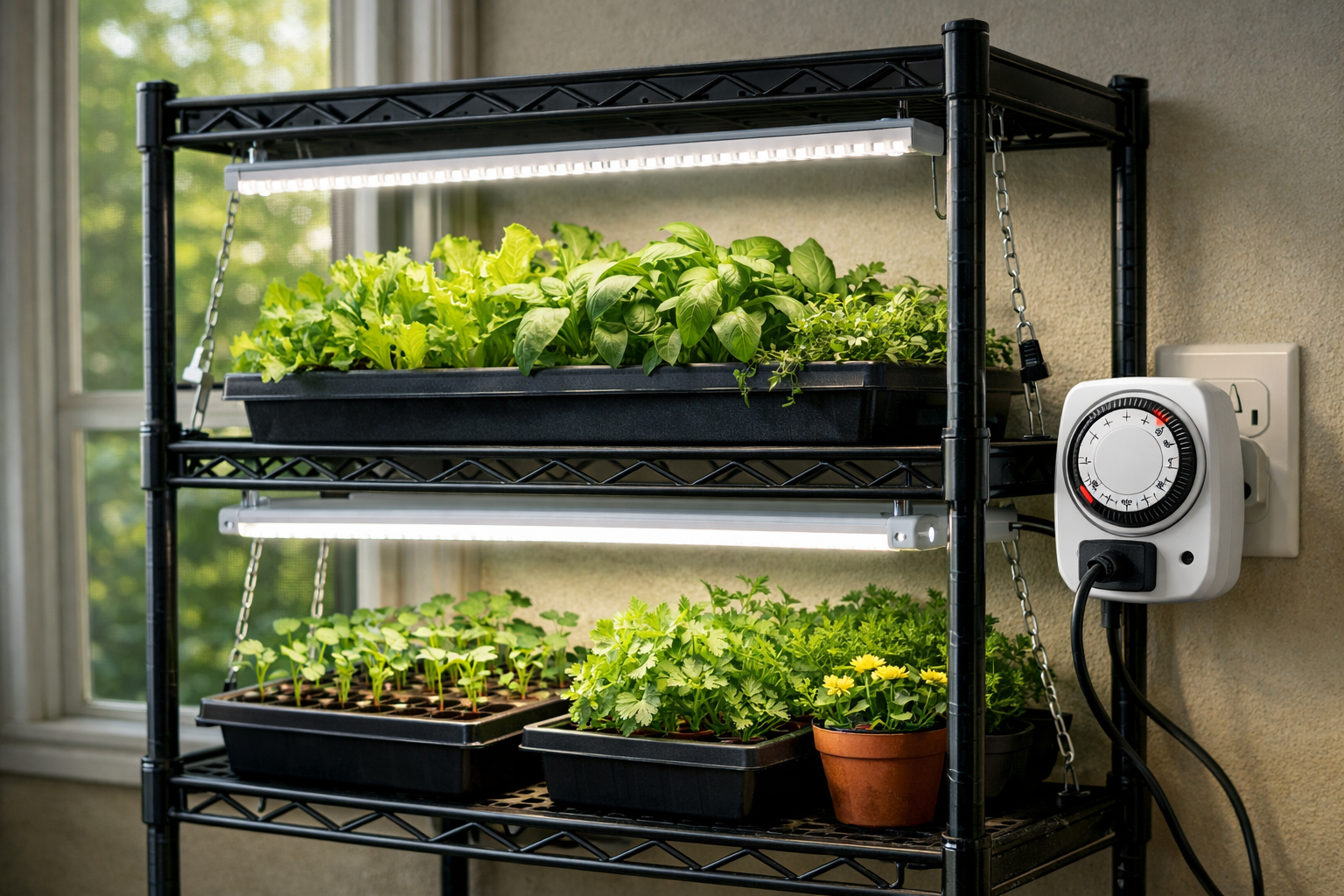
Budget-Friendly Soil and Nutrient Solutions
Budget-friendly soil and nutrient solutions for indoor gardening involve purchasing bulk ingredients, creating your own compost, and utilizing natural household waste to enrich your potting mix. This approach minimizes costs while providing essential nutrients for healthy plant growth.
Soil is the foundation of your indoor garden, and good soil doesn’t have to be expensive. By being resourceful, you can create a fertile environment for your plants without overspending.
Smart Soil & Nutrient Approaches:
- Buy in Bulk or Split Bags: If you have storage space, buying larger bags of potting mix is often more economical per cubic foot. Consider splitting a bag with a friend if a large quantity is too much for your needs.
- Make Your Own Potting Mix:
- Base: Sterilized garden soil (if available), peat moss, or coco coir (buy compressed blocks for best value).
- Aeration/Drainage: Perlite, vermiculite, or coarse sand.
- Nutrients: Composted kitchen scraps, worm castings (if you have a worm bin), or aged manure.
- Simple Recipe: 1 part compost, 1 part coco coir/peat moss, 1 part perlite/vermiculite. For more details on creating the right foundation, refer to our guide on Soil Basics for Container Gardening: 2026 Expert Guide.
- Compost Your Kitchen Scraps: A small indoor worm bin (vermicomposting) is an excellent way to turn fruit and vegetable scraps into rich compost and worm castings, which are fantastic, free organic fertilizers. Even a simple countertop compost bin can collect scraps for outdoor composting or for mixing directly into larger garden beds (though be mindful of odors and pests for indoor use).
- DIY Fertilizers:
- Compost Tea: Soak a handful of finished compost in water for a day or two, then use the nutrient-rich liquid to water your plants.
- Coffee Grounds: Slightly acidic and rich in nitrogen, used coffee grounds can be lightly sprinkled on top of soil or mixed in. Use sparingly.
- Eggshells: Crush dried eggshells into a fine powder and mix into the soil for a calcium boost.
- Banana Peels: Chop up banana peels and bury them in the soil for potassium.
- Aquarium Water: If you have a freshwater aquarium, the water from tank cleanings is a mild, nutrient-rich fertilizer for plants.
Common Mistake: Using outdoor garden soil directly indoors without sterilizing it can introduce pests, diseases, and weed seeds. If using garden soil, bake it in an oven at 180°F (82°C) for 30 minutes to kill off unwanted organisms, allowing it to cool completely before use.
Growing Plants from Cuttings and Seeds for Free or Cheap
Growing plants from cuttings and seeds is the most economical way to expand your indoor garden, allowing you to propagate new plants for free or at a minimal cost. This method ensures you get many plants for the price of one seed packet or a single healthy parent plant.
Purchasing mature plants can be costly, especially if you want a diverse garden. Starting from scratch is not only budget-friendly but also deeply rewarding.
Strategies for Propagation:
- Seed Starting:
- Inexpensive Seeds: Look for seed packets on sale at the end of the season, or swap seeds with other gardeners. Heirloom varieties allow you to save seeds from your harvest for future planting.
- Repurposed Seed Trays: Use egg cartons, toilet paper rolls, yogurt cups, or newspaper pots as biodegradable seed starting containers. These are free and readily available.
- Seed Saving: For certain plants like tomatoes, peppers, and beans, you can save seeds from your own harvest. Ensure the plants are open-pollinated (not hybrids) for predictable results.
- Free Seeds: Check community gardening groups, local libraries, or online forums for free seed exchange programs.
- Taking Cuttings: Many common indoor plants and herbs can be easily propagated from cuttings.
- Herbs: Basil, mint, rosemary, oregano, and sage root easily in water. Simply snip a 4-6 inch stem, remove lower leaves, and place in a glass of water. Roots typically appear within a few weeks.
- Houseplants: Pothos, philodendron, spider plants, and many succulents are simple to propagate from stem or leaf cuttings.
- Procedure: Snip a healthy stem just below a node (where a leaf attaches), remove bottom leaves, and place the cutting in water or a moist potting mix. Keep the rooting medium moist until new roots form.
Decision Rule: Choose seed starting for annuals and vegetables you consume frequently, as it’s the most cost-effective for bulk growing. Opt for cuttings for perennial herbs and houseplants to easily multiply existing favorites. For a deep dive into growing herbs indoors, read our guide on Growing Herbs Indoors: Your Essential 2026 Home Garden Guide.
DIY Pest Control and Plant Care on a Budget
Effective pest control and plant care on a budget involve proactive measures, utilizing homemade remedies, and paying close attention to your plants’ health to prevent serious issues from developing. Prevention is always cheaper than a cure.
Maintaining plant health and fending off pests doesn’t require expensive chemicals. Many common household items can be transformed into effective, non-toxic solutions.
Budget Pest Control & Care Tips:
- Inspection is Key: Regularly inspect your plants for signs of pests or disease. Catching problems early makes them much easier and cheaper to address. Look under leaves and along stems.
- Isolation of New Plants: Always quarantine new plants for a few weeks before introducing them to your main indoor garden. This prevents any hitchhiking pests from spreading.
- Homemade Insecticidal Soap: Mix 1 teaspoon of mild dish soap (without degreasers or bleach) with 1 liter of water in a spray bottle. Spray affected plants thoroughly, focusing on undersides of leaves. This is effective against aphids, spider mites, and mealybugs.
- Neem Oil Spray: While neem oil might be a small initial investment, a single bottle lasts a long time. Mix neem oil concentrate with water and a tiny bit of dish soap (as an emulsifier) according to package directions. It works as an insecticide, fungicide, and repellent.
- Sticky Traps: You can buy sticky traps for gnats and other flying insects, or make your own by coating yellow cardstock with petroleum jelly.
- Garlic and Chili Sprays: Crush garlic or blend chili peppers with water, strain the mixture, and use it as a repellent spray. Be cautious, as these can be irritating.
- Good Air Circulation: Use a small, inexpensive fan to improve air circulation around your plants. This helps prevent fungal diseases and makes it harder for some pests to settle.
- Physical Removal: For larger pests like scale insects or mealybugs, use a cotton swab dipped in rubbing alcohol to wipe them off.
- Watering Wisely: Overwatering is a common cause of root rot and attracts fungus gnats. Water only when the top inch or two of soil feels dry. For more information, read our guide on Watering Vegetables Correctly: Your 2026 Expert Guide.
Common Mistake: Applying too strong a solution of homemade remedies, especially soap sprays, can damage plant leaves. Always start with a diluted solution and test on a small section of the plant first.
Choosing Low-Cost, High-Yield Plants for Indoor Gardens
Choosing low-cost, high-yield plants for indoor gardens focuses on varieties that are easy to start from seed or cuttings, grow quickly, and produce a continuous harvest over time. These plants provide the best value for your minimal investment.
When you’re gardening on a budget, selecting the right plants can make all the difference in the success and cost-effectiveness of your efforts.
Top Choices for Budget Indoor Gardens:
- Herbs:
- Basil: Grows quickly from seed or cuttings, high yield, and used in many cuisines.
- Mint: Extremely easy to grow from cuttings and spreads readily. Keep it contained, as it can be invasive.
- Chives: Grows in clumps, can be harvested repeatedly, and regrows quickly.
- Cilantro: Best grown from seed, provides multiple harvests if outer leaves are picked.
- Parsley: Similar to cilantro, easy from seed, offers continuous picking.
- Why Herbs? They are expensive to buy fresh in stores and offer continuous harvests.
- Leafy Greens:
- Lettuce (loose-leaf varieties): Quick growing from seed, can be harvested “cut-and-come-again,” meaning you pick outer leaves, and the plant continues to produce.
- Spinach: Similar to lettuce, grows fast and yields many leaves.
- Swiss Chard / Kale: Very resilient, can tolerate various light conditions, and provides continuous harvests.
- Microgreens: Super fast and easy to grow from seed, offering nutrient-dense greens in about a week. You can use cheap seeds like radish or broccoli.
- Why Leafy Greens? They are quick to mature, provide continuous harvests, and are a staple in many diets.
- Other Budget-Friendly Options:
- Green Onions (Scallions): Regrow indefinitely from store-bought scraps. Simply place the white ends with roots in a shallow glass of water, and plant in soil once roots develop.
- Radishes: Quick growing (sometimes as little as 3 weeks), providing both edible roots and leaves.
- Bush Beans: Some bush bean varieties are compact enough for indoor containers and can provide a good yield of pods.
Criteria for Selection: When choosing plants, prioritize those with:
- Fast Growth Rate: Shorter time from planting to harvest.
- Cut-and-Come-Again Harvesting: Allows for multiple harvests from one plant.
- Propagation Ease: Can be grown from inexpensive seeds or free cuttings.
- Compact Size: Suitable for small indoor spaces.
- High Culinary Value: Plants you’ll actually use and enjoy.
Conclusion
Embarking on indoor gardening on a budget in 2026 is a rewarding and practical endeavor that allows anyone to cultivate fresh produce and plants, regardless of space or financial constraints. By embracing resourcefulness, utilizing repurposed materials, and focusing on cost-effective methods for lighting, soil, and pest control, you can create a thriving green oasis without significant investment. The key is to be creative, patient, and observant, turning everyday items into essential gardening tools and learning the simple art of propagation. Your budget-friendly indoor garden will not only save you money on groceries but also enrich your home with greenery and fresh flavors year-round.
Actionable Next Steps:
- Identify Your Lightiest Spot: Pinpoint the window in your home that receives the most natural light and plan your initial garden around it.
- Start Small with Seeds: Pick 2-3 of the low-cost, high-yield plants mentioned, like basil or lettuce, and purchase a single packet of seeds to begin.
- Gather Repurposed Containers: Start collecting plastic bottles, tin cans, or yogurt cups you would otherwise discard, and prepare them with drainage holes.
- DIY Potting Mix Sample: Experiment with a small batch of homemade potting mix using composted scraps or inexpensive bulk components.
- Commit to Regular Observation: Spend a few minutes daily checking your plants for growth, moisture needs, and any signs of pests, addressing issues immediately.
FAQ
Q: Can I really grow vegetables indoors without special equipment on a budget?
A: Yes, many leafy greens and herbs can thrive indoors with just natural light from a sunny window, repurposed containers, and basic potting mix. Specialized equipment like grow lights only becomes necessary if natural light is severely lacking or you’re growing more demanding plants.
Q: What are the cheapest plants to start with for indoor gardening?
A: Seeds for herbs like basil, cilantro, and mint, along with leafy greens like lettuce and spinach, are typically the cheapest to buy and offer quick, continuous harvests. You can also regrow green onions from store-bought scraps for free.
Q: How can I get free potting soil for my indoor garden?
A: While pure “free” potting soil is rare, you can significantly reduce costs by mixing your own using composted kitchen scraps (start a worm bin!), garden soil (sterilized), and inexpensive amendments like perlite or sand.
Q: Are DIY grow lights effective for indoor gardening on a budget?
A: Yes, inexpensive full-spectrum LED shop lights or LED strip lights are very effective for supplemental lighting and consume far less energy than traditional grow lights, making them a budget-friendly option.
Q: How do I prevent pests in my indoor garden without buying expensive sprays?
A: Proactive measures like isolating new plants, regular inspection, and homemade remedies such as diluted dish soap sprays or neem oil (a small initial investment for a long-lasting solution) are highly effective and budget-friendly.
Q: Can I use regular outdoor soil for my indoor plants?
A: It’s not recommended to use outdoor garden soil directly indoors without sterilizing it, as it can introduce pests, diseases, and compact too much in containers. Sterilize it first, then mix with compost and drainage materials.
Q: How often should I fertilize my budget indoor plants?
A: If you use a rich, compost-heavy potting mix, you might not need to fertilize often. Otherwise, use diluted DIY fertilizers like compost tea, coffee grounds, or aquarium water every 2-4 weeks during the growing season.
Q: What’s the easiest way to get more plants for free?
A: Taking cuttings from existing plants (herbs like basil, mint, and many houseplants root easily in water) or saving seeds from open-pollinated vegetables you grow are the easiest and most effective ways to propagate plants for free.
Q: How can I save money on water for my indoor garden?
A: Be mindful of watering, only giving plants what they need. Consider collecting rainwater if feasible or using a simple wick-based self-watering system for consistent, efficient moisture.
Q: Where can I find inexpensive or free containers?
A: Repurpose plastic milk jugs, soda bottles, tin cans, yogurt cups, and takeout containers. Ask friends or family for their discards, or check online community groups for free items.
References
- The Old Farmer’s Almanac. (2023). Indoor Herb Garden. Retrieved from https://www.almanac.com/indoor-herb-garden
- University of Maryland Extension. (2022). Indoor Vegetable Gardening. Retrieved from https://extension.umd.edu/resource/indoor-vegetable-gardening