
Bedroom Plants Guide

Bringing plants into your bedroom can significantly enhance air quality, reduce stress, and improve sleep, making your personal space a more serene and healthy environment. This comprehensive bedroom plants guide covers everything from selecting the right species to essential care tips, ensuring your green companions thrive and contribute positively to your well-being.
Key Takeaways
- Improved Air Quality: Many bedroom plants filter toxins like formaldehyde and benzene from the air.
- Enhanced Sleep: Certain plants, like lavender, release calming scents that promote relaxation.
- Reduced Stress: The presence of nature has been shown to lower stress levels and improve mood.
- Low-Light Options: Many suitable bedroom plants thrive in low or indirect light conditions.
- Easy Maintenance: Focus on varieties that require minimal watering and care, especially for beginners.
- Pet Safety: Always check if a plant is toxic to pets if you have them, choosing safe alternatives when necessary.
- Mindful Placement: Consider plant size, light requirements, and bedroom layout for optimal impact.
- Proper Watering is Key: Overwatering is a common mistake; ensure good drainage and check soil moisture.
Why Choose Bedroom Plants?
Choosing bedroom plants offers multiple advantages beyond mere aesthetics, contributing to a healthier and more peaceful sleeping environment. Plants naturally purify the air, improve humidity, and can even reduce stress, making them a valuable addition to any personal sanctuary in 2026.
Plants are remarkable natural air purifiers. Through photosynthesis, they absorb carbon dioxide and release oxygen, but many also filter out common indoor air pollutants such as formaldehyde, benzene, and trichloroethylene. These volatile organic compounds (VOCs) can emanate from furniture, carpets, paints, and cleaning products, potentially impacting respiratory health and sleep quality.

A study by NASA in 1989 famously highlighted several houseplants’ abilities to remove these toxins, though the effectiveness in a typical home setting often requires many plants. Nevertheless, even a few plants can make a difference. Beyond purification, the presence of plants has been linked to lower blood pressure, reduced muscle tension, and improved mood, creating a more calming atmosphere conducive to rest. For those looking to easily incorporate greenery into their living spaces, consider exploring options from our Beginner’s Guide to Plant Care 2026: Grow Thriving Plants.
Which Plants Are Best for Your Bedroom?
The best plants for your bedroom are those that thrive in low to indirect light, require minimal fuss, and ideally offer air-purifying benefits or calming properties. When making your selection, consider both your room’s conditions and your personal care capacity to ensure a successful green addition.
Here are some top picks that typically do well in bedroom environments, alongside their key characteristics:
Top Bedroom Plant Choices for 2026:
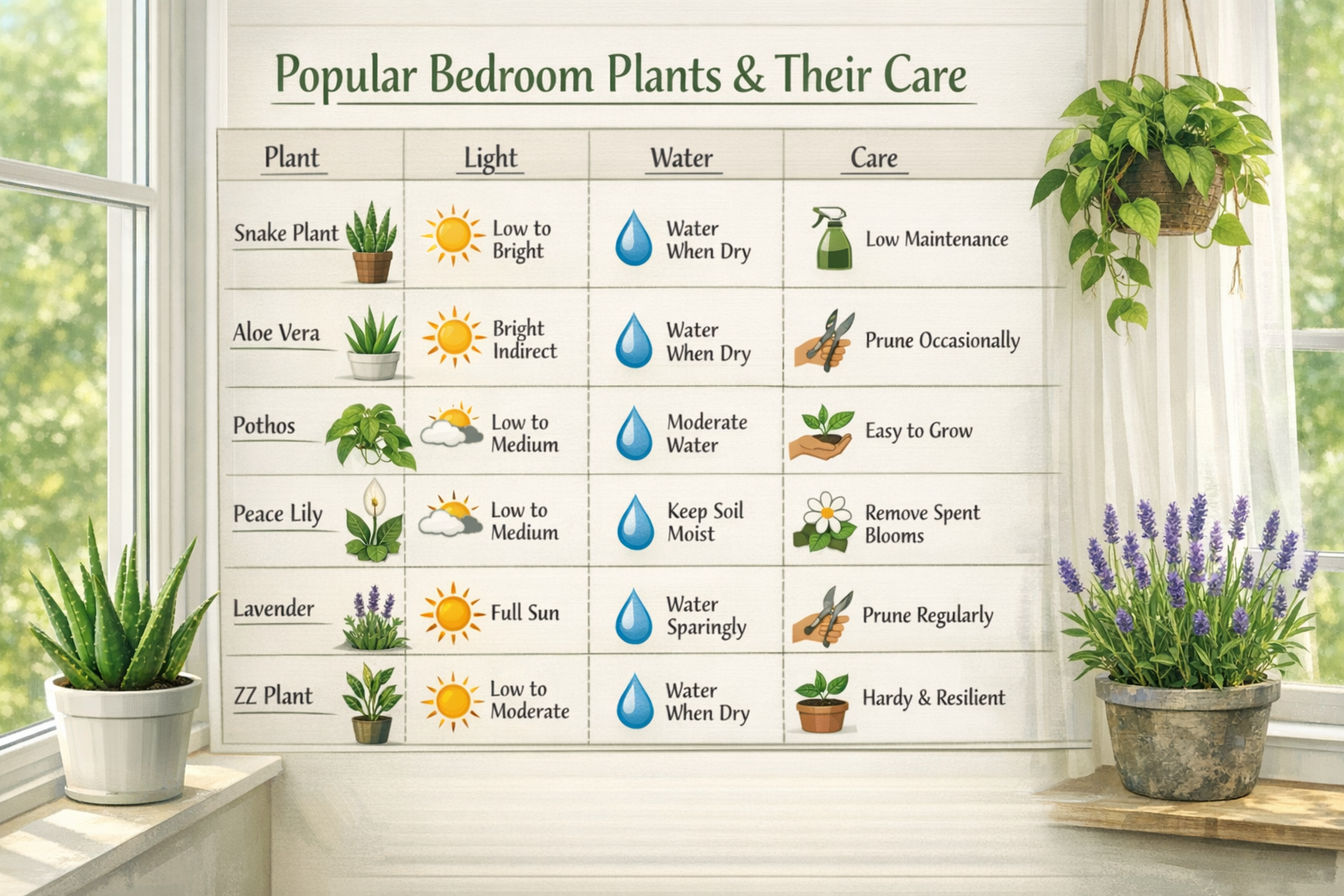
- Snake Plant (Sansevieria trifasciata): Known for its vertical, sword-like leaves, the snake plant is incredibly hardy and tolerates low light conditions. Crucially, it converts CO2 to oxygen at night, making it an ideal bedroom companion. It’s also excellent at filtering out toxins.
- Care Tip: Water sparingly, allowing the soil to dry out completely between waterings. Avoid overwatering.
- ZZ Plant (Zamioculcas zamiifolia): This plant is virtually indestructible, making it perfect for beginners or those with busy schedules. It thrives on neglect and can handle very low light.
- Care Tip: Water every 2-4 weeks, or when the top few inches of soil are dry. It’s better to underwater than overwater.
- Peace Lily (Spathiphyllum): With its elegant white blooms and dark green leaves, the peace lily is a beautiful air purifier that helps filter out formaldehyde, benzene, and trichloroethylene. It also helps to increase room humidity.
- Care Tip: Prefers consistent moisture but will droop dramatically when thirsty, signaling it needs water. Keep away from direct sunlight.
- Pothos (Epipremnum aureum): A versatile trailing plant that comes in many varieties, pothos is extremely easy to care for and adaptable to various light conditions, though it prefers indirect light. It’s effective at cleaning air.
- Care Tip: Water when the top soil is dry. You can prune it to control its length and encourage bushier growth.
- Aloe Vera: While known for its medicinal properties, aloe vera also releases oxygen at night and helps to purify the air. It needs bright, indirect light, so it’s best for bedrooms with good natural illumination.
- Care Tip: Water deeply but infrequently, allowing the soil to dry out completely.
- Lavender (Lavandula): While typically an outdoor plant, a potted lavender plant can be brought indoors for its soothing scent, which is known to aid sleep and reduce anxiety. It requires bright light.
- Care Tip: Needs plenty of sunlight and well-draining soil. Water when the top inch of soil feels dry.
- Spider Plant (Chlorophytum comosum): Easy to grow and propagate, spider plants are excellent air purifiers, tackling formaldehyde and xylene. They produce “spiderettes” that can be easily replanted.
- Care Tip: Prefers bright, indirect light and consistent moisture, but tolerates some neglect.
When selecting plants, remember that some popular options, like Pothos and Peace Lily, can be mildly toxic if ingested by pets. Always verify a plant’s toxicity if you have curious animals at home. For more low-maintenance options, check out our Best Low Maintenance Plants 2026: Easy Care Guide.
Essential Care Tips for Your Bedroom Plants Guide
Proper care is crucial for the health and longevity of your bedroom plants, ensuring they continue to purify your air and beautify your space. Understanding the fundamentals of light, water, and soil will set you up for success with your bedroom plants guide in 2026.
Light Requirements:
Most bedroom plants prefer indirect light. This means placing them where they receive bright light without direct sunbeams hitting their leaves, which can cause scorching. A north-facing window typically offers ideal indirect light. If your bedroom is darker, opt for plants that tolerate low light, such as the Snake Plant or ZZ Plant. Conversely, plants like Aloe Vera and Lavender require more light and should be placed near a brighter window.
Watering Wisdom:
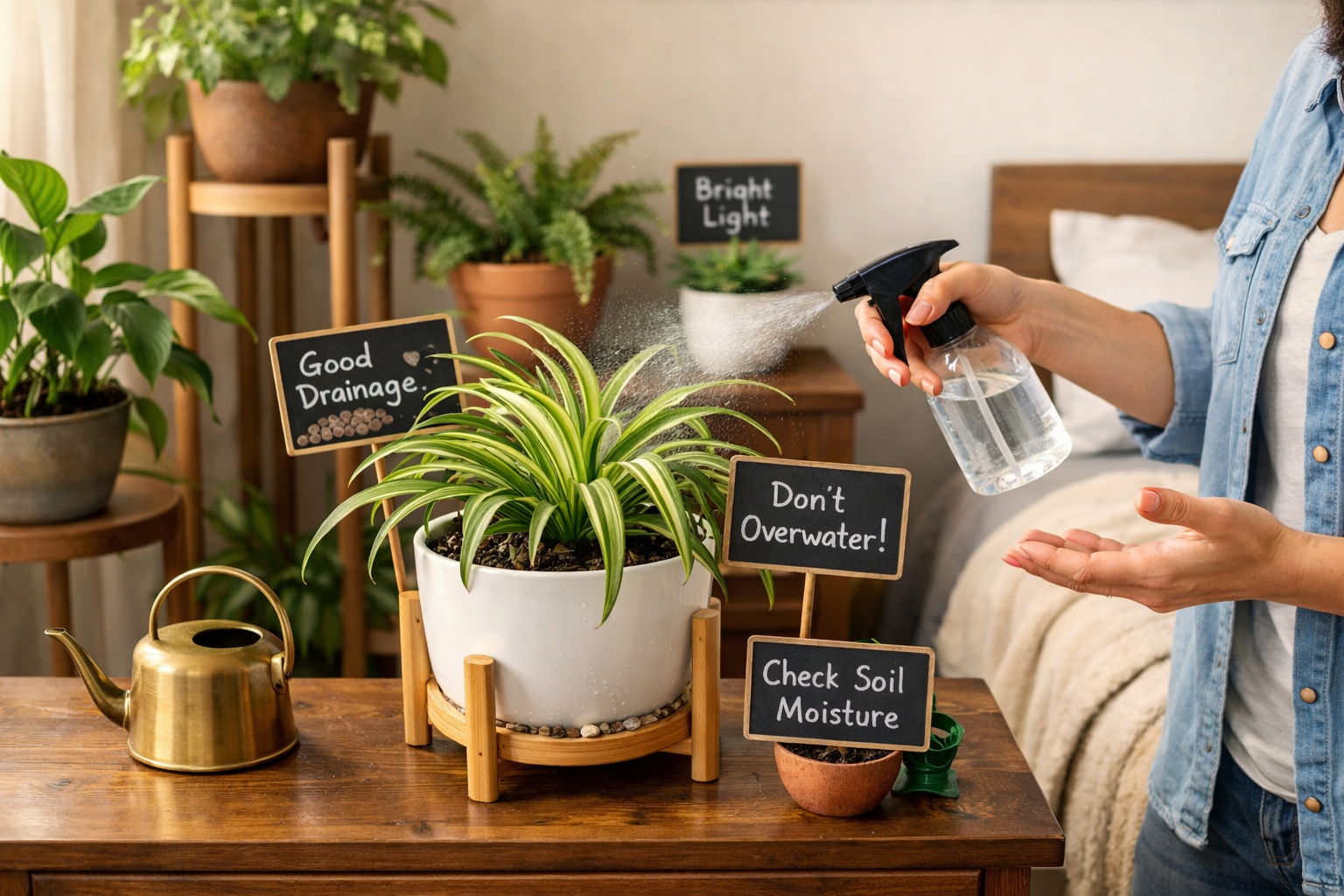
Overwatering is the number one killer of houseplants. Instead of watering on a fixed schedule, check the soil moisture.
Here’s how:
- Feel the Soil: Stick your finger about an inch or two into the soil. If it feels dry, it’s likely time to water.
- Lift the Pot: A lighter pot often indicates dry soil.
- Drainage is Key: Ensure all pots have drainage holes to prevent waterlogging, which can lead to root rot.
- Water Thoroughly: When you water, do so until water drains out of the bottom of the pot. Discard any excess water from the saucer.
For a deeper dive into watering practices, refer to our How Often Should You Water Plants? Ultimate Guide 2026.
Soil and Fertilization:
Most houseplants thrive in a well-draining potting mix. A general-purpose indoor potting soil is usually sufficient. Fertilize sparingly, typically during the growing season (spring and summer), following the product instructions. Over-fertilizing can harm plants. Many bedroom plants, especially low-maintenance varieties, don’t require frequent feeding.
Humidity and Temperature:
Most indoor plants prefer average room temperatures between 65-75°F (18-24°C). Avoid placing plants near drafts from windows, air conditioning vents, or heating units, as sudden temperature fluctuations can stress them. Some plants, like Peace Lilies, appreciate higher humidity. You can increase humidity by misting leaves occasionally, placing a pebble tray with water beneath the pot, or using a small humidifier.
Repotting and Pruning:
Repot your plant when it becomes root-bound (roots are circling the bottom of the pot) or when it outgrows its current container. Choose a pot that is only slightly larger. Pruning helps maintain shape, encourages bushier growth, and removes dead or yellowing leaves. Use clean, sharp shears to make cuts.
Pest Control:
Inspect your plants regularly for common pests like spider mites, mealybugs, or fungus gnats. Treat infestations promptly with insecticidal soap or neem oil. Good airflow and proper watering practices can help prevent many pest issues.
Quick Plant Care Checklist:
- Light: Is it appropriate for the plant’s needs (direct, indirect, low)?
- Water: Is the soil dry before watering? Is there proper drainage?
- Soil: Is it well-draining?
- Humidity: Does the plant need extra humidity?
- Temperature: Is it stable and within the ideal range?
- Pests: Are there any signs of pests?
- Growth: Does the plant need repotting or pruning?
By following this bedroom plants guide and its care tips, your green companions will flourish, turning your bedroom into a refreshing and tranquil retreat.
Conclusion
Incorporating plants into your bedroom is a simple yet effective way to create a healthier, more calming, and visually appealing personal space. From purifying the air to reducing stress and enhancing sleep, the benefits are clear. By choosing the right plants for your specific light conditions and committing to consistent, basic care, you can enjoy a thriving indoor garden that contributes significantly to your well-being in 2026 and beyond. Start small, choose a forgiving plant, and watch your bedroom transform into a serene green sanctuary.
Actionable Next Steps:
- Assess Your Bedroom: Determine the amount of natural light your bedroom receives throughout the day.
- Choose Your Plants: Select 1-2 plants from the recommended list that match your light conditions and desired benefits.
- Gather Supplies: Purchase pots with drainage holes, quality potting mix, and a small watering can.
- Place Thoughtfully: Position your plants considering both aesthetic appeal and their specific light requirements.
- Establish a Care Routine: Begin with a consistent watering schedule based on soil moisture, not just calendar days.
- Observe and Adjust: Pay attention to how your plants respond and adjust their care as needed.
FAQ
Q1: Can plants really improve air quality in a bedroom?
A1: Yes, plants can improve indoor air quality by absorbing carbon dioxide and releasing oxygen, as well as filtering out certain volatile organic compounds (VOCs) like formaldehyde and benzene.
Q2: Are there any plants that are bad for the bedroom?
A2: While most plants are beneficial, some can be problematic. Avoid heavily scented flowering plants if you have allergies, and always check for pet toxicity if animals share your space.
Q3: How many plants should I put in my bedroom?
A3: There’s no fixed number; even 1-3 well-placed plants can offer benefits. The ideal number depends on your room size, light conditions, and personal preference, balancing aesthetics with practical care.
Q4: Do plants consume too much oxygen at night?
A4: While plants do consume oxygen at night during respiration, the amount is negligible and poses no health risk to humans in a typical bedroom setting. The benefits of plants far outweigh this minimal oxygen consumption.
Q5: What is the best plant for improving sleep?
A5: Lavender is often cited for its calming scent, which can aid sleep. Snake Plants and Peace Lilies are also excellent as they purify the air and release oxygen at night.
Q6: How do I know if I’m overwatering my bedroom plants?
A6: Signs of overwatering include yellowing leaves, soft and mushy stems, wilting despite wet soil, and a stale or moldy smell from the soil. Always check the soil moisture before watering.
Q7: Are all air-purifying plants safe for pets?
A7: No, not all air-purifying plants are pet-safe. For example, Peace Lilies and Pothos are toxic to pets if ingested. Always research a plant’s toxicity if you have pets. Snake Plants are also toxic.
Q8: Can I put plants in a windowless bedroom?
A8: Yes, but you’ll need to choose plants that tolerate very low light, such as ZZ Plants or Snake Plants, or provide artificial grow lights to supplement their needs.
Related Reading
- How to Choose Plants for Small Spaces: 2026 Expert Guide
- Beginner’s Guide to Plant Care 2026: Grow Thriving Plants
- Best Low Maintenance Plants 2026: Easy Care Guide
- Best Indoor Plants for Small Homes 2026: Top Low-Maintenance Picks
- Easy Plants to Grow in Small Spaces (2026 Guide)