How can I tell if my vegetable garden soil has enough nutrients (without a test)?
Are your vegetable plants struggling despite regular watering and sunlight? You might be wondering, “How can I tell if my vegetable garden soil has enough nutrients (without a test)?” While a professional soil test provides the most accurate data, you can observe several physical characteristics of your soil and the health of your plants to get strong indicators of nutrient levels. By paying close attention to soil structure, color, smell, and the specific growth patterns and leaf appearance of your vegetables, you can often deduce if your soil is adequately nourished.
Key Takeaways
- Observe Plant Health: Yellowing leaves, stunted growth, or poor fruiting often signal nutrient deficiencies.
- Assess Soil Structure: Healthy soil is crumbly, rich, and easily worked, indicating good aeration and organic matter.
- Check Soil Color and Smell: Darker soil typically means more organic matter, and an earthy smell suggests active microbial life.
- Feel Soil Texture: Loamy soil, a mix of sand, silt, and clay, is ideal for nutrient retention and drainage.
- Monitor Water Drainage: Well-draining soil retains moisture without becoming waterlogged, crucial for nutrient uptake.
- Look for Earthworms: Their presence is a strong indicator of healthy, biologically active soil.
- Consider Past Plant Performance: Consistently healthy, productive plants suggest adequate nutrient levels.
- Use Cover Crops: These improve soil structure and gradually add nutrients without direct amendment.
- Compost is Key: Regular addition of organic compost naturally enriches soil with a balanced spectrum of nutrients.
- Professional Tests are Best: While visual cues help, a lab test offers precise data and prevents over-fertilization [2, 3].
Quick Answer
You can tell if your vegetable garden soil has enough nutrients without a test by observing plant health cues like vibrant foliage and robust growth, along with soil characteristics such as dark color, crumbly texture, and the presence of earthworms. Healthy soil typically feels alive, drains well, and supports strong plant development and bountiful harvests.
What Visual Cues Indicate Healthy, Nutrient-Rich Soil?
[[FIGURE_1]]
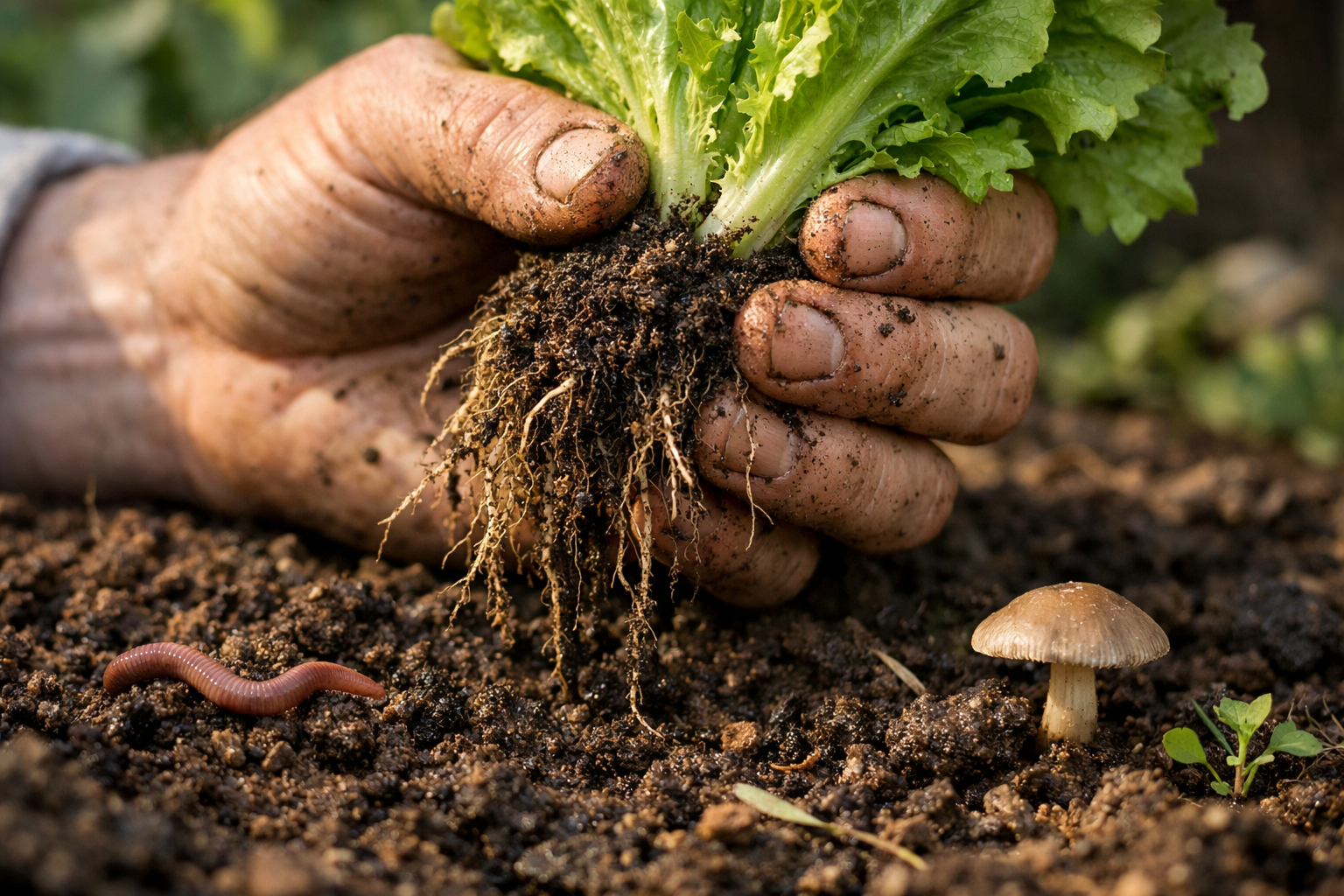
Healthy, nutrient-rich soil often reveals its quality through visual and tactile cues, suggesting it contains sufficient organic matter and a balanced ecosystem to support plant growth. Key indicators include a dark, rich color, a crumbly texture, and the presence of beneficial organisms like earthworms.
- Dark Color: Soil that is dark brown or black usually indicates a high content of organic matter, which is crucial for nutrient retention and availability. This organic matter slowly releases nutrients as it decomposes, feeding your plants [4]. Lighter, sandy soils often lack sufficient organic matter and may be nutrient-poor.
- Crumbly Texture: Good garden soil should be easy to work, feeling loose and friable. When you pick up a handful and gently squeeze it, it should form a loose clump that breaks apart easily with slight pressure. This “crumb” structure allows for good aeration and water penetration, essential for root growth and nutrient uptake. If your soil is hard, compacted, or forms solid clods, it likely lacks organic matter and air pockets.
- Earthy Smell: Healthy soil has a distinct, fresh, earthy scent, often described as similar to a forest floor after rain. This smell is produced by beneficial microorganisms, such as actinomycetes, which are active in breaking down organic matter and cycling nutrients. A metallic, sour, or overly sterile smell can indicate issues with soil biology or drainage.
- Presence of Earthworms: Seeing earthworms in your soil is one of the most reliable indicators of a healthy and biologically active ecosystem. Earthworms aerate the soil, improve drainage, and enrich it with their castings, which are rich in nutrients readily available to plants. A soil devoid of earthworms may suggest poor organic matter content or a problematic pH level.
- Water Drainage: Healthy soil should drain well but also retain moisture. After a rain or watering, puddles should not linger for extended periods. Instead, water should slowly percolate, leaving the soil moist but not waterlogged. Poor drainage can indicate compacted soil or high clay content, hindering root development and nutrient absorption. Conversely, excessively fast drainage in sandy soils can leach nutrients away.
When assessing your soil visually and texturally, consider combining these observations. For example, dark, crumbly soil with active earthworms and good drainage is a strong sign of fertility, even without a specific test. Conversely, light-colored, compacted soil that smells sour and has no earthworms would strongly suggest a need for significant amendments. For continuous improvement in small spaces, regularly amending with compost is a foundational practice, as highlighted in “Small Space Vegetable Gardening: 2026 Step-by-Step Guide” [https://minispacegarden.com/small-space-vegetable-gardening/].
How can I tell if my vegetable garden soil has enough nutrients (without a test) by observing plant health?
[[FIGURE_2]]
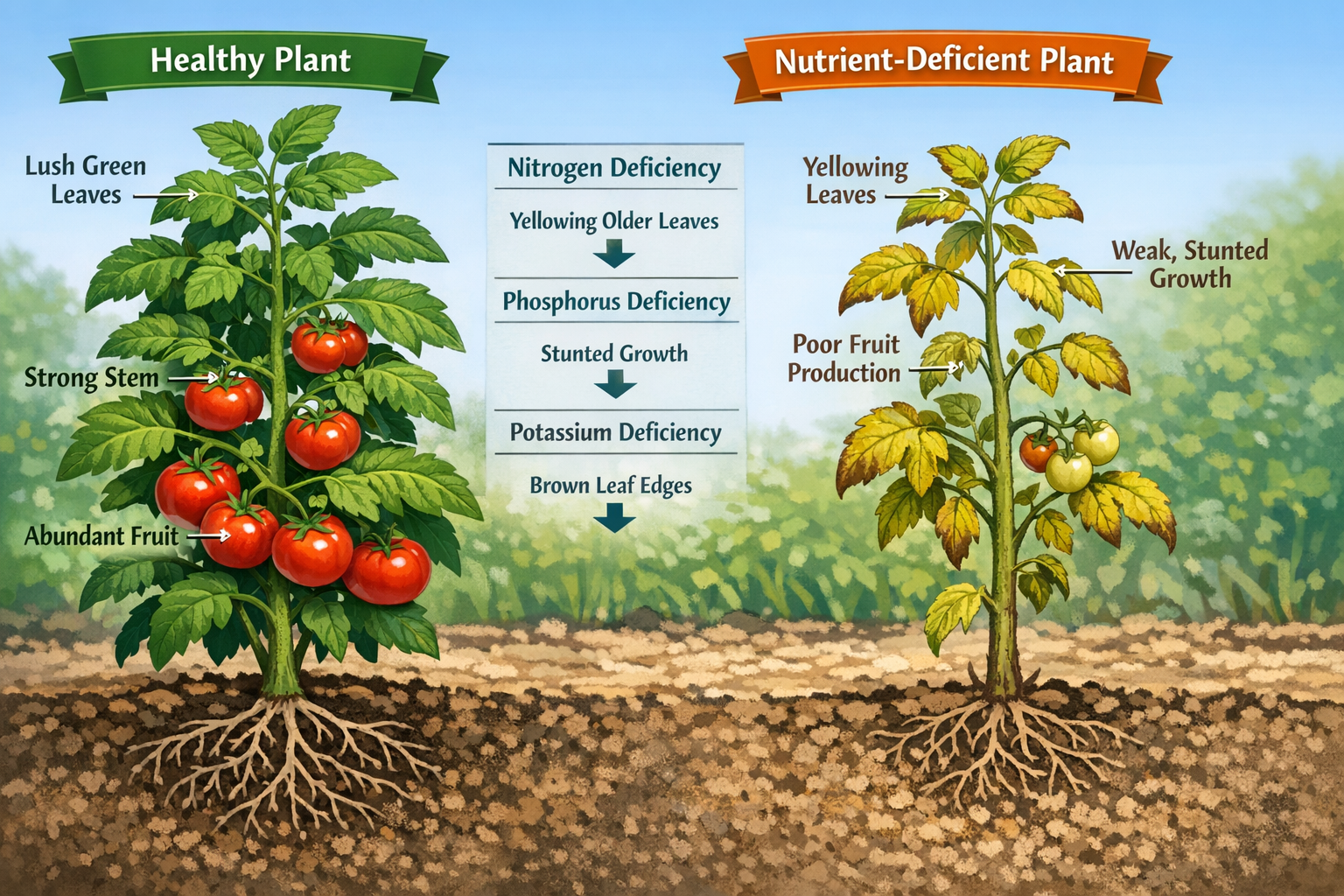
Observing the overall health, growth patterns, and specific symptoms of your vegetable plants is one of the most direct ways to gauge if your soil has sufficient nutrients, as plants act as living indicators. Healthy plants grow vigorously, have vibrant foliage, and produce abundant yields.
When nutrient levels are adequate, plants typically exhibit the following:
- Vibrant, Evenly Colored Foliage: Leaves should be a consistent, deep green (for most vegetables) and free from unusual spots, streaks, or discoloration. Healthy leaves indicate sufficient chlorophyll production, driven by adequate nitrogen and other micronutrients.
- Strong, Steady Growth: Plants should grow at a consistent rate, developing strong stems and a healthy branching structure. Stunted growth, spindly stems, or slow development are common signs of nutrient deficiency.
- Abundant Flowers and Fruit/Vegetables: A plant with enough nutrients will readily flower and set fruit or produce vegetables according to its genetic potential. Poor flowering, flower drop, or small, misshapen, or prematurely ripening fruits often point to insufficient phosphorus, potassium, or specific micronutrients.
- Absence of Specific Deficiency Symptoms: Different nutrients manifest unique deficiency signs in plants. Recognizing these can help pinpoint what your soil might be lacking:
- Nitrogen (N) Deficiency: Often seen as general yellowing (chlorosis) of older, lower leaves, as the plant moves nitrogen from old growth to new growth. Stunted growth and pale green foliage overall are also common [5].
- Phosphorus (P) Deficiency: May cause a purplish tint on the undersides of leaves or along leaf margins, especially in cooler weather, often accompanied by stunted growth.
- Potassium (K) Deficiency: Symptoms usually appear as yellowing or browning along the edges (margins) of older leaves, sometimes with scorch marks. Plants may also show poor disease resistance or weak stems.
- Magnesium (Mg) Deficiency: Causes yellowing between the veins of older leaves, while the veins themselves remain green (interveinal chlorosis).
- Iron (Fe) Deficiency: Similar to magnesium, but typically affects newer, younger leaves first, causing interveinal chlorosis.
If you notice a combination of these symptoms across multiple plants, it’s a strong indicator that your soil’s nutrient supply is imbalanced or depleted. Conversely, if your plants are consistently thriving and productive, it’s a good sign that your soil is meeting their nutritional needs. However, it’s important to remember that some symptoms, like yellowing leaves, can also be caused by overwatering, pests, or disease, so consider all factors before concluding it’s solely a nutrient issue. For specific strategies on nurturing various plant types, you might find our “Beginner’s Guide to Plant Care 2026: Grow Thriving Plants” useful [https://minispacegarden.com/beginners-guide-to-plant-care/].
What Does My Vegetable Garden Soil Feel Like When it Has Enough Nutrients?
[[FIGURE_3]]
When your vegetable garden soil has enough nutrients, it typically exhibits a desirable texture and consistency that signals good composition and biological activity. This means it will feel loose, crumbly, and slightly moist, indicating a healthy balance of mineral particles, organic matter, air, and water.
Here’s how healthy, nutrient-rich soil often feels:
- Crumbly and Friable: When you dig into it, it should break apart easily into small, soft clumps or “crumbs.” This texture is known as friability and is a hallmark of good soil structure. It allows plant roots to penetrate easily, access water and nutrients, and ensures good air circulation for root respiration. Soil that feels hard, compacted, or like a solid brick suggests a lack of organic matter and aeration, which restricts nutrient availability.
- Slightly Moist, Not Soggy or Dusty: Healthy soil retains moisture like a sponge but isn’t waterlogged. It feels cool and slightly damp to the touch, indicating sufficient water-holding capacity. If it feels constantly soggy, there’s likely a drainage problem, which can suffocate roots and leach nutrients. If it feels dusty and dries out very quickly, it might be too sandy or lacking organic matter, leading to rapid nutrient loss.
- Loamy Consistency: Ideal garden soil is often described as loamy, a balanced mix of sand, silt, and clay particles, along with significant organic matter. This blend provides the best of all worlds: good drainage from sand, nutrient retention from clay, and water-holding capacity from silt and organic matter. When you rub loamy soil between your fingers, it might feel slightly gritty (sand), smooth (silt), and somewhat sticky (clay), but it won’t be dominated by any one sensation.
- Too Sandy: Feels very gritty, falls apart easily, and doesn’t hold moisture well. Nutrients leach out quickly.
- Too Clayey: Feels sticky, slick when wet, and forms hard clods when dry. Drains poorly and compacts easily, trapping nutrients.
- “Alive” and Spongy: Due to the presence of organic matter and microbial activity, healthy soil can feel somewhat “spongy” underfoot. This indicates good structure and aeration, providing a welcoming environment for roots and beneficial organisms. You might even feel a subtle give as you walk on it, rather than a hard, unyielding surface.
The “feel” of your soil is a direct reflection of its physical structure and organic matter content, which are fundamental to its nutrient-holding capacity and overall fertility. Regular addition of compost or other organic amendments can significantly improve the feel and health of your soil over time. For container gardens where soil composition is entirely controlled, understanding these textures is even more critical, as discussed in “Soil Basics for Container Gardening: 2026 Expert Guide” [https://minispacegarden.com/soil-basics-for-container-gardening/].
What Sustainable Practices Help Ensure Adequate Soil Nutrients Long-Term (Without Testing)?
[[FIGURE_4]]
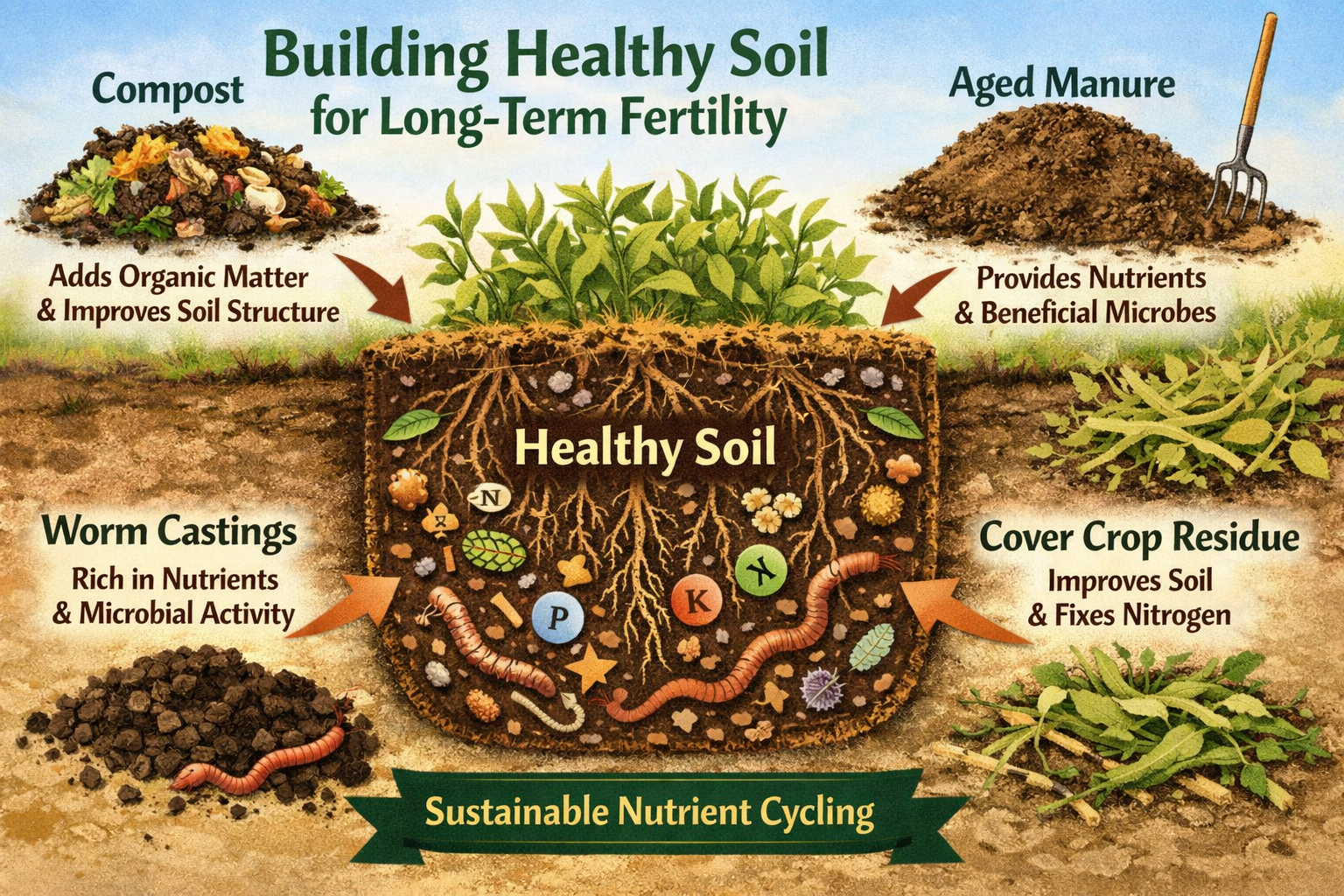
To consistently maintain adequate soil nutrients in your vegetable garden without frequent testing, focus on sustainable practices that build soil health and foster a vibrant microbial ecosystem. These methods prioritize natural nutrient cycling and the long-term fertility of your garden bed.
- Incorporate Abundant Organic Matter: This is the single most effective way to ensure a steady supply of nutrients. Organic matter, such as compost, aged manure, or decomposed leaves, slowly breaks down, releasing essential nutrients over time. It also improves soil structure, water retention, and supports beneficial microorganisms that make nutrients available to plants [4, 6]. Aim to add 1-2 inches of compost to your garden beds annually.
- Practice Crop Rotation: Changing the location of different vegetable families each season helps manage nutrient demands and prevents the depletion of specific nutrients from one area. For example, nitrogen-fixing legumes (like beans or peas) can enrich the soil, preparing it for heavy feeders (like corn or tomatoes) in the following season. This also helps break disease cycles.
- Utilize Cover Crops: Planting cover crops, such as clover, vetch, or rye, in off-seasons or bare patches is an excellent way to protect the soil, prevent erosion, suppress weeds, and add nutrients. When tilled into the soil, cover crops decompose, returning organic matter and stored nutrients to the soil. Leguminous cover crops, in particular, fix atmospheric nitrogen, naturally enriching the soil.
- Minimize Soil Disturbance (No-Till/Minimum-Till): Excessive tilling can disrupt the delicate soil structure and destroy beneficial fungal networks and earthworm tunnels that are vital for nutrient cycling. Practicing no-till or minimum-till gardening helps preserve these soil ecosystems, leading to healthier soil over time. This approach promotes long-term soil stability and nutrient retention [6].
- Mulch Regularly: Applying a layer of organic mulch (e.g., straw, wood chips, shredded leaves) around your plants helps retain soil moisture, regulate temperature, suppress weeds, and slowly break down to add organic matter and nutrients to the soil. As the mulch decomposes, it feeds the soil food web, which in turn feeds your plants.
- Compost Tea or Worm Castings: For a direct nutrient boost that supports microbial life, consider applying compost tea or worm casting tea. These liquid amendments provide readily available nutrients and introduce beneficial microbes to the soil, enhancing nutrient cycling.
- Observe and Adapt: Continuously observe your plants and soil as discussed in previous sections. If plants show signs of deficiency, you can apply targeted organic amendments. For instance, if nitrogen seems low, blood meal or fish emulsion can provide a quick, organic boost, alongside your long-term compost strategy.
By consistently implementing these sustainable practices, you create a self-sustaining garden ecosystem that naturally replenishes nutrients, fostering a healthy and productive vegetable patch year after year.
When Is a Soil Test Still Recommended, Even with Visual Cues?
While visual cues and plant observations are valuable for a general assessment, a professional soil test is still strongly recommended in several key situations to ensure optimal plant health and avoid potential problems [2]. Relying solely on visual cues, especially when establishing a new garden, can lead to incorrect amendments or persistent issues.
- Establishing a New Garden: When you’re starting a vegetable garden in a new location or converting a lawn area, you have no baseline knowledge of the soil’s existing nutrient levels or pH. A soil test is especially important here to understand the initial conditions and make appropriate amendments from the start [2]. This ensures you don’t over-apply or under-apply crucial elements.
- Persistent Plant Problems: If your plants consistently struggle despite your best efforts with watering, pest control, and general care, a soil test can diagnose underlying nutrient imbalances or pH issues that visual inspection might miss. For example, a soil test can reveal micronutrient deficiencies that present vague symptoms.
- Before Making Significant Amendments: Planning to add a large amount of lime, sulfur, or specific fertilizers? A soil test tells you exactly what’s needed, preventing the application of unnecessary nutrients which can harm plants and the environment [2]. Over-application of phosphorus and potassium, for instance, can lead to excessive levels in the soil, creating various soil-related problems [3].
- Maximizing Yields for Commercial or Intensive Gardening: For gardeners aiming for maximum productivity or those growing high-value crops, precision is key. A soil test provides the detailed data needed to fine-tune nutrient levels for optimal growth and yield.
- After Several Years of Consistent Gardening: Even with good organic practices, soil nutrient levels can change over time. It’s a good idea to perform a soil test every 3-5 years to monitor long-term trends and make minor adjustments as needed, particularly for pH and macronutrients.
- Concern about Contaminants: If your garden is in an urban area, near old industrial sites, or where lead paint might have been present, a soil test can identify potential contaminants like heavy metals, which are invisible but critical to know for food safety.
Think of visual cues as your garden’s daily report card, but a soil test as its comprehensive annual physical. Both are valuable, but the professional test provides data that can prevent costly mistakes and ensure the long-term health and productivity of your garden. For specific details on choosing the right soil and amendments for restricted spaces, consider our “Soil Basics for Container Gardening: 2026 Expert Guide” [https://minispacegarden.com/soil-basics-for-container-gardening/].
What Are Common Mistakes When Assessing Soil Nutrients Without a Test?
When trying to determine soil nutrient levels without a test, gardeners often make mistakes that can lead to incorrect conclusions or inappropriate amendments, potentially harming plants or wasting resources.
- Misinterpreting Plant Symptoms: Many plant problems, such as yellowing leaves or stunted growth, can be caused by factors other than nutrient deficiency, including overwatering, underwatering, pest infestations, diseases, or extreme temperatures [5]. Assuming every yellow leaf means a nitrogen deficiency and applying more fertilizer without confirmation can worsen the actual problem or create new imbalances.
- Relying on General Appearances Too Much: While a dark, rich soil often indicates good organic matter, it doesn’t guarantee a balanced nutrient profile or correct pH. A soil might look healthy but still be deficient in specific micronutrients or have a pH that locks up available nutrients.
- Over-Applying Amendments “Just in Case”: A common pitfall is to apply general-purpose fertilizers or compost excessively, thinking “more is better.” Without knowing what the soil truly needs, this can lead to nutrient toxicity, environmental pollution from runoff, and an imbalance that harms plant health [2, 3]. For example, too much phosphorus can inhibit the uptake of other essential elements like iron and zinc.
- Ignoring Soil Structure and Drainage Issues: Focusing solely on “feeding” the plant without addressing fundamental soil health issues like compaction or poor drainage is ineffective. Even if nutrients are present, plants cannot access them if roots are suffocated or constantly waterlogged. A sticky, clay-heavy soil, for instance, may have nutrients but make them unavailable to plants.
- Not Considering pH: Soil pH dictates the availability of nutrients to plants. A soil can have abundant nutrients, but if the pH is too acidic or too alkaline, those nutrients become chemically locked up and inaccessible to plant roots. Visual cues don’t provide pH information, which is a critical factor for nutrient uptake.
- Using Anecdotal Evidence Without Scientific Basis: Relying solely on a neighbor’s advice or old gardening “folk wisdom” without understanding the scientific principles or the specific conditions of your own garden can be misleading. Every garden is unique.
- Not Observing Over Time: A single observation of a plant or soil condition might not tell the whole story. Consistent, ongoing observation throughout the growing season provides a more accurate picture of nutrient status and helps distinguish temporary stresses from chronic deficiencies.
To avoid these mistakes, combine your visual assessments with a foundational understanding of plant needs and soil science. When in doubt, or if problems persist, remember that a professional soil test offers an objective, data-driven solution.
FAQ
Q: Can I really tell about soil nutrients without a lab test?
A: Yes, you can get strong indicators by observing plant health, soil texture, color, and biological activity, but a lab test offers precise data that visual cues cannot [3].
Q: What does “friable” soil mean?
A: Friable soil is loose and crumbly, easily breaking apart into small aggregates. This texture indicates good aeration, drainage, and organic matter content, which are essential for nutrient availability and root growth.
Q: Do yellowing leaves always mean a nutrient deficiency?
A: No, yellowing leaves can also be caused by overwatering, underwatering, pests, disease, or temperature stress. While often a sign of nitrogen deficiency, it’s crucial to consider other factors [5].
Q: Why are earthworms important for soil nutrients?
A: Earthworms improve soil structure, aeration, and drainage, and their castings (excrement) enrich the soil with readily available nutrients, making their presence a sign of healthy, biologically active soil [6].
Q: How does soil pH affect nutrient availability?
A: Soil pH determines whether nutrients are chemically accessible to plants. Even if nutrients are present in the soil, an incorrect pH (too acidic or too alkaline) can lock them up, making them unavailable to roots.
Q: Is dark soil always nutrient-rich?
A: Darker soil typically indicates higher organic matter, which contributes to nutrient richness. However, dark soil isn’t a guarantee of a balanced nutrient profile or correct pH.
Q: How often should I add compost to my garden?
A: Aim to add 1-2 inches of well-rotted compost to your garden beds annually, ideally in spring or fall, to continuously replenish organic matter and nutrients.
Q: Can too many nutrients harm my plants?
A: Yes, over-application of fertilizers can lead to nutrient toxicity, nutrient imbalances (where an excess of one nutrient inhibits another), and can harm plant growth and potentially pollute groundwater [2, 3].
Q: What is the best way to get a baseline for my soil?
A: For a new garden or when problems persist, a professional soil test is the best way to get a precise baseline of nutrient levels, organic matter content, and pH.
Conclusion
Understanding “How can I tell if my vegetable garden soil has enough nutrients (without a test)?” is a fundamental skill for any gardener, empowering you to connect more intimately with your garden’s needs. By diligently observing the physical characteristics of your soil—its color, texture, and smell—and paying close attention to the visual cues provided by your plants, you can develop an intuitive sense of its fertility. A dark, crumbly soil teeming with earthworms and supporting vibrant, robust plant growth generally indicates a healthy, nutrient-rich environment.
However, while these visual and tactile assessments are invaluable for ongoing garden management, they are not a substitute for the precision offered by a professional soil test, especially when establishing a new garden or troubleshooting persistent issues. Incorporating sustainable practices like composting, crop rotation, and cover cropping will naturally enhance your soil’s long-term nutrient profile, creating a resilient and productive vegetable garden. By blending careful observation with proactive, organic amendments, you can cultivate a thriving garden that generously rewards your efforts, year after year in 2026.
References
[1] How To Measure Soil Nutrients – https://vlsci.com/blog/how-to-measure-soil-nutrients/
[2] Fs626 – https://njaes.rutgers.edu/FS626/
[3] Soil Testing For Successful Gardens – https://hort.extension.wisc.edu/2025/08/19/soil-testing-for-successful-gardens/
[4] Guide To Healthy Garden Soil – https://fieldreport.caes.uga.edu/features/guide-to-healthy-garden-soil/
[5] Watch – https://www.youtube.com/watch?v=Wygh1kKK48I
[6] Soil Health – https://www.nrcs.usda.gov/conservation-basics/natural-resource-concerns/soil/soil-health