Why are my vegetables growing slowly but not dying?
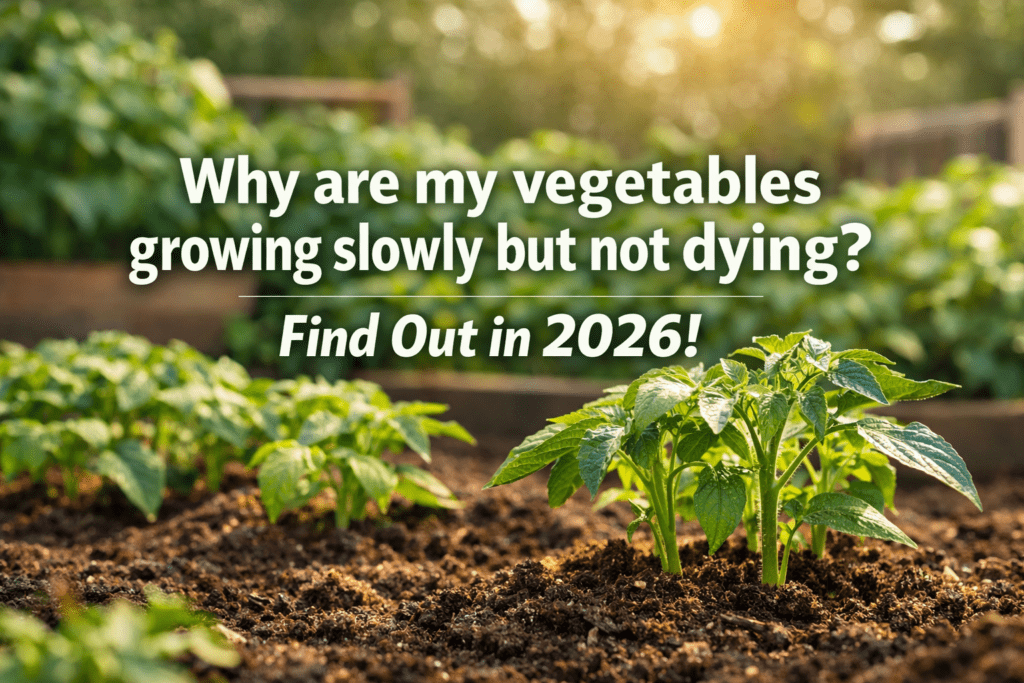
Are you staring at your vegetable garden, wondering why your vegetables are growing slowly but not dying? It’s a common and frustrating puzzle for many gardeners, whether seasoned or just starting out. Unlike sudden wilting or outright plant death, slow growth indicates that your plants are merely surviving, not thriving, due to one or more underlying stressors. Understanding these factors is key to transforming your garden from struggling to flourishing in 2026.
Key Takeaways
- Soil Quality is Crucial: Most slow growth issues stem from nutrient deficiencies, poor drainage, or improper pH in the soil.
- Light & Water are Non-Negotiable: Insufficient sunlight or improper watering (both over and under) are major culprits for stunted development.
- Temperature Matters: Extreme temperatures, either too hot or too cold, can significantly slow down plant metabolism and growth.
- Nutrient Imbalance: It’s not just about having nutrients, but having the right balance; too much of one can block others.
- Pest and Disease Pressure: While not immediately fatal, pests and mild diseases can divert plant energy, slowing growth.
- Early Fruiting: Allowing young plants to produce fruit too soon can divert energy from vegetative growth, stunting overall size.
- Root Compaction: Restricted root growth due to compacted soil or small containers prevents proper nutrient and water uptake.
- Right Plant, Right Place: Selecting vegetables suited for your climate and specific growing conditions is fundamental for success.
Quick Answer
Your vegetables are likely growing slowly but not dying because they are experiencing chronic, non-lethal stressors related to their environment or care, such as nutrient deficiencies, improper watering, insufficient sunlight, or suboptimal temperatures. These conditions hinder vigorous growth and development but do not immediately kill the plant, leaving it in a state of prolonged survival rather than robust flourishing.
What Soil Problems Cause My Vegetables to Grow Slowly but Not Die?
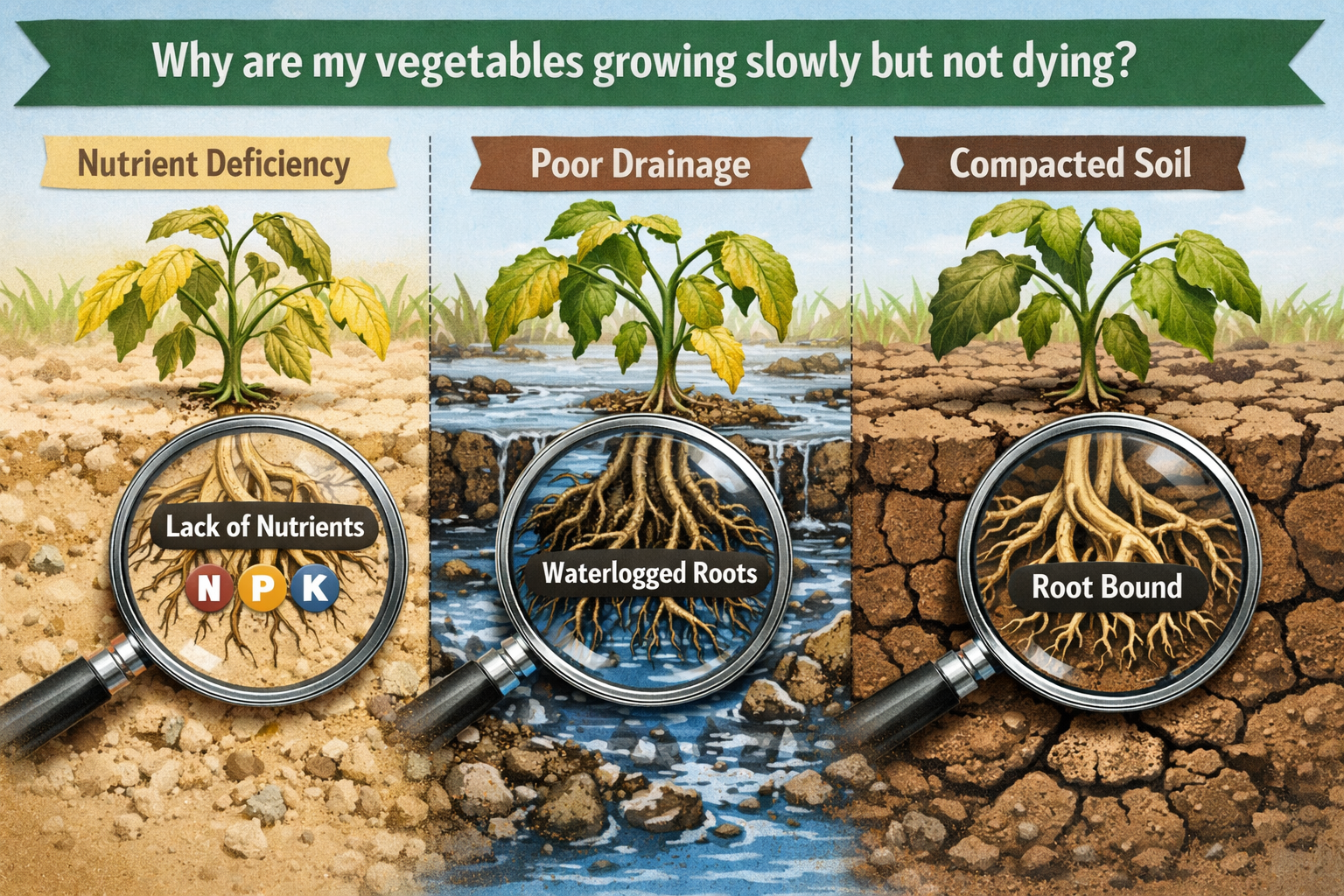
Soil issues are frequently the primary reason why your vegetables are growing slowly but not dying, even when sunlight seems adequate [1, 3]. Poor soil quality directly impacts a plant’s ability to absorb essential nutrients and water, hindering its overall development.
Common Soil-Related Causes:
Nutrient Deficiencies:
- Nitrogen (N): A very common deficiency, especially in container plants or when organic materials like bark mulch are breaking down. Soil microbes consume available nitrogen during this process, making it scarce for plants [3]. Symptoms include yellowing of older leaves, general pallor, and stunted growth.
- Phosphorus (P) and Potassium (K): Deficiencies can lead to weak stems, poor flowering, and reduced fruit development, showing up as purpling leaves or browning edges.
- Micronutrients: Even small amounts are vital. Iron, magnesium, and calcium deficiencies can cause yellowing between leaf veins (chlorosis), weak growth, and blossom end rot in fruits.
- Solution: Amend soil with compost, aged manure, or balanced slow-release fertilizers. For quick fixes, use liquid feed. A soil test can accurately identify missing nutrients.
Nutrient Imbalance (Excess Nutrients):
- Sometimes, it’s not a lack but an excess. Too much of one nutrient, particularly phosphorus, can prevent plants from absorbing other crucial elements like iron, even if they are present in the soil [2]. This creates a functional deficiency, slowing growth.
- Solution: Conduct a soil test to understand existing nutrient levels before adding more fertilizers. If an excess is detected, leaching the soil with plain water can help, or planting heavy feeders to utilize the excess.
Poor Drainage or Compaction:
- Ideal soil requires a balance of sand, silt, and clay for both drainage and nutrient retention [2]. When soil is too heavy (e.g., high clay content) or compacted, it restricts root aeration. Roots need oxygen to function and absorb nutrients. Lack of oxygen leads to suffocation and stalled nutrient uptake, mimicking symptoms of overwatering [3].
- Solution: Improve soil structure by incorporating organic matter like compost, peat moss, or well-rotted leaf mold. In raised beds or containers, ensure a proper soil basics for container gardening mix. For in-ground gardens, consider aeration.
Incorrect pH Level:
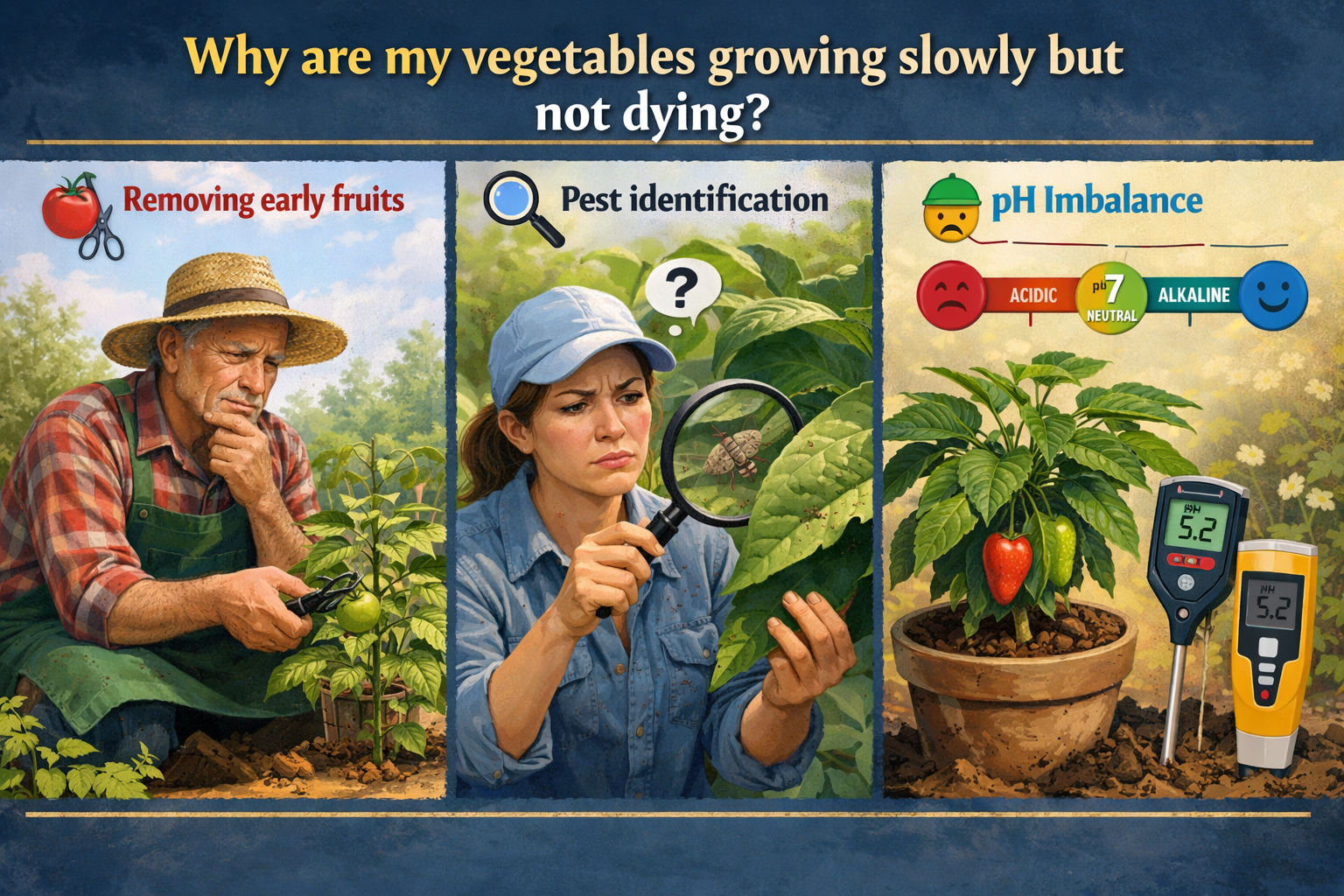
- Soil pH dictates the availability of nutrients. Most vegetables prefer a slightly acidic to neutral pH (6.0 to 7.0). If the pH is too high (alkaline) or too low (acidic), certain nutrients become “locked up” and inaccessible to plant roots, regardless of their presence in the soil.
- Solution: A soil test will reveal your pH. To lower pH, add elemental sulfur or peat moss. To raise pH, add agricultural lime. Adjustments should be made gradually over time.
How Do Environmental Stressors Impact Slow Vegetable Growth?
Environmental factors play a significant role in why your vegetables are growing slowly but not dying, often causing plants to conserve energy instead of putting it into robust development. These stressors include light, water, and temperature extremes.
Key Environmental Stressors:
Insufficient Sunlight:
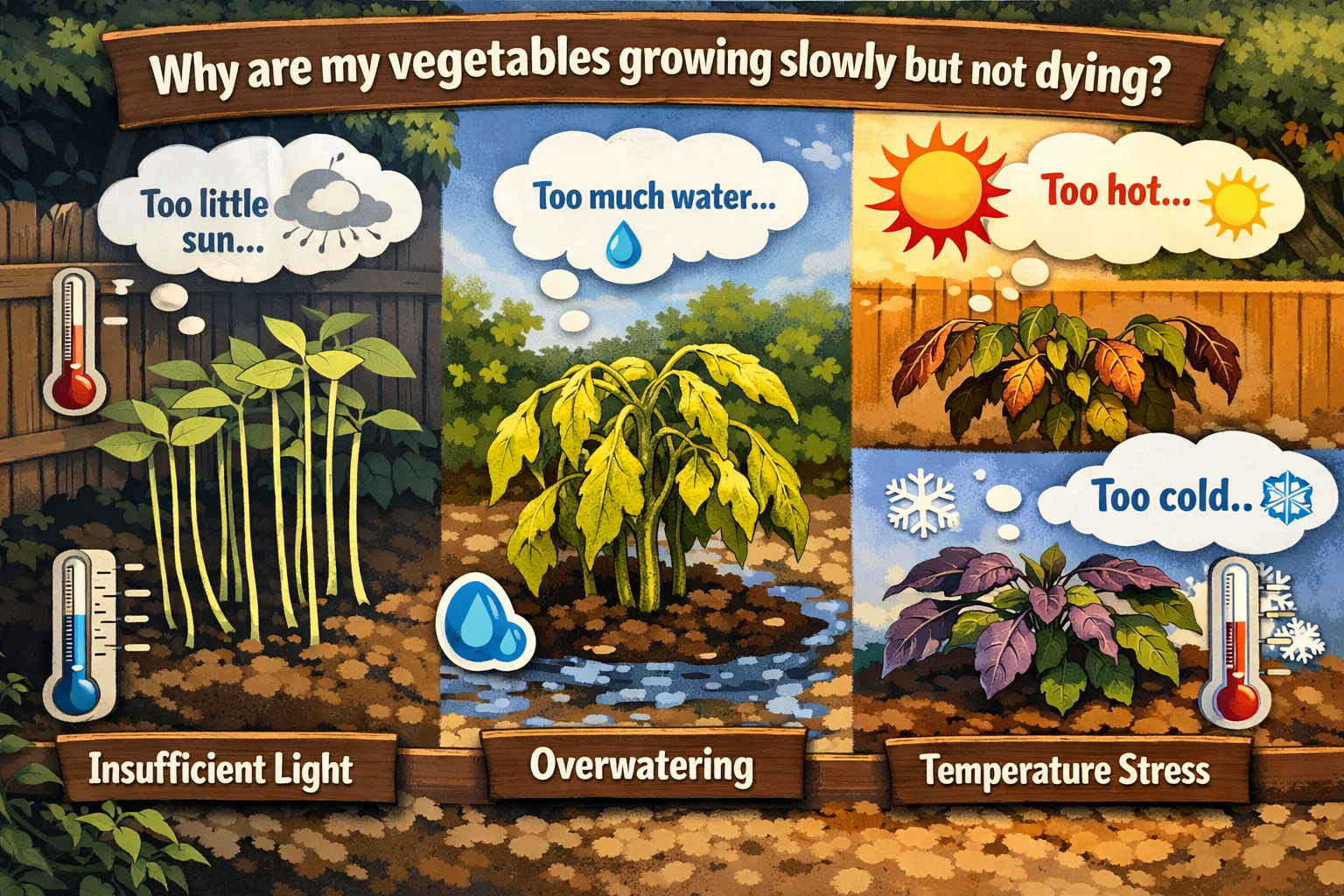
- Vegetables are sun-lovers; most fruiting vegetables like tomatoes, peppers, and squash need at least 6-8 hours of direct sunlight daily. Less than this, and their growth slows considerably. For example, tomato plants receiving under six hours of light produce 70% fewer fruits than those in full sun [3]. They might look green but struggle to photosynthesize enough energy for rapid growth or fruit production.
- Solution: Assess your garden’s sun exposure throughout the day. Consider relocating plants to sunnier spots, pruning nearby trees or shrubs, or choosing shade-tolerant vegetables. For small spaces, vertical gardening or strategic container placement can help maximize light exposure [3]. Our guide to “Vertical Gardening Basics: Your 2026 Guide to Small Space Gardens” offers excellent tips.
Improper Watering (Over and Underwatering):
- Overwatering: This is a surprisingly common culprit. Excess water saturates the soil, displacing air and leading to root suffocation. When roots can’t breathe, they can’t absorb water or nutrients, causing growth to stall [3]. Symptoms often include yellowing lower leaves and drooping, despite the soil being wet [3].
- Underwatering: While less subtle, chronic underwatering means plants are constantly stressed, diverting energy from growth to basic survival. Leaves may wilt, turn crispy, and growth will halt.
- Solution: Develop a consistent watering schedule tailored to your plants’ needs, soil type, and climate. Check soil moisture a few inches deep before watering. Ensure good drainage in pots and garden beds. For guidance, refer to our article, “How Often Should You Water Plants? Ultimate Guide 2026.”
Temperature Stress:
- Vegetables have optimal temperature ranges for growth.
- Cold Stress: Temperatures consistently below 60°F can cause warm-season crops like tomatoes, peppers, and beans to slow dramatically, drop flowers, or cease fruit production [1]. Their metabolism slows down, making them less efficient.
- Heat Stress: Conversely, temperatures above 85°F can also be detrimental, especially for cool-season crops that bolt (go to seed) or for warm-season plants that struggle with pollination and fruit set [1]. High heat can cause wilting, flower drop, and reduce overall growth.
- Solution: Choose vegetable varieties suited to your local climate and planting season. Use row covers for cold protection or shade cloth for extreme heat. Mulching can help regulate soil temperature.
What Plant Care Mistakes Contribute to Slow Growth?
Beyond the environment and soil, specific gardening practices or oversights can contribute significantly to why your vegetables are growing slowly but not dying. These care mistakes often deprive plants of essential support or inadvertently redirect their energy away from growth.
Common Care Mistakes:
Early Fruit Production on Young Plants:
- It’s tempting to let that first tomato or pepper grow, but allowing young plants to produce fruit too early diverts a massive amount of energy from developing a strong root system and robust foliage [2]. This can stunt the plant’s overall size and reduce its total yield in the long run.
- Solution: For many fruiting vegetables, it’s beneficial to remove the first few sets of flowers or very young fruits to encourage the plant to put energy into vegetative growth. This leads to a stronger, larger plant that can support a heavier, healthier harvest later in the season.
Pest and Disease Pressure:
- While severe infestations or diseases can kill plants, mild to moderate issues often just slow them down. Pests like aphids, spider mites, or slugs constantly feed on plant sap or leaves, draining the plant’s energy [4]. Similarly, minor fungal infections can stress plants. The plant expends energy on defense and repair instead of growth.
- Solution: Regularly inspect your plants for signs of pests or disease. Early detection and intervention (e.g., hand-picking pests, using insecticidal soap, improving air circulation) can prevent major slowdowns. Identify common garden pests and diseases relevant to your region.
Inadequate Spacing:
- Crowded plants compete intensely for light, water, and nutrients in the soil. Even if one plant isn’t dying, the competition will reduce the vigor and size of all plants in the crowded area. This is a common issue in small space vegetable gardening.
- Solution: Always follow recommended spacing guidelines on seed packets or plant tags. If plants are already too close, consider thinning them out. Proper spacing ensures adequate air circulation, which also helps prevent diseases.
Not Pruning or Staking Properly:
- Some vegetables, like indeterminate tomatoes, benefit greatly from pruning to direct energy into fruit production rather than excessive foliage. Without proper staking, sprawling plants can expend energy supporting themselves or become susceptible to disease due to poor air circulation, impacting growth.
- Solution: Research the specific needs of your vegetable varieties. Prune suckers on tomatoes, for example, and provide sturdy support structures for climbing or heavy-fruiting plants.
Lack of Pollination:
- While this won’t necessarily kill the plant or slow its vegetative growth, a lack of pollination will result in very few or no fruits forming, which can be interpreted as a lack of “successful” growth for fruiting plants.
- Solution: Encourage pollinators by planting diverse flowers nearby, reducing pesticide use, and, if necessary, hand-pollinating specific plants like squash or cucumbers.
Troubleshooting Checklist for Slow-Growing Vegetables
When your vegetables are growing slowly but not dying, a systematic approach can help pinpoint the problem. Use this checklist as a guide:
| Area to Check | Potential Issue | Symptoms | Actionable Step |
|---|---|---|---|
| 1. Soil Health | Nutrient Deficiency (N, P, K, Micros) | Yellowing older leaves, stunted growth, purpling/browning leaves, pale overall | Get a Soil Test: This is the most important step. Amend with balanced fertilizer, compost, or specific nutrient supplements based on results. |
| Nutrient Imbalance | Yellowing between veins, specific deficiencies despite adding nutrients | Review fertilizer applications. If excess, leach soil with plain water or allow heavy feeders to utilize it. | |
| Poor Drainage / Compaction | Water pooling, hard soil, roots struggling to spread | Incorporate generous amounts of organic matter (compost). Avoid walking on garden beds. Consider raised beds for heavy clay. Ensure pots have drainage holes. | |
| Incorrect pH | Stunted growth, symptoms of multiple nutrient deficiencies | Soil Test for pH: Adjust with elemental sulfur/peat moss (to lower) or lime (to raise). Do this gradually. | |
| 2. Environmental | Insufficient Sunlight | Leggy, pale plants, few flowers/fruits | Observe sun patterns for a full day. Move containers, prune overhead obstructions, or choose a sunnier spot next season. |
| Overwatering | Drooping, yellow lower leaves, wet soil, root rot smell | Reduce watering frequency. Ensure proper drainage. Allow soil to dry out between waterings. | |
| Underwatering | Wilting, crispy leaves, dry soil | Increase watering frequency and depth. Water thoroughly until it drains from pots. Mulch to retain moisture. | |
| Temperature Stress (Too Hot/Cold) | Flower/fruit drop, wilting, discolored leaves (purple/red) | Use row covers for cold protection. Provide shade cloth for intense heat. Plant at appropriate times for your climate. Choose heat/cold tolerant varieties. | |
| 3. Plant Care | Early Fruiting | Small plant with disproportionately large, early fruit | Pinch off the first few sets of flowers or fruits on young plants (especially tomatoes, peppers, eggplant) to promote vegetative growth. |
| Pests / Diseases | Chewed leaves, sticky residue, spots, discoloration, distorted growth | Inspect plants regularly. Identify pests/diseases and treat appropriately (e.g., insecticidal soap, neem oil, organic fungicides). Improve air circulation. | |
| Inadequate Spacing | Crowded plants, smaller size than expected, poor air circulation | Thin seedlings or transplant plants to recommended distances. | |
| Lack of Pollination | Flowers but no fruit, misshapen fruit | Attract pollinators with companion flowers. Hand-pollinate if necessary for certain crops. | |
| Container Size (for container gardening) | Roots visible at drainage holes, plant top-heavy, rapid drying | Ensure pots are appropriately sized for the mature plant. Upgrade to larger pots as plants grow, following guidance in “Best Pots for Small Space Gardening in 2026.” |
Conclusion
When asking why your vegetables are growing slowly but not dying, it’s clear there’s no single answer, but rather a combination of interconnected factors affecting your plants’ vigor. The good news is that slow growth often indicates resilience—your plants are trying to survive, giving you time to diagnose and correct the underlying issues. From optimizing soil health and ensuring proper light and water, to managing temperatures and practicing attentive plant care, each adjustment contributes to a healthier, more productive garden. By systematically evaluating these aspects, you can move your vegetables from merely surviving to truly thriving, leading to a bountiful harvest in 2026.
Actionable Next Steps:
- Conduct a Soil Test: This is the most impactful first step to understand your soil’s nutrient profile and pH.
- Observe Your Garden Closely: Pay attention to sun exposure throughout the day and how your plants react to watering.
- Review Watering Practices: Adjust frequency and volume based on plant needs and current weather conditions.
- Inspect Plants Regularly: Look for early signs of pests, diseases, or nutrient deficiencies.
- Educate Yourself on Specific Plant Needs: Each vegetable has unique requirements; research what your specific crops need to flourish. Our “Beginner’s Guide to Plant Care 2026: Grow Thriving Plants” is an excellent resource.
By taking these steps, you’ll gain the knowledge and tools to nurture your garden effectively, ensuring vigorous growth for all your vegetables.
FAQ
Q1: Can too much fertilizer make vegetables grow slowly?
A1: Yes, too much fertilizer can cause slow growth by burning roots or creating a nutrient imbalance that prevents the uptake of other essential elements.
Q2: Why are my vegetable plants small but healthy looking?
A2: Small but healthy plants often indicate chronic mild stress, such as slightly insufficient light, minor nutrient deficiency, root compaction, or simply being a compact variety of plant.
Q3: How often should I water slow-growing vegetables?
A3: Water slow-growing vegetables only when the top 1-2 inches of soil feel dry to the touch, ensuring thorough but infrequent watering to encourage deep root growth and prevent root suffocation from overwatering.
Q4: Does lack of sun cause slow growth or plant death?
A4: Lack of sun primarily causes slow growth and reduced yields; plants will become leggy and weak as they stretch for light, but typically won’t die immediately unless conditions are extremely dark for prolonged periods.
Q5: Can compacted soil be fixed without digging everything up?
A5: Yes, compacted soil can be improved by regularly incorporating organic matter like compost, using a broadfork, or planting cover crops to naturally break up the soil structure over time.
Q6: Should I remove early flowers from my vegetable plants?
A6: Yes, for many young fruiting vegetables, removing the first few flowers or small fruits allows the plant to put energy into developing a stronger root system and more robust foliage, leading to better overall yields later.
Q7: What’s the ideal soil pH for most vegetables?
A7: Most vegetables thrive in a slightly acidic to neutral soil pH, typically between 6.0 and 7.0, as this range optimizes the availability of essential nutrients.
Q8: How can I tell if my slow-growing plant has a pest problem?
A8: Look for visible pests on leaves and stems, chewed holes, sticky residue, discolored spots, distorted growth, or webbing. Regular, close inspection is key.
Q9: Does container size affect how slowly vegetables grow?
A9: Absolutely. If a container is too small, roots become pot-bound, restricting their ability to absorb water and nutrients, which directly stunts plant growth.
Q10: Why would my vegetable leaves be yellow but the plant isn’t dying?
A10: Yellowing leaves often indicate a nutrient deficiency (especially nitrogen), overwatering causing root suffocation, or sometimes insufficient light, all of which slow growth without immediately killing the plant.
References
[1] Soil Problems – https://www.creativevegetablegardener.com/soil-problems/
[2] Watch – https://www.youtube.com/watch?v=5UyAm0AQ_aE
[3] Watch – https://www.youtube.com/watch?v=9ssydY-m2NY
[4] Watch – https://www.youtube.com/watch?v=dtnIl8Cvags
Tags: