Indoor Vegetable Gardening 2026: Your Ultimate Guide
Key Takeaways
- Indoor vegetable gardening allows you to grow fresh produce regardless of outdoor climate or available space.
- Success hinges on providing adequate light (natural or artificial), proper growing mediums, consistent watering, and nutrient solutions.
- Selecting suitable plant varieties that thrive in containers and indoor environments is crucial for high yields.
- Hydroponic or aeroponic systems can significantly boost efficiency and growth rates compared to traditional soil-based methods indoors.
- Starting seeds indoors in late winter/early spring is an effective way to get a head start on the growing season, even for plants destined for outdoor gardens.
- Monitoring temperature, humidity, and airflow helps prevent common indoor gardening issues like pests and diseases.
- Even small spaces like apartments can accommodate a productive indoor vegetable garden with vertical or compact setups.
- New trends in 2026 prioritize climate-smart, small-space, high-yield, and kitchen-focused varieties.
Quick Answer
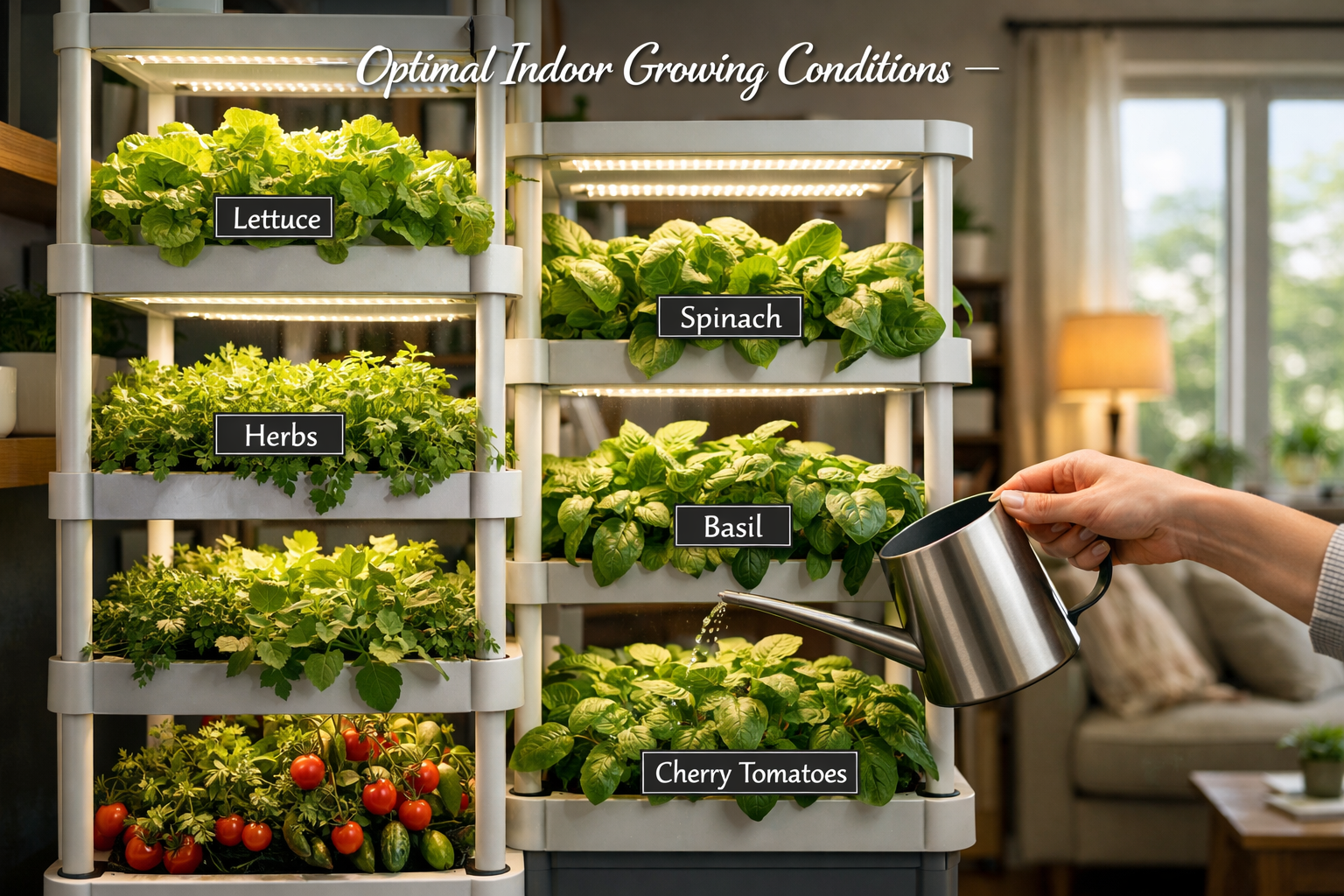
Indoor vegetable gardening is the practice of cultivating vegetables within your home, offering fresh produce year-round by controlling environmental factors like light, temperature, and water. This method is ideal for those with limited outdoor space, challenging climates, or a desire for homegrown food on demand, making fresh produce accessible to everyone in 2026.
Why Embrace Indoor Vegetable Gardening in 2026?
Indoor vegetable gardening offers a practical and rewarding way to enjoy fresh produce regardless of the season or external weather conditions. By bringing your garden indoors, you gain complete control over the growing environment, leading to more consistent harvests and protection from pests and diseases typically found outdoors. This approach is particularly beneficial for urban dwellers or those in apartments with limited outdoor space, allowing them to transform a corner of their home into a productive green oasis.
Benefits of Cultivating an Indoor Vegetable Garden:
- Year-Round Harvests: No more waiting for spring; enjoy fresh vegetables every day of the year.
- Pest and Disease Control: A controlled indoor environment minimizes exposure to common garden pests and airborne diseases.
- Space Efficiency: Utilize vertical space, shelves, or windowsills, making it perfect for small homes and apartments. Check out our guide on indoor gardening for small homes & apartments: 2026 Guide for ideas.
- Convenience: Your fresh ingredients are just steps away from your kitchen.
- Educational Opportunity: A great way for families to learn about plant growth and sustainable living.
- Reduced Food Miles: Grow your own, cut down on transportation, and reduce your carbon footprint.
- Therapeutic Hobby: Gardening can be a relaxing and stress-reducing activity.
A common misconception is that indoor gardening requires a lot of specialized equipment; however, you can start small with just a sunny windowsill and a few pots. The key is to match your ambitions with the resources you’re willing to invest.
What Are the Essential Components for Successful Indoor Vegetable Gardening?
Successful indoor vegetable gardening requires careful attention to light, growing medium, water, nutrients, and temperature, replicating the ideal conditions plants need to thrive. Providing these fundamental elements ensures your plants grow strong, healthy, and productive within your home environment.
Key Components for Thriving Indoor Gardens:
- Light: This is perhaps the most crucial factor.
- Natural Light: South-facing windows typically offer the most intense and prolonged sunlight for plants.
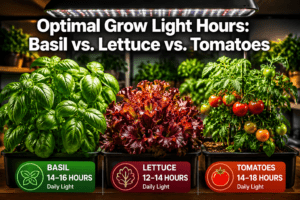
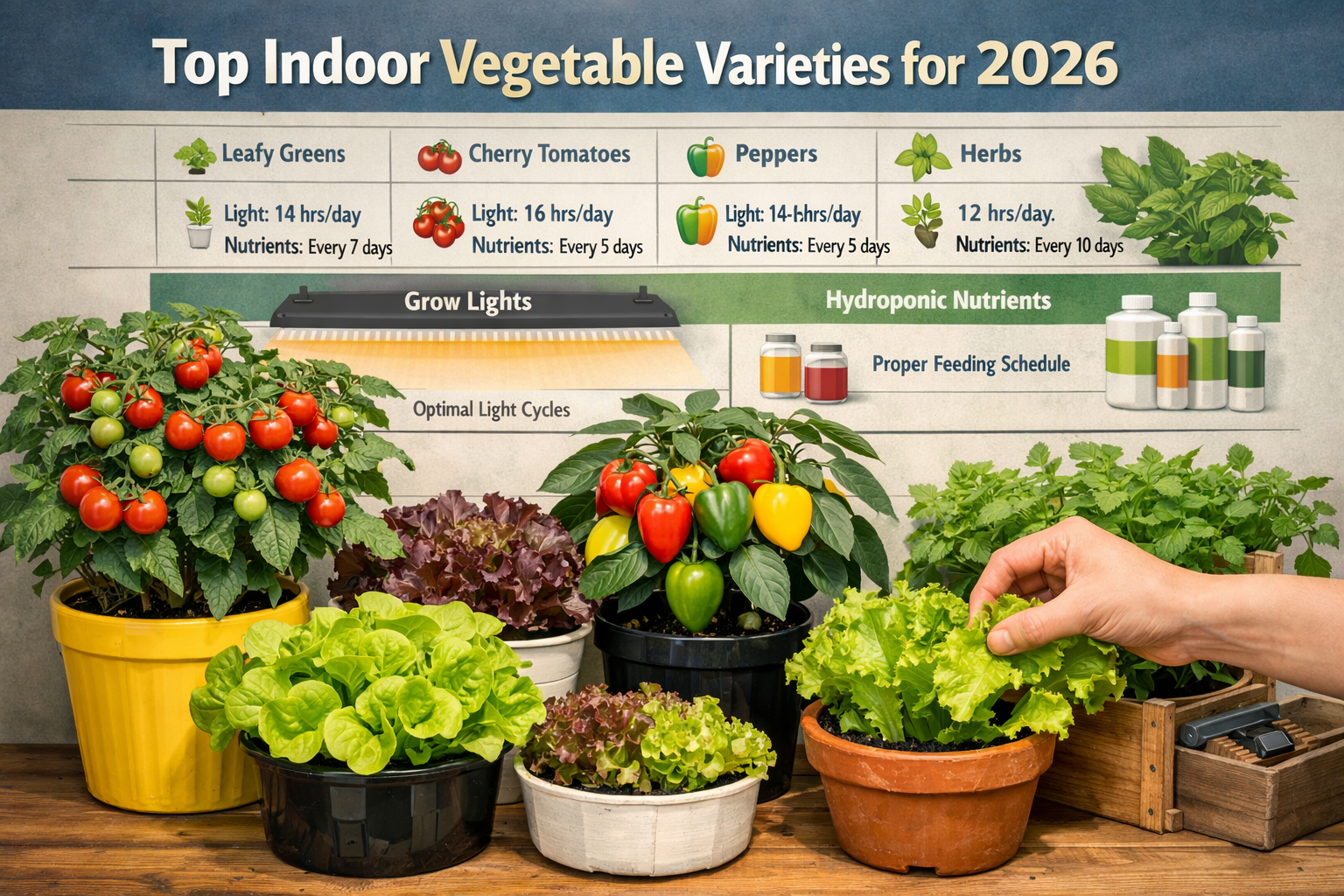
- Artificial Grow Lights: For optimal growth, especially during darker months or for light-intensive plants, full-spectrum LED grow lights are highly efficient and cost-effective. They provide the necessary light spectrum for photosynthesis. Most vegetables need 12-16 hours of light per day.
- Growing Medium:
- Potting Mix: For traditional container gardening, a high-quality, sterile potting mix is essential. It provides drainage, aeration, and holds moisture and nutrients. See our soil basics for container gardening: 2026 Expert Guide for more details.
- Hydroponic Systems: These systems grow plants without soil, using nutrient-rich water solutions. They can be more efficient in terms of water use and often result in faster growth.
- Water:
- Consistency is Key: Plants need regular watering, but overwatering can lead to root rot. Check soil moisture by sticking your finger about an inch deep – if it feels dry, it’s time to water.
- Water Quality: Tap water is usually fine, but letting it sit for 24 hours can help dissipate chlorine.
- Nutrients:
- Fertilizers: For soil-based gardens, plants will deplete soil nutrients over time. A balanced liquid fertilizer designed for vegetables should be applied according to package directions.
- Hydroponic Solutions: These systems rely entirely on specially formulated nutrient solutions delivered directly to the roots.
- Temperature and Humidity:
- Temperature: Most vegetables prefer temperatures between 65-75°F (18-24°C). Avoid extreme fluctuations.
- Humidity: Average household humidity is often sufficient, but some plants might benefit from higher humidity, especially in dry climates. A humidity tray or occasional misting can help.
- Air Circulation: Good airflow helps prevent fungal diseases and strengthens plant stems. A small oscillating fan can be beneficial.
Choosing the right components depends on your budget, available space, and the types of vegetables you plan to grow. For example, leafy greens often require less light intensity than fruiting plants like tomatoes.
Which Vegetables Are Best Suited for Indoor Vegetable Gardening?
The best vegetables for indoor vegetable gardening are typically those that are compact, have shallow root systems, or produce continuously over a long period, making them well-suited to confined indoor environments. Selecting appropriate varieties significantly increases your chances of a successful and bountiful harvest within your home.
Top Picks for Indoor Vegetable Gardens in 2026:
- Leafy Greens: 🌱
- Lettuce (Loose-leaf varieties like Black-Seeded Simpson): Grows quickly, tolerates partial shade, and can be harvested “cut-and-come-again.”
- Spinach: Similar to lettuce, it’s fast-growing and provides multiple harvests.
- Kale: Dwarf varieties like ‘Red Russian’ are excellent for containers and provide continuous leaves.
- Herbs: 🌿
- Basil, Mint, Chives, Parsley, Cilantro: These are incredibly easy to grow indoors, require moderate light, and can be harvested regularly. They are perfect for kitchen-focused gardening, emphasizing flavor-first crops [2].
- Fruiting Vegetables (Compact Varieties): 🍅🌶️
- Cherry Tomatoes (e.g., Patio Choice Yellow Hybrid): Look for dwarf or “bush” varieties that are bred for container growing. They still need plenty of light and support [2]. Tomatoes are also recommended as an ideal starting point for indoor sowing, requiring 18-21°C for germination [1].
- Bell Peppers and Chillies: Compact varieties like ‘California Wonder’ bell pepper or small chilli plants do well. They require warm conditions (21-25°C) and consistent light [1, 2].
- Strawberries: Alpine strawberries are smaller but produce sweet fruit with less intense light requirements than their garden counterparts.
- Root Vegetables (Shallow-Rooted): 🥕
- Radishes: Quick to mature and don’t need deep soil.
- Carrots (Dwarf varieties like ‘Thumbelina’): Grow in deeper containers.
- Other Notables:
- Bush Beans (e.g., Blue Lake 274 Bush Bean): Produce well in containers and don’t require trellising like pole beans [2].
- Microgreens: These are incredibly fast-growing and offer a nutrient-dense harvest in just 1-3 weeks.
When selecting plants, always look for varieties specifically labeled “compact,” “bush,” “dwarf,” or “container-friendly.” These are typically bred to thrive in smaller spaces. Avoid sprawling varieties like indeterminate tomatoes unless you have significant space and support. You can find more ideas in our guide on the best vegetables for small space gardening in 2026.
How Do I Set Up an Indoor Vegetable Garden System?
Setting up an indoor vegetable garden system involves choosing the right method—traditional container, hydroponic, or vertical—and then gathering the necessary supplies to create an optimal growing environment. A well-planned setup maximizes space and efficiency, leading to healthier plants and better harvests.
Step-by-Step Setup Guide:
Choose Your Growing Method:
- Container Gardening: Best for beginners. You’ll need pots with drainage holes, a good quality potting mix, and seeds or seedlings. This method is familiar and requires less initial investment. For suitable containers, refer to our article on the best pots for small space gardening in 2026.
- Hydroponics: For faster growth and water efficiency. Options include wick systems (simple), Deep Water Culture (DWC), Nutrient Film Technique (NFT), or ebb and flow systems. You’ll need a reservoir, pump, air stone, net pots, growing medium (like rockwool or coco coir), and nutrient solutions.
- Vertical Gardening: Ideal for maximizing space. This can be integrated with either container or hydroponic methods using stacked planters, wall-mounted pockets, or tiered shelves. Our vertical gardening guide for small spaces offers more insights.
Select Your Location:
- Consider natural light sources (south-facing windows are ideal) and proximity to power outlets for grow lights and pumps.
- Ensure the area has stable temperatures and isn’t prone to drafts.
Acquire Necessary Supplies:
- Seeds or Seedlings: Choose varieties suited for indoor growth [2].
- Containers/System: Appropriate for your chosen method.
- Growing Medium: Potting mix for containers; rockwool, coco coir, or clay pebbles for hydroponics.
- Light Source: Full-spectrum LED grow lights are highly recommended.
- Watering Can/System: Manual or automated.
- Nutrients: Liquid fertilizer for soil, hydroponic nutrient solution for soilless systems.
- Tools: Small trowel, pruning shears, spray bottle for misting, possibly a small fan for air circulation. Our guide on essential tools for small space gardening in 2026 can help.
Planting and Initial Setup:
- Seeds: Follow package instructions for depth and spacing. Many seeds, like tomatoes, peppers, and aubergines, benefit from starting indoors in warmth before transplanting [1].
- Seedlings: Gently transplant into their permanent containers or system.
- Install Lights: Position grow lights according to plant needs (distance varies by light intensity and plant type). Use a timer for consistent light cycles (e.g., 14-16 hours on, 8-10 hours off).
- Hydroponic Systems: Fill reservoir with water and nutrient solution, ensuring pH is balanced (typically 5.5-6.5 for most vegetables).
Ongoing Care:
- Monitor: Regularly check plant health, water levels, and nutrient strength.
- Adjust: Raise lights as plants grow, prune as needed, and adjust nutrient solutions.
A common mistake is neglecting air circulation, which can lead to stagnant air, promoting mold and pest issues. A small fan can prevent this.
What Are the Latest Trends and Innovations in Indoor Vegetable Gardening for 2026?
The landscape of indoor vegetable gardening in 2026 is rapidly evolving, driven by innovations in technology and a growing desire for sustainable, efficient food production. Key trends focus on making indoor growing more accessible, productive, and integrated into modern lifestyles.
Key Trends and Innovations:
- Climate-Smart Varieties: Breeders are prioritizing resilience and stress tolerance, developing varieties that perform well under varied indoor conditions. Examples include ‘Heatmaster Tomato’ and ‘Marketmore 76 Slicing Cucumber’, which are robust against common indoor environmental fluctuations [2].
- Small-Space, High-Yield Crops: There’s an increasing emphasis on compact plant varieties designed for maximum output in minimal space. ‘Patio Choice Yellow Hybrid Tomato’ and ‘Black-Seeded Simpson Lettuce’ are popular choices for container and vertical gardens, reflecting the needs of urban gardeners [2].
- Smart Gardening Systems: Integration of AI and IoT (Internet of Things) devices is making indoor gardening more automated. Systems with sensors for light, moisture, pH, and nutrient levels, controlled via smartphone apps, are becoming more common, simplifying cultivation for beginners.
- Enhanced LED Technology: Grow lights are becoming more sophisticated, offering tunable spectrums to match specific plant growth stages (e.g., blue light for vegetative growth, red light for flowering) and higher energy efficiency.
- Hydroponics and Aeroponics Expansion: Beyond leafy greens, advanced hydroponic and aeroponic setups are being adapted for a wider range of crops, including vine crops. The recent Indoor Ag-Con 2026 in Las Vegas showcased this expansion, moving beyond traditional leafy greens to include vine crops and even cannabis [3].
- Edible Landscaping Indoors: Blurring the lines between decorative plants and edibles, integrating productive plants like ‘PowWow Wild Berry Echinacea Coneflower’ and ‘Black Beauty Zucchini Squash’ into home decor, providing both aesthetic appeal and fresh produce [2].
- Focus on Flavor and Culinary Use: Gardeners are selecting crops not just for yield, but specifically for their exceptional taste and utility in cooking, aligning with the “kitchen-focused gardening” trend [2].
These trends highlight a shift towards more intelligent, space-efficient, and customized indoor gardening solutions, making it easier than ever to grow your own food in 2026.
How Do I Maintain and Troubleshoot My Indoor Vegetable Garden?
Maintaining an indoor vegetable garden involves consistent care routines and proactive troubleshooting to address common issues like pests or nutrient deficiencies, ensuring your plants remain healthy and productive. Regular observation is key to catching problems early and implementing effective solutions.
Essential Maintenance Practices:
- Watering: Check soil moisture daily. Water thoroughly when the top inch of soil feels dry, allowing excess water to drain. For hydroponic systems, monitor reservoir levels and top up as needed. Our guide on how often should you water plants? Ultimate Guide 2026 provides more detail.
- Feeding:
- Soil Gardens: Fertilize every 2-4 weeks with a balanced liquid vegetable fertilizer, following product instructions.
- Hydroponics: Replace nutrient solution every 1-2 weeks and check pH levels daily, adjusting as necessary.
- Light Adjustment: Raise grow lights as plants grow taller to maintain optimal distance for intense light without causing burn.
- Pruning: Remove dead or yellowing leaves to encourage new growth and improve air circulation. For fruiting plants, prune suckers (small shoots between main stem and leaf) to direct energy to fruit production.
- Pest and Disease Checks: Regularly inspect plants for signs of pests (like spider mites, aphids, or fungus gnats) or diseases. Catching them early is crucial.
Common Troubleshooting Tips:
- Yellowing Leaves:
- Issue: Often a sign of nutrient deficiency (especially nitrogen), overwatering, or underwatering.
- Solution: Check soil moisture. If dry, water. If wet, let it dry out more between waterings. Apply a balanced fertilizer.
- Stunted Growth:
- Issue: Insufficient light, lack of nutrients, or incorrect temperature.
- Solution: Increase light intensity or duration. Ensure consistent feeding. Check ambient temperature.
- Leggy Plants (Tall, Stretched, Weak Stems):
- Issue: Not enough light, causing plants to “stretch” towards a light source.
- Solution: Lower grow lights closer to plants or increase light intensity/duration.
- Pests (e.g., Spider Mites, Aphids):
- Issue: Small insects on leaves, webbing, or sticky residue.
- Solution: Isolate affected plants. Use insecticidal soap or neem oil. Introduce beneficial insects (e.g., ladybugs) for severe infestations. Ensure good air circulation to deter pests.
- Fungus Gnats (Small flying insects around soil):
- Issue: Sign of overly wet soil. Larvae can feed on roots.
- Solution: Allow soil to dry out between waterings. Use sticky traps. Consider a layer of sand on top of soil to deter egg-laying.
- Mold or Mildew:
- Issue: Caused by high humidity and poor air circulation.
- Solution: Increase air circulation with a fan. Reduce humidity if possible. Remove affected leaves.
Preventative measures, like using sterile potting mix and inspecting new plants before bringing them indoors, significantly reduce the risk of major problems. Our beginner mistakes in small space gardening 2026 article offers more ways to avoid common issues.
Conclusion
Embarking on indoor vegetable gardening in 2026 is an incredibly rewarding endeavor, offering the profound satisfaction of harvesting fresh, homegrown produce right from your living space. From the initial setup of choosing your growing method to the continuous care and troubleshooting, every step brings you closer to a sustainable and delicious food source. By understanding the critical roles of light, water, nutrients, and selecting the right plant varieties, you can transform even the smallest corner of your home into a thriving garden.
The ongoing innovations, especially in climate-smart varieties and smart gardening systems, make it an opportune time to dive into this fulfilling hobby. Whether you’re aiming for a few pots of herbs on a windowsill or a full-fledged hydroponic system, indoor vegetable gardening empowers you to enjoy fresh flavors year-round, enhance your home environment, and connect with the natural world. Start small, learn as you grow, and relish the taste of your efforts.
FAQ
Q: Can I grow any vegetable indoors? A: While many vegetables can be grown indoors, compact, bush, or dwarf varieties of leafy greens, herbs, and small fruiting plants (like cherry tomatoes and peppers) are generally most successful due to space and light limitations.
Q: How much light do indoor vegetables need? A: Most fruiting vegetables require 12-16 hours of intense light per day. Leafy greens and herbs can often thrive with slightly less, around 10-14 hours. Artificial grow lights are often necessary to supplement natural light.
Q: What’s the easiest indoor vegetable to grow for beginners? A: Leafy greens like lettuce and spinach, along with herbs such as basil, mint, and chives, are typically the easiest and most forgiving for indoor beginners.
Q: Do I need special soil for indoor gardening? A: Yes, use a high-quality, sterile potting mix specifically formulated for container plants. Garden soil is too dense and can introduce pests and diseases.
Q: How often should I water my indoor vegetables? A: Water when the top inch of soil feels dry to the touch. The frequency depends on the plant, pot size, temperature, and humidity, but generally, check every 1-3 days.
Q: Are hydroponic systems better than soil for indoor vegetables? A: Hydroponic systems can offer faster growth, higher yields, and more efficient water use, but they often require a higher initial investment and a steeper learning curve than soil-based container gardening.
Q: How can I prevent pests in my indoor vegetable garden? A: Inspect plants regularly, maintain good air circulation, use sterile potting mix, and isolate new plants before introducing them to your main garden. For existing pests, use insecticidal soap or neem oil.
Q: Can I start seeds indoors even if I plan to move them outside later? A: Absolutely! Starting seeds indoors gives plants a head start on the growing season, protecting them from harsh weather until they are strong enough to be hardened off and transplanted outdoors after the risk of frost has passed [1].
Q: What temperature is best for indoor vegetable gardening? A: Most indoor vegetables thrive in temperatures between 65-75°F (18-24°C). Avoid exposing them to sudden temperature drops or drafts.
Q: Do I need to pollinate indoor fruiting plants? A: Many indoor fruiting plants, like tomatoes and peppers, are self-pollinating. However, gently shaking the plant or using a small brush to transfer pollen can improve fruit set in a windless indoor environment.
References
[1] Seeds To Start Indoors February – https://www.housebeautiful.com/uk/garden/plants/a70310717/seeds-to-start-indoors-february/ [2] What Gardeners Are Growing Next 2026 Trends To Know – https://seedsnsuch.com/blogs/gardeners-greenroom/what-gardeners-are-growing-next-2026-trends-to-know [3] Photo Report Indoor Ag Con 2026 – https://www.hortidaily.com/article/9811302/photo-report-indoor-ag-con-2026/