Seasonal Vegetables to Grow in 2026: Your Ultimate Guide
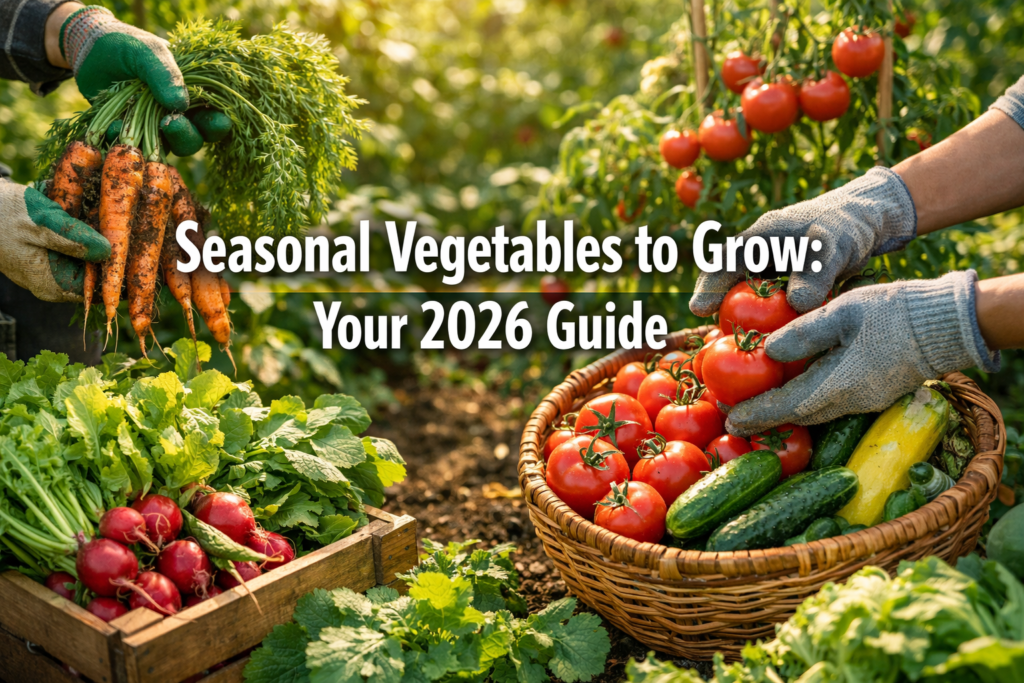
Ever dreamed of harvesting fresh, delicious produce right from your backyard or balcony? Growing seasonal vegetables is a rewarding endeavor that connects you with nature, provides fresh food, and can even save you money. This guide will walk you through everything you need to know about which seasonal vegetables to grow in 2026, when to plant them, and how to ensure a successful harvest.
Key Takeaways
- Grow for Flavor & Nutrition: Seasonal vegetables offer peak flavor and nutritional value when harvested at their prime.
- Optimal Timing is Key: Plant cool-season crops in early spring and fall, and warm-season crops after the last frost.
- Spring Essentials: Peas, leafy greens, and early brassicas are ideal for early spring planting as soon as the soil is workable.
- Summer’s Bounty: Tomatoes, peppers, cucumbers, beans, and squash thrive in warm, frost-free conditions.
- Fall Harvests: Kale, carrots, spinach, and root vegetables can extend your gardening season into cooler months.
- Winter Options: In milder climates or with protection, some hardy greens and root vegetables can continue producing.
- Soil Matters: Ensure your soil is compost-rich and at the correct temperature for optimal seed germination and plant growth.
- Small Space Solutions: Many seasonal vegetables can be successfully grown in containers or vertical gardens, perfect for urban dwellers.
Quick Answer
Growing seasonal vegetables involves selecting crops that naturally thrive in specific environmental conditions throughout the year, ensuring optimal growth, flavor, and yield. This approach typically means planting cool-season crops like spinach and peas in spring and fall, and warm-season crops such as tomatoes and beans once all danger of frost has passed in late spring or early summer, allowing gardeners to enjoy fresh produce aligned with nature’s rhythm.
Why Grow Seasonal Vegetables?
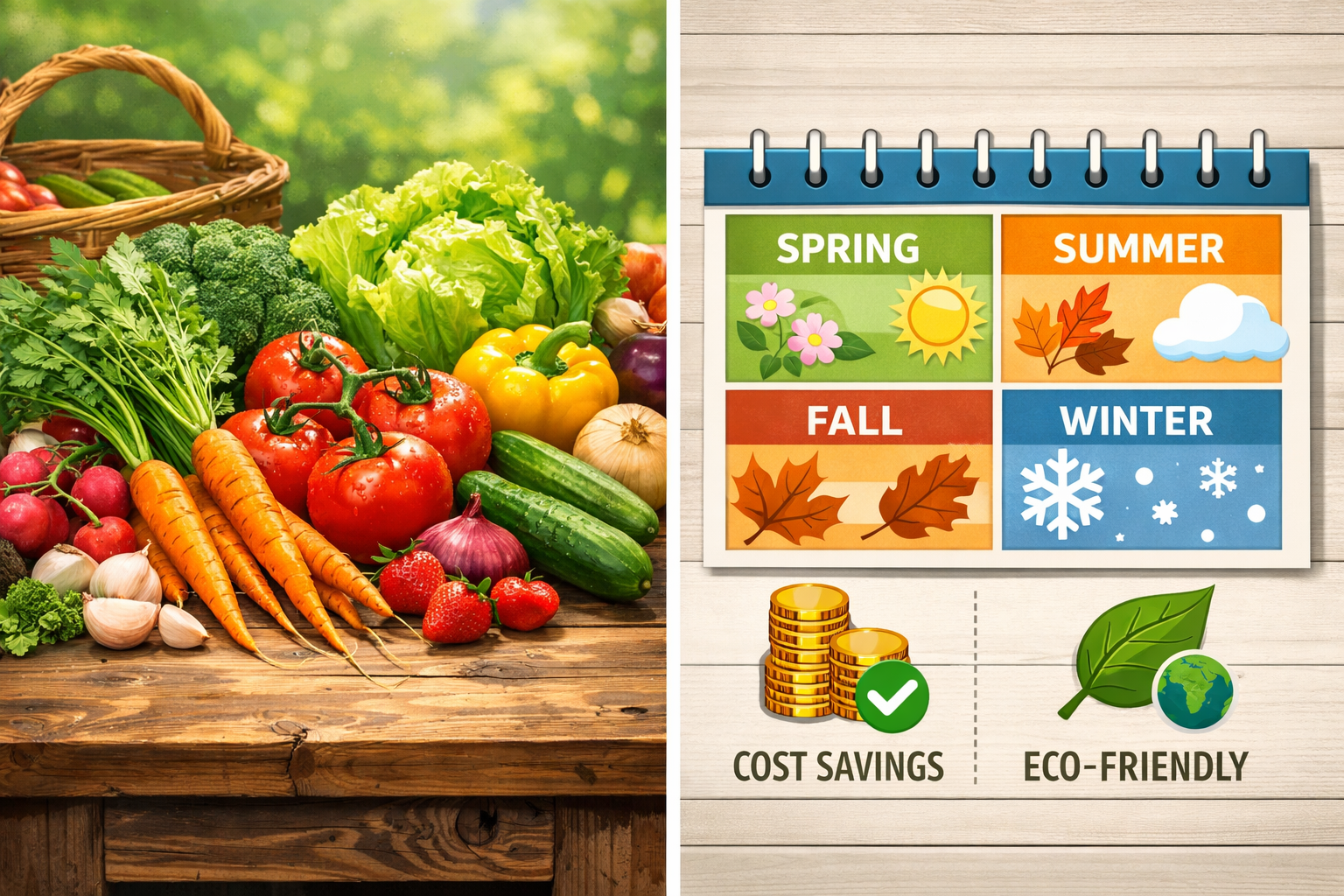
Growing seasonal vegetables offers numerous advantages, from enhanced flavor and nutrition to environmental benefits and cost savings. When you cultivate crops in their appropriate season, they flourish in natural conditions, requiring less intervention and producing a higher quality harvest.
Opting to grow vegetables in their natural season ensures they are harvested at their peak, delivering superior taste and nutritional content compared to out-of-season produce. These vegetables typically require less artificial heating or cooling, reducing their carbon footprint, and can also be more resistant to pests and diseases that are less prevalent during their optimal growing window. For urban gardeners or those with limited space, selecting appropriate seasonal vegetables can maximize yield in smaller areas, turning even a balcony into a productive garden [5]. Consider planting a variety of crops that mature at different times within a season to ensure a continuous harvest.
Benefits of Growing Seasonal Vegetables:
- Superior Flavor and Nutrition: Vegetables picked in season are at their freshest, tastiest, and most nutrient-dense.
- Reduced Environmental Impact: Less need for greenhouses, long-distance transport, and chemical interventions.
- Cost Savings: Growing your own seasonal produce can significantly cut down on grocery bills.
- Easier Maintenance: Plants are naturally adapted to the weather, requiring less effort to thrive.
- Pest and Disease Resistance: Healthy plants grown in ideal conditions are often more resilient.
💡 Decision Rule: Choose to grow seasonal vegetables if you prioritize fresh, flavorful, and nutritious food while also aiming to reduce your environmental impact and grocery expenses. This method is particularly rewarding for those looking to deepen their connection with their food source.
Top Seasonal Vegetables to Grow in 2026
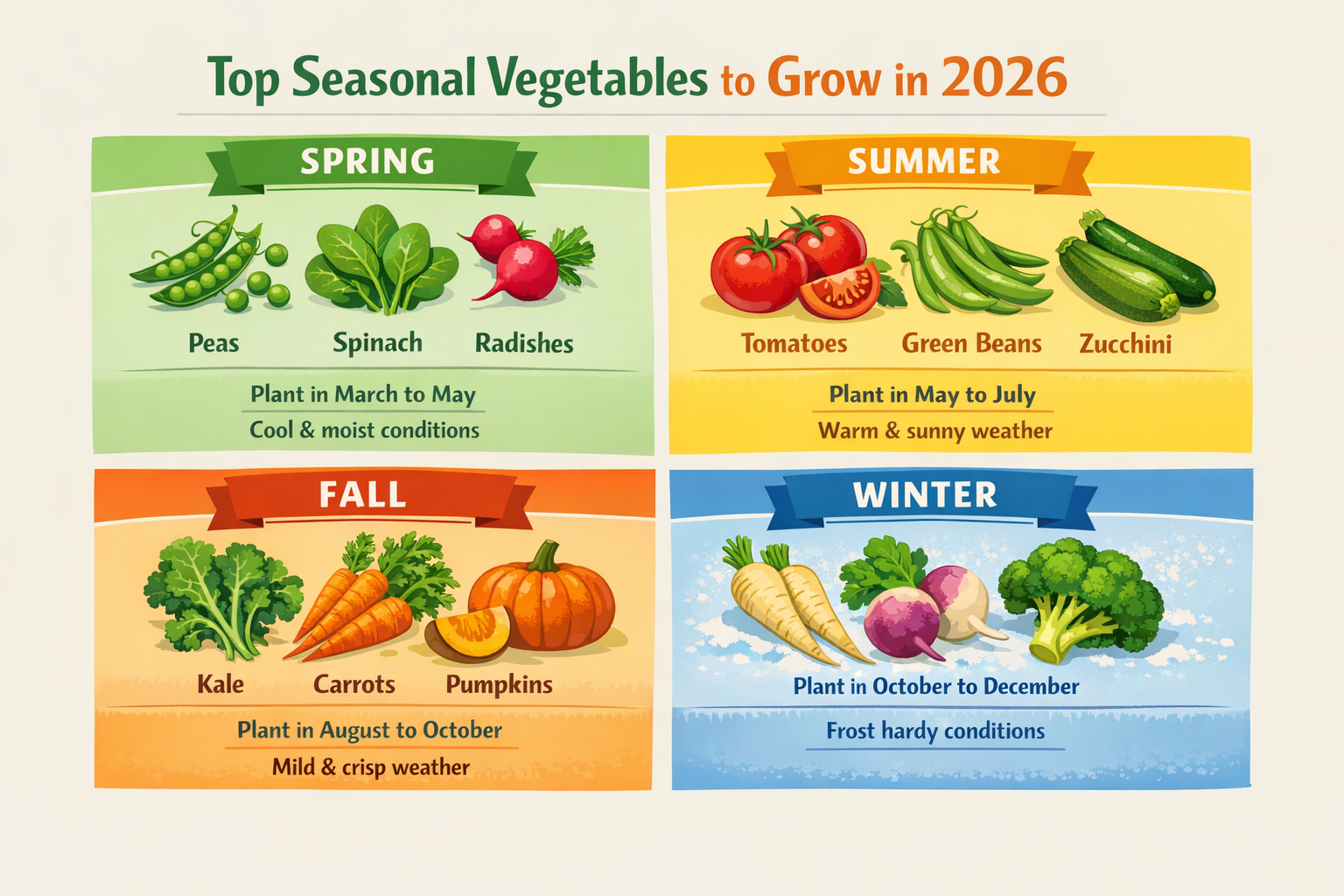
Successful gardening in 2026 hinges on knowing which vegetables thrive in each season, allowing you to plan your planting schedule effectively for a continuous harvest. Different plants have distinct preferences for temperature, sunlight, and moisture, making seasonal timing crucial for optimal growth.
For early spring, consider cool-season crops such as peas, which are highly recommended for early planting [1]. Leafy greens like spinach and lettuce, along with early brassicas such as kale, can also be sown outdoors as soon as the soil becomes workable [1]. As the weather warms, late spring and early summer become ideal for heat-loving plants like tomatoes, peppers, and cucumbers, which should be hardened off and planted once soil temperatures consistently rise [2]. Beans, squash, and melons are perfect for direct sowing into warm soil once frost danger has passed [2].
Spring Vegetables 🌱
Spring is the season for cool-season crops that prefer mild temperatures and can tolerate light frosts.
- Peas: A top early-spring crop, peas can be sown outdoors as early as March 2-4, 2026, where the soil is workable [1]. They love cool weather and will produce sweet pods.
- Leafy Greens: Lettuce, spinach, and Swiss chard can be sown in late February or early March [1]. These quick growers provide an early harvest.
- Radishes: These fast-growing root vegetables mature in as little as 3-4 weeks. Plant them directly in the soil.
- Kale: An early brassica, kale can be planted outdoors in early March [1]. It’s hardy and continues to produce as the weather warms.
- Onions: Plant onion sets or seeds in early spring for a summer harvest [3].
Summer Vegetables ☀️
Summer is prime time for warm-season vegetables that require plenty of sunlight and consistent warmth.
- Tomatoes: Start seeds indoors early and transplant seedlings after the last frost once the soil reaches warm temperatures [2].
- Peppers: Similar to tomatoes, peppers need warm conditions. Harden off and transplant seedlings once the danger of frost is over [2].
- Cucumbers: Direct sow seeds or transplant seedlings once the soil is consistently warm [2]. Provide support for vining varieties.
- Beans: Both bush and pole beans can be direct-sown into warm soil [2]. They are prolific producers throughout summer.
- Squash: Summer squash (e.g., zucchini, yellow squash) and winter squash varieties (e.g., butternut, acorn) thrive in warm conditions when direct-sown into warm soil [2].
- Eggplant: These heat-lovers should be planted out after all danger of frost has passed and soil is warm [2].
Fall Vegetables 🍂
Fall gardening extends your harvest, focusing on cool-season crops that can tolerate light frosts and benefit from cooler temperatures.
- Kale: Re-plant or continue harvesting from spring plantings. The flavor often improves after a light frost.
- Spinach: A great choice for fall sowing, as cooler temperatures prevent bolting.
- Carrots: Direct sow in late summer for a fall harvest. Cooler soil can make them sweeter [3].
- Beets: Plant seeds in late summer for a fall crop of both roots and greens [3].
- Turnips: These root vegetables can be planted in late summer or early fall [3].
- Cabbage: Plant seedlings in late summer for a fall harvest [3].
Winter Vegetables ❄️
In milder climates or with protection (like cold frames or row covers), some hardy vegetables can continue to grow through winter.
- Parsnips: These root vegetables sweeten after a frost and can be left in the ground until needed [3].
- Winter Radishes: Varieties like daikon can be grown in fall and stored or harvested through early winter.
- Some Leafy Greens: Varieties of kale and spinach can overwinter in protected environments, offering small harvests.
| Season | Ideal Planting Period (2026) | Example Vegetables | Key Conditions |
|---|---|---|---|
| Spring | Late Feb – Early May | Peas, Lettuce, Radishes, Kale | Cool soil (45°F/7°C), light frost tolerance |
| Summer | Late May – July | Tomatoes, Peppers, Beans, Zucchini | Warm soil (60°F+/15°C+), frost-free |
| Fall | Late July – Sept | Carrots, Beets, Spinach, Cabbage | Cooling temperatures, prepares for frost |
| Winter | Oct – Nov (Mild Climates) | Parsnips, Hardy Kale, Winter Radishes | Protected environment, frost-tolerant |
Essential Steps for Growing Seasonal Vegetables
Successfully growing seasonal vegetables involves several key steps, from proper planning and seed starting to ongoing care and harvesting. Following these guidelines will maximize your yield and ensure healthy plants.
Before planting, it is crucial to prepare your garden space. This means ensuring your soil is rich in compost, which provides essential nutrients for plant growth [2]. For cool-season direct sowing, target a soil temperature around 45°F (7°C), while warm-season planting requires warmer, frost-free conditions [2]. Pay attention to local frost dates; for instance, tomatoes and peppers should only be planted out once all danger of frost has passed and the soil is sufficiently warm [2]. For those with limited space, consider vertical gardening solutions or container gardening to grow a wide variety of seasonal vegetables efficiently [https://minispacegarden.com/vertical-gardening-guide-for-small-spaces/].
1. Plan Your Garden Layout
Before you sow a single seed, visualize your garden. Consider sunlight exposure (most vegetables need 6-8 hours of direct sun), water access, and the mature size of your plants. If you’re working with a small space, explore options like container gardening or vertical gardening to maximize your yield. Crop rotation is also beneficial to prevent nutrient depletion and pest buildup.
2. Prepare Your Soil
Healthy soil is the foundation of a successful garden. Amend your soil with organic matter like compost to improve fertility, drainage, and water retention. A soil test can help you understand your soil’s pH and nutrient levels, allowing you to make targeted amendments. For warm-season planting, aim for compost-rich soil [2].
3. Choose the Right Seeds or Starts
Select vegetable varieties that are well-suited to your local climate and growing season. Pay attention to “days to maturity” on seed packets. For some crops like tomatoes and peppers, starting seeds indoors 6-8 weeks before the last frost date can give them a head start. For more tips on getting started, refer to our beginner’s guide to plant care 2026.
4. Plant at the Correct Time
Timing is paramount for seasonal vegetables.
- Cool-Season Crops: Direct sow when soil temperatures are around 45°F (7°C) [2]. In 2026, ideal days for sowing leafy greens and early brassicas outdoors include February 25-27 and March 2-4 [1].
- Warm-Season Crops: Plant after the last frost date when soil temperatures are consistently warm. This usually means hardening off seedlings like tomatoes and peppers and planting them out, or direct-sowing beans and squash into warm soil [2].
5. Provide Consistent Care
Once planted, ongoing care is crucial.
- Watering: Water deeply and regularly, especially during dry spells. Avoid overhead watering to prevent fungal diseases. Learn how often you should water plants for best results.
- Weeding: Keep weeds at bay, as they compete with your vegetables for water and nutrients.
- Pest and Disease Management: Monitor your plants regularly for any signs of pests or diseases and address them promptly using organic methods if possible.
- Fertilizing: Supplement with organic fertilizers as needed, based on your soil test results and plant growth.
6. Harvest at Peak Ripeness
Harvest your seasonal vegetables when they are at their prime for the best flavor and texture. Regular harvesting also encourages many plants to produce more. Know the signs of ripeness for each vegetable you’re growing.
Common Mistakes When Growing Seasonal Vegetables
Even experienced gardeners can make mistakes, but understanding common pitfalls when growing seasonal vegetables can significantly improve your success rate. Avoiding these errors ensures your plants thrive and produce bountiful harvests.
One frequent mistake is planting too early or too late for the specific season, which exposes plants to unsuitable temperatures and can stunt growth or lead to bolting [2]. For instance, cool-season crops planted in summer heat will often bolt quickly, while warm-season plants like tomatoes will suffer from frost if planted before the soil is consistently warm [2]. Another common error is neglecting soil health, as poor soil can lead to nutrient deficiencies and weakened plants. Overwatering or underwatering, a fundamental aspect of plant care, also regularly causes issues, either by suffocating roots or leading to dehydration.
- Planting at the Wrong Time: This is perhaps the most common mistake. Sowing cool-season crops like lettuce in the heat of summer will likely lead to bolting, while planting warm-season crops like tomatoes too early in spring can result in frost damage. Always check your local frost dates and soil temperatures [2].
- Ignoring Soil Health: Poor soil leads to poor plants. Neglecting to amend your soil with compost or address nutrient deficiencies can severely limit growth and yield. Regular soil testing can prevent this.
- Inconsistent Watering: Both overwatering and underwatering can stress plants. Overwatering can lead to root rot, while underwatering causes wilting and reduced fruit set. Establish a consistent watering schedule appropriate for your climate and plant needs [https://minispacegarden.com/how-often-should-you-water-plants/].
- Overcrowding Plants: While it’s tempting to maximize space, overcrowding leads to poor air circulation, increased disease risk, and competition for resources. Always follow spacing recommendations on seed packets.
- Lack of Sunlight: Most vegetables require at least 6-8 hours of direct sunlight per day. Planting in shady areas will result in leggy plants and reduced yields.
- Neglecting Pest and Disease Management: Failing to regularly inspect plants for pests and diseases can allow problems to escalate quickly, potentially ruining a harvest. Early detection and intervention are key.
- Not Hardening Off Seedlings: If you start seeds indoors, abruptly moving them outdoors can shock them. Gradually acclimatize seedlings to outdoor conditions over a week or two before transplanting [2].
Maximizing Your Harvest of Seasonal Vegetables to Grow
To get the most out of your seasonal vegetable garden in 2026, implement strategies that promote continuous production and extend your growing season. Thoughtful planning and proactive care can significantly increase your yields.
Consider succession planting, which involves planting small batches of quick-maturing crops every few weeks. This ensures a steady supply rather than a single, overwhelming harvest. For instance, plant lettuce or radishes every 2-3 weeks in spring. Additionally, explore companion planting, where certain plants are grown together to deter pests or enhance growth, like planting marigolds near tomatoes. For those with limited area, utilizing vertical gardening techniques can dramatically increase your harvest footprint without requiring more ground space.
Succession Planting
For quick-growing crops like lettuce, spinach, radishes, and bush beans, plant small batches every 2-3 weeks. This ensures a continuous harvest rather than all plants maturing at once. Once one crop finishes, you can prepare the bed for the next planting.
Extending the Season
- Row Covers and Cold Frames: For cool-season crops, these can protect plants from early and late frosts, allowing you to plant earlier in spring and harvest later into fall or even winter.
- Shade Cloths: In very hot climates, shade cloths can protect tender plants from intense summer sun, preventing bolting and sunburn.
- Greenhouses: A small greenhouse can extend your growing season significantly, allowing you to start seeds earlier and grow cool-season crops year-round.
Smart Space Utilization
- Vertical Gardening: Grow vining plants like cucumbers, pole beans, and some squash varieties on trellises, fences, or in vertical gardening systems to save ground space.
- Companion Planting: Strategically plant compatible vegetables together. For example, planting marigolds near tomatoes can deter nematodes, while beans can fix nitrogen, benefiting nearby corn.
- Intercropping: Plant fast-maturing crops (like radishes or lettuce) between slower-growing plants. By the time the larger plants need the space, the quicker crops will have already been harvested.
Proper Fertilization and Watering
Consistent nutrient supply and adequate water are critical. Perform regular soil tests and amend with compost or balanced organic fertilizers as needed. Always water at the base of the plant to minimize foliar diseases and aim for deep, infrequent watering to encourage strong root development.
By adopting these strategies, you can significantly enhance the productivity and longevity of your seasonal vegetable garden, ensuring a steady supply of fresh, homegrown produce throughout 2026.
Conclusion
Embarking on the journey of growing seasonal vegetables in 2026 offers a profoundly rewarding experience, connecting you to your food source and the rhythms of nature. By understanding the distinct needs of spring, summer, and fall crops, and applying effective planning and care strategies, you can cultivate a thriving garden that yields fresh, flavorful, and nutritious produce all year long. Remember, healthy soil is the cornerstone of a productive garden, and timely planting tailored to the specific demands of each season is crucial for success.
Start small, learn from your experiences, and enjoy the delicious fruits (and vegetables!) of your labor. Whether you have a vast backyard or a modest balcony, the principles of seasonal gardening remain the same, empowering you to make the most of your growing space. Happy gardening in 2026!
Related Reading
- Small Space Vegetable Gardening: 2026 Step-by-Step Guide
- Best Vegetables for Small Space Gardening in 2026
- Beginner Mistakes in Small Space Gardening 2026
FAQ
What are the best seasonal vegetables to grow in spring 2026?
The best seasonal vegetables to grow in spring 2026 include peas, leafy greens like lettuce and spinach, radishes, and early brassicas such as kale, as these crops thrive in cooler temperatures [1, 3].
When should I plant warm-season vegetables in 2026?
You should plant warm-season vegetables like tomatoes, peppers, cucumbers, and beans in 2026 after the last frost date, once the soil has warmed sufficiently and all danger of freezing temperatures has passed [2].
Can I grow vegetables in a small space?
Yes, you can absolutely grow seasonal vegetables in a small space by utilizing containers, raised beds, or vertical gardening techniques, which are excellent for balconies, patios, or urban environments.
What soil temperature is ideal for direct sowing cool-season vegetables?
The ideal soil temperature for direct sowing cool-season vegetables is around 45°F (7°C), as these crops germinate and establish well in cooler soil conditions [2].
How do I harden off vegetable seedlings?
To harden off vegetable seedlings, gradually expose them to outdoor conditions over 7-14 days by increasing their time outside each day, starting with a few hours in a sheltered spot and progressively moving them to more sun and wind [2].
What are good fall seasonal vegetables to grow?
Good fall seasonal vegetables to grow include kale, spinach, carrots, beets, and turnips, as these crops tolerate cooler temperatures and can often be harvested into early winter [3].
What is succession planting?
Succession planting is a technique where you plant small batches of quick-maturing crops every few weeks to ensure a continuous, staggered harvest rather than a single, large yield.
How can I extend my gardening season?
You can extend your gardening season by using season extenders like row covers, cold frames, or greenhouses, which protect plants from frost and allow for earlier planting and later harvesting.
References
[1] Gardening – https://www.farmersalmanac.com/calendar/gardening
[2] What To Do In The Garden In 2026 Month By Month Checklist – https://www.gardenary.com/blog/what-to-do-in-the-garden-in-2026-month-by-month-checklist
[3] Time Planting – https://ucanr.edu/program/uc-master-gardener-program/time-planting
[5] Urban Farming Planting Calendar – https://sandiegoseedcompany.com/product/tools-and-merchandise/urban-farming-planting-calendar/