Pest Control for Small Gardens: 2026 Expert Guide
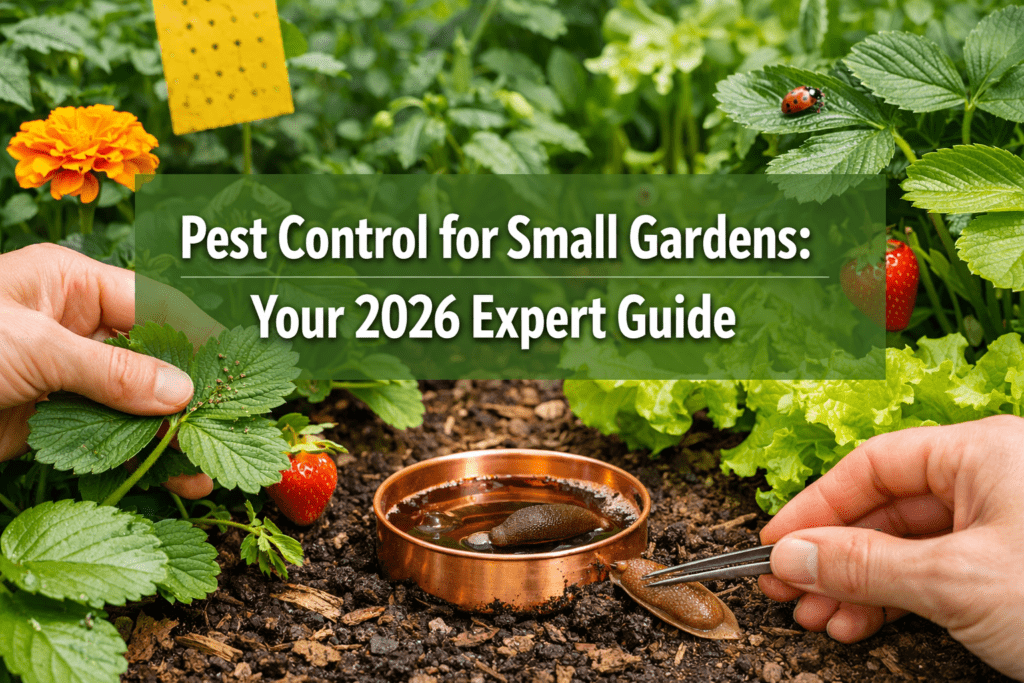
Pests can quickly turn a thriving small garden into a disheartening sight, consuming your hard work and anticipated harvests. Effective Pest Control for Small Gardens involves proactive strategies, early detection, and targeted interventions that prioritize the health of your plants and the environment. This guide will equip you with practical, sustainable methods to protect your garden throughout 2026.
Key Takeaways
- Integrated Pest Management (IPM) is the most sustainable and effective approach for small garden pest control.
- Routine scouting and early detection are crucial for preventing minor pest issues from becoming major infestations.
- Physical barriers, hand removal, and beneficial insects are often the first and most effective lines of defense.
- Cultural practices like crop rotation and companion planting naturally reduce pest pressure.
- Pesticides, especially organic options, should be a last resort, used only when pest populations exceed tolerance levels.
- Education on pest identification and life cycles significantly improves management outcomes.
- Small gardens allow for higher tolerance thresholds for pests compared to larger commercial operations.
- Many pest control methods suitable for containers and raised beds are chemical-free.
Quick Answer
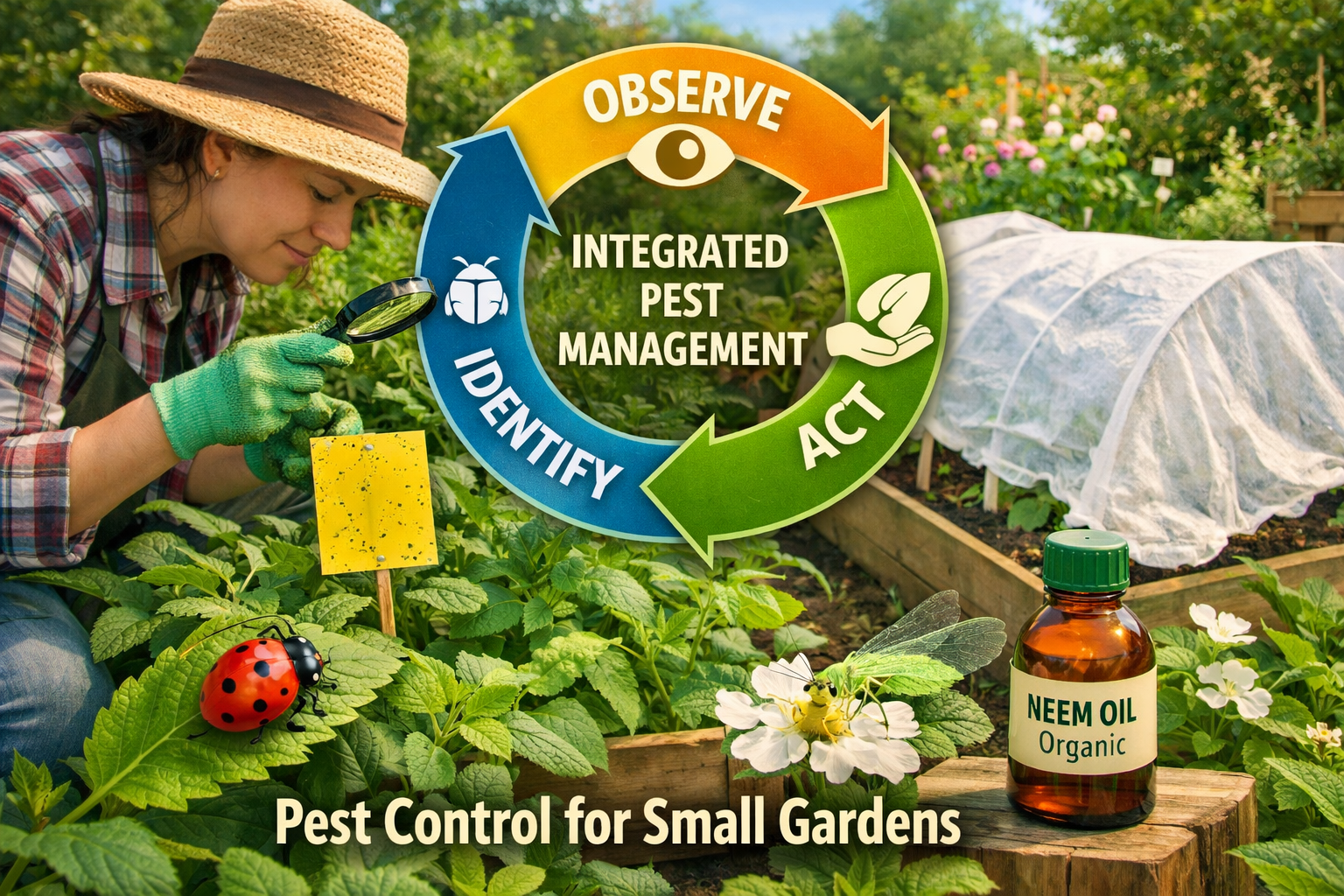
Effective pest control for small gardens centers on Integrated Pest Management (IPM), a strategy that combines prevention, monitoring, and various low-risk interventions. This includes using physical barriers, fostering beneficial insects, practicing good garden hygiene, and applying targeted, eco-friendly treatments only when necessary to keep your plants healthy without harming the environment.
What is Integrated Pest Management (IPM) for Small Gardens?
Integrated Pest Management (IPM) for small gardens is a holistic, knowledge-based approach that prioritizes long-term pest prevention and the minimization of environmental harm by using a combination of methods. It starts with preventive measures and low-risk solutions before considering more intensive interventions [2]. For the small garden, IPM means understanding the life cycle of pests and their natural enemies, then using this knowledge to make informed decisions.
The core principles of IPM include:
- Prevention: The first line of defense is creating a healthy garden environment that naturally deters pests. This involves choosing disease-resistant varieties, maintaining soil health, and practicing good sanitation.
- Monitoring: Regularly inspecting your plants for signs of pests or damage. Weekly scouting is a foundational practice [2]. Early detection allows for immediate, less aggressive intervention.
- Identification: Correctly identifying pests and beneficial insects is critical. Knowing what you’re dealing with helps you choose the most effective and least harmful control method.
- Thresholds: Determining an acceptable level of pest presence before taking action. For small gardens, often a higher tolerance is acceptable compared to commercial farms, as minor damage might not impact overall yield [1].
- Intervention: Applying appropriate control methods, starting with the least invasive. These methods range from cultural practices to physical removal, biological controls, and finally, targeted pesticides.
For instance, if I spot a few aphids on a single kale leaf during my weekly inspection, my tolerance threshold for my personal garden might allow me to simply squish them or rinse them off with water, rather than immediately reaching for a spray. This targeted, low-impact action aligns perfectly with IPM. This approach is particularly effective in confined spaces like container gardening or balcony gardening, where you can easily observe individual plants.
How Can I Prevent Pests in My Small Garden?
Preventing pests in your small garden involves proactive cultural practices that create an environment unfavorable to pests and favorable to plant health. These methods form the foundation of effective Pest Control for Small Gardens.
Here are key preventive strategies:
- Choose Resistant Varieties: Select plant varieties known to be resistant to common local pests and diseases. Research local university extension guides for recommendations specific to your region in 2026 [3].
- Healthy Soil: Good soil health promotes vigorous plant growth, making plants more resilient to pest attacks. Incorporate organic matter and use appropriate fertilizers. For more on soil, see our Soil Basics for Container Gardening: 2026 Expert Guide.
- Proper Watering: Avoid overwatering or underwatering, as stressed plants are more susceptible to pests. Learn more with our How Often Should You Water Plants? Ultimate Guide 2026.
- Crop Rotation: If you have multiple small beds or containers, rotate your crops annually to break pest and disease cycles in the soil.
- Sanitation: Remove diseased leaves, fallen fruit, and weeds regularly. Weeds can harbor pests and diseases. Clean tools after use to prevent spreading pathogens.
- Companion Planting: Strategically plant certain species together. For example, marigolds can deter nematodes and other pests, while nasturtiums can act as a trap crop, drawing aphids away from other plants.
- Attract Beneficial Insects: Plant flowering plants like dill, cilantro, cosmos, and sunflowers to attract natural predators such as ladybugs, lacewings, and parasitic wasps, which feed on common garden pests.
- Proper Spacing: Ensure adequate air circulation by spacing plants correctly. Overcrowding can lead to humidity, promoting fungal diseases and hiding places for pests. This is especially important in small space vegetable gardening.
A common mistake is neglecting garden hygiene, especially in fall. Leaving fallen leaves and spent plants can provide overwintering sites for pests, leading to higher infestations in the spring. Regularly clearing debris is a simple but powerful preventive measure.
What Are Effective Physical and Cultural Control Methods?
Effective physical and cultural control methods are non-chemical approaches that directly deter, block, or remove pests from your small garden. These are often the first interventions used in Pest Control for Small Gardens because they are safe, immediate, and environmentally friendly.
Here’s a breakdown of common techniques:
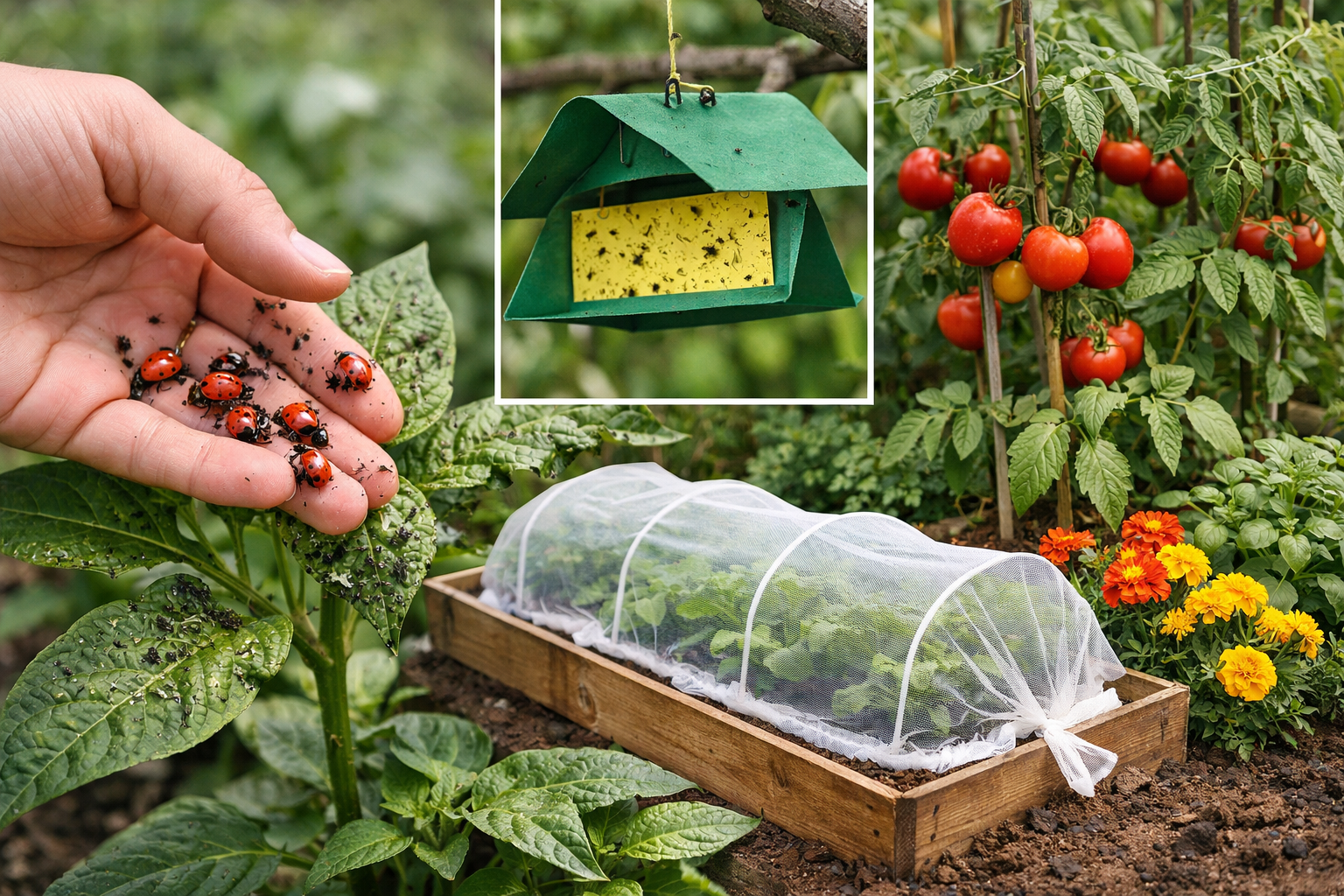
- Hand Picking: For larger pests like slugs, snails, hornworms, and Colorado potato beetles, hand-picking is highly effective, especially in a small garden where you can easily inspect each plant. Do this in the early morning or evening.
- Row Covers: Lightweight, breathable fabric covers can physically block insects from reaching your plants. They are excellent for protecting young seedlings from flea beetles, cabbage worms, and squash bugs. Choose a cover that allows light and water through.
- Sticky Traps: Yellow sticky cards are effective for monitoring and trapping flying insects like whiteflies, aphids, fungus gnats, and thrips. Blue sticky traps are particularly good for thrips.
- Water Sprays: A strong jet of water can dislodge aphids, spider mites, and whiteflies from plant leaves. Repeat every few days until the pests are gone.
- Barriers: For slugs and snails, consider barriers like copper tape around raised beds or diatomaceous earth sprinkled around vulnerable plants.
- Pruning: Remove and destroy any heavily infested leaves or branches to reduce pest populations.
- Weed Control: Regularly remove weeds, which can host pests and compete with your garden plants for resources.
- Trap Cropping: Plant a crop that pests prefer more than your main crop nearby. For example, nasturtiums can draw aphids away from your beans. Once the trap crop is infested, you can remove and destroy it.
For instance, if I notice cucumber beetles on my squash plants, I can immediately deploy a floating row cover over the plants. This physical barrier prevents the beetles from accessing the leaves and laying eggs, often saving the crop without any sprays. This method is particularly feasible in vertical gardening or container gardening, where plant clusters are often smaller and easier to cover.
How Can I Use Beneficial Insects for Natural Pest Control?
Utilizing beneficial insects is a powerful, biological strategy for Pest Control for Small Gardens, leveraging nature’s own predators and parasites to manage pest populations. This approach dramatically reduces the need for chemical interventions.
To effectively use beneficial insects:
- Attract Local Predators: The most sustainable method is to create a welcoming habitat for beneficial insects already present in your area. This involves planting diverse flowering plants that provide nectar and pollen, which are food sources for adult beneficials. Examples include dill, cilantro, cosmos, sweet alyssum, and marigolds.
- Identify Good Bugs: Learn to distinguish common beneficial insects from pests. Key beneficials include:
- Ladybugs: Excellent predators of aphids, scale insects, and mites.
- Lacewings: Larvae are voracious eaters of aphids, thrips, and whiteflies.
- Hoverflies: Larvae feed on aphids; adults are important pollinators.
- Parasitic Wasps: Lay eggs inside pest insects like aphids, caterpillars, and whiteflies, effectively killing the host.
- Predatory Mites: Target spider mites.
- Avoid Broad-Spectrum Pesticides: Even organic pesticides can harm beneficial insects. If you must spray, use targeted, short-residual products and apply them when beneficials are less active (e.g., late evening).
- Purchase Beneficials (Use with Caution): You can buy beneficial insects like ladybugs or lacewing larvae from garden supply stores. However, this is often a short-term solution for localized problems. Release them in the evening to encourage them to stay, and ensure there’s a pest population for them to feed on. This method can be successful in small-scale, contained environments like indoor gardening where predators are less likely to disperse [1].
One crucial tip: if you purchase ladybugs, release them near an active aphid infestation in the evening. This increases the likelihood they will stay and begin feeding rather than flying away immediately. Research shows transitioning to biological controls, like using beneficial insects, can lead to a significant decrease in overall pest insects, as demonstrated by a project that shifted 90% of display Chrysanthemums to beneficial insect management with excellent results [1].
When Should I Consider Organic Pesticides?
Organic pesticides should be considered a last resort in Pest Control for Small Gardens, only after cultural, physical, and biological methods have proven insufficient and pest populations exceed your established tolerance thresholds. The goal is to minimize their use to protect beneficial insects and the environment.
When considering organic pesticides:
- Confirm Pest Identification: Ensure you know exactly what pest you’re targeting. Using the wrong product is ineffective and can harm non-target organisms.
- Assess Infestation Level: Only apply if the pest population is causing significant damage or is likely to overwhelm your plants. A few chewed leaves might be tolerable; widespread defoliation is not.
- Choose the Right Product:
- Neem Oil: Disrupts insect feeding and growth. Effective against aphids, spider mites, whiteflies, and other soft-bodied insects. Always follow label instructions.
- Insecticidal Soaps: Suffocates soft-bodied insects on contact. Requires direct contact with the pest.
- Bacillus thuringiensis (Bt): A biological pesticide specific to caterpillars. It’s safe for humans, pets, and beneficial insects.
- Pyrethrins: Derived from chrysanthemums, they have a quick knockdown effect but are broad-spectrum and can harm beneficials. Use sparingly.
- Read Labels Carefully: Always follow application rates, safety precautions, and re-entry intervals. Even organic pesticides can be harmful if misused.
- Spot Treat: Target only the infested areas rather than blanket spraying your entire garden. This reduces exposure for beneficials.
- Apply at the Right Time: Spray in the early morning or late evening when temperatures are cooler, and beneficial insects like bees are less active.
A common mistake is applying pesticides preventatively without a confirmed pest problem. Reduction of preventative pesticide intervention can be done within the context of an IPM program without seeing a serious increase in pest pressure [1]. Instead, focus on routine scouting and only intervene when necessary.
What Are Common Pest Control Mistakes to Avoid?
Avoiding common mistakes is as crucial as implementing effective strategies for Pest Control for Small Gardens. Many errors can inadvertently worsen pest problems or harm your garden ecosystem.
Here are key mistakes to avoid:
- Ignoring Early Signs: Waiting until an infestation is severe makes control much harder. Routine scouting, ideally weekly, allows for early detection and easier management [2]. Small gardens make this easy, so don’t skip it!
- Misidentifying Pests: Applying the wrong treatment for an incorrectly identified pest is a waste of time and resources and can harm beneficial insects or even your plants. Take time to properly identify the pest before acting.
- Over-Reliance on Chemical Solutions: Immediately reaching for a pesticide bypasses more sustainable and often more effective long-term solutions. This can kill beneficial insects, leading to secondary pest outbreaks.
- Neglecting Cultural Practices: Skipping basic tasks like proper watering, soil health, and sanitation creates a weak environment that invites pests. These practices are the backbone of prevention.
- Not Reading Pesticide Labels: Even organic pesticides require careful application. Ignoring instructions can lead to ineffective control, plant damage (phytotoxicity), or harm to yourself and the environment.
- Introducing Invasive Species: Be cautious when bringing new plants or soil into your garden. Always inspect them for pests to avoid introducing new problems. Research shows invasive pests are outpacing research in some regions [6].
- Treating Beneficial Insects as Pests: Accidentally harming ladybugs, lacewings, or other beneficials because you didn’t recognize them can disrupt your garden’s natural pest control system.
- Poor Timing of Applications: Applying treatments at the wrong time of day (e.g., in hot sun) can damage plants or reduce the effectiveness of the product. Applying when beneficials are active (e.g., during midday for bees) can harm them.
For example, a common mistake for beginner gardeners is to see a few ants on a peony bud and immediately assume they are a pest, when in reality, they are often there to collect nectar from the buds and are not directly harming the plant. Knowing your garden’s ecosystem prevents unnecessary intervention. This is particularly relevant when growing easy plants to grow in small spaces (2026 Guide), as you want to keep them easy!
Conclusion
Effective Pest Control for Small Gardens is an ongoing, rewarding process that relies on vigilance, knowledge, and a commitment to sustainable practices. By adopting an Integrated Pest Management (IPM) approach, you can significantly reduce pest pressure without resorting to harsh chemicals, fostering a healthier and more productive garden ecosystem. Prioritizing prevention, routine monitoring, and utilizing natural controls like beneficial insects and physical barriers will empower you to manage pests proactively.
Actionable Next Steps:
- Start Scouting Weekly: Dedicate 10-15 minutes each week to thoroughly inspect your plants, especially the undersides of leaves.
- Identify Pests Accurately: Use reliable resources (local extension offices, online guides) to correctly identify any pests or diseases you find.
- Implement Cultural Controls: Ensure your garden has healthy soil, proper spacing, and good sanitation.
- Introduce Beneficials: Plant flowers that attract native beneficial insects or consider purchasing them for targeted release if needed.
- Use Targeted Treatments: If interventions are necessary, start with physical removal or organic, spot treatments before considering broader applications.
By embracing these principles, your small garden can thrive, providing beauty and bountiful harvests throughout 2026 and beyond.
FAQ
Q: How often should I check my small garden for pests?
A: You should check your crops for pests at least once a week, ideally in the early morning or late evening, to catch problems early [2].
Q: Are organic pesticides always safe for beneficial insects?
A: No, many organic pesticides, especially broad-spectrum ones like pyrethrins, can still harm beneficial insects. Use them sparingly and only when necessary.
Q: What are the best plants to attract beneficial insects?
A: Plants like dill, cilantro, cosmos, sweet alyssum, marigolds, and sunflowers are excellent for attracting beneficial insects by providing nectar and pollen.
Q: Can companion planting really deter pests effectively?
A: Yes, companion planting can effectively deter some pests and attract beneficials, but it’s part of a broader IPM strategy and not a standalone solution.
Q: What is a pest tolerance threshold?
A: A tolerance threshold is the level of pest presence or damage you are willing to accept before taking action. Small gardens often allow for higher thresholds than commercial operations [1].
Q: How do I get rid of slugs and snails in a small garden?
A: Hand-picking, setting beer traps, applying copper tape barriers, or sprinkling diatomaceous earth around plants are effective methods for slugs and snails.
Q: What are floating row covers used for?
A: Floating row covers are lightweight fabrics used to physically block flying and crawling insects from reaching plants, protecting them from damage.
Q: Is it okay to use general-purpose insect sprays in my small garden?
A: It is generally best to avoid general-purpose insect sprays as they can kill beneficial insects alongside pests, leading to worse problems in the long run. Opt for targeted solutions.
Q: Where can I learn more about specific pests in my region?
A: Your local university extension office or cooperative extension service is an excellent resource for identifying regional pests and recommended control methods [3].
References
[1] academic.oup – https://academic.oup.com/jipm/article/15/1/42/7889314
[2] Sustainable Pest Management – https://www.sare.org/publications/best-practices-for-the-sustainable-urban-farm/sustainable-pest-management/
[3] 01 14 2026 Ark New Guides – https://www.uaex.uada.edu/media-resources/news/2026/january/01-14-2026-ark-new-guides.aspx
[6] Research Shows Invasive Pests Outpacing Research In The Southeast – https://news.clemson.edu/research-shows-invasive-pests-outpacing-research-in-the-southeast/