Common Vegetable Growing Mistakes: Avoid Them in 2026
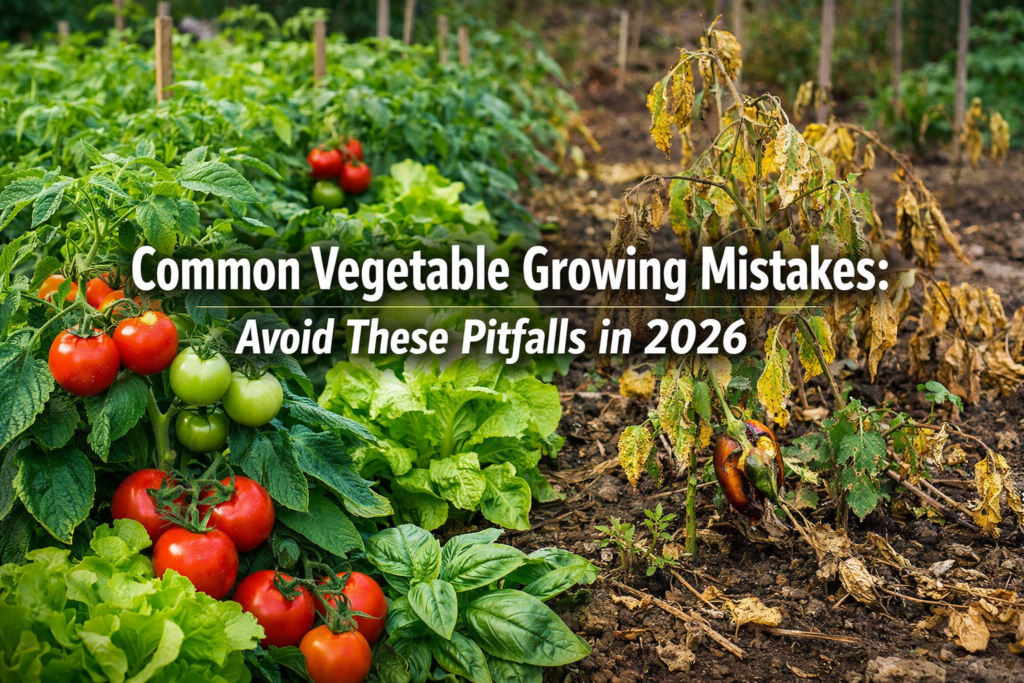
Embarking on a vegetable gardening journey can be incredibly rewarding, offering fresh produce and a connection to nature. However, it’s also common for new and even experienced gardeners to encounter hurdles. Many aspiring gardeners face a similar set of common vegetable growing mistakes that can hinder their harvest, from poor planning to improper care. Understanding these pitfalls is the first step toward cultivating a thriving garden in 2026.
Key Takeaways
- Plan Ahead: Research plant needs, climate, and garden layout before planting.
- Improve Soil Health: Focus on rich, well-draining soil, not just dirt.
- Water Wisely: Provide consistent, deep watering; avoid overwatering or underwatering.
- Ensure Adequate Light: Most vegetables need 6-8 hours of direct sun daily.
- Proper Spacing: Give plants room to grow to prevent disease and competition.
- Monitor for Pests/Diseases: Early detection and natural remedies are key.
- Fertilize Thoughtfully: Use amendments based on soil tests, not guesswork.
- Rotate Crops: Prevent nutrient depletion and pest buildup in beds.
- Start Small: Beginners should choose easy-to-grow vegetables and scale up.
Quick Answer
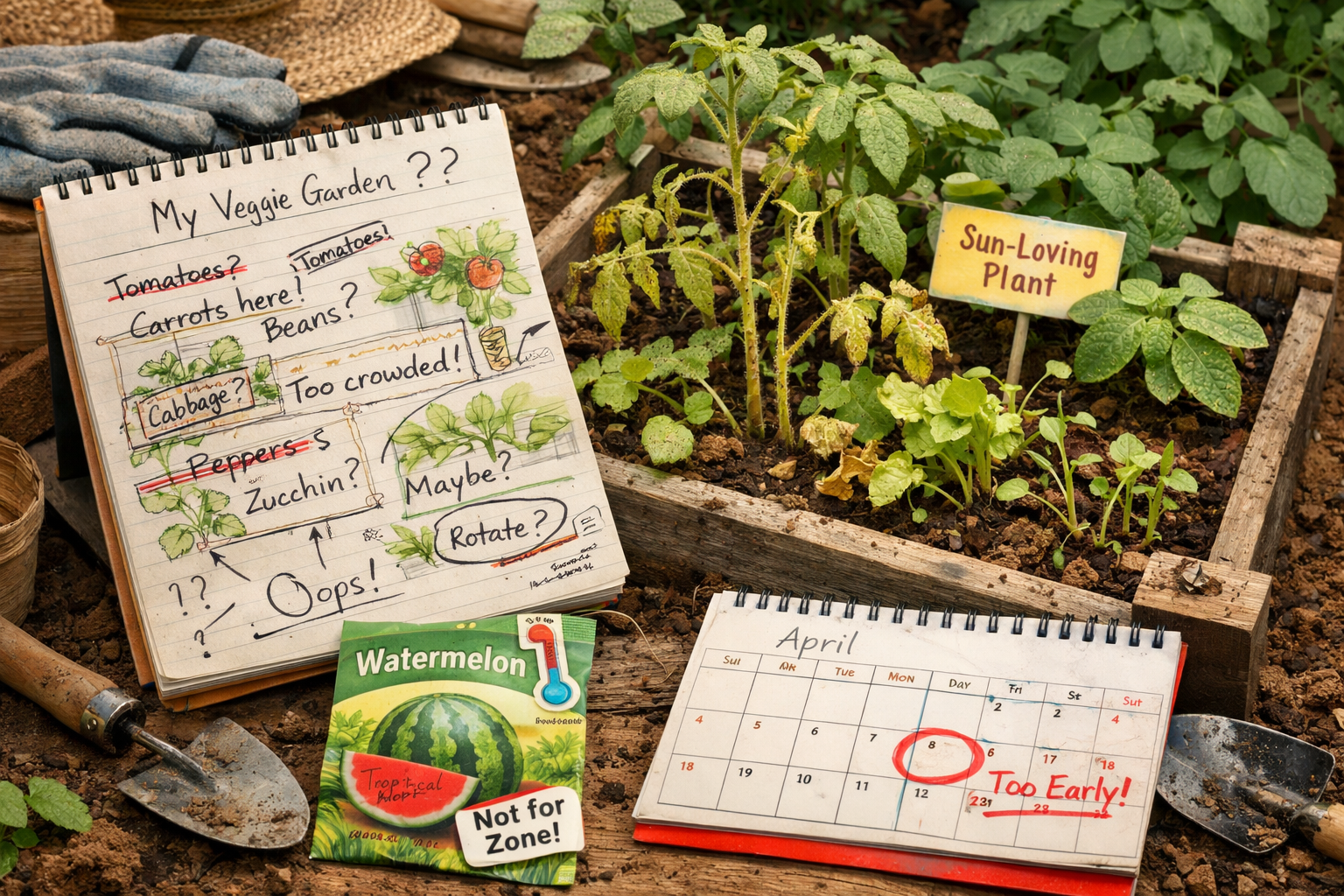
Many common vegetable growing mistakes stem from inadequate planning and improper care practices, such as incorrect watering, insufficient sunlight, poor soil quality, and neglecting pest control. Addressing these issues through informed decisions about plant selection, garden location, and consistent maintenance can significantly improve harvest success and plant health.
Why Does Planning Matter in Vegetable Gardening?
Planning is crucial in vegetable gardening because it sets the foundation for success by matching plant needs with available resources and anticipating potential challenges. Without a clear plan, gardeners often choose unsuitable plants, place them incorrectly, or overlook critical environmental factors, leading to stunted growth or crop failure [1].
The Perils of Poor Planning
Insufficient planning is a frequent cause of frustration for new gardeners. It often manifests in several ways:
- Wrong Plant, Wrong Place: Selecting vegetables that aren’t suited to your climate zone, soil type, or available sunlight is a common misstep. For example, sun-loving tomatoes won’t thrive in a shaded corner [3]. Always research a plant’s specific requirements before purchasing seeds or starts.
- Overcrowding: Planting too many seedlings too close together leads to competition for nutrients, water, and light, resulting in smaller yields and increased susceptibility to diseases [2]. Proper spacing is vital for air circulation and plant development.
- Ignoring Soil Conditions: Many beginners simply plant in existing backyard dirt, which may lack the necessary nutrients or drainage. Healthy soil is the bedrock of a productive garden.
- Lack of Crop Rotation: Planting the same vegetables in the same spot year after year depletes specific nutrients and encourages the buildup of pests and diseases specific to those crops [1]. A well-planned rotation schedule prevents these issues.
How to Plan for Success in 2026
To avoid these common vegetable growing mistakes, consider the following planning steps:
- Site Assessment: Observe your garden space throughout the day to understand sun exposure. Note areas that receive full sun (6-8+ hours), partial sun (4-6 hours), and shade.
- Soil Testing: Invest in a soil test kit to determine your soil’s pH and nutrient levels. This information guides amendments needed for optimal plant growth.
- Plant Selection: Choose vegetable varieties known to do well in your climate zone and with your specific sun exposure. Consider “Easy Plants to Grow in Small Spaces (2026 Guide)” if you’re working with limited room [https://minispacegarden.com/easy-plants-to-grow-in-small-spaces/].
- Layout Design: Sketch out your garden, marking where each plant will go. Account for mature plant size, companion planting benefits, and crop rotation for future seasons.
- Timing is Everything: Research optimal planting times for your chosen vegetables based on your local last frost date. Starting too early or too late can expose young plants to unfavorable conditions.
By taking the time to plan thoughtfully, you can preempt many of the common vegetable growing mistakes and enjoy a more successful gardening experience in 2026.
What Are the Most Common Environmental and Care Mistakes?
The most common environmental and care mistakes in vegetable gardening involve improper watering, inadequate sunlight, poor soil management, and neglecting pest and disease prevention, all of which directly impact plant health and yield. Addressing these factors is essential for robust growth [4].
Watering Woes: Too Much or Too Little
Watering is perhaps the most fundamental and frequently mishandled aspect of vegetable gardening. Both under-watering and over-watering can be detrimental.
- Under-watering: Causes wilting, stunted growth, and can make plants more susceptible to pests and diseases. Symptoms include dry, brittle leaves and soil that pulls away from the edge of the pot or bed.
- Over-watering: Leads to root rot, nutrient leaching, and fungal issues, as roots are deprived of oxygen. Yellowing leaves, mushy stems, and a persistently wet soil surface are common indicators.
- The Solution: Water deeply and consistently, aiming for the root zone. Check soil moisture by sticking your finger about an inch or two into the soil; if it feels dry, it’s time to water. Consider using a drip irrigation system for efficiency and consistency. For more details, see our guide on “How Often Should You Water Plants? Ultimate Guide 2026” [https://minispacegarden.com/how-often-should-you-water-plants/].
Sunlight: The Garden’s Lifeblood
Many vegetables, particularly fruiting varieties like tomatoes, peppers, and squash, require significant sunlight to produce a good harvest.
- Inadequate Sunlight: Plants will become leggy, pale, and produce few, if any, fruits. This is a common mistake when planting in partially shaded areas without realizing the plants’ full sun requirements.
- Excessive Sunlight/Heat Stress: In some hot climates, intense afternoon sun can scorch delicate leaves or fruits.
- The Solution: Choose a location that receives at least 6-8 hours of direct sunlight daily for most vegetables [3]. If your space is limited, consider “Vertical Gardening Guide for Small Spaces: Grow More in 2026” to maximize sun exposure [https://minispacegarden.com/vertical-gardening-guide-for-small-spaces/]. For intense heat, provide temporary shade cloth during the hottest parts of the day.
Soil Neglect: More Than Just Dirt
Ignoring soil quality is a critical oversight. Healthy soil provides structure, nutrients, and moisture retention essential for plant roots.
- Compacted Soil: Prevents roots from spreading, limits water penetration, and reduces oxygen availability.
- Nutrient Deficiencies/Imbalances: Leads to poor growth, discolored leaves, and low yields.
- The Solution: Amend your soil with organic matter like compost before planting. This improves drainage, aeration, and nutrient content. Regularly replenish compost, and consider a soil test to address specific deficiencies. For insights into amending soil, check out “Soil Basics for Container Gardening: 2026 Expert Guide” [https://minispacegarden.com/soil-basics-for-container-gardening/].
Pest and Disease Management
Failing to monitor and address pests and diseases early can quickly decimate a garden.
- Late Detection: Pests like aphids or spider mites can multiply rapidly, and fungal diseases can spread before you notice.
- Overuse of Chemicals: Applying harsh pesticides can harm beneficial insects and the environment.
- The Solution: Regularly inspect your plants for signs of trouble. Use natural pest control methods like hand-picking, insecticidal soap, or introducing beneficial insects. Practice good garden hygiene by removing diseased plant material promptly.
Common Environmental & Care Mistakes Overview
| Mistake Category | Common Symptoms | Solution / Prevention |
|---|---|---|
| Watering | Wilting, yellow leaves, root rot, stunted growth | Consistent deep watering; check soil moisture; drip irrigation |
| Sunlight | Leggy plants, pale leaves, no fruit | 6-8 hours direct sun; relocate or adjust planting |
| Soil Quality | Poor growth, compacted soil, nutrient deficiency | Amend with compost; soil testing; mulching |
| Pest/Disease | Holes in leaves, spots, wilting, insect presence | Regular inspection; natural pest control; good hygiene |
| Nutrient Imbalance | Discolored leaves (yellow, purple), poor vigor | Soil testing; balanced fertilization; organic matter |
Avoiding these common vegetable growing mistakes requires diligence and observation. By understanding the specific needs of your plants and responding appropriately, you can foster a healthier, more productive garden.
How Can New Gardeners Overcome Initial Challenges?
New gardeners can overcome initial challenges by starting small, choosing easy-to-grow plants, diligently educating themselves, and not being afraid to learn from setbacks. Simplifying the process and focusing on foundational practices will prevent overwhelming beginners [2].
Starting Small and Smart
One of the biggest “beginner mistakes” is trying to do too much too soon [2].
- Overambition: Attempting to grow a huge variety of challenging vegetables in a large garden space often leads to burnout and discouragement.
- The Solution: Begin with a small garden or a few containers. Focus on 3-5 reliable, easy-to-grow vegetables that you enjoy eating. Examples include lettuce, radishes, bush beans, or cherry tomatoes. For inspiration, explore “Best Vegetables for Small Space Gardening in 2026” [https://minispacegarden.com/vegetables-for-small-space-gardening/].
Choosing the Right Plants
Some vegetables are inherently more forgiving than others.
- Complex Crops for Beginners: Trying to grow finicky crops like artichokes or celery without prior experience can be frustrating.
- The Solution: Prioritize “low maintenance plants” that are known for their resilience. Leafy greens, herbs, and root vegetables are generally good choices for beginners. Our guide on “Low Maintenance Plants for Beginners: 7 Easy Picks (2026)” offers excellent suggestions [https://minispacegarden.com/low-maintenance-plants-for-beginners/].
Learning and Adapting
Gardening is a continuous learning process.
- Ignoring Research: Failing to look up basic plant care information or local growing conditions.
- Giving Up: Becoming discouraged by the first sign of trouble.
- The Solution: Read gardening books, watch tutorials, and consult local extension services. Embrace mistakes as learning opportunities. Keep a garden journal to track what works and what doesn’t, allowing you to refine your approach year after year.
What Role Does Soil and Nutrition Play in Avoiding Common Vegetable Growing Mistakes?
Soil and nutrition are fundamental to avoiding common vegetable growing mistakes because healthy soil provides the physical support, water retention, and nutrient supply that plants need to thrive. Neglecting soil health leads directly to weak plants, poor yields, and increased vulnerability to stress [5].
Beyond Just Dirt: The Importance of Healthy Soil
Many gardeners underestimate the importance of good soil. It’s not just a medium for roots; it’s a living ecosystem.
- Poor Soil Structure: Heavy clay soil can compact, suffocating roots and impeding drainage. Sandy soil drains too quickly, failing to retain water and nutrients.
- Lack of Organic Matter: Organic matter, like compost, is vital for improving soil structure, water retention, and providing slow-release nutrients.
- The Solution: Amend your soil with generous amounts of compost or well-rotted manure annually. This gradually transforms poor soil into a rich, friable medium ideal for vegetable growth. Raised beds are an excellent option for beginners, allowing you to create ideal soil from scratch [https://minispacegarden.com/how-to-start-a-mini-garden-at-home/].
Understanding Plant Nutrition
Plants require various nutrients in specific amounts for different stages of growth.
- Nutrient Deficiencies: Can manifest as yellowing leaves (nitrogen deficiency), stunted growth (phosphorus), or distorted fruits (calcium). These are common vegetable growing mistakes resulting from inadequate feeding.
- Over-fertilization: Applying too much fertilizer can “burn” plants, leading to scorched leaves and root damage, or create an imbalance where one nutrient is abundant while others are scarce.
- The Solution: Start with a soil test to understand your soil’s existing nutrient profile. Use a balanced organic fertilizer at planting time and side-dress with compost or liquid feeds as plants grow, following product instructions carefully. Different vegetables have varying needs; leafy greens might need more nitrogen, while fruiting plants benefit from phosphorus and potassium.
Addressing Pest and Disease Prevention Effectively
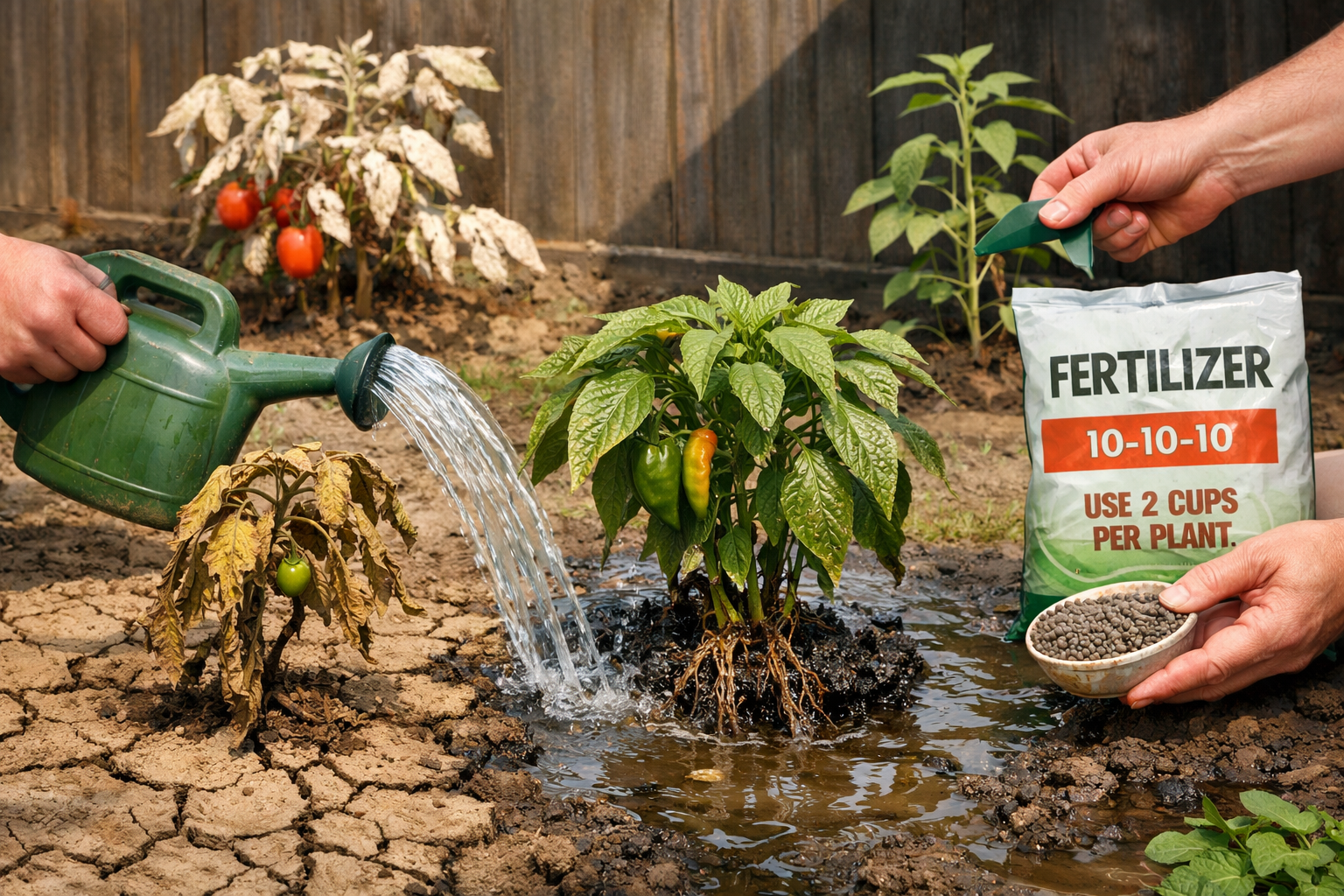
Effectively preventing pests and diseases involves proactive measures like choosing resistant varieties, promoting garden hygiene, and encouraging beneficial insects, rather than waiting for problems to become severe [6]. Early intervention is key to minimizing damage and avoiding widespread crop loss.
Proactive Pest Management
Many common vegetable growing mistakes relate to reactive rather than proactive pest control.
- Ignoring Signs: Overlooking small holes, discolored spots, or a few insects until the problem becomes an infestation.
- The Solution:
- Regular Inspections: Daily walks through your garden allow you to catch issues early. Look under leaves, inspect stems, and check for unusual patterns.
- Good Garden Hygiene: Remove dead or diseased plant material promptly to prevent the spread of pathogens and deny pests hiding places.
- Companion Planting: Certain plants can deter pests or attract beneficial insects. Marigolds, for example, are known to repel nematodes.
- Physical Barriers: Use row covers to protect young seedlings from flying insects.
- Encourage Beneficial Insects: Plant flowers that attract pollinators and predatory insects like ladybugs, lacewings, and hoverflies, which feast on common pests like aphids.
Disease Prevention Strategies
Vegetable plant diseases can be devastating, but many can be prevented with good practices.
- Overhead Watering: Wet leaves create an ideal environment for fungal diseases to thrive.
- Lack of Air Circulation: Overcrowded plants or dense foliage trap moisture and restrict airflow, fostering disease.
- The Solution:
- Water at the Base: Always aim water at the soil level, avoiding splashing leaves. Drip irrigation is ideal.
- Proper Spacing: Ensure adequate air circulation between plants. Prune lower leaves on tomatoes and other plants to improve airflow.
- Resistant Varieties: Choose disease-resistant plant varieties when possible. Seed packets or plant tags often indicate resistance.
- Crop Rotation: As mentioned earlier, rotating crops helps break disease cycles in the soil [1].
- Sanitation: Sterilize tools between plants if you suspect disease to prevent cross-contamination.
By implementing these preventive measures, you can significantly reduce the incidence of pests and diseases, ensuring healthier plants and a more bountiful harvest.
Conclusion
Overcoming common vegetable growing mistakes is an achievable goal for any gardener in 2026, regardless of experience level. The journey to a thriving garden begins with thoughtful planning, a deep understanding of plant needs, and a commitment to consistent, appropriate care. By focusing on fundamental principles—such as healthy soil, proper watering, adequate sunlight, intelligent plant selection, and proactive pest management—you can transform potential pitfalls into stepping stones for success. Remember to start small, embrace continuous learning, and view every challenge as an opportunity to grow your gardening wisdom. With patience and persistence, your efforts will yield delicious rewards and a deeper connection to the natural world.
Actionable Next Steps:
- Assess Your Space: Determine your garden’s sunlight exposure and existing soil type.
- Plan Your Plants: Research vegetables suited for your climate and space, prioritizing easy-to-grow varieties for your first season.
- Improve Your Soil: Begin amending your soil with compost or prepare fresh soil for raised beds or containers.
- Learn Watering Techniques: Understand the specific watering needs of your chosen plants and practice deep, consistent watering.
- Monitor Regularly: Make it a habit to inspect your plants daily for any early signs of pests or disease.
FAQ
What is the biggest mistake a beginner gardener makes?
The biggest mistake a beginner gardener makes is often inadequate planning, leading to planting unsuitable crops for their climate or space, or overcrowding plants, which causes competition and poor yields [2].
How do I troubleshoot common problems in my vegetable garden?
Troubleshoot common problems by observing symptoms (e.g., yellow leaves, wilting), checking soil moisture and light exposure, and inspecting for pests. Then, research potential causes and apply targeted solutions, such as adjusting watering, amending soil, or using organic pest control.
Can I grow vegetables in poor soil?
While technically possible, growing vegetables in poor soil is challenging and leads to subpar results. Amending poor soil with organic matter like compost is crucial to improve its structure, drainage, and nutrient content, which are essential for healthy vegetable growth [5].
How much water do vegetables really need?
Most vegetables need about 1 inch of water per week, either from rain or irrigation. This should be delivered through deep, consistent watering that reaches the root zone, rather than frequent shallow watering [4].
What are some common signs of overwatering?
Common signs of overwatering include yellowing leaves, stunted growth, wilting despite wet soil, and the presence of mold or algae on the soil surface. Persistent wetness can also lead to root rot.
How do I prevent pests without harsh chemicals?
Prevent pests naturally by practicing good garden hygiene, encouraging beneficial insects, using physical barriers like row covers, employing companion planting, and hand-picking larger pests when detected early [6].
Is it okay to plant the same vegetables in the same spot every year?
No, it is not recommended to plant the same vegetables in the same spot every year. This practice depletes specific soil nutrients and encourages the buildup of plant-specific pests and diseases in the soil. Crop rotation is essential to prevent these issues [1].
What is the ideal amount of sunlight for most vegetables?
Most fruiting vegetables, such as tomatoes, peppers, and squash, require at least 6-8 hours of direct sunlight per day for optimal growth and fruit production [3]. Leafy greens can tolerate partial shade.
When should I start fertilizing my vegetable plants?
Start fertilizing based on a soil test, if possible. Otherwise, incorporate compost before planting and consider a balanced organic fertilizer once plants are established and actively growing, adjusting as needed for specific plant needs throughout the season.
How do I know if my plants are getting enough nutrients?
Signs of nutrient deficiency include yellowing or discolored leaves, stunted growth, poor fruit development, and overall lack of vigor. A soil test provides the most accurate assessment of nutrient levels.
References
[1] How To Avoid 10 Common Vegetable Gardening Mistakes – https://www.finegardening.com/article/how-to-avoid-10-common-vegetable-gardening-mistakes
[2] Mistakes Beginning Gardeners – https://www.creativevegetablegardener.com/mistakes-beginning-gardeners/
[3] Avoid These 6 Common Gardening Mistakes – https://www.farmprogress.com/commentary/avoid-these-6-common-gardening-mistakes
[4] Watch – https://www.youtube.com/watch?v=6j9M5jFm9v0
[5] 5 Rookie Mistakes To Avoid When Planning Your 2026 Garden – https://99heirlooms.com/blogs/news/5-rookie-mistakes-to-avoid-when-planning-your-2026-garden
[6] Watch – https://www.youtube.com/watch?v=KRPkVOM2ldo