Best Soil Mix for Vegetables: 2026 Guide to Thriving Garden
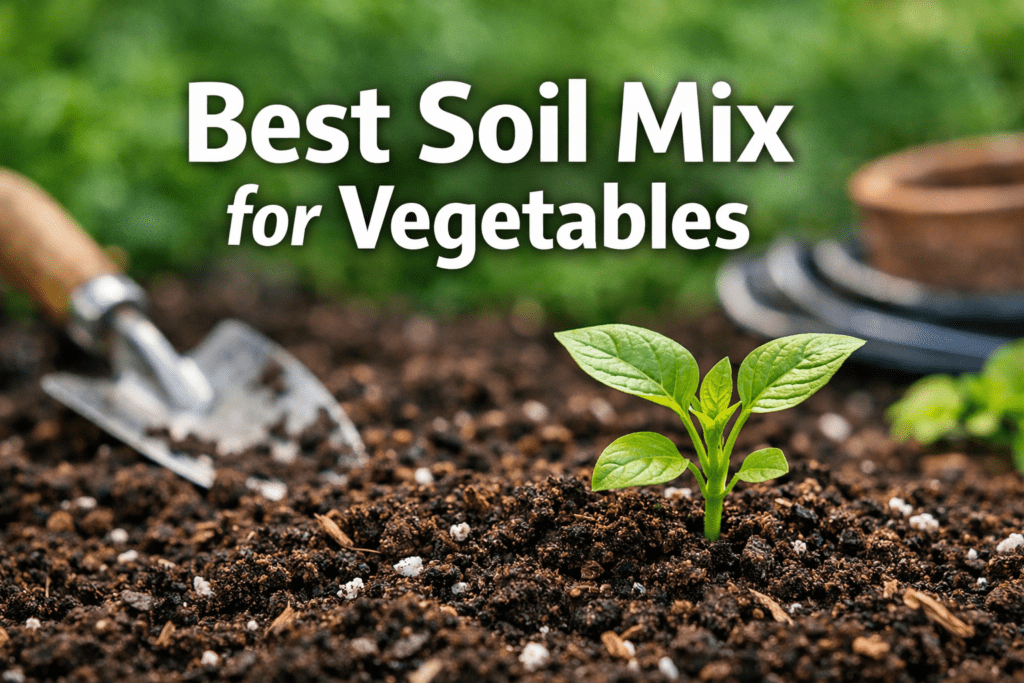
Are you dreaming of a thriving vegetable garden, brimming with bountiful harvests in 2026? The secret to success often lies not just in the seeds you plant or the water you provide, but beneath the surface—in the best soil mix for vegetables. Without the right foundation, even the most diligent gardener can struggle to achieve vibrant growth. A well-crafted soil mix provides essential nutrients, proper drainage, and optimal aeration, creating an ideal environment for roots to flourish and plants to produce.
Key Takeaways
- The best soil mix for vegetables combines organic matter, good drainage, and aeration.
- A “triple mix” (⅓ topsoil, ⅓ compost, ⅓ aeration blend) is highly effective for raised beds.
- Mel’s Mix, based on peat moss and compost, has shown superior performance in studies for container vegetables.
- Key amendments like compost, peat moss/coconut coir, and perlite/vermiculite are crucial.
- Maintaining a slightly acidic to neutral pH (6.0-7.0) is ideal for most vegetables.
- Regular replenishment of organic matter is vital for long-term soil health and fertility.
- Commercial potting mixes like Espoma Organic, FoxFarm Happy Frog, or Burpee Organic offer excellent ready-to-use options.
Quick Answer
The best soil mix for vegetables is a nutrient-rich, well-draining, and aerated blend, typically composed of high-quality organic matter (like compost), a base material (such as topsoil or peat moss), and amendments for drainage and structure (like perlite or vermiculite). The ideal composition varies slightly based on whether you’re growing in raised beds, containers, or amending an in-ground garden, but the core principles of fertility, drainage, and aeration remain paramount.
What is the Ideal Composition for the Best Soil Mix for Vegetables?
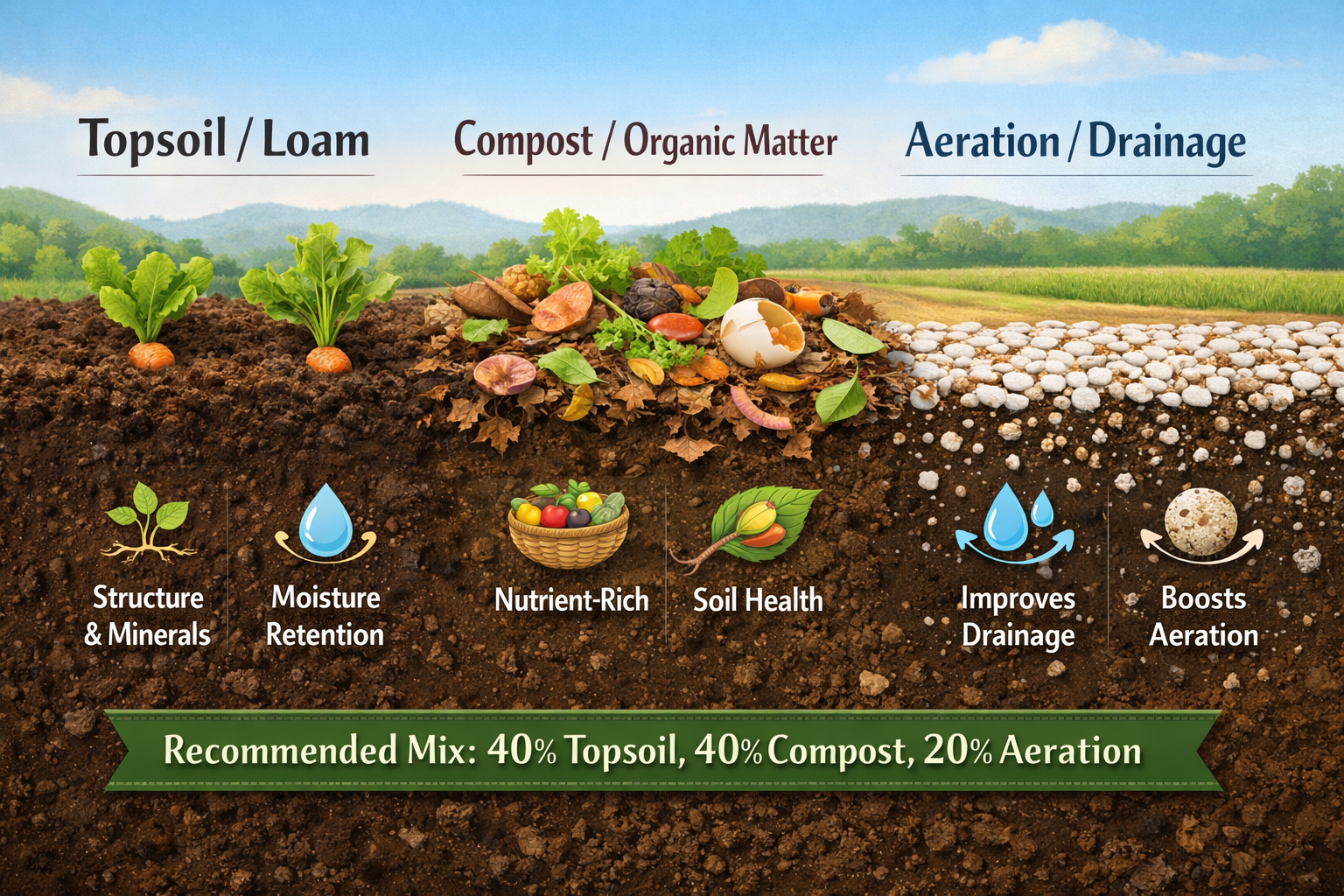
The ideal composition for the best soil mix for vegetables balances organic matter for fertility, a base material for structure, and amendments for drainage and aeration, creating a hospitable environment for robust root growth. A general rule of thumb for raised beds is a “triple mix” formula: ⅓ high-quality topsoil, ⅓ well-aged compost, and ⅓ a blend of amendments like peat moss, coconut coir, perlite, or vermiculite [2].
- Organic Matter (Compost): This is the powerhouse of any good vegetable soil. Compost enriches the soil with a slow-release of essential nutrients, improves soil structure, enhances water retention in sandy soils, and improves drainage in clay soils. Well-rotted manure can also be an excellent addition [2]. Regular additions of compost and mulch increase organic matter and beneficial biological activity [5].
- Base Material (Topsoil/Loam or Peat Moss/Coconut Coir):
- Topsoil/Loam: For raised beds and in-ground gardens, a good quality topsoil provides the bulk of the mix. Loamy soil, with its balanced mix of sand, silt, and clay, is often considered ideal [6].
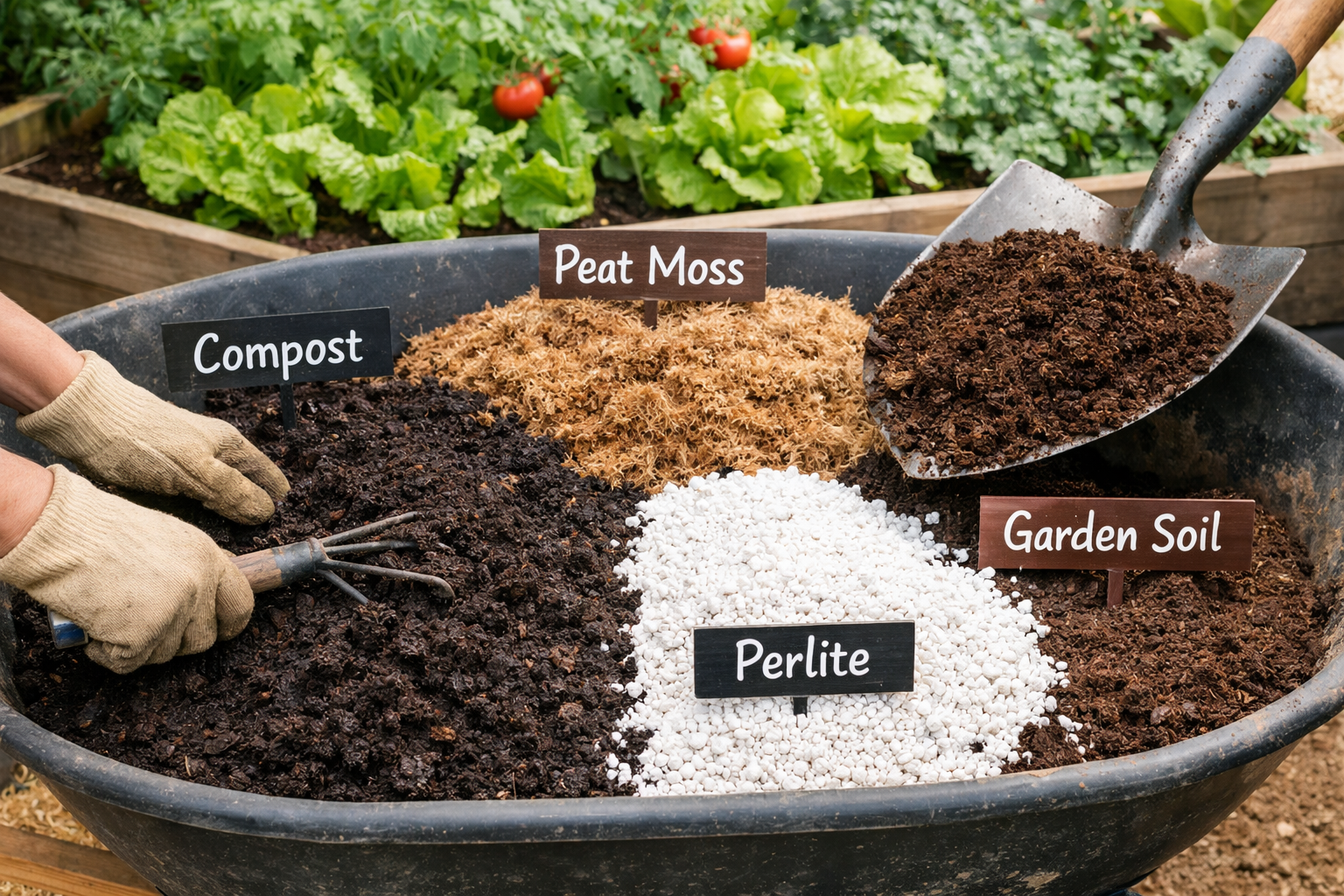
- Peat Moss/Coconut Coir: These are excellent choices for container gardening or as a component in raised beds, especially when topsoil quality is questionable. They offer excellent water retention and aeration [2]. Coconut coir is a sustainable alternative to peat moss.
- Drainage and Aeration (Perlite/Vermiculite): These inert materials are crucial for preventing compaction and ensuring roots receive adequate oxygen.
- Perlite: Volcanic rock that expands when heated, creating lightweight, porous particles that improve drainage and aeration.
- Vermiculite: A mineral that also expands when heated, improving aeration but with better water and nutrient retention than perlite.
For those using containers or small spaces, a study found that Mel’s Mix, primarily composed of peat moss, significantly outperformed other soil types, yielding 7 lbs of tomatoes per plant compared to 5.3 lbs for a “perfect soil recipe” and 1.34 lbs for bagged soil [1]. This highlights the importance of choosing a mix specifically designed for intensive vegetable growth.
How Do You Amend Existing Garden Soil for Vegetables?
To amend existing garden soil for vegetables, focus on increasing organic matter, improving drainage, and adjusting pH levels to create a fertile and well-structured environment. Most garden soils benefit significantly from the generous incorporation of compost and other organic amendments.
- Boost Organic Matter: This is the single most important step. Spread a 2-4 inch layer of well-rotted compost, aged manure, or other organic matter over your garden beds annually, especially in spring before planting [2]. Incorporate it into the top 6-12 inches of soil using a broadfork or tiller. This improves soil structure, water retention, and nutrient availability [2].
- Improve Drainage: If your soil is heavy clay, it will drain slowly and compact easily. In addition to organic matter, you might consider incorporating coarse sand or perlite to improve drainage, though organic matter is usually sufficient for most home gardens. Avoid fine sand, which can worsen compaction.
- Adjust pH: Most vegetables thrive in a slightly acidic to neutral pH range of 6.0 to 7.0 [2]. A soil test is essential to determine your current pH.
- Too Acidic (low pH): Add agricultural lime to raise the pH.
- Too Alkaline (high pH): Add elemental sulfur or peat moss to lower the pH.
- Nutrient Balancing: A soil test will also identify any nutrient deficiencies. Based on the results, you can add specific organic fertilizers such as bone meal for phosphorus, greensand for potassium, or a balanced organic granular fertilizer.
For gardeners in small spaces, regularly refreshing the top few inches of soil with fresh compost is a simple yet effective way to maintain fertility without extensive tilling. For more on maximizing growth in confined areas, check out our guide on Small Space Vegetable Gardening: 2026 Step-by-Step Guide.
What are the Best Soil Mixes for Container Vegetables?
The best soil mixes for container vegetables are lightweight, exceptionally well-draining, yet capable of retaining adequate moisture and nutrients, as containers dry out faster and have limited root space. Standard garden soil is too dense for containers and can compact, leading to poor aeration and root rot.
Here are excellent choices for container vegetable growing:
- Custom Potting Mix (Mel’s Mix variation): A highly effective mix can be created with ⅓ peat moss (or coconut coir), ⅓ compost, and ⅓ vermiculite. This provides excellent drainage, aeration, and nutrient retention [1]. Mel’s Mix has been shown to produce abundant yields in studies [1].
- High-Quality Commercial Potting Mixes: Many commercially available potting mixes are specifically formulated for vegetables in containers.
- Espoma Organic Potting Mix: Often recommended as a top overall choice due to its nutrient-rich formula and affordability [3].
- FoxFarm Happy Frog Potting Soil: Praised for reducing water and nutrient loss, making it excellent for container growing [3].
- Burpee Organic Potting Mix: A budget-friendly option that uses coconut coir for improved moisture retention, which is crucial for containers [3].
- Adding Perlite or Vermiculite: Even with good commercial mixes, adding an extra 10-20% perlite or vermiculite can further enhance drainage and aeration, especially for vegetables that dislike wet feet.
When selecting a commercial potting mix, look for terms like “organic,” “vegetable garden mix,” or “container mix” to ensure it’s suitable. Avoid cheap, generic “potting soil” that might contain fillers or too much heavy topsoil. For successful container growing, you’ll also want to explore our advice on Best Pots for Small Space Gardening in 2026 to complement your soil choice.
Raised Bed Soil Mixes: What’s the Top Recommendation?
For raised beds, the top recommendation for the best soil mix for vegetables is a balanced “triple mix” that ensures excellent drainage, fertility, and aeration, providing an ideal environment for vigorous plant growth. This combination mimics the best qualities of healthy garden soil but in a controlled, improved environment.
The most widely recommended formula is a blend of:
- ⅓ High-Quality Topsoil or Loam: This provides the bulk of the bed, offering essential minerals and some initial structure [2]. Ensure it’s screened and free of weeds and debris.
- ⅓ Well-Aged Compost: Crucial for nutrient supply, improving soil structure, and supporting beneficial microbial life. Use a variety of composts if possible for a broader nutrient profile [2].
- ⅓ Drainage and Aeration Blend: This can be a mix of peat moss, coconut coir, perlite, or vermiculite [2].
- Peat Moss or Coconut Coir: Excellent for water retention and creating a light, fluffy texture. Coconut coir is more sustainable.
- Perlite or Vermiculite: Essential for preventing compaction and ensuring roots get enough oxygen. Choose perlite for maximum drainage, vermiculite for a balance of drainage and moisture retention.
Raised Bed Soil Mix Comparison
| Component | Primary Benefit | Role in Mix | Notes |
|---|---|---|---|
| Topsoil/Loam | Structure, mineral content | Base, bulk filler | Choose screened, high-quality; avoid heavy clay or pure sand. |
| Compost | Nutrients, soil structure, microbial life | Fertility, water retention, aeration | Use well-rotted; replenish annually. |
| Peat Moss/Coco Coir | Water retention, aeration, lightweight | Moisture regulation, lightens mix | Coir is more sustainable; both can slightly lower pH. |
| Perlite/Vermiculite | Drainage, aeration, prevents compaction | Prevents “wet feet” and root suffocation | Perlite for more drainage; vermiculite for more moisture retention. |
This “triple mix” approach ensures that your raised beds offer the optimal conditions for most vegetables to thrive, leading to better yields and healthier plants. For additional guidance on maximizing your raised bed’s potential, consider our article on Ultimate Guide to Small Space Gardening for Beginners 2026.
What Soil pH Do Vegetables Prefer?
Most vegetables prefer a slightly acidic to neutral soil pH level, typically ranging between 6.0 and 7.0, as this range optimizes the availability of essential nutrients for plant uptake [2]. While some vegetables have specific preferences (e.g., blueberries prefer more acidic soil, while asparagus prefers slightly alkaline), the 6.0-7.0 range is a good target for a diverse vegetable garden.
- Understanding pH: Soil pH measures the acidity or alkalinity of the soil on a scale of 0 to 14, with 7.0 being neutral. Values below 7.0 are acidic, and values above 7.0 are alkaline.
- Nutrient Availability: pH directly influences how well plants can absorb nutrients. If the pH is too high or too low, certain nutrients can become “locked up” in the soil, even if they are present, making them unavailable to plants. For instance, Mel’s Mix, primarily peat moss, tested at a pH of 5.6 (acidic), while a “perfect soil recipe” was pH 6.8 (optimal), and bagged soil was pH 7.5 (too high for tomatoes) [1].
- How to Test pH: The most accurate way to determine your soil’s pH is with a professional soil test, often available through local extension offices or garden centers. Home test kits are also available but may be less precise.
- Adjusting pH:
- To Raise pH (make more alkaline): Add agricultural lime.
- To Lower pH (make more acidic): Add elemental sulfur, peat moss, or compost.
It’s crucial to adjust pH gradually, as drastic changes can harm soil biology and plant health. Always retest your soil after a few months to verify the adjustment.
How Do You Maintain the Best Soil Mix for Vegetables Annually?
Maintaining the best soil mix for vegetables annually involves consistently replenishing organic matter, ensuring proper drainage, and addressing nutrient needs to sustain fertility and structure for continuous productivity. Soil health is an ongoing process, not a one-time fix.
- Top-Dress with Compost: The most critical annual maintenance step is to apply a 1-2 inch layer of well-aged compost over your garden beds each spring or fall [2]. This replenishes organic matter, nutrients, and beneficial microbes that are consumed by growing plants and naturally break down over time.
- Mulch Regularly: Apply a layer of organic mulch (such as straw, shredded leaves, or wood chips) around your plants. Mulch conserves soil moisture, suppresses weeds, regulates soil temperature, and gradually breaks down to add organic matter to the soil [5].
- Avoid Compaction: Stepping directly on garden beds can compact the soil, reducing aeration and drainage. Use defined paths or planks to distribute your weight.
- Rotate Crops: While not directly about soil mix, crop rotation helps prevent nutrient depletion and reduces the build-up of pests and diseases specific to certain plant families.
- Cover Crops: In fallow periods, consider planting cover crops (e.g., clover, vetch, rye). These plants protect the soil from erosion, suppress weeds, add organic matter when tilled under, and can fix nitrogen.
- Soil Testing: Periodically (every 2-3 years), perform a soil test to monitor pH and nutrient levels. This allows for targeted amendments rather than guessing.
By consistently returning organic matter to your soil and practicing careful gardening techniques, you can ensure your vegetable garden remains highly productive year after year. For those tending a smaller patch, this ongoing care is even more important; learn more about making the most of your space through our Vegetable Gardening – Mini Space Garden | Small Space Gardening Ideas category.
FAQ
What are the three main components of good soil for vegetables?
The three main components of good soil for vegetables are organic matter (like compost), a base material (such as topsoil or peat moss), and amendments for drainage and aeration (like perlite or vermiculite) [2].
Can I use garden soil directly in raised beds or containers?
No, it’s generally not recommended to use garden soil directly in raised beds or containers because it can be too dense, lack proper drainage, and may introduce weed seeds or diseases [1]. It’s best to use a specially formulated mix.
How much compost do I need for a new raised bed?
For a new raised bed, you’ll need enough compost to make up roughly one-third of the total volume of your soil mix. For example, a 4×8 foot raised bed that’s 12 inches deep would require about 11 cubic feet of compost.
What is “Mel’s Mix” and why is it popular?
Mel’s Mix is a popular square-foot gardening soil blend typically consisting of ⅓ compost, ⅓ peat moss (or coir), and ⅓ coarse vermiculite. It’s popular for its excellent drainage, aeration, and nutrient-holding capacity, proven to produce high yields [1].
Do I need to fertilize my vegetable garden if I use a good soil mix?
Initially, a good soil mix rich in compost may not require immediate fertilization. However, as plants grow and nutrients are consumed, regular feeding with organic fertilizers or annual replenishment of compost is usually necessary to sustain productivity [2].
What pH is too high for vegetables?
A pH above 7.5 is generally considered too high for most vegetables, as it can make essential nutrients like iron and phosphorus less available to plants [1].
Is coconut coir better than peat moss for vegetable gardens?
Both coconut coir and peat moss are excellent for water retention and aeration. Coconut coir is often preferred as a more sustainable alternative to peat moss, which is a non-renewable resource.
References
[1] 3 Raised Bed Soil Mixes Compared – https://journeywithjill.net/gardening/2020/03/09/3-raised-bed-soil-mixes-compared/
[2] Vegetable Garden Soil – https://www.erynwhalenonline.com/vegetable-garden-soil/
[3] Article Best Potting Soil For Vegetables – https://gardeningproductsreview.com/article-best-potting-soil-for-vegetables/
[4] Watch – https://www.youtube.com/watch?v=jOuif2BosKQ
[5] Best Soil For A Vegetable Garden – https://www.creativevegetablegardener.com/best-soil-for-a-vegetable-garden/
[6] Planting Vegetable Garden – https://extension.umn.edu/planting-and-growing-guides/planting-vegetable-garden
[7] Vegetable Gardening Basics – https://ucanr.edu/site/uc-master-gardeners-santa-clara-county/vegetable-gardening-basics
Conclusion
Creating the best soil mix for vegetables is the cornerstone of a successful and productive garden in 2026. Whether you’re filling raised beds, nurturing container plants, or amending existing in-ground soil, the principles remain constant: prioritize organic matter for fertility, ensure excellent drainage to prevent root issues, and provide aeration for healthy root development. By understanding the ideal composition and committing to annual maintenance with compost and thoughtful amendments, you can cultivate a thriving ecosystem beneath your plants. Invest in your soil, and your garden will reward you with abundant, delicious harvests. Start with a soil test, choose your components wisely, and enjoy the fruits (and vegetables!) of your labor.