Growing Tomatoes in Small Spaces: 2026 Expert Guide
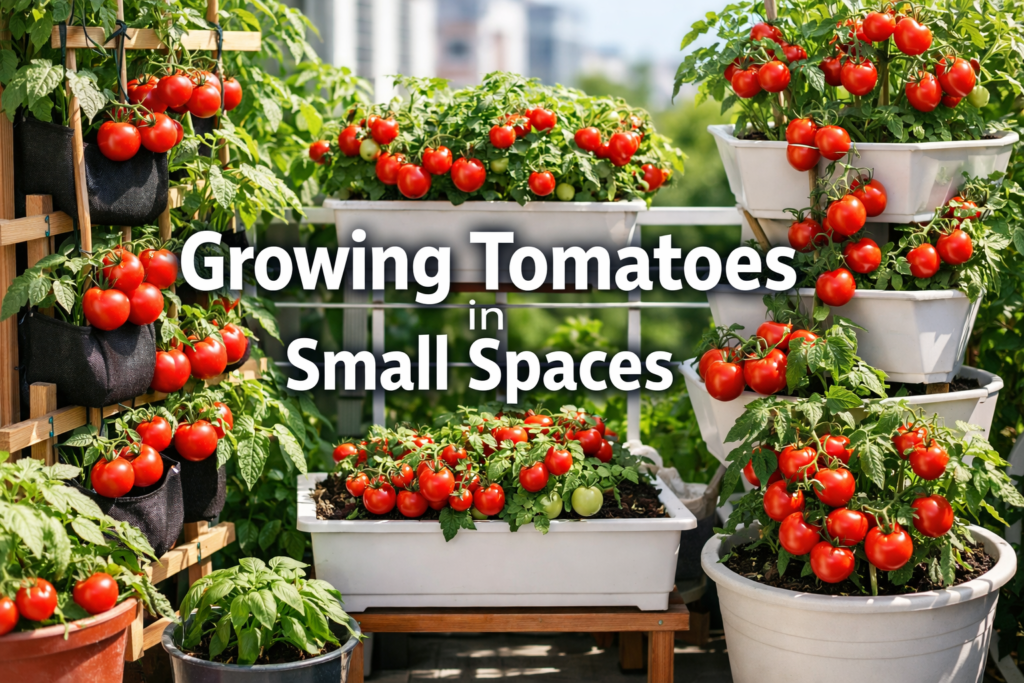
Dreaming of homegrown tomatoes but think your tiny balcony or small yard won’t cut it? Think again! Growing tomatoes in small spaces is not only possible but can lead to surprisingly abundant and delicious harvests with the right strategies. Whether you have a patio, a balcony, or just a sunny windowsill, you can cultivate these beloved fruits in 2026 by optimizing plant selection, container choices, and vertical growing techniques.
Key Takeaways
- Choose the Right Varieties: Select determinate, dwarf, or small-fruited indeterminate varieties for compact growth.
- Container Matters: Use pots at least 15-20 gallons (57-76 liters) for most varieties, ensuring good drainage.
- Maximize Vertical Space: Employ staking, trellising, or vertical gardening systems to grow upwards.
- Smart Spacing: Determinate varieties can be planted closer together (12-24 inches) than indeterminate types.
- Pruning is Key: Regular pruning improves air circulation and directs energy to fruit production.
- Consistent Watering & Feeding: Small-space tomatoes require diligent watering and regular fertilization.
- Sunlight is Essential: Aim for at least 6-8 hours of direct sunlight daily for optimal fruit set.
- Air Circulation: Ensure good airflow, especially with denser plantings, to prevent disease.
Quick Answer
Growing tomatoes in small spaces is highly effective by focusing on compact plant varieties, utilizing appropriate containers, and implementing vertical gardening techniques. By selecting determinate or dwarf cultivars, providing adequate pot size, and supporting plants with stakes or trellises, even gardeners with limited room can achieve successful and productive tomato harvests in 2026.
Choosing the Best Tomato Varieties for Small Spaces
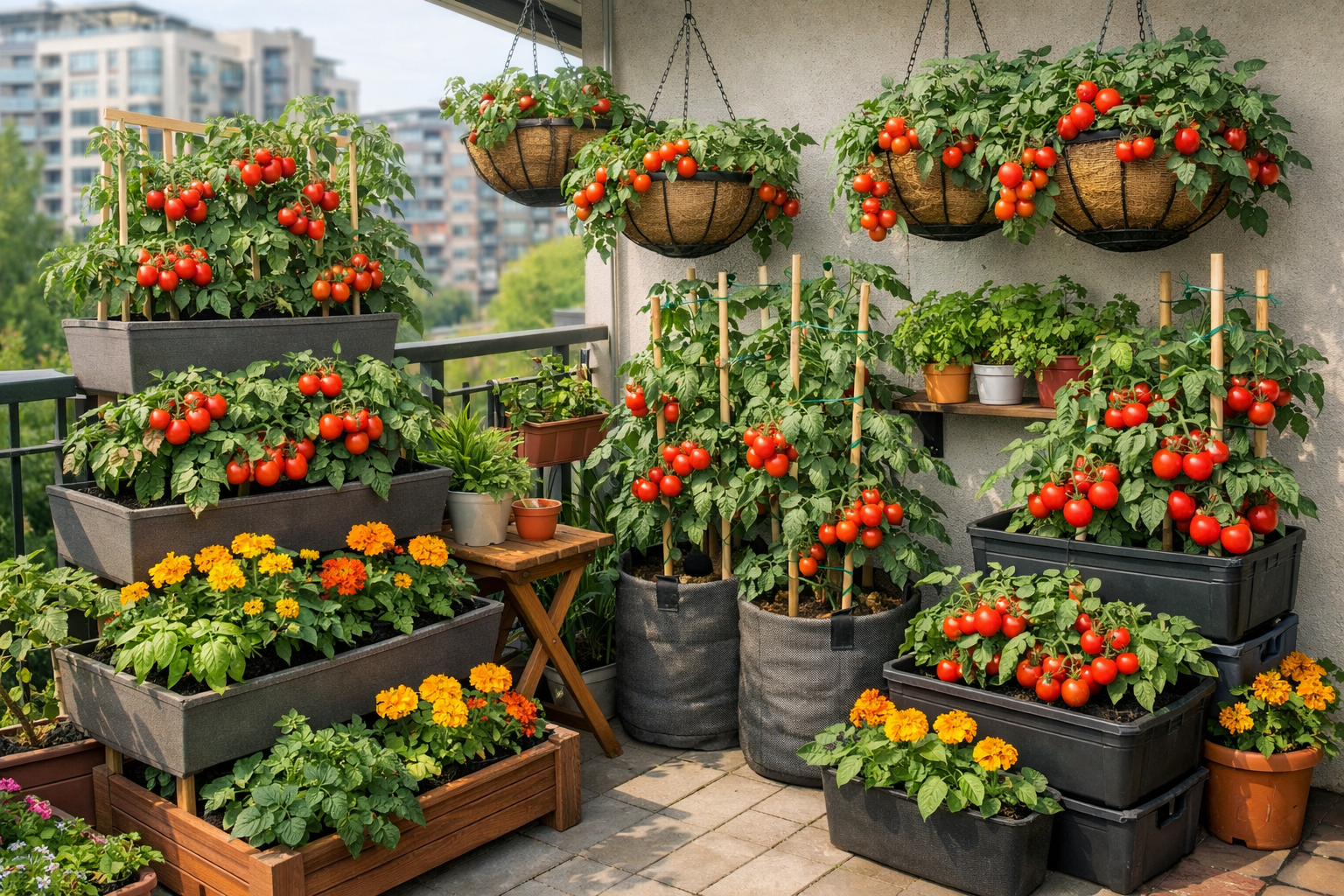
Selecting the right tomato variety is the first crucial step to successfully growing tomatoes in small spaces. Determinate and dwarf varieties are typically best suited for containers and compact areas due to their controlled growth habit.
Determinate tomatoes, also known as “bush” varieties, grow to a specific height and then stop, producing most of their fruit within a short period. This makes them ideal for small spaces where their contained growth won’t overwhelm the area. In contrast, indeterminate (vining) tomatoes continue to grow and produce fruit until frost, often requiring extensive support and space, though some smaller-fruited indeterminate types can be managed with rigorous pruning and strong staking [1]. Dwarf tomato varieties, specifically bred for compact size, offer an excellent solution for the smallest spaces, yielding a significant amount of fruit for their stature [2].
- Determinate Varieties: Look for names like ‘Roma’, ‘Celebrity’, ‘Patio Princess’, or ‘Bush Early Girl’. These are excellent for container gardening as they have a more manageable size and produce their crop within a more defined window.
- Dwarf Varieties: Modern breeding has yielded fantastic dwarf options such as ‘Micro Tom’, ‘Tiny Tim’, or ‘Dwarf Blazing Beauty’. These are often productive in pots as small as 5 gallons and are perfect for windowsills or very small balconies. Research from Philips GrowWise Research Center has shown dwarf tomatoes in high-density indoor systems can yield 1.5 to 2 times more tomatoes per square meter annually compared to traditional greenhouse farming [2].
- Small-Fruited Indeterminates: If you prefer vining types, cherry or grape tomatoes like ‘Sungold’ or ‘Sweet Million’ can be grown in small spaces if provided with robust vertical support and diligent pruning. These varieties can still produce abundantly when trained vertically, as discussed in our Vertical Gardening Guide for Small Spaces: Grow More in 2026.
Decision Rule: Choose determinate or dwarf varieties if your space is truly minimal (e.g., small balcony, patio). Opt for small-fruited indeterminate types only if you can commit to consistent pruning and robust staking to manage their vining growth.
Essential Container and Pot Selection for Growing Tomatoes in Small Spaces
Proper container selection is vital when growing tomatoes in small spaces, as it directly impacts root development, nutrient uptake, and overall plant health. For most tomato varieties, a container size of at least 15-20 gallons (57-76 liters) is recommended to provide ample root room for healthy growth and fruit production [1].
The material of the pot can also influence moisture retention and temperature. While plastic pots retain moisture well, terracotta or fabric grow bags offer better air circulation to the roots and prevent overheating, which can be beneficial in warmer climates. Fabric grow bags are particularly popular for small space gardening because they are lightweight, breathable, and promote “air pruning” of roots, preventing them from circling and becoming root-bound. Our guide on the Best Pots for Small Space Gardening in 2026 offers more detailed insights.
- Minimum Size: Aim for at least 15-gallon (57L) containers for standard determinate tomatoes. Indeterminate varieties will benefit from 20-gallon (76L) or larger. Dwarf varieties may thrive in 5-10 gallon pots.
- Drainage Holes: Ensure all containers have sufficient drainage holes to prevent waterlogging, which can lead to root rot. If a pot lacks holes, drill several in the bottom.
- Material Choice:
- Plastic: Affordable, retains moisture, but can heat up in direct sun.
- Terracotta: Breathable, but dries out quickly, requiring more frequent watering.
- Fabric Grow Bags: Excellent for aeration and drainage, prevents root circling, but can dry out faster than plastic.
- Placement: Consider the weight of your chosen container once filled with soil and a mature plant, especially for balcony or deck gardening. Use saucers or trays underneath to catch excess water, protecting surfaces below.
Common Mistake: Using containers that are too small is a frequent error. Small pots restrict root growth, leading to stunted plants, blossom end rot, and reduced yields. A larger soil volume provides more consistent moisture and nutrient availability, crucial for robust tomato production.
Maximizing Yields with Vertical Growing Techniques and Support
Vertical growing techniques are indispensable for growing tomatoes in small spaces, allowing you to cultivate more plants and achieve higher yields within a limited footprint. Training tomatoes upwards conserves horizontal space, improves air circulation around the plants, and makes harvesting easier.
Staking, caging, and trellising are common vertical support methods. For determinate varieties, a sturdy stake or small tomato cage may suffice. However, for indeterminate types, or when aiming for higher density, more robust systems like the “basketweave” method or dedicated trellises are highly effective [1]. The basketweave technique involves weaving twine between stakes to support multiple plants in a row, creating a green “wall” of tomatoes that maximizes space and access [1]. This approach can significantly increase plant density in confined areas, as demonstrated by a 4’x6′ bed accommodating nine tomato plants alongside companion plantings [1]. Explore more strategies in our Vertical Gardening Basics: Your 2026 Guide to Small Space Gardens.
- Staking: Best for determinate and smaller indeterminate varieties. Insert a strong stake (e.g., rebar, sturdy bamboo) at planting, pushing it deep into the soil. Tie the main stem to the stake loosely as the plant grows, every 8-12 inches.
- Caging: Tomato cages offer all-around support. Choose heavy-duty, tall cages for indeterminate varieties; flimsier ones are only suitable for determinate bush types. Place the cage over the young plant soon after planting.
- Trellising: Ideal for vining indeterminate tomatoes. A simple trellis can be made from netting, wire, or wooden slats. Train the main stem and suckers along the trellis, securing them with soft ties.
- Basketweave Method: In a raised bed or large planter box, place stakes every 2-3 plants. Weave twine back and forth between the stakes, underneath each plant, to create horizontal support layers as the plants grow. This method can accommodate closer in-row spacing, particularly for early, small-vined varieties [1].
- Vertical Towers/Planters: Specialized vertical planters with multiple pockets or stacked tiers are excellent for growing dwarf tomato varieties, offering multiple planting spots in a compact vertical footprint.
Edge Case: If you are growing dwarf tomatoes indoors, consider using grow lights and compact vertical systems. Philips GrowWise Research Center trials have shown high-density, multi-layer indoor systems can significantly boost dwarf tomato yields [2].
Essential Soil, Watering, and Fertilization for Container Tomatoes
Providing the right soil, consistent watering, and appropriate fertilization are fundamental to the success of growing tomatoes in small spaces, especially in containers. Unlike in-ground gardens, container plants rely entirely on you for their nutritional needs and hydration.
A high-quality potting mix is essential; garden soil is too dense for containers and can compact, inhibiting root growth and drainage. Look for a lightweight, well-draining potting mix that contains peat moss, perlite, or vermiculite, and some compost for initial nutrients. These components ensure good aeration and moisture retention without becoming waterlogged. Due to the limited soil volume, container tomatoes dry out faster than in-ground plants and require more frequent watering, often daily in hot weather, and consistent feeding to replenish nutrients [1]. For more in-depth knowledge, refer to our Soil Basics for Container Gardening: 2026 Expert Guide.
- Potting Mix: Use a premium, sterile potting mix specifically formulated for containers. Avoid using garden soil, as it can introduce pests, diseases, and become too compacted. Adding compost can boost fertility.
- Watering Frequency:
- Check Daily: Stick your finger about an inch or two into the soil. If it feels dry, it’s time to water.
- Thorough Soaking: Water until you see it drain from the bottom of the pot. This ensures the entire root ball is moistened.
- Consistency is Key: Irregular watering can lead to problems like blossom end rot. In hot, sunny conditions, you might need to water twice a day.
- Fertilization Schedule:
- Initial Boost: Many potting mixes contain starter nutrients.
- Regular Feeding: Once flowers appear and fruit begins to set, tomatoes are heavy feeders. Use a balanced liquid fertilizer (e.g., 5-10-5 or 10-10-10) every 2-3 weeks, or as directed by the product label. Look for fertilizers with calcium to help prevent blossom end rot.
- Organic Options: Compost tea or worm castings can provide a gentle, steady supply of nutrients.
Quick Example: For a 15-gallon fabric grow bag in peak summer heat, I typically water thoroughly every morning. Once fruit starts setting, I switch from a general-purpose fertilizer to one slightly higher in phosphorus and potassium every two weeks.
Pruning and Pests in Small Space Tomato Gardens
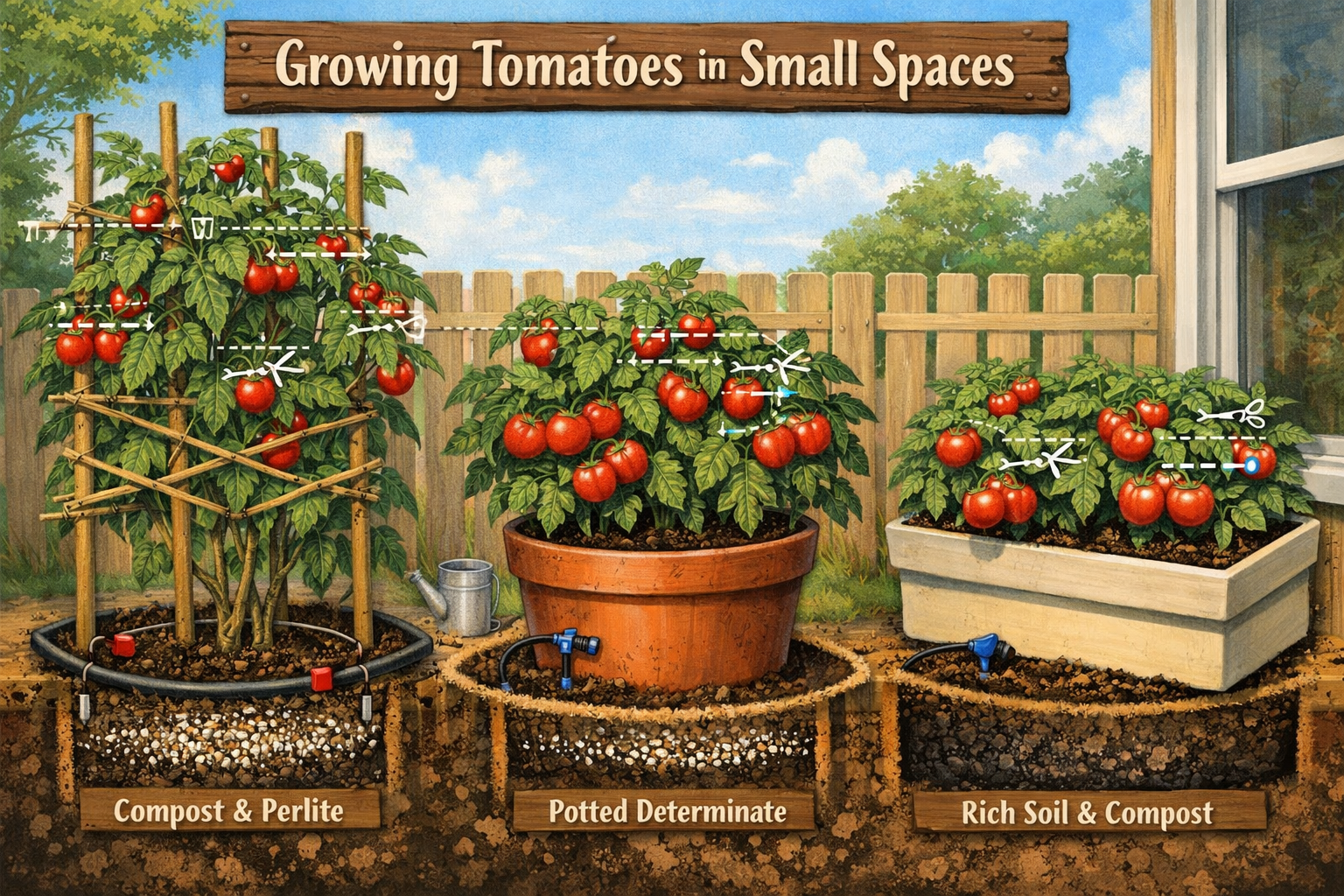
Pruning and diligent pest management are critical practices when growing tomatoes in small spaces, helping to maximize yields, improve plant health, and prevent disease in confined conditions. Pruning helps direct the plant’s energy into fruit production rather than excessive foliage, while also improving air circulation, which is vital for reducing fungal diseases in denser plantings [1].
“Suckers,” the small shoots that emerge in the crotch between the main stem and a leaf branch, should generally be removed, especially on indeterminate varieties, to prevent the plant from becoming too bushy and diverting energy from fruit. For determinate varieties, light pruning is usually sufficient. Regular inspection is your best defense against pests; catching infestations early makes them much easier to control without harsh chemicals, which is particularly important in small, often residential, gardening areas. Our guide on Beginner Mistakes in Small Space Gardening 2026 highlights the importance of early intervention.
- Pruning Techniques:
- Sucker Removal: For indeterminate tomatoes, pinch off suckers when they are small (1-2 inches) to maintain a single or double main stem. This channels energy into fruit development and prevents overcrowding.
- Lower Leaf Removal: Once the plant is established and fruit begins to form, remove any yellowing or diseased lower leaves, especially those touching the soil. This improves air circulation and reduces the risk of soil-borne diseases.
- Topping: For indeterminate varieties that are getting too tall for their support, you can “top” them by pinching off the main growing tip once they reach your desired height or touch the top of their support. This encourages remaining fruit to ripen.
- Pest Management:
- Daily Inspection: Check your plants daily for signs of pests like aphids, whiteflies, or hornworms. Look on the undersides of leaves.
- Manual Removal: For larger pests like hornworms, simply pick them off and discard them. For aphids, a strong spray of water can dislodge them.
- Insecticidal Soap: For more persistent infestations, an insecticidal soap can be applied. Always follow label directions.
- Companion Planting: Marigolds, basil, and nasturtiums can deter certain pests and are excellent companion plants for tomatoes, fitting well into a small space garden [1].
Important Consideration: While denser spacing can increase yields, it makes good air circulation even more critical for disease prevention, especially in humid conditions [1]. Pruning plays a significant role in maintaining this airflow.
Harvesting and Enjoying Your Small Space Tomatoes
Harvesting at the right time is the satisfying culmination of your efforts in growing tomatoes in small spaces. The timing of your harvest can significantly impact the flavor, texture, and storage life of your tomatoes.
Tomatoes are generally ready for harvest when they are fully colored for their variety (bright red, yellow, orange, or purple) and feel firm but slightly soft when gently squeezed. They should also detach easily from the vine with a slight twist. While it might be tempting to pick them green, tomatoes ripen best on the vine, developing their full sugar content and complex flavors. For early, small-vined varieties, closer in-row spacing has shown potential for earlier harvests [1].
- When to Harvest:
- Color Check: Wait until the fruit reaches its mature color. Uniform color usually indicates ripeness.
- Gentle Squeeze: A ripe tomato should give slightly under gentle pressure.
- Easy Detachment: The stem should easily break away from the plant with a gentle tug or twist. If it resists, it likely needs more time.
- How to Harvest:
- Twist and Pull: Gently twist the tomato until it separates from the vine, or use clean pruning shears to snip the stem just above the fruit, especially if the stem is stubborn.
- Check Daily: During peak season, check your plants every day or two, as tomatoes can ripen quickly.
- Extending the Harvest:
- Green Tomatoes: Before the first frost, you can pick any remaining green tomatoes. Store them indoors in a cool, dark place, and they will slowly ripen over several weeks. Placing them in a paper bag with an apple can speed up the process.
- Succession Planting: If space allows, consider planting a new batch of determinate tomatoes a few weeks after the first to extend your harvest season.
Pros and Cons of Growing Tomatoes in Small Spaces
| Aspect | Pros | Cons |
|---|---|---|
| Space Efficiency | Maximizes yield per square foot with vertical and container methods. | Limited overall quantity compared to large in-ground gardens. |
| Accessibility | Easier to reach, prune, and harvest plants. | Pots can be heavy and difficult to move once filled. |
| Pest/Disease Mgmt | Easier to monitor and address issues on individual plants. | Rapid spread of disease if air circulation is poor in dense plantings. |
| Watering/Nutrients | Precise control over water and fertilizer, less waste. | Requires more diligent, frequent watering and feeding. |
| Flexibility | Move plants to optimize sun exposure or protect from weather. | Root systems are restricted, requiring larger pots for optimal growth. |
| Aesthetics | Can be decorative additions to patios, balconies, and decks. | Can dry out quickly in hot weather, requiring constant attention. |
Conclusion
Growing tomatoes in small spaces is an incredibly rewarding endeavor that proves you don’t need a sprawling backyard to enjoy fresh, homegrown produce. By thoughtfully selecting compact varieties, utilizing appropriate containers, implementing vertical growing techniques, and maintaining a consistent care regimen for soil, water, and nutrients, anyone can achieve a bountiful tomato harvest in 2026. Remember, diligent pruning and proactive pest management are your allies in these confined environments, ensuring healthy plants and delicious fruits.
Actionable Next Steps:
- Assess Your Space: Identify the sunniest spot on your balcony, patio, or windowsill.
- Choose Your Variety: Select 1-2 determinate or dwarf tomato varieties best suited for your available light and space.
- Gather Your Gear: Acquire appropriate-sized containers (15-20+ gallons for most varieties), quality potting mix, stakes or a trellis, and suitable fertilizer. You can find essential tools here: Essential Tools for Small Space Gardening in 2026.
- Plant and Support: Plant your tomatoes and immediately install vertical support.
- Commit to Care: Set up a consistent watering and feeding schedule, and plan for regular pruning and pest checks.
Embrace the challenge of growing tomatoes in a compact setting, and savor the unparalleled taste of your very own harvest!
FAQ
Q: Can I grow indeterminate tomatoes in a small space?
A: Yes, but it requires significant vertical support (tall stakes, strong trellises) and diligent pruning to manage their vining growth and prevent them from becoming unruly. Smaller-fruited indeterminate varieties like cherry tomatoes are generally easier to manage this way [1].
Q: How often should I water container tomatoes?
A: Container tomatoes typically need watering daily, and sometimes twice a day in hot or windy weather. Always check the soil moisture by sticking your finger in about 1-2 inches; if it feels dry, water thoroughly until it drains from the bottom.
Q: What’s the minimum container size for a tomato plant?
A: For most standard determinate varieties, a minimum of 15-20 gallons (57-76 liters) is recommended. Dwarf varieties can thrive in smaller pots, around 5-10 gallons.
Q: Do I need to prune my small space tomato plants?
A: Yes, pruning is crucial for small spaces. It improves air circulation, directs the plant’s energy to fruit production, and keeps the plant manageable, especially for indeterminate varieties where removing suckers is key [1].
Q: How much sunlight do container tomatoes need?
A: Tomatoes require at least 6-8 hours of direct sunlight per day for optimal growth and fruit production. More sun generally leads to a better harvest.
Q: Can I grow tomatoes indoors in a small apartment?
A: Yes, particularly dwarf varieties. You will likely need strong grow lights to provide sufficient light, as natural indoor light is often insufficient for fruit production.
Q: What are the best compact tomato varieties for small spaces?
A: Excellent choices include determinate varieties like ‘Patio Princess’, ‘Celebrity’, and ‘Roma’, or dwarf varieties such as ‘Micro Tom’ and ‘Tiny Tim’.
References
[1] Fitting Lots Tomatoes Small Space Variety And Harvest – https://ucanr.edu/blog/under-solano-sun/article/fitting-lots-tomatoes-small-space-variety-and-harvest
[2] An Alternative Way Of Growing Tomatoes In A Vertical Farm – https://www.lighting.philips.com/application-areas/specialist-applications/horticulture/hortiblog/vertical-farming/an-alternative-way-of-growing-tomatoes-in-a-vertical-farm