Modern Balcony Garden Designs: 2026 Trends & Ideas
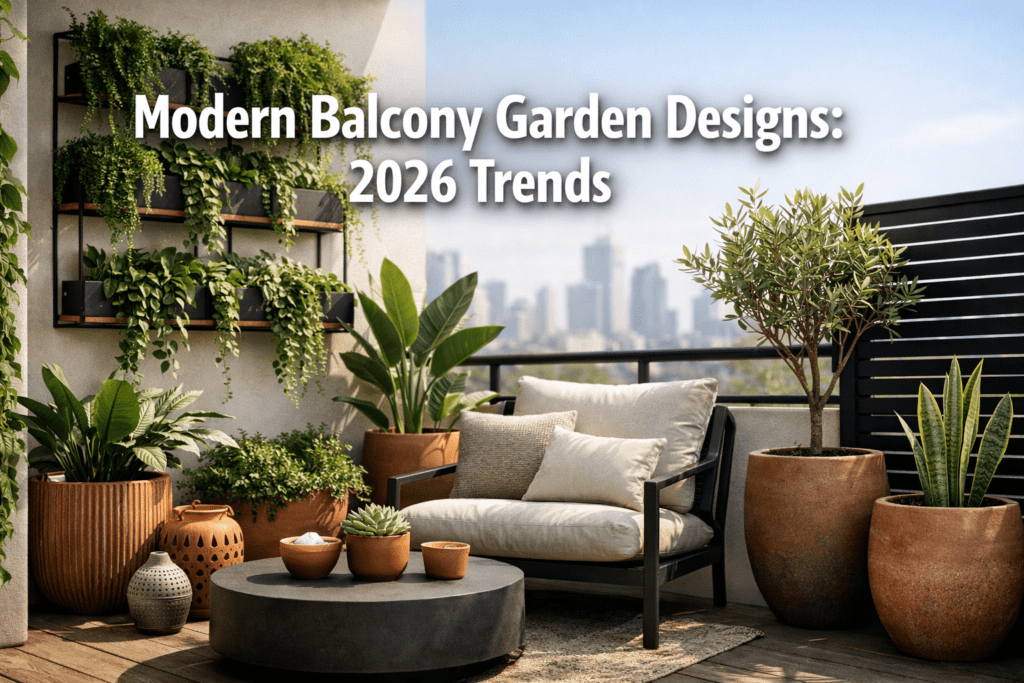
Modern balcony garden designs in 2026 are all about creating functional, beautiful, and sustainable outdoor living spaces that extend the comfort of your home into the urban landscape. Gone are the days of cluttered, purely decorative balconies; today’s trends prioritize organic minimalism, biophilic principles, and multi-functional layouts to craft serene, high-performance retreats above the city streets [3, 5, 6].
Key Takeaways
- Organic Minimalism is Key: Embrace soft, sculptural shapes and a neutral palette (charcoal, clay, sand) to create grounding and calm environments [3].
- Biophilic Design Dominates: Integrate lush vertical greenery, tropical plants, and natural materials to foster a connection with nature, even in urban settings [6].
- Terracotta’s Sophisticated Comeback: Modern interpretations of terracotta pots add Mediterranean warmth with contemporary refinement, celebrating craftsmanship [3].
- Multi-functional Spaces are Essential: Design your balcony to serve multiple purposes like dining, lounging, and gardening, using modular furniture and clever zoning [5, 7].
- Vertical Gardens Maximize Space: Transform plain walls into vibrant living art, significantly increasing planting area without cluttering the floor [1].
- Low-Maintenance, High-Performance Materials: Prioritize durable, weather-resistant materials to reduce long-term repair costs and ensure longevity [5].
- Focus on Functional Landscaping: Choose plants that “earn their keep,” contributing to aesthetics, privacy, or even providing edibles, rather than just decorative elements [2].
- Soft Modernism Replaces Fussy Designs: Opt for relaxed, low-input gardening approaches instead of demanding, perfectly manicured layouts [7].
Quick Answer
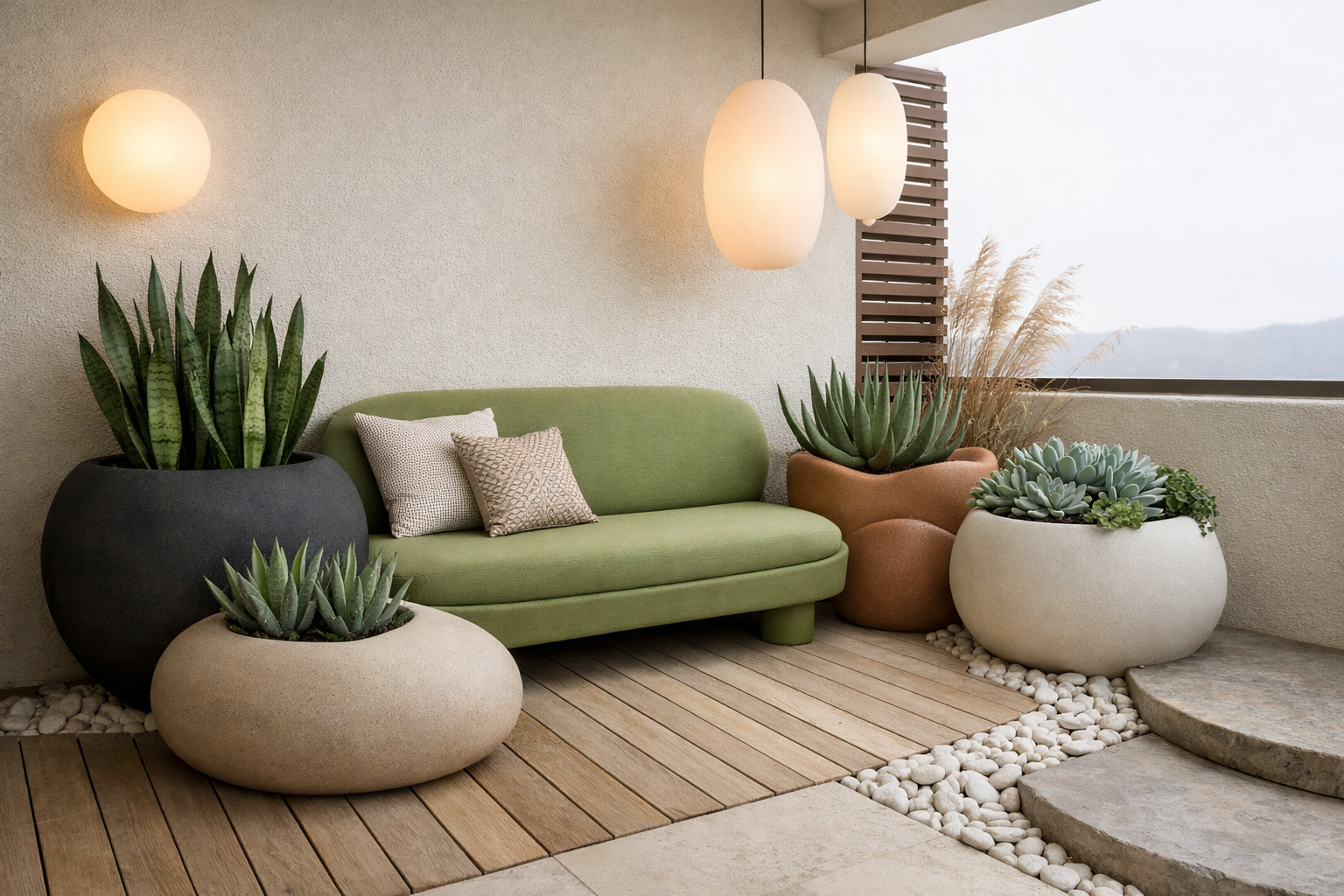
Modern balcony garden designs in 2026 fuse contemporary aesthetics with practical functionality, emphasizing minimalist principles, sustainable practices, and biophilic elements to create sophisticated, livable outdoor extensions of urban homes. Key features include the use of organic shapes, neutral color palettes, vertical gardening solutions, and durable, multi-functional furnishings that maximize space and minimize maintenance.
What Defines Modern Balcony Garden Designs in 2026?
Modern balcony garden designs in 2026 are defined by a sophisticated blend of minimalist aesthetics, natural inspiration, and practical functionality, transforming small outdoor spaces into cohesive extensions of urban living. The prevailing style moves away from overly cluttered or purely decorative arrangements towards designs that offer serenity, utility, and a strong connection to nature [3, 6].
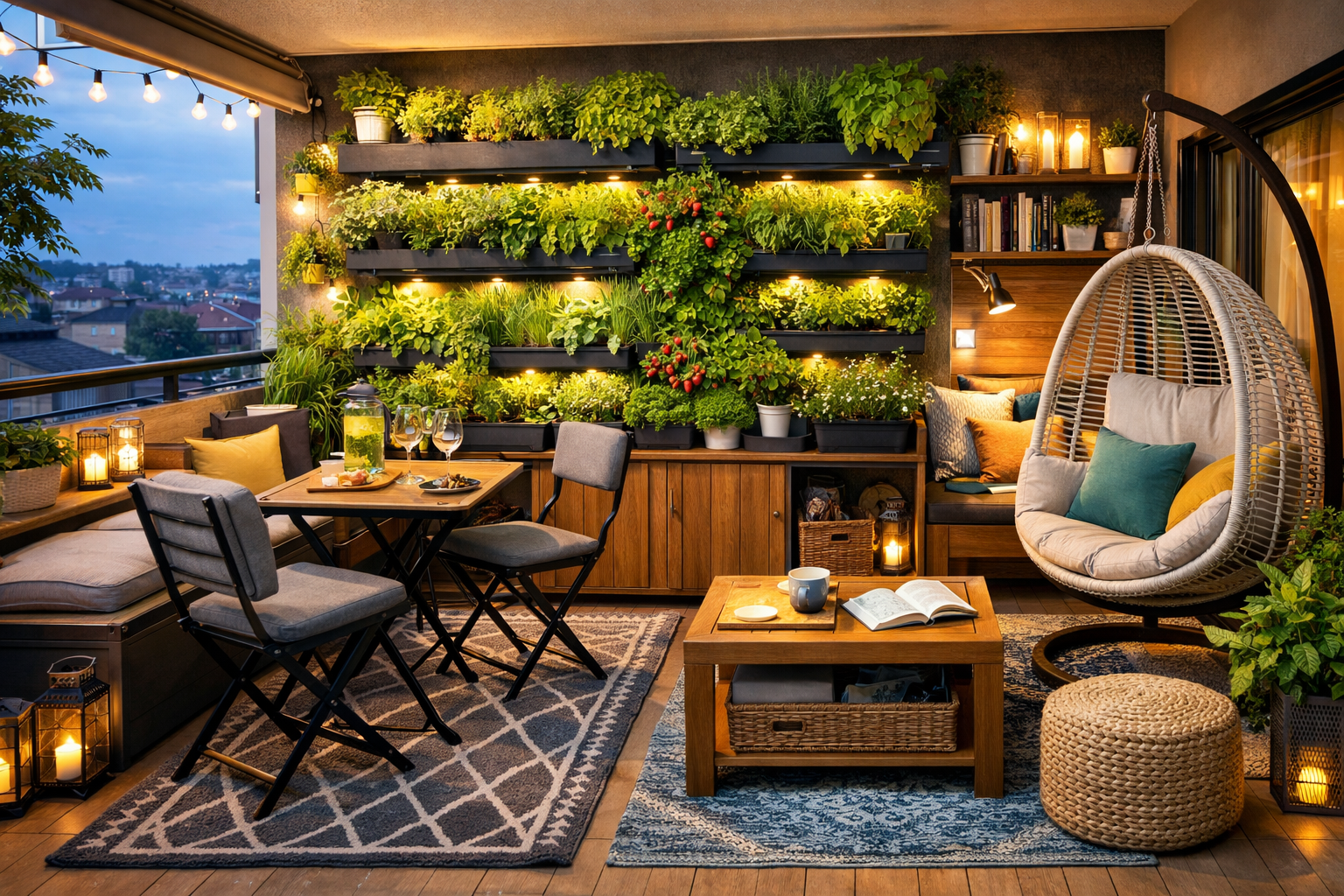
One leading trend for 2026 is organic minimalism, which champions soft, sculptural shapes that echo natural forms without excess. This approach favors neutral tones such as charcoal, clay, and sand, fostering a sense of calm and grounding [3]. Instead of sharp angles and stark lines, you’ll find curves and fluid shapes in planters and furniture that invite relaxation. Complementing this is the rise of biophilic design, particularly vital for small urban spaces. This means incorporating elements that mimic natural environments: think lush vertical greenery, tropical plants, and the extensive use of natural materials like wood and stone. The goal is to create luxurious, calm retreats that help residents feel more connected to the outdoors, even high above a bustling city [6].
Another shift in modern balcony garden designs is the embrace of a “soft modernism” that replaces high-maintenance landscaping with relaxed, low-input approaches. This means moving away from the idea of perfectly manicured flower beds or immaculate lawns on a tiny scale, opting instead for a more natural, adaptable, and less demanding garden [7]. For example, instead of a rigid arrangement of potted annuals, a modern balcony might feature drought-tolerant perennials in sculptural planters, requiring less frequent watering and care. Consider integrating self-watering planters or smart irrigation systems to further reduce maintenance, especially for busy urban dwellers.
How Can Biophilic Design Enhance Your Balcony Garden?
Biophilic design enhances your balcony garden by integrating natural elements and processes into the built environment, fostering a deeper connection to nature and improving well-being. This approach focuses on creating sensory-rich spaces that mimic natural ecosystems, even within a limited footprint [6].
To effectively implement biophilic design in your modern balcony garden:
- Vertical Greenery is Paramount: Utilize vertical gardens, living walls, and hanging planters to introduce lush foliage without consuming valuable floor space. These can turn a plain wall into a vibrant backdrop, providing a sense of immersion in nature [1, 6]. For instance, a wall-mounted hydroponic system can grow herbs and small vegetables, blurring the line between garden and kitchen. You can explore options for this in our “Vertical Gardening Basics: Your 2026 Guide to Small Space Gardens” guide.
- Incorporate Diverse Plant Textures: Choose a variety of plants with different leaf shapes, colors, and textures. Think about plants that offer sensory experiences beyond just sight, such as fragrant herbs like lavender or rosemary, or plants with interesting tactile qualities. Tropical plants are particularly prominent in biophilic designs for their lushness and ability to create a dense, green canopy [6].
- Utilize Natural Materials: Opt for furniture, planters, and flooring made from wood, stone, bamboo, or modern interpretations of terracotta. Terracotta, for example, is making a sophisticated comeback, offering Mediterranean warmth alongside contemporary refinement [3]. These materials connect the space to the earth and provide a calming, authentic aesthetic. Avoid excessive use of synthetic plastics where natural alternatives are available.
- Soft, Diffused Lighting: Implement lighting that mimics natural light patterns or creates a gentle, ambient glow. String lights, solar-powered lanterns, and up-lighting on plants can create a magical atmosphere without harsh glares, extending the usability of your balcony into the evening [6].
- Consider Water Features: Even a small, tabletop fountain can introduce the soothing sound of flowing water, a key element of biophilic design. The gentle trickling sound can mask urban noise and enhance the sense of a tranquil retreat.
- Prioritize Views and Vistas: If your balcony offers a view, frame it with carefully placed plants that enhance rather than obstruct. If the view is less desirable, use dense planting or screens to create an intimate, secluded feel.
Decision Rule: Choose biophilic elements like vertical gardens and natural materials if your primary goal is to create a calming, luxurious, and nature-connected retreat that helps reduce urban stress. This approach is less suitable if your balcony’s sole purpose is purely utilitarian storage.
How Can You Maximize Space and Functionality in Small Balcony Gardens?
Maximizing space and functionality in small balcony gardens requires strategic planning and the clever use of multi-functional elements to create distinct zones for various activities. The aim is to make every square inch serve a purpose without sacrificing style or comfort [5, 7].
To achieve optimal space and functionality:
- Embrace Multi-functional Furniture: Invest in pieces that serve more than one role. Examples include benches with built-in storage, foldable tables and chairs, or modular seating that can be rearranged to suit different needs, such as dining or lounging [1]. A compact bistro set is often ideal for dining on smaller balconies, providing a stylish yet practical solution [1]. Our “Best Pots for Small Space Gardening in 2026” guide offers ideas for planters that can double as seating or side tables.
- Implement Vertical Gardening Solutions: This is perhaps the most effective way to expand your gardening area without taking up precious floor space. Vertical planters, shelving units, hanging baskets, and living walls transform empty walls into lush green spaces, ideal for herbs, small vegetables, or decorative plants [1]. This not only adds greenery but also enhances privacy and aesthetic appeal. You can find more information in our “Vertical Gardening Guide for Small Spaces: Grow More in 2026.”
- Create Zoned Outdoor Spaces: Instead of a single, undifferentiated area, divide your balcony into distinct zones for different activities. Even on a small balcony, you can define areas for dining, a cozy lounging nook, or a dedicated gardening spot using clever arrangements of furniture, rugs, or even different types of flooring [7]. For example, a small outdoor rug can demarcate a lounging zone, instantly making it feel like a separate room.
- Utilize Wall-Mounted Storage and Shelving: Free up floor space by installing shelves, hooks, or cabinets directly onto the balcony walls. These can store gardening tools, extra cushions, or decorative items, keeping the space tidy and organized.
- Choose Plants that “Earn Their Keep”: Select plants that offer more than just aesthetic appeal. Edible herbs, small fruit bushes, or privacy-providing shrubs are excellent choices. This functional landscaping approach ensures that every plant contributes to the overall utility of your balcony [2].
- Consider Built-in Elements: If permitted, built-in benches or planters can be custom-fitted to your balcony’s dimensions, offering a seamless look and maximizing every available corner. These can also be designed with integrated storage underneath.
| Functional Feature | Benefits for Small Balconies | Example Implementation |
|---|---|---|
| Vertical Planters | Maximizes planting area on walls, adds privacy | Wall-mounted herb garden, stackable planters for flowers |
| Modular Seating | Adaptable for lounging or dining, configurable | Sectional outdoor sofa, cubes that serve as seats/tables |
| Foldable Furniture | Stores away easily, opens up floor space when not in use | Bistro table and chairs, collapsible garden cart |
| Storage Benches | Combines seating with hidden storage for cushions/tools | Bench with lift-top lid, built-in seating with drawers |
| Hanging Planters | Utilizes overhead space, adds greenery without clutter | Macrame hangers for ferns, tiered hanging baskets |
Common Mistake: Over-furnishing a small balcony with too many large pieces. This can make the space feel cramped and unusable. Instead, opt for fewer, more flexible items.
What are the Leading Trends in Hardscaping and Materials for Modern Balcony Gardens?
The leading trends in hardscaping and materials for modern balcony gardens in 2026 prioritize durability, low maintenance, and a sophisticated aesthetic that blends natural textures with contemporary performance. Material choices are critical not only for style but also for the long-term integrity and functionality of the balcony structure [5].
For hardscaping, there’s a strong emphasis on hardscape diversity and materials that offer both visual appeal and practical benefits:
- Large-Scale Format Pavers: These create a sleek, expansive look, making even smaller balconies feel larger and more open.
- Porcelain Tile with Natural Stone Looks: Porcelain offers the aesthetic appeal of natural stone or wood without the high maintenance. It’s incredibly durable, weather-resistant, and comes in a vast array of finishes and colors, making it a popular choice for modern balcony designs [2].
- Mixed Materials: Combining materials like wood and stone or metal and concrete adds visual interest and texture. For example, a wood deck tile surface can be complemented by stone planters or metal railing accents.
- Terracotta’s Modern Renaissance: Terracotta is making a sophisticated comeback. Modern interpretations feature cleaner lines and often come in larger sizes or unique finishes, blending Mediterranean warmth with contemporary refinement and celebrating craftsmanship [3]. This material choice offers a grounding, natural feel.
- Low-Maintenance, High-Performance Materials: Prioritizing materials that require minimal upkeep is essential. This includes composites, marine-grade aluminum, and weather-resistant fabrics for cushions. The focus is on reducing long-term repair costs while maintaining a modern aesthetic [5].
- Waterproofing: Balcony waterproofing is identified as the most critical factor in long-term performance, ensuring the structural integrity and longevity of your investment. Selecting materials that complement a robust waterproofing system is crucial [5].
Edge Case: For balconies with weight restrictions, lightweight composite decking, synthetic turf, or resin planters might be preferred over heavy stone pavers or large ceramic pots. Always consult with building management or a structural engineer about weight limits before selecting heavy materials.
How to Choose the Right Plants for Your Modern Balcony Garden?
Choosing the right plants for your modern balcony garden involves selecting species that thrive in your specific conditions, align with contemporary aesthetics, and offer functional benefits while demanding manageable levels of care. The goal is to create a vibrant, healthy garden that complements your lifestyle [2].
Here’s how to make informed plant choices:
- Assess Your Balcony’s Conditions:
- Sunlight: Determine how many hours of direct sunlight your balcony receives daily. South-facing balconies often get full sun (6+ hours), while north-facing ones are shadier. Choose plants suited to your light levels [8].
- Wind Exposure: Exposed balconies might require sturdy plants or windbreaks.
- Temperature Fluctuations: Consider your local climate zone and how temperatures change seasonally.
- Prioritize Low-Maintenance Varieties: Modern balcony garden designs often lean towards plants that require less fuss. Look for drought-tolerant plants, resilient succulents, or hardy perennials that don’t need constant attention. This aligns with the “soft modernism” trend of relaxed, low-input gardening [7]. Our “Low Maintenance Plants for Beginners: 7 Easy Picks (2026)” guide offers excellent suggestions.
- Embrace Functional Landscaping: Select plants that “earn their keep” [2].
- Edibles: Herbs (basil, mint, rosemary), small vegetables (cherry tomatoes, lettuce, radishes), and dwarf fruit trees can provide fresh produce.
- Privacy Screens: Tall grasses (like bamboo in containers), climbing vines on trellises, or dense shrubs can offer seclusion.
- Fragrance: Scented geraniums, jasmine, or lavender add a delightful aroma.
- Pollinator Attractors: Marigolds, zinnias, or coneflowers can invite beneficial insects.
- Align with Modern Aesthetics:
- Architectural Plants: Choose plants with strong forms and interesting foliage, such as snake plants, ZZ plants, or certain types of ornamental grasses, to complement minimalist designs.
- Biophilic Choices: Integrate lush, green plants like ferns, philodendrons, or even small tropical varieties to enhance the connection to nature [6].
- Consider Color Palettes: While modern designs often favor neutral tones for hardscaping, pops of color from flowers or foliage can add vibrancy. Think pea-green benches paired with colorful patterned cushions and vibrant plant choices [2].
- Vertical Gardening Plants: For vertical installations, opt for trailing plants (ivy, petunias), compact edibles, or succulents that can thrive in these unique systems.
- Consider Container Size and Drainage: Ensure your chosen plants fit well in your containers, with adequate room for root growth and proper drainage to prevent waterlogging.
Quick Example: For a sunny balcony aiming for an organic minimalist look, you might choose sculptural agave plants in charcoal terracotta pots, complemented by trailing sedum in hanging baskets, and a compact basil plant for culinary use. For a shadier balcony, ferns in natural wood planters and a climbing pothos on a small trellis would fit the biophilic aesthetic perfectly. Check out our “Best Plants for Small Gardens 2026: The Complete List” for more ideas.
What Are Common Mistakes to Avoid When Designing a Modern Balcony Garden?
When designing a modern balcony garden, avoiding common pitfalls can save you time, money, and frustration, ensuring your space remains both stylish and functional. Many mistakes stem from underestimating the unique challenges of balcony gardening or misinterpreting modern design principles [5].
Here are key mistakes to avoid:
- Ignoring Weight Limits and Structural Integrity: This is perhaps the most critical mistake. Overloading your balcony with heavy planters, soil, water, or furniture can compromise its structural safety [5]. Always confirm your balcony’s weight capacity with your building management before adding significant elements. Constraint: Always confirm weight limits; failure to do so could lead to serious structural issues.
- Overlooking Waterproofing: As noted, waterproofing is paramount for long-term balcony performance [5]. Failing to ensure adequate drainage and proper sealing can lead to water damage, both to your balcony and potentially to units below. Always choose containers with drainage holes and consider self-watering planters to manage water more efficiently.
- Neglecting Sunlight and Wind Conditions: Placing sun-loving plants in deep shade or delicate plants in an exposed, windy spot will lead to poor plant health and disappointment. Thoroughly assess your balcony’s microclimate before selecting plants [8].
- Cluttering the Space: While the desire for a lush garden is strong, overfilling a small balcony with too many planters, oversized furniture, or excessive décor will make it feel cramped and unusable. Modern design favors clean lines and open space [3].
- Lack of Multi-functionality: Treating a balcony as a single-purpose area (e.g., just for plants) is a missed opportunity. Failing to incorporate modular furniture or zoned areas means you’re not maximizing the space’s potential for relaxation, dining, or socializing [5, 7].
- Choosing High-Maintenance Plants or Materials: Modern design trends lean towards “soft modernism” and low-input gardening [7]. Selecting plants that require constant care or materials that degrade quickly defeats the purpose of a relaxing retreat and leads to ongoing work. This is a common oversight highlighted in our “Beginner Mistakes in Small Space Gardening 2026” article.
- Ignoring Privacy and Noise: A modern balcony garden should also offer a sense of retreat. Neglecting to incorporate elements like screens, dense planting, or even outdoor rugs to absorb sound can diminish the comfort and usability of the space.
- Poor Lighting Planning: Relying solely on harsh overhead lights or no lighting at all limits the balcony’s usability after dusk. Thoughtful integration of soft, ambient lighting like string lights or solar lanterns enhances the evening ambiance [6].
Example Modern Balcony Garden Designs for Inspiration
To illustrate the principles discussed, let’s consider a few example modern balcony garden designs that embody 2026 trends. These examples show how different styles can be achieved while maximizing space, aesthetics, and functionality.
Example 1: The Biophilic Retreat 🌿
Imagine a medium-sized balcony (around 6×10 feet) with a focus on connecting to nature.
- Hardscaping: Light gray porcelain tiles mimic natural stone, creating a clean, expansive base. A corner is defined by a small section of composite wood decking for warmth.
- Planting: A floor-to-ceiling vertical garden covers one wall, filled with a mix of leafy green plants like ferns, pothos, and a few trailing edibles such as strawberries. Large, sculptural terracotta pots (modern, unglazed finish) hold a dwarf olive tree and a tall snake plant, placed strategically to define seating areas. Hanging macrame planters with air plants add an ethereal touch.
- Furniture: A small, modular L-shaped sofa with neutral-toned, weather-resistant cushions provides flexible lounging. A round, low wooden coffee table with integrated storage for gardening magazines or blankets.
- Lighting: Soft, solar-powered string lights draped around the vertical garden, with a standing floor lamp providing ambient light for reading.
- Accessories: Natural fiber outdoor rug in an earthy tone, a small tabletop water feature, and a few decorative ceramic birds.
- Overall Feel: A serene, lush oasis that feels integrated with nature, perfect for quiet reflection or intimate conversations.
Example 2: The Urban Edible Oasis 🍅
Consider a long, narrow balcony (e.g., 3×12 feet) designed for productivity and style.
- Hardscaping: Durable, dark charcoal pavers provide a sleek, contemporary look.
- Planting: A multi-tiered vertical growing system against the longest wall, overflowing with herbs (basil, mint, rosemary), lettuce, and spinach. Along the railing, hanging planters hold cherry tomatoes and bell peppers. A few tall, slim containers house columnar apple trees or berry bushes.
- Furniture: A foldable bistro table and two chairs, allowing for quick setup for meals and easy storage to free up space. A slim, built-in bench along one short end provides additional seating and hidden storage for gardening tools.
- Lighting: Functional LED strip lights integrated into the vertical garden unit, supplemented by a few battery-operated lanterns for evening ambiance.
- Accessories: A small, wall-mounted shelf for essential gardening tools and watering can. Bright, patterned outdoor cushions add a touch of cottage garden charm.
- Overall Feel: A highly efficient and stylish space that produces fresh food while serving as a charming spot for morning coffee or casual dining.
Example 3: The Minimalist Entertainer 🥂
Visualize a spacious balcony (around 8×15 feet) designed for social gatherings with understated elegance.
- Hardscaping: Large-format, light concrete-look porcelain tiles cover the entire floor.
- Planting: Large, low-profile planters in natural clay tones hold architectural plants like a single large agave or a clump of ornamental grasses, creating focal points. A linear planter along the railing contains low-maintenance succulents or sedum, providing a subtle green border without obstructing views.
- Furniture: A sleek, outdoor dining set with a rectangular table and six minimalist chairs made of powder-coated aluminum. A comfortable lounge area features a clean-lined outdoor sectional in a dark neutral, paired with a modern fire pit table that doubles as a coffee table.
- Lighting: Sophisticated integrated LED lighting along the balcony perimeter and spotlights illuminating the architectural plants. Large, statement outdoor pendant lights hang above the dining area.
- Accessories: A large, geometric outdoor rug anchors the lounge area. Minimalist ceramic planters hold small, visually interesting cacti.
- Overall Feel: An elegant, uncluttered space ideal for entertaining, offering distinct zones for dining and relaxation with a sophisticated, contemporary aesthetic.
These examples demonstrate how applying 2026 trends—from organic minimalism and biophilic elements to multi-functional furniture and durable materials—can result in stunning and highly practical modern balcony garden designs.
Frequently Asked Questions About Modern Balcony Garden Designs
What is the most important consideration for a modern balcony garden?
The most important consideration is ensuring the structural integrity of your balcony can support the weight of plants, soil, water, and furniture, closely followed by effective waterproofing and drainage to prevent damage [5].
How do I make my balcony garden look modern and minimalist?
To achieve a modern and minimalist look, focus on organic shapes, a neutral color palette (charcoal, clay, sand), clean lines, and fewer, higher-quality elements rather than many small decorations [3]. Utilize vertical space and multi-functional furniture to keep floor areas clear.
What types of plants are best for modern balcony gardens?
Best plants include low-maintenance, architectural plants like succulents, snake plants, and ornamental grasses. Also popular are lush tropical plants for biophilic designs, and edibles that “earn their keep” like herbs and compact vegetables [2, 6].
How can I incorporate biophilic design into my small balcony?
Incorporate biophilic design by using vertical gardens, introducing tropical plants, selecting natural materials like wood and terracotta, adding soft lighting, and considering a small water feature to connect with nature [6].
Are vertical gardens a good option for modern balcony designs?
Yes, vertical gardens are an excellent option for modern balcony designs as they maximize planting space, add lush greenery to walls, and help maintain an uncluttered, harmonious aesthetic, making them ideal for small urban spaces [1].
What materials are trending for modern balcony hardscaping in 2026?
Trending materials include large-format porcelain tiles mimicking natural stone or wood, mixed materials (wood and stone), and sophisticated modern interpretations of terracotta for planters, all chosen for durability and low maintenance [2, 3, 5].
How can I make my balcony garden multi-functional?
Make your balcony multi-functional by using modular or foldable furniture, defining distinct zones for different activities (like dining and lounging), and incorporating storage solutions into benches or wall units [1, 7].
What are “soft modernism” and “organic minimalism” in balcony design?
“Soft modernism” refers to relaxed, low-input gardening approaches that move away from high-maintenance, perfectly manicured looks [7]. “Organic minimalism” emphasizes soft, sculptural shapes and neutral tones to create calm, grounding spaces without excess [3].
Should I choose colorful plants for a modern balcony garden?
While the base palette for modern designs often leans neutral, pops of color from flowers or vibrant foliage can add warmth and personality. The key is strategic placement to enhance, not overwhelm, the minimalist aesthetic [2, 8].
What is the importance of waterproofing in balcony design?
Waterproofing is critical for the long-term performance and structural integrity of your balcony, preventing water damage to the structure itself and to areas below it [5].
Conclusion
Modern balcony garden designs in 2026 are truly transformative, offering urban dwellers the opportunity to create stunning, functional, and deeply personal outdoor sanctuaries. By embracing principles like organic minimalism, biophilic design, and multi-functional layouts, you can turn even the smallest balcony into a vibrant extension of your home. The focus on low-maintenance materials and smart space utilization ensures that these contemporary gardens are not just beautiful, but also sustainable and enjoyable for years to come.
As we look ahead, remember that your balcony garden is an evolving space. Start by assessing your unique conditions—sunlight, wind, and weight limits—and then select plants and materials that align with both modern aesthetics and practical durability. Don’t be afraid to experiment with vertical gardens, incorporate comfortable, modular furniture, and always prioritize functionality alongside beauty. With thoughtful planning and attention to current trends, your modern balcony garden will become a cherished retreat, offering a slice of nature and tranquility in the heart of the city.
Actionable Next Steps:
- Assess Your Balcony: Determine sunlight exposure, wind conditions, and crucially, your balcony’s weight capacity.
- Define Your Purpose: Decide if your balcony will be a lounge area, an edible garden, an entertainment space, or a combination.
- Sketch a Layout: Plan zones for different activities and visualize where furniture and plants will go, keeping multi-functionality in mind.
- Research Materials: Explore low-maintenance, high-performance hardscaping options like porcelain tile and modern terracotta, ensuring proper waterproofing.
- Select Plants Strategically: Choose plants that thrive in your balcony’s conditions, offer functional benefits, and fit the modern aesthetic.
- Start Small: Begin with a few key pieces and plants, gradually adding elements as you learn what works best for your space and lifestyle.
References
[1] Watch – https://www.youtube.com/watch?v=K-L2VMiFz0U
[2] Patio And Porch Trends 2026 – https://www.veranda.com/outdoor-garden/a69739522/patio-and-porch-trends-2026/
[3] Whats Trending For 2026 – https://www.thebalconygarden.com.au/blogs/news/whats-trending-for-2026
[4] Garden Trends 2026 – https://www.countryliving.com/gardening/garden-ideas/a70160525/garden-trends-2026/
[5] Balcony Designs That Blend With 2026 Outdoor Living Trends – https://sksconstruction.com/balcony-designs-that-blend-with-2026-outdoor-living-trends/
[6] Watch – https://www.youtube.com/watch?v=8vNumTxh4J0
[7] Outdated Backyard Trends 2026 – https://www.homesandgardens.com/gardens/outdated-backyard-trends-2026
[8] Colorful Balcony Garden Plans – https://obliquenewyork.com/2026/01/16/colorful-balcony-garden-plans/
[9] Modern Balcony Design Ideas Phbr1 Bpt 28362s 2305 – https://www.houzz.com.au/photos/modern-balcony-design-ideas-phbr1-bp~t_28362~s_2305