Balcony Privacy with Plants: Your Ultimate 2026 Guide
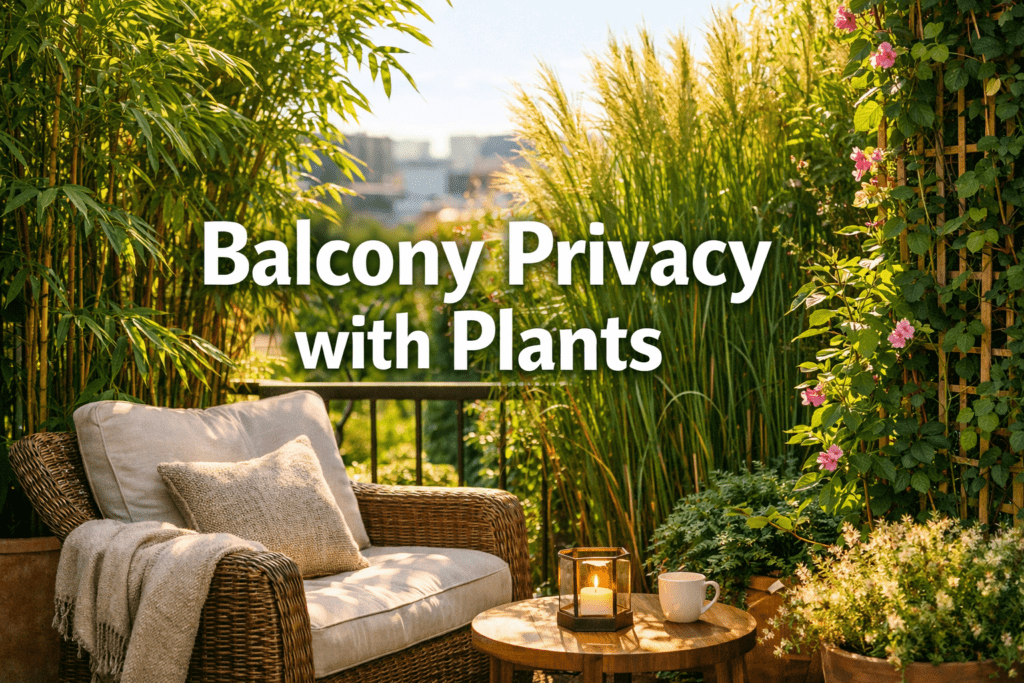
Are you dreaming of transforming your exposed balcony into a secluded sanctuary where you can relax, read, or enjoy a cup of coffee away from prying eyes? Creating balcony privacy with plants is one of the most effective, aesthetic, and environmentally friendly ways to achieve this. Living green screens offer not only visual barriers but also enhance air quality, reduce noise, and add a touch of natural beauty that artificial screens often lack. This comprehensive guide will walk you through everything you need to know about selecting, planting, and maintaining plants to create your private balcony oasis in 2026.
Key Takeaways
- Plant Selection is Crucial: Choose plants based on your climate zone, sunlight exposure, desired height, and maintenance commitment. Evergreens and fast-growing climbers are excellent choices for year-round privacy.
- Container Size Matters: Always select the largest feasible containers to support healthy root growth and larger plant sizes, which are essential for effective screening.
- Layering for Density: Combine plants of different heights and growth habits – tall shrubs, climbing vines, and dense grasses – to create a multi-layered, impenetrable privacy screen.
- Vertical Gardening Maximizes Space: Utilize trellises, hanging planters, and railing boxes to grow more plants in limited balcony areas, enhancing both privacy and greenery.
- Consistent Care Ensures Success: Regular watering, appropriate fertilization, and timely pruning are vital to keeping your privacy plants healthy and lush.
Quick Answer
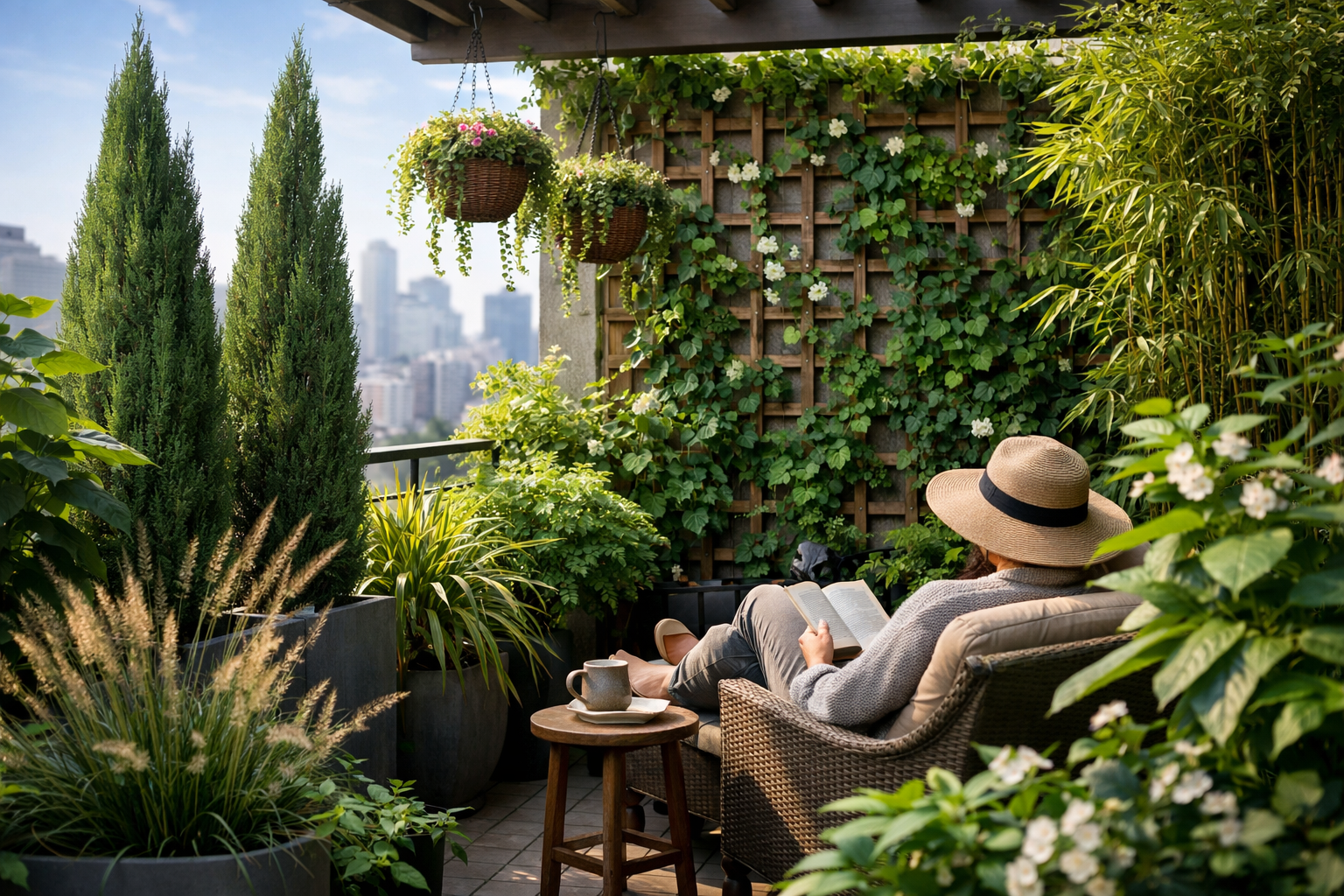
To achieve effective balcony privacy with plants, select a combination of tall, dense evergreens like Japanese holly, fast-growing climbing vines such as star jasmine, and ornamental grasses, choosing varieties suited to your balcony’s sunlight and climate. Plant them in appropriately large containers and arrange them strategically to create a multi-layered green barrier that offers both visual seclusion and a beautiful natural ambiance.
How Do Plants Provide Effective Balcony Privacy?
Plants provide effective balcony privacy by creating a natural, living screen that obstructs views without feeling heavy or artificial. Unlike solid barriers, foliage allows for air circulation and dappled sunlight, maintaining an open feel while enhancing seclusion.
The effectiveness of plants for privacy comes from their ability to grow densely and vertically. Evergreens offer year-round coverage, while deciduous plants provide privacy during warmer months. The varied textures and colors of different plant species can also add aesthetic appeal to your outdoor space, transforming a plain balcony into a lush retreat. For instance, plants like Japanese holly provide continuous dark-green foliage that is excellent for consistent screening [1]. Furthermore, a well-chosen plant screen can also help to muffle urban sounds and filter air pollutants, contributing to a more serene and healthier environment on your balcony.
Key Benefits of Plant-Based Privacy
- Natural Aesthetic: Integrates seamlessly with outdoor environments, creating a soft, inviting look.
- Improved Air Quality: Plants naturally filter pollutants and release oxygen.
- Noise Reduction: Dense foliage can help absorb and deflect sound waves, reducing urban noise.
- Temperature Regulation: Provides shade, which can cool the balcony and adjacent interior spaces.
- Enhanced Biodiversity: Attracts beneficial insects and birds, contributing to a mini-ecosystem.
- Flexibility and Adaptability: Can be rearranged, pruned, or swapped out as needs or seasons change.
What Are the Best Plants for Balcony Privacy in 2026?
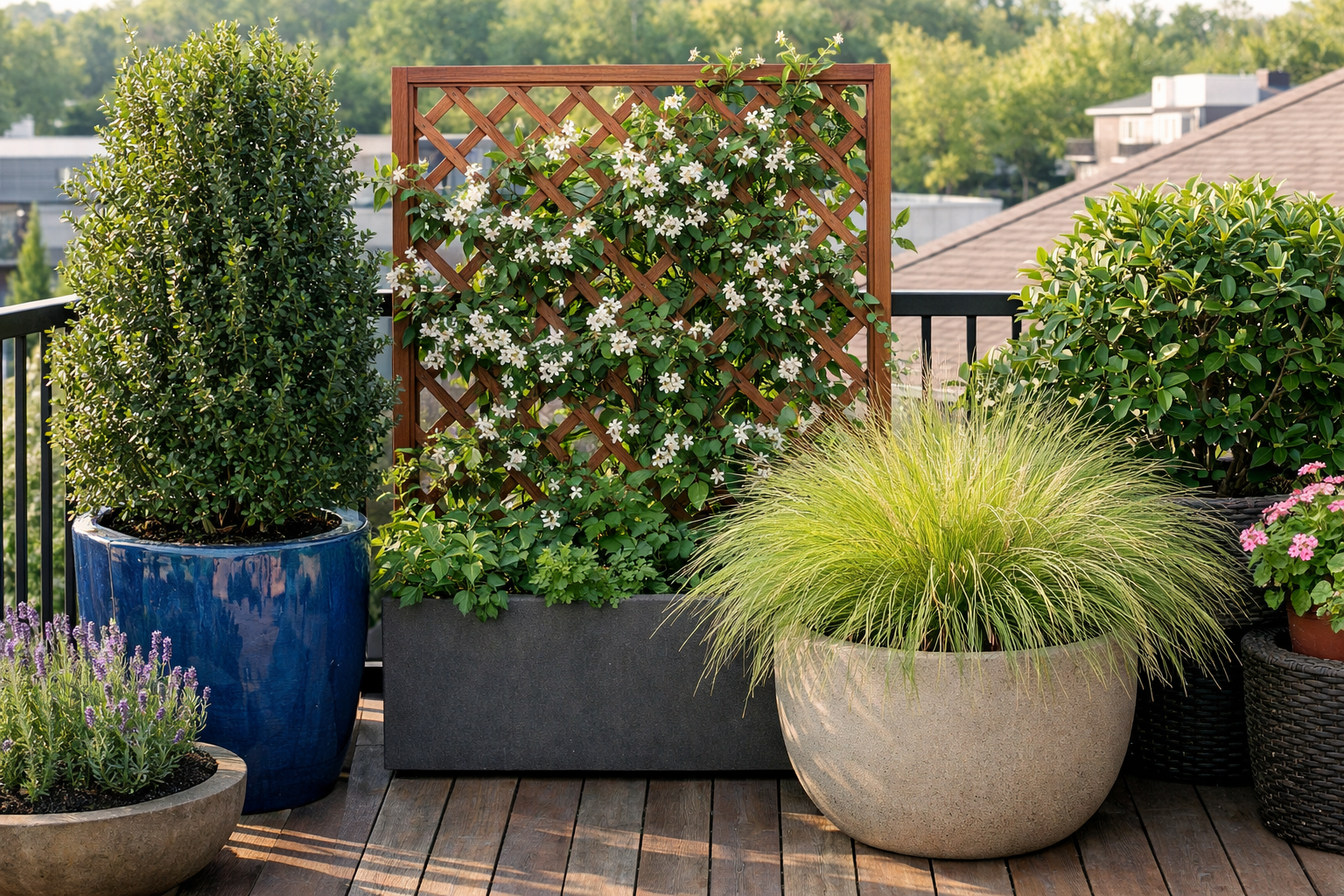
The best plants for balcony privacy with plants in 2026 are often those that are dense, fast-growing, evergreen, and adaptable to container life, with popular choices including Japanese holly, star jasmine, and ornamental grasses. These options are favored for their ability to provide consistent coverage and thrive in urban conditions [1, 5].
When selecting plants, consider your local climate zone (USDA Hardiness Zones are a good guide) and your balcony’s sun exposure (full sun, partial shade, or full shade). Multi-purpose plants that “look great, fit the scale of a home landscape, and require minimal fuss” are increasingly trending for their convenience and aesthetic appeal [5].
Top Plant Selections for Balcony Privacy
Here’s a breakdown of excellent choices for various conditions:
- Evergreen Shrubs (for year-round dense privacy):
- Japanese Holly (Ilex crenata): Ideal for shade-tolerant conditions, offering dark-green foliage year-round. It’s resilient against urban pollution and can be shaped with topiary for custom privacy [1]. Choose this if you need consistent, dark green screening that can handle some shade.
- Golden Oakland Holly: A contemporary choice for living fences, providing excellent year-round coverage and a vibrant green hue [3].
- Red Diamond Midsize Loropetalum: Offers striking foliage and can be used to create an attractive, dense screen [3].
- Climbing Vines (for vertical growth and quick coverage):
- Star Jasmine (Trachelospermum jasminoides): An evergreen climber best in US hardiness zones 8-10. It boasts fragrant white flowers and requires minimal care once established, making it a beautiful and effective privacy screen [1]. Provide a trellis or support structure for it to climb.
- Ivy (various species): While some ivy varieties can be invasive, many are excellent for container gardening on balconies, offering fast, dense evergreen coverage. Ensure the specific variety you choose is suitable for containers.
- Ornamental Grasses (for soft, textural screening):
- Needlegrass (Stipa): Thrives in zones 7-10, providing ornamental screening with a delicate texture. It’s hardy and versatile for drier conditions [1]. Ideal for adding movement and a softer visual barrier.
- Bamboo (clumping varieties): For a more substantial, vertical screen, clumping bamboo varieties can grow tall and dense in containers. Be sure to choose a non-invasive clumping type (e.g., Fargesia) and use very large, sturdy pots to prevent root bound issues.
- Flowering Plants (for a blend of privacy and beauty):
- Beeblossom (Gaura): Reaches up to 5 feet in zones 6-9, making it suitable for balcony screening with delicate flowers [1].
- California Lilac (Ceanothus): Performs well in zones 7-10, requiring sheltered, sunny placement. Not recommended for cooler climates, but offers beautiful blue blooms and some privacy [1].
- Pastel Flowering Plants: Pastel tones like soft peach, blush, and pale pink are gaining prominence in 2026 container gardens, creating “calm, welcoming” spaces while contributing to density [2]. Consider these for a touch of color within your green privacy screen.
Plant Selection Decision Rule
Choose evergreen shrubs for year-round solid privacy, climbing vines for rapid vertical coverage and scent, and ornamental grasses for soft, airy screening and movement. For areas with specific aesthetic goals, incorporate flowering plants in trending pastel shades. Always check hardiness zones and sun requirements. For a list of generally easy-to-grow options, check out our guide on Easy Plants to Grow in Small Spaces (2026 Guide).
How Do You Design a Balcony Privacy Garden with Plants?
Designing a balcony privacy garden with plants involves strategic placement, choosing appropriate containers, and layering different plant types to create a dense, visually appealing barrier. Effective design maximizes both seclusion and the aesthetic appeal of your outdoor space.
This process begins with understanding your balcony’s layout, sun exposure throughout the day, and wind patterns. Structural elements like arches and trellises are increasingly important in 2026 garden design, helping to shape and support plantings [8]. Consider how different heights and textures of plants can work together to create a varied yet cohesive look.
Step-by-Step Design Process
Assess Your Balcony:
- Sunlight: Map how much direct sun your balcony receives throughout the day. This dictates which plants will thrive.
- Space: Measure the usable area and note any obstructions or structural limitations.
- Weight Limit: Be aware of your balcony’s weight capacity. Large planters filled with soil and water can be very heavy.
- View: Identify the specific areas where you need the most privacy.
Choose Your Privacy Focus:
- Full Screen: For complete visual blockage, combine tall, dense plants with climbing vines.
- Partial Screen: For dappled privacy, use airier grasses or strategically placed medium-height plants.
- Specific Spots: Target areas like a seating nook or a dining table with localized plant screens.
Select Containers:
- Size: Container size should be “as large as feasible to accommodate plant growth” while matching balcony space [1]. Larger pots allow plants to grow bigger and require less frequent watering. For guidance on appropriate pots, see our Best Pots for Small Space Gardening in 2026.
- Material: Terracotta, ceramic, plastic, and fiberglass are common. Terracotta breathes but dries out faster; plastic is lightweight and retains moisture.
- Drainage: All containers must have drainage holes to prevent root rot.
- Aesthetics: Choose pots that complement your balcony’s style and your plant choices. Pastel colors are a trending container garden aesthetic for 2026 [2].
Layer Your Plants:
- Tall Back Layer: Use tall shrubs (e.g., Japanese Holly) or climbing plants on trellises for the primary height and density.
- Middle Layer: Add medium-height plants (e.g., Beeblossom, smaller ornamental grasses) in front of or alongside the taller ones to fill gaps and add volume.
- Front/Cascading Layer: Incorporate smaller plants, herbs, or trailing varieties in railing planters or hanging baskets to soften edges and add visual interest.
Consider Vertical Solutions:
- Trellises and Arches: Essential for climbing plants like Star Jasmine, guiding their growth upwards to maximize privacy [8].
- Vertical Planters: Multi-tiered systems or wall-mounted pockets are excellent for growing herbs, flowers, or smaller privacy plants in compact spaces [link to vertical gardening guide]. Our Vertical Gardening Guide for Small Spaces: Grow More in 2026 offers more insights.
- Railing Planters: Attach directly to balcony railings, adding a green screen at eye level and softening the harsh lines of the railing.
Design Tip: Use a Mirror
Place a weather-resistant mirror strategically on an opposite wall to reflect greenery, making your balcony feel larger and lusher. This can also enhance natural light.
Common Mistake to Avoid
One common mistake is choosing too many small pots. While they might seem to save space, small pots restrict root growth, lead to drought stress, and require constant watering, ultimately hindering the plants’ ability to grow large and dense enough for effective privacy. Always opt for the largest possible containers for your chosen privacy plants [1].
What Are the Maintenance Requirements for Balcony Privacy Plants?
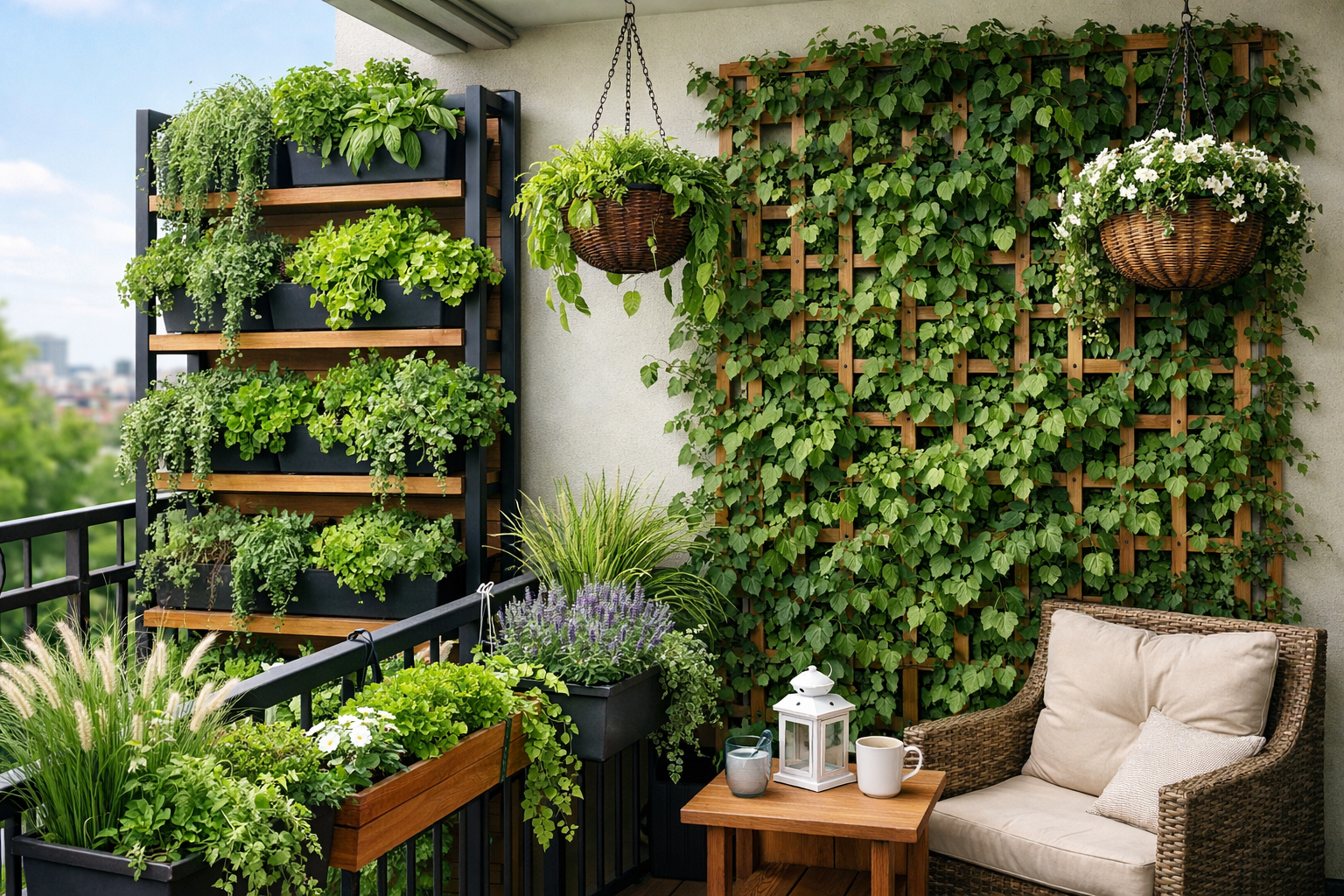
Maintaining balcony privacy with plants primarily involves consistent watering, appropriate feeding, and regular pruning to ensure healthy growth and effective screening. Proper care prevents common issues like stunted growth, pests, and disease, which can compromise privacy.
The “minimal fuss” approach to gardening is a strong trend in 2026, meaning gardeners often seek plants and methods that reduce the time commitment without sacrificing aesthetics [5]. However, even low-maintenance plants require basic care to thrive in containers, where resources are limited compared to garden beds.
Essential Maintenance Tasks
Watering:
- Frequency: Container plants dry out much faster than in-ground plants. Check soil moisture daily, especially during warm, sunny, or windy weather. Water when the top inch or two of soil feels dry. For detailed watering advice, see our guide on How Often Should You Water Plants? Ultimate Guide 2026.
- Method: Water thoroughly until water drains from the bottom of the pot. Avoid overhead watering, which can encourage fungal diseases.
- Self-watering Planters: Consider using self-watering containers to reduce daily watering chores, especially for larger privacy plants.
- Drip Irrigation: For multiple containers, a small drip irrigation system can provide consistent, efficient watering.
Fertilization:
- Container plants exhaust nutrients faster. Use a balanced liquid fertilizer every 2-4 weeks during the growing season (spring and summer), or a slow-release granular fertilizer as directed.
- Follow package instructions: Over-fertilizing can harm plants.
- Organic Options: Incorporate compost or worm castings into the potting mix for a slow release of nutrients.
Pruning:
- Shaping for Privacy: Prune privacy plants to encourage bushier growth, fill in gaps, and maintain a desired height and width. Japanese holly, for example, responds well to topiary [1].
- Deadheading: Remove spent flowers to encourage new blooms and keep plants looking tidy.
- Removing Dead/Diseased Foliage: Regularly inspect plants and remove any yellowing, brown, or diseased leaves to prevent the spread of issues.
Pest and Disease Management:
- Inspection: Regularly check leaves (top and bottom), stems, and soil for signs of pests (aphids, spider mites, scale) or diseases (fungal spots, mildew).
- Early Intervention: Treat issues promptly with organic solutions like neem oil or insecticidal soap.
- Good Airflow: Ensure adequate spacing between plants to promote air circulation, which helps prevent fungal problems.
Repotting:
- Root Bound: As plants grow, they may become root-bound, meaning their roots fill the pot. This restricts growth and water/nutrient uptake.
- Signs: Slow growth, water running quickly through the pot, roots growing out of drainage holes.
- Frequency: Repot every 1-3 years into a slightly larger container, or root prune and refresh the soil in the same pot.
Winter Care:
- Hardiness: For perennial plants, ensure they are hardy for your zone. If not, provide winter protection (mulch, burlap) or bring them indoors.
- Watering: Reduce watering in winter as plants go dormant, but don’t let the soil dry out completely.
- Indoor Plants: For those moving plants indoors, be mindful of indoor humidity and light levels. You can find more tips on Indoor Gardening for Small Homes & Apartments: 2026 Guide.
Maintenance Checklist
- Daily: Check soil moisture.
- Weekly: Inspect for pests/diseases, remove spent blooms/yellow leaves.
- Monthly: Fertilize during growing season.
- Seasonally: Prune for shape, winterize as needed.
- Annually/Biennially: Repot or refresh soil.
Balcony Privacy with Plants: Troubleshooting Common Problems
When establishing balcony privacy with plants, common issues like wilting, yellowing leaves, pest infestations, and lack of growth can arise, typically stemming from improper watering, inadequate light, or nutrient deficiencies. Addressing these problems promptly is crucial for maintaining a lush, healthy privacy screen.
Troubleshooting effectively involves observing your plants closely and understanding their basic needs, which can vary depending on the species and environment. Many common problems have straightforward solutions if caught early.
Troubleshooting Guide for Privacy Plants
| Problem | Potential Cause | Solution |
|---|---|---|
| Wilting Leaves | Underwatering, Overwatering (root rot), Heat Stress | Check soil moisture: if dry, water deeply; if soggy, improve drainage or reduce watering. Move to shade during extreme heat. |
| Yellowing Leaves | Nutrient deficiency (nitrogen), Overwatering, Poor drainage, Pest infestation | Fertilize with balanced plant food. Ensure good drainage. Check for pests and treat accordingly. |
| Brown Leaf Tips/Edges | Underwatering, Low humidity, Salt buildup in soil | Increase watering frequency, mist foliage or use pebble trays for humidity. Flush soil with plain water occasionally. |
| Stunted Growth | Too small a pot, Lack of nutrients, Insufficient light, Root bound | Repot into a larger container, fertilize regularly. Ensure plants receive appropriate sunlight for their species. |
| Pest Infestations | Aphids, Spider Mites, Mealybugs | Isolate affected plant. Spray with insecticidal soap or neem oil. Encourage beneficial insects if safe for balcony. |
| Leggy Growth | Insufficient light | Move plant to a brighter location. Prune back to encourage bushier growth. |
| Fungal Diseases | Overwatering, Poor air circulation, High humidity | Improve drainage, ensure proper plant spacing. Prune affected areas. Water at the soil level, avoid wetting foliage. |
| Flowers Not Blooming | Lack of sunlight, Insufficient nutrients, Incorrect pruning, Too much nitrogen | Ensure adequate sun exposure. Use a bloom-boosting fertilizer. Prune at correct times (after flowering for most). |
Edge Case: Wind Exposure
Balconies, especially those on higher floors, can experience significant wind. Strong winds can dehydrate plants quickly, damage foliage, and even knock over containers.
- Solution:
- Choose wind-tolerant plant varieties (e.g., tough evergreens, sturdy grasses).
- Use heavy, stable planters to prevent tipping.
- Install a semi-permeable windbreak (e.g., a slatted screen or a sturdy trellis covered with a dense vine) behind your plants to reduce direct wind force without creating turbulent eddies.
- Regularly check soil moisture, as wind increases evaporation.
Remember that a healthy plant is less susceptible to pests and diseases, so consistent basic care is your best defense against most problems. For more general plant care tips, our Beginner’s Guide to Plant Care 2026: Grow Thriving Plants is an excellent resource.
FAQ About Balcony Privacy with Plants
Q1: What kind of plants grow fast for balcony privacy?
A1: Fast-growing plants for balcony privacy include climbing vines like star jasmine or certain ivy varieties, as well as fast-growing ornamental grasses and some shrub varieties known for rapid growth in optimal conditions.
Q2: Can bamboo be used for balcony privacy?
A2: Yes, clumping bamboo varieties (like Fargesia species) can be used for balcony privacy in very large, sturdy containers, as they grow tall and dense without being as invasive as running bamboos.
Q3: How do I ensure my privacy plants thrive in containers?
A3: To ensure privacy plants thrive in containers, use the largest possible pots with good drainage, high-quality potting mix, provide consistent watering, and fertilize regularly during the growing season.
Q4: Are there shade-tolerant plants for balcony privacy?
A4: Yes, shade-tolerant plants suitable for balcony privacy include Japanese holly (Ilex crenata) and many varieties of ivy, which can provide dense foliage even with limited direct sunlight.
Q5: How much light do privacy plants need on a balcony?
A5: Most privacy plants require at least 4-6 hours of direct sunlight daily to thrive, though shade-tolerant species can manage with less. Always check the specific light requirements for each plant.
Q6: What’s the best way to arrange plants for maximum privacy?
A6: For maximum privacy, arrange plants in layers, using tall, dense shrubs or climbing vines at the back, medium-height plants in the middle, and cascading plants at the front or on railings to fill gaps.
Q7: Can I use edible plants for balcony privacy?
A7: Yes, dual-purpose plantings combining ornamental and edible elements are a growing trend [5]. Tall vegetable plants like pole beans on a trellis, indeterminate tomatoes, or tall herbs can provide a degree of privacy while offering a harvest.
Q8: How often should I prune my balcony privacy plants?
A8: Pruning frequency depends on the plant type and desired density. Generally, prune climbing plants to encourage bushiness and shrubs to maintain shape once or twice during the growing season.
Q9: What container size is best for balcony privacy plants?
A9: The best container size for balcony privacy plants is the largest feasible pot that accommodates the plant’s mature size and your balcony’s space, typically 15-25 gallons or more for substantial shrubs.
Q10: How can I protect my balcony plants from strong winds?
A10: Protect balcony plants from strong winds by selecting wind-tolerant varieties, using heavy pots, and installing a semi-permeable windbreak (like a slatted screen) to diffuse the wind’s force.
Key Takeaways
- Thoughtful Plant Selection: Choose plants that match your balcony’s conditions (sun, wind, space) and offer dense, effective screening, like evergreen shrubs (Japanese Holly), climbing vines (Star Jasmine), and ornamental grasses (Needlegrass) [1, 5].
- Maximize Container Size: Opt for the largest possible containers to support robust plant growth, which is essential for developing substantial privacy barriers [1].
- Strategic Layering: Combine plants of varying heights and growth habits to create a multi-dimensional green screen, enhancing both visual density and aesthetic appeal.
- Embrace Vertical Gardening: Utilize trellises, railing planters, and vertical garden systems to maximize green space and privacy in compact balcony environments.
- Consistent Maintenance: Regular watering, appropriate feeding, and timely pruning are crucial to keep your privacy plants healthy, lush, and performing their screening function effectively.
- Address Issues Promptly: Be vigilant about troubleshooting common plant problems like wilting, yellowing, or pests to ensure your living privacy screen remains vibrant.
- Consider Multi-Purpose Plants: Integrate plants that offer both privacy and other benefits, such as fragrant flowers or edible produce, aligning with current gardening trends [5].
References
[1] Plants For Privacy On A Balcony – https://www.homesandgardens.com/gardens/plants-for-privacy-on-a-balcony
[2] Trends In Container Gardening 2026 – https://www.containedcreations.com/blog/trends-in-container-gardening-2026
[3] Garden Trends 2026 – https://www.countryliving.com/gardening/garden-ideas/a70160525/garden-trends-2026/
[5] Patio And Porch Trends 2026 – https://www.veranda.com/outdoor-garden/a69739521/patio-and-porch-trends-2026/
[8] Garden Trends For 2026 – https://www.agriframes.us/blogs/garden-designs/garden-trends-for-2026