Small Balcony Garden Ideas: Transform Your Tiny Space in 2026
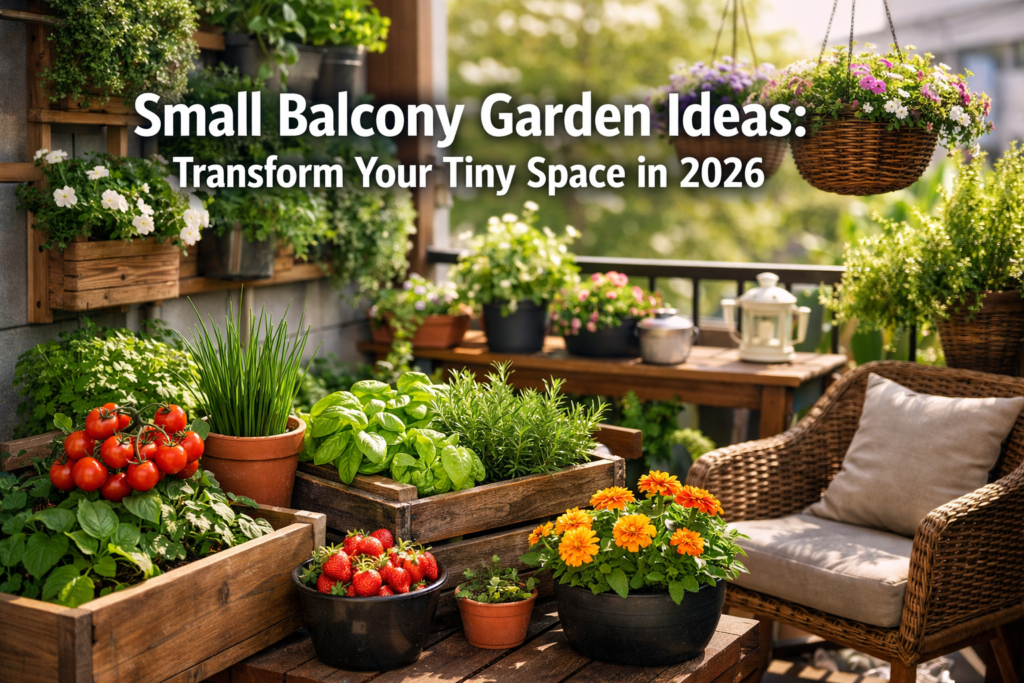
Do you dream of a lush green oasis, fresh herbs, or vibrant flowers, even with just a small balcony? You absolutely can create a thriving garden in a compact space, transforming your outdoor area into a personal retreat in 2026. Small balcony garden ideas are all about maximizing vertical space, choosing the right plants, and implementing clever design strategies to make the most of every square inch.
Key Takeaways
- Vertical gardening is crucial for maximizing limited balcony space.
- Focus on edible plants like herbs, leafy greens, and dwarf vegetables for practicality and enjoyment.
- Choose plants suited to your balcony’s sun exposure, wind conditions, and your commitment level.
- Sustainable practices, such as repurposing containers and water conservation, are essential for a thriving and eco-friendly garden.
- Thoughtful design can integrate your garden with your indoor living space, creating a cohesive and tranquil environment.
Quick Answer
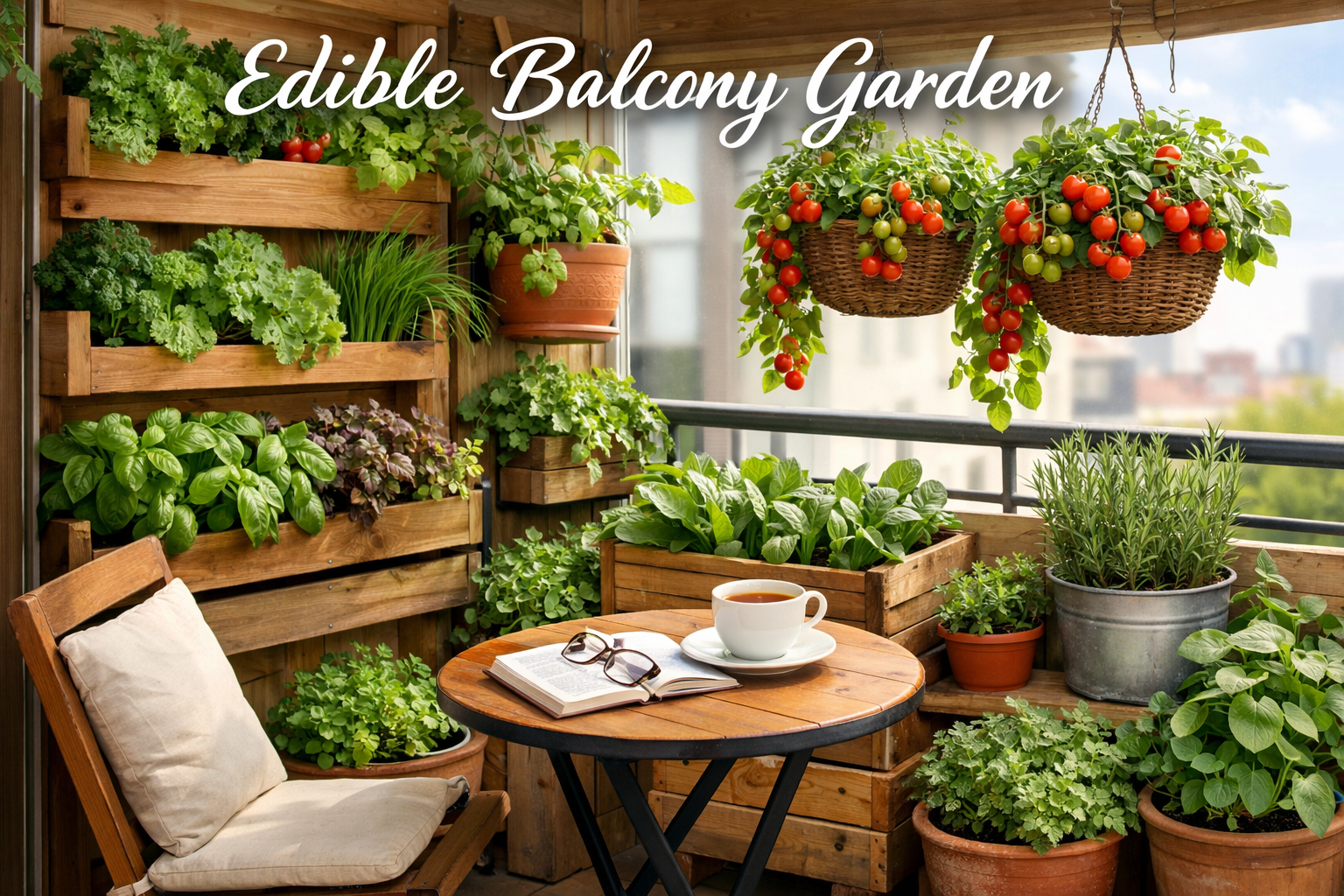
Creating a small balcony garden in 2026 involves strategic planning, smart plant choices, and innovative space-saving techniques like vertical gardening. By selecting compact plants, utilizing appropriate containers, and considering your balcony’s specific conditions, you can cultivate a productive and beautiful green space that brings nature closer to your urban home.
What Are the Best Plants for Small Balcony Garden Ideas?
The best plants for small balcony garden ideas are typically compact, high-yielding, and tolerant of container life, ensuring you maximize greenery and utility in limited space. Edible plants remain a top priority for apartment dwellers, with herbs, leafy greens, dwarf tomatoes, and bush beans requiring only 4-6 hours of sun [1].
Choosing the right plants is fundamental to a successful small balcony garden. Given the limited root space and exposure to elements, plants that thrive in containers and offer continuous harvests or prolonged beauty are ideal.
Top Plant Categories and Specific Recommendations:
Edible Herbs: These are perfect for small spaces because many can be harvested regularly, providing fresh ingredients for your kitchen.
- Basil: Loves sun, needs consistent watering.
- Mint: Very robust, can spread, so best in its own pot.
- Chives: Low maintenance, perennial, and adds a delicate onion flavor.
- Thyme: Drought-tolerant once established, beautiful cascading habit.
- Rosemary: Aromatic, can be pruned to stay compact.
- Parsley: Biennial, provides fresh leaves for two seasons.
Leafy Greens: Quick growing and offer multiple harvests.
- Lettuce varieties: ‘Buttercrunch,’ ‘Tom Thumb,’ ‘Salad Bowl’ are compact.
- Spinach: Prefers cooler temperatures.
- Swiss Chard: Colorful and productive.
- Kale: Hardy and can tolerate some shade.
Compact Vegetables: Look for “dwarf,” “bush,” or “patio” varieties.
- Cherry Tomatoes: ‘Tiny Tim,’ ‘Patio Princess,’ or ‘Micro Tom’ are excellent for pots [5]. Ensure they have sturdy support if they grow even moderately large.
- Bush Beans: Produce well without needing a large trellis like pole beans.
- Radishes: Very quick turnaround, great for beginners.
- Dwarf Peppers: Bell peppers or chili peppers in compact forms.
- Alpine Strawberries: Small, sweet fruits, perfect for hanging baskets or edges of containers [1].
Flowers for Aesthetics and Pollinators: Add color and attract beneficial insects.
- Petunias: Trailing varieties are beautiful in hanging baskets.
- Marigolds: Bright, cheerful, and can deter pests.
- Nasturtiums: Edible flowers and leaves, can trail beautifully.
- Pansies/Violas: Early spring and fall color, edible.
- Native Plants: Consider native sedges and grasses for their resilience, reduced water needs, and benefits to local insect populations [1]. This aligns with 2026 trends focusing on sustainable gardening practices.
Small Fruits: While challenging, some fruits can succeed.
- Dwarf Citrus Trees: Meyer lemon or kumquat can do well in large pots if protected from cold [1].
- Blueberries: Require acidic soil, look for self-pollinating or plant two varieties for better yield.
Decision Rule: Choosing Your Plants
When selecting plants, choose edible-first options if your primary goal is practical harvesting and fresh ingredients for cooking. If you’re aiming for a serene retreat, prioritize native plants or flowering varieties that thrive in your specific light conditions. Always check the mature size of a plant and its container requirements before purchasing. Overcrowding pots is a common mistake that can stunt plant growth and reduce yields. For a deeper dive into optimal plant choices, explore our guide on Best Plants for Small Gardens 2026: The Complete List.
How Can I Maximize Space with Small Balcony Garden Ideas?
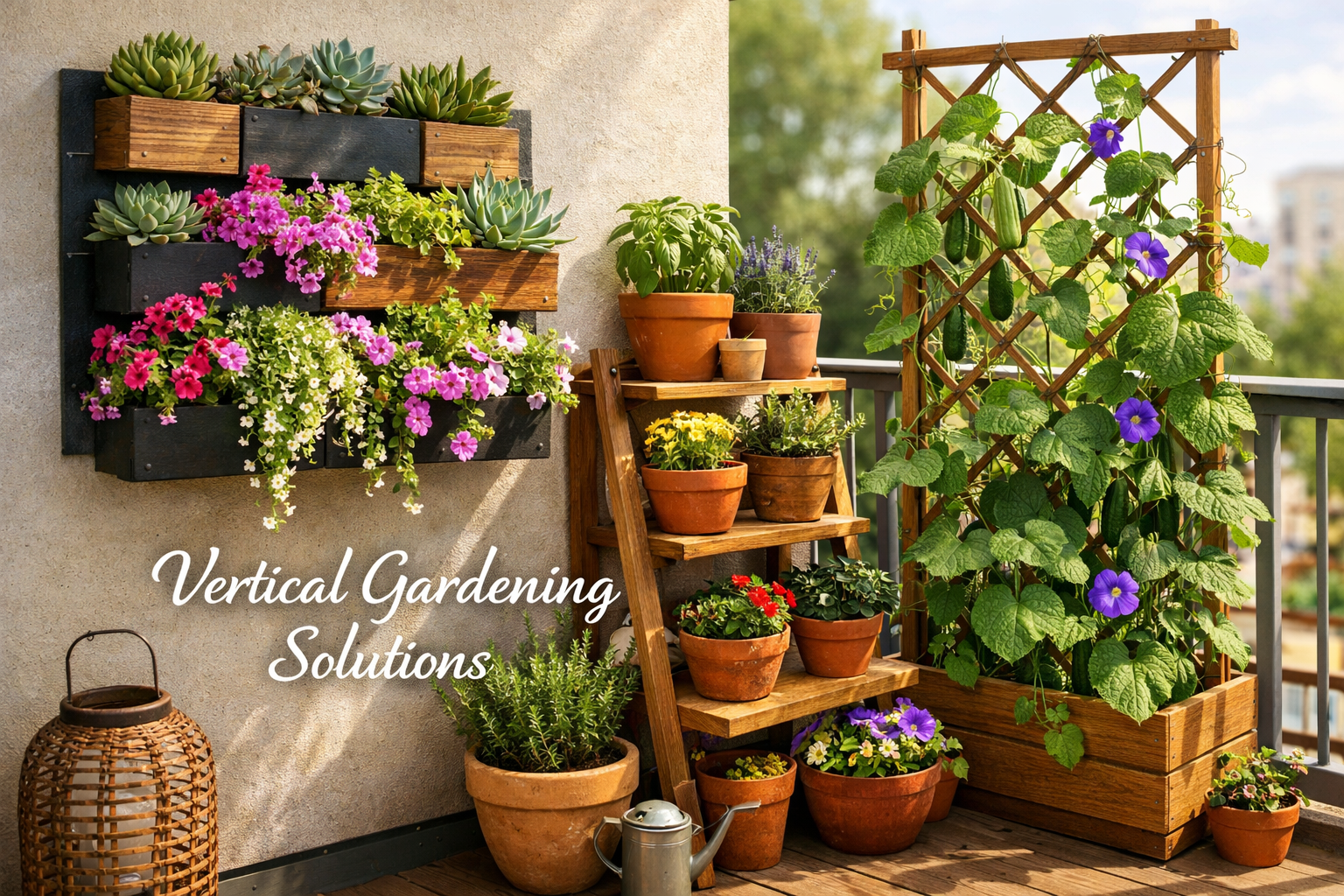
Maximizing space with small balcony garden ideas primarily involves utilizing vertical dimensions, implementing multi-functional elements, and smart layout strategies to leverage every available surface. Vertical gardening techniques are essential for multiplying growing capacity without expanding the floor footprint [1, 2].
Balconies, by their nature, are limited in horizontal space. Therefore, thinking vertically and creatively about storage and plant placement is key to transforming a tiny area into a flourishing garden.
Effective Space Maximization Techniques:
Vertical Gardening Systems: These are the backbone of any productive small balcony garden.
- Wall-Mounted Planters: Attach planters directly to a sturdy wall or railing. These can range from simple individual pots to complex modular systems.
- Trellises: Perfect for climbing plants like peas, beans, small cucumbers, or morning glories. They add height and visual interest.
- Tiered Plant Stands: These stands allow you to place multiple pots at different levels, creating a cascading effect and utilizing vertical space efficiently.
- Hanging Baskets: Excellent for trailing plants like strawberries, petunias, or herbs, freeing up floor space.
- Pallet Gardens: Repurpose wooden pallets into vertical planters. Ensure the wood is untreated and safe for gardening.
- Vertical Berry and Fruit Systems: Espaliered fruit trees or compact berry plants can be trained to grow flat against a wall, offering fruit in a small footprint [2].
Rail Planters: These planters clip directly onto your balcony railing, using otherwise unused space without taking up any floor area. They are ideal for herbs, small flowers, or leafy greens.
Shelving Units: Install narrow, sturdy shelving units to hold multiple pots. Open-backed shelves can allow light to reach plants on lower tiers.
Multi-Functional Furniture: Choose furniture that serves more than one purpose.
- Benches with Integrated Planters: Some benches have built-in planting beds, offering seating and growing space simultaneously.
- Storage Benches: Can hold gardening tools, pots, or other items, keeping the balcony tidy.
- Folding Furniture: Tables and chairs that can be folded and stored away when not in use free up significant floor space.
Smart Container Choices:
- Stackable Pots: Designed to stack vertically, often with individual planting pockets.
- Grow Bags: Lightweight, flexible, and come in various sizes. They can be easier to move and store.
- Self-Watering Planters: Reduce watering frequency, which is helpful in busy urban lives.
- Repurposed Containers: Budget-friendly and sustainable, old tires, plastic bottles, or wooden crates can be transformed into unique planters [2]. Just ensure adequate drainage.
Common Mistake: Overcrowding
A common mistake is trying to fit too many large plants into a small space or using containers that are too small for the plants. This can lead to stunted growth, increased disease risk, and a cluttered appearance. Always consider the plant’s mature size and ensure proper airflow between plants. For more ideas on how to grow vertically, check out our Vertical Gardening Guide for Small Spaces: Grow More in 2026.
Example: A Small Balcony Transformation
Imagine a 4×6 foot balcony. Instead of just a few pots on the floor, you could install a three-tier plant stand in one corner, a wall-mounted herb garden along the longest wall, and two railing planters for flowers. A compact folding bistro set could provide seating, and a small trailing tomato plant could hang from a sturdy ceiling hook. This setup multiplies the growing area significantly while still allowing for a functional seating space.
What Design Principles Enhance Small Balcony Garden Ideas?
Design principles for enhancing small balcony garden ideas focus on creating a cohesive, functional, and aesthetically pleasing outdoor extension of your home, emphasizing biophilic design and smart material choices. Cohesive indoor-outdoor integration, neutral color palettes, and natural wood with black-framed elements are defining approaches in 2026 for seamless biophilic spaces [3].
A well-designed balcony garden is more than just a collection of plants; it’s an intentional space that brings joy, relaxation, and beauty. The goal is to make the space feel larger, more inviting, and reflect your personal style while accommodating your gardening ambitions.
Key Design Principles:
Biophilic Design: Integrating natural elements to create a calm, nature-centered retreat.
- Vertical Greenery: Use living walls, trellises, or hanging planters to bring greenery to eye level [4].
- Natural Materials: Incorporate wood, stone, terracotta, and natural fibers in your pots, furniture, and decor.
- Mindful Plant Arrangements: Group plants by texture, height, and color to create visual harmony and interest [4].
- Sensory Experience: Include fragrant herbs (lavender, mint), plants with interesting textures, and perhaps a small water feature for sound.
Cohesive Indoor-Outdoor Integration: Make your balcony feel like an extension of your indoor living space.
- Color Palette: Use similar colors or a complementary palette to your interior decor. Neutral tones (greys, whites, natural wood) are popular for a serene feel [3].
- Furniture Style: Choose balcony furniture that echoes the style of your indoor furniture.
- Flooring: Consider outdoor rugs or decking tiles that match or complement your interior flooring for a seamless transition.
Smart Layout and Flow:
- Defined Zones: Even in a small space, you can define areas for seating, gardening, and circulation.
- Pathways: Ensure there’s a clear path to move around without disturbing plants or furniture.
- Visual Interest: Use varying heights, textures, and colors to lead the eye through the space. Tall plants can draw the eye upwards, making the space feel larger.
Lighting: Essential for both ambiance and plant health.
- Task Lighting: Small solar-powered spotlights can illuminate plants at night.
- Ambient Lighting: String lights, lanterns, or candles create a warm, inviting atmosphere for evening use.
- Consider Sun Exposure: Understand your balcony’s sunlight patterns throughout the day and year to place plants accordingly. Plants requiring 4-6 hours of sun are often a good fit for partial sun balconies [1].
Wind Management: Balconies, especially on higher floors, can be windy.
- Wind-Resistant Containers: Choose heavier pots (terracotta, ceramic) or group lighter pots together for stability [1].
- Windbreaks: Consider a trellis with a dense climbing plant, a sturdy screen, or strategically placed tall, hardy plants to offer some protection.
Trending Themed Approaches for 2026 [1]:
- Tropical Jungle Paradise: Lush, broad-leaf plants (e.g., ferns, calatheas), bamboo screens, water features.
- Mediterranean Herb Haven: Terracotta pots, aromatic herbs (rosemary, lavender), olive trees (dwarf varieties), stone elements.
- Pollinator Paradise: Nectar-rich flowers (marigolds, petunias), native plants, small bee hotels.
- Edible Balcony: Focus on herbs, vegetables, and compact fruits.
- Calm Green Retreat: Minimalist design, simple green foliage, natural textures, comfortable seating.
Quick Example: The Biophilic Balcony
Imagine a balcony with a neutral-colored floor mat, a small wooden bench with a few cushions, and a vertical garden wall covered in lush, varied green foliage. A few large, heavy terracotta pots hold dwarf citrus trees or fragrant jasmine. Minimalist string lights provide a soft glow in the evening. This creates a calm, integrated space that feels both natural and sophisticated. For inspiration on similar setups, explore Balcony Garden Setup Step-by-Step | 2026 Ultimate Guide.
What Are Practical Tips for Maintaining a Small Balcony Garden?
Practical tips for maintaining a small balcony garden revolve around efficient watering, proper nutrition, pest management, and regular care tailored to the unique challenges of container gardening. Consistent attention to these details ensures the health and longevity of your plants in a compact environment.
Maintaining a small balcony garden requires a hands-on approach, but with a few smart strategies, it doesn’t have to be overly time-consuming. The confined nature of containers means plants have specific needs that differ from in-ground gardening.
Essential Maintenance Tips:
Watering Wisely: This is perhaps the most critical aspect of container gardening.
- Frequency: Container plants dry out faster than in-ground plants. Check soil moisture daily, especially during hot, windy weather. Stick your finger an inch or two into the soil; if it feels dry, it’s time to water.
- Method: Water until it drains from the bottom of the pot, ensuring the entire root ball is moistened.
- Self-Watering Pots: Consider investing in self-watering containers to reduce daily watering chores, especially if you travel or have a busy schedule.
- Drip Irrigation: For multiple containers, a small drip irrigation system on a timer can automate watering and conserve water.
- Morning Watering: Best to water in the morning to allow foliage to dry before nightfall, reducing fungal issues.
Nutrient Management: Plants in containers quickly deplete soil nutrients.
- High-Quality Potting Mix: Start with a good quality potting mix designed for containers, not garden soil. Potting mix provides adequate drainage and aeration. For more on this, see Soil Basics for Container Gardening: 2026 Expert Guide.
- Fertilizing: Most potting mixes contain nutrients for about 4-6 weeks. After that, begin a regular feeding schedule with a balanced liquid fertilizer (diluted to half strength) every 2-4 weeks. For edibles, consider organic options.
- Compost Tea: A natural, nutrient-rich boost for your plants.
Pest and Disease Control: Monitor your plants regularly for signs of trouble.
- Daily Inspection: A quick daily check helps catch problems early. Look under leaves for pests like aphids or spider mites.
- Organic Solutions: For minor infestations, try a strong spray of water to dislodge pests or use insecticidal soap. Neem oil can also be effective.
- Good Air Circulation: Space plants adequately to allow airflow, which helps prevent fungal diseases.
- Remove Diseased Leaves: Promptly remove any yellowing, spotted, or diseased leaves to prevent spread.
Pruning and Harvesting:
- Deadheading: Removing spent flowers encourages more blooms and keeps plants looking tidy.
- Pinching Back: For bushy plants like basil or petunias, pinching off the growing tips encourages bushier growth and more flowers/leaves.
- Regular Harvesting: For edibles, frequent harvesting encourages the plant to produce more. Don’t let vegetables or herbs become overripe or go to seed prematurely.
Repotting:
- Signs: If a plant looks stunted, dries out very quickly, or has roots growing out of the drainage holes, it might be root-bound and need a larger pot.
- Frequency: Most annuals won’t need repotting, but perennials and woody herbs might need it every 1-2 years.
Common Mistake: Ignoring Drainage
A lack of proper drainage is a fatal flaw for most container plants. Always use pots with drainage holes and ensure they aren’t blocked. Placing a layer of gravel at the bottom of a pot doesn’t improve drainage; it can actually create a perched water table, leading to root rot. Use appropriate potting mix and drainage holes.
Mini Example: Low-Maintenance Herbs
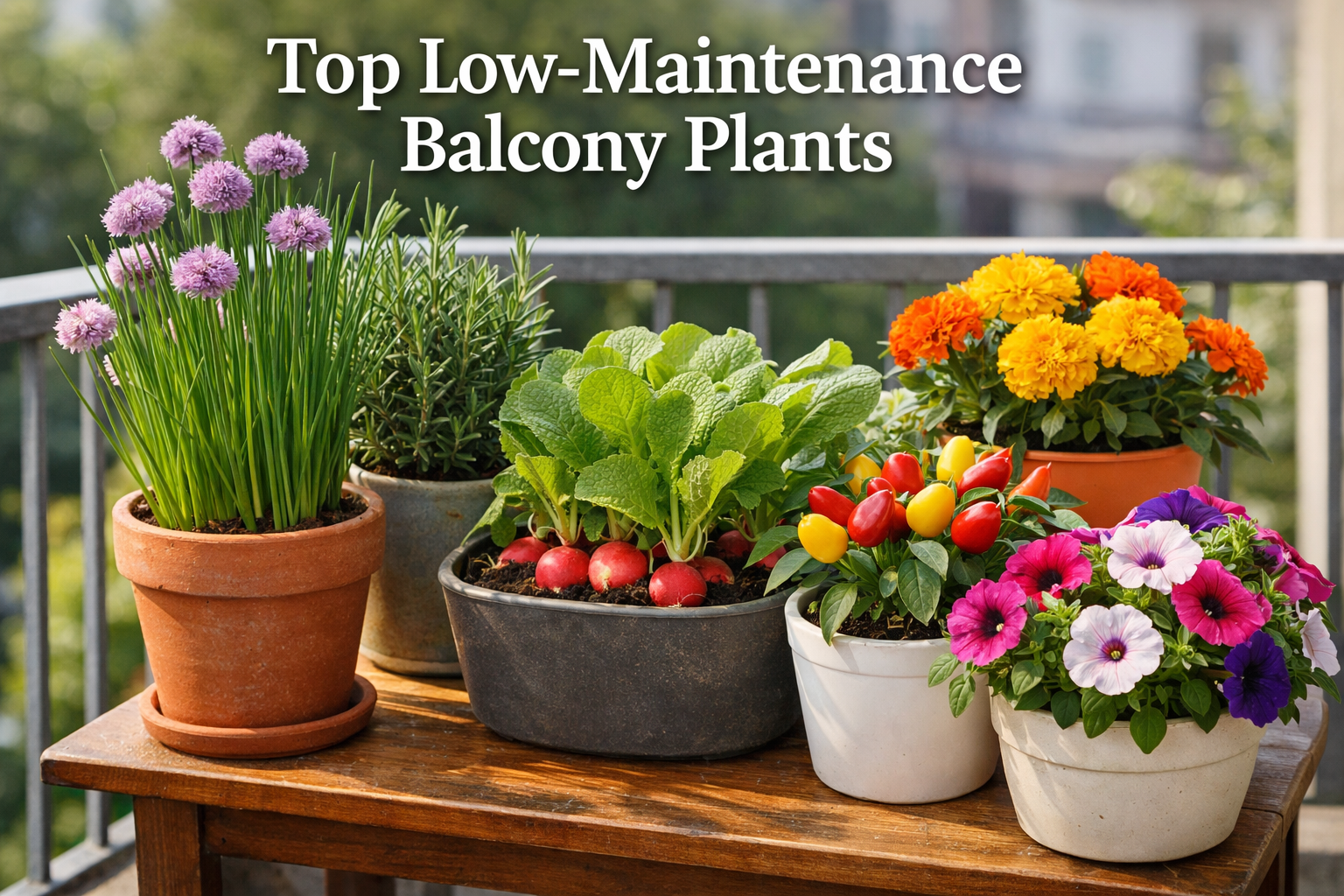
For a truly low-maintenance balcony garden, focus on resilient herbs like rosemary, thyme, and chives. These tolerate some neglect, don’t require daily watering once established, and are less prone to pests. Pair them with self-watering pots to further reduce maintenance. Our guide on Low Maintenance Plants for Beginners: 7 Easy Picks (2026) offers more great options.
Small Balcony Garden Ideas: Thematic Approaches for 2026
Thematic approaches for small balcony garden ideas in 2026 offer structured ways to design your space, ensuring a cohesive aesthetic and a tailored gardening experience. Five core themes are defining the landscape: Tropical jungle paradise, Mediterranean herb haven, pollinator paradise, edible balcony, and calm green retreat [1]. These themes help in selecting plants, materials, and decor that contribute to a unified vision.
Choosing a theme can simplify decision-making and result in a more impactful and enjoyable small balcony garden. It provides a framework for selecting plants, containers, and decor that work well together.
Exploring Popular 2026 Balcony Garden Themes:
Tropical Jungle Paradise 🌴
- Concept: Transform your balcony into a lush, exotic escape reminiscent of a rainforest.
- Plants: Focus on broad-leafed plants, ferns, hostas, calatheas, bamboo (in containers), and large-leafed philodendrons. Look for plants that thrive in shade or partial shade if your balcony doesn’t get intense sun.
- Containers: Mix of large, dark-colored pots (dark green, charcoal) and natural materials like woven baskets (with liners).
- Decor: Water features (small tabletop fountains), bamboo screens for privacy, string lights, and natural wood accents.
- Why choose this? If you crave a dense, green sanctuary and enjoy a vibrant, maximalist aesthetic.
Mediterranean Herb Haven 🌿
- Concept: Evoke the sun-drenched landscapes of the Mediterranean with aromatic herbs and rustic charm.
- Plants: Rosemary, lavender, thyme, oregano, sage, basil, and a dwarf olive tree or citrus plant [1]. Succulents also fit this theme.
- Containers: Terracotta pots in various sizes are a must, along with natural stone elements.
- Decor: Wrought iron accents, ceramic tiles, a small bistro table and chairs, and perhaps a small ceramic jug.
- Why choose this? If you love cooking with fresh herbs, enjoy strong fragrances, and prefer a classic, rustic look.
Pollinator Paradise 🦋🐝
- Concept: Create a haven for bees, butterflies, and other beneficial insects by planting nectar-rich flowers.
- Plants: Marigolds, petunias, nasturtiums, calendula, bee balm, coneflowers, and native wildflowers [1]. Choose a variety that blooms throughout the season.
- Containers: Mix of colorful pots to attract attention, perhaps some repurposed containers to emphasize natural elements.
- Decor: A small bee hotel, a shallow dish of water with pebbles for insects to drink, and brightly colored garden art.
- Why choose this? If you’re passionate about supporting local ecosystems and enjoy a vibrant, lively garden.
Edible Balcony 🍎🥕
- Concept: Focus entirely on growing fresh food, from herbs to vegetables and compact fruits.
- Plants: Cherry tomatoes, bush beans, lettuce, spinach, radishes, carrots (short varieties), strawberries, and a variety of herbs [1]. Vertical berry and fruit growing systems are also expanding in this area [2].
- Containers: Practical grow bags, rail planters, vertical planters, and self-watering containers. Functionality is key.
- Decor: Minimalist, functional decor. Maybe a small chalkboard for plant names or harvesting dates.
- Why choose this? If you prioritize fresh, homegrown produce and enjoy the satisfaction of harvesting your own food. This aligns with urban food security concerns in 2026 [2]. For beginners, our Small Space Vegetable Gardening: 2026 Step-by-Step Guide is an excellent resource.
Calm Green Retreat 🧘♀️
- Concept: Design a minimalist, serene space focused on relaxation, tranquility, and varying shades of green.
- Plants: Primarily foliage plants like ferns, snake plants, ZZ plants, ivy, and various types of moss. Look for different leaf shapes and textures. Native sedges/grasses are also excellent choices [1].
- Containers: Neutral-colored pots (white, grey, black, natural concrete) in clean, simple designs.
- Decor: Comfortable, simple seating, soft lighting (lanterns, string lights), perhaps a small meditation cushion, and natural elements like smooth stones or driftwood.
- Why choose this? If you seek a peaceful escape from urban life and prefer a modern, uncluttered aesthetic.
Decision Rule: Choose the theme that resonates most with your lifestyle and the natural conditions of your balcony. For example, a south-facing balcony with lots of sun would thrive with a Mediterranean or Edible theme, while a shadier balcony might be better suited for a Tropical Jungle or Calm Green Retreat.
Small Balcony Garden Ideas: Addressing Common Challenges
Addressing common challenges in small balcony garden ideas requires proactive planning and creative solutions to overcome limitations like strong winds, limited light, privacy concerns, and budget constraints. Anticipating these issues can prevent frustration and lead to a more successful and enjoyable gardening experience.
Balconies present unique environmental factors compared to ground-level gardens, and understanding how to mitigate them is key to a thriving space.
Common Challenges and Solutions:
Strong Winds: Balconies, especially on higher floors, can experience significant wind, which can damage plants, dry out soil quickly, and knock over pots.
- Solution:
- Heavy Containers: Use heavier pots made of terracotta, ceramic, or concrete.
- Group Pots: Cluster pots together to create a microclimate and provide mutual support [1].
- Windbreaks: Install sturdy trellises with climbing plants, bamboo screens, or use tall, resilient plants as a natural barrier. Ensure any screens are securely fastened.
- Sturdy Furniture: Choose heavy, stable furniture that won’t easily blow away.
- Solution:
Limited Sunlight: Many balconies receive only a few hours of direct sun, or perhaps none at all.
- Solution:
- Shade-Loving Plants: Choose plants that thrive in low light conditions (e.g., ferns, hostas, impatiens, lettuce, spinach, mint).
- Reflective Surfaces: Use light-colored pots or paint nearby walls a light color to reflect available light onto plants.
- Mobile Planters: Place plants on wheeled trolleys so you can easily move them to capture more sun throughout the day.
- Grow Lights: For very dark balconies or indoor-facing windows, a compact LED grow light can supplement natural light, especially for edibles.
- Solution:
Privacy Concerns: Overlooked balconies can feel exposed.
- Solution:
- Tall Plants: Use tall, dense plants or small trees in large pots to create a green screen. Bamboo (clumping varieties), dwarf conifers, or tall grasses work well.
- Trellises with Climbers: Install a trellis with fast-growing vines like jasmine, morning glory, or clematis.
- Privacy Screens: Install decorative screens made of wood, bamboo, or composite materials. Ensure they meet building regulations.
- Rail Planters: Dense foliage in railing planters can offer a lower level of privacy.
- Solution:
Weight Restrictions: Balconies have weight limits, especially older structures.
- Solution:
- Lightweight Containers: Opt for plastic, fabric grow bags, or fiberglass pots, which are significantly lighter than ceramic or concrete.
- Lightweight Potting Mix: Use a good quality, lightweight potting mix that contains perlite or vermiculite. Avoid using heavy garden soil.
- Distribute Weight: Spread heavier items and large pots evenly across the balcony surface rather than concentrating them in one area.
- Check Building Codes: If you plan on a large number of heavy items, consult your building manager or a structural engineer.
- Solution:
Water Drainage and Runoff: Preventing water from dripping onto neighbors below is crucial.
- Solution:
- Saucers/Trays: Always place saucers or trays under pots to catch excess water. Empty them promptly to prevent mosquito breeding.
- Self-Watering Pots: These systems minimize runoff.
- Watering Technique: Water slowly and incrementally to allow the soil to absorb moisture, reducing overflow.
- Drip Trays with Reservoirs: Some railing planters come with integrated drip trays that hold water, preventing drips.
- Solution:
Budget Constraints: Starting a garden can seem expensive.
- Solution:
- Start from Seed: Growing plants from seed is significantly cheaper than buying mature plants [2].
- Cuttings and Propagation: Learn to propagate plants from cuttings.
- Repurposed Containers: Use old buckets, plastic bottles, crates, or tires (ensure they are clean and safe). Get creative! [2]
- DIY Vertical Gardens: Build your own vertical systems using pallets or PVC pipes.
- Community Gardens: Sometimes community gardens or plant swaps offer free or low-cost plants and seeds.
- Solution:
Edge Case: North-Facing Balconies
If your balcony is north-facing and receives virtually no direct sun, focus on creating a shade garden with foliage plants like ferns, hostas, and ivy. You can still grow some edibles like lettuce and spinach, which tolerate more shade than other vegetables, but yields will be lower. Consider a portable grow light for specific plants if edibles are a priority.
By proactively addressing these common challenges, you can design and maintain a successful and enjoyable small balcony garden, making your tiny space bloom in 2026. For further assistance with overcoming initial hurdles, review our insights on Beginner Mistakes in Small Space Gardening 2026.
Small Balcony Garden Ideas: Essential Tools and Supplies
For small balcony garden ideas, a selection of essential tools and supplies, tailored for compact spaces, simplifies maintenance and ensures plant health without clutter. Investing in quality, multi-functional items can make gardening a more enjoyable and less cumbersome activity.
Having the right tools at hand makes a world of difference in maintaining a thriving garden, especially when space is limited. You don’t need a vast collection, but rather a few key items that are efficient and durable.
Basic Tools:
- Hand Trowel: Essential for digging small holes for planting, scooping soil, and transplanting seedlings. Look for a sturdy metal one.
- Hand Pruners/Snips: Crucial for deadheading flowers, trimming herbs, light pruning, and harvesting. Choose sharp, comfortable ones that fit your hand.
- Gloves: Protect your hands from soil, thorns, and potential irritants.
- Small Watering Can: A compact watering can with a long spout allows for precise watering without splashing soil or plants. For larger balconies, a hose attachment might be more practical.
- Spray Bottle: Useful for misting plants that prefer humidity, applying foliar feeds, or spraying natural pest deterrents.
- Soil Scoop: A large, sturdy scoop can make filling pots with soil much easier and cleaner than a trowel.
Essential Supplies:
- Potting Mix: Always use a high-quality potting mix specifically formulated for containers. It provides better drainage, aeration, and nutrients than garden soil. Avoid “garden soil” or “topsoil” in pots.
- Containers/Pots:
- Variety of Sizes: Have pots ranging from small (for herbs, annuals) to medium-large (for dwarf vegetables, small shrubs).
- Drainage Holes: Ensure all pots have adequate drainage holes to prevent root rot.
- Material: Consider plastic (lightweight, retains moisture), terracotta (classic look, breathes well but dries faster), ceramic (heavier, stylish), or fabric grow bags (excellent aeration, lightweight).
- Fertilizer: A balanced, all-purpose liquid fertilizer is a good start. Look for organic options if you’re growing edibles. Slow-release granular fertilizers can also be convenient.
- Seeds or Seedlings: Decide whether you want to start from scratch with seeds (more economical, wider variety) or begin with small plants/seedlings (quicker results, easier for beginners).
- Labels: Simple plant labels help you remember what you’ve planted, especially important when starting from seed or growing many varieties.
- Stakes or Small Trellises: For climbing plants (like peas, small cucumbers) or plants that need support (like some dwarf tomatoes).
- Saucers or Drip Trays: To catch excess water from pots and prevent drips onto the balcony floor or neighbors below.
Optional but Helpful Items:
- Mini Rake/Cultivator: For loosening soil, weeding small areas.
- A Small Caddy or Tool Bag: To keep all your tools organized and easily accessible.
- Outdoor Thermometer: To monitor temperatures, especially important for sensitive plants.
- Moisture Meter: Can help determine when to water, especially for beginners.
- Gardening Apron: With pockets for holding small tools and seeds.
Quick Example: The Starter Kit
For a beginner’s small balcony garden, a good starter kit would include: a hand trowel, a pair of snips, gardening gloves, a small watering can, a bag of quality potting mix, a few pots with drainage holes, and a packet of easy-to-grow herb seeds like basil and mint. This minimal setup provides everything needed to begin without overwhelm. For a more comprehensive list, refer to Essential Tools for Small Space Gardening in 2026 – Mini Spa.
Looking for more than just ideas? Our step-by-step guide to setting up a small apartment balcony garden walks you through everything from planning and plant selection to watering and seasonal care.
Conclusion
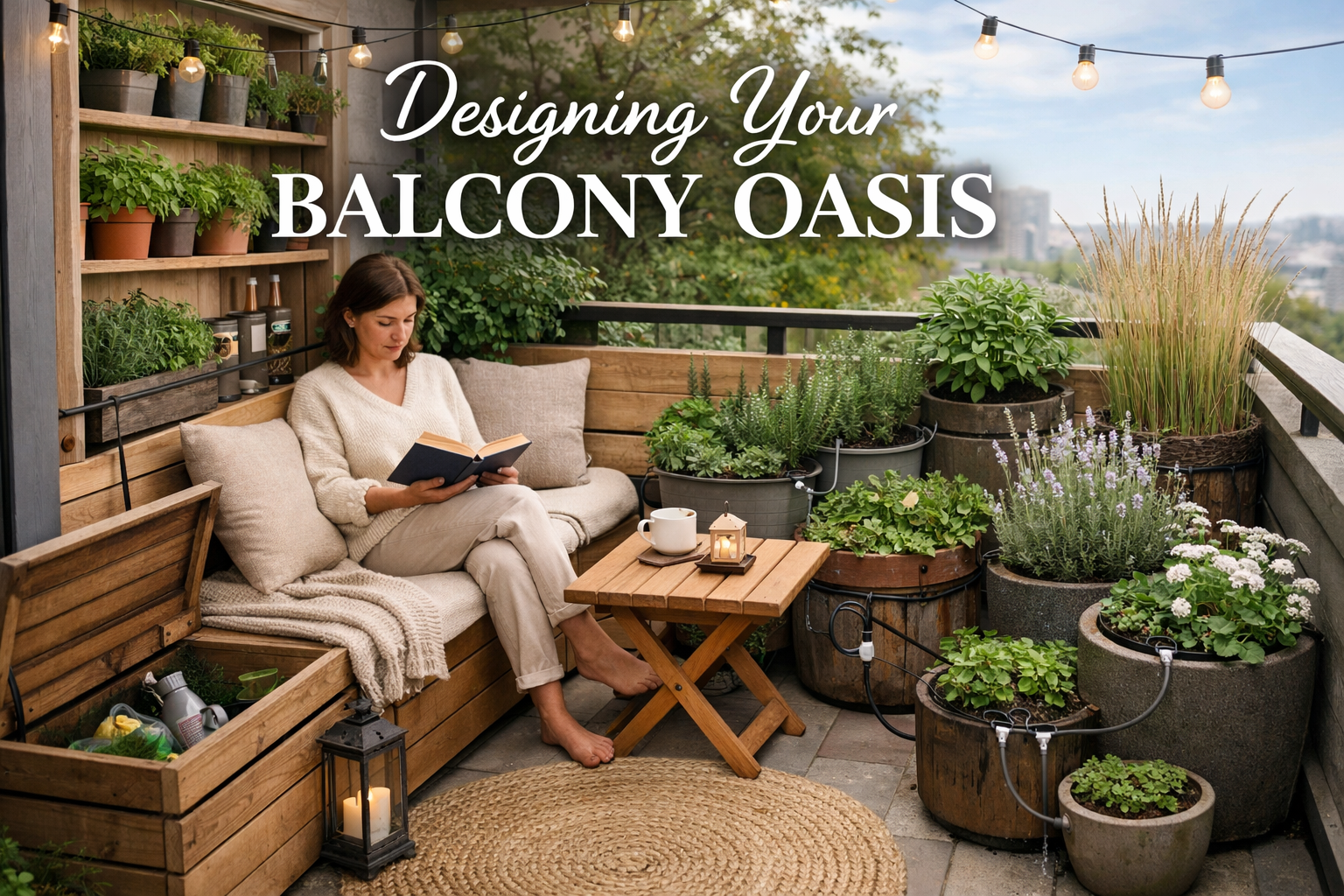
Creating a beautiful and productive small balcony garden in 2026 is an achievable and rewarding endeavor, transforming even the tiniest outdoor space into a vibrant personal sanctuary. By thoughtfully combining innovative small balcony garden ideas such as vertical planting, smart container choices, and themed designs, you can overcome common spatial and environmental challenges. Whether your goal is fresh herbs for cooking, a splash of color, or a serene green retreat, the principles of maximizing vertical space, selecting appropriate plants, and maintaining a consistent care routine will guide your success. Embrace the opportunity to bring nature into your urban dwelling and cultivate your own unique piece of paradise.
Actionable Next Steps:
- Assess Your Balcony: Determine sun exposure (how many hours of direct sun), wind conditions, and any building regulations.
- Choose Your Theme: Select one of the trending 2026 themes (e.g., Edible Balcony, Calm Green Retreat) or create your own to guide plant and decor choices.
- Plan Your Layout: Sketch out where you’ll place vertical planters, large pots, and any furniture. Prioritize vertical space.
- Select Your Plants & Containers: Based on your assessment and theme, choose compact, suitable plants and appropriate containers with drainage.
- Gather Your Tools & Supplies: Invest in basic gardening tools, quality potting mix, and necessary watering equipment.
- Start Planting: Begin with easy-to-grow seeds or seedlings to build confidence.
- Establish a Routine: Develop a regular schedule for watering, fertilizing, and inspecting your plants for pests.
- Enjoy Your Oasis: Take time to relax and appreciate the beauty and bounty of your own small balcony garden.
FAQ
Q1: What are the best small balcony garden ideas for beginners?
A1: Beginners should focus on easy-to-grow plants like herbs (basil, mint, chives), leafy greens (lettuce, spinach), and compact flowers (marigolds, petunias) in self-watering or railing planters. Starting with a clear theme like an “Edible Balcony” can simplify choices.
Q2: How do I maximize space in a tiny balcony garden?
A2: Maximize space by utilizing vertical gardening solutions such as wall-mounted planters, tiered stands, trellises for climbing plants, and hanging baskets. Multi-functional furniture and rail planters also save valuable floor space.
Q3: What kind of pots should I use for a small balcony garden?
A3: Use pots with good drainage holes. Choose lightweight plastic or fabric grow bags if weight is a concern, or terracotta and ceramic for heavier, more stable options. Consider self-watering pots for convenience.
Q4: How often should I water plants in a balcony garden?
A4: Container plants typically dry out faster than in-ground plants. Check soil moisture daily by sticking your finger an inch or two into the soil; water when the top layer feels dry. Morning watering is generally best.
Q5: Can I grow vegetables on a small balcony?
A5: Yes, you can grow many vegetables on a small balcony. Focus on “dwarf,” “bush,” or “patio” varieties of cherry tomatoes, peppers, bush beans, radishes, and leafy greens. Vertical systems can further increase your yield.
Q6: How can I protect my balcony plants from strong winds?
A6: Protect plants from wind by using heavier pots, grouping containers together for stability, and installing windbreaks like sturdy trellises with dense climbing plants or bamboo screens.
Q7: What if my balcony gets very little sunlight?
A7: For low-light balconies, choose shade-tolerant plants such as ferns, hostas, impatiens, ivy, lettuce, and spinach. You can also use light-colored pots to reflect available light or supplement with a compact LED grow light.
Q8: How do I fertilize balcony garden plants?
A8: After the initial nutrients in your potting mix are depleted (around 4-6 weeks), feed plants every 2-4 weeks with a balanced liquid fertilizer diluted to half strength. Organic options are great for edibles.
Q9: How can I ensure privacy in my small balcony garden?
A9: Enhance privacy by growing tall, dense plants in large pots, installing trellises with climbing vines, or using decorative privacy screens made from bamboo or wood.
Q10: What are popular themes for small balcony gardens in 2026?
A10: Trending themes for 2026 include Tropical Jungle Paradise, Mediterranean Herb Haven, Pollinator Paradise, Edible Balcony, and Calm Green Retreat, each offering unique plant and decor selections.
References
[1] Balcony Garden Themes To Maximize Your Small Space In 2026 – https://balconygardenparadise.com/balcony-garden-themes-to-maximize-your-small-space-in-2026/
[2] Small Garden Ideas 2026 – https://www.decoronomics.com/small-garden-ideas-2026/
[3] Watch – https://www.youtube.com/watch?v=KdLA_JlSkM4
[4] Watch – https://www.youtube.com/watch?v=8vNumTxh4J0
[5] Balcony Garden – https://www.gardendesign.com/small/balcony-garden.html