Best Pots for Small Space Gardening
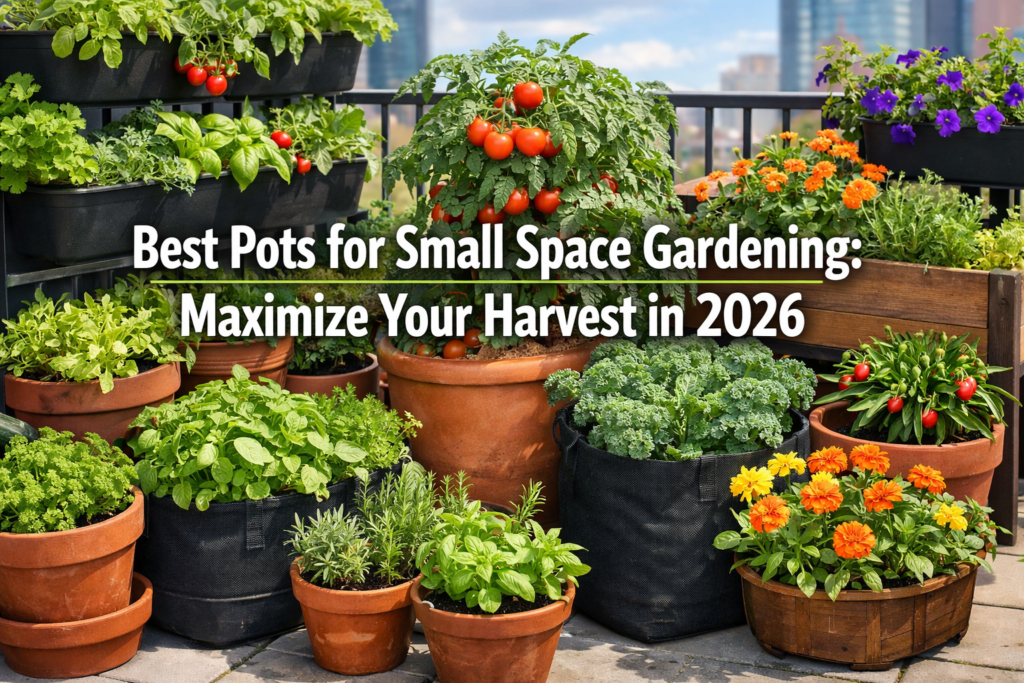
Small space gardening can transform even the tiniest balcony, patio, or window ledge into a thriving green oasis, and selecting the best pots for small space gardening is crucial for success. The right container supports plant health, optimizes water usage, and efficiently utilizes every available inch, making it possible to grow a wide variety of herbs, vegetables, and flowers in compact environments. This guide will walk you through the essential considerations and top choices for pots, ensuring your small garden flourishes in 2026.
Key Takeaways
- Choosing the right pot material (terracotta, plastic, fabric) is essential for plant health and water management in small spaces.
- Consider pot size and depth carefully, matching it to the mature root system of your chosen plants.
- Self-watering planters and vertical garden systems offer significant advantages for maximizing space and reducing maintenance.
- Drainage is paramount for all container gardens; ensure chosen pots have adequate drainage holes.
- Material durability, aesthetic appeal, and budget should influence your final pot selections.
Quick Answer
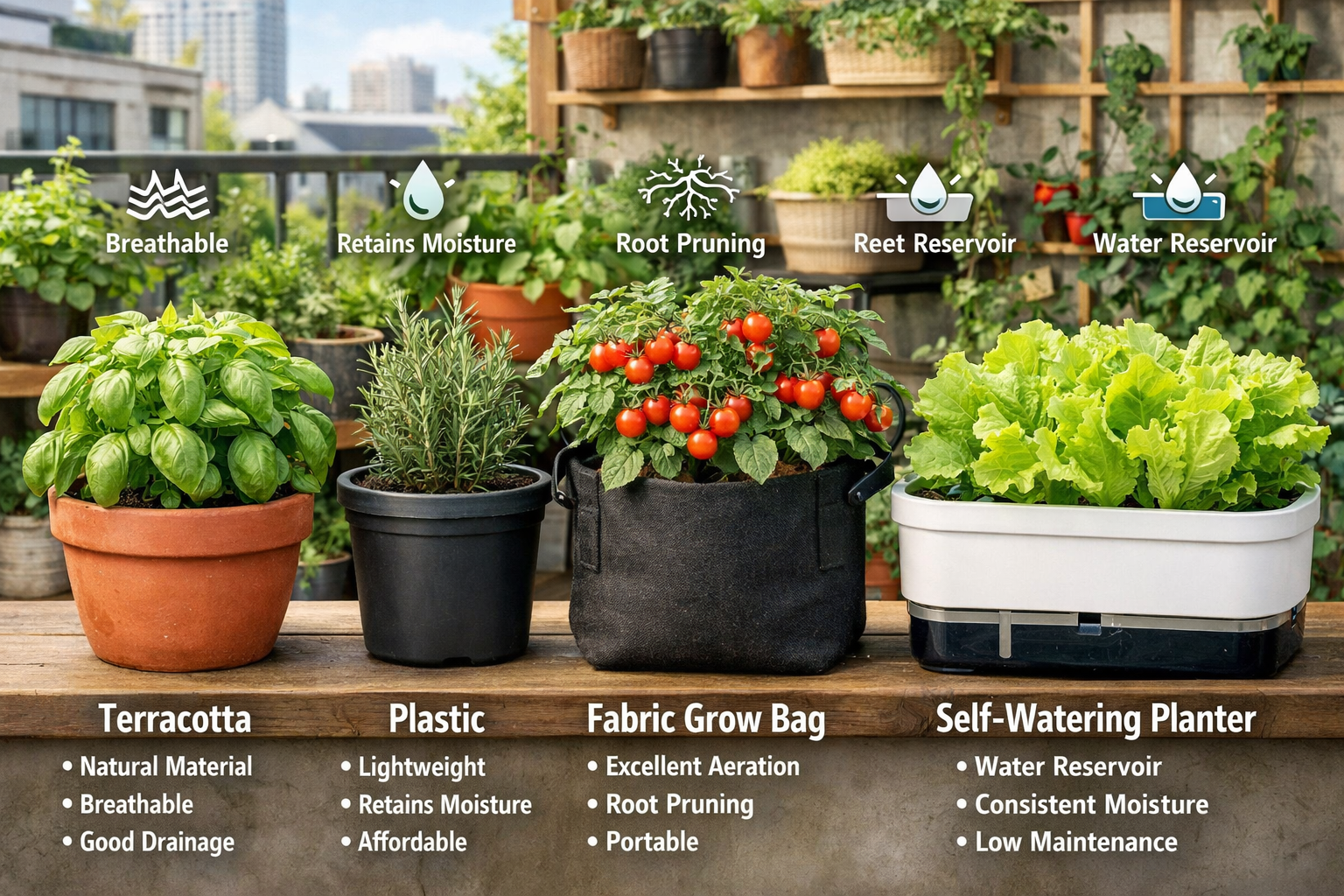
The best pots for small space gardening are those that effectively manage moisture, provide adequate root room, and fit within your available footprint. Options like fabric grow bags for vegetables, terracotta for herbs, and self-watering planters for consistent moisture are highly effective, while vertical and railing planters maximize growing area in compact settings, making successful urban gardening achievable for anyone.
What Are the Best Pot Materials for Small Space Gardening?
The best pot materials for small space gardening depend on your climate, plant type, and maintenance preferences, with each material offering distinct advantages and disadvantages. Common choices include terracotta, plastic, fabric grow bags, and glazed ceramic, each impacting aeration, water retention, and weight.
Terracotta Pots: Breathability and Classic Appeal
Terracotta pots, made from porous fired clay, are an excellent choice for plants that prefer well-drained soil and appreciate good air circulation around their roots. Their porous nature allows excess moisture to evaporate through the pot walls, which helps prevent root rot—a common issue in container gardening.
Pros:
- Excellent Breathability: Promotes healthy root development by allowing air exchange.
- Evaporative Cooling: Helps keep soil temperatures lower in hot climates.
- Aesthetic Appeal: Offers a classic, natural look that blends well with many garden styles.
- Weight: Heavier than plastic, providing stability for taller plants.
Cons:
- Dries Out Quickly: Requires more frequent watering, especially in hot or windy conditions.
- Fragile: Can break if dropped or subjected to freezing temperatures (if not properly stored).
- Heavy: Difficult to move when filled with soil and plants.
Choose Terracotta if: You grow drought-tolerant plants or herbs like rosemary, lavender, or thyme, and are prepared for more frequent watering, particularly in warm, sunny spots. They are also ideal for gardeners who appreciate a traditional aesthetic.
Plastic Pots: Lightweight and Moisture-Retentive
Plastic pots are a popular, cost-effective, and versatile option for small space gardening due to their durability and ability to retain moisture. They come in a vast array of sizes, shapes, and colors, making them suitable for almost any plant and garden design.
Pros:
- Lightweight: Easy to move, even when filled, making them ideal for rearranging small spaces.
- Moisture Retention: Non-porous material reduces water evaporation, meaning less frequent watering.
- Durable: Less prone to breaking than terracotta, and many are UV-stabilized for outdoor use.
- Affordable: Generally the most budget-friendly option.
Cons:
- Poor Breathability: Can lead to compacted soil and root rot if not managed with proper drainage.
- Heat Retention: Can absorb and retain heat, potentially overheating roots in direct sun.
- Less Aesthetic: Some gardeners find their appearance less natural than other materials.
Choose Plastic if: You want low-maintenance watering, need lightweight containers for balconies or hanging baskets, or are working within a strict budget. They are great for moisture-loving plants like lettuce, spinach, or some edibles.
Fabric Grow Bags: Optimal Root Health and Versatility
Fabric grow bags, made from breathable, non-woven geotextile fabric, have revolutionized small space gardening. They promote “air pruning” of roots, which prevents root circling and encourages a dense, fibrous root system, leading to healthier, more productive plants.
Pros:
- Air Pruning: Prevents root girdling, leading to stronger plants.
- Excellent Drainage and Aeration: Superior to plastic for preventing waterlogging and promoting oxygen flow.
- Temperature Regulation: Dissipates heat effectively, preventing root overheating.
- Lightweight and Foldable: Easy to store and move when empty.
- Versatile Sizes: Available in large volumes, perfect for root vegetables, potatoes, or larger fruiting plants.
Cons:
- Dries Out Quickly: Similar to terracotta, requires more frequent watering.
- Less Aesthetic: Their appearance might not appeal to all gardeners, though designs are improving.
- Durability Varies: Quality can differ, with some materials degrading faster than others.
Choose Fabric Grow Bags if: You prioritize plant health and yield, especially for vegetables like tomatoes, peppers, potatoes, or carrots. They are excellent for urban gardeners looking for efficient, high-performance containers in 2026. For a deeper dive into growing various plants in containers, check out our Small Space Vegetable Gardening: 2026 Step-by-Step Guide.
Glazed Ceramic Pots: Decorative and Moisture-Retentive
Glazed ceramic pots combine the aesthetic appeal of terracotta with the moisture-retentive properties of plastic. The glaze makes them non-porous, reducing water evaporation from the pot walls.
Pros:
- Highly Decorative: Available in countless colors and finishes, adding visual flair to your garden.
- Moisture Retention: Excellent for plants that prefer consistently moist soil.
- Heavy and Stable: Less likely to tip over in windy conditions.
Cons:
- Heavy: Difficult to move, especially larger sizes.
- Expensive: Generally more costly than terracotta or plastic.
- Fragile: Can crack or break easily if dropped or exposed to freezing temperatures.
- Poor Breathability: Requires careful watering to prevent root rot.
Choose Glazed Ceramic if: You want to make a strong visual statement in your small garden and grow plants that thrive in consistent moisture, and your budget allows for higher-end containers.
How Do Self-Watering Planters and Vertical Systems Maximize Space?
Self-watering planters and vertical gardening systems are innovative solutions that significantly maximize space and reduce maintenance for small space gardening, making them ideal choices for efficient urban growing in 2026. These systems address common challenges like frequent watering and limited horizontal area.
Self-Watering Planters: Low Maintenance, Consistent Moisture
Self-watering planters feature a built-in reservoir that supplies water to the plants’ roots as needed, reducing the frequency of watering and ensuring consistent moisture levels. This is a game-changer for busy gardeners or those growing moisture-loving plants.
How They Work:
- Reservoir: A water reservoir at the bottom of the planter.
- Wicking System: A wicking element (usually soil or fabric) draws water from the reservoir up into the growing medium.
- Overflow Hole: Prevents overwatering by draining excess rain or irrigation.
Benefits for Small Spaces:
- Reduced Watering Frequency: Frees up time and reduces the daily chore of watering, especially during hot spells.
- Consistent Moisture: Prevents the stress of fluctuating soil moisture, leading to healthier plants.
- Efficient Water Use: Minimizes water waste through runoff and evaporation.
- Versatility: Available in various sizes, from small herb planters to larger containers for vegetables.
Considerations:
- Initial Cost: Often more expensive than traditional pots.
- Cleaning: Requires occasional cleaning to prevent algae or mineral buildup.
- Plant Compatibility: While good for most plants, some drought-tolerant species may prefer less consistent moisture.
Use Self-Watering Planters if: You travel frequently, tend to forget to water, or grow moisture-loving plants like tomatoes, peppers, or leafy greens in a small space. They are particularly beneficial for balcony gardens where constant drying winds are a factor.
Vertical Gardening Systems: Grow Up, Not Out
Vertical gardening systems are designed to grow plants upwards, utilizing wall space, railings, or freestanding structures to maximize plant density in a minimal footprint. These systems are invaluable for gardeners with very limited ground space. For more on this, check out our Vertical Gardening Guide for Small Spaces: Grow More in 2026.
Types of Vertical Systems:
- Wall-Mounted Planters: Pockets or modules that attach to walls, ideal for herbs, strawberries, or succulents.
- Stackable Planters: Pots that stack on top of each other, creating a tower of plants. Great for strawberries, greens, or flowers.
- Tiered Shelving Units: Freestanding shelves that hold multiple pots at different levels.
- Railing Planters: Hooks onto balcony railings, freeing up floor space.
- Pallet Gardens: Upcycled pallets converted into vertical planting beds.
Benefits for Small Spaces:
- Maximized Footprint: Turns unused vertical space into productive growing areas.
- Improved Airflow: Elevates plants, enhancing air circulation and reducing disease risk.
- Accessibility: Can bring plants to a comfortable working height.
- Aesthetic Appeal: Creates living walls, adding beauty and greenery to urban environments.
Considerations:
- Weight: Ensure your wall or railing can support the weight of the system filled with soil and plants.
- Watering: Lower plants may receive runoff from upper plants, requiring careful planning. Some systems offer integrated drip irrigation.
- Sunlight: All plants in a vertical system need adequate light, which might mean rotating the system or choosing plants with similar light requirements.
Use Vertical Systems if: You have very little floor space but ample wall or railing space. They are perfect for growing a diverse range of herbs, greens, and smaller fruiting plants like strawberries, significantly increasing your yield in a compact area.
Comparison Table: Pot Material Characteristics
| Feature | Terracotta | Plastic | Fabric Grow Bags | Glazed Ceramic | Self-Watering Planters | Vertical Systems |
|---|---|---|---|---|---|---|
| Material | Clay | Polypropylene/HDPE | Geotextile fabric | Glazed clay/porcelain | Various (often plastic) | Various (wood, plastic, metal) |
| Breathability | High | Low | Very High | Low | Low (for growing medium) | Varies by component |
| Moisture Retention | Low (dries quickly) | High | Medium (dries faster) | High | Very High (reservoir) | Varies by pot type |
| Weight (filled) | Heavy | Lightweight | Medium (lighter than terracotta) | Very Heavy | Medium to Heavy | Varies (can be heavy) |
| Durability | Fragile (cracks) | High (UV-stable options) | Medium (deteriorates) | Fragile (shatters) | High | Varies (wood may rot) |
| Cost | Moderate | Low | Low to Moderate | High | Moderate to High | Moderate to Very High |
| Root Health | Good | Fair (root circling) | Excellent (air pruning) | Fair (root circling) | Good (consistent moisture) | Good (good airflow) |
| Best For | Herbs, arid plants | Vegetables, flowers | Vegetables, root crops | Decorative plants, moisture lovers | Moisture-loving edibles | Maximizing footprint |
What Size and Depth of Pots Are Best for Specific Plants?
Selecting the correct pot size and depth is critical for the health and productivity of your plants in small space gardening. An appropriately sized container provides ample room for root development, supports plant growth, and helps maintain consistent moisture and nutrient levels. Matching the pot to the plant’s mature root system is key.
General Guidelines for Pot Size and Depth
- Shallow-Rooted Plants: Many herbs, lettuces, and other leafy greens can thrive in pots as shallow as 6-8 inches (15-20 cm) deep and 6-12 inches (15-30 cm) in diameter.
- Medium-Rooted Plants: Bush beans, peppers, eggplants, and smaller varieties of tomatoes generally need pots at least 10-12 inches (25-30 cm) deep and 10-14 inches (25-35 cm) in diameter.
- Deep-Rooted Plants: Larger tomatoes, potatoes, carrots, and other root vegetables require substantial depth. Pots 14-18 inches (35-45 cm) deep and 16-24 inches (40-60 cm) in diameter are often necessary.
Quick Rule of Thumb: When in doubt, choose a slightly larger pot. Plants are generally more forgiving of being in a pot that is too large than one that is too small.
Specific Plant Potting Requirements
Herbs (Basil, Chives, Mint, Parsley, Thyme)
- Size: 6-8 inches (15-20 cm) deep and wide.
- Best Pots: Terracotta for herbs that prefer slightly drier conditions (thyme, rosemary), plastic or glazed ceramic for moisture-loving herbs (mint, basil). Window boxes are also excellent for multiple herbs.
Leafy Greens (Lettuce, Spinach, Arugula)
- Size: 6-8 inches (15-20 cm) deep, 10-12 inches (25-30 cm) wide for multiple plants.
- Best Pots: Shallow plastic containers, fabric grow bags, or wide window boxes. Self-watering planters are also excellent for consistent moisture.
Bush Beans, Radishes, Onions
- Size: 8-10 inches (20-25 cm) deep, 8-12 inches (20-30 cm) wide per plant (or larger for multiple).
- Best Pots: Plastic pots, fabric grow bags, or medium terracotta.
Peppers (Bell, Chili) and Eggplant
- Size: 10-12 inches (25-30 cm) deep, 12-14 inches (30-35 cm) in diameter per plant.
- Best Pots: Fabric grow bags (10-gallon/38L), large plastic pots, or self-watering containers. These plants thrive with consistent moisture.
Tomatoes (Determinate/Bush Varieties)
- Size: Minimum 12-18 inches (30-45 cm) deep, 14-20 inches (35-50 cm) in diameter per plant.
- Best Pots: 15-20 gallon (57-76L) fabric grow bags are highly recommended due to air pruning, large plastic containers, or self-watering planters. Support (stakes or cages) is essential regardless of pot type.
- Mistake to Avoid: Planting a determinate tomato in a pot smaller than 15 gallons will significantly reduce yield and lead to stressed plants.
Root Vegetables (Carrots, Potatoes, Beets)
- Size: 12-18 inches (30-45 cm) deep is crucial. Width depends on desired yield.
- Best Pots: Fabric grow bags (15-25 gallon/57-95L) are exceptional for potatoes and carrots as they allow for easy harvesting and aeration. Tall plastic containers or even repurposed storage bins (with drainage holes) also work.
- Edge Case for Potatoes: Use a potato grow bag with a harvest flap for easy access to tubers without disturbing the plant.
Strawberries
- Size: 6-8 inches (15-20 cm) deep and wide per plant.
- Best Pots: Strawberry pots with multiple planting pockets, hanging baskets, or vertical planters are ideal for saving space and keeping fruit off the ground.
Drainage: A Non-Negotiable Requirement
Regardless of the pot material or plant type, adequate drainage is non-negotiable. All pots must have drainage holes at the bottom to prevent waterlogging, which can lead to root rot and plant death.
- Check for Holes: Ensure new pots have sufficient drainage holes. If not, drill them yourself (if the material allows).
- Avoid Saucers (with caveats): While saucers catch overflow, do not let pots sit in standing water for extended periods. Elevate pots slightly with pot feet to ensure proper air circulation and drainage if a saucer is used.
By carefully considering both pot material and the specific size and depth requirements of your chosen plants, you can set your small space garden up for robust growth and bountiful harvests in 2026. For a complete listing of plants suitable for small spaces, refer to our guide on the Best Plants for Small Gardens 2026: The Complete List.
What Are the Best Pots for Balcony Gardening?
For balcony gardening, the best pots are those that are lightweight, durable, weather-resistant, and optimize space, while also considering weight limits of the structure. Solutions often involve a combination of material types and specialized containers designed for elevated spaces.
Lightweight and Durable Options
- Plastic Pots: Excellent for balconies due to their light weight, which is crucial for structural weight limits. They are also durable and come in many sizes and styles.
- Fabric Grow Bags: Extremely lightweight when empty and offer flexibility in placement. Their breathability is a major plus in potentially windy balcony conditions.
- Resin Planters: These mimic the look of terracotta or stone but are significantly lighter and more durable, making them a great aesthetic choice without the weight penalty.
Decision Rule: Choose lightweight materials if your balcony has strict weight limits or if you plan to move your containers frequently for sun exposure or weather protection.
Space-Saving Solutions for Balconies
- Railing Planters: These ingenious pots hang directly over balcony railings, maximizing linear space without occupying any floor area. They are perfect for herbs, smaller flowers, or trailing plants like strawberries.
- Hanging Baskets: Utilize vertical air space, freeing up floor or railing room. Ideal for cascading flowers, small tomatoes, or leafy greens. Ensure proper hooks and strong support.
- Vertical Garden Systems: Wall-mounted or freestanding tiered units are superb for balconies, allowing you to grow a diverse array of plants upwards. This can create a living wall effect, enhancing privacy and aesthetics.
- Stackable Planters: Pots designed to stack on top of each other create compact towers of plants, perfect for herbs, strawberries, or greens.
- Window Boxes: If your balcony has an adjacent window, a window box adds planting space, especially for herbs or annual flowers.
Mistake to Avoid: Overloading a balcony with excessively heavy ceramic or concrete pots, especially when filled with wet soil, can exceed structural weight limits. Always be mindful of your balcony’s load capacity.
Other Balcony-Specific Considerations
- Wind Resistance: Taller plants in lightweight pots may need extra staking or heavier base materials to prevent tipping in windy conditions. Consider wider, shorter pots for stability.
- Sun Exposure: Balconies can have intense sun exposure or significant shade. Choose pots that help regulate soil temperature (e.g., fabric grow bags for heat, plastic for moisture retention in shade).
- Watering: Balcony gardens can dry out quickly due to wind and sun. Self-watering planters are particularly advantageous here. Also, consider water runoff onto lower balconies; use saucers or self-contained systems where necessary.
- Aesthetics: Balcony gardens are often highly visible. Choose pots that complement your outdoor decor and create an inviting atmosphere.
For a comprehensive guide on designing and maintaining a flourishing balcony garden, refer to our Complete Balcony Gardening Guide for Small Apartments 2026. By combining lightweight, durable pots with innovative space-saving designs, balcony gardeners can create thriving green spaces that are both productive and beautiful.
How to Choose Environmentally Friendly Pots for Small Spaces?
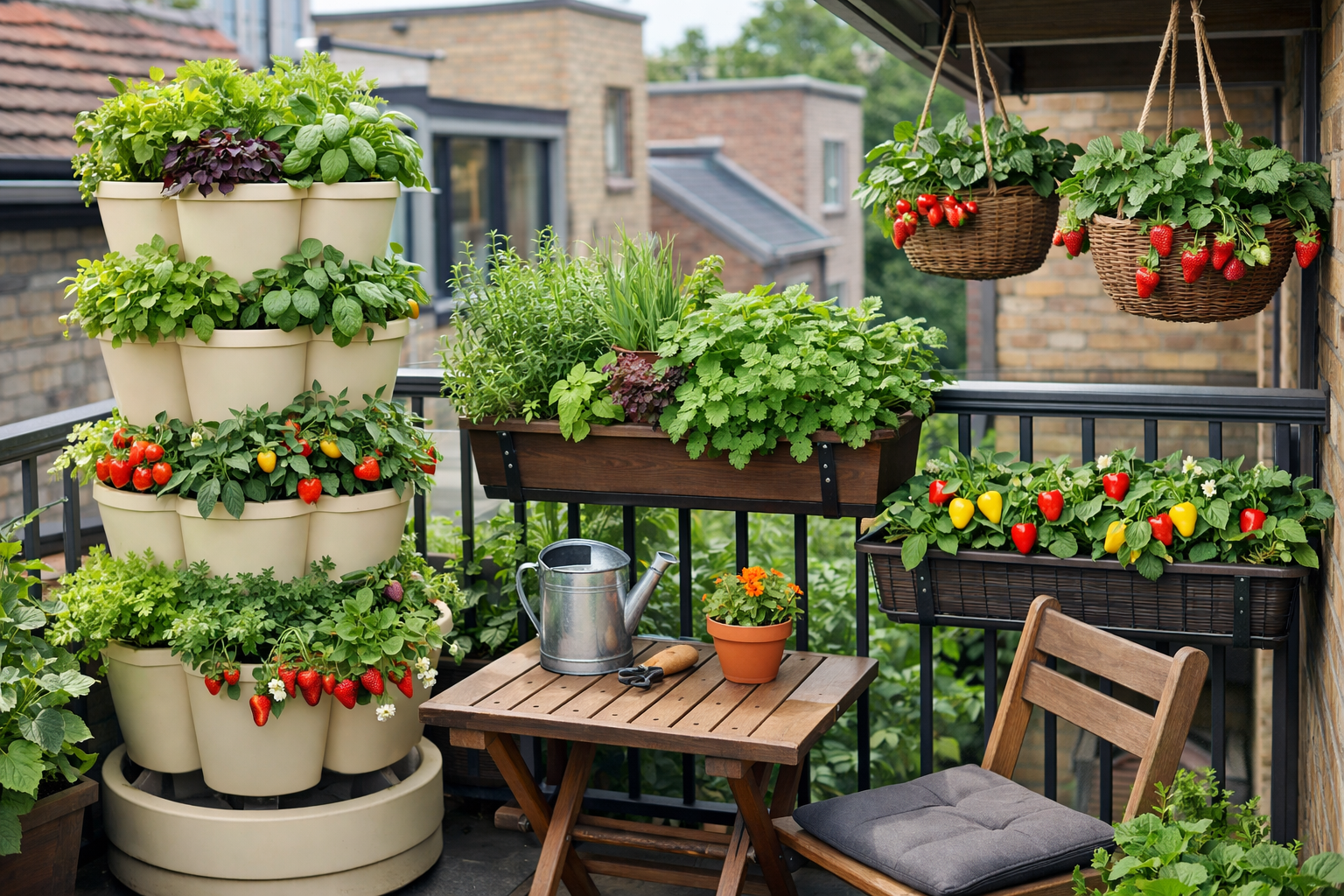
Choosing environmentally friendly pots for small spaces involves selecting materials that are sustainable, recyclable, or made from recycled content, minimizing their environmental impact throughout their lifecycle. This approach supports a healthier planet while still enabling successful gardening.
Sustainable Pot Materials
- Recycled Plastic Pots: Many manufacturers now produce pots from post-consumer recycled plastics. These offer the durability and lightweight nature of traditional plastic but with a significantly reduced ecological footprint.
- Benefit: Reduces demand for new plastic production and diverts waste from landfills.
- Identification: Look for products clearly labeled as “recycled content” or with the recycling symbol.
- Terracotta and Ceramic Pots: While their production involves energy-intensive firing, terracotta and unglazed ceramic are natural, biodegradable materials. If cared for, they can last for many years.
- Benefit: Made from earth materials, durable, and return to the earth naturally at end of life.
- Consideration: Energy used in firing and transportation. Opt for locally produced if possible.
- Fabric Grow Bags (Sustainable Options): While many grow bags are made from virgin polypropylene, some brands are now using recycled PET (from plastic bottles) or natural fibers like jute or hemp.
- Benefit: Air pruning benefits, lightweight, and when made from recycled or natural fibers, very eco-friendly.
- Identification: Check product descriptions for material sourcing (e.g., “made from recycled bottles”).
- Wood Planters: Naturally sustainable, especially if made from responsibly sourced or reclaimed wood (e.g., cedar, redwood, or pallet wood). Wood is biodegradable and offers excellent insulation for roots.
- Benefit: Renewable resource, natural aesthetic, good insulation.
- Consideration: Requires treatment or naturally rot-resistant wood for longevity. Avoid chemically treated wood for edibles.
Decision Rule: Prioritize pots made from recycled materials or natural, renewable resources that are designed for longevity to minimize waste.
Upcycling and DIY Potting Solutions
Reusing existing materials around your home is one of the most eco-friendly approaches to small space gardening. This reduces waste and can be incredibly cost-effective.
- Repurposed Food Containers: Large yogurt containers, milk jugs, 5-gallon buckets, and even sturdy plastic salad containers can be transformed into planters.
- Process: Thoroughly clean the container, and most importantly, drill adequate drainage holes in the bottom.
- Suitability: Best for smaller plants, herbs, or starting seeds.
- Old Tires: While large, tires can be stacked to create deep beds for potatoes or larger vegetables in outdoor spaces. Ensure proper drainage and consider any potential leachate concerns for edibles.
- Pallet Gardens: Disassembled and reassembled pallets can create vertical garden structures or raised beds, turning waste wood into functional garden elements.
- Old Drawers or Tubs: Repurpose old dresser drawers or metal tubs into charming, rustic planters, ensuring they have drainage and are lined to protect the wood if necessary.
Edge Case: When using repurposed materials, always ensure they have not contained toxic chemicals that could leach into your soil and harm plants or make edibles unsafe to consume. For example, avoid containers that previously held harsh cleaning agents or automotive fluids.
Practices for Eco-Conscious Pot Usage
- Longevity: Invest in durable pots that will last for many seasons, reducing the need for frequent replacements.
- Repair, Don’t Replace: For minor cracks in ceramic or terracotta, consider using a strong adhesive to extend their life.
- End-of-Life:
- Plastic: If a plastic pot breaks, try to recycle it through local municipal programs if accepted.
- Terracotta/Ceramic: Broken pieces can be crushed and used as drainage material in other pots or added to compost (unglazed).
- Fabric Bags: Some can be composted if made from natural fibers; otherwise, dispose of responsibly.
- Composting in Pots: Consider using compostable pots made from peat, coir, or newspaper for seedlings, which can be planted directly into larger containers or garden beds, eliminating transplant shock and plastic waste.
By consciously selecting and managing your pots, small space gardeners in 2026 can cultivate not only beautiful and productive gardens but also contribute positively to environmental sustainability.
What Are the Best Pots for Small Indoor Gardens?
The best pots for small indoor gardens prioritize aesthetic appeal, moisture management, and size to fit limited indoor spaces, while also accommodating specific plant needs. Indoor pots often require an integrated drainage solution to protect surfaces. For more indoor gardening tips, read our Indoor Gardening for Small Homes & Apartments: 2026 Guide.
Key Considerations for Indoor Pots
- Aesthetics: Indoor pots are part of your home decor. Choose materials, colors, and designs that complement your interior style. Glazed ceramic, decorative plastic, and unique self-watering planters are popular.
- Drainage and Saucers: Essential to prevent root rot and protect indoor surfaces. Most indoor pots come with an attached saucer or are designed to fit one. A pot with a separate inner pot and outer decorative cachepot is also a good solution.
- Moisture Management: Indoor environments can be drier than outdoors, but overwatering is a common indoor plant killer. Pots that help manage moisture are beneficial.
- Size: Must fit on windowsills, shelves, or tables without overcrowding. Smaller pots are generally preferred for indoor use.
Top Indoor Pot Choices
- Glazed Ceramic and Porcelain Pots:
- Pros: Highly decorative, excellent moisture retention, heavy and stable.
- Cons: Fragile, heavy, can be expensive.
- Best for: Decorative houseplants, herbs that prefer consistent moisture (e.g., basil, mint). Often paired with a saucer or used as a cachepot.
- Self-Watering Planters (with Water Level Indicator):
- Pros: Significantly reduces watering frequency, ensures consistent moisture, prevents overwatering with integrated overflow. Many designs are sleek and modern.
- Cons: Higher initial cost.
- Best for: Busy individuals, moisture-loving herbs (basil, cilantro), small vegetables (cherry tomatoes, peppers), and houseplants that appreciate stable moisture.
- Plastic Pots (Decorative or within Cachepots):
- Pros: Lightweight, affordable, durable, excellent moisture retention. Many decorative designs available. Can be placed inside more aesthetic cachepots.
- Cons: Can look less “natural” than other materials.
- Best for: Most indoor plants. Use as primary growing container, then place inside a decorative outer pot for aesthetics.
- Terracotta Pots (with Saucers):
- Pros: Excellent breathability, prevents root rot, classic look.
- Cons: Dries out quickly (requires more frequent watering), can leave mineral deposits on the outside.
- Best for: Herbs that prefer drier soil (rosemary, thyme, oregano), succulents, cacti, and plants prone to root rot. Always use a saucer to catch moisture.
- Hydroponic Systems (Small Countertop Units):
- Pros: No soil required, extremely efficient use of space, often includes integrated grow lights. Very fast growth.
- Cons: Higher initial setup cost, requires specific hydroponic nutrients.
- Best for: Growing fresh herbs and leafy greens year-round in minimal space, such as a kitchen counter.
Example Setup for Indoor Herb Garden
Imagine a sunny kitchen windowsill.
- Choose: Three self-watering herb planters (e.g., modern plastic or ceramic with water level indicators).
- Plant: Basil in one, chives in another, and mint in the third (as mint can be invasive, keeping it separate is wise).
- Benefit: This setup ensures consistent moisture for these thirsty herbs, reduces daily watering chores, and presents a tidy, functional aesthetic.
Actionable Advice: When selecting pots for indoor use, always check for matching saucers or consider placing a pot with drainage holes inside a slightly larger, decorative pot (a cachepot) without drainage, lifting the inner pot slightly to prevent it from sitting in water. This allows for drainage while protecting your furniture.
Conclusion
Selecting the best pots for small space gardening is a foundational step toward a thriving, productive, and aesthetically pleasing compact garden in 2026. Whether you’re cultivating a vibrant balcony oasis, a compact patio haven, or a flourishing indoor herb garden, the right containers make all the difference.
We’ve explored how different materials—from breathable terracotta and versatile plastic to innovative fabric grow bags and elegant glazed ceramic—each offer distinct benefits for plant health and gardener convenience. Emphasizing space efficiency, we delved into the transformative power of self-watering planters for reduced maintenance and consistent moisture, and vertical gardening systems that turn unused walls and railings into productive green spaces. Crucially, understanding the specific size and depth requirements for your chosen plants ensures robust root development and optimal yields. Finally, embracing environmentally friendly options, including recycled materials and upcycling, allows for sustainable gardening practices that benefit both your garden and the planet.
By carefully considering your space, climate, plant choices, and personal preferences, you can strategically choose pots that not only support vigorous growth but also contribute to the beauty and functionality of your small garden. The effort invested in selecting the right containers will be richly rewarded with abundant harvests and the joy of gardening in any compact setting.
Key Takeaways
- Material Matters: Terracotta for aeration, plastic for moisture retention, fabric for root health, glazed ceramic for aesthetics.
- Optimize Space: Leverage vertical gardening and railing planters to grow upwards and maximize linear space.
- Reduce Maintenance: Self-watering planters are excellent for consistent moisture and less frequent watering.
- Size for Success: Match pot size and depth to your plant’s mature root system to ensure proper growth.
- Drainage is Non-Negotiable: Always ensure adequate drainage to prevent root rot, especially indoors.
- Go Green: Choose recycled, recyclable, or natural materials, and explore upcycling for sustainable gardening.
- Aesthetics Count (Indoors): Select pots that complement your home decor for indoor gardens.
Actionable Next Steps:
- Assess Your Space: Measure your available area (floor, wall, railing, windowsill) and evaluate sunlight exposure.
- List Your Plants: Decide what you want to grow, considering their mature size and root depth requirements.
- Choose Your Pots: Based on material benefits, size needs, and space-saving techniques discussed, select the most appropriate pots.
- Prioritize Drainage: Double-check all chosen pots have sufficient drainage holes; add saucers for indoor use.
- Consider Smart Solutions: Explore self-watering or vertical systems if maintenance or space is a primary concern.
- Shop Smart: Look for eco-friendly options or consider repurposing suitable containers.
FAQ
Q1: What size pot is best for tomatoes in a small space?
A: For most determinate or bush tomato varieties, a pot with a minimum depth of 12-18 inches (30-45 cm) and a diameter of 14-20 inches (35-50 cm) is recommended. A 15-20 gallon fabric grow bag is an excellent choice.
Q2: Can I use fabric grow bags indoors?
A: Yes, fabric grow bags can be used indoors, but they dry out quickly and require careful placement with a tray or liner to catch drainage and protect surfaces. Their breathability can be beneficial for root health.
Q3: How do I prevent root rot in plastic pots?
A: To prevent root rot in plastic pots, ensure they have sufficient drainage holes, use a well-draining potting mix, and avoid overwatering. Allow the top inch or two of soil to dry out between waterings.
Q4: Are terracotta pots good for all plants?
A: Terracotta pots are excellent for plants that prefer drier soil and good aeration, such as herbs, succulents, and cacti. They are less ideal for moisture-loving plants that require consistently damp conditions due to their tendency to dry out quickly.
Q5: What is air pruning and why is it beneficial?
A: Air pruning occurs when roots grow to the edge of a breathable container (like a fabric grow bag) and are exposed to air, causing the tip to dry and stop growing. This encourages the plant to produce new, fibrous feeder roots within the soil, leading to a denser, healthier root system instead of roots circling the pot.
Q6: How do self-watering planters work?
A: Self-watering planters typically have a water reservoir at the bottom and a wicking system (often a soil column or fabric wick) that draws water up into the potting mix as the plant needs it. An overflow hole prevents waterlogging.
Q7: Can I use any type of soil in small space pots?
A: No, for small space pots, it’s best to use a high-quality, lightweight potting mix designed for containers. Garden soil can be too dense, retain too much water, and introduce pests or diseases.
Q8: What’s the best way to clean old pots before reusing them?
A: To clean old pots, scrub them thoroughly with hot, soapy water to remove any soil residue. For terracotta or plastic, a 10% bleach solution (1 part bleach to 9 parts water) can be used to sterilize them, preventing the spread of diseases. Rinse thoroughly after bleaching.
Q9: Do I need a saucer for outdoor pots?
A: For outdoor pots, saucers are generally optional but can be useful to catch excess water on patios or decks to prevent staining or runoff, or to provide a small water reserve in very hot conditions. However, avoid letting pots sit in standing water for extended periods.
Sources
- Cornell University Home & Garden Education Center. (n.d.). Container Gardening. Retrieved from https://gardening.cornell.edu/factsheets/containerGardening.pdf
- University of Maryland Extension. (n.d.). Container Vegetable Gardening. Retrieved from https://extension.umd.edu/resource/container-vegetable-gardening
- The Old Farmer’s Almanac. (n.d.). Container Gardening. Retrieved from https://www.almanac.com/container-gardening