Essential Tools for Small Space Gardening in 2026
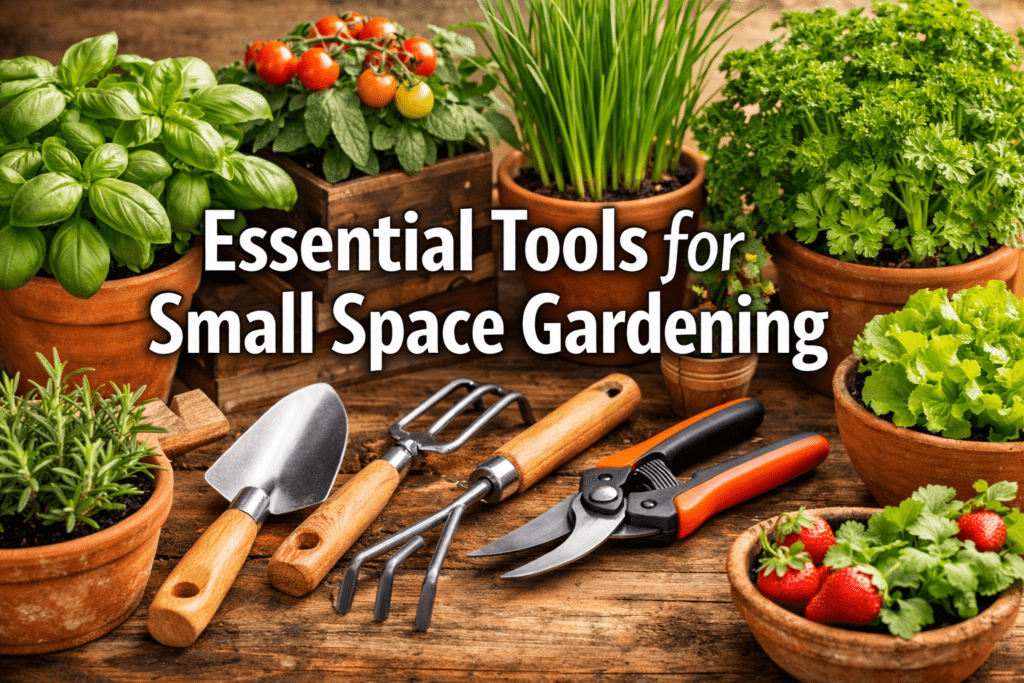
To maximize success in small space gardening in 2026, the essential tools include a set of high-quality hand tools like a trowel, transplanter, and pruners, along with compact watering solutions, seed-starting trays, and optionally, specialized equipment for vertical or indoor setups. These tools are selected for their efficiency, durability, and suitability for confined environments, enabling gardeners to cultivate thriving plants even with limited square footage.
Key Takeaways
- Prioritize multi-functional tools: In small spaces, every tool should serve multiple purposes to minimize clutter.
- Invest in quality hand tools: Durable hand trowels, pruners, and cultivators are the backbone of efficient small-scale gardening.
- Leverage vertical gardening solutions: Specialized tools and structures can turn walls into productive garden space.
- Simplify watering: Compact watering cans or drip irrigation systems save time and prevent overwatering in containers.
- Consider ergonomic designs: Tools that are comfortable to hold and use reduce fatigue, making gardening more enjoyable in limited areas.
What Are the Fundamental Hand Tools for Small Space Gardening?
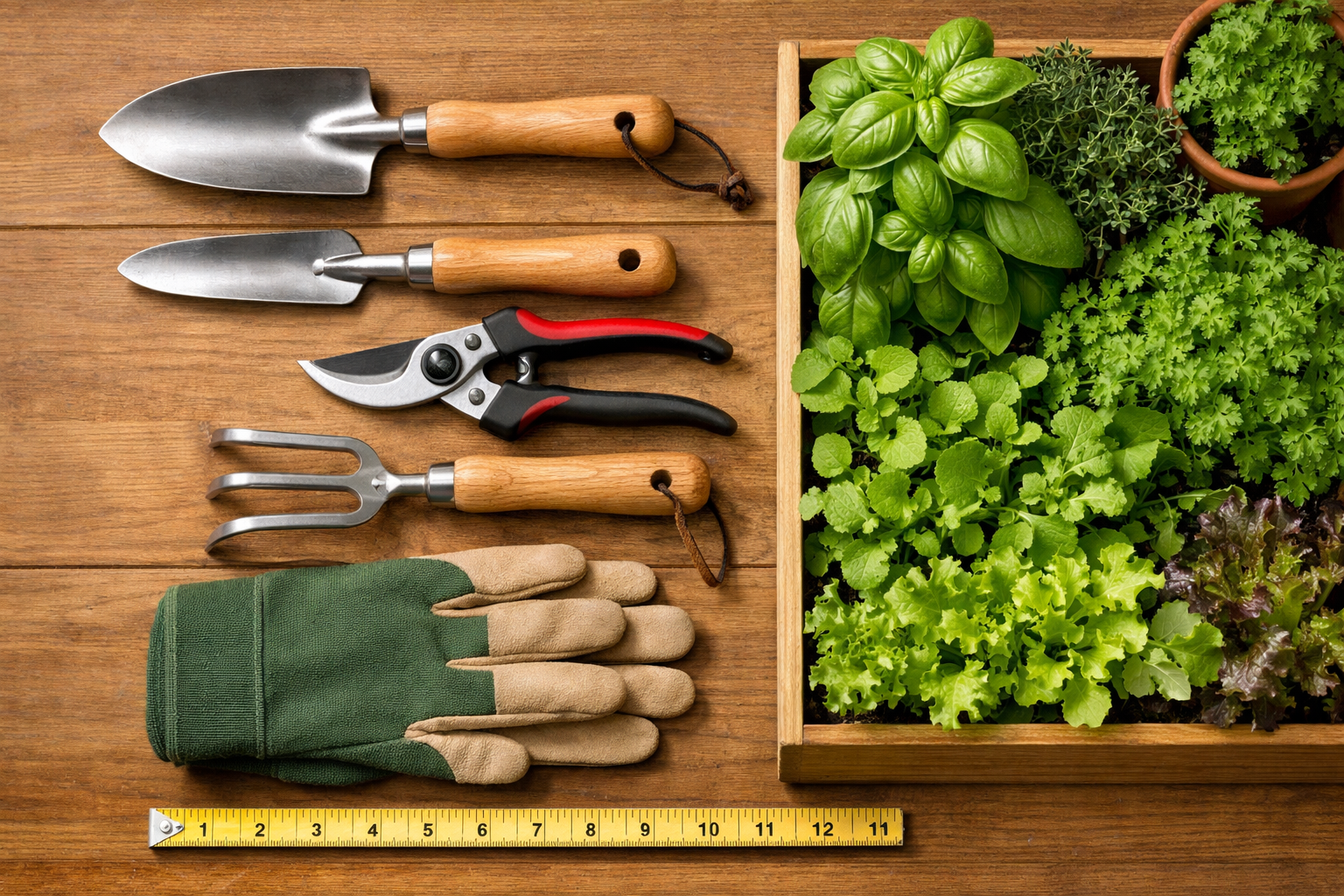
For successful small space gardening, selecting the right fundamental hand tools is crucial for efficient planting, tending, and harvesting in confined areas. These core tools, designed for precision and durability, minimize effort and maximize output without requiring extensive storage space.
When working in compact environments like balconies, patios, or windowsills, standard large gardening tools are often impractical. Instead, gardeners need implements that fit comfortably in hand and can navigate tight spots between plants. Prioritizing quality here means tools that resist rust, maintain sharp edges, and have comfortable grips, ensuring they last for many growing seasons.
Must-Have Hand Tools:
- Hand Trowel: A sturdy hand trowel is indispensable for digging small holes for planting, mixing soil, and transferring potting mix.
- Choose if: You need to plant individual seedlings, work with container soil, or perform general digging tasks.
- Consider: Stainless steel for rust resistance and a comfortable, ergonomic handle to reduce strain during repetitive tasks. A narrow-bladed variant can be especially useful for tight pots.
- Transplanter: This tool is similar to a trowel but often features a narrower, longer blade, sometimes with depth markings, making it ideal for accurately planting seedlings or transplanting delicate plants without disturbing their root ball.
- Choose if: You regularly move seedlings from trays to larger pots or directly into garden beds, especially in crowded spaces where precision is key.
- Mistake to avoid: Using a standard wide trowel for transplanting delicate plants can damage roots; a transplanter offers the necessary finesse.
- Hand Pruners (Bypass Shears): Essential for maintaining plant health by trimming dead or overgrown branches, harvesting vegetables, and shaping plants. Bypass pruners create clean cuts, which are vital for plant recovery.
- Choose if: You need to harvest herbs, vegetables, or flowers, or prune small branches to encourage bushier growth or remove disease.
- Pro Tip: Keep your pruners sharp and clean to prevent the spread of plant diseases. A small sharpening stone and a rag are excellent companions.
- Hand Cultivator/Fork: A small, three-pronged hand cultivator or fork is excellent for aerating soil, removing shallow weeds, and loosening compacted soil in containers or raised beds.
- Choose if: Your container soil becomes compacted, or you need to gently mix amendments into the top layer of soil.
- Edge Case: For extremely tight pots or delicate root systems, finger weeding might be preferred, but a cultivator significantly speeds up general soil maintenance.
- Gardening Gloves: While not a tool for digging, gloves protect your hands from thorns, soil, and potential irritants.
- Choose if: You want to keep your hands clean and protected while working, especially with thorny plants or rough soil mixes.
- Consider: Breathable, well-fitting gloves that still allow for dexterity.
Having these fundamental tools readily accessible ensures that gardeners can perform most routine tasks with ease and precision, making small space vegetable gardening a much more enjoyable and productive endeavor. Investing in a small tool bag or wall-mounted organizer can keep these items tidy and within reach.
What Watering and Irrigation Solutions Are Best for Essential Tools for Small Space Gardening?
Efficient watering and irrigation are critical for the health and productivity of small space gardens, as plants in containers or raised beds often dry out faster than those in traditional gardens. The best solutions combine precision, water conservation, and convenience, ensuring plants receive adequate moisture without waste or overwatering.
Given the limited soil volume in many small space setups, inconsistent watering can quickly lead to plant stress or death. Therefore, selecting watering tools that deliver water directly to the root zone and allow for controlled moisture levels is paramount. This approach also helps prevent fungal diseases that can arise from excessively wet foliage.
Top Watering Tools and Strategies:
- Small Watering Can: A compact watering can, typically 1-2 liters, provides precise control over water delivery, allowing you to target individual plants or specific areas of a container.
- Choose if: You have a small number of pots, prefer a hands-on approach, or need to apply liquid fertilizers.
- Consider: A long, narrow spout for reaching under foliage and minimizing splash.
- Spray Bottle: Excellent for misting seedlings, delicate plants, or increasing humidity around tropical plants grown indoors.
- Choose if: You are starting seeds, have young plants that need gentle watering, or grow humidity-loving plants.
- Mistake to avoid: Using a high-pressure spray bottle on delicate plants can damage them; a fine mist setting is usually best.
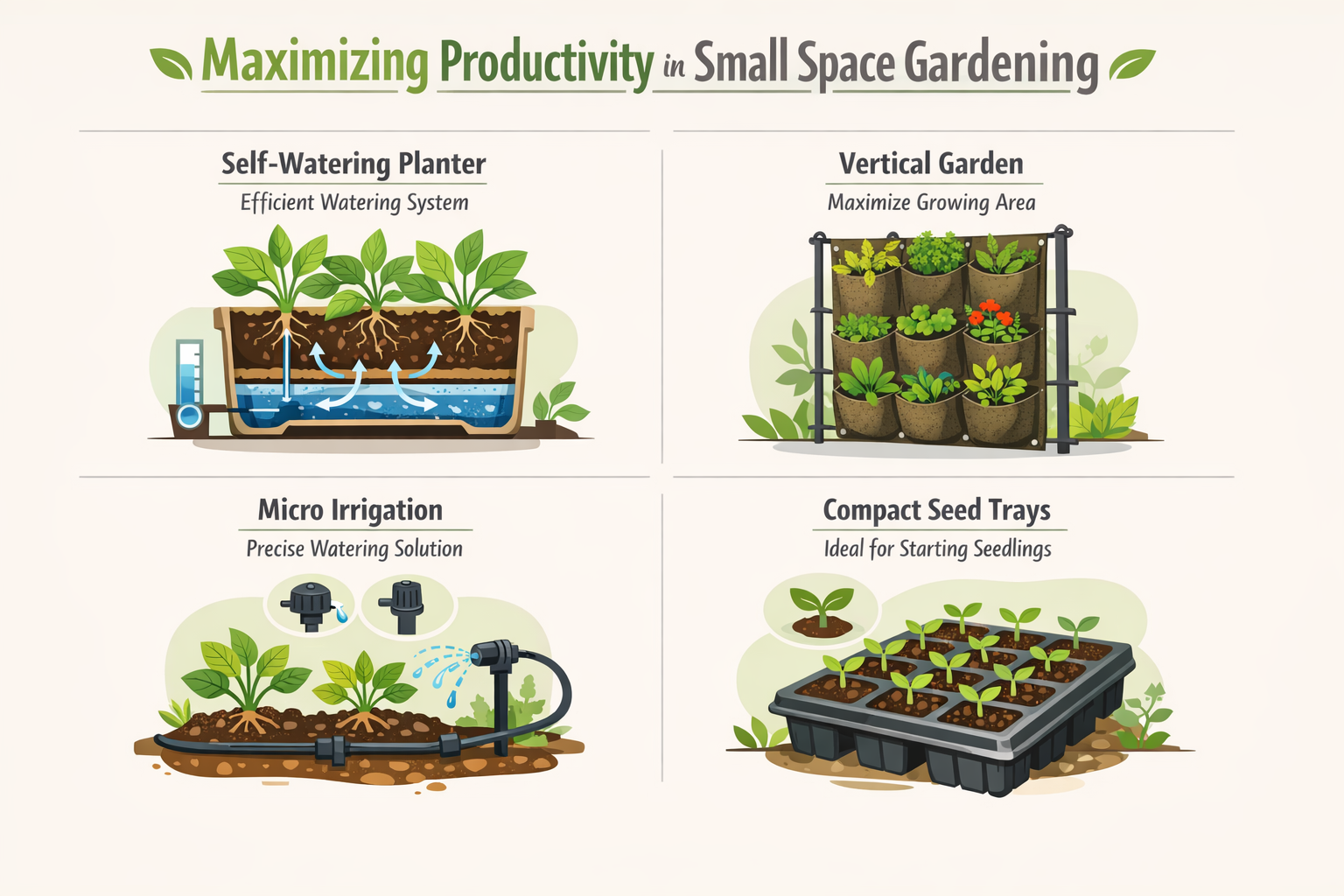
- Self-Watering Planters: These containers feature a water reservoir at the bottom and a wicking system to draw moisture up to the plant roots as needed. They significantly reduce the frequency of manual watering.
- Choose if: You travel frequently, have a busy schedule, or find daily watering tedious. They are particularly effective for indoor gardening for small homes & apartments.
- Pro Tip: Ensure the reservoir is clean and free of algae to maintain optimal wicking action.
- Drip Irrigation Kit: A scaled-down drip system can be customized for a collection of containers or a small raised bed, delivering water directly to the base of each plant via emitters.
- Choose if: You have a larger collection of containers or a balcony garden and want to automate watering, saving both time and water.
- Consider: Beginner-friendly kits that include a timer, tubing, and various emitters. Balcony gardening guide for small apartments 2026 often recommend these systems.
- Moisture Meter: A simple tool inserted into the soil to measure moisture levels, helping to prevent both under- and over-watering.
- Choose if: You are new to gardening, struggle with determining when to water, or grow plants with specific moisture requirements.
- Edge Case: While helpful, a moisture meter doesn’t replace observing your plants and feeling the soil, which are the most reliable indicators over time.
| Watering Method | Pros | Cons | Best For |
|---|---|---|---|
| Small Watering Can | Precise, hands-on, portable | Manual effort, can be time-consuming for many plants | Few containers, delicate plants, liquid feeding |
| Spray Bottle | Gentle mist, humidity control | Limited volume, not for deep watering | Seedlings, delicate foliage, humidity-loving plants |
| Self-Watering Planters | Reduced frequency, consistent moisture | Initial cost, less control over specific watering needs | Busy gardeners, travelers, consistent moisture for specific plants |
| Drip Irrigation Kit | Automated, water-efficient, customizable | Higher initial setup, requires planning | Multiple containers, larger balcony gardens, automation seekers |
| Moisture Meter | Prevents over/under-watering, informative | Requires manual checking, can be inaccurate if not used correctly | Beginners, specific plant needs, learning soil moisture levels |
Selecting the appropriate watering solution from these essential tools for small space gardening will significantly contribute to the health and vitality of your plants, turning a potential chore into an automated, efficient process.
Which Specialized Tools and Equipment Enhance Small Space Productivity?
Specialized tools and equipment significantly boost productivity and yield in small space gardening by maximizing available area and simplifying complex tasks. These items often enable methods like vertical gardening or efficient seed starting, transforming confined areas into highly productive green zones.
Traditional gardening methods often assume ample ground space, which isn’t available to urban gardeners. Specialized equipment addresses this by offering innovative ways to grow upwards, indoors, or with enhanced efficiency, allowing gardeners to cultivate a wider variety of plants and larger harvests than would otherwise be possible.
Key Specialized Tools:
- Vertical Planters/Systems: These include wall-mounted pockets, tiered shelving units, or stackable planters that allow plants to grow upwards, making use of vertical real estate.
- Choose if: You have limited ground space but available wall space (indoors or outdoors) and want to grow more plants. Our vertical gardening guide for small spaces details various options.
- Consider: The weight capacity of your walls, sunlight exposure, and the specific needs of the plants you intend to grow vertically.
- Compact Seed Starting Trays & Heat Mats: Small, modular seed starting trays are designed to fit on windowsills or small tables, while heat mats provide consistent bottom heat to accelerate germination.
- Choose if: You want to grow plants from seed, extend your growing season, or save money on seedlings.
- Pro Tip: Using a transparent dome cover with your seed tray creates a mini-greenhouse effect, improving germination rates.
- Grow Lights (LED): For indoor small space gardening, energy-efficient LED grow lights provide the necessary spectrum of light for plant growth, compensating for insufficient natural sunlight.
- Choose if: You are growing plants indoors, particularly during shorter daylight hours, or want to cultivate light-intensive crops like herbs and vegetables year-round.
- Mistake to avoid: Using standard household lights, which do not provide the full spectrum or intensity plants require for healthy growth.
- Compact Hand Weeder: A specialized tool like a hori-hori knife or a small, sharp weeding fork is designed for precision weeding in tight spaces around delicate plants.
- Choose if: You need to remove weeds effectively from densely planted containers or raised beds without disturbing adjacent plants.
- Edge Case: For extremely small or very delicate setups, careful hand-pulling might still be the most precise method, but a good hand weeder speeds up the process significantly.
- Soil Scoops/Hand Shovels: Smaller than a standard garden spade, these are perfect for scooping potting mix into containers without spillage and for precise digging.
- Choose if: You frequently pot or repot plants and want to keep your workspace tidy.
- Consider: A scoop with a comfortable handle and a slightly angled blade for easy pouring.
Integrating these specialized tools into your gardening routine in 2026 can dramatically improve the efficiency and output of your small space garden. They allow for innovative growing techniques, extend growing seasons, and make gardening in limited areas a more rewarding experience.
What Are the Essential Tools for Small Space Gardening in Container and Raised Bed Setups?
For container and raised bed gardening, which are cornerstones of small space horticulture, a specific set of essential tools simplifies tasks and promotes plant health. These tools are often scaled down or designed for precision, perfectly suited for the confined and often elevated nature of these growing methods.
Unlike sprawling in-ground gardens, containers and raised beds require focused attention within a smaller footprint. Tools that allow for targeted work, efficient soil management, and gentle plant handling are paramount to prevent damage and maximize growth in these concentrated environments.
Tools for Containers and Raised Beds:
- Potting Mat or Tarp: A simple yet invaluable tool to protect surfaces from soil spills during potting, mixing, or transplanting. It makes cleanup significantly easier.
- Choose if: You work on a patio, balcony, or indoors and want to keep your area clean.
- Consider: A waterproof, foldable mat that can be easily stored.
- Small Soil Sifter/Riddle: Used to remove clumps, debris, or large particles from potting mix or compost, ensuring a fine, consistent medium for delicate seedlings or specific plant needs.
- Choose if: You prepare your own potting mixes or want to improve the texture of your existing soil for better aeration and drainage.
- Pro Tip: Sieving compost can also help spread it more evenly as a top dressing.
- Watering Lance with Adjustable Head: For slightly larger raised beds or multiple containers, a short watering lance attached to a hose offers extended reach and a gentle, adjustable spray, making it easier to water without bending.
- Choose if: You have a garden hose connection nearby and need to water a moderate number of containers or a longer raised bed efficiently.
- Mistake to avoid: Using a strong, direct jet of water from a hose can displace soil and damage delicate plants; always opt for a gentle shower setting.
- Container Gardening Soil Scoop: Larger than a hand trowel but smaller than a shovel, these scoops are designed to efficiently move potting mix into various-sized containers without mess.
- Choose if: You are potting up many plants or frequently refreshing soil in larger containers.
- Edge Case: For very small pots, a hand trowel or even a recycled plastic cup can suffice, but a dedicated scoop is far more efficient for larger volumes.
- Plant Labels/Markers: Essential for keeping track of what you’ve planted, especially when growing multiple varieties in a small space or starting seeds.
- Choose if: You want to avoid confusion about plant types, varieties, or planting dates.
- Consider: Durable, weatherproof labels (e.g., slate, metal, or sturdy plastic) that can be written on with a permanent marker.
- Ergonomic Kneeler/Seat: While not a “tool” for direct gardening, a kneeler or a small folding seat significantly improves comfort when working at raised bed height or on the ground with containers.
- Choose if: You spend extended periods gardening and want to reduce strain on your knees and back.
- Pro Tip: Some kneelers can be flipped over to become a small bench, offering dual functionality.
Equipping yourself with these specialized items ensures that whether you’re tending a bustling balcony gardening guide for small apartments 2026 or a compact raised bed setup, you have the precise tools needed for efficient and enjoyable maintenance.
How Do You Choose Durable and Ergonomic Small Space Gardening Tools?
Choosing durable and ergonomic small space gardening tools involves prioritizing high-quality materials, thoughtful design, and comfortable handles to ensure longevity and reduce strain during use. Investing in tools that are built to last and fit well in your hand makes gardening a more efficient and enjoyable experience.
In small space gardening, tools are often used frequently and in close quarters, making their construction and feel particularly important. Cheap, flimsy tools can break easily or cause discomfort, leading to frustration and potential injury, whereas well-made tools become reliable companions for years.
Criteria for Selection:
Material Quality:
- Stainless Steel: Look for trowels, transplanters, and cultivators made from high-quality stainless steel. It resists rust, maintains sharpness, and is easier to clean, crucial for tools that frequently interact with moist soil.
- Forged Steel: For pruners, forged steel blades offer superior strength and edge retention compared to stamped steel.
- Hardwoods/Composites: Handles made from durable hardwoods like ash or oak, or high-quality composites, provide a good grip and natural resistance to weather.
- Choose if: You want tools that will withstand regular use and exposure to outdoor elements without quickly degrading.
- Mistake to avoid: Opting for tools with plastic handles that crack easily or painted metal parts that chip and rust quickly.
Ergonomics and Comfort:
- Handle Design: Tools should have handles that fit comfortably in your hand, offering a secure grip. Look for contoured shapes, non-slip textures, and appropriate length for your hand size.
- Weight and Balance: The tool should feel balanced, not overly heavy or flimsy. A well-balanced tool reduces fatigue, especially during repetitive tasks.
- Joint Friendly: For pruners, features like spring-loaded actions or rotating handles can reduce stress on wrists and hands.
- Choose if: You plan to garden for extended periods, have joint issues, or simply prioritize comfort to make gardening more pleasant.
- Pro Tip: If possible, “try on” tools in a store to feel their weight, balance, and how they fit your grip.
Construction and Durability:
- Full Tang vs. Socket: For digging tools, a full-tang construction (where the metal blade extends through the entire handle) or a securely riveted socket joint indicates superior strength and durability compared to blades simply glued or screwed into a handle.
- Rivets and Fasteners: Check for solid rivets and secure fastenings on all moving parts, especially on pruners.
- Finish: A smooth, rust-resistant finish indicates attention to detail and prolonged tool life.
- Choose if: You want tools that won’t break under moderate strain and will last for many years of gardening.
- Edge Case: While high quality often comes with a higher price tag, the longevity and performance of durable tools typically justify the initial investment, making them more cost-effective in the long run.
By carefully considering these aspects, gardeners can select essential tools for small space gardening that not only perform well but also contribute to a more enjoyable and sustainable gardening practice. This approach aligns with the core principles of Mini Space Garden, advocating for smart choices in compact horticulture.
What Are the Best Accessories and Storage Solutions for Essential Tools for Small Space Gardening?
Effective accessories and smart storage solutions are vital for maintaining an organized, efficient, and enjoyable small space garden. These elements ensure tools are protected, easily accessible, and don’t clutter limited outdoor or indoor areas, maximizing both functionality and aesthetics.
In compact gardening environments, every inch counts. Leaving tools scattered can be a tripping hazard or simply look untidy, detracting from the peaceful nature of a garden. Well-chosen accessories enhance the gardening process, while intelligent storage keeps everything in its place.
Recommended Accessories and Storage:
- Gardening Apron with Pockets: A sturdy apron equipped with multiple pockets allows you to keep frequently used small tools (pruners, labels, string) close at hand while working, reducing trips back and forth.
- Choose if: You prefer hands-free convenience and want to protect your clothing during gardening tasks.
- Consider: Durable fabric like canvas or denim, and adjustable straps for comfort.
- Small Tool Caddy or Tote Bag: A compact caddy or tote with compartments is perfect for organizing and transporting your essential hand tools, gloves, and small accessories from storage to your gardening spot.
- Choose if: You need to move your tools frequently or prefer to keep them all together in one portable unit.
- Pro Tip: Look for a waterproof bottom or sturdy material that can withstand damp conditions.
- Wall-Mounted Tool Organizer/Rack: For balconies, shed walls, or utility areas, a compact wall-mounted rack with hooks or clips is an excellent way to hang tools, keeping them off the ground and maximizing vertical storage.
- Choose if: You have limited floor space and want to keep tools visible and easily accessible.
- Mistake to avoid: Overloading the rack with heavy tools; ensure it’s securely mounted and rated for the weight you’ll be storing.
- Plastic Storage Bins with Lids: Weatherproof bins are ideal for storing larger items like potting mix, fertilizers, or extra pots, protecting them from the elements and pests.
- Choose if: You need to store supplies outdoors on a balcony or patio and want to keep them dry and tidy.
- Consider: Stackable bins to maximize vertical storage, and clear bins for easy visibility of contents.
- Small Collapsible Garden Cart: A lightweight, foldable cart can be surprisingly useful for moving bags of soil, pots, or harvested produce, especially for those with larger balcony gardens or community garden plots.
- Choose if: You frequently move heavier items or want to reduce the physical strain of transporting gardening supplies.
- Edge Case: For very small spaces with only a few pots, this might be overkill, but for anything resembling a complete balcony gardening guide for small apartments 2026 setup, it’s a game-changer.
- Reusable Plant Ties/Clips: Essential for supporting climbing plants or securing delicate stems without causing damage. Velcro ties or soft rubber clips are preferable to thin twine that can cut into stems.
- Choose if: You are growing vining plants like tomatoes, cucumbers, or peas in your small space.
- Consider: Ties that are easy to adjust as the plant grows and are durable enough for multiple seasons.
Implementing these accessories and storage solutions ensures that your essential tools for small space gardening are always ready for action, organized, and protected. This structured approach contributes significantly to the efficiency and enjoyment of urban gardening.
What Are Common Mistakes to Avoid When Selecting Tools for Small Space Gardening?
When selecting essential tools for small space gardening, several common mistakes can lead to frustration, inefficiency, and wasted money. Avoiding these pitfalls ensures that your tools are truly an asset, not a hindrance, in your compact growing environment.
The unique constraints of small spaces demand a thoughtful approach to tool selection. Overlooking these common errors can result in acquiring tools that are too large, low-quality, or simply unnecessary, undermining the very purpose of efficient small space cultivation.
Common Mistakes to Avoid:
- Buying Overly Large Tools:
- Mistake: Purchasing standard-sized shovels, rakes, or hoes designed for large traditional gardens. These are cumbersome, difficult to maneuver in tight spots, and take up excessive storage space.
- Why it’s a problem: Large tools can damage plants in confined areas, make precise work impossible, and quickly clutter a small balcony or patio.
- Correction: Always opt for compact, hand-held versions or scaled-down equivalents specifically designed for container or raised bed work.
- Prioritizing Price Over Quality:
- Mistake: Choosing the cheapest available tools without considering material quality, construction, or ergonomics.
- Why it’s a problem: Cheap tools often break quickly, rust easily, have uncomfortable grips, or perform poorly, leading to repeated replacements and higher long-term costs.
- Correction: Invest in durable tools made from stainless steel or forged steel with comfortable, ergonomic handles. A slightly higher initial cost pays off in longevity and performance.
- Ignoring Multi-functional Potential:
- Mistake: Acquiring a specialized tool for every single task, even when a single multi-functional tool could serve several purposes.
- Why it’s a problem: This leads to tool clutter, unnecessary expense, and difficulty organizing in a small space.
- Correction: Look for tools that can perform double duty, such as a hori-hori knife that acts as a trowel, weeder, and cutter.
- Neglecting Storage Considerations:
- Mistake: Buying tools without a plan for where and how they will be stored in a limited space.
- Why it’s a problem: Tools end up scattered, exposed to the elements, or become a source of disorganization and visual clutter.
- Correction: Factor in storage when purchasing. Consider wall-mounted organizers, compact tool caddies, or stackable bins that fit your available space.
- Forgetting About Plant-Specific Needs:
- Mistake: Using generic tools that are not suitable for the specific plants you intend to grow, such as using heavy-duty pruners on delicate herbs.
- Why it’s a problem: Incorrect tools can damage plants, hinder proper growth, or make tasks unnecessarily difficult.
- Correction: Ensure you have the right tools for your specific crops – fine-tipped snips for herbs, bypass pruners for woody stems, etc. This also ties into selecting the best plants for small gardens 2026.
- Overlooking Ergonomics:
- Mistake: Choosing tools that are uncomfortable to hold or use, or that require excessive strain.
- Why it’s a problem: This can lead to hand fatigue, blisters, or even repetitive strain injuries, making gardening less enjoyable and sustainable.
- Correction: Prioritize tools with ergonomic designs, comfortable grips, and appropriate weight and balance.
By consciously avoiding these common errors, gardeners can ensure their selection of essential tools for small space gardening is both thoughtful and effective, leading to a more productive and pleasant gardening experience in 2026. This foundational approach is detailed further in the ultimate guide to small space gardening for beginners 2026.
Conclusion
Mastering small space gardening in 2026 hinges on a strategic selection of essential tools that prioritize efficiency, durability, and comfort within confined environments. From the fundamental hand trowels and bypass pruners that form the backbone of daily tasks, to specialized watering systems and vertical planters that dramatically boost productivity, each tool plays a crucial role in transforming limited areas into thriving green spaces. By understanding the specific needs of container and raised bed setups, choosing high-quality, ergonomic designs, and avoiding common pitfalls like oversized or flimsy equipment, gardeners can ensure their efforts are rewarded with abundant harvests and a more enjoyable cultivation experience.
Embrace the compact nature of your garden by equipping yourself with tools that are fit for purpose, multi-functional where possible, and built to last. This thoughtful approach not only optimizes your gardening success but also makes the process more accessible and sustainable.
Actionable Next Steps:
- Assess Your Space: Evaluate your specific small space (balcony, windowsill, patio) to determine which types of tools and systems (e.g., vertical vs. purely container) will be most beneficial.
- Inventory Your Needs: List the types of plants you plan to grow and the tasks you’ll perform most often to prioritize your tool purchases.
- Invest in Quality Hand Tools: Start with a good quality hand trowel, transplanter, and bypass pruners. These are the workhorses of any small garden.
- Consider a Smart Watering Solution: Choose a watering can for precision or explore self-watering planters or a mini drip irrigation system for convenience, based on your lifestyle and garden size.
- Explore Specialized Options: If space is extremely limited, research vertical planters or indoor grow lights to maximize your growing potential.
- Plan for Storage: Before purchasing, identify where your tools will be stored to keep your small space organized and clutter-free.
FAQ
Q: What is the most essential tool for a beginner in small space gardening?
A: A high-quality hand trowel is arguably the most essential tool for a beginner, as it’s versatile for planting, digging, and soil work in containers and small beds.
Q: How do I keep my small space gardening tools from rusting?
A: To prevent rust, always clean your tools after use, remove any soil or plant debris, dry them thoroughly before storing, and consider applying a light coat of oil (like linseed oil) to metal parts.
Q: Are multi-functional tools really better for small spaces?
A: Yes, multi-functional tools are often superior for small spaces because they reduce the total number of items needed, saving storage space and minimizing clutter.
Q: Can I use regular kitchen scissors instead of gardening pruners for small plants?
A: While kitchen scissors can be used in a pinch, dedicated bypass gardening pruners make cleaner cuts that are better for plant health and prevent damage, making them a worthwhile investment.
Q: What’s the best way to water plants in a very small apartment?
A: For very small apartments, a small watering can with a narrow spout or a spray bottle for misting are ideal, providing precise control and minimizing spills. Self-watering planters are also excellent for consistency.
Q: Do I really need gardening gloves for small space gardening?
A: While optional, gardening gloves are highly recommended to protect your hands from soil, thorns, potential irritants, and to maintain hygiene, making the experience more comfortable.
Q: How can I store gardening tools in a small apartment without a shed?
A: Consider wall-mounted magnetic strips or hooks, compact tool caddies that fit under furniture, or a small, attractive storage bench that doubles as seating for discreet tool storage.
Key Takeaways
- Choosing the right tools for small space gardening is paramount for efficiency and enjoyment.
- Prioritize durable, ergonomic hand tools like trowels, transplanters, and pruners.
- Implement precise watering solutions, from small cans to drip irrigation, to optimize plant health.
- Utilize specialized equipment such as vertical planters and grow lights to maximize yield in limited areas.
- Invest in quality materials like stainless steel and comfortable handles for longevity and reduced strain.
- Avoid common mistakes like buying oversized tools or neglecting storage planning.
- Accessories like potting mats and tool caddies enhance organization and cleanliness.
- A well-equipped small garden makes cultivation in limited spaces productive and rewarding.
- Smart tool selection is a foundational step for successful urban and compact gardening.
- Regular maintenance of tools ensures their longevity and performance across growing seasons.
Sources
- Royal Horticultural Society. (2023). RHS Gardening Advice. https://www.rhs.org.uk/
- University of California, Agriculture and Natural Resources. (2022). UC Master Gardener Program. https://mg.ucanr.edu/
- National Gardening Association. (2023). Gardening Articles. https://garden.org/