Why Everyone on Reddit Is Suddenly Talking About Kratky Hydroponics for Apartments
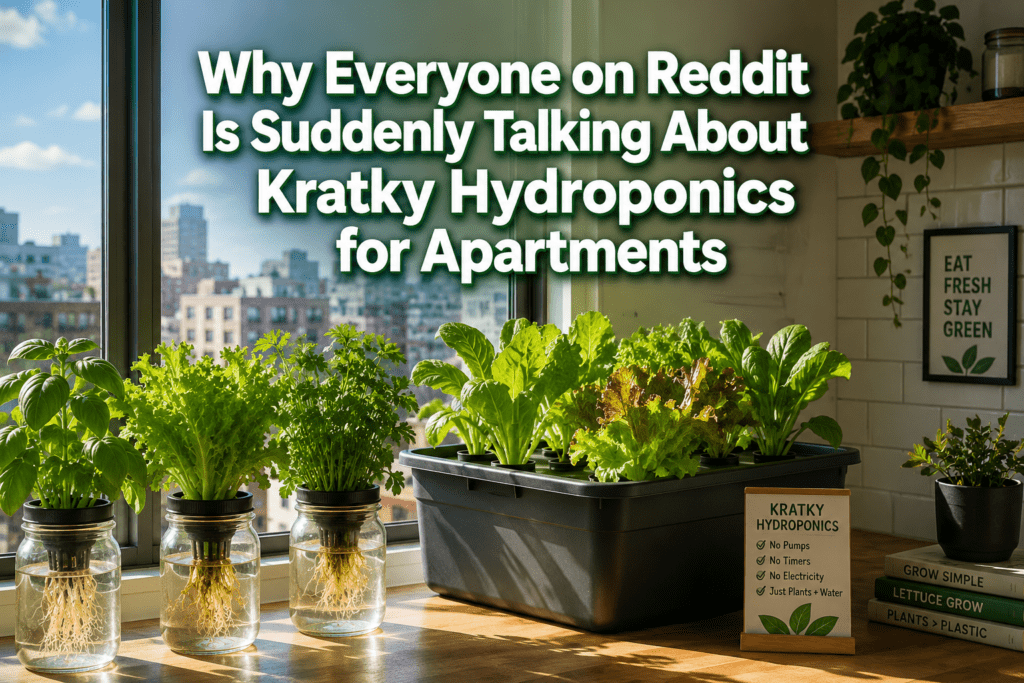
Quick Answer: Reddit users are increasingly buzzing about Kratky hydroponics for apartments because it offers an incredibly simple, low-maintenance, and cost-effective way to grow fresh produce indoors without pumps, electricity, or complex equipment. This passive hydroponic method is perfect for urban dwellers with limited space and gardening experience, making it an accessible entry point into self-sufficiency.
Key Takeaways
- Simplicity: Kratky hydroponics requires no pumps, aerators, or electricity, making it one of the easiest hydroponic methods.
- Low Cost: Initial setup can be as cheap as repurposed containers, net pots, and nutrient solution, perfect for budget-conscious apartment living.
- Space-Efficient: Ideal for small apartments, windowsills, or shelves, allowing fresh produce in minimal square footage.
- Minimal Maintenance: Once set up, the system requires little intervention beyond occasional topping off of the nutrient solution for some plants.
- Beginner-Friendly: Its straightforward nature makes it a popular choice for those with no prior gardening experience.
- Variety of Plants: Best suited for leafy greens, herbs, and some fruiting plants, providing a good range of fresh ingredients.
- Reddit Community: The method’s simplicity and success stories resonate strongly within DIY and urban gardening communities on Reddit.
- Grocery Savings: Can significantly reduce grocery bills for fresh herbs and greens, offsetting initial costs quickly.
What Exactly Is Kratky Hydroponics and How Does It Work?
Kratky hydroponics is a passive hydroponic method where plants grow with their roots suspended in a nutrient solution, consuming the solution over time without any moving parts or electricity. This “set it and forget it” approach eliminates the need for pumps, air stones, or water circulation, making it uniquely suited for apartment living where simplicity and quiet operation are paramount.
The core principle involves a plant suspended in a net pot, typically nested in the lid of an opaque container. The roots grow down into a reservoir filled with a nutrient-rich water solution. As the plant consumes water and nutrients, the solution level drops, creating an air gap between the remaining solution and the base of the plant. This air gap is crucial as it allows a portion of the roots to access oxygen, which is essential for plant respiration, while the rest remain submerged to absorb nutrients. Unlike deep water culture (DWC), you don’t refill the solution until it’s almost completely depleted, preventing the crucial air roots from drowning.
Why Everyone on Reddit Is Suddenly Talking About Kratky Hydroponics for Apartments
The appeal on platforms like Reddit stems from its sheer accessibility. Many apartment dwellers are looking for ways to grow their own food but are intimidated by complex systems or lack the space for traditional gardening. Kratky offers a gateway. It’s:
- DIY-Friendly: Users can easily repurpose household items like old food containers, mason jars, or buckets, reducing barriers to entry.
- Quiet: No pumps mean no noise, a significant advantage in shared living spaces.
- Scalable: You can start with one plant and easily expand to several without significant infrastructure.
- Educational: It’s a fantastic way to learn the basics of hydroponics and plant nutrient needs without getting bogged down by technicalities.
How Much Does It Cost to Start a Kratky Setup in a Small Apartment?
Starting a Kratky hydroponics setup in a small apartment can be incredibly inexpensive, with costs ranging from as little as $10-$20 for a basic, DIY system to around $50-$100 for a slightly more polished starter kit. The minimal investment is a major draw for apartment gardeners on a budget.
The cost breakdown typically includes:
- Containers: Free, if you repurpose opaque food-grade containers (e.g., old yogurt tubs, ice cream buckets, juice bottles). If buying, new opaque containers or mason jars with painted exteriors can cost $2-$10 each.
- Net Pots: Essential for holding the plant and allowing roots to grow into the solution. A pack of 10-20 net pots usually costs $5-$15.
- Growing Media: Rockwool cubes, coco coir, or hydroton (clay pebbles) are popular choices for supporting seedlings in net pots. A small pack might be $5-$10.
- Hydroponic Nutrients: This is the most consistent recurring cost. A good quality all-in-one liquid nutrient solution, sufficient for many plants, typically runs $15-$30 for a liter bottle.
- Seeds: A packet of seeds for your chosen plants is usually $2-$5.
- Optional – Grow Light: While not strictly necessary for plants near a very sunny window, most apartments benefit from a supplemental LED grow light. Small, efficient grow lights can range from $20-$50.
For a true beginner looking to test the waters, I recommend starting with repurposed containers, a small pack of net pots, some rockwool, and a starter bottle of hydroponic nutrients. This could easily come in under $30, making it a very low-risk venture.
What Are the Best Plants to Grow with Kratky Method in Limited Space?
The Kratky method truly shines with plants that have relatively short growing cycles and do not require heavy nutrient feeding or fruiting. Leafy greens and herbs are overwhelmingly the best choices for limited apartment spaces using Kratky, providing consistent yields with minimal fuss.
Top choices include:
- Leafy Greens:
- Lettuce (especially loose-leaf varieties like Romaine, Butterhead, Black Seed Simpson): These are fast-growing, have shallow root systems, and are perfect for “cut and come again” harvesting.
- Spinach: Another excellent option, providing nutrient-rich leaves.
- Kale: Dwarf varieties work well, offering continuous harvests.
- Swiss Chard: Easy to grow and adds color to your indoor garden.
- Herbs:
- Basil: Grows quickly and prolifically, a Reddit favorite for its ease.
- Mint: Very robust and can produce abundant leaves.
- Cilantro: A bit more temperamental but still feasible.
- Parsley: A slower grower but steady producer.
- Dill, Oregano, Thyme: These Mediterranean herbs also adapt well.
- Other Options (with caveats):
- Strawberries: Can work, but may require more light and a larger container.
- Bush Beans: Dwarf varieties could be attempted, though they will need more space and support.
- Chili Peppers (Dwarf Varieties): Possible, but they will take longer and need stronger light.
For beginners, I strongly recommend starting with lettuce or basil. Their rapid growth and forgiving nature provide quick success, which is highly motivating. These plants generally need 6-8 hours of light per day, which can often be achieved near a bright south-facing window or with an inexpensive LED grow light. If you’re looking to grow a wide variety of vegetables in a smaller footprint, consider exploring balcony vertical gardening as well.
Is Kratky Hydroponics Really Easier Than Traditional Gardening?
Yes, for apartment dwellers, Kratky hydroponics is generally much easier and less messy than traditional soil-based gardening. The primary reasons Reddit users highlight its simplicity are the elimination of common soil gardening issues and the “set and forget” nature of the system.
Here’s why it’s often considered simpler:
- No Soil Mess: This is a huge advantage in apartments. No dirt means no spilled soil, no soil-borne pests, and cleaner hands.
- Automated Watering and Feeding: You don’t need to worry about over or under-watering. The plant takes what it needs from the reservoir, and the nutrients are pre-mixed. This is a stark contrast to constantly checking soil moisture and applying fertilizers in traditional gardening.
- Fewer Pests: Without soil, many common garden pests (like fungus gnats) are significantly reduced or eliminated, simplifying pest management.
- Faster Growth: Plants often grow faster in hydroponic systems because nutrients are directly available to the roots, without the plant needing to expend energy searching for them in soil.
- No Weeding: Another significant time-saver, as there are no weeds to compete with your plants for resources.
While traditional gardening can be incredibly rewarding, the learning curve for soil composition, watering schedules, pest identification, and disease management is often steeper for beginners, especially in an apartment context. Kratky streamlines the process, allowing new gardeners to focus on the basics of plant growth. For those exploring DIY container gardening ideas for small spaces, Kratky offers a very practical, low-barrier entry.
What Mistakes Do Beginners Usually Make with Kratky Hydroponics?
Beginners in Kratky hydroponics often fall prey to a few common pitfalls that can hinder their success, primarily related to container choice, nutrient solution management, and light. Being aware of these can significantly improve your chances of a thriving apartment garden.
Common mistakes include:
- Using Clear Containers: This is perhaps the biggest mistake. Clear containers (like unpainted mason jars) allow light to penetrate the nutrient solution, leading to rapid algae growth. Algae compete with your plants for nutrients and oxygen, and can quickly foul the system. Always use opaque containers or paint/cover clear ones.
- Refilling the Nutrient Solution Too Soon (or Too Often): The Kratky method relies on the declining water level to create an essential air gap for oxygen. If you constantly top off the reservoir, the roots can drown due to lack of oxygen. Only top off once for longer-lived plants (like tomatoes) when the solution is very low, or replace the entire solution when it’s depleted for short-cycle plants like lettuce.
- Incorrect Nutrient Concentration: Using too much or too little fertilizer. Too much can burn roots; too little leads to deficiencies. Always follow the manufacturer’s instructions for hydroponic-specific nutrients.
- Not Enough Light: Even easy-to-grow plants need sufficient light. A dim windowsill will result in leggy, weak plants. Supplemental LED grow lights are often necessary in apartments. Our guide on best grow lights for indoor plants in small spaces can help.
- Ignoring pH: While less critical for short-cycle plants, an incorrect pH can lock out nutrients, even if they’re present. A basic pH testing kit and adjusters are a good investment for optimal growth. Aim for a pH between 5.5-6.5 for most vegetables.
- Using Non-Food Grade Containers: Ensure any repurposed containers are made of food-safe plastic to avoid leaching harmful chemicals into your nutrient solution.
To avoid these, choose opaque containers, resist the urge to constantly refill, use hydroponic-specific nutrients correctly, provide adequate light, and consider monitoring pH for longer-term projects.
Can I Grow Enough Vegetables to Actually Feed Myself in an Apartment?
While a small Kratky setup in an apartment can provide a steady supply of fresh herbs and leafy greens, it’s generally unrealistic to grow enough vegetables to completely feed yourself using this method alone. The goal is usually supplementation and enjoyment, rather than full self-sufficiency.
Here’s a realistic perspective:
- Leafy Greens & Herbs: With a few well-managed Kratky units, you can consistently harvest enough lettuce, spinach, basil, and other herbs to use in daily salads, sandwiches, and cooking. This can significantly reduce your grocery bill for these specific items.
- Limited Variety for Staple Crops: Plants that provide substantial caloric intake (e.g., potatoes, corn, wheat) or large fruiting vegetables (e.g., squash, large tomatoes) are not well-suited for the Kratky method or the space constraints of most apartments.
- Space is the Limiting Factor: Even with a highly efficient setup, the sheer volume of plants required for a full diet necessitates more space than a typical apartment can offer. You would need dozens of large Kratky containers to make a noticeable dent in your staple food consumption.
Think of Kratky hydroponics as a way to enhance your diet with fresh, home-grown ingredients, adding convenience and flavor, rather than replacing your entire grocery list. For a deeper dive into the realism of growing a substantial amount of food in limited spaces, you might find our article “Is 80% Homegrown Food From An Apartment Garden Realistic?” insightful.
How Much Light and Maintenance Do Kratky Plants Really Need?
Kratky plants require adequate light, typically 6-8 hours daily for most leafy greens and herbs, and surprisingly little ongoing maintenance once established. The “set and forget” nature is one of its biggest advantages for busy apartment dwellers.
- Light Requirements:
- Natural Light: A bright south-facing window that receives at least 6 hours of direct sunlight is ideal. East or west-facing windows can also work but might provide less vigorous growth. North-facing windows are usually too dim.
- Supplemental Grow Lights: For most apartment conditions, especially during shorter winter days or in less sunny rooms, an LED grow light is highly recommended. Small, full-spectrum LED lights are energy-efficient and can make a huge difference in plant health and yield. Position them 6-12 inches above the plants, adjusting as the plants grow. Read our guide on the best grow lights for indoor plants in small spaces for more information.
- Maintenance Needs:
- Initial Setup: This is where most of the work happens: preparing the container, mixing nutrients, and transplanting seedlings into net pots.
- Monitoring Solution: For short-cycle plants like lettuce, you typically fill the reservoir once, and the plant consumes it completely. For longer-lived plants (e.g., basil if you want multiple harvests), you might top off the solution with a fresh, half-strength nutrient mix when it gets very low, but never completely submerge the established air roots.
- Harvesting: Regular harvesting encourages more growth and prevents plants from bolting.
- Cleaning: After a plant finishes its cycle, the container should be thoroughly cleaned and sanitized before starting a new plant to prevent disease buildup.
- Pest Checks: While less prone to pests than soil gardens, occasional checks for issues like aphids or spider mites are good practice.
The minimal daily intervention is precisely why Kratky hydroponics resonates so well with the Reddit community, especially those looking for low-effort ways to green up their small living spaces.
What Are the Pros and Cons Compared to Other Indoor Gardening Methods?
Kratky hydroponics offers a unique balance of simplicity and efficiency compared to other indoor gardening methods, making it highly suitable for apartments, but it does have its limitations.
Pros of Kratky Hydroponics for Apartments:
- Extremely Low Cost: Can be set up with repurposed materials, making it budget-friendly.
- Zero Electricity/Pumps: No noise, no power consumption, no mechanical failures.
- Minimal Maintenance: “Set it and forget it” approach, ideal for busy individuals or beginners.
- No Soil, No Mess: Cleaner than traditional container gardening, reducing indoor clutter and pests.
- Faster Growth: Plants often grow quicker due to direct nutrient access.
- Beginner-Friendly: Low learning curve, making it accessible to those with no gardening experience.
Cons of Kratky Hydroponics:
- Not for All Plants: Best suited for non-fruiting, short-cycle plants (leafy greens, herbs). Larger, long-fruiting plants struggle due to static nutrient solution.
- Static Solution: Nutrients deplete over time, and oxygen levels can decrease. The system isn’t ideal for plants that need consistent, high oxygenation at the roots.
- One-Way System (Mostly): For many plants, you fill it once, and the cycle ends when the solution is gone. This isn’t ideal for continuous, multi-season harvesting of the same plant (though some moderate topping up is possible for certain plants).
- Container Size Matters: Requires appropriately sized containers for each plant, which can become bulky if growing many.
- Potential for Algae: If containers are not opaque, algae can quickly become a problem.
Comparison Table: Kratky vs. Other Indoor Methods
| Feature | Kratky Hydroponics | Deep Water Culture (DWC) Hydroponics | Soil Container Gardening |
|---|---|---|---|
| Complexity | Very Easy (Passive) | Moderate (Active, requires pump/air stone) | Easy to Moderate (Watering, pests, soil health) |
| Cost | Very Low (DIY possible) | Low to Moderate (Equipment adds cost) | Low (Soil, pots, fertilizer) |
| Maintenance | Very Low (Set & forget, some monitoring) | Moderate (pH checks, pump/air stone maintenance, refilling) | Moderate to High (Daily watering, pest control) |
| Electricity | None | Required (Pump, air stone) | None (unless using grow lights) |
| Mess | Very Low (No soil) | Low (No soil, but water splashes) | Moderate to High (Soil spills, pests) |
| Best Plants | Leafy greens, herbs | Leafy greens, herbs, some fruiting plants | Wide variety, including large fruiting plants |
| Growth Speed | Fast | Very Fast | Moderate |
| Apartment Fit | Excellent (Quiet, clean, small footprint) | Good (Can be noisy with pump, power needs) | Good (Can be messy, heavier pots) |
For apartment living, Kratky offers the simplest entry point into growing your own food, often seen as a stepping stone to more complex hydroponic setups or as a permanent solution for easy-to-grow greens. For those with zero gardening experience, Kratky is an almost unbeatable starting point. If you’re looking for more general container gardening advice, our container gardening for beginners: step-by-step guide can also be helpful.
Which Kratky Containers and Supplies Are Recommended for Absolute Beginners?
For absolute beginners diving into Kratky hydroponics, the focus should be on readily available, inexpensive, and easy-to-use supplies. Simplicity and accessibility are key to building confidence.
Here are my top recommendations:
- Containers:
- Opaque Plastic Food Containers: Repurpose clean, opaque containers from yogurt, ice cream, or deli salads (1-2 quart size is good for herbs/lettuce). Ensure they’re food-grade. This is the cheapest and easiest option.
- Painted Mason Jars: If you want something aesthetically pleasing, pint or quart-sized mason jars can be spray-painted (on the outside only!) with dark paint to block light. Ensure the paint is non-toxic once cured.
- 5-Gallon Buckets (Opaque): For larger plants or multiple smaller plants, opaque 5-gallon buckets are a classic choice.
- Net Pots:
- 2-3 inch Net Pots: These are standard and fit well into most container lids. They’re inexpensive and can be found in packs online or at hydroponic stores.
- Growing Media:
- Rockwool Cubes: These are excellent for seed starting and transplanting into net pots. They hold moisture well and provide good support. They are often sold in sheets, which can be cut into individual cubes.
- Coco Coir Pellets/Cubes: Another good option, often considered more environmentally friendly than rockwool.
- Nutrients:
- All-in-One Liquid Hydroponic Nutrient Solution: Look for a reputable brand that offers a single-part or two-part solution specifically designed for hydroponics. These simplify nutrient mixing for beginners. Follow the dilution instructions carefully.
- Seeds:
- Fast-Growing Leafy Greens or Herbs: Start with easy varieties like loose-leaf lettuce (e.g., ‘Black Seed Simpson’, ‘Buttercrunch’), basil, or spinach.
- Optional (but recommended) Supplies:
- Small LED Grow Light: A clip-on or small panel LED grow light will greatly improve results, especially if you don’t have abundant natural light. Our guide on best grow lights for indoor plants in small spaces can help you choose.
- pH Test Kit: Simple pH test strips are inexpensive and can help diagnose issues if your plants aren’t thriving.
Starting with these basic supplies will give you everything you need to experiment with Kratky without a significant investment, aligning perfectly with why everyone on Reddit is suddenly talking about Kratky hydroponics for apartments.
Is Kratky Hydroponics Worth It If I Have Zero Gardening Experience?
Absolutely, Kratky hydroponics is particularly worth it if you have zero gardening experience, especially for apartment living. Its simplicity and forgiving nature make it an ideal entry point into growing your own food, significantly reducing the common frustrations associated with traditional gardening.
Here’s why it’s a great fit for novices:
- No Green Thumb Required (Initially): You don’t need to understand soil types, complex watering schedules, or pest cycles. The system takes care of much of the guesswork.
- Quick Success: Many leafy greens grow rapidly in Kratky systems, offering visible results in just a few weeks. This quick success is incredibly motivating for new gardeners.
- Minimal Learning Curve: The core mechanics are easy to grasp: container, net pot, plant, nutrient solution. That’s largely it!
- Low Barrier to Entry: The low cost and use of readily available materials mean you can try it out without a major financial or time commitment.
- Reduced Failure Points: Without pumps to fail, pH to constantly adjust (for short cycles), or soil pathogens, there are fewer things to go wrong.
I often tell aspiring gardeners that Kratky hydroponics is like training wheels for growing food. It builds foundational understanding about plant needs (light, water, nutrients) in a controlled environment, preparing you for potentially more complex gardening endeavors if you choose. The satisfaction of harvesting your first home-grown lettuce or basil is a powerful incentive, and Kratky delivers that experience reliably.
What Types of Apartments or Living Spaces Work Best for This Method?
Kratky hydroponics is incredibly versatile and can be adapted to almost any apartment or living space, making it popular across a wide range of urban dwellings. Its compact and clean nature allows it to fit into areas where traditional gardening would be impractical.
The best types of spaces generally offer:
- Good Natural Light: Apartments with south-facing windows, large east/west-facing windows, or balconies provide the best natural light for plant growth. More light means healthier, more productive plants.
- Limited Space: Studio apartments, micro-apartments, or even just a small corner in a larger apartment are perfect. Kratky setups can fit on windowsills, shelves, kitchen counters, or tucked into a closet with a grow light.
- Desire for Cleanliness: Since there’s no soil, it’s ideal for spaces where mess is a concern (e.g., small kitchens, shared living areas).
- Noise Sensitivity: As it operates silently without pumps, it’s perfect for bedrooms, offices, or any area where noise would be disruptive.
- Rental Restrictions: Since it’s self-contained and doesn’t involve altering the property, it’s an excellent option for renters who often face restrictions on outdoor gardening or even large indoor soil planters. Our guide to balcony gardening for renters explores more options.
Ultimately, if you have a spot that gets some light (natural or artificial) and can accommodate a small container, you can successfully implement Kratky hydroponics.
How Much Money Can I Save on Groceries with a Small Kratky Setup?
A small Kratky setup can lead to tangible, albeit modest, savings on groceries, particularly for fresh herbs and leafy greens, which tend to be pricier per-ounce at supermarkets. Over time, these small savings add up, making the initial investment worthwhile.
Here’s how to look at the potential savings:
- High-Value Items: The biggest savings come from consistently growing items like:
- Basil: A small bunch of fresh basil can cost $3-$5 at the store. A single Kratky plant can produce many times that amount over its lifespan.
- Lettuce: Pre-packaged salads or heads of lettuce can range from $2-$5. Growing your own provides continuous harvests for less.
- Specialty Greens: Arugula, spinach, or kale often carry a premium price tag.
- Frequency of Purchase: If you buy these items regularly, the savings accrue quickly. If you only buy them occasionally, the savings will be less dramatic.
- Cost of Supplies vs. Produce: After the initial investment in containers, net pots, and a bottle of nutrients (which lasts for many plant cycles), the recurring cost is primarily for seeds and occasional nutrient top-ups. This is significantly cheaper than buying fresh produce week after week. For example, a $20 bottle of nutrients might grow dozens of lettuce heads, each costing $3-$4 in a store.
Example: If you grow 3 heads of lettuce and 2 basil plants per month, and each would cost you an average of $3-$4 in the store, you could save approximately $15-$20 monthly. Over a year, that’s $180-$240. Given that a basic setup can cost under $30, it quickly pays for itself. The environmental benefits of reducing packaging and food miles, plus the satisfaction of fresh, home-grown food, are added bonuses that go beyond monetary savings.
Conclusion
The sudden surge in interest on Reddit for Kratky hydroponics in apartments is well-founded. It represents a refreshingly simple, accessible, and cost-effective method for urban dwellers to grow fresh produce, even with zero prior gardening experience. By eliminating the complexities of traditional gardening and more advanced hydroponic systems, Kratky offers a low-barrier entry to self-sufficiency and a deeper connection with your food. Whether you’re aiming to save a few dollars on groceries, enjoy fresher ingredients, or simply cultivate a new hobby, the passive elegance of Kratky hydroponics makes it an ideal solution for small-space apartment living in 2026 and beyond.
Actionable Next Steps:
- Gather Supplies: Start with repurposed opaque containers, a few net pots, rockwool, and a basic hydroponic nutrient solution.
- Choose Easy Plants: Begin with fast-growing leafy greens like lettuce or herbs like basil for quick success.
- Find a Spot: Locate a windowsill with good natural light, or invest in a small LED grow light if natural light is limited.
- Set Up and Observe: Mix your nutrient solution, set up your plants, and then largely “set it and forget it,” only observing for growth and harvesting when ready.
Related Reading
- Container Gardening For Beginners: Step-by-Step Guide 2026
- Best Grow Lights For Indoor Plants In Small Spaces 2026
- DIY Container Gardening Ideas For Small Spaces: 2026 Guide
FAQ
Q1: Can I use tap water for Kratky hydroponics?
A1: Yes, most tap water is suitable, but it’s best to let it sit out for 24 hours to allow chlorine to dissipate. If your tap water is very hard or has high mineral content, filtered water might be better, or you may need to adjust pH more frequently.
Q2: How often do I change the nutrient solution in a Kratky system?
A2: For short-cycle plants like lettuce, you typically fill the container once, and the plant consumes the entire solution. For longer-lived plants (like basil), you might top off the solution with fresh, half-strength nutrients when it’s very low, but avoid fully submerging established air roots.
Q3: Do I need a special pump for Kratky hydroponics?
A3: No, that’s the main advantage of Kratky. It’s a passive system that requires no pumps, air stones, or electricity, making it quiet and incredibly simple.
Q4: How do I prevent algae growth in my Kratky containers?
A4: Use only opaque containers, or cover any clear containers (like mason jars) completely with dark paint or tape to block out all light from the nutrient solution. Algae needs light to grow.
Q5: What’s the ideal temperature for Kratky hydroponics in an apartment?
A5: Most plants thrive in temperatures between 65-75°F (18-24°C), which is typical for most indoor apartment environments. Avoid extreme heat or cold.
Q6: Can I use regular plant fertilizer for Kratky hydroponics?
A6: No, you must use hydroponic-specific nutrient solutions. Regular soil fertilizers are formulated differently and typically lack the micronutrients or appropriate ratios for soilless growing, which can harm your plants.
Q7: How long does it take to grow lettuce in Kratky hydroponics?
A7: Loose-leaf lettuce varieties can be ready for harvest (cut-and-come-again) in as little as 3-4 weeks from seed, with a full head developing in 5-6 weeks.
Q8: Is it possible to grow tomatoes using the Kratky method?
A8: While possible, it’s generally not recommended for beginners or for large tomato plants. Tomatoes require significantly more nutrients, longer growing cycles, and often need solution top-offs or changes which can be tricky without disturbing the crucial air roots. Dwarf varieties might have better success.
Q9: What size container is best for a single lettuce plant?
A9: A container around 1-2 liters (1-2 quarts) is usually sufficient for a single lettuce plant, allowing enough nutrient solution for its entire growth cycle. Tags: Kratky hydroponics, apartment gardening, indoor gardening, Reddit gardening, hydroponics for beginners, small space gardening, urban gardening, DIY hydroponics, growing herbs indoors, growing lettuce indoors