Gardening for Mental Health: How Plants Reduce Stress and Anxiety
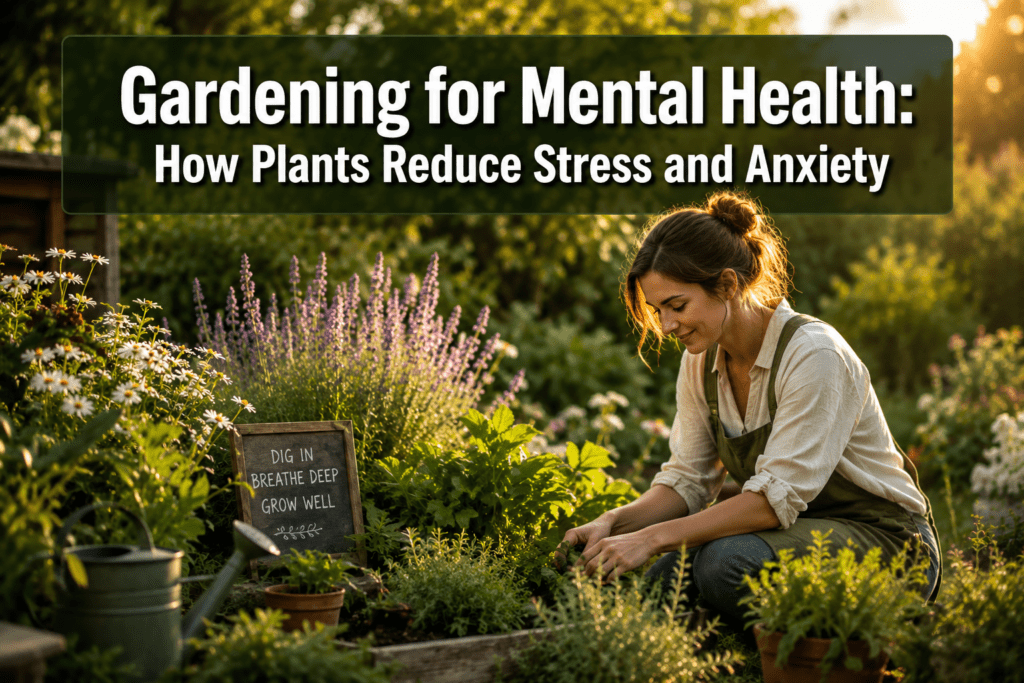
Quick Answer: Gardening for mental health is a well-supported strategy for reducing stress, anxiety, and depression symptoms. Regular contact with plants, soil, and natural environments lowers cortisol levels, promotes mindfulness, and triggers the release of mood-regulating brain chemicals. Even 30 minutes of gardening per week can produce measurable psychological benefits for most adults.
Key Takeaways
- Gardening activates the parasympathetic nervous system, physically lowering stress hormones like cortisol
- Horticultural therapy is a clinically recognized practice used in hospitals, rehabilitation centers, and mental health programs
- Research published in peer-reviewed journals confirms gardening reduces symptoms of anxiety and depression
- You do not need a large outdoor space; indoor container gardening offers comparable mental health benefits
- Beginners can start for under $50 with low-maintenance plants like succulents, pothos, or lavender
- Spending as little as 30 minutes gardening two to three times per week shows measurable mood improvements in studies
- Gardening is not a replacement for professional mental health treatment but works well as a complementary strategy
- People with severe allergies, certain physical limitations, or acute psychiatric crises may need to modify their approach
- Scented plants like lavender and jasmine have specific research backing for anxiety reduction
- Common mistakes include over-committing, choosing difficult plants, and treating gardening as a chore rather than a practice
What Is Horticultural Therapy and How Does It Work
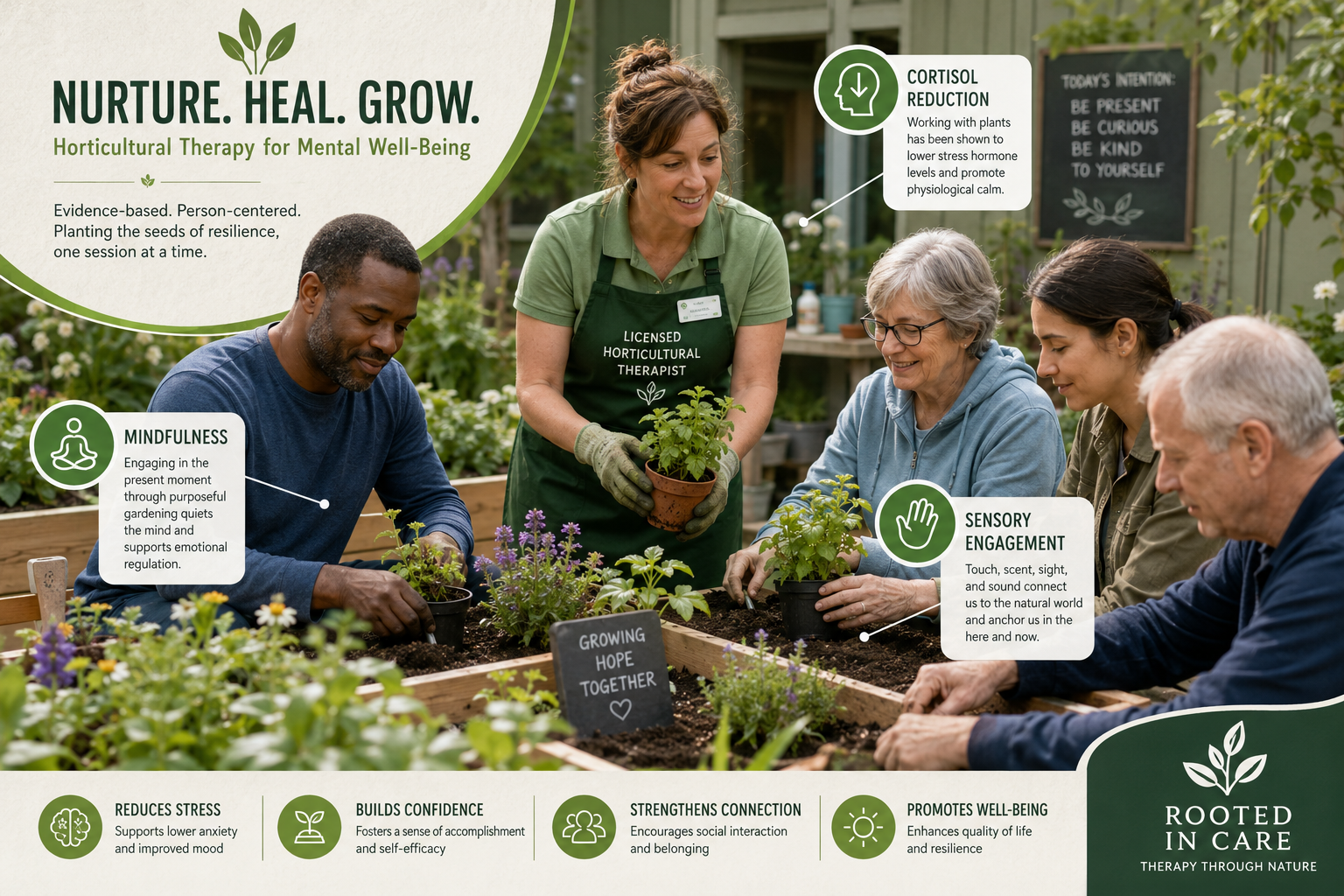
Horticultural therapy is a professionally guided practice that uses plant-based activities to improve physical, cognitive, and emotional well-being. It is facilitated by credentialed horticultural therapists and is used in clinical settings including psychiatric hospitals, memory care units, and addiction recovery programs.
The mechanism works on several levels simultaneously:
- Physiological: Handling soil exposes the body to Mycobacterium vaccae, a naturally occurring bacterium shown in animal studies to stimulate serotonin production (University of Bristol, 2007)
- Psychological: The repetitive, focused nature of gardening tasks induces a meditative state that quiets the default mode network, the brain region associated with rumination and worry
- Sensory engagement: Textures, scents, and colors in a garden activate multiple senses, grounding people in the present moment much like formal mindfulness exercises
- Mastery and purpose: Nurturing a living thing and watching it grow builds a sense of competence and meaning, both of which are protective factors against depression
Horticultural therapy differs from casual gardening in that it involves structured goals, professional oversight, and measurable outcomes. However, the core psychological mechanisms apply whether you are in a clinical program or tending a windowsill herb pot.
What Scientific Research Proves Gardening Reduces Anxiety
The evidence base for gardening as a mental health intervention is substantial and growing. Gardening for mental health is not simply folk wisdom; it is backed by peer-reviewed research across multiple disciplines.
Key findings include:
- A 2011 study published in the Journal of Health Psychology found that gardening after a stressful task lowered cortisol levels and improved mood more effectively than quiet indoor reading
- A meta-analysis published in Preventive Medicine Reports (2017) reviewed 22 studies and found consistent evidence that gardening is associated with reductions in depression, anxiety, and BMI, along with increases in life satisfaction
- Research from the University of Exeter (2019) found that people who spent time in green spaces, including gardens, reported significantly lower rates of poor mental health compared to those with no access to natural environments
- A 2020 study in PLOS ONE found that urban gardening participants showed significant reductions in perceived stress and negative affect after just eight weeks
The consistent thread across studies: direct contact with plants and soil, not just being near nature, produces the strongest psychological effects.
Can Gardening Really Help With Depression and Anxiety Symptoms
Yes, gardening can meaningfully reduce both depression and anxiety symptoms, though the degree of benefit varies by individual and the severity of the condition. It works best as a complementary strategy alongside professional treatment, not as a standalone cure for clinical disorders.
For mild to moderate anxiety and depression, regular gardening can:
- Lower baseline cortisol and adrenaline levels over time
- Provide structured daily routines, which are disrupted in depressive episodes
- Create social connection opportunities, especially in community garden settings
- Offer a sense of accomplishment that counteracts feelings of helplessness
Important distinction: If you are experiencing severe depression, suicidal ideation, or a diagnosed anxiety disorder, gardening should supplement, not replace, evidence-based treatments like cognitive behavioral therapy or medication. Talk to your doctor before making changes to your treatment plan.
How Much Time Do You Need to See Mental Health Benefits
Research suggests that 30 minutes of gardening, two to three times per week, is enough to produce measurable improvements in mood and stress levels. You do not need to dedicate hours each day to see results.
A practical starting framework:
| Frequency | Duration | Expected Benefit |
|---|---|---|
| Once per week | 30-60 min | Mild mood lift, stress relief |
| 2-3 times per week | 30 min | Reduced cortisol, better sleep quality |
| Daily | 15-20 min | Sustained anxiety reduction, improved focus |
| Structured program | 8+ weeks | Clinically measurable depression symptom reduction |
Consistency matters more than duration. A short daily watering routine paired with weekend planting sessions tends to outperform occasional marathon gardening days.
Best Plants for Beginners Who Want Stress Relief
The best starter plants for mental health are low-maintenance, forgiving of neglect, and ideally have documented calming properties. Choosing plants that are easy to keep alive is critical because plant death early on can undermine the confidence-building effect gardening is meant to provide.
Top recommendations:
- Lavender: Backed by multiple studies for reducing anxiety; thrives in sunny windowsills or outdoor beds
- Pothos: Nearly indestructible indoors, grows visibly fast, and provides the satisfaction of watching progress
- Aloe vera: Minimal watering needed, tactile leaves, and practical medicinal use adds purpose
- Snake plant (Sansevieria): Tolerates low light and irregular watering, ideal for beginners
- Chamomile: Grows easily, can be harvested for calming tea, and has a gentle scent
- Mint: Fast-growing, fragrant, and nearly impossible to kill; best kept in a container to control spread
Choose plants based on your actual living conditions. A sun-loving lavender plant placed in a dark apartment will die quickly and defeat the purpose.
How Different Types of Plants Impact Stress Levels
Not all plants affect the brain the same way. Scented plants, flowering plants, and edible plants each engage different psychological pathways.
- Scented plants (lavender, jasmine, rosemary): Aromatherapy research shows these reduce heart rate and anxiety scores. A 2019 study in Frontiers in Behavioral Neuroscience found linalool, a compound in lavender, reduced anxiety-like behavior in mice by activating the olfactory system rather than the bloodstream
- Flowering plants: Visual exposure to flowers has been linked in multiple studies to reduced negative emotions and increased feelings of social connection
- Edible plants (herbs, vegetables): Growing food adds a layer of purposeful reward. Harvesting and eating what you grow activates a dopamine response tied to effort-based reward
- Textural plants (succulents, moss, ferns): Tactile engagement with varied textures grounds attention in the present, similar to grounding techniques used in trauma therapy
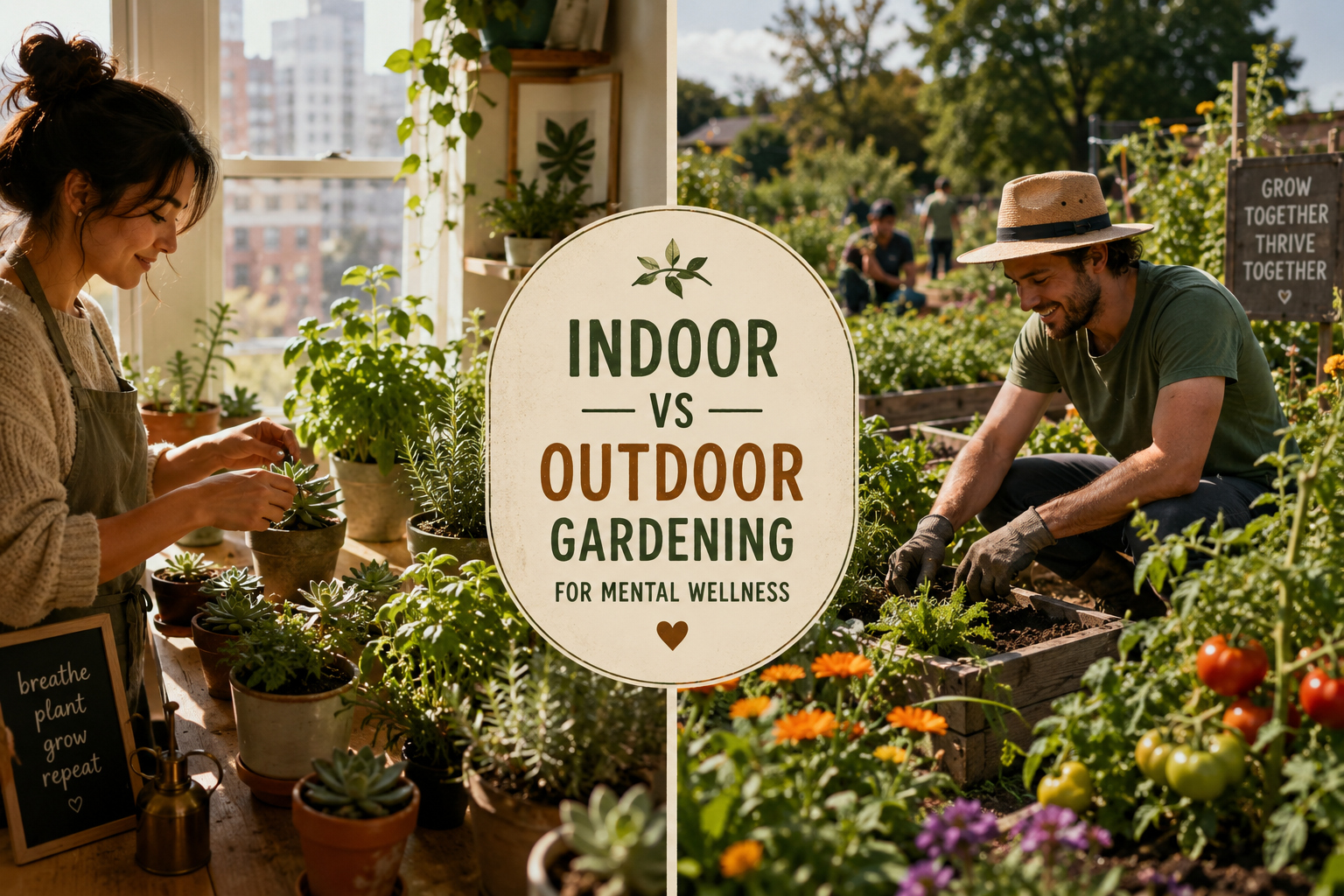
Is Indoor Gardening as Effective as Outdoor Gardening for Mental Wellness
Indoor gardening produces real mental health benefits, though outdoor gardening has a slight edge due to additional factors like sunlight exposure and fresh air. For people without outdoor access, indoor gardening is a genuinely effective alternative.
Indoor gardening benefits include:
- Daily visual contact with living plants reduces perceived stress
- Caring for plants creates routine and responsibility
- Improved air quality in enclosed spaces (NASA Clean Air Study, 1989, though effects in real rooms are modest)
- No weather barriers, making consistency easier year-round
Outdoor gardening adds: natural light (which regulates circadian rhythms and boosts vitamin D), physical movement, and the microbiome exposure from soil contact. If you can garden outdoors, even occasionally, the combination is more powerful.
Can Gardening Work for People With Limited Mobility or Small Spaces
Gardening is highly adaptable for people with physical limitations or minimal space. Modifications exist for nearly every constraint.
For limited mobility:
- Raised garden beds at wheelchair height (standard height: 24-30 inches)
- Lightweight long-handled tools reduce bending and gripping strain
- Container gardening on patios or balconies eliminates the need to kneel
- Vertical wall planters bring plants to eye and hand level
For small spaces:
- A single south-facing windowsill can support 4-6 herb pots
- Hanging planters use vertical space efficiently
- Grow lights extend options in apartments with limited natural light
- Community garden plots offer outdoor space for a modest annual fee (typically $25-$75 per season in most U.S. cities)
The therapeutic benefit comes from the act of tending plants, not from the scale of the garden.
How Expensive Is It to Start a Therapeutic Garden
Starting a basic therapeutic garden costs between $30 and $100 for most beginners. You do not need expensive equipment or a large budget to get meaningful mental health benefits from gardening.
Basic starter costs:
- 3-5 starter plants or seed packets: $15-$30
- Basic soil and a small bag of compost: $10-$20
- Two or three essential tools (trowel, watering can): $10-$25
- Containers if needed: $5-$20 for basic plastic or terracotta pots
Ongoing costs are minimal. Most herbs and houseplants need only water, occasional fertilizer (roughly $5-$10 per year), and repotting every one to two years.
Cost-saving options: Propagating plants from cuttings, joining seed swap communities, and using recycled containers (yogurt tubs, old colanders) reduce costs further. Many public libraries now offer seed lending programs at no cost.
Gardening Techniques Recommended by Therapists
Therapists who incorporate gardening into mental health treatment tend to recommend specific techniques that amplify the psychological benefits. These approaches are grounded in mindfulness and behavioral activation principles.
Recommended techniques:
- Mindful weeding: Focus entirely on the physical sensations of pulling weeds, the smell of soil, the resistance of roots. Treat it as a formal mindfulness exercise
- Sensory walks: Move slowly through your garden or a public green space, deliberately noticing five things you can smell, touch, see, and hear
- Journaling alongside gardening: Keep a simple plant journal noting growth, changes, and your own mood. The parallel tracking builds self-awareness
- Behavioral activation planting: Schedule gardening tasks during low-mood periods specifically. The activity interrupts depressive withdrawal patterns
- Harvest rituals: Deliberately pause and acknowledge when something you grew is ready to eat or bloom. This reinforces the effort-reward cycle
Common Mistakes People Make When Using Gardening for Mental Health
The biggest mistake is treating gardening as another task on a to-do list. When gardening becomes an obligation, it loses its restorative quality and can add to stress rather than reduce it.
Other frequent mistakes:
- Starting too big: A 20-plant garden overwhelms beginners. Start with three to five plants maximum
- Choosing high-maintenance plants: Orchids, bonsai, and other demanding plants frustrate beginners and undermine confidence
- Ignoring the sensory experience: Rushing through watering without pausing to engage the senses misses the mindfulness benefit
- Expecting immediate results: Mood benefits accumulate over weeks, not days. Impatience leads people to quit before the practice takes hold
- Gardening alone when loneliness is a factor: If social isolation drives your anxiety, a community garden or plant club adds the human connection that solo gardening cannot provide
Who Should Not Use Gardening as a Mental Health Strategy
Gardening is safe and beneficial for most people, but certain situations call for caution or modification.
- Severe allergies or asthma: Pollen, mold in soil, and certain plant compounds can trigger reactions. Consult an allergist before starting an outdoor garden
- Acute psychiatric crises: During a severe depressive episode, psychotic break, or active suicidal crisis, gardening is not an appropriate primary intervention. Seek immediate professional support first
- Immunocompromised individuals: Soil contains bacteria and fungi that pose risks for people on immunosuppressive medications or undergoing chemotherapy. Wear gloves and consult a physician
- Certain trauma histories: For some people with specific trauma responses, sensory triggers in garden environments (certain smells, enclosed spaces) may be counterproductive. A trauma-informed therapist can help adapt the approach
How Gardening Compares to Other Stress Reduction Methods
Gardening is one of several well-researched stress reduction strategies. It has unique advantages but is not universally superior to other approaches.
| Method | Time to Benefit | Cost | Social Component | Physical Activity | Evidence Level |
|---|---|---|---|---|---|
| Gardening | 2-4 weeks | Low ($30-$100) | Optional | Moderate | Strong |
| Meditation/mindfulness | 1-2 weeks | Free | Low | None | Very strong |
| Exercise | Days-weeks | Low-moderate | Optional | High | Very strong |
| Therapy (CBT) | 4-8 weeks | High | High | None | Very strong |
| Journaling | 1-2 weeks | Minimal | None | None | Moderate |
| Yoga | 1-2 weeks | Low-moderate | Optional | Moderate | Strong |
Gardening’s advantage is that it combines physical activity, mindfulness, sensory engagement, and purpose in a single activity. For people who resist formal meditation or structured exercise, gardening offers a lower psychological barrier to entry.
Conclusion
Gardening for mental health is a practical, evidence-backed approach to reducing stress and anxiety that works for most people regardless of budget, space, or experience level. The research is clear: regular contact with plants and soil lowers cortisol, supports serotonin production, and builds the kind of purposeful routine that protects against depression.
Actionable next steps to start this week:
- Buy two or three low-maintenance plants suited to your light conditions (pothos, lavender, or snake plant are reliable starting points)
- Set a recurring 30-minute block on your calendar two to three times per week specifically for tending your plants
- Practice one mindful gardening session: put your phone away, focus on textures and smells, and treat the time as deliberate rest
- If you have a clinical anxiety disorder or depression diagnosis, discuss adding gardening as a complementary activity with your therapist or physician
- Consider a community garden plot if social connection is part of what you need
You do not need a perfect garden or expert knowledge to benefit. The act of showing up, getting your hands in soil, and caring for something living is enough to begin shifting your nervous system in a healthier direction.
Frequently Asked Questions
Does gardening actually reduce cortisol levels?
Yes. A 2011 study in the Journal of Health Psychology found that participants who gardened after a stressful task had significantly lower salivary cortisol levels compared to those who read indoors.
How quickly will I notice mental health improvements from gardening?
Most people notice mood improvements within a few sessions, but sustained reductions in anxiety and depression symptoms typically require consistent practice over four to eight weeks.
Is container gardening on a balcony as beneficial as a full garden?
Container gardening provides most of the same psychological benefits, including sensory engagement, routine, and the satisfaction of nurturing living things. Outdoor exposure to sunlight and fresh air adds a modest additional benefit.
Can children benefit from therapeutic gardening?
Yes. Research supports horticultural therapy for children with ADHD, anxiety, and autism spectrum disorder. School garden programs have shown improvements in attention, emotional regulation, and academic engagement.
What is the best time of day to garden for stress relief?
Morning gardening aligns with natural cortisol rhythms and can set a calmer tone for the day. Evening gardening can serve as a decompression ritual after work. Choose the time you can sustain consistently.
Do I need to grow food plants, or do ornamental plants work too?
Both work. Ornamental plants provide sensory and aesthetic benefits, while food plants add the reward of harvest. The best choice is whichever type motivates you to tend the garden regularly.
Is gardening recommended for PTSD?
Some trauma-informed therapists incorporate gardening into PTSD treatment, particularly for veterans. However, it should be introduced carefully and with professional guidance, as certain sensory elements may trigger responses in some individuals.
Can I get the benefits of gardening by just being near plants without tending them?
Passive exposure to green spaces does improve mood, but active tending produces stronger and more sustained benefits because it adds purpose, physical engagement, and the effort-reward cycle.
What if I keep killing my plants?
Start with near-indestructible varieties like pothos, ZZ plants, or snake plants. Killing plants is extremely common for beginners and should not discourage you. Treat it as information about your care habits, not a personal failure.
Is there a certified horticultural therapist directory?
Yes. The American Horticultural Therapy Association (AHTA) maintains a directory of registered horticultural therapists in the United States at ahta.org.
References
- Adevi, A. A., & Mårtensson, F. (2013). Stress rehabilitation through garden therapy. Urban Forestry & Urban Greening, 12(1), 50-59.
- Bratman, G. N., et al. (2019). Nature and mental health: An ecosystem service perspective. Science Advances, 5(7). https://doi.org/10.1126/sciadv.aax0903
- Clatworthy, J., Hinds, J., & Camic, P. M. (2013). Gardening as a mental health intervention: A review. Mental Health Review Journal, 18(4), 214-225.
- Gonzalez, M. T., et al. (2011). Therapeutic horticulture in clinical depression: A prospective study of active components. Journal of Advanced Nursing, 67(11), 2503-2514.
- Litt, J. S., et al. (2015). The influence of social involvement, neighborhood aesthetics, and community garden participation on fruit and vegetable consumption. American Journal of Public Health, 105(8), 1601-1606.
- Lowry, C. A., et al. (2007). Identification of an immune-responsive mesolimbocortical serotonergic system. Neuroscience, 146(2), 756-772.
- van den Berg, A. E., & Custers, M. H. G. (2011). Gardening promotes neuroendocrine and affective restoration from stress. Journal of Health Psychology, 16(1), 3-11.
- White, M. P., et al. (2019). Spending at least 120 minutes a week in nature is associated with good health and wellbeing. Scientific Reports, 9, 7730.
- Wood, C. J., et al. (2017). A case-control study of the health and well-being benefits of allotment gardening. Journal of Public Health, 38(2), e336-e344.