Fix Overwatered Plants Fast: Rescue Guide (2026)
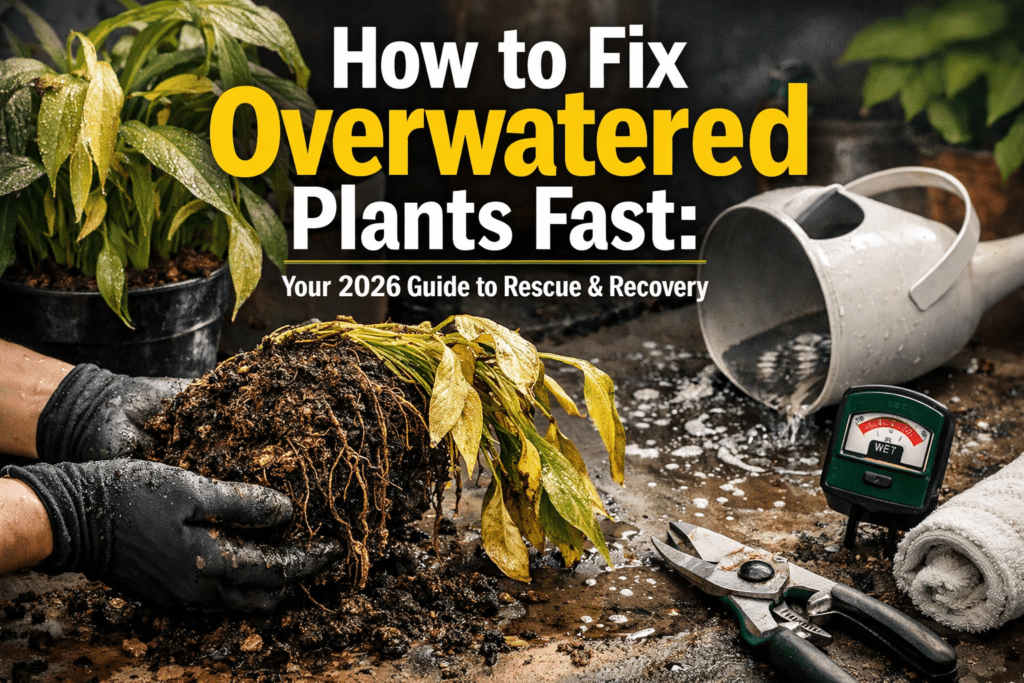
Quick Answer: To fix overwatered plants fast, immediately remove the plant from its soggy pot, inspect the roots for rot, trim any affected parts, and repot it into fresh, dry soil with excellent drainage. Providing increased air circulation and light while withholding further watering for several days is crucial for recovery.
Key Takeaways
- Immediate Action is Key: The quicker you act, the higher the chances of saving your plant.
- Check for Root Rot: Overwatering often leads to root rot, which appears as mushy, dark, or foul-smelling roots.
- Repot with Fresh Soil: Always use well-draining potting mix and a pot with drainage holes.
- Air Circulation & Light: Increase airflow around the plant and ensure it receives adequate, but not direct, bright light.
- Withhold Water: Do not water again until the top few inches of the new soil are completely dry.
- Monitor for Recovery: Observe the plant closely for new growth or firming of leaves as signs of recovery.
- Prevent Future Overwatering: Learn proper watering techniques based on plant type, pot material, and environmental conditions.
- Consider Drainage: Ensure pots have sufficient drainage holes and avoid leaving plants sitting in saucers of water.
Why Do Plants Get Overwatered, and How Can You Tell?
Plants get overwatered primarily because their roots are deprived of oxygen when constantly submerged in water, leading to suffocation and rot. This condition is most often caused by watering too frequently, using pots without drainage holes, or potting mixes that retain too much moisture. Recognizing the symptoms early is crucial to fixing overwatered plants fast.
The signs of an overwatered plant can often be mistaken for underwatering, which can worsen the problem if not identified correctly. Here’s how to tell the difference:
- Yellowing Leaves: One of the most common indicators. Unlike underwatering, where leaves turn crispy, overwatered leaves typically become soft and limp.
- Drooping/Wilting: Despite ample water, leaves may droop because damaged roots can’t absorb moisture. The plant looks “thirsty” but the soil is wet.
- Mushy Stems or Base: The stem might feel soft and mushy at the soil line, indicating rot has spread upwards.
- Stunted Growth: Overall growth can slow or stop entirely.
- Moldy or Algae Growth on Soil: A green or white fuzzy layer on the soil surface is a clear sign of excessive moisture.
- Foul Smell from Soil: A sour or rotten odor coming from the pot indicates anaerobic conditions and root decay.
- Leaves Falling Off: Overwatered plants may shed leaves, sometimes still green, as a stress response.
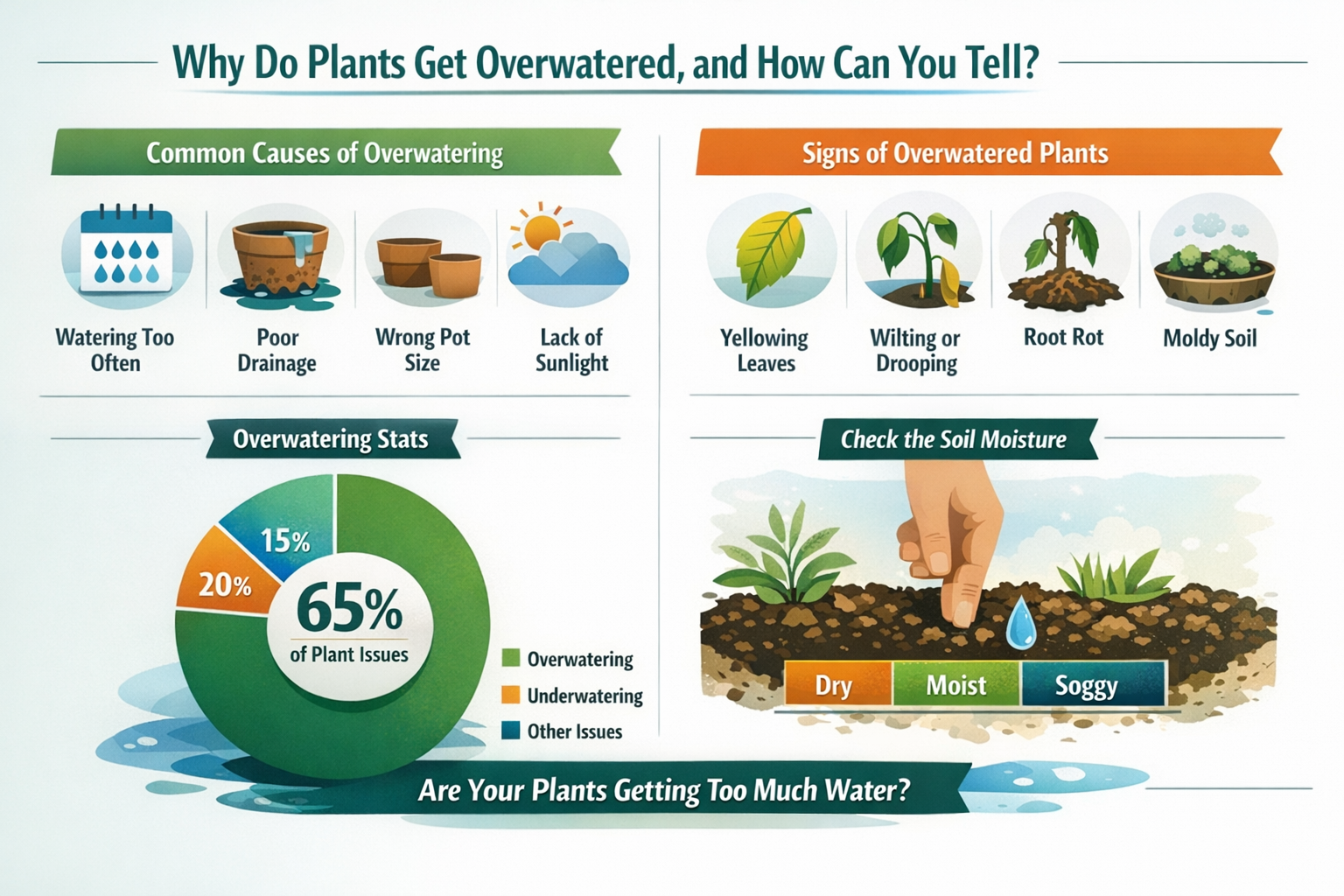
Common Mistake: Many new plant owners assume yellowing or wilting leaves always mean the plant needs more water. Always check the soil moisture before watering. Stick your finger about two inches into the soil; if it feels wet, your plant is likely overwatered.
Immediate Steps to Fix Overwatered Plants Fast
The fastest way to fix overwatered plants involves swiftly intervening to dry out the root zone and prevent further damage. This process primarily focuses on removing the plant from its current saturated environment and preparing it for recovery.
Here’s a step-by-step guide for immediate action:
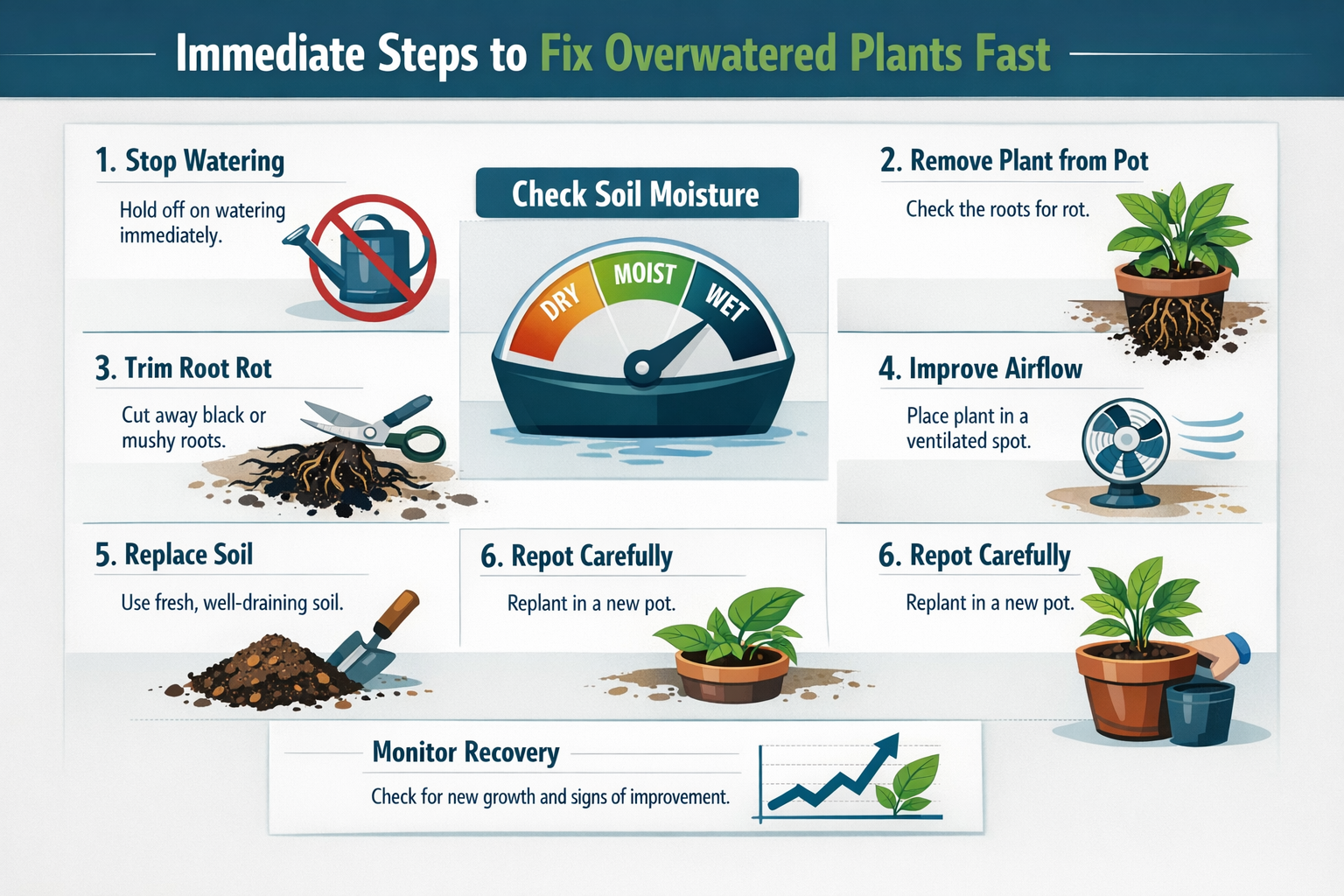
- Stop Watering Immediately: This is the most crucial first step. Do not add any more water to the plant.
- Remove the Plant from its Pot: Gently take the plant out of its container. Be careful not to damage the roots further during this process. This allows you to inspect the roots and helps the soil dry out.
- Inspect the Roots for Rot:
- Carefully shake off excess wet soil to expose the roots.
- Healthy roots are typically firm and white or light tan.
- Overwatered roots will appear dark brown or black, feel mushy or slimy, and might smell foul.
- Trim Away Rotten Roots:
- Using clean, sharp scissors or pruners, cut away all affected roots. Make sure to sterilize your tools with rubbing alcohol before and after to prevent spreading disease.
- Trim until you reach healthy, firm root tissue. It’s better to remove more if necessary than to leave any rot.
- Remove Excess Wet Soil: If the plant still has a good portion of healthy roots, gently remove as much of the old, soggy soil as possible without causing too much stress.
- Allow Roots to Air Dry (Optional but Recommended): For severe cases, or if the soil is extremely wet, you can let the bare roots air dry for a few hours. Place the plant on a layer of newspaper or paper towels in a well-ventilated area away from direct sunlight. This helps evaporate surface moisture.
Decision Rule: If the plant has very few healthy roots left, consider taking cuttings if possible. Some plants can be propagated from stem cuttings, offering a chance to start fresh even if the mother plant doesn’t survive. For advice on how often to water container plants generally, check out our 2026 expert guide.
Repotting an Overwatered Plant for Recovery
Repotting an overwatered plant into fresh, dry, well-draining soil is a critical step in its recovery, providing a clean slate for root health. This ensures the roots have access to oxygen and are not sitting in waterlogged conditions, effectively helping to fix overwatered plants fast.
Follow these steps for successful repotting:
- Choose the Right Pot:
- Select a pot of similar size or only slightly larger than the previous one, especially if you had to trim many roots. Too large a pot holds excess soil and moisture.
- Ensure the pot has ample drainage holes. Terracotta pots are excellent choices as they are porous and help wick away excess moisture. Learn more about choosing the right pot size for container plants.
- Use Fresh, Well-Draining Potting Mix:
- Do NOT reuse the old, waterlogged soil, as it may contain pathogens from root rot.
- Opt for a high-quality potting mix formulated for your specific plant type (e.g., succulent mix for succulents, aroid mix for many tropical houseplants).
- A good general potting mix should include components like perlite, bark, or coarse sand to improve drainage and aeration. For tips on preparing soil, see our guide on how to prepare soil for container plants at home.
- Repot the Plant:
- Add a layer of fresh potting mix to the bottom of the new pot.
- Center the plant in the pot, spreading the roots gently over the new soil.
- Fill the rest of the pot with fresh soil, gently tamping it down to remove large air pockets, but avoid compacting it too tightly. Leave about an inch of space from the rim.
- Do NOT Water Immediately After Repotting:
- Resist the urge to water. The goal is to dry out the roots and allow them to heal.
- Wait at least a few days, or until the top 2-3 inches of the new soil are completely dry, before watering sparingly. This period allows any cuts on the roots to callus, preventing further fungal or bacterial infection.
Troubleshooting: If you find most of the roots are rotted, it might be beneficial to pot the plant in a slightly smaller container. This prevents excess soil from holding too much moisture, giving the diminished root system a better chance to recover.
Optimizing the Environment for Recovery
After addressing the roots and repotting, creating an optimal environment is crucial to help your plant recover and truly fix overwatered plants fast. This involves careful consideration of light, temperature, humidity, and airflow.
Here’s how to optimize the environment:
- Provide Bright, Indirect Light: Place the recovering plant in a location with plenty of bright, indirect light. Direct, harsh sunlight can stress an already weakened plant, while too little light can hinder photosynthesis and recovery. A north-facing window or a few feet away from a bright east or west-facing window is often ideal.
- Increase Air Circulation: Good airflow helps dry out the soil faster and prevents the development of fungal issues.
- Place the plant in a well-ventilated room.
- Consider using a small fan on a low setting, pointed near (not directly at) the plant for a few hours a day.
- Avoid placing plants in cramped spaces where air stagnates.
- Maintain Moderate Temperature and Humidity:
- Most houseplants prefer temperatures between 65-75°F (18-24°C). Avoid extreme fluctuations.
- While some plants appreciate higher humidity, too much can slow down soil drying and encourage fungal growth in a recovering, overwatered plant. Aim for moderate humidity.
- Withhold Watering Strategically:
- This is perhaps the most critical environmental factor after repotting. Do not water the plant until the soil has thoroughly dried out.
- Use the “finger test”: insert your finger 2-3 inches into the soil. If it feels dry, it’s time to water. If it feels even slightly damp, wait.
- When you do water, do so sparingly, giving just enough to moisten the soil without saturating it. Gradually increase watering frequency as the plant recovers. For overall indoor plant care, check our Indoor Plant Care Guide 2026.
- Avoid Fertilizing: An overwatered plant is under stress; adding fertilizer will only add more stress to its compromised root system. Wait until the plant shows clear signs of recovery and new growth before considering a dilute feeding.
Edge Case: For extremely sensitive plants or those with minimal root systems left, consider placing a clear plastic bag loosely over the plant after repotting (but ensuring some air exchange) for a day or two. This creates a mini-greenhouse effect, maintaining humidity around the leaves while the roots recover, but it must be done cautiously to prevent excessive condensation and mold.
Long-Term Prevention of Overwatering
Preventing overwatering in the future is just as important as knowing how to fix overwatered plants fast. Establishing a consistent, plant-specific watering routine and understanding the factors that influence soil moisture will lead to healthier, happier plants.
Here are key strategies for long-term prevention:
- Understand Your Plant’s Needs: Different plants have different watering requirements.
- Succulents and Cacti: Prefer dry conditions, requiring water less frequently. Many drought-resistant plants thrive on minimal water.
- Tropical Plants: May prefer consistently moist (but not soggy) soil, especially during growing seasons.
- Research your specific plant’s needs using reliable sources.
- Check Soil Moisture Before Watering: This is the golden rule. Never water on a schedule alone.
- Finger Test: Insert your finger 2-3 inches into the soil. Water only when it feels dry.
- Moisture Meter: For more accuracy, use a plant moisture meter.
- Pot Weight: A dry pot will feel significantly lighter than a wet one.
- Ensure Adequate Drainage:
- Always use pots with drainage holes. If your decorative pot lacks them, use a nursery pot inside it, and remove the inner pot for watering.
- Avoid decorative rocks or pebbles at the bottom of a pot without drainage holes; they create a “perched water table” that can still lead to root rot.
- Use the Right Potting Mix:
- Select a well-draining potting mix appropriate for your plant. Amend heavy mixes with perlite, coarse sand, or bark to improve aeration and drainage.
- For example, a dedicated best soil for indoor plants will cater to their specific needs.
- Consider Pot Material:
- Terracotta/Unglazed Ceramic: Porous materials that wick moisture from the soil, helping it dry faster. Ideal for plants prone to overwatering.
- Plastic/Glazed Ceramic: Retain moisture longer. Require more careful watering, especially for beginner-friendly plants.
- Water Thoroughly, Then Allow to Dry: When you do water, water deeply until water drains from the bottom. This encourages deep root growth. Discard any standing water in the saucer after 15-30 minutes.
- Adjust for Seasonal Changes: Plants typically require less water in winter when growth slows and light levels are lower. Increase watering in spring and summer during active growth periods.
- Monitor Environmental Factors: Humidity, temperature, and light levels all affect how quickly soil dries. Adjust your watering habits accordingly. Plants in warmer, brighter, or lower humidity environments will dry out faster.
Comparison Table: Watering Strategies
| Factor | Overwatering Tendency | Recommended Action |
|---|---|---|
| Pot Type | Plastic, Glazed | Use terracotta or ensure excellent drainage, reduce watering frequency. |
| Potting Mix | Heavy, Dense | Amend with perlite/bark, use specialized well-draining mix (e.g., succulent mix). |
| Drainage | None/Poor | Always use pots with drainage holes. Remove standing water from saucers. |
| Season | Winter/Dormancy | Reduce watering significantly. |
| Light Level | Low Light | Soil dries slower in low light; adjust watering to be less frequent. See low light indoor plants. |
| Watering Tool | Schedule-based | Use finger test or moisture meter before watering. |
When to Consider Cuttings or Replacement
Sometimes, despite your best efforts to fix overwatered plants fast, the damage is too severe, and the plant cannot be saved. In such cases, considering propagation through cuttings or replacing the plant entirely becomes the most practical approach.
- When to Take Cuttings: If the main plant body (stem, roots) is extensively rotted, but there are still healthy sections of stem, leaves, or even an unrooted branch, you can often take cuttings.
- Identify Healthy Sections: Look for firm, green stems with no signs of rot.
- Take Cuttings: Use clean, sharp shears to cut sections of stem, ensuring each cutting has at least one node (where leaves emerge) and preferably 2-3 leaves.
- Propagate: Place cuttings in water or a moist, well-draining propagation mix. Many common houseplants like Pothos, Philodendron, and ZZ Plants are easy to propagate this way. This gives you a chance to salvage part of the plant and grow a new one.
- When to Replace the Plant: If the entire root system is rotted, the stem is mushy throughout, and there are no healthy sections suitable for cuttings, it’s often best to accept the loss and replace the plant. While disheartening, sometimes the damage is irreversible, and attempting to revive a completely rotted plant can be a source of continued frustration. This is particularly true for fast growing plants that are relatively inexpensive to replace.
Factors for Replacement:
- Extent of Rot: If more than 75% of the root system is rotted and the stem is compromised.
- Time and Effort vs. Success Rate: If you’ve tried all recovery steps and there’s no improvement after several weeks.
- Sentimental Value: If the plant has high sentimental value, persistent efforts might be warranted, but realistic expectations are important.
Ultimately, knowing when to cut your losses is part of responsible plant care. It clears space for a new, healthy plant and allows you to learn from the experience to prevent future overwatering issues.
Conclusion
Successfully learning how to fix overwatered plants fast requires quick action, a clear understanding of the symptoms, and a commitment to providing the right care. By immediately addressing root rot, repotting into fresh, well-draining soil, and optimizing the plant’s environment, you significantly increase its chances of recovery. More importantly, implementing long-term preventative measures, such as checking soil moisture diligently and using appropriate potting materials and mixes, will ensure your plants thrive without succumbing to the silent killer that is overwatering. With these strategies, you can maintain a vibrant and healthy indoor garden in 2026 and beyond.
Related Reading
- How Often Should You Water Container Plants? 2026 Expert Guide
- Best Soil For Indoor Plants: Your 2026 Expert Guide
- Indoor Plant Care Guide 2026: Grow Thriving Houseplants
- Beginner-Friendly Plants: Your Easy Guide To Thriving Greenery In
- Choose Pot Size For Container Plants: 2026 Expert Guide
FAQ
Q1: How long does it take for an overwatered plant to recover?
A1: Recovery time varies greatly depending on the severity of the overwatering and the plant type, but you might see initial signs of improvement within a week or two, with full recovery taking several weeks to a few months.
Q2: Can I just let an overwatered plant dry out in its original pot?
A2: While sometimes effective for mild cases, it’s generally risky. Leaving a plant in soggy soil for too long increases the chance of root rot and anaerobic conditions. Repotting into fresh, dry soil is a faster and safer solution.
Q3: What does root rot smell like?
A3: Root rot typically produces a distinct, foul, sulfurous, or fishy odor due to anaerobic bacteria thriving in the oxygen-deprived, waterlogged soil.
Q4: Should I fertilize an overwatered plant?
A4: No, avoid fertilizing. An overwatered plant is under significant stress, and fertilizer can burn its compromised root system. Wait until the plant shows clear signs of recovery and new growth before considering a dilute feeding.
Q5: Are terracotta pots better for preventing overwatering?
A5: Yes, terracotta pots are porous and allow water to evaporate through their walls, which helps the soil dry out faster. This makes them an excellent choice for plants prone to overwatering or for gardeners who tend to be heavy-handed with water.
Q6: How do I know if my plant is recovering after being overwatered?
A6: Look for new, healthy leaf growth, the firming up of previously limp leaves, and the absence of further yellowing or wilting. The soil should also dry out more effectively between waterings.
Q7: Can cold water cause problems for plants?
A7: While cold water usually won’t directly overwater a plant, extremely cold water can shock roots, particularly for tropical plants. Using room-temperature water is generally best.
Q8: What’s the difference between overwatering and underwatering symptoms?
A8: Overwatering causes limp, yellowing, soft leaves and soggy soil, often with a foul smell. Underwatering causes crispy, dry, brittle leaves, and very dry, sometimes shrunken, soil.
Q9: Can overwatered plants attract pests?
A9: Yes, constantly wet soil provides an ideal breeding ground for certain pests like fungus gnats, which thrive in moist conditions and lay their eggs in the top layer of damp soil.
Q10: Is it true that larger pots make overwatering more likely?
A10: Yes, a pot that is too large for the plant’s current root system holds an excessive volume of soil that stays wet for longer, increasing the risk of overwatering and root rot. Choose a pot size appropriate for the root ball.