Apartment Gardening for Beginners USA
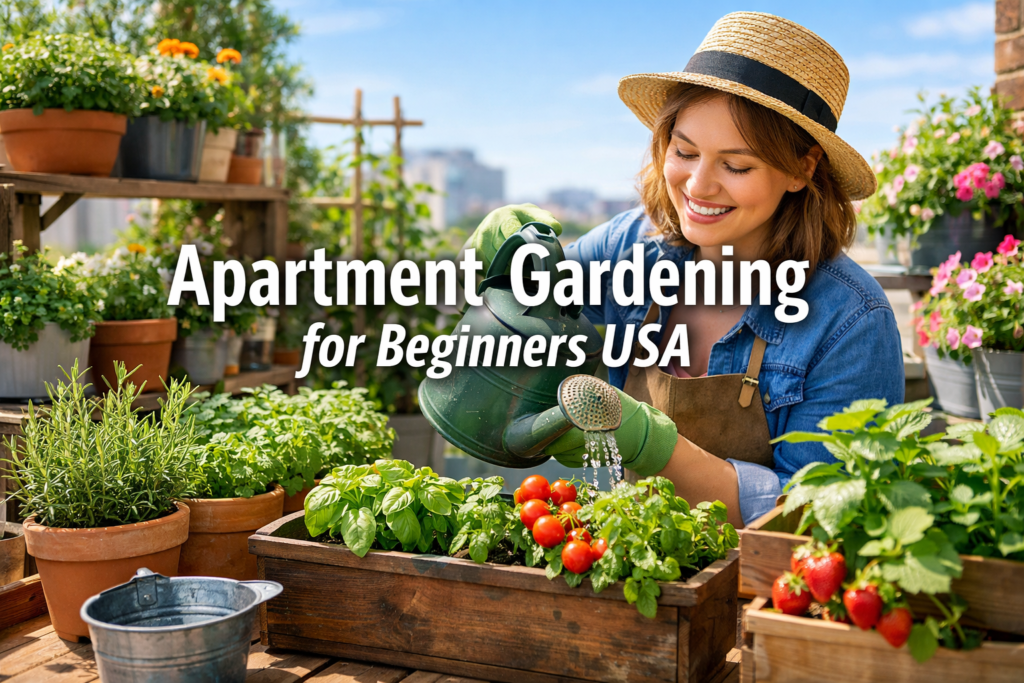
Quick Answer: Apartment gardening for beginners in the USA involves transforming small spaces like balconies, windowsills, or even a corner indoors into thriving green areas by utilizing containers, vertical systems, and selecting plants suited for limited light and space. Starting small with easy-to-grow herbs and leafy greens is key, focusing on proper watering, sunlight, and a good potting mix to ensure success.
Key Takeaways
- Start small with beginner-friendly plants like herbs (basil, mint) and leafy greens (lettuce, spinach).
- Choose the right location based on sunlight availability (south-facing windows or balconies are ideal).
- Invest in quality potting mix, not garden soil, for optimal container drainage and aeration.
- Select containers with drainage holes; consider vertical gardening or hanging planters for maximum space utilization.
- Consistent watering and appropriate feeding are crucial for container plants, which dry out faster than in-ground gardens.
- Understand your climate zone (USDA Hardiness Zone) to pick plants that thrive locally.
- Embrace succession planting to ensure a continuous harvest throughout the growing season.
- Don’t be afraid of mistakes; learning from plant struggles is part of the gardening journey.
What is Apartment Gardening and Why Start in 2026?
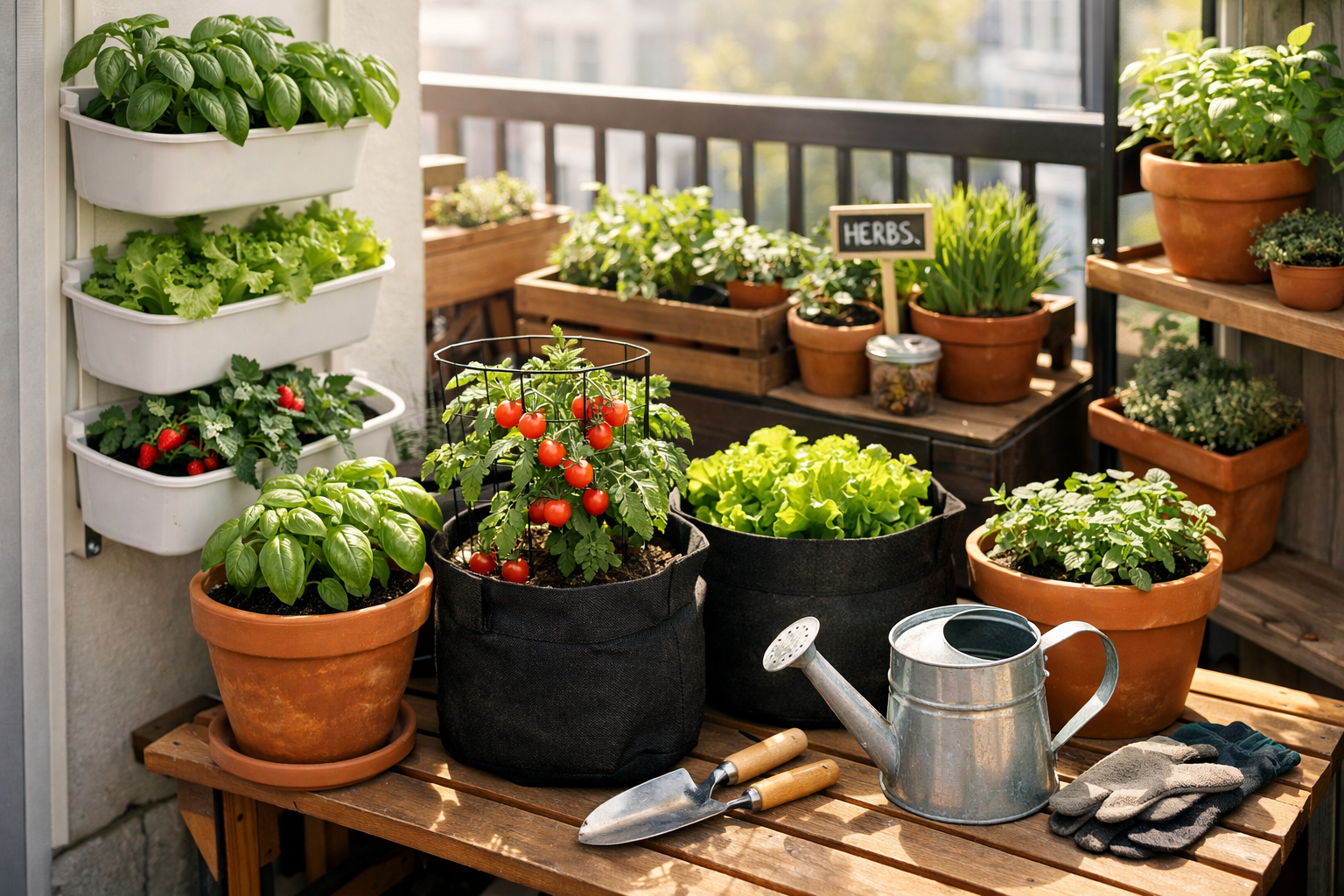
Apartment gardening is the practice of cultivating plants in urban dwellings or small spaces, typically without access to a traditional outdoor garden plot. It’s an increasingly popular hobby in the USA in 2026 because it allows city dwellers to connect with nature, grow fresh produce, and enhance their living environment, regardless of space constraints. This method often involves container gardening, vertical gardening, and indoor growing techniques.
Starting an apartment garden in 2026 offers numerous benefits, from enhancing mental well-being to providing a sustainable source of fresh herbs and vegetables. It’s a fantastic way to introduce more greenery into your home, purify the air, and even save money on groceries. For renters, it’s particularly appealing as it’s portable and doesn’t require permanent changes to the property.
How Do I Start Apartment Gardening for Beginners in the USA?
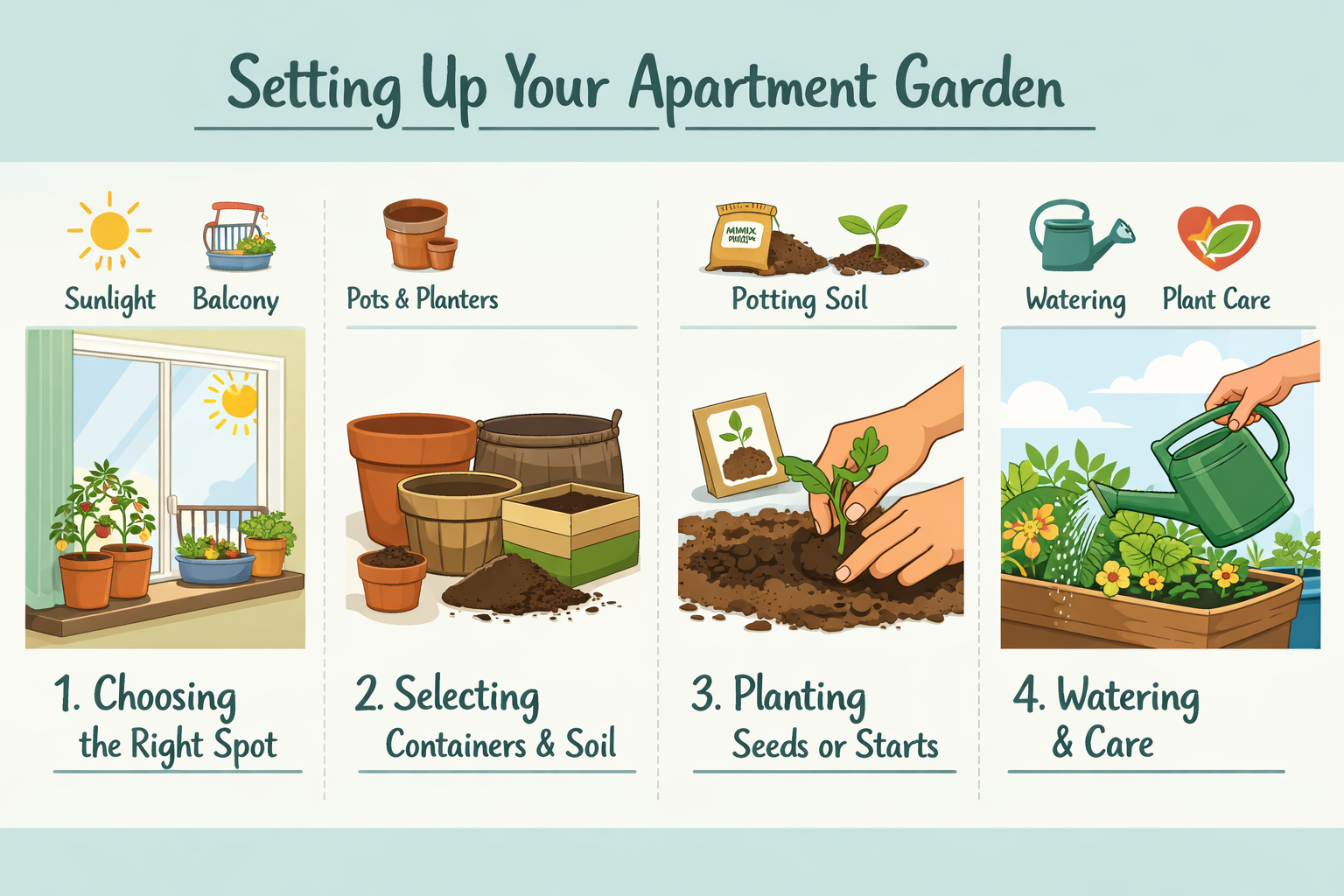
To start apartment gardening for beginners in the USA, begin by assessing your available space and sunlight, then choose appropriate containers, a quality potting mix, and beginner-friendly plants. This methodical approach ensures you lay a solid foundation for your green space.
Here’s a step-by-step guide:
- Assess Your Space and Sunlight: Identify the sunniest spots in your apartment, balcony, or windowsill. Most fruiting vegetables (like tomatoes) need 6-8 hours of direct sun daily, while leafy greens and herbs can often tolerate 4-6 hours or partial shade. South-facing locations typically get the most light.
- Choose the Right Plants: For beginners, focus on “easy vegetables for beginners” and herbs.
- Herbs: Basil, mint, parsley, chives, rosemary, thyme. These are forgiving and don’t require huge amounts of space.
- Leafy Greens: Lettuce, spinach, arugula, kale. These grow quickly and can be harvested repeatedly.
- Small Vegetables: Cherry tomatoes (dwarf varieties), radishes, bush beans, small peppers.
- For more specific recommendations, check out our guide on the best vegetables for small space gardening in 2026.
- Select Appropriate Containers:
- Drainage is Key: Ensure all pots have drainage holes to prevent root rot.
- Size Matters: Match the pot size to the plant’s mature size. Herbs often do well in 6-8 inch pots, while tomatoes might need 5-gallon containers.
- Materials: Terracotta, plastic, fabric grow bags, or repurposed items like buckets can work.
- For inspiration, explore best containers for gardening and DIY container gardening ideas for small spaces.
- Invest in Quality Potting Mix: Do not use regular garden soil, as it compacts in containers, hindering drainage and aeration. A good quality potting mix (often labeled for containers) provides the necessary nutrients, drainage, and aeration. Learn more about best soil mix for container gardening.
- Planting: You can start with seeds or purchase small plant starts from a local nursery. Follow package directions for seeds, or gently transplant starts into your prepared containers.
- Watering and Feeding:
- Watering: Container plants dry out faster than in-ground plants. Check soil moisture daily by sticking your finger an inch or two into the soil. Water when the top inch feels dry. Avoid common watering mistakes in container gardening.
- Feeding: Potting mixes often contain initial nutrients, but container plants will eventually need feeding. Use a balanced liquid fertilizer every 2-4 weeks, following product instructions.
Decision Rule: Choose a beginner-friendly plant like basil if you have at least 4 hours of indirect sunlight. Opt for cherry tomatoes if you have a sunny balcony with 6+ hours of direct sun.
What Are the Best Plants for Apartment Gardening for Beginners USA?
The best plants for apartment gardening for beginners in the USA are those that are low-maintenance, adapt well to containers, and don’t require extensive space or specific environmental controls. This includes a variety of herbs, leafy greens, and compact vegetables.
| Plant Type | Recommended Varieties for Beginners | Light Requirements | Container Size (Minimum) | Notes |
|---|---|---|---|---|
| Herbs | Basil, Mint, Chives, Parsley, Rosemary, Thyme, Cilantro | 4-6 hours direct/indirect | 6-8 inch diameter | Many are great for indoor herb garden setup. |
| Leafy Greens | Lettuce (loose leaf), Spinach, Arugula, Kale (dwarf), Swiss Chard | 4-6 hours direct/partial | 6-10 inch diameter | Quick growing, often allow for cut-and-come-again harvesting. |
| Vegetables | Cherry Tomatoes (dwarf), Radishes, Bush Beans, Mini Bell Peppers, Carrots (short varieties) | 6-8 hours direct (essential for fruiting) | 10-18 inch diameter (5+ gallon for tomatoes) | Choose compact or bush varieties; require more consistent watering/feeding. |
| Flowers | Marigolds, Nasturtiums, Pansies, Petunias | 4-6 hours direct/partial | 6-10 inch diameter | Add beauty, attract pollinators (if outdoors), and some are edible. |
Common Mistake: Many beginners try to grow full-size tomatoes or sprawling squash varieties in small pots, leading to stunted plants and disappointing harvests. Always check the plant’s mature size and specific container requirements. Our guide on growing tomatoes in small spaces offers practical advice.
Essential Tools and Supplies for Apartment Gardening for Beginners USA
Setting up an efficient apartment garden for beginners in the USA requires a few essential tools and supplies to ensure plant health and make maintenance easier. You don’t need a large shed full of equipment, but some basics are invaluable.
Here’s what you’ll need:
- Containers: As discussed, various pots, planters, or grow bags with drainage. Consider self-watering planters for convenience.
- Quality Potting Mix: A sterile, lightweight, well-draining mix specifically designed for containers.
- Seeds or Starts: Beginner-friendly options from your local nursery or seed supplier.
- Watering Can: A small watering can with a narrow spout allows for precise watering and prevents soil displacement.
- Hand Trowel: For digging small holes, transplanting, and scooping soil.
- Pruning Shears/Scissors: Essential for harvesting herbs, trimming dead leaves, and light pruning.
- Gloves: Protect your hands from dirt and thorns.
- Liquid Fertilizer: A balanced all-purpose fertilizer, preferably organic, for container plants.
- Spray Bottle: Useful for misting humidity-loving plants or applying organic pest control.
- Drip Trays/Saucers: To catch excess water and protect surfaces from moisture and soil.
Quick Example: For a small windowsill herb garden, you might need: three 6-inch terracotta pots, a small bag of potting mix, basil and mint seeds, a mini hand trowel, a small watering can, and three drip saucers. This simple setup can cost as little as $30-$50.
Maximizing Space in Your Apartment Garden
Maximizing space in your apartment garden is crucial for growing a diverse range of plants, especially for beginners in the USA dealing with limited square footage. This involves utilizing vertical dimensions and smart container placement.
Consider these space-saving strategies:
- Vertical Gardening: This is perhaps the most effective way to expand your growing area. Wall-mounted planters, tiered shelving units, or hanging baskets can transform an empty wall or ceiling space into a productive garden. Check out balcony vertical gardening for ideas.
- Stackable Planters: These clever systems allow you to grow multiple plants in a single footprint, often ideal for strawberries, herbs, or small flowers.
- Window Boxes: Perfect for exterior windowsills or balcony railings, window boxes provide linear growing space without taking up floor area.
- Hanging Baskets: Utilize ceiling hooks or sturdy wall brackets for plants like trailing tomatoes, strawberries, or cascading herbs.
- Movable Planters: Use planters with wheels to easily relocate plants to follow the sun or move them indoors during inclement weather.
- Trellises and Stakes: For vining plants like cucumbers, small melons, or pole beans, provide vertical support to grow upwards instead of outwards.
- Foldable Shelving: Some units can be folded away when not in use, offering flexibility for multi-purpose spaces.
Edge Case: If you have absolutely no direct sunlight, consider “indoor gardening without sunlight” by investing in LED grow lights. Many herbs and leafy greens can thrive under artificial light.
Common Mistakes and How to Avoid Them in Apartment Gardening for Beginners USA
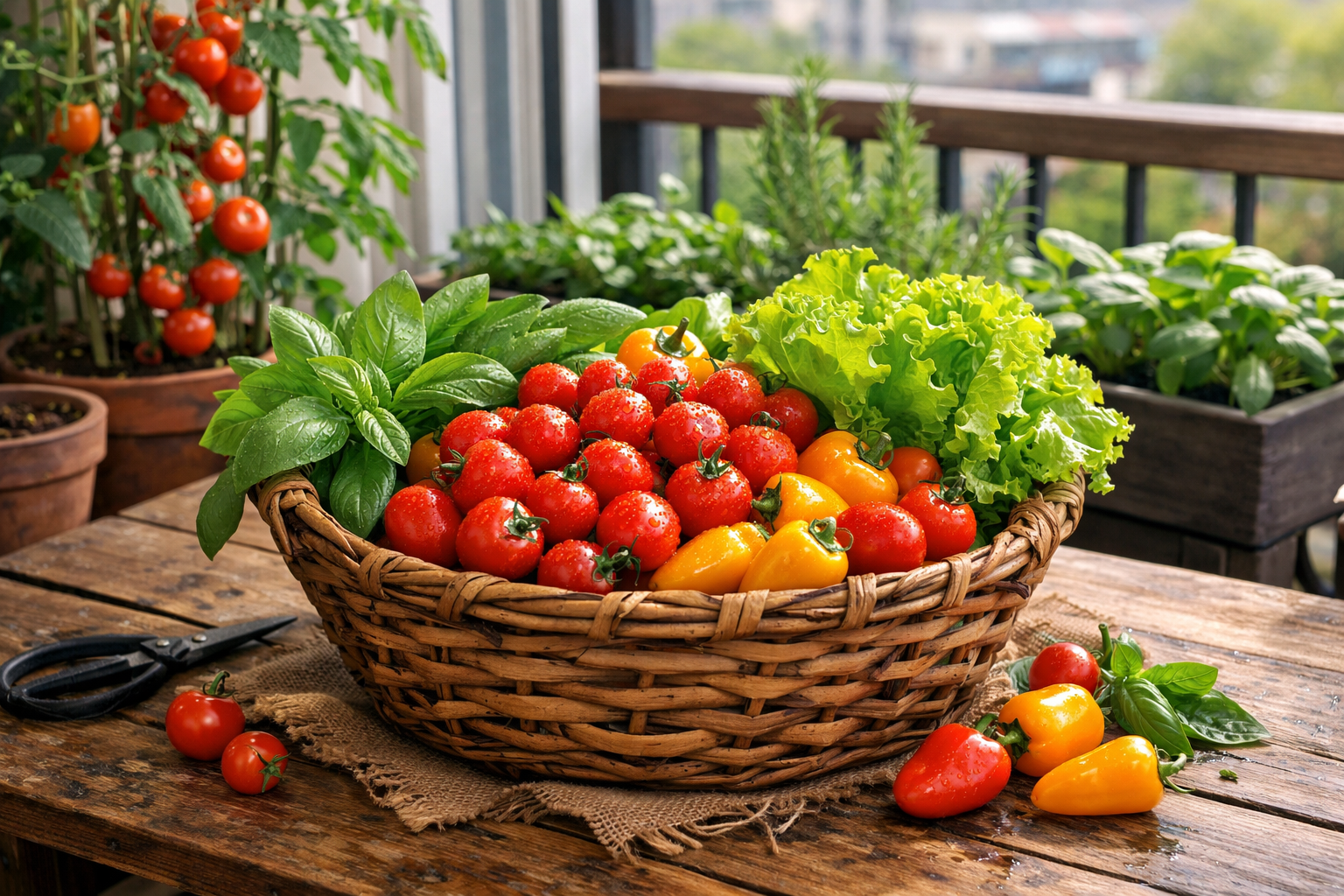
Many beginners face similar challenges in apartment gardening, particularly in the USA where climates vary, but understanding and avoiding common mistakes can significantly improve success.
Here are frequent pitfalls and how to navigate them:
- Overwatering or Underwatering: This is the most common killer of container plants.
- Avoid: Don’t water on a fixed schedule.
- Solution: Check the soil moisture daily by sticking your finger about an inch or two deep. Water only when the soil feels dry. Ensure pots have drainage holes.
- Using Garden Soil in Containers: Garden soil is too dense for pots, leading to poor drainage and compacted roots.
- Avoid: Scooping soil from your yard into your containers.
- Solution: Always use a high-quality potting mix designed for containers.
- Insufficient Sunlight: Many plants require more light than apartment windows typically provide.
- Avoid: Placing sun-loving plants in dimly lit corners.
- Solution: Assess your light thoroughly (most fruiting plants need 6+ hours of direct sun). Choose plants suited to your actual light conditions, or supplement with grow lights.
- Neglecting Drainage: Pots without proper drainage lead to soggy soil and root rot.
- Avoid: Using decorative pots without drilling holes or adding a layer of rocks (which doesn’t help drainage).
- Solution: Every pot must have drainage holes. Use saucers to catch excess water.
- Not Fertilizing: Container plants quickly deplete the nutrients in their limited soil volume.
- Avoid: Assuming potting mix has enough nutrients for the entire growing season.
- Solution: Start a regular fertilization routine 2-4 weeks after planting, using a balanced liquid fertilizer according to package directions.
- Choosing the Wrong Plants for Your Climate: While often grown indoors, outdoor balcony gardens need to consider USDA Hardiness Zones.
- Avoid: Planting warm-weather crops like tomatoes outdoors in early spring in colder zones.
- Solution: Research your local growing season and USDA zone. Select plants that thrive in your climate or bring tender plants indoors before frost.
Pull Quote: “The biggest lesson in apartment gardening is often learning to observe your plants. They tell you what they need through their leaves, stems, and soil.”
Conclusion
Apartment gardening for beginners in the USA is an accessible and rewarding endeavor, offering a green escape and fresh produce right at your fingertips. By understanding your space, choosing the right plants and tools, and avoiding common pitfalls like improper watering or soil, you can cultivate a thriving urban garden in 2026. Start small, be patient, and enjoy the journey of watching your plants grow. Embrace the flexibility and creativity that small-space gardening offers, and you’ll soon be harvesting your own delicious, home-grown bounty.
Actionable Next Steps:
- Assess Your Space: Identify the sunniest spot in your apartment or balcony, noting how many hours of direct light it receives.
- Pick Your First Plant: Choose one or two easy-to-grow plants like basil, mint, or lettuce based on your available light.
- Gather Supplies: Purchase appropriate containers with drainage, a quality potting mix, and your chosen seeds or plant starts.
- Plant and Nurture: Plant your chosen items, set up a watering routine, and observe your plants daily for signs of growth or stress.
FAQ
Q: Can I grow vegetables indoors without a balcony? A: Yes, many vegetables like leafy greens, herbs, and even small peppers can thrive indoors near a sunny window or under grow lights.
Q: How often should I water my apartment plants? A: Water when the top inch or two of soil feels dry to the touch, which can range from daily for some plants in hot weather to every few days for others.
Q: Do I need special soil for container gardening? A: Yes, use a high-quality potting mix specifically designed for containers, as it provides better drainage and aeration than garden soil.
Q: What if my apartment doesn’t get much sunlight? A: Focus on shade-tolerant plants like some herbs (mint, parsley) or leafy greens, or consider investing in LED grow lights to supplement natural light.
Q: Can I use regular food scraps as fertilizer? A: While composted food scraps are excellent, direct food scraps can attract pests and may not provide balanced nutrition for potted plants. Use a balanced liquid fertilizer instead.
Q: Is apartment gardening expensive to start? A: No, you can start very affordably with repurposed containers and basic seeds. Costs increase if you opt for elaborate vertical systems or grow lights.
Q: How do I deal with pests in an apartment garden? A: Regularly inspect your plants. For small infestations, use insecticidal soap, neem oil, or simply wipe pests off with a damp cloth. Good air circulation also helps.
Q: What is the best way to utilize a small balcony for gardening? A: Maximize vertical space with hanging baskets, tiered planters, or wall-mounted systems. Choose compact plant varieties and use lightweight containers.
Q: How do I know my plants are getting enough nutrients? A: Healthy plants have vibrant green leaves and consistent growth. Yellowing leaves or stunted growth can indicate a nutrient deficiency, signaling it’s time to fertilize.