Best Plants for Apartment Balcony Full Sun USA (2026 Guide)
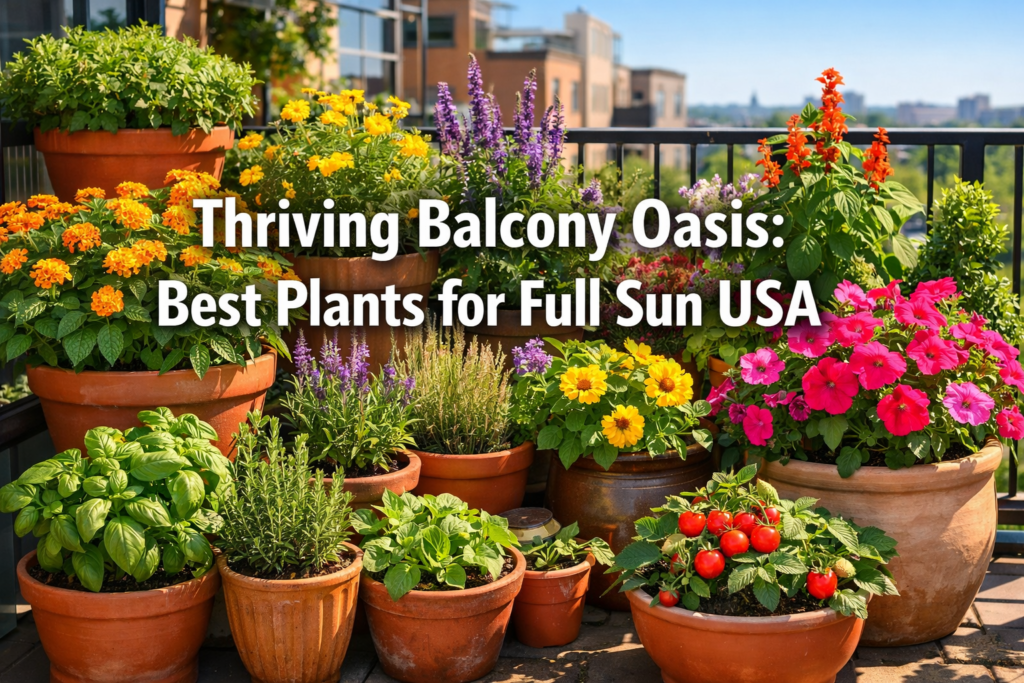
Quick Answer: For apartment balconies in the USA receiving full sun (6+ hours daily), the best plants are typically heat and drought-tolerant annuals, perennials, herbs, and compact vegetables that thrive in containers. Popular choices include Geraniums, Petunias, Coneflowers, Lavender, Basil, Tomatoes, and Peppers due to their ability to withstand intense sunlight and confined root spaces.
Key Takeaways:
- Full Sun Definition: “Full sun” means at least six hours of direct sunlight per day, crucial for most balcony plants listed.
- Container Suitability: Choose plants that are well-suited for container life, considering their mature size and root systems.
- Watering Needs: Full sun balconies dry out quickly; consistent watering and good drainage are essential.
- Heat Tolerance: Prioritize plants known for their resilience to heat and intense light to prevent scorching.
- Variety is Key: Mix flowering plants, edibles, and herbs for a diverse and productive balcony garden.
- Soil Quality: Use a high-quality potting mix designed for containers to ensure proper drainage and nutrient retention.
- Wind Consideration: High-rise balconies can be windy; select sturdy plants or provide wind protection where necessary.
- Fertilization: Container plants often require regular feeding due to nutrient depletion from frequent watering.
What Defines “Full Sun” for a Balcony in the USA?
“Full sun” on an apartment balcony in the USA refers to any area that receives at least six hours of direct, unobstructed sunlight daily. This intense light exposure is a critical factor when selecting the best plants for apartment balcony full sun USA, as it dictates which species will thrive versus merely survive. Balconies often get more reflective heat from surrounding buildings and concrete, intensifying the sun’s effects.
Understanding your balcony’s sun exposure is the first step in successful gardening. Six hours or more of direct sun means you have a prime location for sun-loving plants, but it also means those plants will experience significant heat and rapid soil drying.
- Morning Sun: Often less intense, but still counts towards the total.
- Afternoon Sun: Typically hotter and more direct, especially in warmer climates.
- Reflected Light: Nearby windows or concrete can increase light intensity and heat.
If your balcony receives less than six hours, you might need to consider shade plants for a balcony or adjust your plant choices accordingly. For example, a south-facing balcony will generally receive the most intense and prolonged full sun exposure.
Which Flowering Plants Thrive in Full Sun on US Balconies?
Flowering plants that thrive in full sun on US balconies are typically those with high heat tolerance and a continuous blooming habit, making them ideal choices for adding vibrant color. These plants are often annuals or tender perennials that flourish when exposed to intense direct sunlight, producing abundant blooms throughout the growing season.
Here are some of the best plants for apartment balcony full sun USA when it comes to colorful blooms:
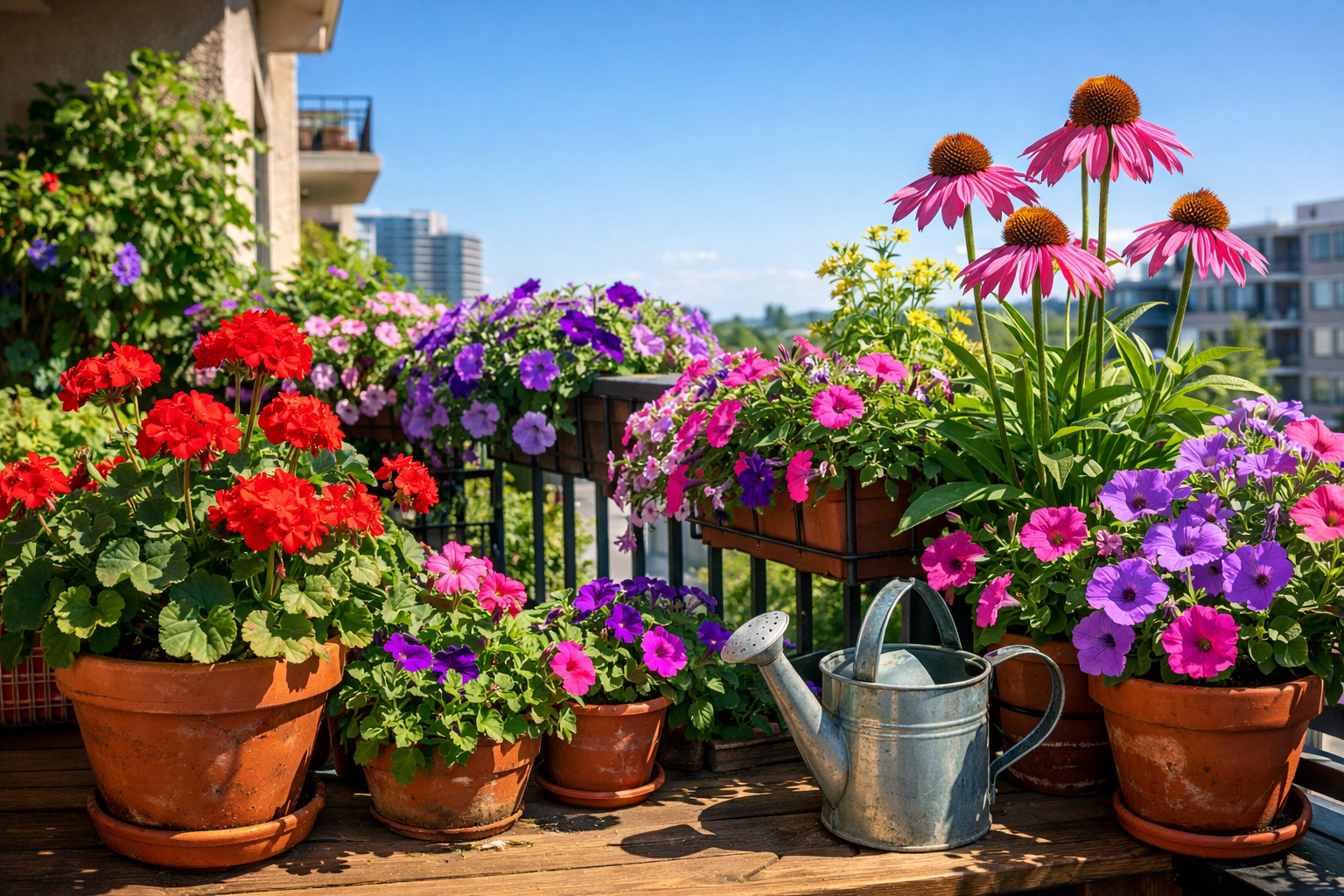
- Geraniums (Pelargonium): These classic balcony favorites come in various colors and are exceptionally drought-tolerant once established. They prefer consistent sun and good air circulation.
- Petunias: Known for their profuse blooms and trailing habit, petunias love full sun. Supertunias and other hybrid varieties are especially vigorous and heat-tolerant. Ensure proper watering to prevent wilting on hot days.
- Marigolds: Cheerful and low-maintenance, marigolds are excellent for full sun. They’re also known to deter some pests.
- Lantana: A tough, heat-loving plant with clusters of small, colorful flowers that attract pollinators. It’s very drought-tolerant and requires minimal care.
- Portulaca (Moss Rose): This succulent-like annual thrives in extreme heat and dry conditions, producing vibrant, cup-shaped flowers. It’s perfect for hot, neglected spots.
- Coneflowers (Echinacea): Hardy perennials that attract butterflies and bees. They provide long-lasting blooms and are very drought-tolerant once established.
- Lavender: A fragrant herb that doubles as a beautiful flowering plant. Lavender thrives in full sun and well-draining soil, offering both visual appeal and a soothing scent.
- Salvia: Many varieties of salvia offer brilliant spires of flowers in shades of blue, red, and purple. They are heat-tolerant and attractive to hummingbirds.
When selecting flowering plants, consider their growth habit – some will trail over the edge of your containers, while others will grow upright, adding vertical interest to your balcony garden. For long-term success, ensure you are using the best pots for balcony garden that provide adequate space for root growth and proper drainage.
What Edible Plants and Herbs Grow Best on Full Sun Balconies?
Many popular edible plants and herbs require abundant sunlight to produce a good harvest, making them excellent choices for full-sun apartment balconies. These plants not only provide fresh ingredients for your kitchen but also add a practical and aromatic dimension to your green space.
Here are some of the best plants for apartment balcony full sun USA if you’re looking to grow your own food:
- Tomatoes: Bush or determinate varieties are perfect for containers, as they stay more compact. They demand full sun and consistent watering for the best fruit production. Consider varieties like ‘Patio Princess’ or ‘Celebrity’.
- Peppers (Bell, Chili, Jalapeño): Peppers love heat and sun. They are relatively compact and can yield a good harvest in containers.
- Basil: This aromatic herb thrives in full sun and warmth. Pinch back flowers to encourage bushier growth and more leaves.
- Rosemary: A hardy, woody herb that tolerates heat and drier conditions once established. It’s excellent in full sun and requires good drainage.
- Thyme: Another Mediterranean herb that enjoys full sun and well-draining soil. It can even tolerate some neglect.
- Mint: While mint loves sun, it’s a vigorous grower and is best kept in its own container to prevent it from taking over other plants.
- Lettuce & Greens (Heat-Tolerant Varieties): While many greens prefer cooler weather, some varieties like ‘Black Seeded Simpson’ or ‘Red Salad Bowl’ can tolerate more sun, especially with afternoon shade or ample water. Consider ‘cut-and-come-again’ methods.
- Strawberries: Alpine or compact strawberry varieties can thrive in hanging baskets or tiered planters on a sunny balcony.
- Cucumbers (Bush Varieties): Look for bush or dwarf cucumber varieties that don’t vine extensively. They need strong support and plenty of water.
For a successful edible balcony garden, ensure you’re using high-quality best soil mix for container gardening and appropriate pot sizes for vegetables to accommodate their growth and fruiting needs.
Essential Care Tips for Full Sun Balcony Plants
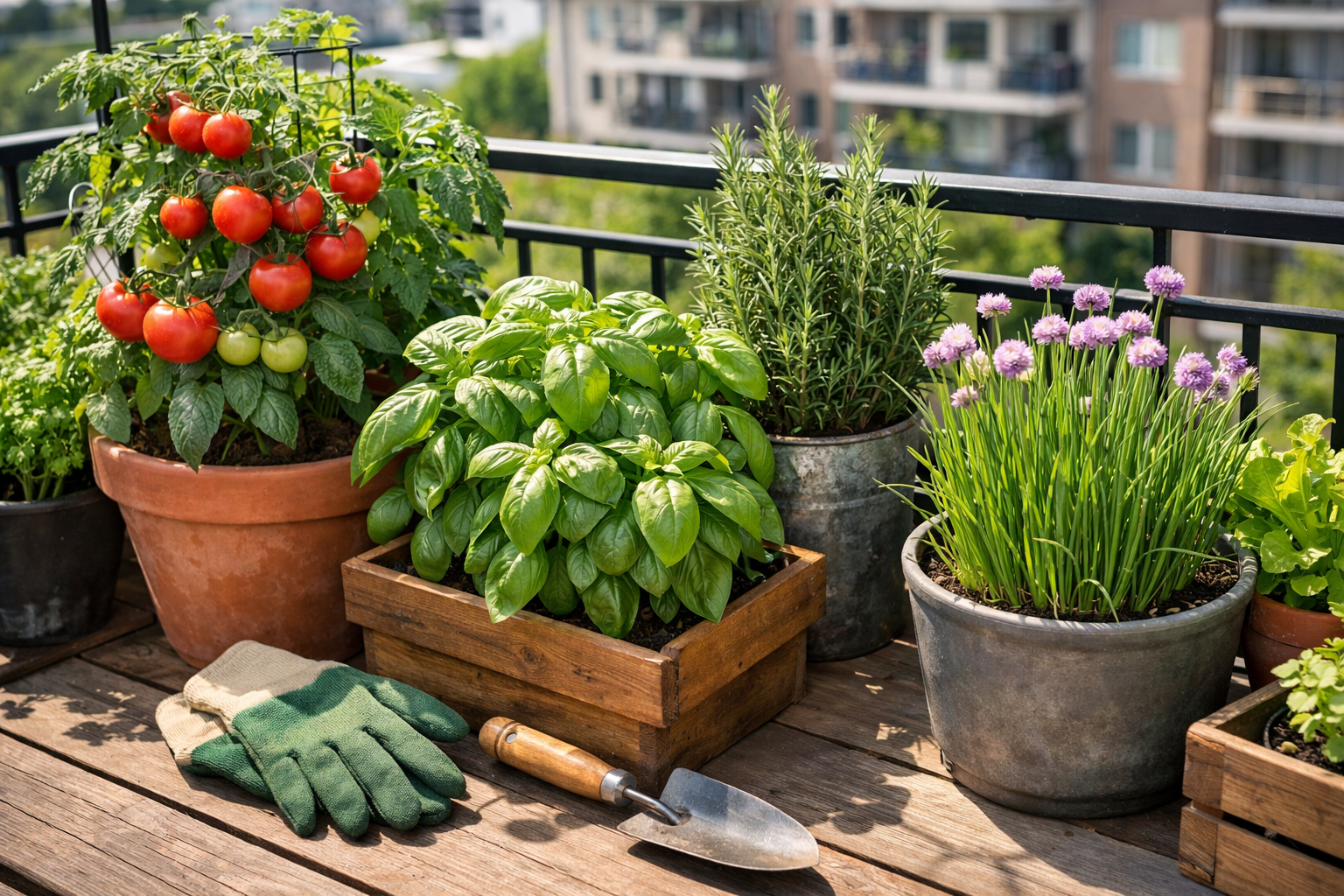
Caring for plants on a full-sun balcony requires specific attention to watering, soil, and nutrient needs to combat the intense conditions. Due to constant exposure to direct sunlight and potentially reflective heat, containers dry out quickly, and plants can become stressed without proper care.
Here are key tips for maintaining the best plants for apartment balcony full sun USA:
- Watering Frequency: Full sun means more frequent watering. Check soil moisture daily by sticking your finger about an inch deep. If it feels dry, water thoroughly until it drains from the bottom. In peak summer, you might need to water twice a day. Learn how often to water container plants for specific guidance.
- Quality Potting Mix: Use a premium, lightweight potting mix designed for containers. It should offer excellent drainage while retaining some moisture and nutrients. Avoid using garden soil, which can compact and impede drainage in pots.
- Proper Drainage: Ensure all your containers have drainage holes to prevent waterlogging, which can lead to root rot. If a pot lacks holes, drill some or avoid using it.
- Fertilization: Container plants deplete nutrients faster than in-ground plants. Feed them regularly with a balanced liquid fertilizer every 2-4 weeks during the growing season, or use a slow-release granular fertilizer mixed into the soil.
- Wind Protection: High balconies can be windy. Choose sturdy pots and consider plants with flexible stems. Grouping plants together can also create a microclimate that offers some windbreak. For more specific advice, consult our guide on wind-resistant balcony plants.
- Pest and Disease Monitoring: Regularly inspect your plants for signs of pests or diseases. Early detection allows for easier and more effective treatment.
- Pruning and Deadheading: Remove spent flowers (deadheading) to encourage new blooms and prevent plants from putting energy into seed production. Prune leggy growth to maintain a compact, bushy shape.
By following these care guidelines, your full-sun balcony garden can flourish throughout the season, providing beauty and bounty.
Common Mistakes to Avoid When Gardening on a Sunny Balcony
When cultivating the best plants for apartment balcony full sun USA, several common mistakes can hinder success and lead to stressed or dying plants. Being aware of these pitfalls can help you avoid unnecessary frustration and ensure your balcony garden thrives.
Here are the key mistakes to avoid:
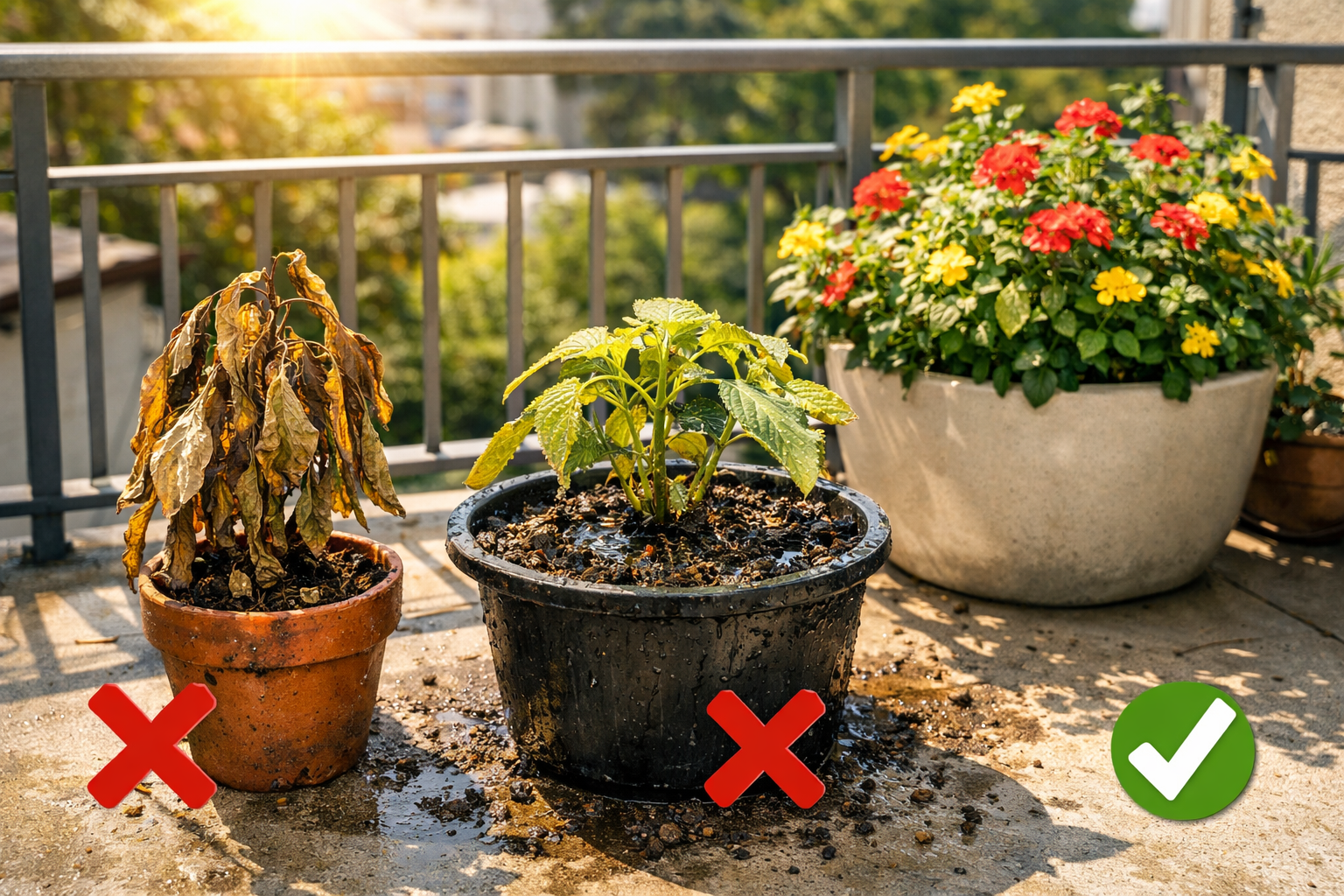
- Underestimating Watering Needs: The most frequent mistake is not watering enough. Full sun and container living dramatically increase water evaporation. A plant that looks healthy in the morning can be severely wilted by afternoon if the soil dries out completely.
- Solution: Check soil daily, and water thoroughly until drainage occurs. Consider self-watering planters or a drip irrigation system for convenience.
- Using the Wrong Soil: Garden soil is too dense for containers and can suffocate roots. Cheap potting mixes may lack nutrients or drain poorly.
- Solution: Invest in a high-quality, lightweight potting mix formulated for containers that promotes drainage and aeration. See our guide on best soil for indoor plants for insights that also apply to containers outdoors.
- Incorrect Pot Size: Plants in pots that are too small will quickly become root-bound, stunt their growth, and dry out even faster.
- Solution: Choose appropriately sized containers that allow for root growth. A good rule of thumb is to select a pot that is at least 10-12 inches in diameter for most annuals and herbs, and larger for vegetables like tomatoes.
- Neglecting Fertilization: Nutrients leach out of container soil with every watering. Without replenishment, plants will struggle to grow and flower.
- Solution: Implement a regular feeding schedule with a balanced liquid or slow-release fertilizer.
- Ignoring Wind Exposure: High-rise balconies often experience strong winds, which can damage plants, knock over pots, and accelerate moisture loss.
- Solution: Use heavy, stable containers, choose naturally wind-resistant balcony plants, and consider strategic placement or screens for protection.
- Overcrowding Pots: Too many plants in one pot compete for water, nutrients, and light, leading to weaker growth for all.
- Solution: Give each plant adequate space according to its mature size.
- Not Considering Microclimates: Even on a full-sun balcony, there might be hot spots (e.g., near a reflective wall) or slightly less intense spots.
- Solution: Observe how the sun moves across your balcony throughout the day and place plants accordingly. Move plants around if they appear stressed in a particular spot.
Avoiding these common gardening mistakes will significantly increase your chances of having a lush, thriving balcony garden even in full sun conditions.
Selecting Containers and Soil for Sunny Balconies
Choosing the right containers and potting mix is fundamental for the success of the best plants for apartment balcony full sun USA. These choices directly impact moisture retention, drainage, and nutrient availability, which are all amplified by intense sun exposure.
Containers:
- Material Matters:
- Terracotta/Clay: Porous and breathable, which is excellent for root health, but they dry out very quickly in full sun. You’ll need to water more frequently.
- Plastic/Glazed Ceramic: Retain moisture better than terracotta, reducing watering frequency. Darker colors can absorb more heat, potentially warming soil too much in very hot climates. Lighter colors reflect heat.
- Fabric Grow Bags: Excellent for aeration and drainage, preventing root circling. They also keep roots cooler due to air circulation.
- Metal: Can get extremely hot in full sun, potentially cooking roots. If used, consider lining with insulation or placing them in shaded spots.
- Size is Crucial: Larger pots hold more soil, which retains moisture longer and provides more stable root temperatures. This is especially important for full-sun conditions. A 10-12 inch diameter pot is a minimum for most annuals and herbs, while vegetables may need 15-20 inches or more.
- Drainage Holes: Non-negotiable. Ensure every pot has adequate drainage holes to prevent waterlogging.
Soil:
- Potting Mix, Not Garden Soil: Always use a high-quality potting mix specifically formulated for containers. Garden soil is too heavy, compacts easily, and doesn’t drain well in pots.
- Key Characteristics:
- Good Drainage: Prevents root rot. Look for mixes containing perlite, vermiculite, or coir.
- Moisture Retention: While draining well, it should also hold enough moisture for plants to absorb. Coir and peat moss help with this.
- Aeration: Roots need oxygen. A light, fluffy mix promotes healthy root growth.
- Nutrient Content: Many potting mixes come with slow-release fertilizers, which is a good starting point, but supplemental feeding will still be necessary. For more details on preparing your soil, read our guide on how to prepare soil for container plants at home.
When choosing containers, consider the aesthetic of your balcony. Grouping different sizes and materials can create visual interest, but prioritize functionality for sun-loving plants.
Conclusion
Creating a vibrant and thriving garden on an apartment balcony with full sun in the USA is entirely achievable with the right plant selections and diligent care. By choosing heat and sun-loving varieties such as Geraniums, Petunias, Coneflowers, Lavender, and popular edibles like Tomatoes, Peppers, and Basil, you can transform your outdoor space into a productive and beautiful oasis. Remember that consistent watering, high-quality potting mix, appropriate container sizes, and regular fertilization are paramount for success in these intense conditions. Avoid common pitfalls like insufficient watering or using garden soil, and you’ll enjoy a flourishing balcony garden throughout the growing season of 2026.
Actionable Next Steps:
- Assess Your Sun: Accurately measure how many hours of direct sunlight your balcony receives.
- Choose Your Plants: Select specific plant varieties from the recommended lists that match your preferences and climate.
- Gather Supplies: Purchase appropriate containers with drainage holes, premium potting mix, and a suitable fertilizer.
- Plan Your Layout: Consider plant heights and growth habits to maximize space and aesthetic appeal.
- Establish a Routine: Develop a daily watering schedule and a bi-weekly or monthly feeding plan based on your chosen plants.
FAQ
What does “full sun” mean for balcony plants?
“Full sun” for balcony plants means receiving at least six hours of direct, unobstructed sunlight every day, typically crucial for robust growth and flowering.
What are the easiest flowers for a full-sun balcony?
The easiest flowers for a full-sun balcony are usually Geraniums, Petunias, Marigolds, and Portulaca, known for their heat tolerance and continuous blooms.
Can I grow vegetables on a full-sun balcony in the USA?
Yes, you can grow many vegetables on a full-sun balcony in the USA, including compact varieties of tomatoes, peppers, basil, and cucumbers, provided they have adequate water and nutrients.
How often should I water plants on a full-sun balcony?
Plants on a full-sun balcony often need watering daily, and sometimes twice a day during peak summer heat, as containers dry out rapidly in direct sun.
What kind of soil should I use for full-sun balcony plants?
Always use a high-quality, lightweight potting mix specifically formulated for containers, as it provides proper drainage, aeration, and moisture retention, unlike heavy garden soil.
Are there any low-maintenance plants for a full-sun balcony?
Yes, low-maintenance options for full-sun balconies include succulents like Sedum and Portulaca, as well as drought-tolerant herbs like Lavender and Rosemary.
How do I protect balcony plants from strong winds?
To protect balcony plants from strong winds, use heavy, stable containers, choose sturdy plant varieties, and consider grouping plants or adding screens for a windbreak.
What are good herbs to grow on a sunny balcony?
Good herbs for a sunny balcony include Basil, Rosemary, Thyme, Oregano, and Sage, all of which thrive in full sun and well-draining conditions.
What types of containers are best for sunny balconies?
Larger containers made of plastic, glazed ceramic, or fabric grow bags are generally best for sunny balconies as they retain moisture longer and keep roots cooler than terracotta or metal.
Do I need to fertilize balcony plants in full sun?
Yes, balcony plants in full sun need regular fertilization, typically every 2-4 weeks during the growing season, because frequent watering leaches nutrients from the potting mix.
Sources
- The Old Farmer’s Almanac. (2024). Planting and Growing Vegetables: A Beginner’s Guide.
- University of Maryland Extension. (2023). Gardening in Containers: A Guide for Beginners.