Best Flowers for Small Spaces
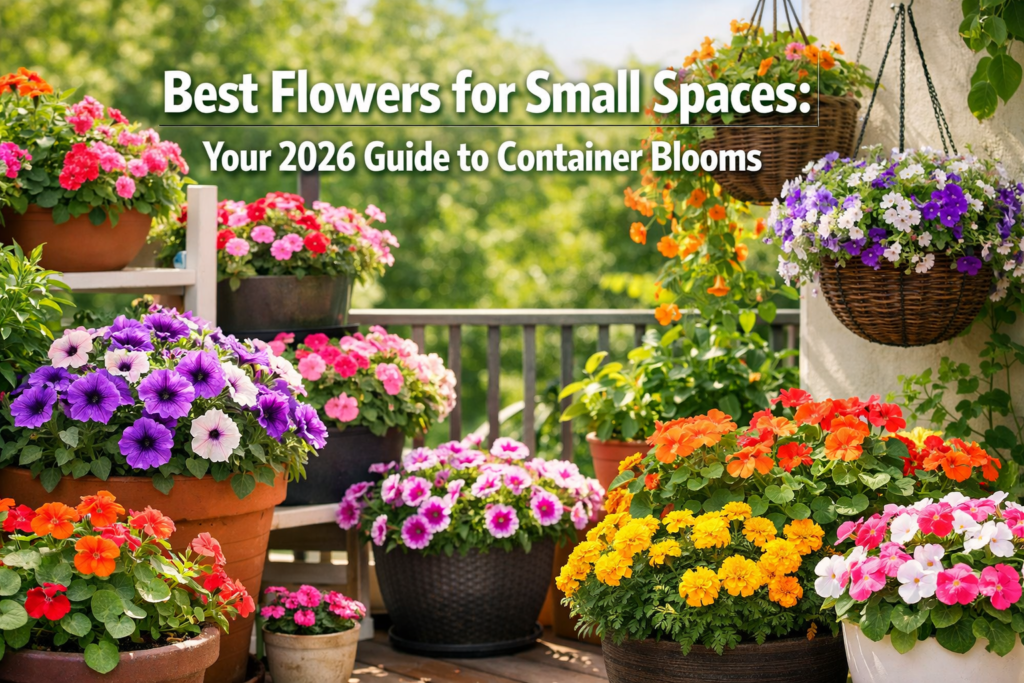
Quick Answer: The best flowers for small spaces are typically compact varieties that thrive in containers, offer extended bloom times, and possess manageable growth habits, such as dwarf petunias, impatiens, marigolds, and pansies. These plants maximize visual impact in limited areas like balconies, patios, and windowsills, allowing even urban dwellers to enjoy vibrant floral displays.
Key Takeaways:
- Compact Growth: Prioritize flowers labeled as “dwarf” or “compact” to prevent overcrowding.
- Container-Friendly: Select plants that flourish in pots, window boxes, and hanging baskets.
- Sunlight Matching: Choose flowers according to the amount of sun your small space receives.
- Extended Blooms: Opt for varieties that bloom for long periods or continuously throughout the season.
- Vertical Opportunities: Utilize vertical space with climbers or hanging baskets to expand your garden.
- Watering Needs: Container plants often require more frequent watering than in-ground plants.
- Fertilization: Regular feeding with a balanced fertilizer is crucial for container flowers.
- Pollinator Appeal: Many small-space flowers can attract beneficial pollinators to your urban oasis.
- Mix and Match: Combine different flower types for varied textures, colors, and heights in single containers.
What Are the Best Flowers for Small Spaces?
The best flowers for small spaces are those specifically bred or naturally suited for container living, offering maximum aesthetic appeal without overwhelming limited square footage. These varieties generally feature a compact growth habit, vibrant blooms, and adaptability to various light conditions often found in urban settings. For example, dwarf varieties of popular flowers like petunias and snapdragons thrive in pots, providing continuous color from spring through fall.
When choosing the best flowers for small spaces, consider both their mature size and their root system. Flowers that are too large or have extensive root systems will quickly become pot-bound, leading to stunted growth and fewer blooms. I recommend looking for terms like “compact,” “patio,” or “dwarf” in plant descriptions. Annuals are often a go-to for small spaces because they provide season-long color and can be easily changed out each year to refresh the look. Perennials, while requiring more planning, can offer reliable blooms year after year.
Top Picks for Compact Blooms
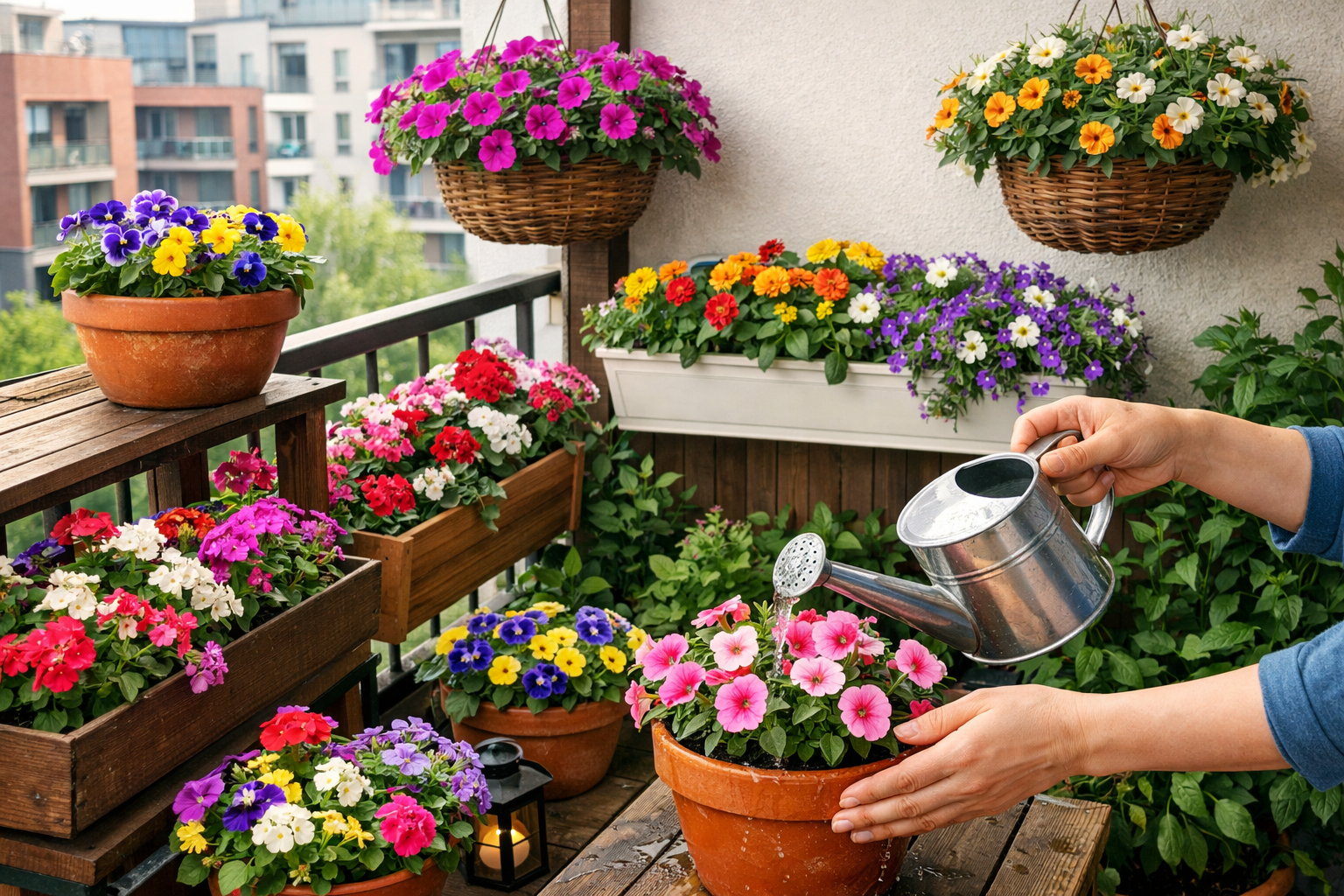
Below is a curated list of top-performing flowers that excel in small-space gardening, perfect for balconies, patios, and windowsills.
- Petunia (Compact Varieties):
- Why they work: Trailing habit, abundant blooms, wide range of colors. “Wave” series petunias are particularly excellent for hanging baskets and window boxes.
- Sunlight: Full sun.
- Care: Regular watering, deadheading encourages more blooms.
- Impatiens:
- Why they work: Bright, cheerful flowers that thrive in shade, ideal for north-facing balconies or shaded corners.
- Sunlight: Partial to full shade.
- Care: Keep soil consistently moist, sensitive to drying out.
- Marigolds (Dwarf Varieties):
- Why they work: Cheerful yellow, orange, and red blooms; known for pest-repelling properties. Dwarf French marigolds are perfect for small pots.
- Sunlight: Full sun.
- Care: Low maintenance, deadhead to prolong blooming.
- Pansies & Violas:
- Why they work: Early and late season color, tolerates cooler temperatures, charming “faces.” Excellent for mixing in containers.
- Sunlight: Full sun to partial shade.
- Care: Relatively easy, can deadhead to encourage more flowers.
- Nasturtiums:
- Why they work: Edible flowers and leaves, vibrant colors, can trail beautifully from hanging baskets.
- Sunlight: Full sun to partial shade.
- Care: Low fertility soil encourages more flowers, less foliage.
- Lobelia:
- Why they work: Delicate, cascading blue, white, or purple flowers create a soft, airy look. Great for edges of containers.
- Sunlight: Partial sun to partial shade.
- Care: Prefers consistently moist soil, can suffer in extreme heat.
- Dwarf Dahlias:
- Why they work: Striking, intricate blooms in various colors and forms, provide a focal point.
- Sunlight: Full sun.
- Care: Needs consistent watering and can benefit from staking in wind-prone areas.
- Geraniums (Pelargoniums):
- Why they work: Classic container plant, reliable blooms, tolerant of drier conditions. Many vibrant colors available.
- Sunlight: Full sun to partial shade.
- Care: Allow soil to dry slightly between waterings, deadhead spent blooms.
Choose X if…:
- Choose Impatiens or Lobelia if your small space receives limited direct sunlight.
- Choose Petunias or Geraniums if your area gets abundant full sun.
- Choose Nasturtiums if you want edible flowers and a trailing effect.
For more ideas on specific plants, check out our guide on the Best Plants for Small Gardens 2026: The Complete List.
How Does Sunlight Affect Flower Choices for Small Spaces?
Sunlight is a critical factor when selecting the best flowers for small spaces, as most plants have specific light requirements that directly impact their growth and bloom production. Matching your chosen flowers to the amount of sunlight your space receives ensures healthy, vibrant displays and prevents issues like leggy growth or sparse flowering. For instance, sun-loving plants will struggle in deep shade, while shade-lovers will scorch in intense, direct sun.
Before purchasing any flowers, observe your small space throughout the day to determine how many hours of direct sunlight it receives. This will help you categorize your space as full sun, partial sun/shade, or full shade.
- Full Sun: 6+ hours of direct sunlight per day.
- Partial Sun/Shade: 3-6 hours of direct sunlight, or dappled sun all day.
- Full Shade: Less than 3 hours of direct sunlight, often indirect or ambient light.
Understanding these categories is crucial for success. Attempting to grow a full-sun plant in full shade will likely result in weak growth and no flowers, while a shade plant in full sun will quickly wilt and burn.
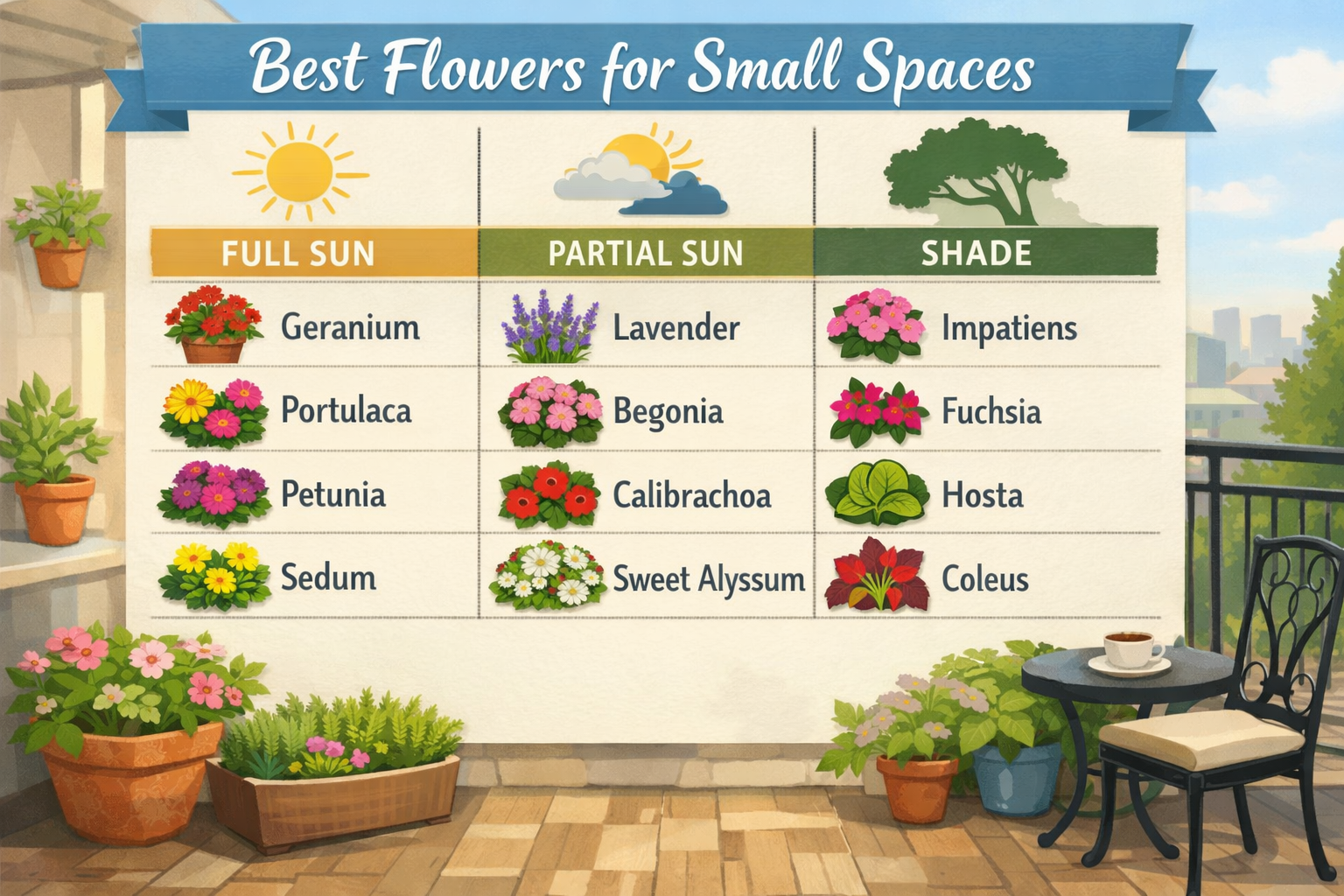
Sun Exposure Chart for Popular Small-Space Flowers
| Flower Name | Sunlight Requirement | Bloom Characteristics | Ideal Small Space Application |
|---|---|---|---|
| Petunia | Full Sun | Abundant, trumpet-shaped, various colors, trailing | Hanging baskets, window boxes, balcony rails |
| Impatiens | Partial to Full Shade | Bright, flat flowers, vibrant colors | Shaded balconies, indoor window sills, underneath taller plants |
| Marigold | Full Sun | Yellow, orange, red, daisy-like, dwarf varieties | Small pots, edgings, companion planting in vegetable containers |
| Pansy/Viola | Full Sun to Partial Shade | Unique “faces,” wide color range, early/late season | Window boxes, small pots, cool-season displays |
| Lobelia | Partial Sun to Partial Shade | Delicate, cascading, blue, white, purple | Front of containers, hanging baskets for airy feel |
| Geranium | Full Sun to Partial Shade | Classic mounding form, large flower heads | Balcony planters, patio pots, terracotta containers |
| Begonia | Partial Sun to Full Shade | Waxy leaves, colorful blooms (fibrous) or large, camellia-like (tuberous) | Shaded corners, hanging baskets, indoor bright light |
| Nasturtium | Full Sun to Partial Shade | Edible, peppery leaves and flowers, trailing | Hanging baskets, over container edges, window boxes |
| Sweet Alyssum | Full Sun to Partial Shade | Tiny, fragrant white, purple, pink flowers, spreading | Filler, edger, groundcover in larger pots |
Common Mistake: A common mistake is assuming that “partial shade” means no direct sun at all. Many partial shade plants still benefit from a few hours of morning sun. Conversely, “full shade” really means very little to no direct sun. If your space is primarily shaded, our guide on Balcony Gardening Without Sunlight: Shade Plants & Tips 2026 can offer more tailored advice.
What Types of Containers and Vertical Solutions Work Best?
For the best flowers for small spaces, utilizing appropriate containers and vertical gardening techniques is paramount to maximizing planting area and enhancing visual appeal. Standard pots are effective, but innovative solutions like hanging baskets, window boxes, railing planters, and vertical garden structures can dramatically increase your growing capacity, allowing you to cultivate a wider variety of flowers in a limited footprint. The right container not only holds the plant but also contributes to the overall aesthetic of your compact garden.
When selecting containers, consider both size and material. The pot’s size directly impacts how large your flower can grow and how frequently it will need watering. Larger pots generally retain moisture better and provide more room for root development. Materials like terracotta offer good drainage and breathability, while plastic or glazed ceramic retain moisture longer. Beyond basic pots, look for options that leverage vertical space.
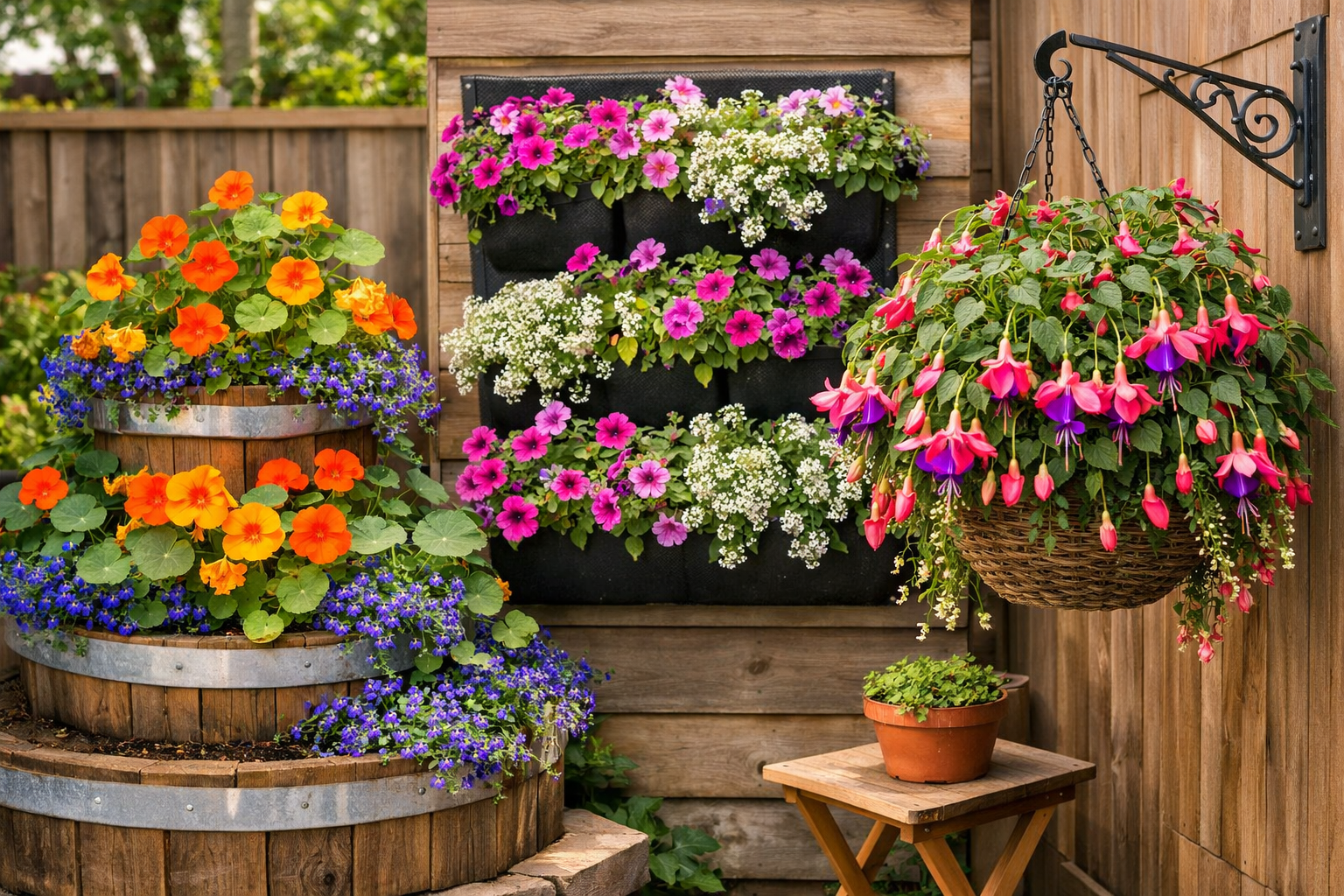
Effective Container and Vertical Options
- Hanging Baskets: Excellent for trailing flowers like petunias, fuchsias, and lobelia. They add height and color at eye level. Ensure they are securely hung.
- Window Boxes: Perfect for adding curb appeal and planting a row of uniform or mixed flowers. Choose varieties that can handle the specific sun exposure of your window.
- Railing Planters: Designed to hook directly over balcony or deck railings, saving floor space. Ideal for geraniums, dwarf marigolds, and pansies.
- Tiered Planters: Stacked pots or planters that create a multi-level display, suitable for small spaces. These allow for planting different flowers on each level.
- Vertical Garden Planters: Wall-mounted systems, pocket planters, or pallet gardens that transform a blank wall into a blooming canvas. Succulents, small annuals, and even herbs can thrive here. For a deeper dive into this, see our Vertical Gardening Guide for Small Spaces: Grow More in 2026.
- Fabric Grow Bags: Lightweight, breathable, and come in various sizes. Great for annual flowers and can be easily moved. They also promote air pruning of roots, leading to healthier plants.
- Self-Watering Planters: These containers have a reservoir at the bottom, reducing the frequency of watering, which is a significant benefit for busy small-space gardeners.
Decision Rule: Choose hanging baskets or railing planters if you want to keep floor space completely clear. Opt for tiered or vertical garden systems if you have a blank wall and want to maximize plant density. For more on choosing containers, explore our guide on the Best Pots for Small Space Gardening in 2026 – Maximize Your.
What are the Essential Care Tips for Small-Space Flowers?
Caring for the best flowers for small spaces in containers requires specific attention to watering, feeding, and pruning, as these plants depend entirely on you for their sustenance. Unlike in-ground gardens, container flowers have limited soil volume and nutrient reserves, meaning consistent maintenance is crucial for continuous blooms and robust health. Regular vigilance against pests and diseases is also more manageable in a compact setting.
The success of your small-space flower garden hinges on these consistent care routines. Skipping a watering session during a hot spell can quickly lead to wilting, and neglecting to fertilize can result in sparse blooms and yellowing leaves. I find a consistent schedule, even a simple one, makes all the difference.
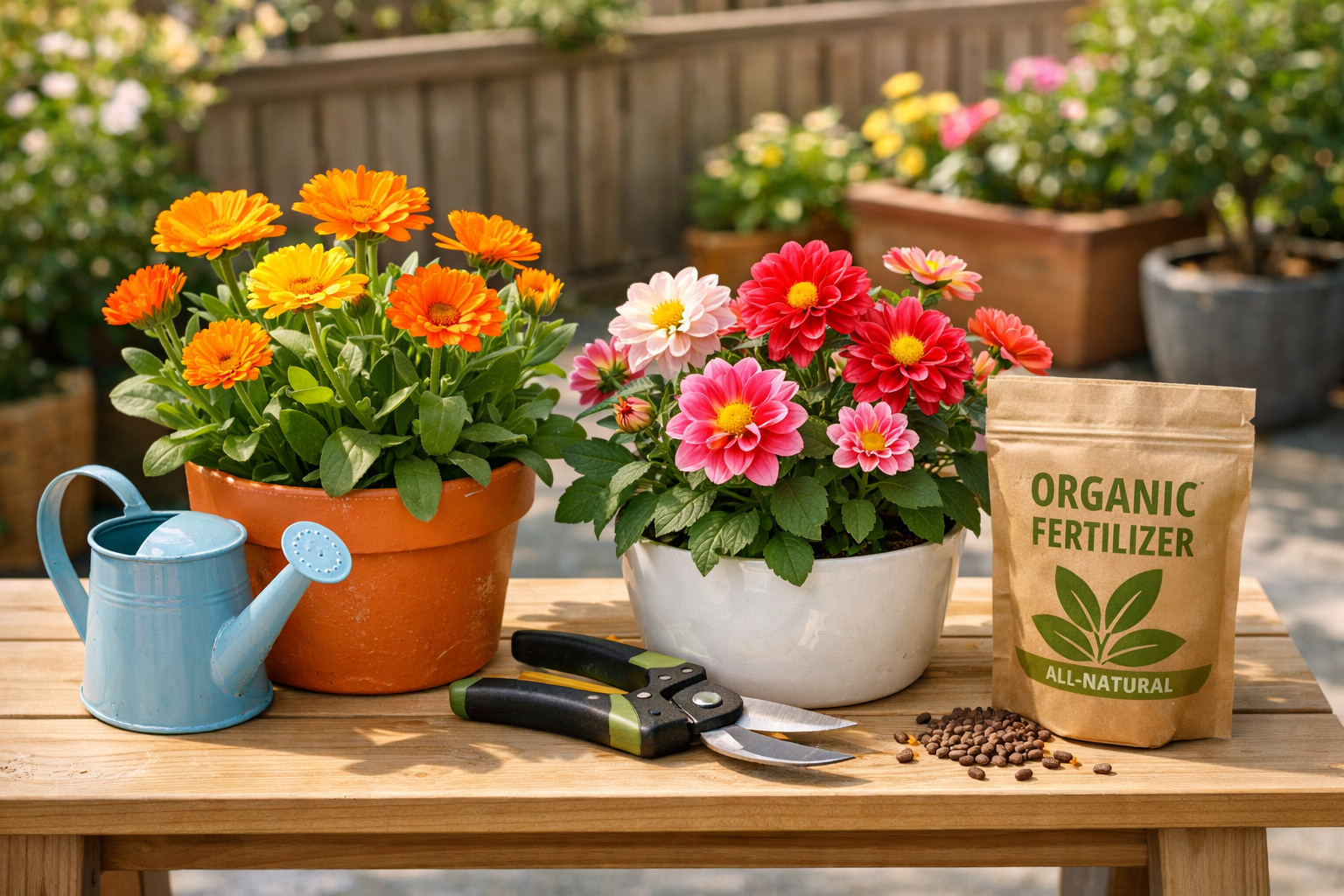
Key Care Practices for Thriving Container Flowers
- Watering:
- Frequency: Container plants dry out faster than garden beds. Check soil moisture daily, especially during hot, windy weather. Water when the top inch of soil feels dry to the touch.
- Method: Water deeply until water drains from the bottom of the pot. Avoid shallow, frequent watering, which encourages shallow root growth.
- Timing: Water in the early morning or late evening to minimize evaporation.
- Mistake to Avoid: Overwatering can be as detrimental as underwatering, leading to root rot. Ensure good drainage.
- Fertilization:
- Nutrient Depletion: Soil in containers quickly loses nutrients. Regular feeding is essential.
- Type: Use a balanced liquid fertilizer (e.g., 10-10-10 or 20-20-20) diluted to half strength, or slow-release granular fertilizers.
- Schedule: Fertilize every 2-4 weeks during the active growing and blooming season.
- For more guidance, see our article on Best Fertilizers for Small Gardens 2026: Grow Thriving Plan.
- Deadheading & Pruning:
- Deadheading: Remove spent (faded) flowers to encourage the plant to produce more blooms instead of diverting energy into seed production. This is particularly important for petunias, marigolds, and geraniums.
- Pruning/Pinching: Pinch back leggy growth to promote bushier plants and more flower buds. This is especially beneficial for fuchsias and impatiens.
- Pest and Disease Management:
- Vigilance: Inspect your plants regularly for signs of pests (aphids, spider mites) or diseases (powdery mildew).
- Early Intervention: Address issues promptly with organic solutions like insecticidal soap or neem oil.
- Good Airflow: Ensure adequate spacing between pots to promote airflow and reduce fungal problems. Our Pest Control for Small Gardens: 2026 Expert Guide offers detailed strategies.
- Repotting: If a perennial or annual starts to look crowded or roots are growing out of the drainage holes, it may be time to move it to a slightly larger pot. This typically happens with more vigorous growers.
Edge Case: If you are planning to travel, consider self-watering planters or setting up a drip irrigation system for your small-space flower garden to ensure consistent hydration while you’re away.
Conclusion
Creating a vibrant and flourishing floral display in a small space is entirely achievable with the right plant choices and dedicated care. By prioritizing compact, container-friendly varieties like dwarf petunias, impatiens, and marigolds, and intelligently utilizing vertical space, you can transform even the most modest balcony or windowsill into a blooming oasis. Remember that matching flowers to your specific sunlight conditions and maintaining a consistent watering and feeding schedule are the cornerstones of success for these micro-gardens. With a little planning and regular attention, your small space can host a stunning array of the best flowers for small spaces throughout the growing season, bringing joy and beauty right to your doorstep.
Actionable Next Steps:
- Assess Your Space: Determine the exact amount of sunlight your small area receives daily.
- Choose Wisely: Select 3-5 flower varieties from the recommended list that match your sunlight conditions and aesthetic preferences.
- Gather Supplies: Purchase appropriate containers, quality potting mix, and a suitable fertilizer.
- Plant and Arrange: Plant your chosen flowers, considering creative layouts with hanging baskets or vertical planters.
- Establish a Routine: Set up a consistent watering and fertilizing schedule, and commit to regular deadheading.
FAQ
Q: What are the easiest flowers to grow in small pots? A: Pansies, marigolds (dwarf varieties), impatiens, and petunias are generally considered among the easiest flowers for small pots due to their adaptability and continuous blooming.
Q: Can I grow roses in a small space? A: Yes, miniature roses are excellent choices for small spaces and containers, as they are bred to stay compact and still produce beautiful blooms.
Q: How often should I water container flowers in a small space? A: You should check container flowers daily, especially in warm weather, and water when the top inch of soil feels dry. This might mean watering once a day or even twice during heatwaves.
Q: Do flowers for small spaces need special soil? A: Yes, container flowers thrive in high-quality potting mix, which offers better drainage, aeration, and nutrient retention than garden soil.
Q: How do I keep my small-space flowers blooming all season? A: Consistent deadheading (removing spent flowers), regular fertilization, and adequate watering are key to encouraging continuous blooms throughout the growing season.
Q: Are there any fragrant flowers suitable for small spaces? A: Absolutely! Sweet Alyssum, miniature roses, and some compact petunia varieties offer delightful fragrance for small spaces.
Q: Can I mix different flowers in one small pot? A: Yes, mixing flowers is common. Follow the “thriller, filler, spiller” concept: a tall focal plant (thriller), mounding plants (filler), and trailing plants (spiller) for a dynamic look.
Q: What if my small space gets very little sun? A: For low-light conditions, focus on shade-loving plants like impatiens, begonias (fibrous or tuberous), fuchsias, and coleus (grown for foliage).
Q: How can I protect my small-space flowers from strong winds? A: Choose wind-resistant varieties, place heavier pots, use sturdy hanging basket hooks, and consider creating a windbreak with taller plants or screens.
Q: What flowers attract pollinators to a small space? A: Marigolds, sweet alyssum, dwarf zinnias, and compact lavender varieties are excellent for attracting bees and butterflies to your small-space garden.
References
- American Horticultural Society. (2004). AHS A to Z Encyclopedia of Garden Plants. DK Publishing.
- Missouri Botanical Garden. (n.d.). Plant Finder. Retrieved from https://www.missouribotanicalgarden.org/plantfinder/plantfindersearch.aspx
- The Old Farmer’s Almanac. (n.d.). Growing Guide for Flowers. Retrieved from https://www.almanac.com/gardening/growing-guides/flowers