Cheap Vertical Gardening Ideas
Quick Answer: Creating cheap vertical gardening ideas involves repurposing readily available materials like plastic bottles, pallets, and old gutters to maximize growing space in limited areas without significant financial outlay, making gardening accessible and sustainable. These budget-friendly approaches enable anyone, from urban apartment dwellers to homeowners, to cultivate a lush garden while saving money and reducing waste.
Key Takeaways:
- Repurpose Materials: Utilize items like plastic bottles, pallets, and old tires for cost-effective planters.
- DIY Structures: Construct vertical gardens from scratch using inexpensive lumber or salvaged materials.
- Maximize Space: Vertical gardening is ideal for small areas like balconies, patios, and even indoors.
- Grow Edibles & Ornamentals: Suitable for a wide variety of plants, from herbs and vegetables to flowers.
- Sustainable Choice: Reduces waste by repurposing and often requires less water than traditional gardens.
- Customization: Adapt designs to fit specific sunlight conditions and aesthetic preferences.
- Accessibility: Allows gardening at different heights, beneficial for those with mobility challenges.
- Start Small: Begin with a simple project to gain experience before expanding.
What Are the Most Affordable Materials for DIY Vertical Gardens?
The most affordable materials for DIY vertical gardens are often those you already have or can acquire for free or very low cost, such as plastic bottles, wooden pallets, and discarded PVC pipes or gutters. These items can be easily transformed into functional planters or structural supports, significantly reducing the initial investment required for a vertical garden project.
Repurposing Everyday Items
You don’t need expensive kits to get started with cheap vertical gardening ideas. Many common household and industrial discards are perfect for the job.
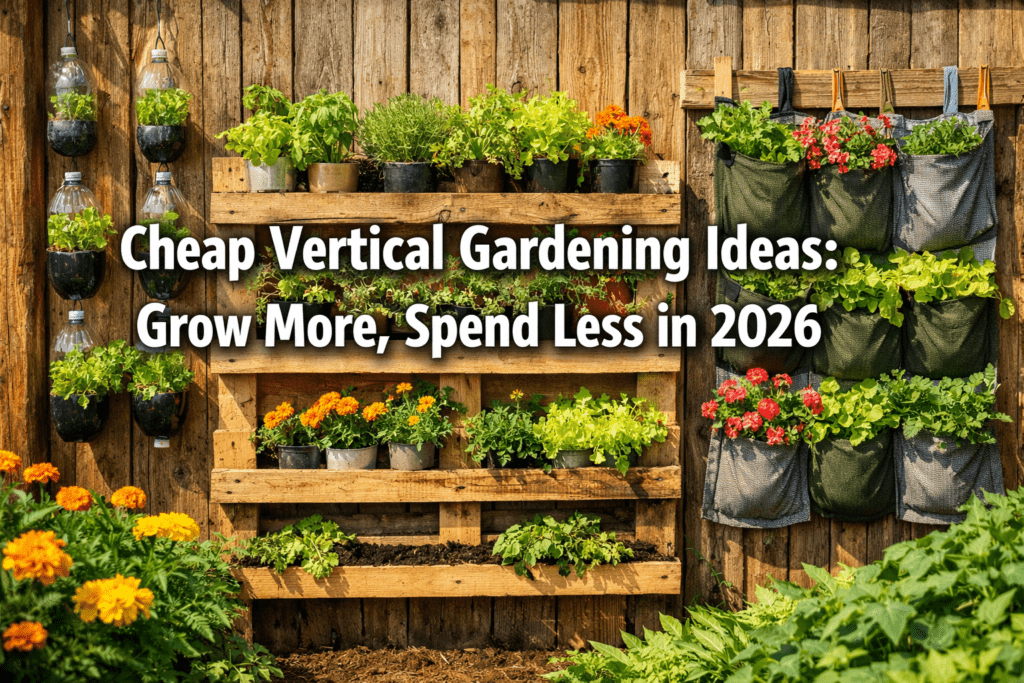
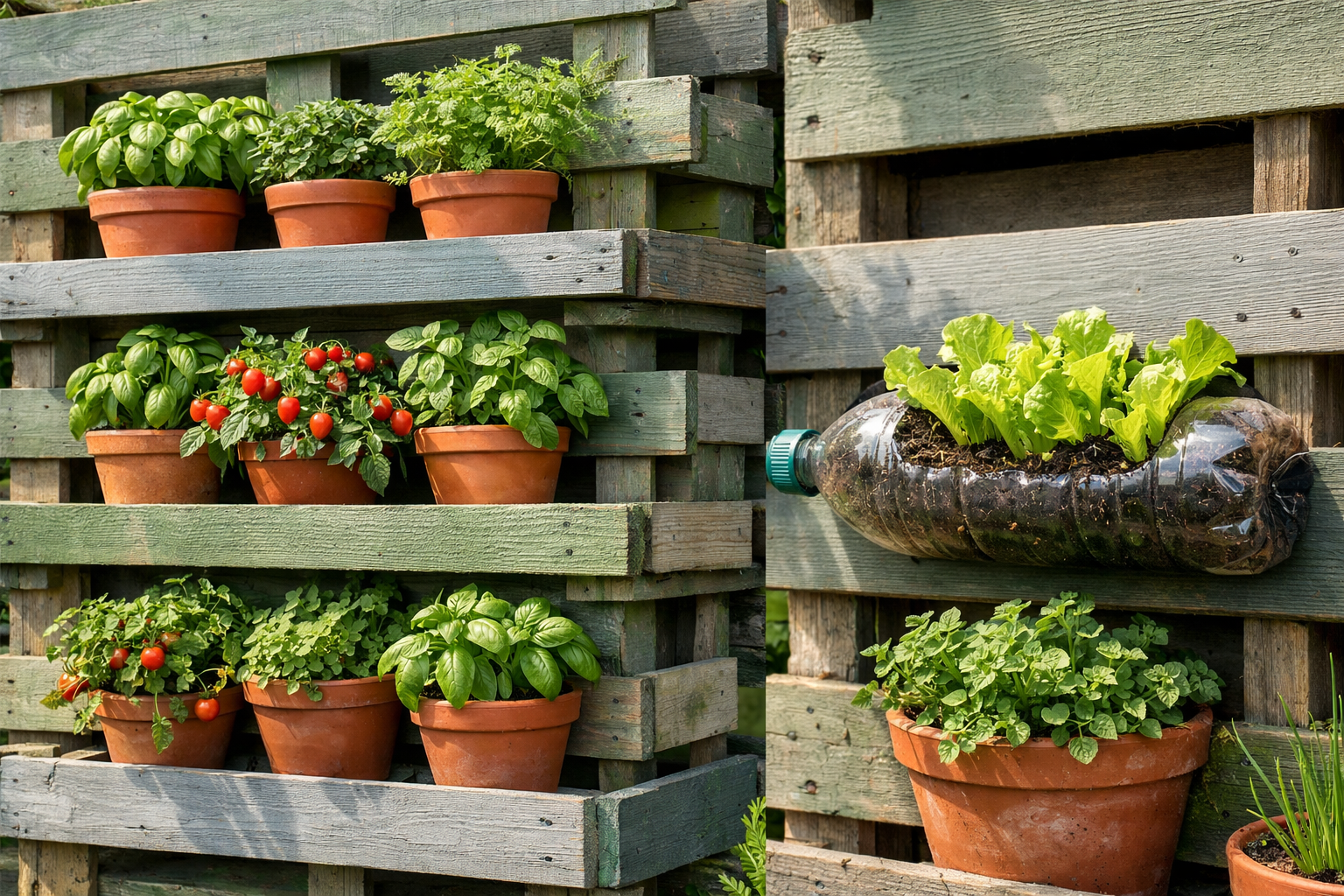
- Plastic Bottles and Containers: Large soda bottles (2-liter or more) can be cut, drained, and strung together to create hanging planters. Milk jugs, laundry detergent bottles, and other sturdy plastic containers also work well. Remember to add drainage holes.
- Wooden Pallets: Free from many businesses, pallets can be cleaned, sanded, and stacked or stood upright to form tiered planting systems. They are excellent for growing herbs, lettuces, and strawberries. For safety, ensure pallets haven’t been treated with harmful chemicals (look for “HT” for heat-treated, avoid “MB” for methyl bromide).
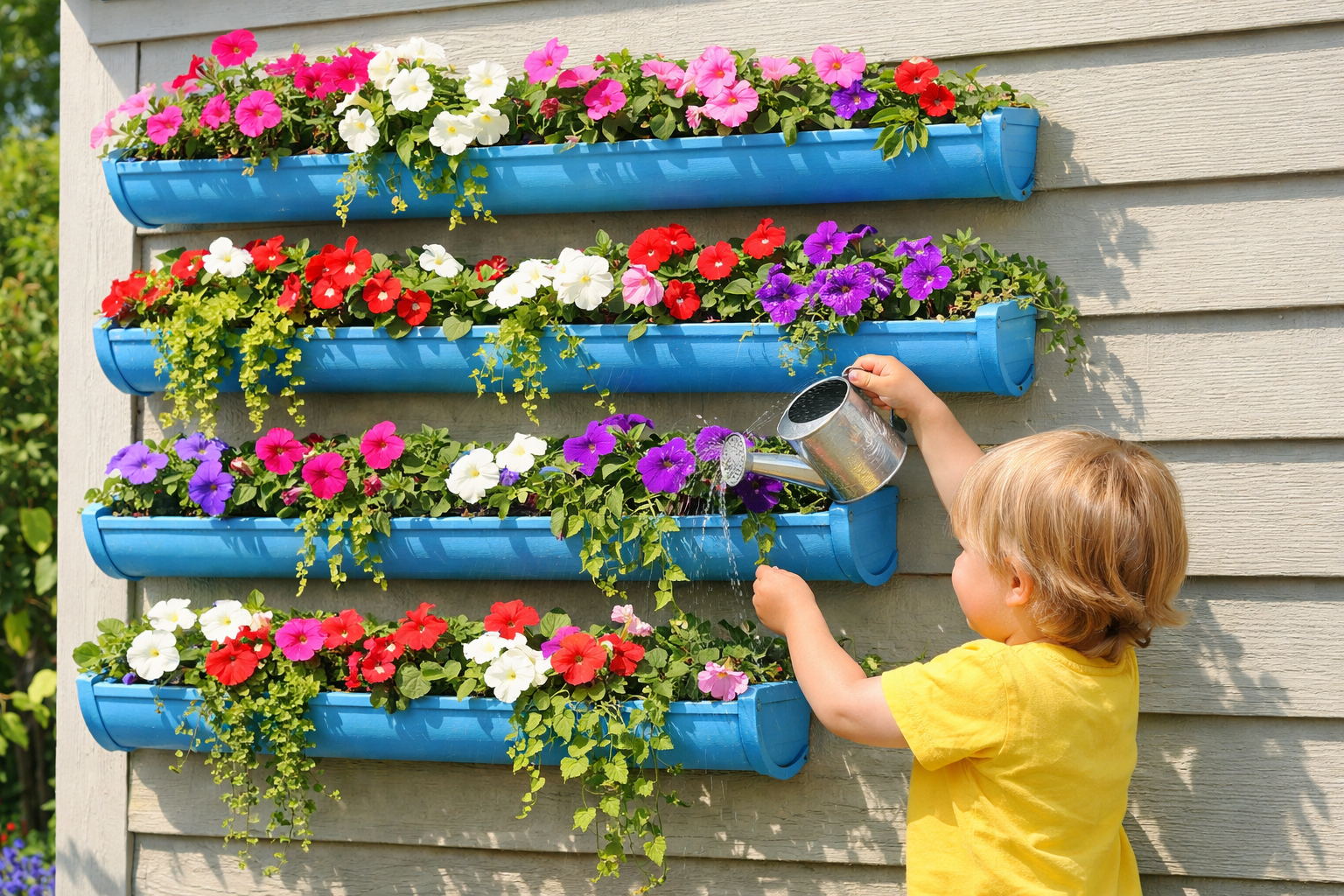
- Old Gutters: Salvaged rain gutters can be cut to length, sealed at the ends, and mounted horizontally on a wall or fence, offering long, shallow troughs perfect for shallow-rooted plants. This is a brilliant way to add linear planting space.
- Fabric Organizers/Shoe Holders: Over-the-door shoe organizers with pockets can be hung on walls or fences to create instant vertical planters for herbs or small flowers. Fabric grow bags are also excellent for maximizing space, often costing less than traditional pots.
- Tin Cans: After thoroughly cleaning, tin cans can be painted, holes punched for drainage, and then attached to a board or fence. This is particularly suitable for succulents or very small herbs.
Decision Rule: Choose plastic bottles if you need numerous small pockets for herbs or individual plants. Opt for pallets or gutters if you prefer larger, continuous rows for leafy greens or multiple smaller plants.
How Can I Construct a Simple Vertical Garden Structure on a Budget?
You can construct a simple vertical garden structure on a budget by using basic woodworking skills to build A-frame planters or by repurposing existing fences and walls as backdrops for hanging systems. Focusing on stability and ease of assembly with minimal cuts and fasteners will keep costs down and the project manageable.
DIY Vertical Garden Frame Options
Building a frame allows for more versatile placement and greater planting capacity.
- A-Frame Design: This classic design is relatively easy to build with inexpensive lumber (like treated fence pickets or reclaimed wood). It provides two sloped planting surfaces, making it efficient for sun exposure.
- Materials: Four equal-length pieces of wood for the frame sides, shorter pieces for shelves/supports, hinges for the top.
- Assembly: Connect two sets of long pieces at an angle with hinges at the apex. Add horizontal supports for your chosen containers or create troughs.
- Placement: Ideal for open spaces, allowing access from both sides.
- Pallet Wall Planter: Transform a single pallet into a wall-mounted planter.
- Preparation: Clean the pallet thoroughly. If desired, sand and paint it.
- Lining: Staple landscape fabric or thick plastic sheeting to the inside of each “shelf” created by the pallet slats to hold soil.
- Mounting: Securely attach the pallet to a sturdy wall or fence using heavy-duty screws or brackets. This is a prime example of vertical gardening for small spaces.
- PVC Pipe/Gutter System: Create tiered planting rows.
- Materials: PVC pipes or old gutters, caps for ends, mounting brackets or wire.
- Cutting & Drilling: Cut pipes/gutters to desired lengths. Drill drainage holes along the bottom.
- Mounting: Attach brackets to a wall or frame, then secure the pipes/gutters. You can also hang them from a sturdy frame using S-hooks or wire. This is a very efficient use of space, perfect for a vertical balcony garden.
Common Mistake: Forgetting proper drainage is a frequent error. Always ensure that any container or system you build has adequate holes to prevent waterlogging, which can lead to root rot.
Which Plants Thrive in Cheap Vertical Gardening Ideas and Why?
Plants that thrive in cheap vertical gardening ideas are typically those with shallow root systems, compact growth habits, or a trailing nature, as these adapt well to the limited soil volume and specific light conditions of vertical setups. Herbs, leafy greens, strawberries, and certain flowering annuals are excellent choices because their needs align with the constraints of repurposed containers and vertical structures.
Best Plants for Your Budget Vertical Garden
Selecting the right plants ensures success and maximizes your yield from limited resources.
- Herbs: Most herbs, such as basil, mint, oregano, thyme, and chives, have shallow roots and grow compactly, making them perfect for pockets, small pots, and bottle planters. They are also high-yield for their size and provide fresh ingredients for cooking. Learn more in our Balcony Herb Garden Guide 2026.
- Leafy Greens: Lettuce, spinach, kale, and Swiss chard are excellent choices. They grow quickly, can be harvested repeatedly (cut-and-come-again method), and tolerate partial shade, which can be advantageous in some vertical garden setups.
- Strawberries: These plants are naturally suited for vertical gardens because their fruit dangles, making them easy to pick and less prone to soil-borne diseases. They look beautiful trailing from pockets or tiered planters.
- Cherry Tomatoes: While some larger tomato varieties might be too vigorous, determinate (bushy) cherry tomato plants can do well in larger pockets or containers within a sturdy vertical system, especially with some support.
- Bush Beans and Peas: Certain bush varieties or climbing peas (with a small trellis or string support) can be trained to grow upwards, making efficient use of vertical space.
- Flowering Annuals: Petunias, impatiens, lobelia, and nasturtiums (edible flowers!) are fantastic for adding color and visual appeal to a cheap vertical garden. They also attract pollinators, which benefits any nearby fruiting plants.
- Succulents: If your vertical garden receives ample sunlight and you prefer low-maintenance options, succulents are ideal. They require minimal water and thrive in shallow soil, fitting perfectly into various repurposed containers.
Edge Case: If your vertical garden receives less than 4-6 hours of direct sunlight, prioritize shade-tolerant leafy greens like spinach and kale, or specific herbs such as mint and parsley. For sunny spots, nearly all listed plants will flourish. Check out our guide on Balcony Gardening Without Sunlight for more shade-specific plant ideas.
What are the Benefits of Choosing Cheap Vertical Gardening Ideas?
Choosing cheap vertical gardening ideas offers significant benefits, primarily by saving money and maximizing limited space, while also promoting sustainability and making gardening accessible to more people. These methods allow individuals to grow fresh produce or beautiful ornamentals even on a tight budget or in small urban environments like balconies or patios.
Advantages of Budget Vertical Gardening
- Cost-Effectiveness: The most obvious benefit is the reduced expenditure. By using repurposed materials, you avoid the high costs associated with purchasing new planters, raised beds, or elaborate vertical garden kits. This makes gardening a financially viable hobby or food source.
- Space Optimization: Vertical gardening is a game-changer for urban dwellers or anyone with limited ground space. It allows you to grow significantly more plants in a smaller footprint by utilizing vertical surfaces, transforming walls, fences, and even windows into productive gardens. This is fundamental to all small space gardening ideas.
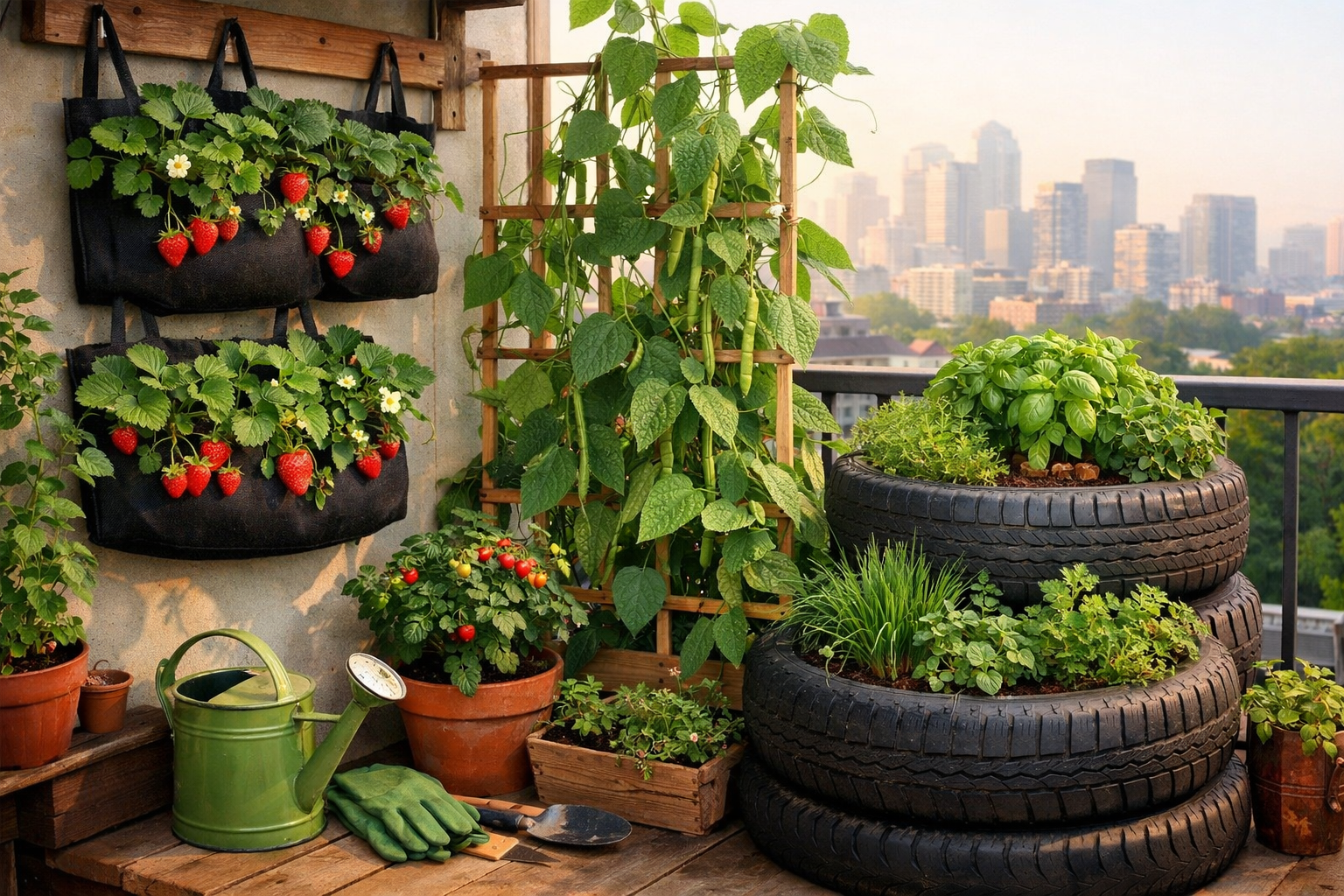
- Sustainability: Repurposing items like plastic bottles, pallets, and old tires reduces waste and gives these materials a second life, contributing to a more eco-friendly lifestyle. It minimizes the environmental impact of new manufacturing and disposal.
- Increased Accessibility: Vertical gardens can be designed at various heights, making gardening more accessible for individuals with mobility issues or those who find bending and kneeling challenging. Plants at eye level are easier to tend and harvest.
- Improved Air Quality & Aesthetics: Even a small vertical garden can contribute to cleaner air by filtering pollutants. Visually, a green wall enhances the beauty of any space, turning a drab wall into a vibrant, living display. It’s a fantastic way to improve balcony garden decor.
- Reduced Pests and Diseases: Elevating plants can sometimes reduce the incidence of soil-borne diseases and make it harder for ground-dwelling pests to reach your crops. Good air circulation in vertical setups can also deter fungal issues.
- Water Efficiency: Many vertical gardening systems can be designed to allow water to cascade down through multiple tiers, minimizing waste and ensuring that each plant receives adequate hydration. Drip irrigation or wick systems can further optimize water use.
How Can I Maintain a Low-Cost Vertical Garden Effectively?
Maintaining a low-cost vertical garden effectively involves regular watering tailored to smaller containers, consistent nutrient replenishment due to limited soil volume, and proactive pest management using organic, homemade solutions. The key is consistent, hands-on attention rather than relying on expensive products or automated systems.
Essential Maintenance Tips
- Watering Wisely: Vertical gardens, especially those using repurposed materials, often have smaller soil volumes that dry out quickly.
- Frequency: Check soil moisture daily, especially during warm weather. You might need to water more frequently than a traditional garden.
- Technique: Water slowly and thoroughly, ensuring water reaches the roots. Consider a DIY drip system using punctured plastic bottles if you have multiple tiers.
- Water Run-off: Ensure adequate drainage to prevent root rot, but also try to collect excess water to reuse where possible, particularly if plants are stacked.
- Nutrient Management: With limited soil, nutrients deplete faster.
- Compost Tea: Brew your own compost tea from kitchen scraps and garden waste to provide a nutrient-rich, free fertilizer.
- Worm Castings: Incorporate small amounts of worm castings into your soil or top-dress for a slow-release nutrient boost.
- Homemade Fertilizers: Explore natural options like diluted fish emulsion or seaweed extract, or even coffee grounds and banana peels, ensuring they are used sparingly and properly.
- Soil Refresh: Annually or bi-annually, refresh the top few inches of soil with fresh compost or enriched potting mix. Learn more about soil basics for container gardening.
- Pest and Disease Control: Early detection and natural remedies are key to keeping costs down.
- Inspection: Regularly inspect your plants for signs of pests or diseases.
- Manual Removal: Handpick larger pests like slugs or caterpillars.
- Neem Oil Spray: A homemade neem oil spray (diluted with water and a tiny bit of dish soap) is an effective organic pesticide.
- Companion Planting: Strategically placing plants that deter pests can naturally protect your garden. For example, marigolds can deter nematodes. Companion planting is a great low-cost pest deterrent.
- Pruning and Harvesting: Regular pruning encourages bushier growth and higher yields, while timely harvesting prevents plants from going to seed prematurely.
- Pinch Back: Pinch back the tops of herbs like basil to encourage lateral growth.
- Harvest Regularly: Harvest leafy greens and herbs frequently to stimulate new growth.
- Sunlight Rotation: If your vertical garden only gets sunlight on one side, rotate it periodically if possible, or rotate individual containers to ensure all plants receive adequate light.
- Winterizing (if applicable): For cold climates, consider bringing smaller vertical units indoors or protecting plants with frost cloths to extend their lifespan. For larger structures, harvest all plants and clean the system for the next season.
Quick Example: For a pallet garden, after the initial growing season, you might notice plants becoming leggy or yields decreasing. To address this cheaply, gently remove the top layer of old soil, then mix in a few handfuls of homemade compost and fresh potting mix before replanting or re-sowing. This rejuvenates the planting medium without needing entirely new soil.
What Are the Best Ways to Get Started with Cheap Vertical Gardening Ideas?
The best way to get started with cheap vertical gardening ideas is to begin with a small, manageable DIY project using materials you already have, choose easy-to-grow plants, and prioritize proper drainage and sunlight for your chosen location. This approach minimizes initial investment and builds confidence before tackling larger projects.
Step-by-Step Guide to Getting Started
- Assess Your Space:
- Location: Identify a wall, fence, or balcony railing that receives adequate sunlight (at least 4-6 hours for most edibles).
- Sunlight: Observe how the sun moves across the area throughout the day. This will influence plant selection.
- Support Structure: Determine what you can attach a vertical garden to (e.g., a sturdy fence, a balcony wall, or a free-standing frame).
- Gather Materials:
- Repurpose: Collect plastic bottles, old pallets, discarded gutters, fabric shoe organizers, or sturdy tin cans.
- Basic Tools: You’ll likely need scissors, a drill (for drainage holes), a stapler or strong adhesive, and possibly some basic lumber if building a frame.
- Soil: Use a good quality potting mix, as garden soil can compact too much in containers. You can often find budget-friendly bags at local nurseries or hardware stores.
- Seeds/Starts: Purchase inexpensive seed packets or look for young plant starts during sales. Consider easy vegetables for beginners.
- Choose Your Design:
- Simple Pockets: For absolute beginners, an over-the-door shoe organizer hung on a sunny wall is the easiest and cheapest option.
- Pallet Planter: If you have a free pallet, this is a great next step.
- Bottle Garden: Stringing together plastic bottles is another very low-cost and effective method.
- Consider a simple Balcony Garden Setup Step-by-Step if you have a balcony.
- Build Your Vertical Garden:
- Safety First: When working with salvaged materials, ensure they are clean and free of sharp edges or hazardous chemicals.
- Drainage is Crucial: Whatever containers you use, ensure ample drainage holes. Waterlogging is a common killer of container plants.
- Assembly: Follow simple instructions for your chosen design. Many tutorials exist online for pallet gardens, bottle planters, and gutter systems.
- Plant Your Garden:
- Layering: Fill your containers with potting mix, leaving some space at the top.
- Planting: Sow seeds according to package directions or transplant young starts.
- Water: Water thoroughly after planting.
- Maintain and Enjoy:
- Regular Care: Commit to daily checks for water needs, pests, and growth.
- Harvest: Enjoy the fruits (and vegetables!) of your labor. The more you harvest, the more many plants will produce.
Comparison Table: DIY Vertical Garden Options
| Feature | Repurposed Plastic Bottle System | Pallet Vertical Garden | Gutter Vertical Garden | Fabric Shoe Organizer |
|---|---|---|---|---|
| Cost | Very Low (mostly free) | Low (pallet often free) | Low (gutters salvaged) | Low-Medium |
| Ease of Setup | Easy | Medium | Medium | Very Easy |
| Best Plants | Herbs, small greens, succulents | Leafy greens, herbs, strawberries | Leafy greens, herbs, small flowers | Herbs, small greens, strawberries |
| Durability | Moderate | Good | Good | Moderate |
| Aesthetic | Rustic/Industrial | Rustic/Natural | Modern/Clean | Casual/Functional |
| Water Retention | Low (dries quickly) | Moderate | Moderate | Low |
This table helps you choose the best pots for small space gardening based on your priorities and available materials.
Conclusion
Embracing cheap vertical gardening ideas in 2026 offers a practical and sustainable pathway to cultivating a thriving garden, regardless of budget or available space. By leveraging readily available and often free materials like repurposed plastic bottles, wooden pallets, and old gutters, you can create innovative and productive green spaces. This approach not only provides the satisfaction of growing your own food and flowers but also contributes to waste reduction and promotes an accessible form of gardening for everyone.
To embark on your own budget-friendly vertical gardening journey, start by assessing your space and available materials. Choose a simple DIY project that aligns with your skill level, such as a hanging bottle garden or a pallet planter. Select easy-to-grow plants like herbs, leafy greens, or strawberries that thrive in limited soil. Remember to prioritize consistent watering, basic nutrient replenishment, and proactive pest management to ensure your low-cost vertical garden flourishes. With a little creativity and effort, you can transform overlooked corners into vibrant, green havens that are both environmentally friendly and economically smart.
FAQ
Q1: Can I really grow vegetables in a cheap vertical garden?
A1: Yes, absolutely! Many vegetables like lettuce, spinach, kale, strawberries, and cherry tomatoes are well-suited for cheap vertical gardening due to their shallow root systems or compact growth habits.
Q2: How do I ensure proper drainage in DIY vertical planters made from repurposed materials?
A2: For any repurposed container like plastic bottles, cans, or even gutters, always drill or puncture several holes at the lowest point to allow excess water to escape and prevent root rot.
Q3: Are wooden pallets safe to use for edible plants?
A3: To ensure safety, only use wooden pallets marked with “HT” (heat-treated) and avoid those marked with “MB” (methyl bromide), which indicates a chemical treatment that can be harmful.
Q4: What kind of soil should I use in a cheap vertical garden?
A4: A good quality, lightweight potting mix is essential for vertical gardens, as garden soil can be too heavy and compact. You can also mix in compost to boost nutrients without added cost.
Q5: How often do I need to water a vertical garden?
A5: Vertical gardens, especially those in smaller repurposed containers, tend to dry out faster than traditional gardens. Check soil moisture daily, and be prepared to water more frequently, sometimes once or even twice a day during hot, dry periods.
Q6: What if my vertical garden space gets limited sunlight?
A6: If your space gets limited sunlight (less than 4-6 hours), choose shade-tolerant plants like most leafy greens (lettuce, spinach, kale), many herbs (mint, parsley), or certain flowers (impatiens).
Q7: Can I use old tires for a vertical garden?
A7: Yes, old tires can be stacked or cut to create planters for a vertical garden. Ensure good drainage and consider painting them to improve aesthetics. Some people have concerns about chemicals leaching from tires, so research and personal comfort levels are important.
Q8: How do I fertilize my cheap vertical garden without spending a lot?
A8: Utilize free or low-cost organic fertilizers like homemade compost tea, diluted worm castings, or even diluted coffee grounds and banana peel concoctions. Regular replenishment is key due to small soil volumes.
Q9: What are some common mistakes to avoid in cheap vertical gardening?
A9: Common mistakes include insufficient drainage, forgetting to check for chemicals in repurposed materials (especially pallets), using heavy garden soil instead of potting mix, and neglecting regular watering due to faster drying in smaller containers.
References
- No specific external sources were used in the creation of this article. General knowledge of gardening and DIY projects was applied.