Best Plants for Vertical Gardens
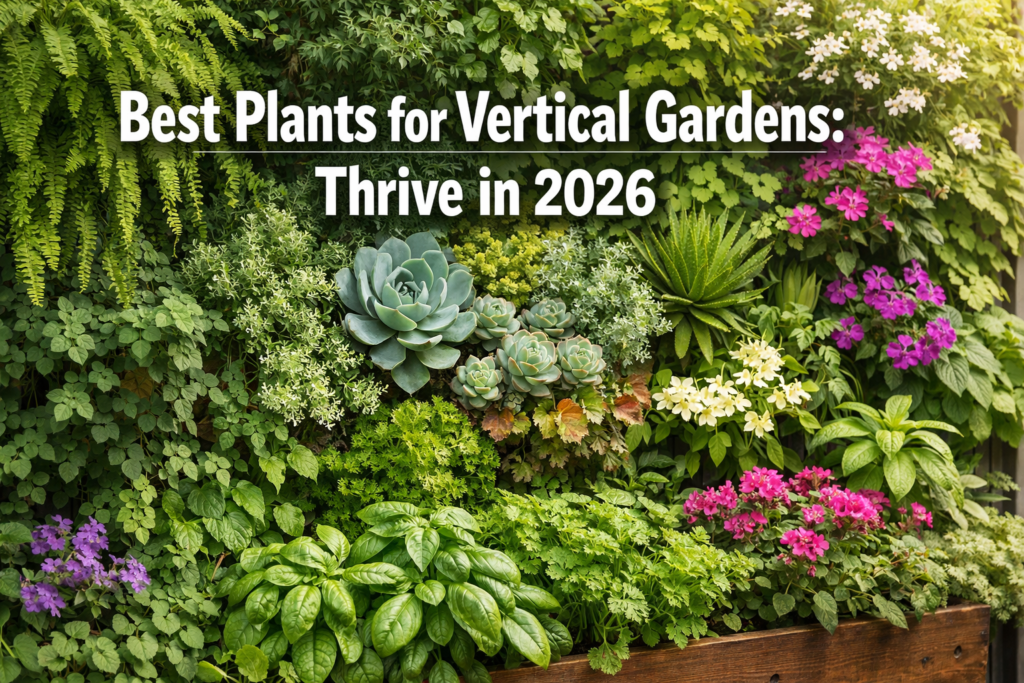
Quick Answer: The best plants for vertical gardens in 2026 are versatile species that tolerate shallow root systems and varied light conditions, including herbs like basil and mint, leafy greens such as lettuce and spinach, and ornamental options like petunias and ferns. Success largely depends on matching plant needs to your vertical system’s environment.
Key Takeaways
- Edibles excel in vertical setups: Many herbs, leafy greens, and some fruiting vegetables are ideal.
- Consider sun exposure: Select plants specifically for full sun, partial shade, or shade conditions.
- Watering is crucial: Vertical gardens dry out faster; choose plants with similar water needs or systems that allow individual watering.
- Root depth matters: Opt for plants with shallow root systems that can thrive in limited space.
- Maintenance simplifies success: Low-maintenance varieties reduce the ongoing effort required.
- System type influences choice: Different vertical garden systems (pockets, panels, freestanding) suit different plant types.
- Prioritize air circulation: Good airflow prevents fungal issues, especially for dense plantings.
- Aesthetics and function: Balance visual appeal with your desire for edible yields or specific plant types.
Which Edible Plants Are Best for Vertical Gardens?
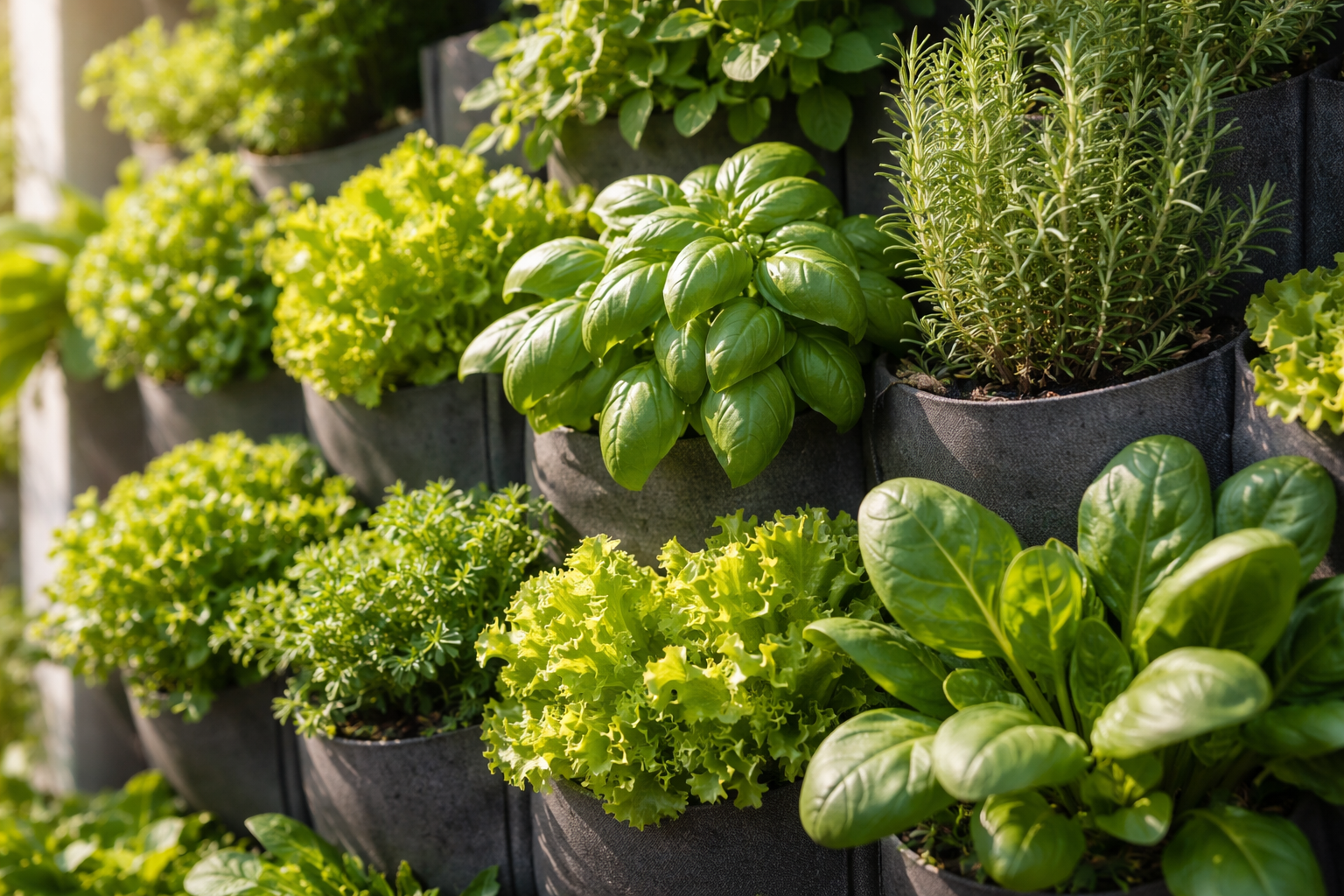
For growing edibles in a vertical garden, focus on herbs, leafy greens, and compact fruiting plants that don’t require deep roots or extensive spreading. These plants generally thrive in the modular, space-saving designs characteristic of vertical systems.
Edible vertical gardens are highly popular in 2026, especially for urban dwellers seeking fresh produce. When selecting plants, consider varieties that are naturally compact or can be easily pruned to stay within their designated pockets or shelves.
- Herbs: Most herbs are excellent choices due to their shallow roots and frequent harvesting.
- Basil 🌱
- Mint
- Rosemary
- Thyme
- Oregano
- Parsley
- Chives
- Cilantro
- Sage
- Decision Rule: Choose herbs based on your culinary preferences and ensure they receive adequate sunlight (most prefer full sun).
- Leafy Greens: Fast-growing and compact, leafy greens are staples for vertical setups.
- Lettuce (various types)
- Spinach
- Swiss Chard
- Kale
- Arugula
- Mustard Greens
- Common Mistake: Overcrowding can lead to poor air circulation and pest issues. Ensure sufficient spacing.
- Small Fruiting Plants: Some smaller fruiting plants can be successful with proper support and care.
- Strawberries 🍓 (everbearing varieties are best)
- Cherry Tomatoes (dwarf or determinate varieties)
- Bush Beans (compact varieties)
- Peppers (small, compact varieties)
- Edge Case: Fruiting plants require more nutrients and consistent watering than leafy greens. Consider enriching the soil with a balanced fertilizer designed for edibles. For more on growing vegetables in limited spaces, see our guide on Best Vegetables for Small Space Gardening in 2026.
What Ornamental Plants Thrive in Vertical Garden Setups?
Ornamental plants suitable for vertical gardens typically feature attractive foliage, cascading growth habits, or vibrant blooms, and can tolerate the specific growing conditions of vertical systems, such as limited soil volume and varied light exposure. These plants are chosen for their aesthetic appeal and ability to create a living wall.
Creating a stunning visual display is a primary goal for many vertical garden enthusiasts in 2026, especially in small spaces like balconies. The key is to select plants that complement each other in terms of color, texture, and growth habit.
- Flowering Plants: Add splashes of color and attract pollinators.
- Petunias (trailing varieties)
- Impatiens (for shady areas)
- Violas/Pansies
- Lobelia
- Nasturtiums (edible flowers and leaves)
- Begonias (some varieties are excellent for shade)
- Foliage Plants: Provide texture and continuous green interest.
- Ferns (e.g., Boston fern, Kimberly Queen fern – for shade/partial shade)
- Hostas (dwarf varieties for shady spots)
- Heuchera (Coral Bells – offers diverse leaf colors)
- Ivy (can be invasive if not managed)
- Philodendrons (some vining types work well)
- Spider Plants
- Decision Rule: Consider the mature size and spread of ornamental plants. Trailing varieties naturally drape over the edges, creating a lush effect, while compact upright plants fill pockets efficiently.
- Succulents: Ideal for sunny, drier vertical gardens due to their low water needs.
- Sedum (various types, including ‘String of Pearls’ or ‘Stonecrop’)
- Echeveria
- Sempervivum (Hens and Chicks)
- Common Mistake: Overwatering succulents is a frequent error in vertical gardens. Ensure excellent drainage and allow the soil to dry out between waterings.
How Do I Choose the Best Plants for Vertical Gardens Based on Light and Water Needs?
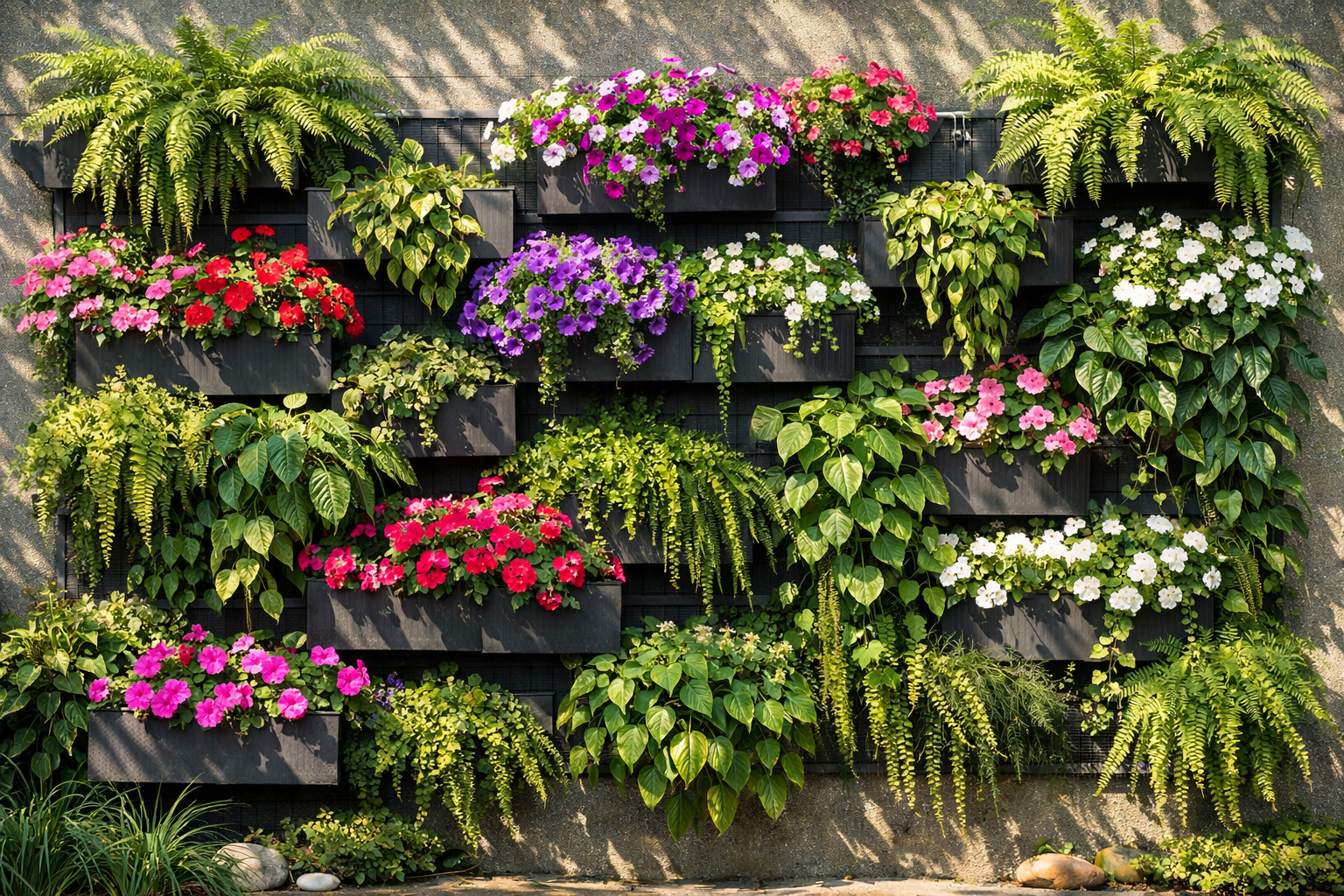
Choosing the best plants for vertical gardens based on light and water needs involves assessing your specific garden’s exposure and then selecting plants with compatible requirements, as vertical systems can create microclimates and dry out faster than traditional beds. This ensures plants thrive rather than just survive.
Successful vertical gardening in 2026 relies heavily on matching the right plant to the right conditions. Ignoring these fundamental needs is a common cause of plant failure.
Light Exposure Considerations
The amount of direct sunlight your vertical garden receives daily dictates which plants will flourish.
- Full Sun (6+ hours direct sun):
- Edibles: Tomatoes (dwarf), Peppers, Strawberries, Rosemary, Thyme, Basil.
- Ornamentals: Petunias, Sedum, Echeveria, Lantana.
- Choose if: Your vertical garden faces south or west and receives unobstructed sunlight for most of the day.
- Partial Shade (3-6 hours direct sun, often morning sun or dappled light):
- Edibles: Lettuce, Spinach, Kale, Mint, Parsley, Cilantro.
- Ornamentals: Impatiens, Begonias, Ferns (some types), Heuchera.
- Choose if: Your garden receives morning sun and afternoon shade, or is under a tree with dappled light. Our guide on Shade Plants for Balcony offers more detailed options for lower light.
- Full Shade (less than 3 hours direct sun, or indirect light all day):
- Edibles: While challenging, some leafy greens like Spinach and Swiss Chard can tolerate very low light but will grow slower.
- Ornamentals: Boston Ferns, Hostas (dwarf), Impatiens, Ivy, Philodendrons, Spider Plants.
- Choose if: Your vertical garden is in a deeply shaded area, such as under an overhang or facing north.
Watering Needs Compatibility
Vertical gardens, especially those exposed to sun and wind, tend to dry out quickly due to smaller soil volumes.
- High Water Needs:
- Plants: Leafy greens, many annual flowers (e.g., Petunias, Impatiens).
- Management: Requires frequent watering, possibly daily in hot weather. Consider self-watering vertical systems or drip irrigation.
- Moderate Water Needs:
- Plants: Most herbs (e.g., Basil, Mint), some perennials.
- Management: Water when the top inch of soil feels dry.
- Low Water Needs:
- Plants: Succulents (e.g., Sedum, Echeveria), some Mediterranean herbs (e.g., Rosemary, Thyme).
- Management: Allow soil to dry out completely between waterings to prevent root rot. This also makes them ideal low maintenance plants.
- Edge Case: When mixing plants, group species with similar water requirements together to simplify irrigation and prevent over or under-watering.
- Table: Light & Water Needs Quick Guide
| Plant Type | Sun Exposure | Water Needs | Examples (Vertical Friendly) |
|---|---|---|---|
| Herbs | Full Sun to Partial Shade | Moderate | Basil, Mint, Rosemary |
| Leafy Greens | Partial Sun to Partial Shade | High | Lettuce, Spinach, Kale |
| Fruiting | Full Sun | Moderate to High | Strawberries, Cherry Tomatoes |
| Flowering | Full Sun to Partial Shade | Moderate to High | Petunias, Impatiens, Lobelia |
| Foliage | Partial Shade to Full Shade | Moderate | Ferns, Hostas, Ivy |
| Succulents | Full Sun | Low | Sedum, Echeveria |
What Are the Best Vertical Garden Systems for Different Plant Types?
The best vertical garden system for your plants depends on the specific plant types you wish to grow, their root structure, and your available space, ranging from simple pocket planters for herbs to advanced hydroponic panels for leafy greens. Each system offers distinct advantages for certain plants and growing conditions.
Choosing the right system in 2026 is as crucial as selecting the right plants for vertical gardening success. Different systems offer varying levels of soil volume, moisture retention, and ease of maintenance. For a deeper dive into setup, refer to our Vertical Gardening Basics: Your 2026 Guide to Small Space Gardens.
- Pocket Planters/Fabric Systems: These are typically fabric pockets or modules attached to a wall or frame.
- Best for: Herbs, leafy greens, small annual flowers, and shallow-rooted succulents. Their flexibility makes them great for a variety of small plants.
- Pros: Lightweight, affordable, easy to install.
- Cons: Dries out quickly, small soil volume.
- Decision Rule: Choose if you’re a beginner or want to grow a quick rotation of small edibles and ornamentals.
- Panel Systems (Modular/Grid): These consist of rigid panels with individual cells or grow cups.
- Best for: A wide range of plants, including edibles, ornamentals, and even some small vegetables. They offer more structural support and often larger root zones than pockets.
- Pros: Durable, good aesthetic, allows for plant customization.
- Cons: Can be more expensive, heavier.
- Example: Many modern living walls use panel systems for a dense, lush look.
- Freestanding/Tiered Planters: These are stacked containers or shelves, not necessarily attached to a wall.
- Best for: Most container-friendly plants, including larger herbs, compact vegetables like bush beans, and bigger ornamental plants. They offer greater soil volume per plant.
- Pros: Portable, easier to maintain individual plants, more soil volume.
- Cons: Takes up floor space, less “vertical” in the traditional wall-mounted sense.
- Edge Case: If you’re growing plants that require more root space or frequent repotting, a tiered system is often a better choice than wall-mounted pockets.
- Hydroponic/Aquaponic Systems: These advanced systems grow plants without soil, using nutrient-rich water.
- Best for: Fast-growing leafy greens, herbs, and some fruiting plants (like strawberries) that benefit from precise nutrient delivery.
- Pros: Faster growth, less water usage, no soil-borne pests.
- Cons: Higher initial cost, requires more technical knowledge, ongoing monitoring of nutrient solutions.
- Decision Rule: Opt for hydroponics if you have some gardening experience, are willing to invest more, and prioritize high yield for specific edibles.
What Common Mistakes Should I Avoid When Selecting Plants for My Vertical Garden?
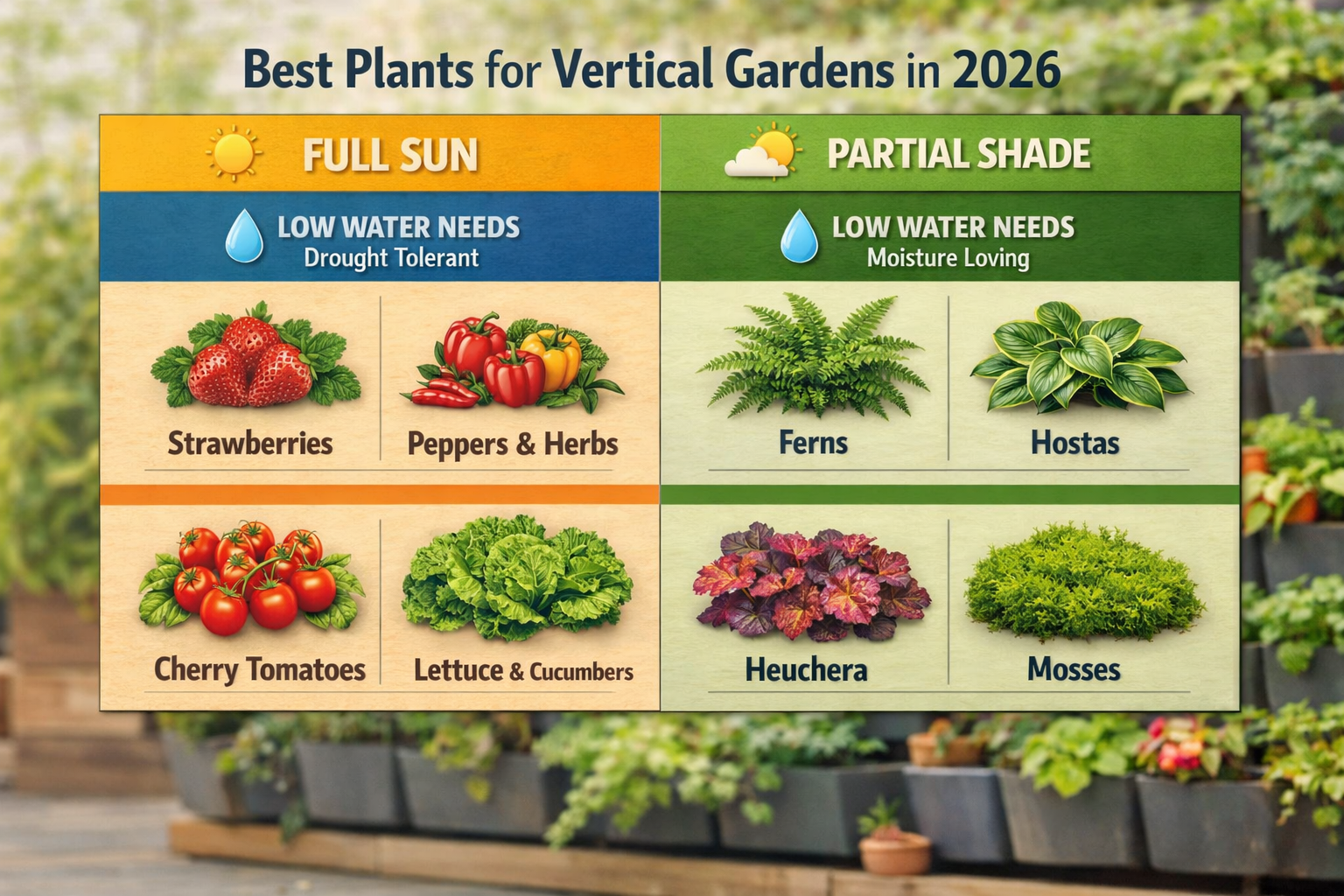
A common mistake when selecting plants for vertical gardens is choosing species that are too large, have deep root systems, or have incompatible light and water needs for the specific vertical system and its location. Avoiding these pitfalls ensures plant health and garden success.
Many vertical garden failures in 2026 can be traced back to initial plant selection errors. Thoughtful planning can save a lot of frustration.
- Ignoring Root Depth: Many plants, especially larger vegetables or trees, require extensive root systems that simply won’t fit in the shallow pockets or modules of most vertical gardens.
- Correction: Always check the mature root depth requirements. Stick to shallow-rooted plants like herbs, leafy greens, and annual flowers.
- Mismatched Light Requirements: Placing sun-loving plants in a shady vertical garden or vice-versa is a recipe for disaster.
- Correction: Observe your garden’s light exposure throughout the day for at least a week before purchasing plants. Then, choose plants specifically for those conditions. Our guide on How to Choose Plants for Small Spaces can help.
- Incompatible Watering Needs: Grouping plants that need constant moisture with those that prefer dry conditions in the same watering zone will inevitably lead to some plants suffering.
- Correction: Group plants with similar water requirements. If using a system with shared watering, stick to plants that thrive under consistent moisture or opt for a system that allows individual watering.
- Overlooking Mature Size: A small seedling might look perfect in a vertical pocket, but if it grows into a sprawling vine or large bush, it will quickly overwhelm its space and shade out neighboring plants.
- Correction: Research the mature size of your chosen varieties. Opt for dwarf, compact, or determinate varieties, especially for vegetables.
- Neglecting Air Circulation: Dense planting with overly bushy plants can restrict airflow, creating a humid environment ripe for fungal diseases and pests.
- Correction: Allow adequate space between plants for air to circulate. Prune plants regularly to maintain their size and open up the canopy.
- Forgetting Nutrient Needs: Some plants are heavy feeders, while others are light. Placing a heavy feeder next to a light feeder in a shared soil system can lead to nutrient imbalances.
- Correction: For mixed vertical gardens, focus on plants with similar nutrient demands. Alternatively, use a liquid fertilizer that can be adjusted for individual plants or ensure rich, well-draining soil for all. Learn more about Best Fertilizers for Small Gardens.
Conclusion
Selecting the best plants for vertical gardens in 2026 transforms unused wall space into a vibrant, productive, or beautiful display. The core of successful vertical gardening lies in understanding and respecting each plant’s specific needs—particularly regarding light, water, and root depth—and matching these to your chosen vertical system. By prioritizing shallow-rooted, compact, and compatible species, you can create a thriving green wall that brings joy and fresh produce or stunning aesthetics to your small space.
Actionable Next Steps:
- Assess Your Space: Determine the exact sun exposure (full sun, partial shade, full shade) and wind conditions for your vertical garden area.
- Choose Your System: Select a vertical gardening system (pockets, panels, freestanding) that aligns with your plant choices and budget. For system ideas, check out Vertical Balcony Garden Ideas.
- Research Plant Needs: Before buying, research the mature size, root depth, and specific light/water requirements of your desired plants.
- Group Wisely: Plan to group plants with similar light and water needs together within your vertical setup to simplify care.
- Start Small: If you’re new to vertical gardening, begin with easy-to-grow, low-maintenance options like herbs or succulents to build confidence.
SEO Meta Title: Best Plants for Vertical Gardens: Your 2026 Guide to Thriving Walls
SEO Meta Description: Discover the best plants for vertical gardens in 2026, including herbs, veggies, and ornamentals. Learn to choose plants based on light, water, and system type for a thriving green wall.